
Skunk Removal in St. Catharines, Handled Without a Spray
Fruit trees, soft lakeshore soil, and a century of wooden porches make St. Catharines a good place to be a skunk, and a smell under the deck in March is usually the first sign one agrees. Our wildlife removal services have moved skunks out of local yards for over 15 years with one-way doors and buried steel, so the den empties on its own and nobody, including the dog, gets sprayed.



Skunk Control for St. Catharines Yards and Gardens
Animal Services will collect a sick or injured skunk from a St. Catharines property at any hour, but it will not evict a healthy one from under your porch. That job is the owner’s, and the Garden City gives skunks plenty of reasons to stay: orchard-era fruit trees dropping all summer, grub-rich lawns from Port Dalhousie to Glenridge, and a compost bin beside almost every shed. Residents call our crew for a handful of reasons.
- Every technician holds wildlife control certification from the Ontario Ministry of Natural Resources and Forestry, and the rare skunk that needs trapping is released within the province’s one kilometre limit.
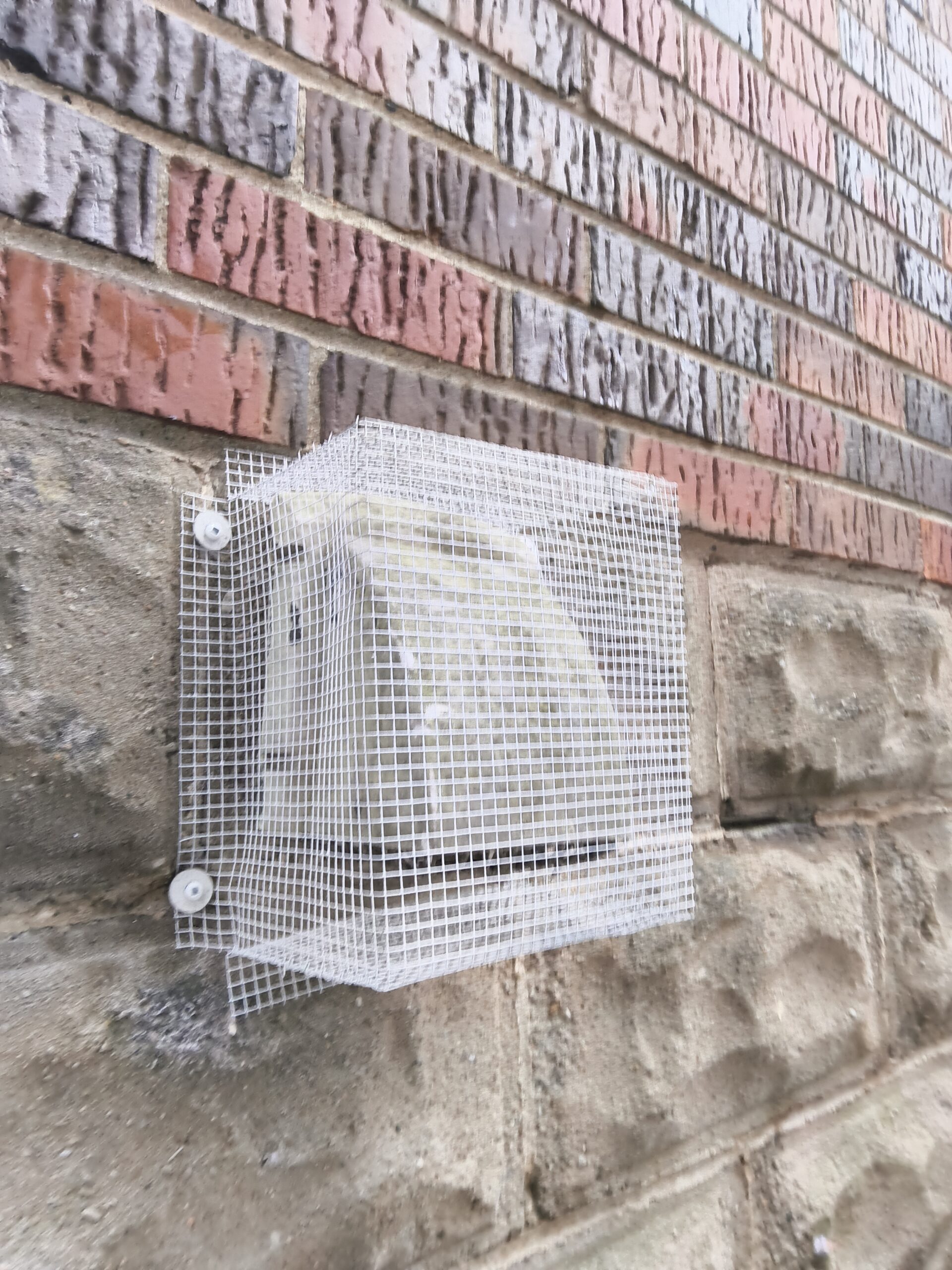
- Our screening goes around the whole deck or shed and into the ground, not over the hole in use, because a skunk digs fresh entry points beside a patch in a night.
- The Satisfaction Guarantee covers the perimeter we screen, so if a skunk gets back under, we come back and fix the screening.
How We Handle Skunks
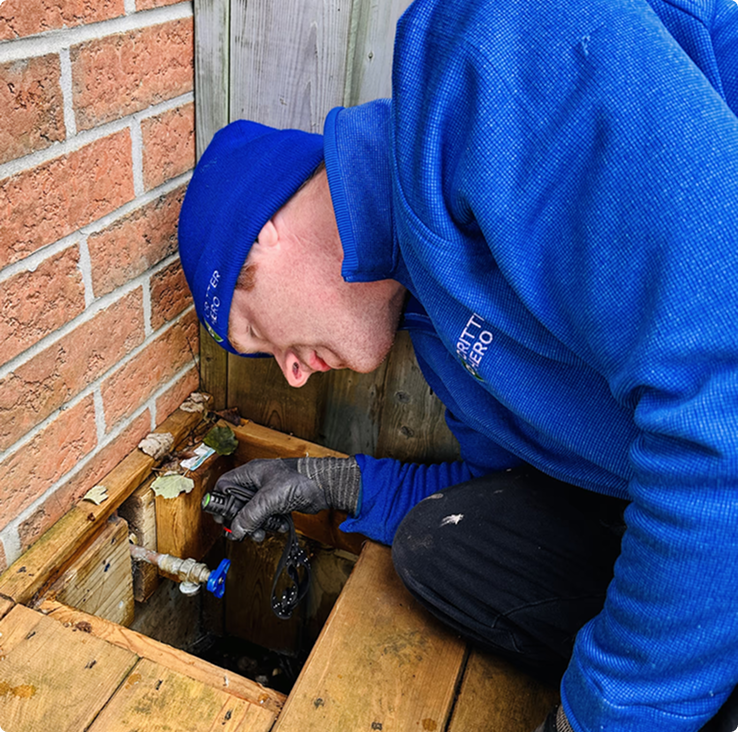
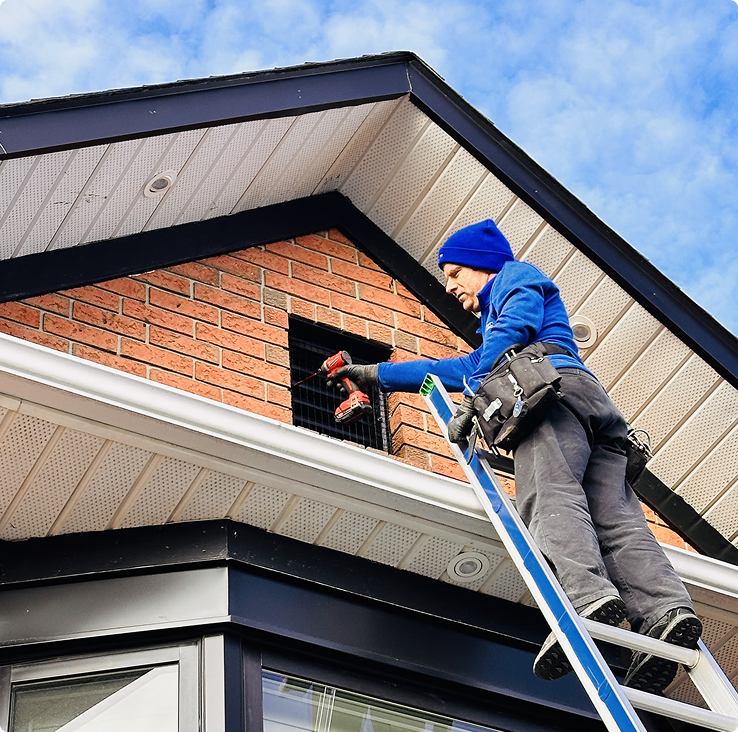
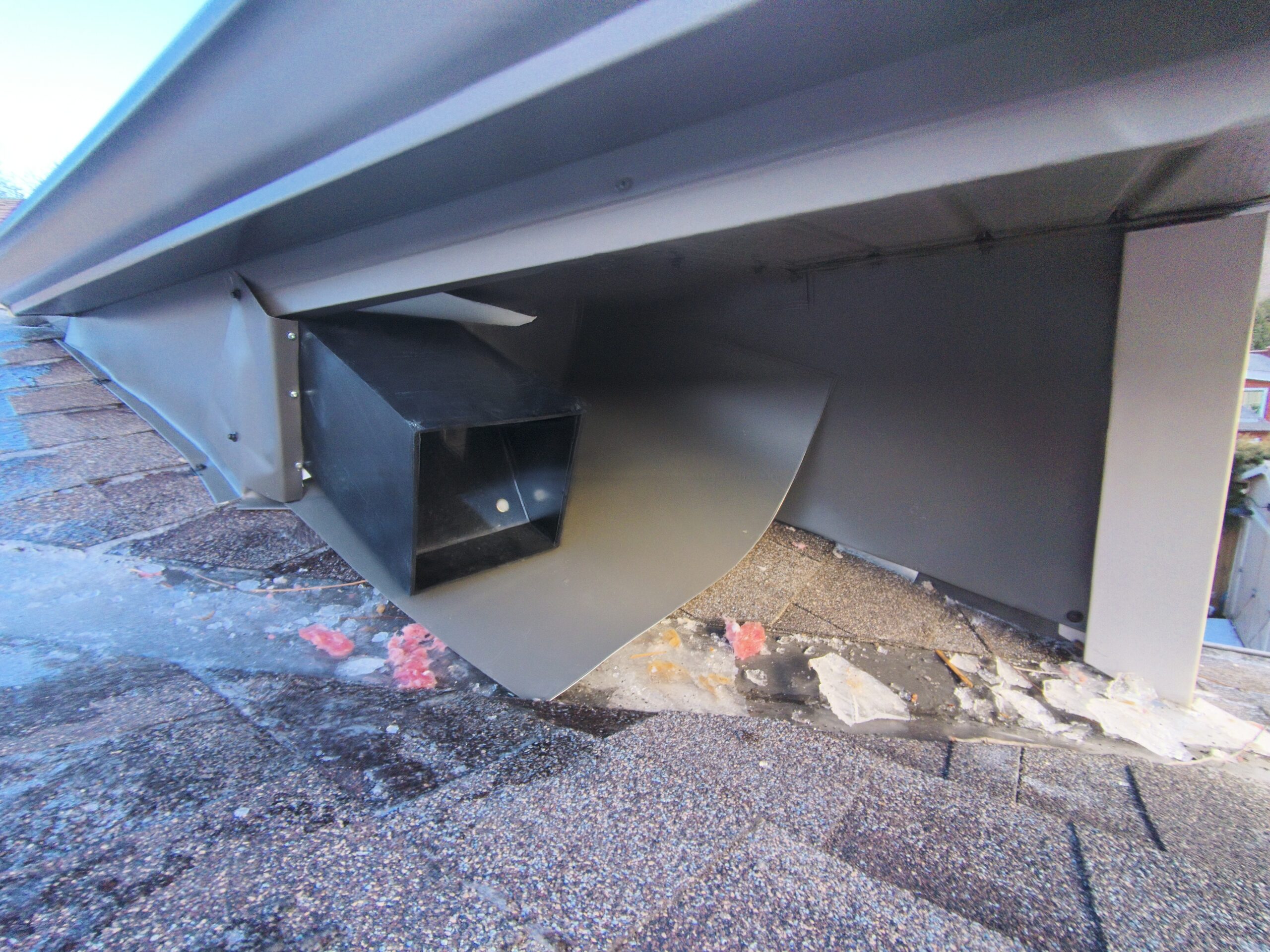
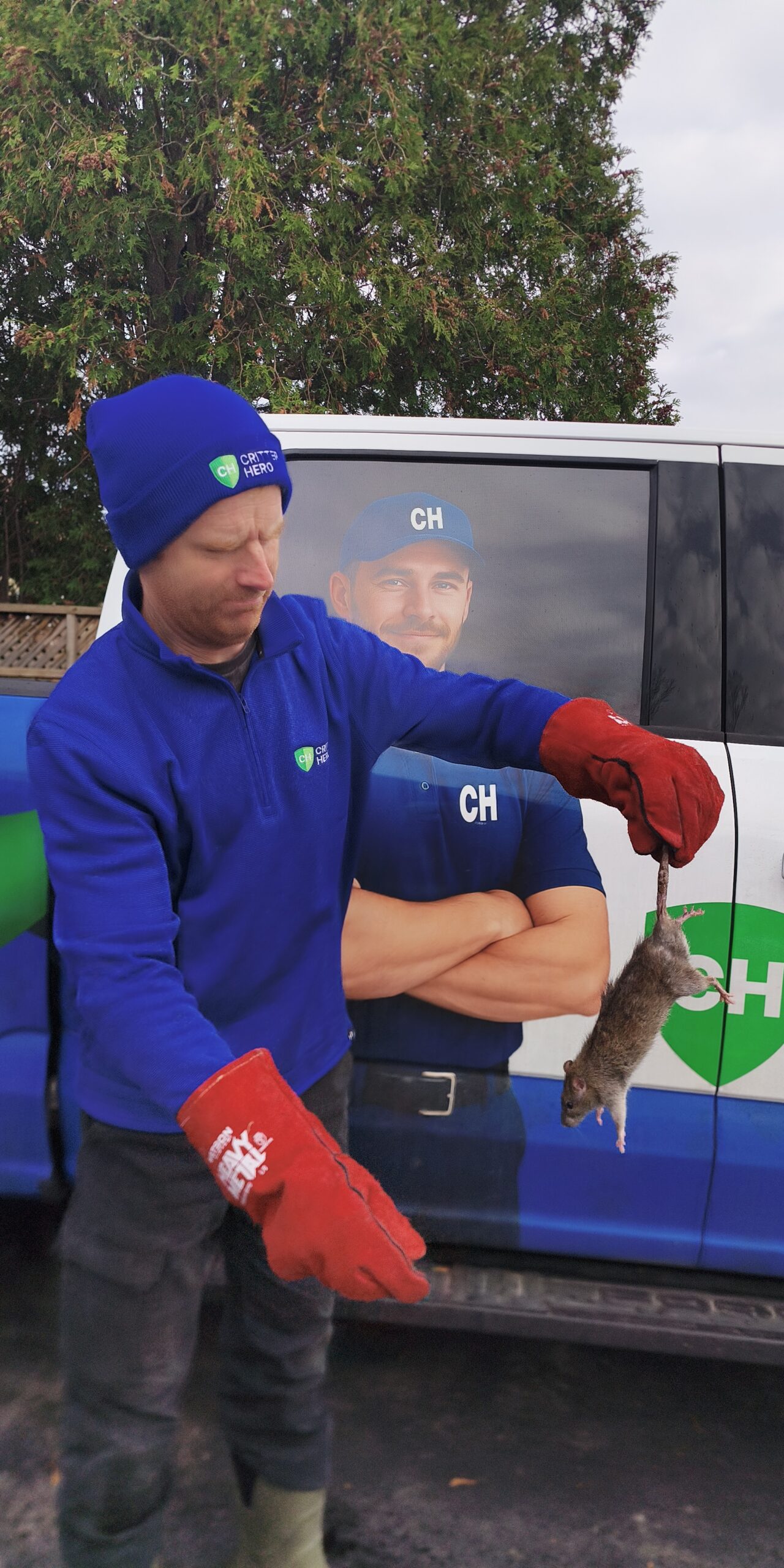
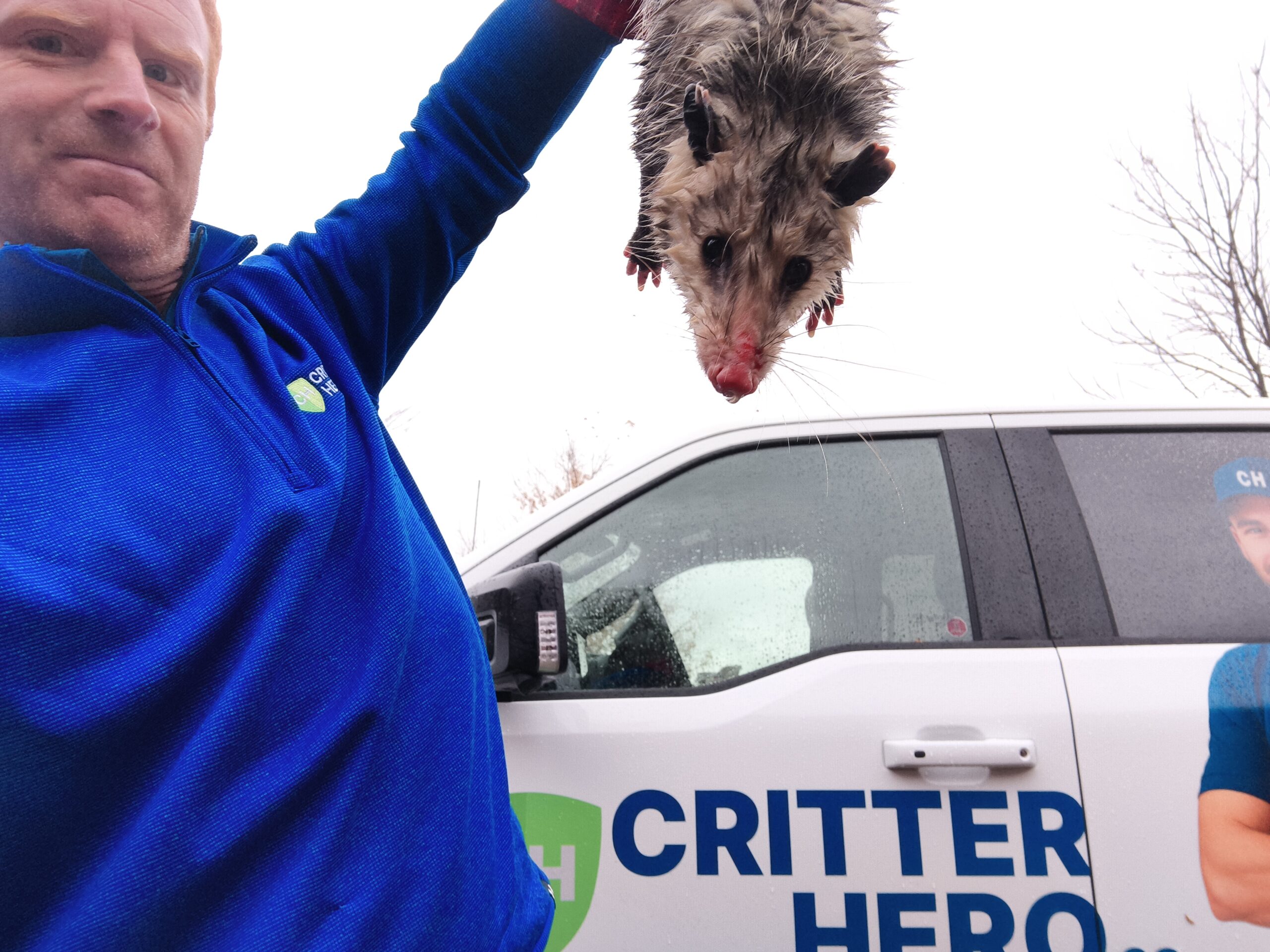
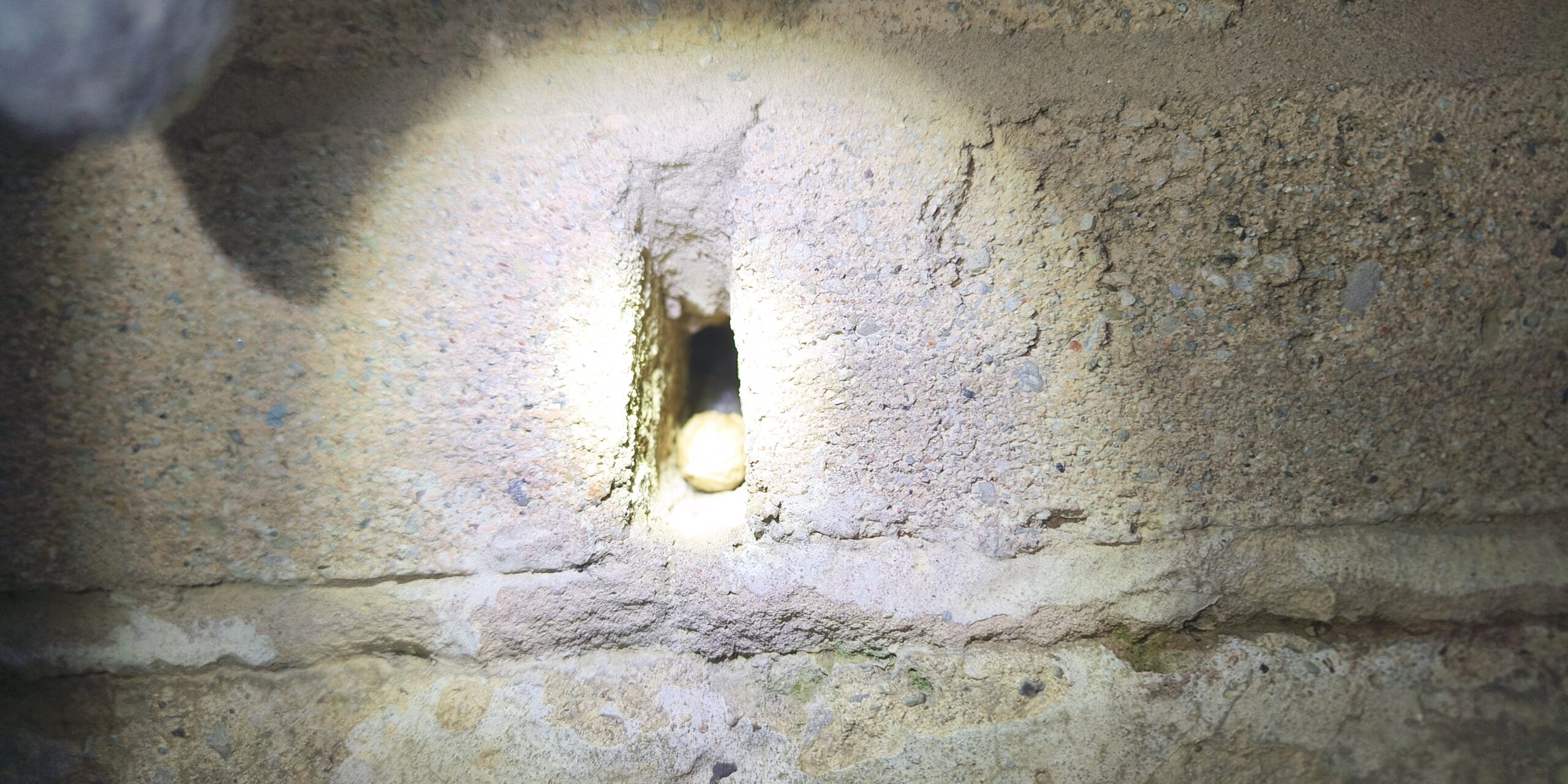
Skunks moved out from under St. Catharines decks, sheds, and porches humanely, and kept out with buried steel.

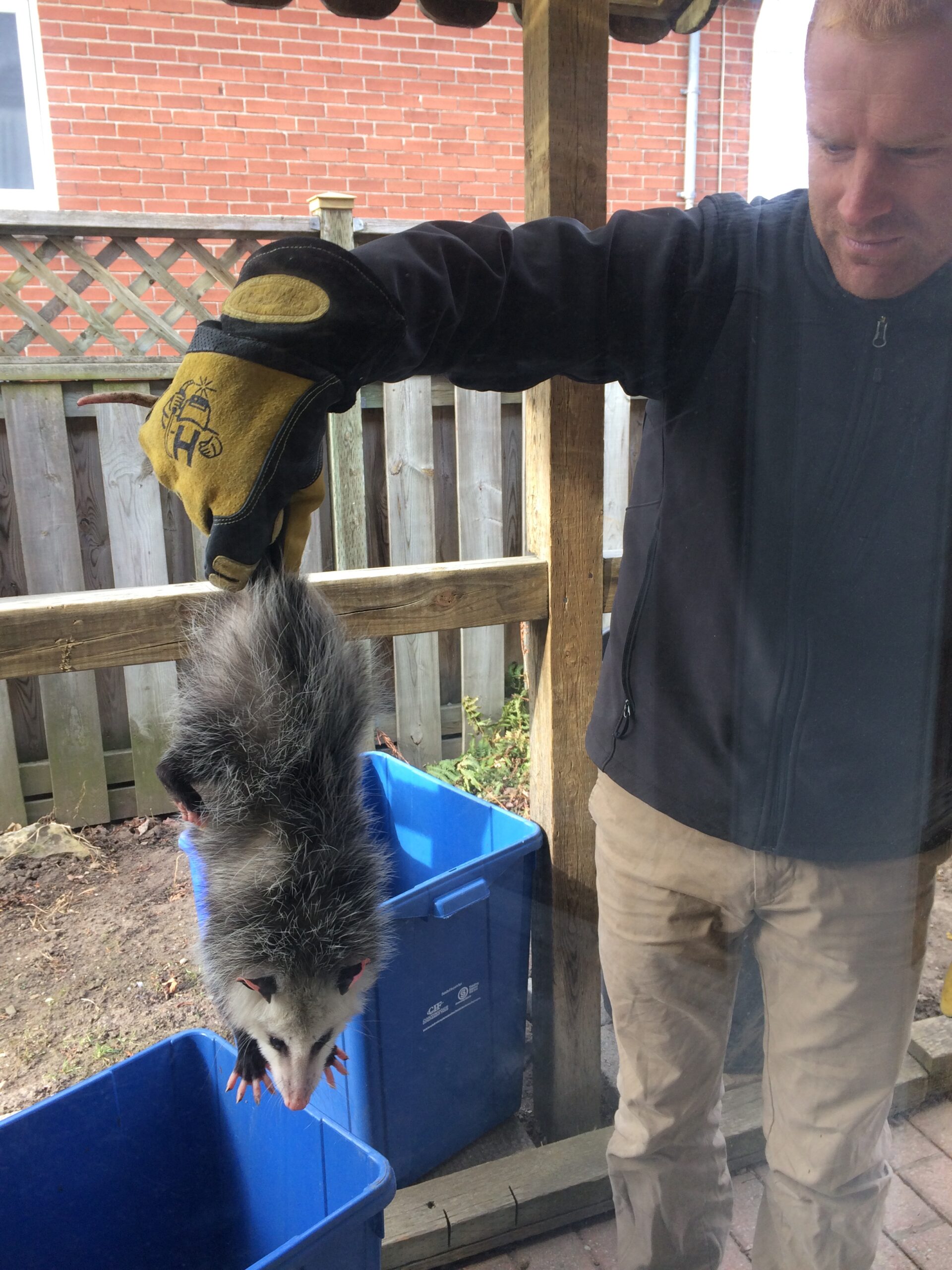
Skunk kits are born in May and cannot follow their mother until late June. Between those dates we check the den first and lift any young out by hand so the family leaves together.

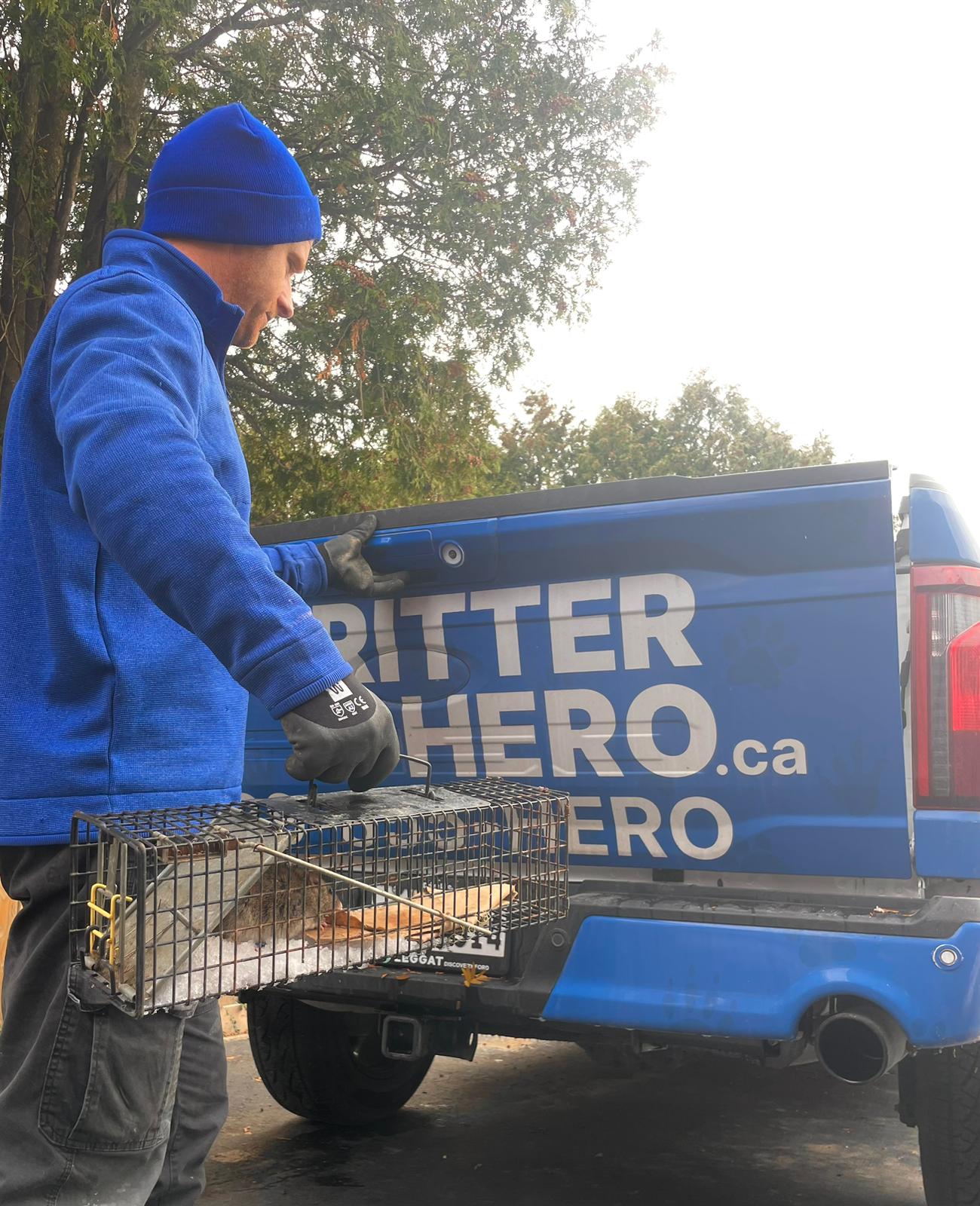
One-way doors let the skunk walk out at dusk on its own terms. Nobody grabs it, nobody corners it, and the spray stays in the skunk.
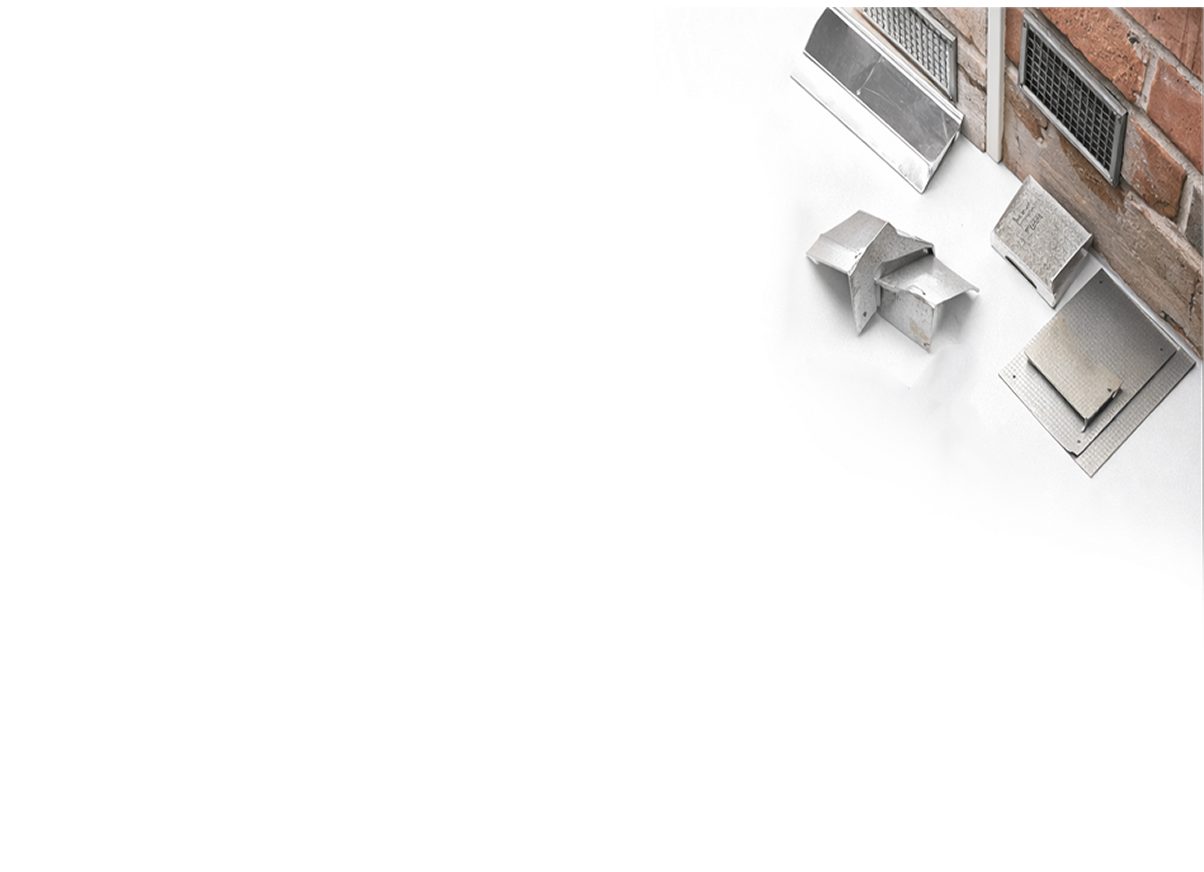
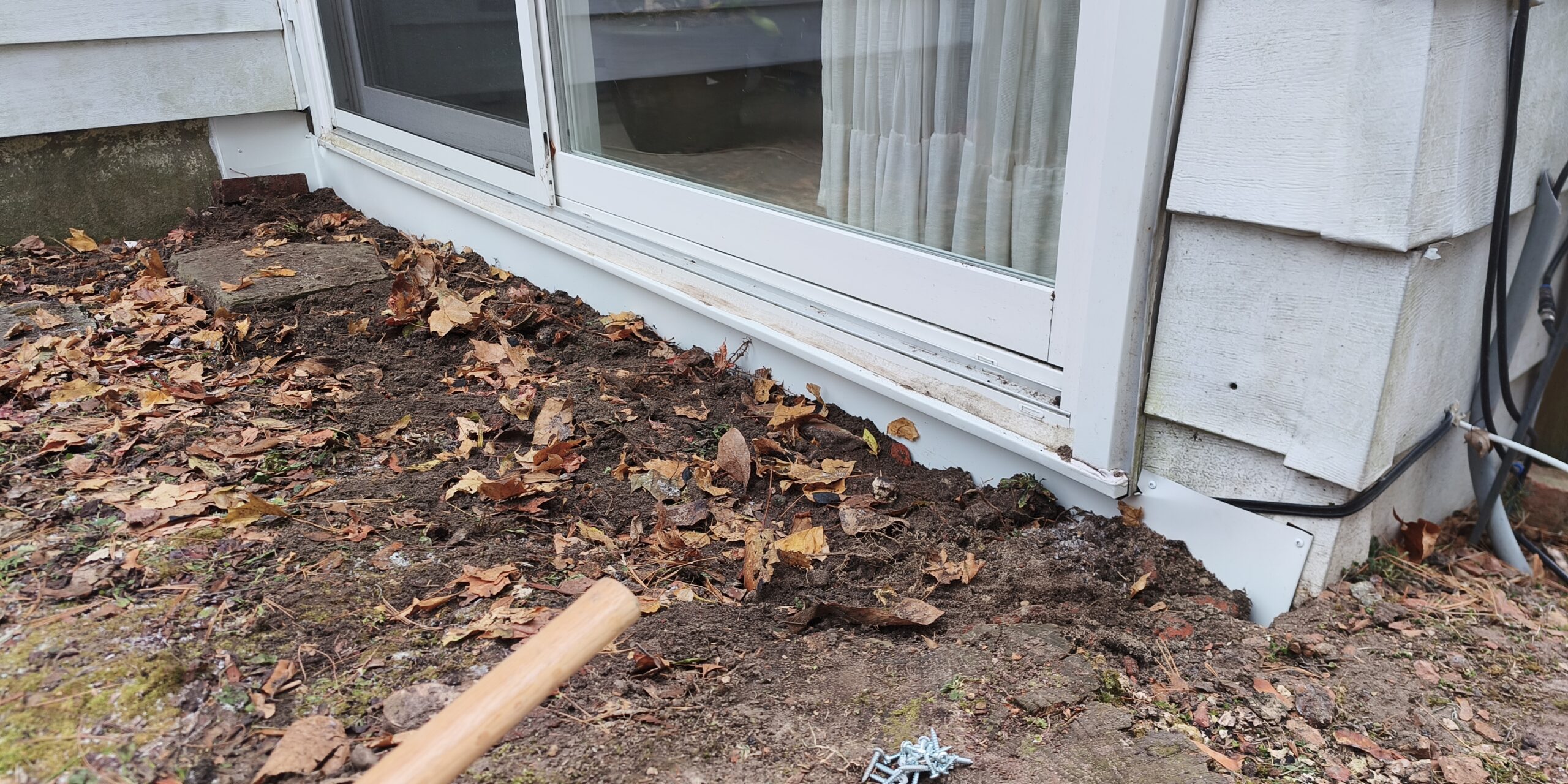
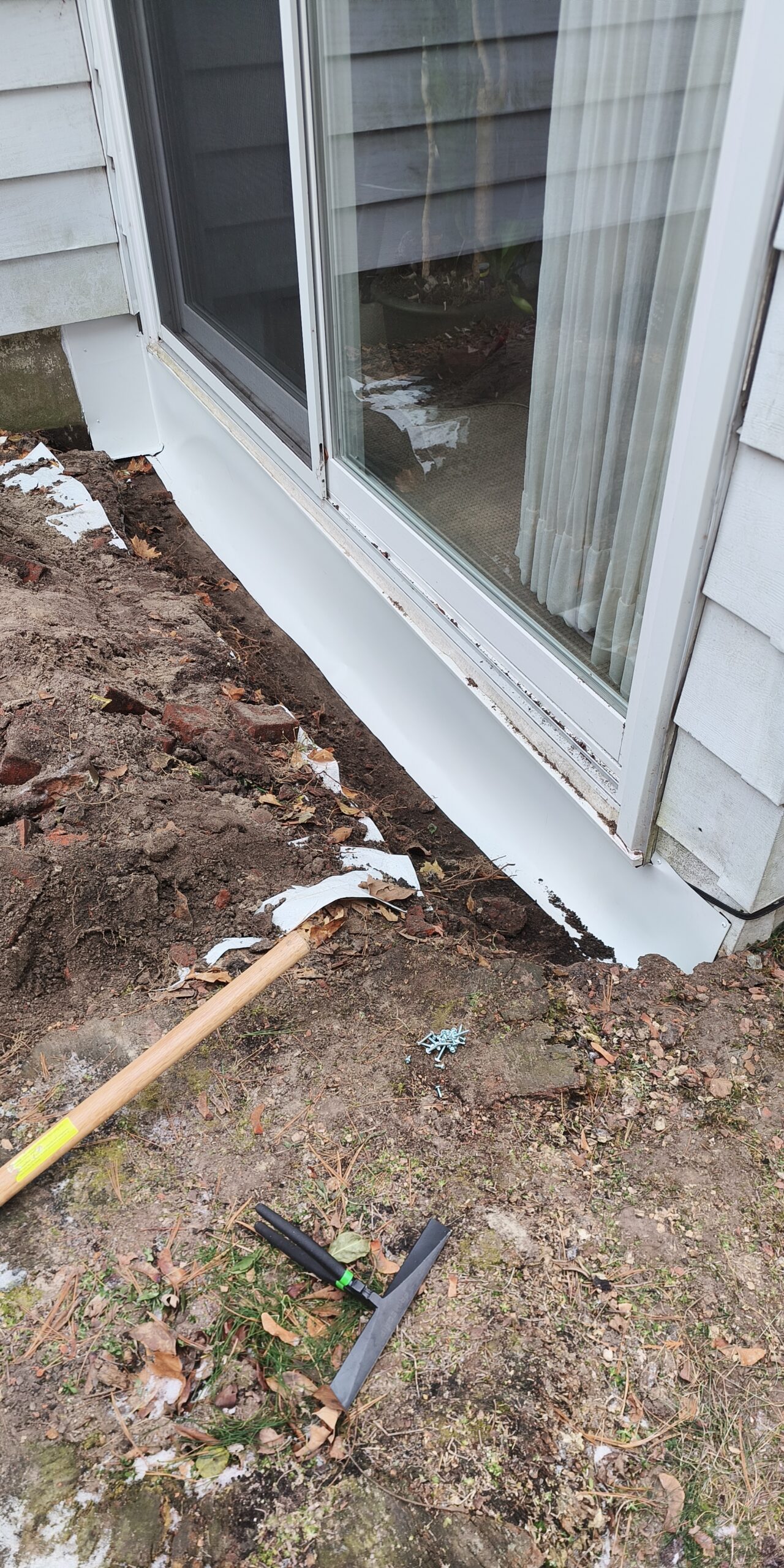
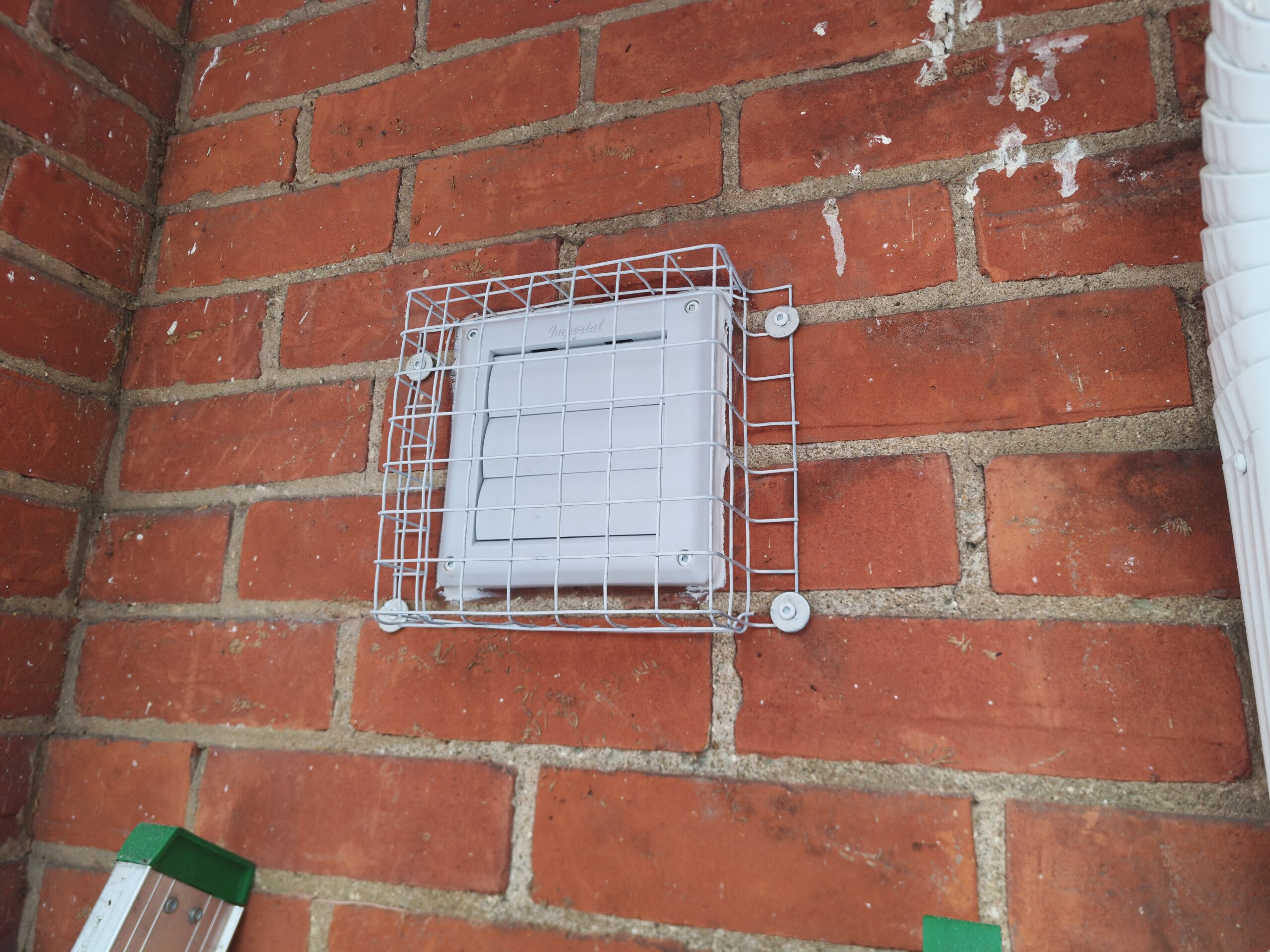
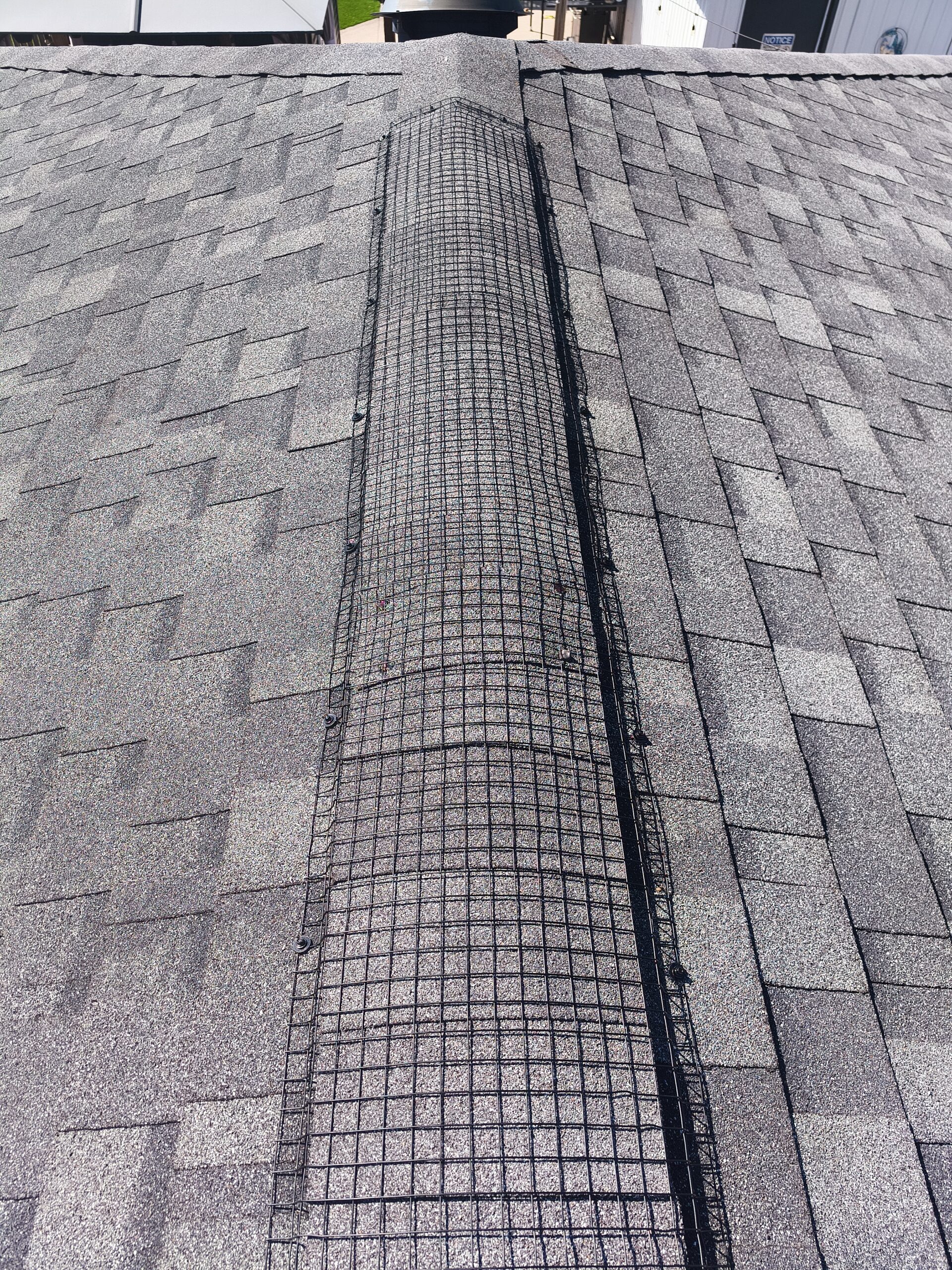
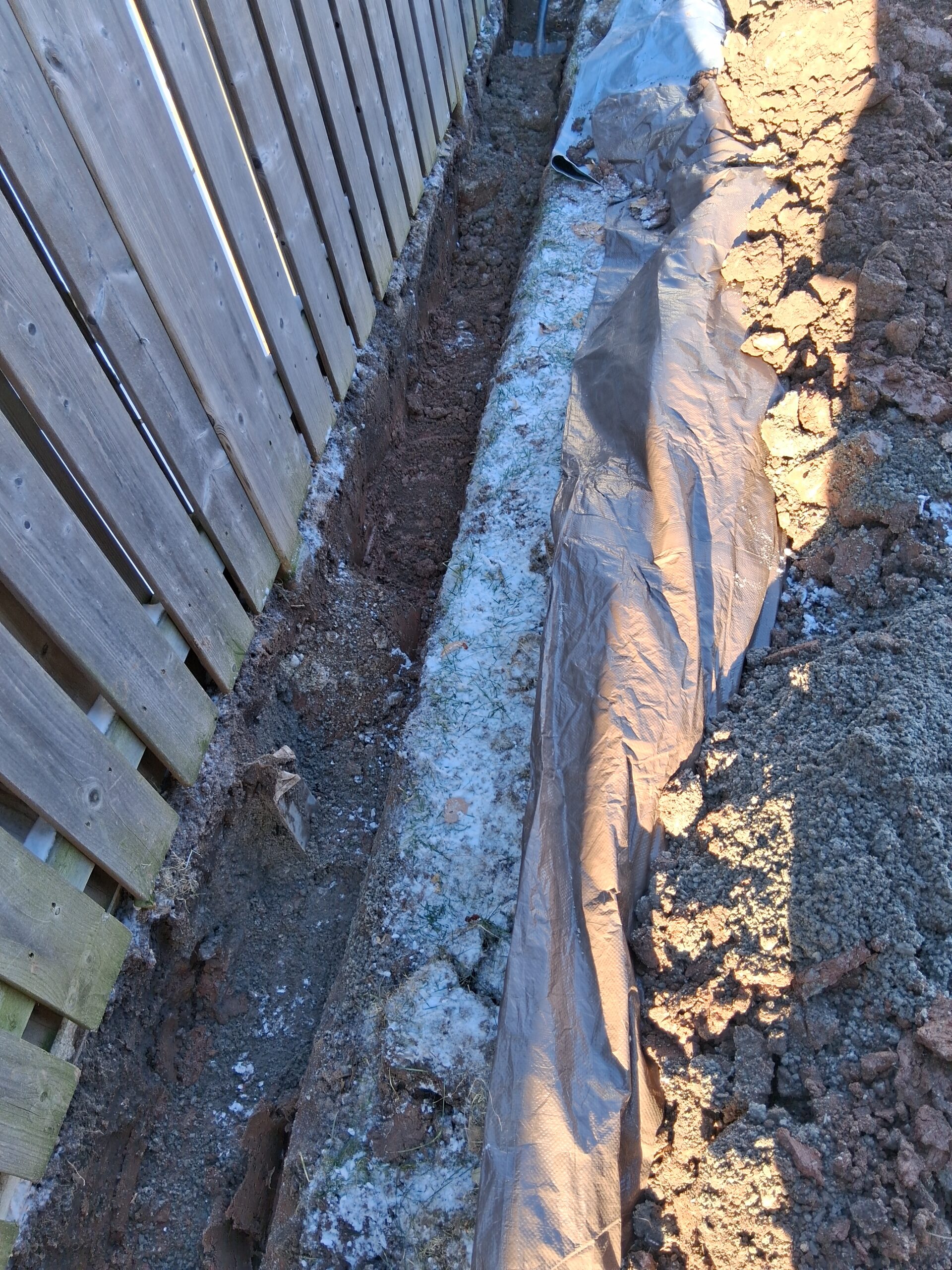
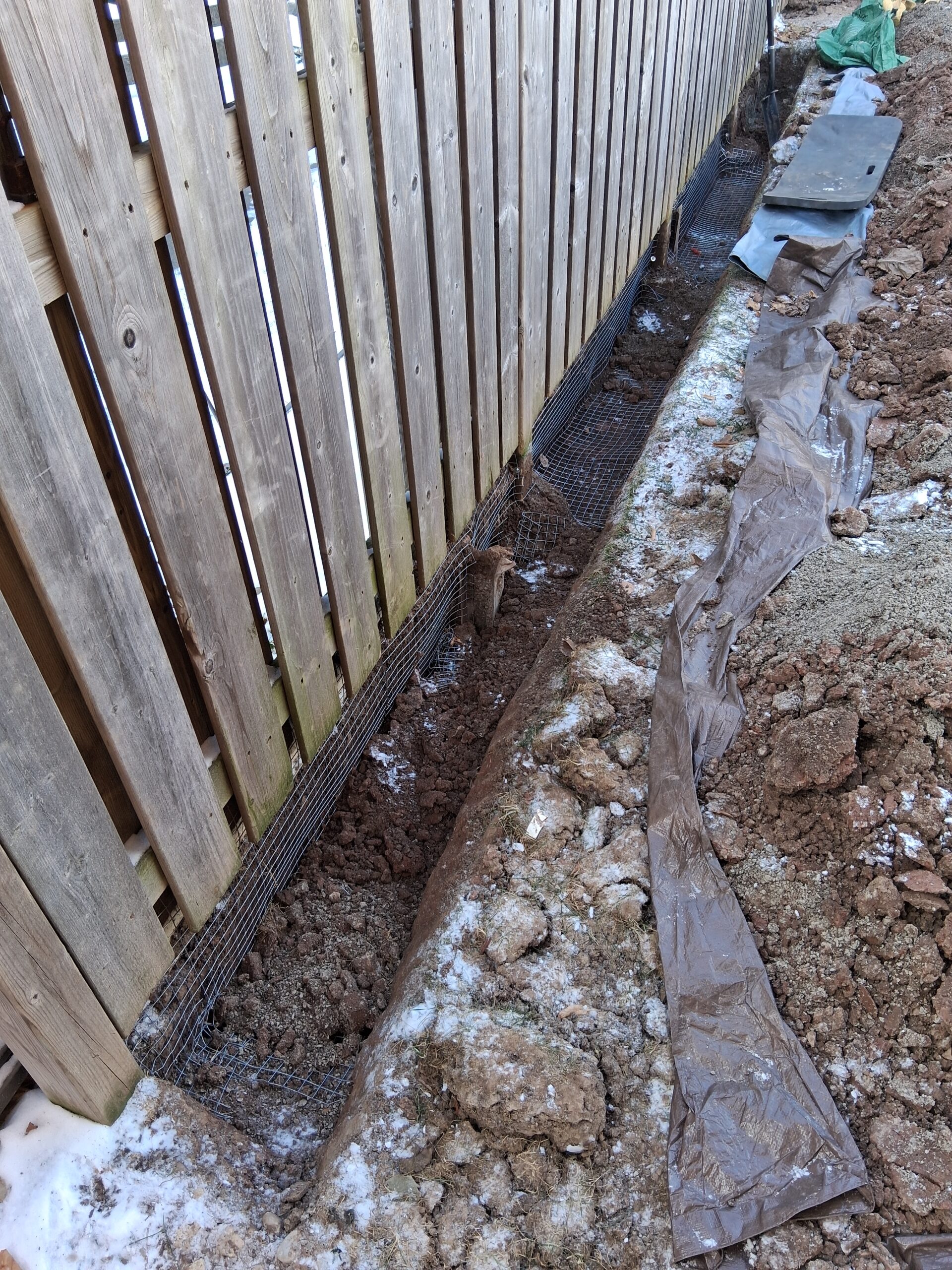
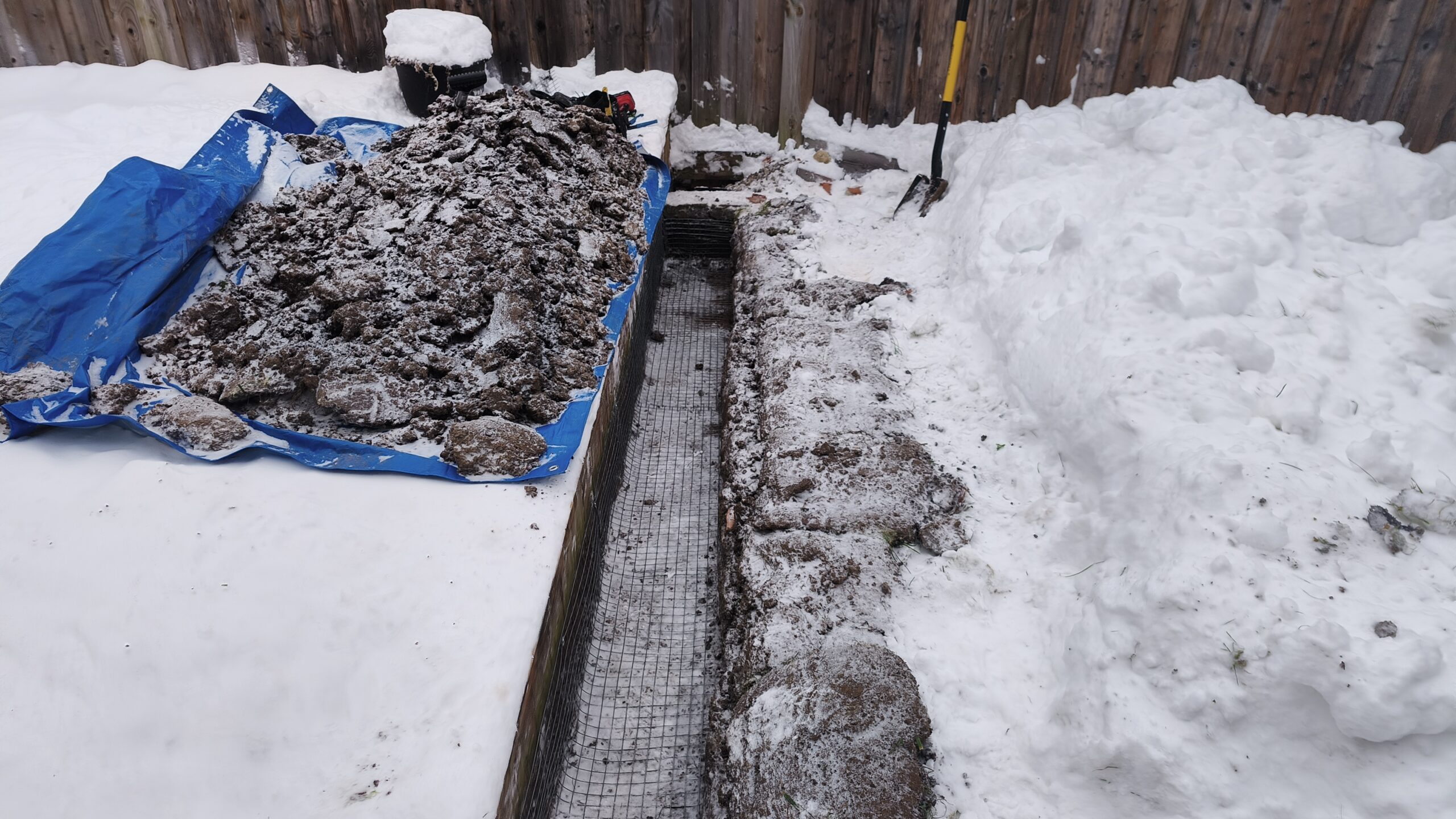
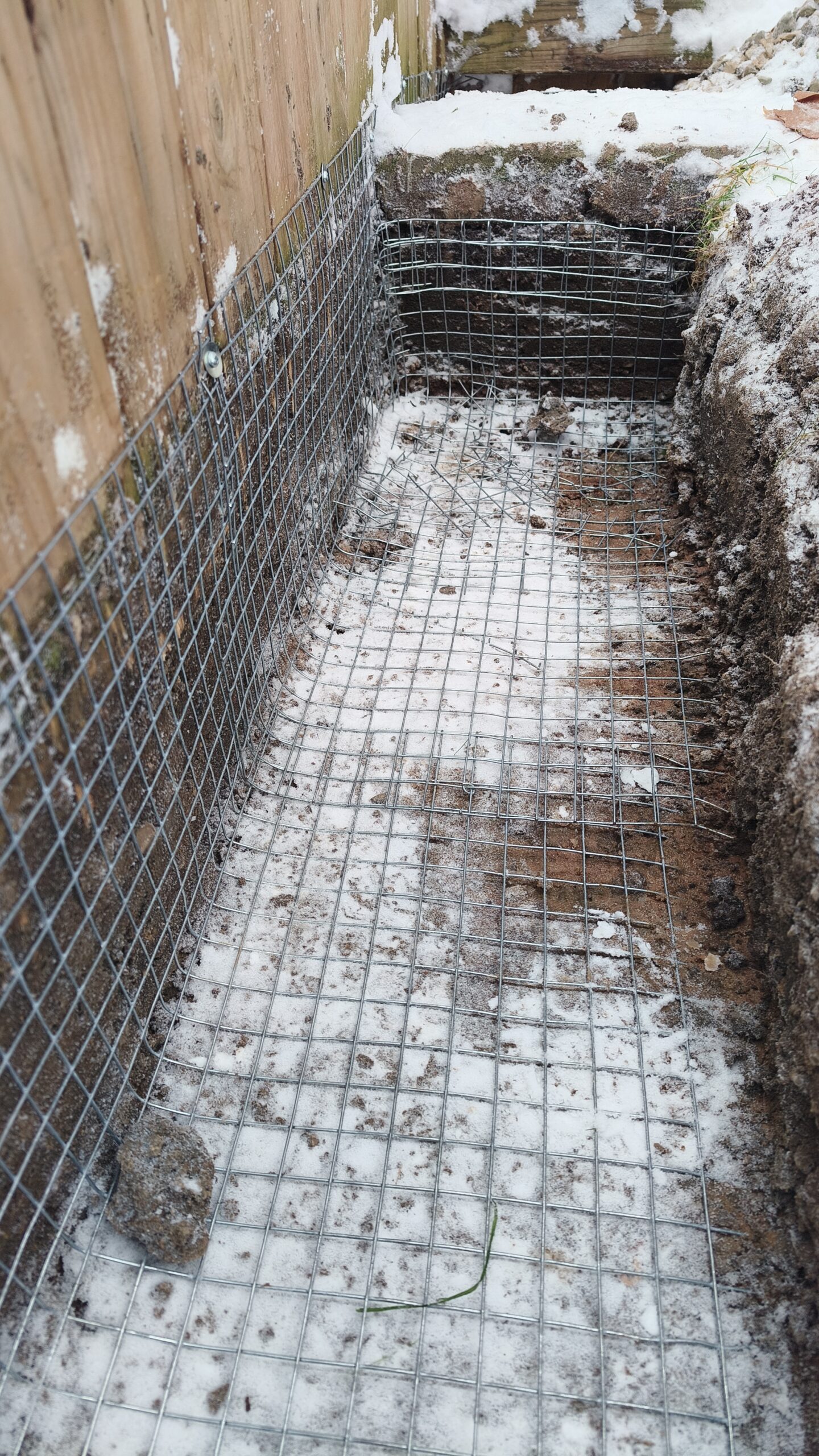
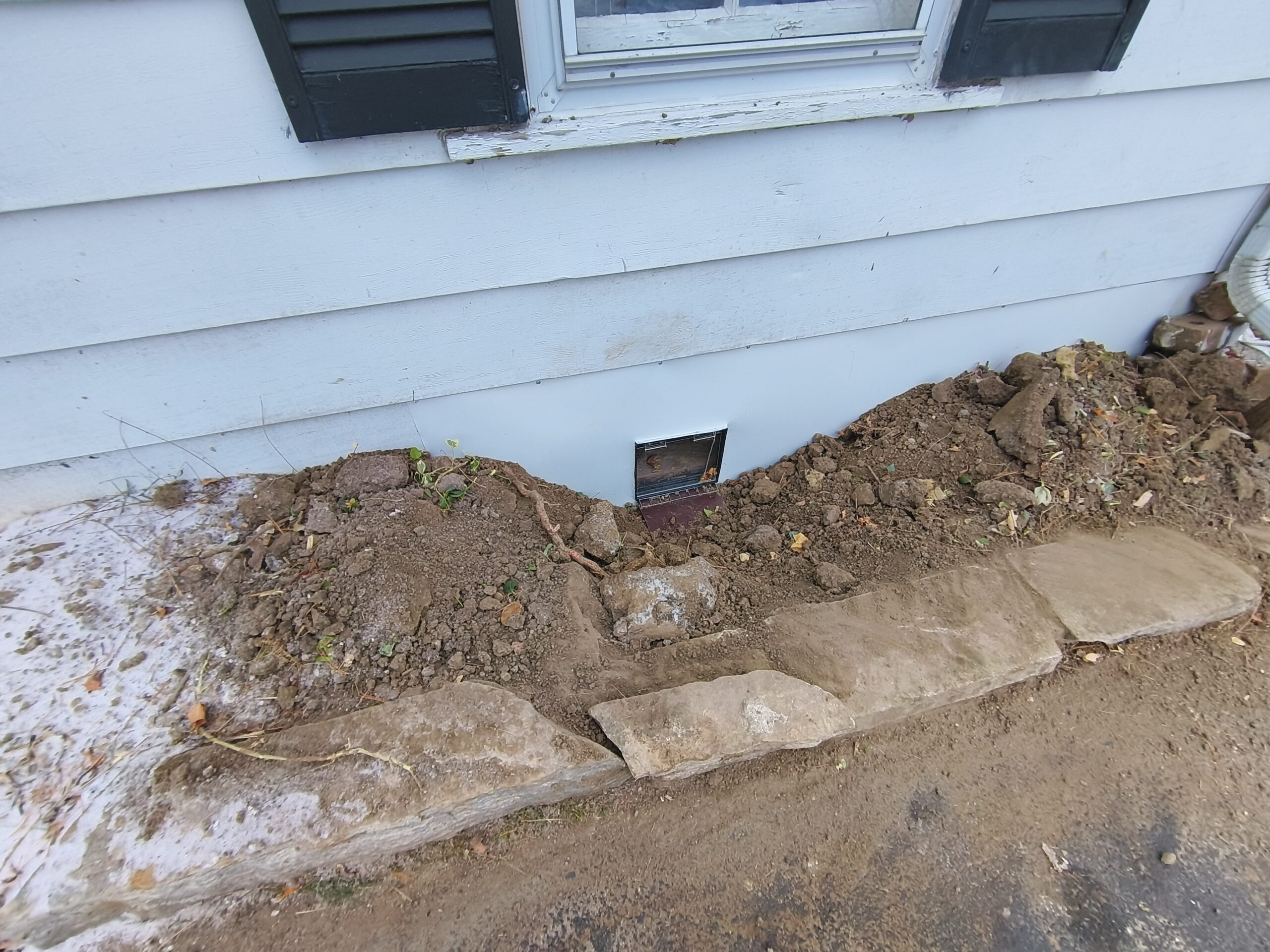
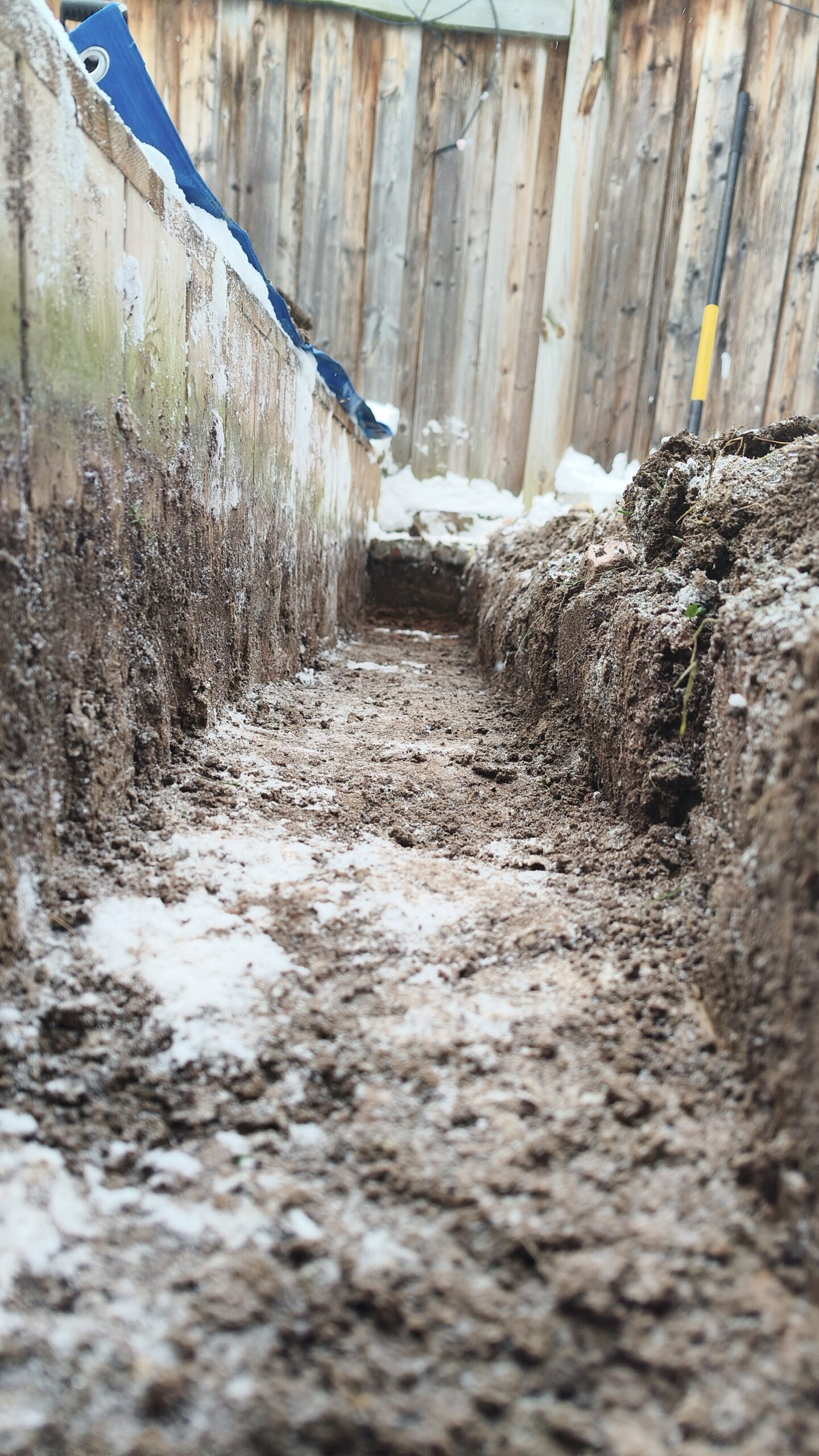
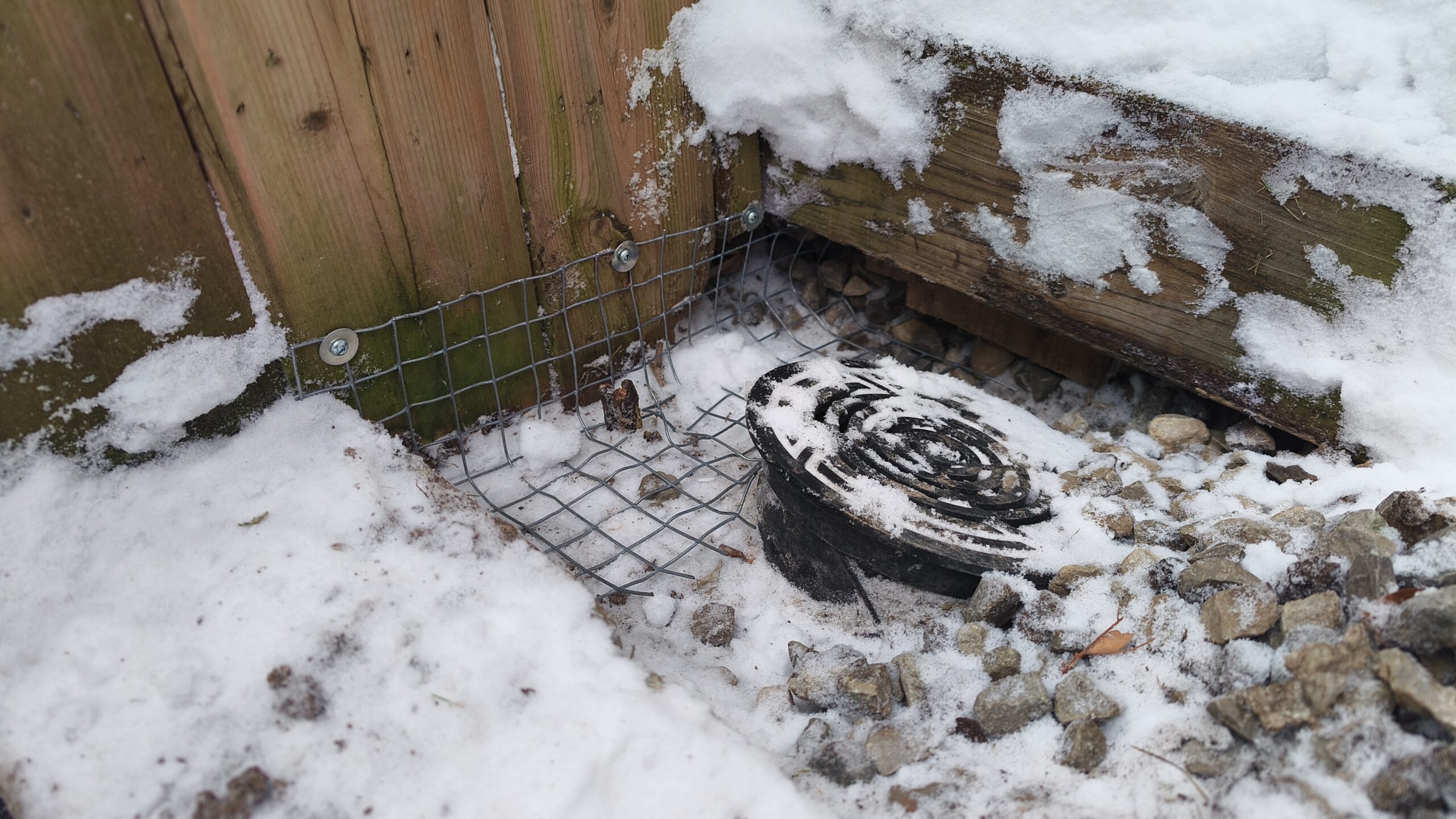
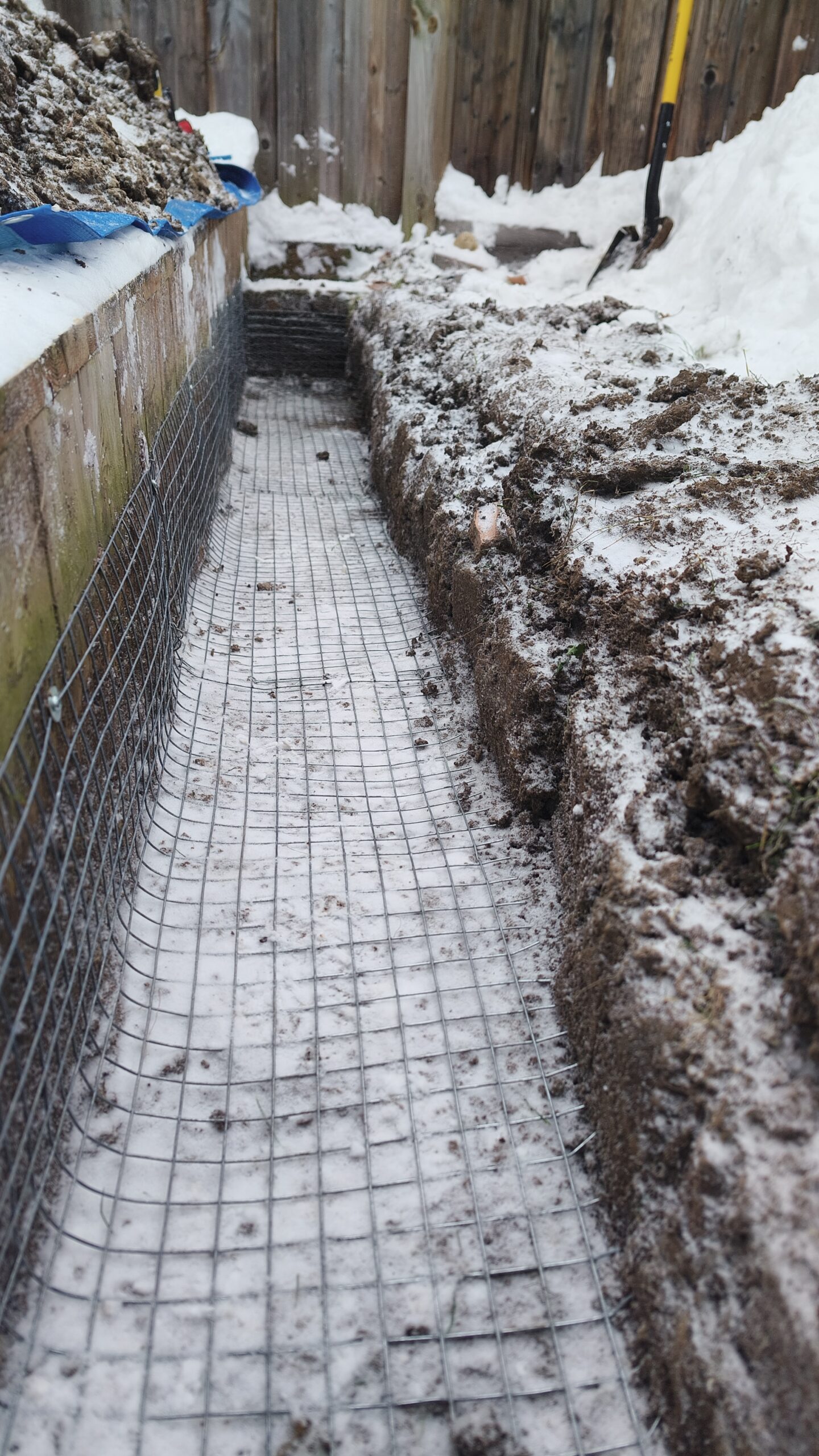
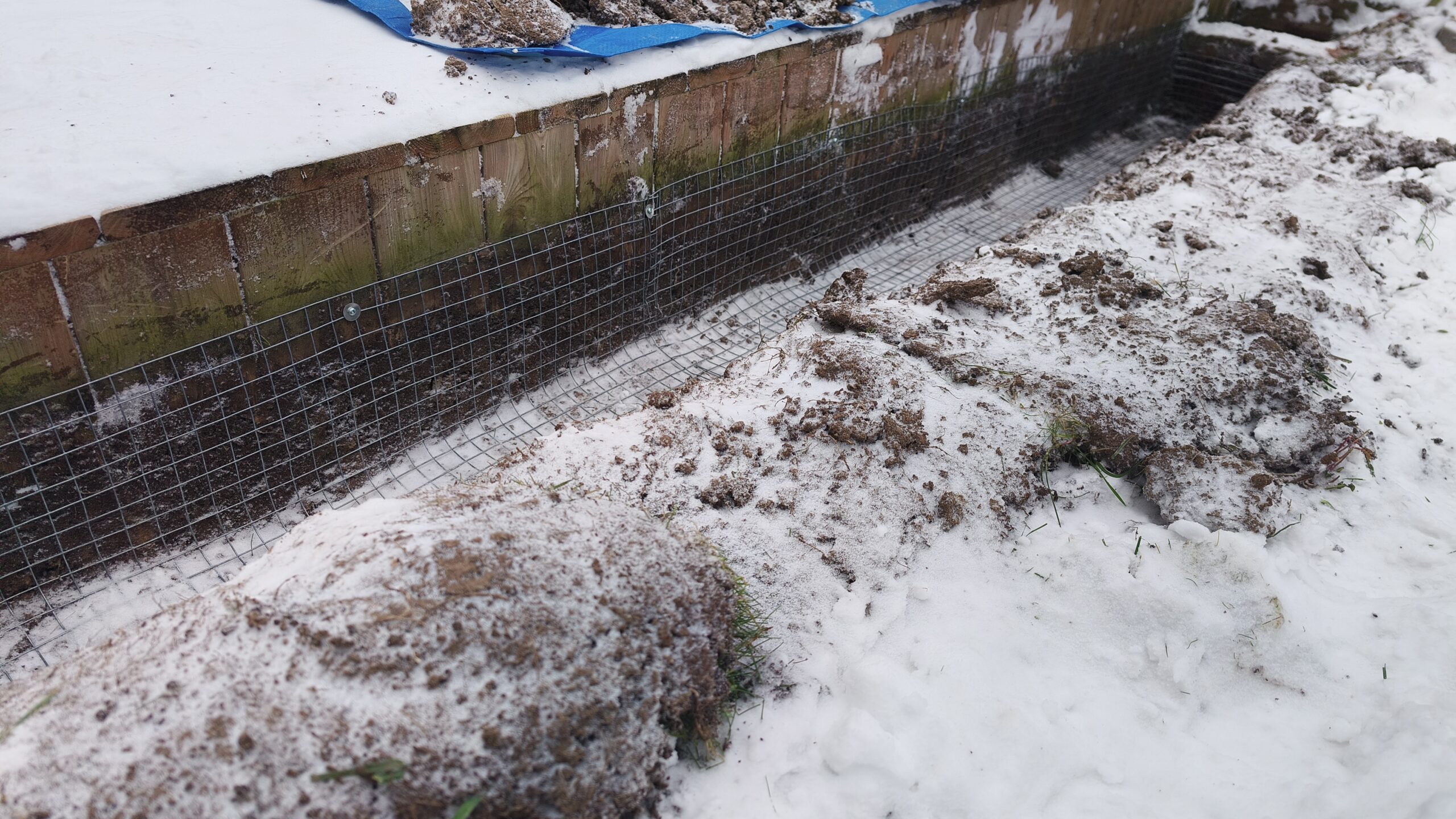
Galvanized mesh is trenched around the base of the structure and bent outward underground, so a skunk that tries to dig back in hits metal a few centimetres down and gives up.


Why Skunks Do So Well in St. Catharines
Skunks want soft ground to dig, a dry cavity for shelter, and food within a short walk, and the lake plain supplies all three earlier in the year than the rest of the region. The mean last spring frost falls around April 26 and the frost-free stretch runs about 174 days, so the ground opens early and digging season starts ahead of inland Ontario. The sandy lakeshore soils around Port Dalhousie work easily; the clay further south holds grubs all summer.
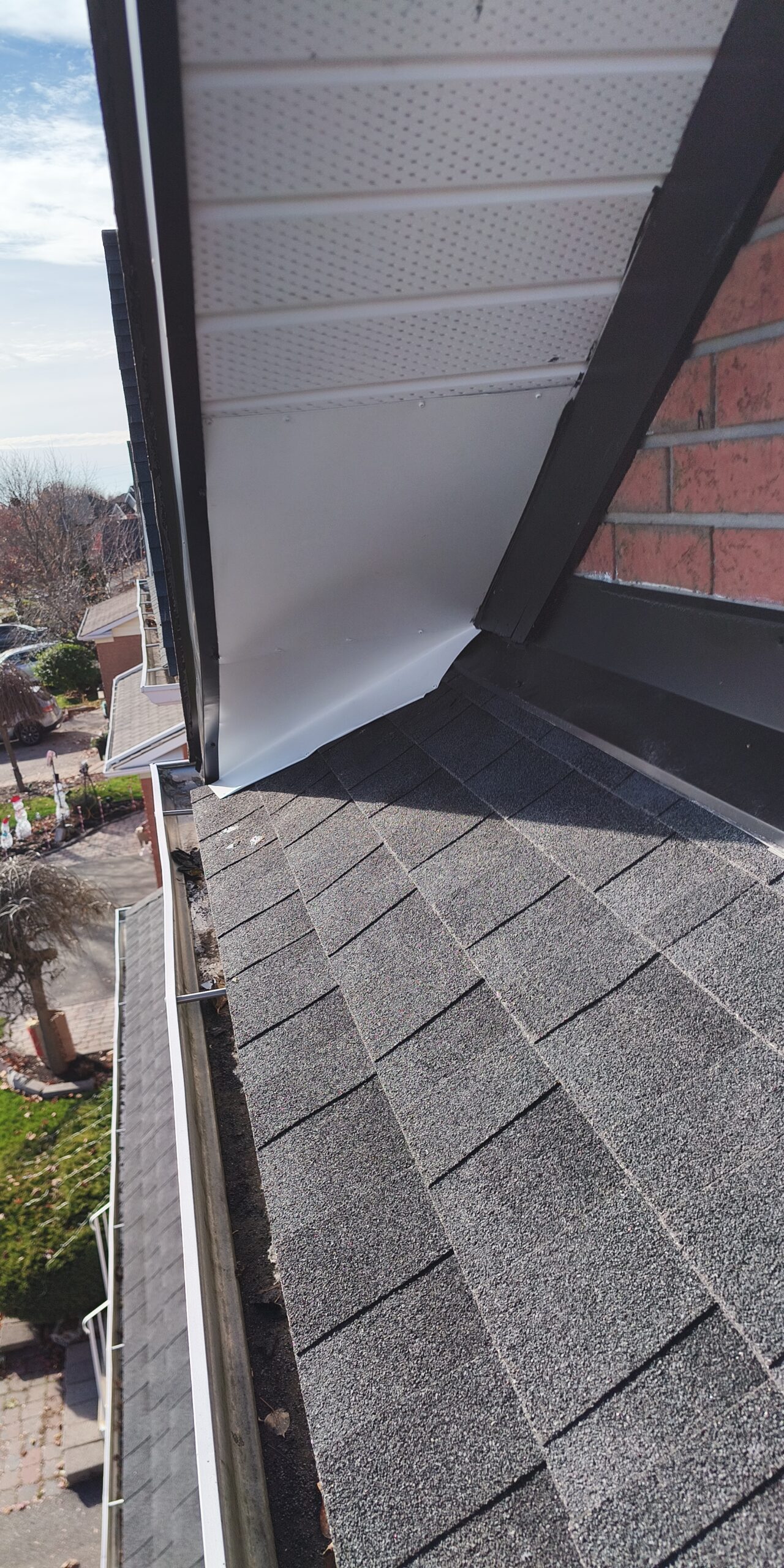
Den sites are just as easy, and the shape of them is particular to this city. The wooden front porches of Merritton, Western Hill, and the streets around downtown sit on hollow bases with a gap at grade, the lakefront cottages in Port Dalhousie have crawl spaces, and the north-end decks off Lakeshore Road stand a foot off the ground behind lattice a skunk pushes straight through.
How to Know a Skunk Has Moved In
A faint musk that comes and goes near the porch, rather than a full spray, is the earliest and most reliable sign. A startled skunk or a male courting in February releases a little scent near the den, so that smell in late winter usually means one is already living under the structure. These are the signs our technicians check.
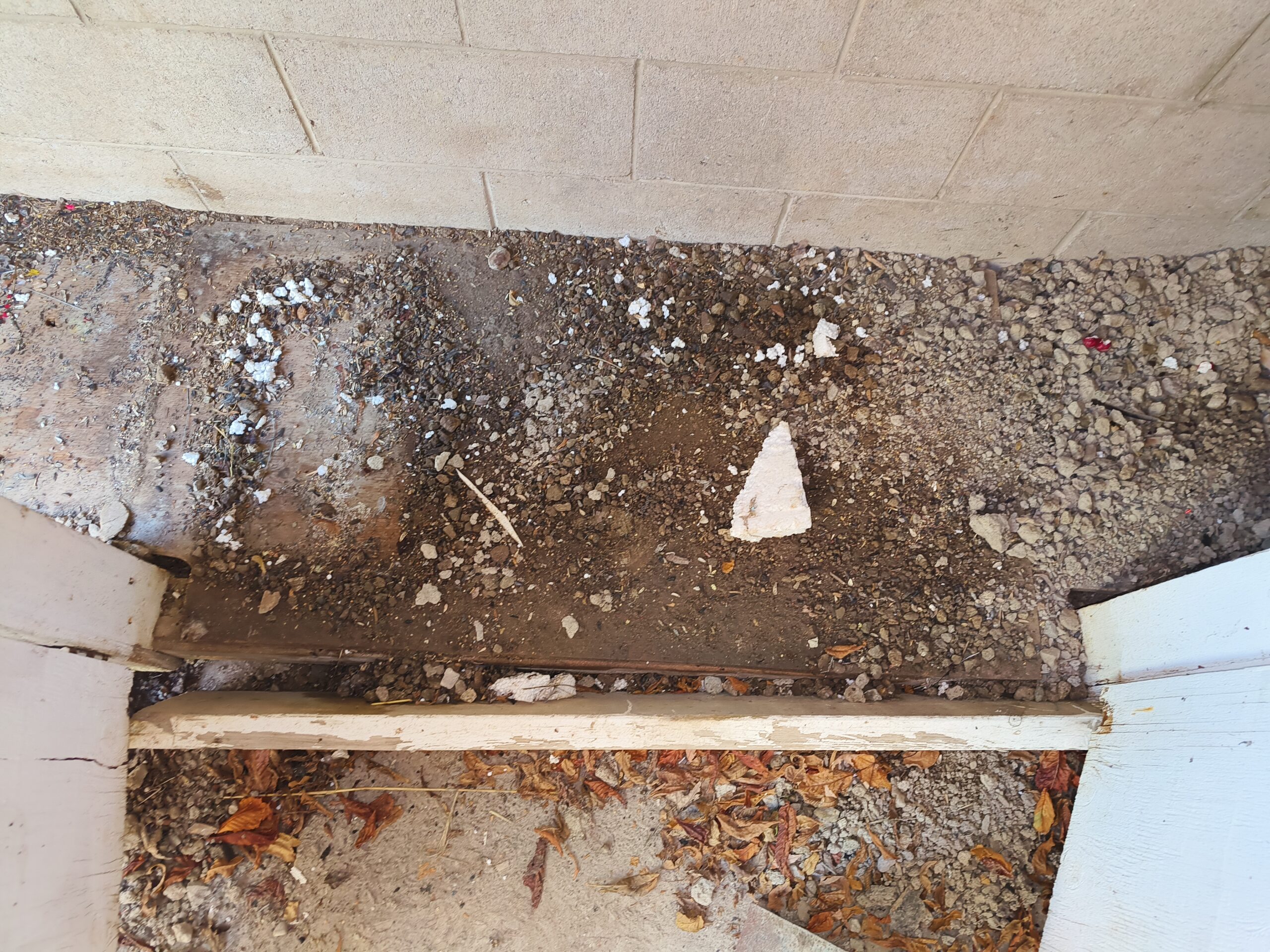
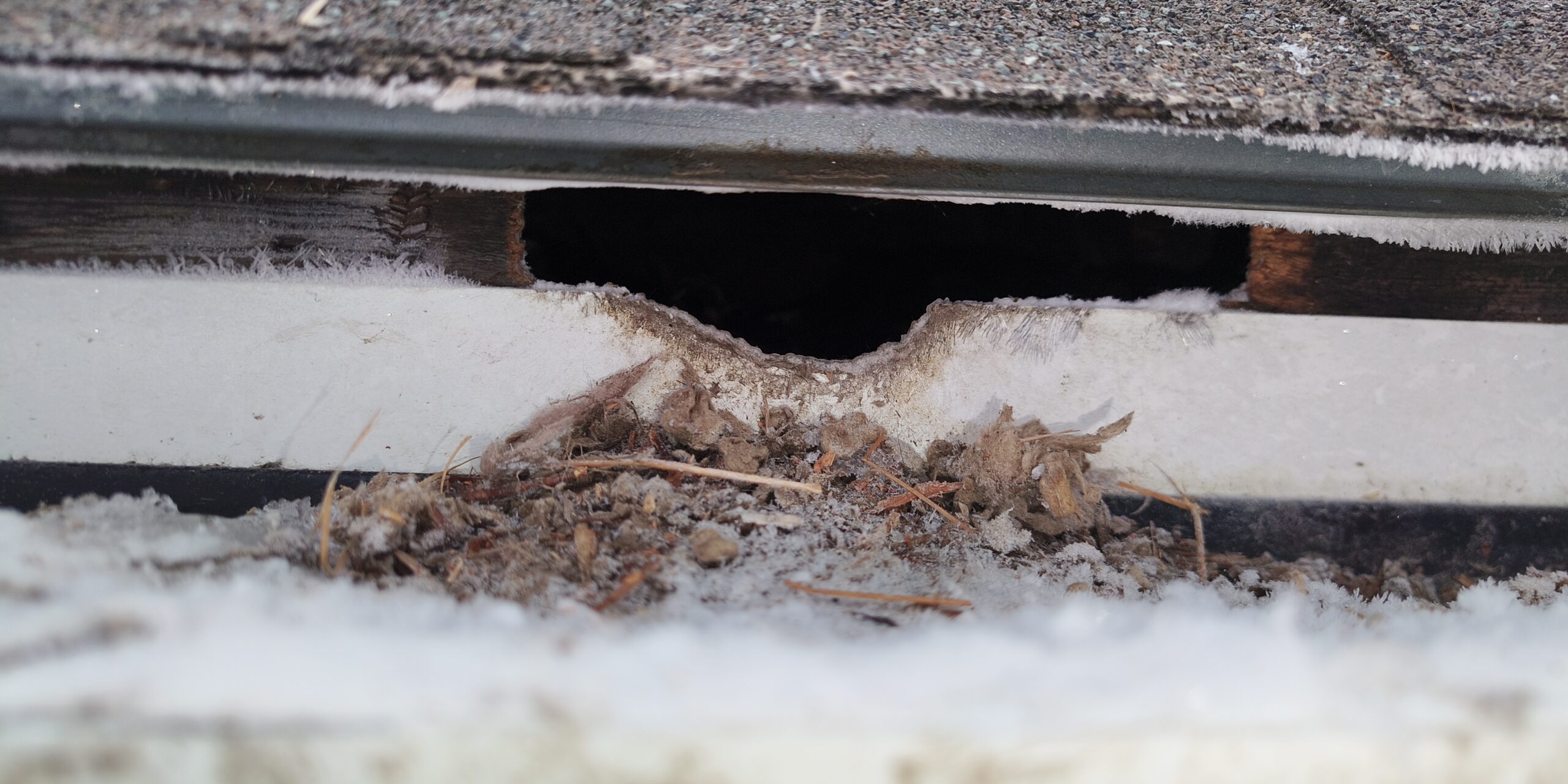
- A hand-width hole at the base of a porch, deck, or shed, with fresh soil kicked out in a fan
- Divots across the lawn each morning where the skunk has flipped turf for grubs
- Tufts of black-and-white hair on the lattice, the bottom step, or the rim of the hole
- Fallen fruit under the apple or pear tree that has been chewed on overnight
- A skunk crossing the driveway or following the fence at dusk on more than one evening, or more animals appearing once the first has settled
Where We Find Skunk Dens in the City
Porches come first in St. Catharines, ahead of decks, because the housing stock is older. Sheds are third, and window wells are the one that catches people out. A hollow front porch on a pre-war home in Merritton or near the canal is dark, dry, rarely disturbed, and holds a family den most springs. Decks in the north end and sheds on wooden skids come next.
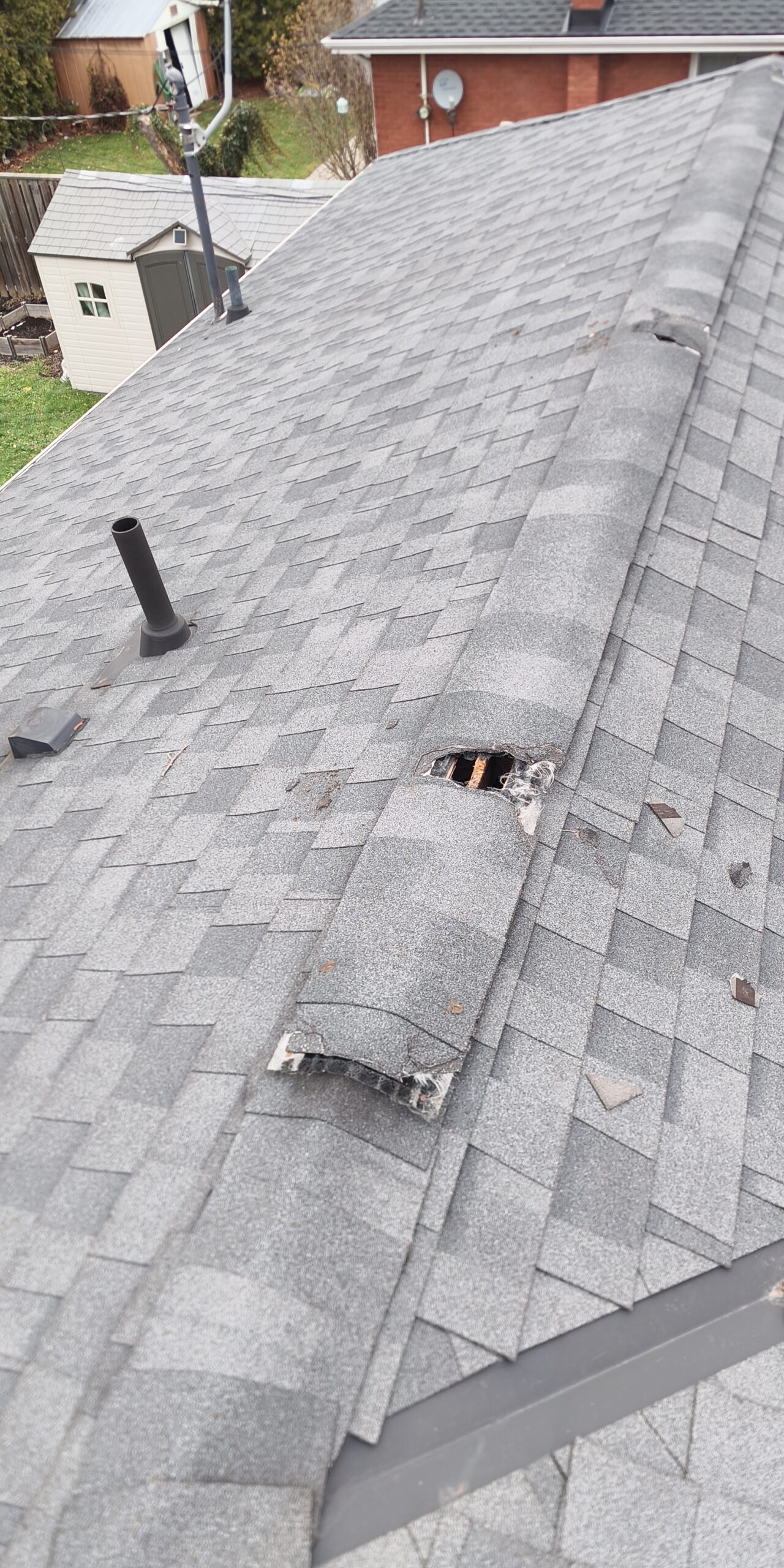
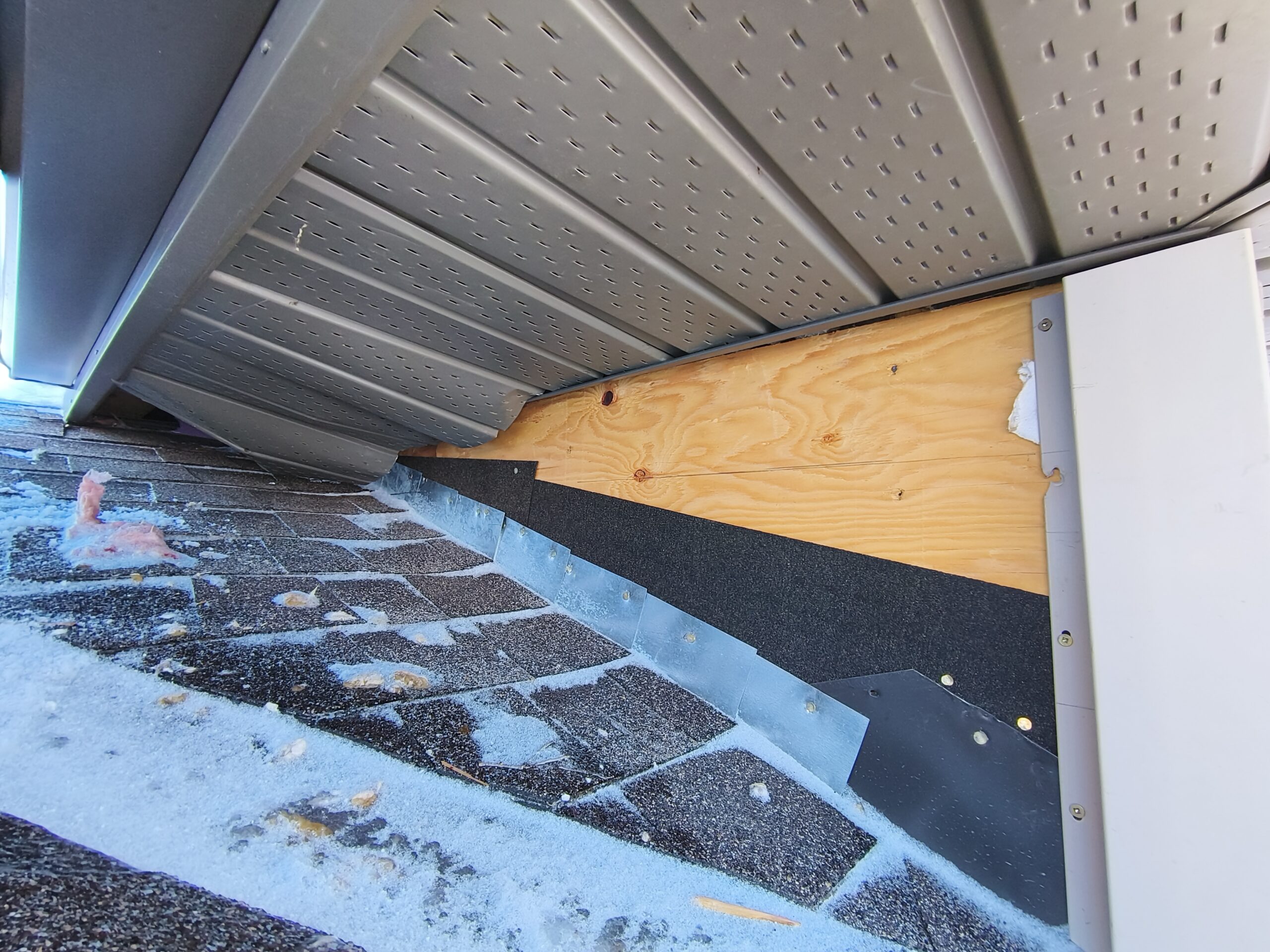
Window wells are the common surprise. A skunk that drops into a deep well cannot climb the smooth sides, and every year we lift one, sometimes a mother and babies, out of a basement well. Raccoons, squirrels, and bats take the roofline; skunks stay at grade. On the rural edges toward Short Hills and along the escarpment we also find dens under barns, woodpiles, and the concrete slabs of old outbuildings.
Our Skunk Removal Process
Find the den and check for kits, let the skunk leave on its own, then trench the steel. The order is what keeps everyone unsprayed.
Find the den and check for kits: We locate the entry hole, look for a second exit on the far side of the structure, and between May and July check for young before any door goes on. Nests of grass and leaves pulled under the deck are the usual giveaway.
Let the skunk leave: A one-way door goes on the main hole in the late afternoon. The skunk walks out at dusk and cannot get back under. Kits that cannot travel are lifted out by hand and set at the door for the mother.
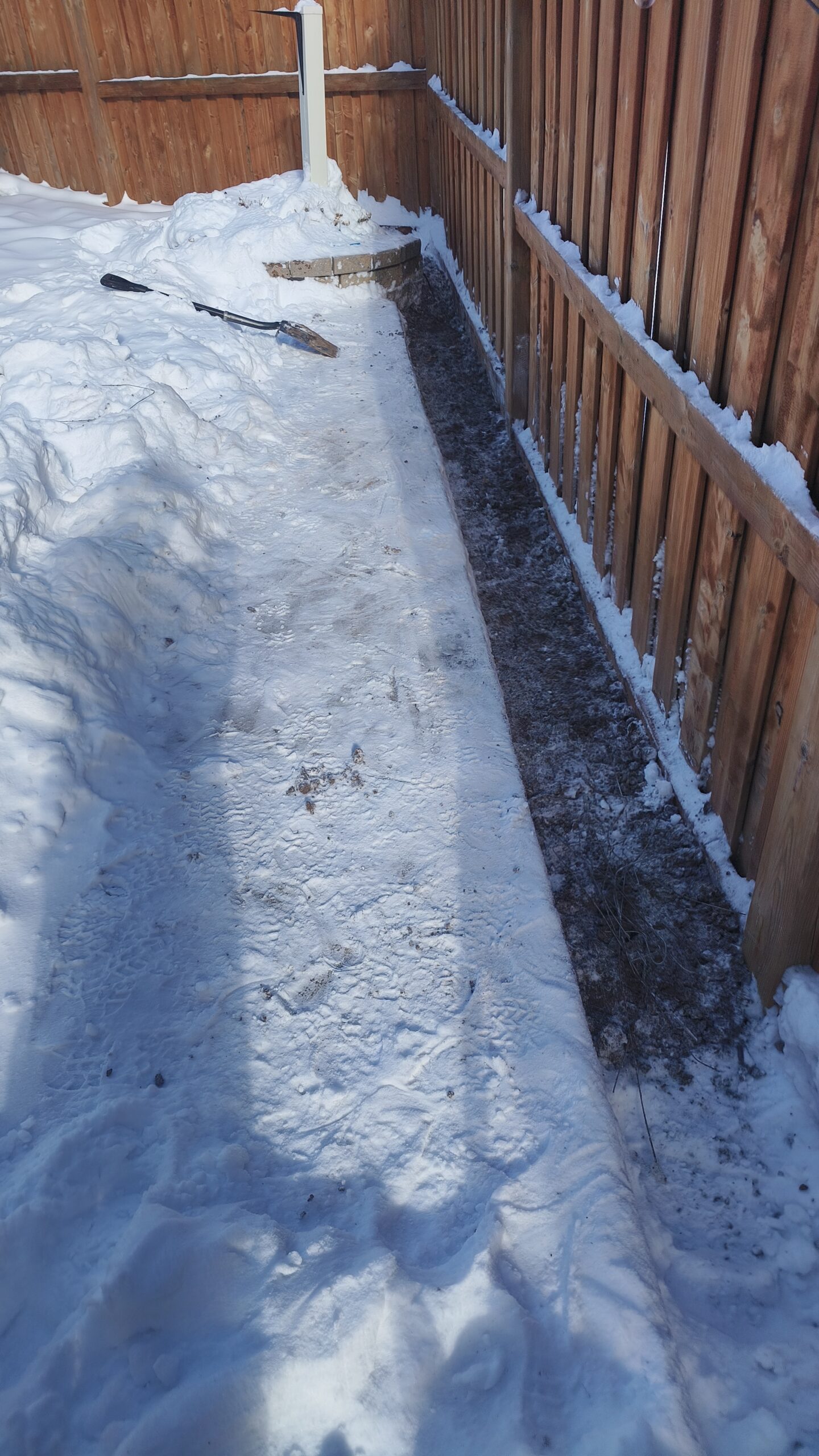
Trench the steel: Once the den has been quiet for several nights, we remove the door, trench galvanized mesh around the full base of the deck, porch, or shed, and bend it outward underground so digging stops at the metal. That work, plus any repair to the lattice or skirting, is what stops it coming back.
Skunk Removal St. Catharines Costs
Most St. Catharines porch, deck, and shed jobs come in between $400 and $1,000, and wildlife control services in the Niagara Region are often quoted from around $500 for skunk work. Price follows the size of the structure to screen, whether kits are present, and whether a dead skunk has to be recovered from under a slab. A shed on skids with one hole is short; a wraparound porch with 25 metres to trench and a litter underneath sits at the top.
A professional quote splits into inspection, eviction, screening, and cleanup so you can see each part. Estimates are written and free, and Financeit payment plans are available.
Here are the estimated costs.
Service Category
Estimated Costs
Property inspection
$100 to $250
One-way door eviction or live trap and release
$200 to $600
Porch, deck, or shed exclusion and prevention
$200 to $400
Dead skunk removal
$150 to $300
Skunk Rules in St. Catharines
Removing a skunk from under your porch is legal and your responsibility. Niagara Region Animal Services, run by the Humane Society of Greater Niagara, has handled animal control for the city since 2016 and answers around the clock at 905-682-0767, extension 1, but covers sick, injured, and stray animals, not a healthy skunk under a deck. Nuisance wildlife falls to the owner under Ontario’s Fish and Wildlife Conservation Act, which lets an owner humanely remove a skunk causing damage as long as any release stays within one kilometre. Licensing and liability cover sit with us, not with you, and the handling and release rules are written into the quote.
Two more rules catch people out. Skunks cannot be kept as pets, being wild animals under the same Act and barred by the City’s animal control bylaw, so a kit found under a porch is moved on, not adopted. And because skunks carry rabies in the Niagara Region, one out in daylight, circling, or unusually bold belongs to Animal Services rather than to us. Healthy skunks are protected from needless harm by that Act, which is why killing one is not the shortcut it looks.
Get the Skunk Out From Under Your St. Catharines Porch
February is the month to act, not May. A skunk that dens under a porch as the ground thaws will have kits there by early May, and by August those kits are digging under the neighbours’ sheds, which is how one property’s wildlife problem becomes a street’s. One inspection tells you how many animals are under the structure and how much perimeter needs screening, and the same technicians install the door, handle the kits, and bury the steel.
Book your inspection and we will get a technician out to the property.
Frequently Asked Questions
-
How do I get rid of a skunk in my yard?
If it is only passing through, remove the food: pick up fallen fruit, lock the compost, bring pet food inside, and deal with the grubs. That solves most yard visits without a trap. If it has dug under a structure, a one-way door followed by buried screening is the only fix that holds. -
Can a skunk be moved to another part of the city?
Relocating a skunk more than one kilometre from the capture site is an offence under the Fish and Wildlife Conservation Act. Most skunks never need a trap, because they walk out through the one-way door on their own. -
When do skunks leave the den to feed?
Skunks are nocturnal, so they leave the den around dusk, forage through the first half of the night, and are usually back before sunrise. One-way doors go on in the late afternoon and are checked the next morning. -
Is it legal to have a pet skunk in Ontario?
No. Skunks are wildlife under the Fish and Wildlife Conservation Act and cannot be kept without a licence, and St. Catharines’ animal bylaw prohibits keeping wild species. A skunk in the yard should be excluded, not adopted. -
How much does skunk removal cost in St. Catharines?
Most porch, deck, and shed jobs in St. Catharines come in between $400 and $1,000 once the inspection, one-way door, and screening are totalled. Long porch perimeters cost more to trench, and a skunk in a window well is usually the least expensive call. -
My dog was sprayed. What works?
A fresh mix of hydrogen peroxide, baking soda, and a little dish soap, worked into the dry coat for five minutes and rinsed, breaks the spray down; tomato juice only masks it. Keep the mix out of the eyes and never store it in a sealed container. -
Do skunks stay under the porch all winter?
Often, yes. St. Catharines gets about 121 nights a year below freezing, and skunks sit those out in the den for weeks at a stretch rather than truly hibernating, coming out on mild nights. A porch that went quiet in November frequently smells again in January, and the animal that reappears is usually the one that never left. -
Can a skunk get into the basement?
Through an open window well, a broken crawl space vent, or a gap under a garage door, yes. Skunks do not climb, so they never reach the attic the way mice and squirrels do, but a skunk in a basement has to be walked out calmly rather than chased. -
Will the skunk come back after you screen the porch?
Not under that porch. The buried steel with an outward bend stops digging, and the work is covered by our Satisfaction Guarantee. Skunks do move between yards, so screening the shed and deck at the same visit usually pays for itself.
- Why Skunks Do So Well in St. Catharines
- How to Know a Skunk Has Moved In
- Where We Find Skunk Dens in the City
- Our Skunk Removal Process
- Skunk Removal St. Catharines Costs
- Skunk Rules in St. Catharines
- Get the Skunk Out From Under Your St. Catharines Porch
- Frequently Asked Questions
- How do I get rid of a skunk in my yard?
- Can a skunk be moved to another part of the city?
- When do skunks leave the den to feed?
- Is it legal to have a pet skunk in Ontario?
- How much does skunk removal cost in St. Catharines?
- My dog was sprayed. What works?
- Do skunks stay under the porch all winter?
- Can a skunk get into the basement?
- Will the skunk come back after you screen the porch?












Our service areas
…by providing award winning customer service to each and every single client.
- Hamilton
- Burlington
- Milton
- Stoney Creek
- Niagara Falls
- St. Catharines
- Brampton
- London
- Mississauga
- Oakville
- Toronto
- Brantford
Call or Email Us
Reach Out To Us For Inquiries, Support, Or Partnership Opportunities, We’re Here To Assist.

-

Satisfaction Guarantee
Your satisfaction is our priority. We stand by our work and ensure high-quality service.
-

15 Years Experience
Our team has been providing efficient and humane wildlife removal services for over 15 years.
-

WSIB & Insured
Licensed, insured and trained professionals with efficient technology to get the job done right.