Bat Removal for Hamilton Attics and Roof Spaces
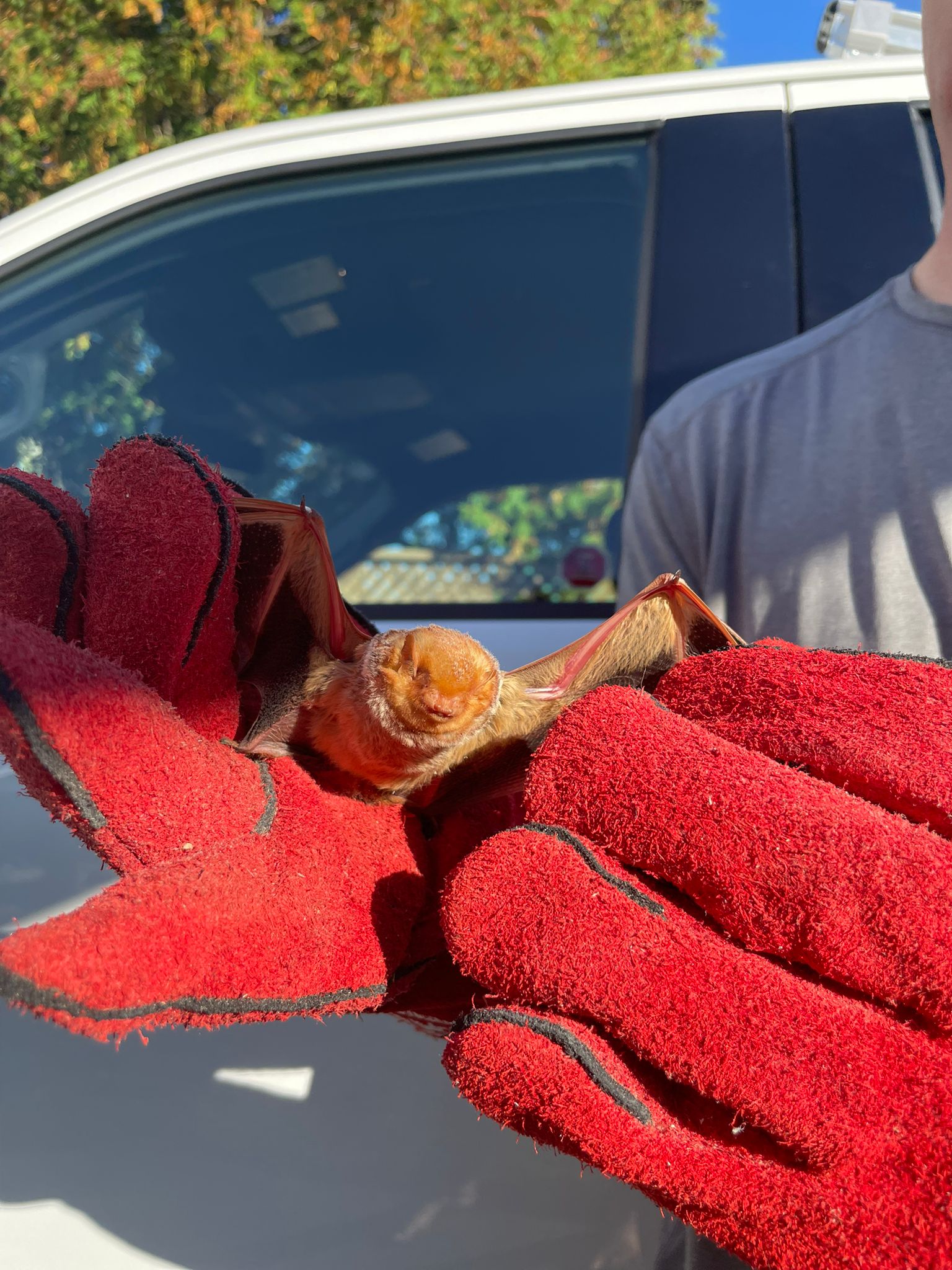
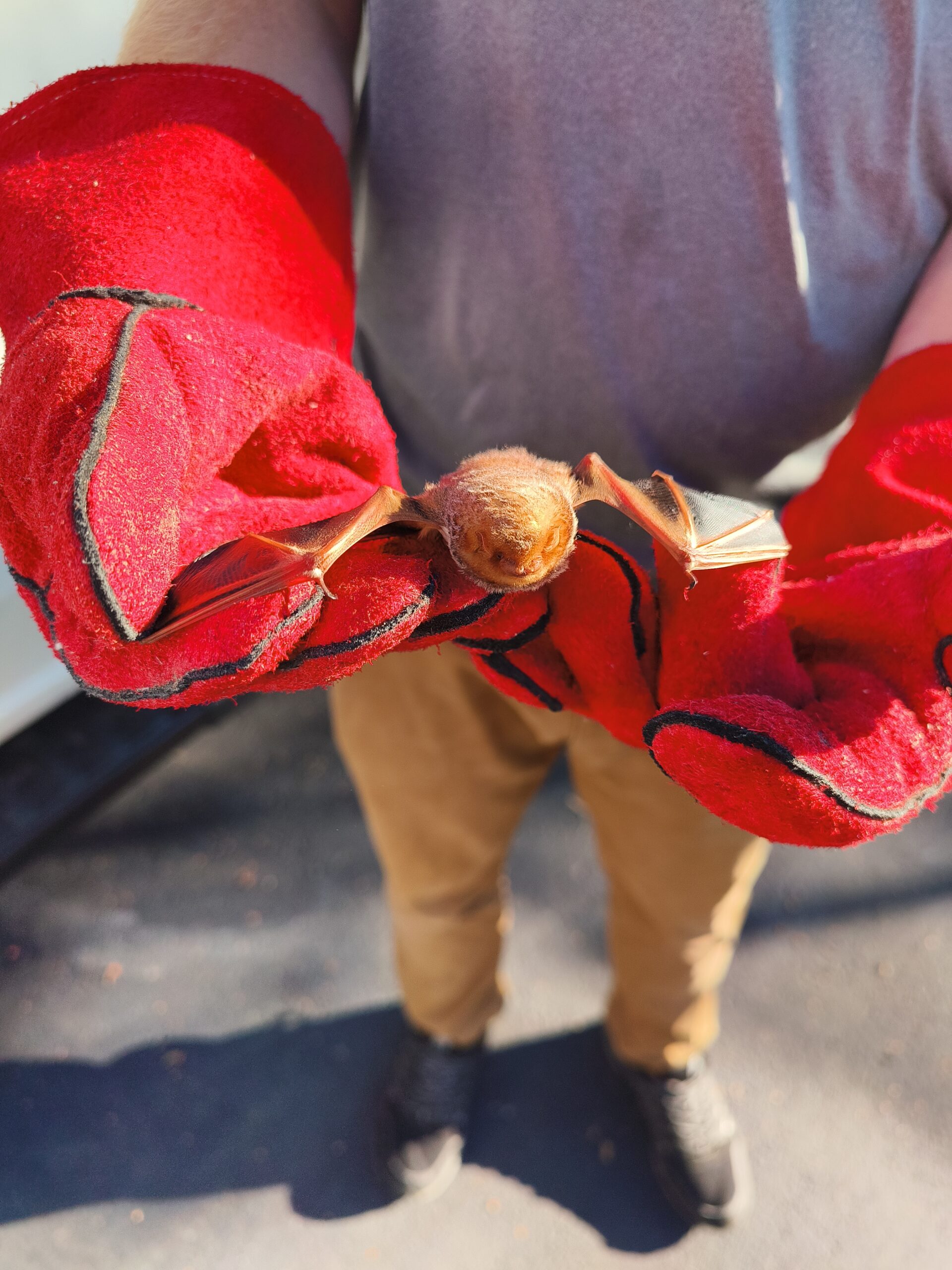
Most local bat species, such as the Big Brown Bat and Little Brown Myotis, are protected under the Fish & Wildlife Conservation Act. Thus, it’s illegal to capture or kill them without a permit. If you have a bat problem in your home or business, let our trained technicians ensure safe removal and control in line with municipal and provincial regulations.
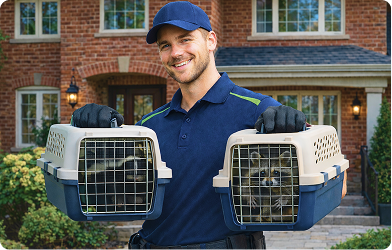
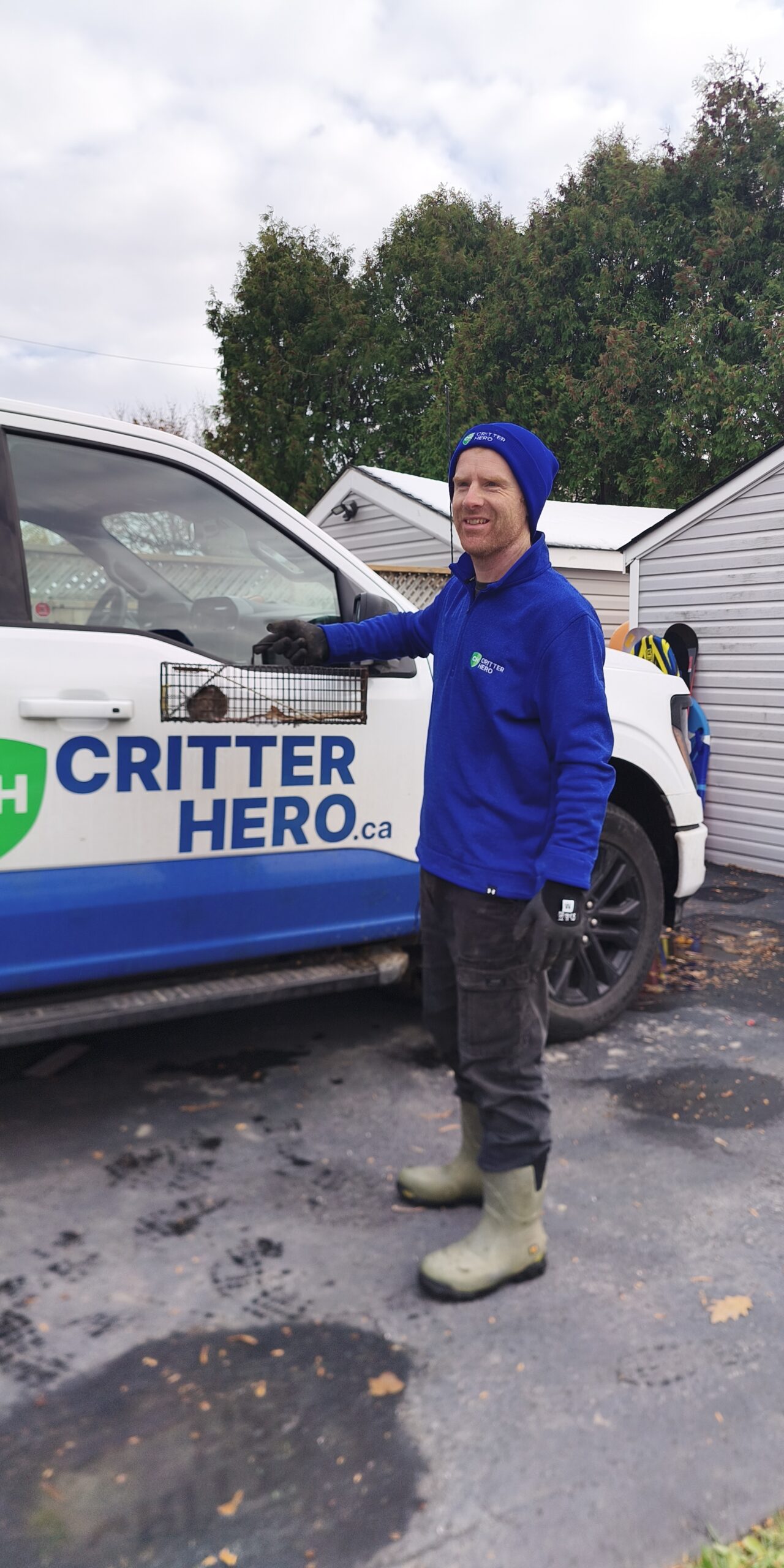
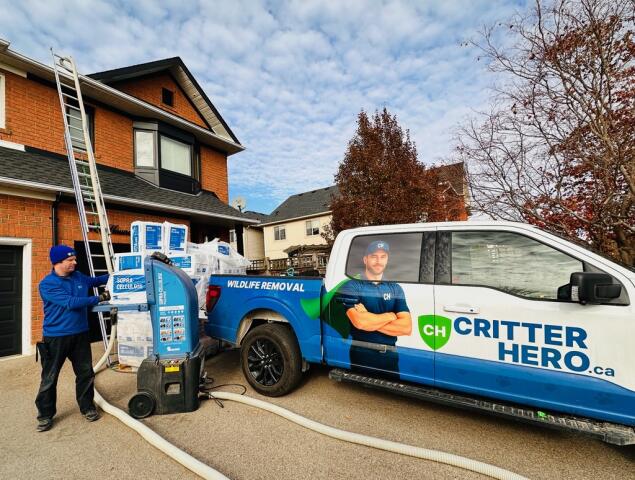
Critter Hero is a fully licensed, WSIB-compliant, and insured company that offers bat removal and wildlife control services in Hamilton, Burlington, Oakville, and other neighbouring cities. Our humane, proven methods, along with customer support, have earned us an average rating of 4.9/5 stars.


Hamilton’s Leading Bat Removal Service Provider
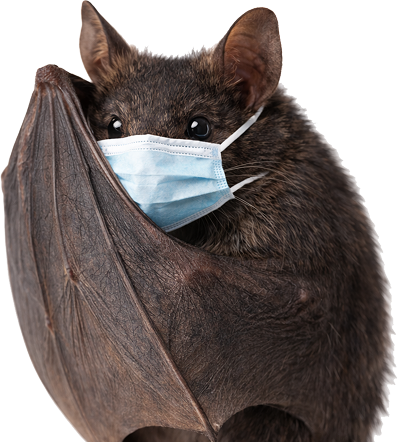
Discovering that a fluttering frenzy of bats is residing in your business or house can be unnerving. These wild animals pose a serious risk to the people living on your property and can cause costly aesthetic and structural damage. That’s why it’s recommended to work closely with our team to assess the extent of the bat infestation and remove the bats safely.
Here’s why Critter Hero remains the go-to expert for humane wildlife control in Hamilton City and across Southern Ontario.
- Trained and highly experienced technicians who get the job done right.
- 100% satisfaction guarantee.
- Flexible financing options.
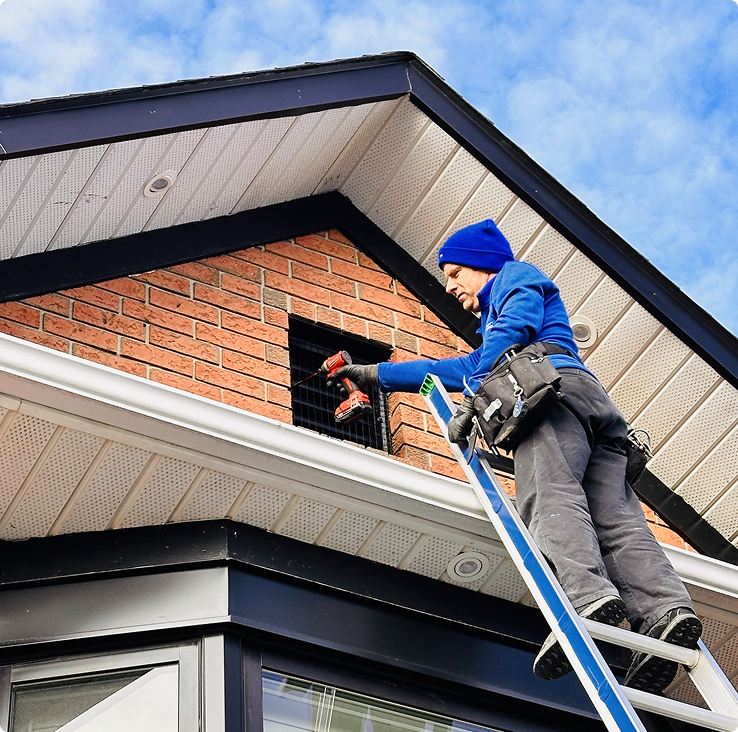
Why Homeowners & Businesses Choose Us
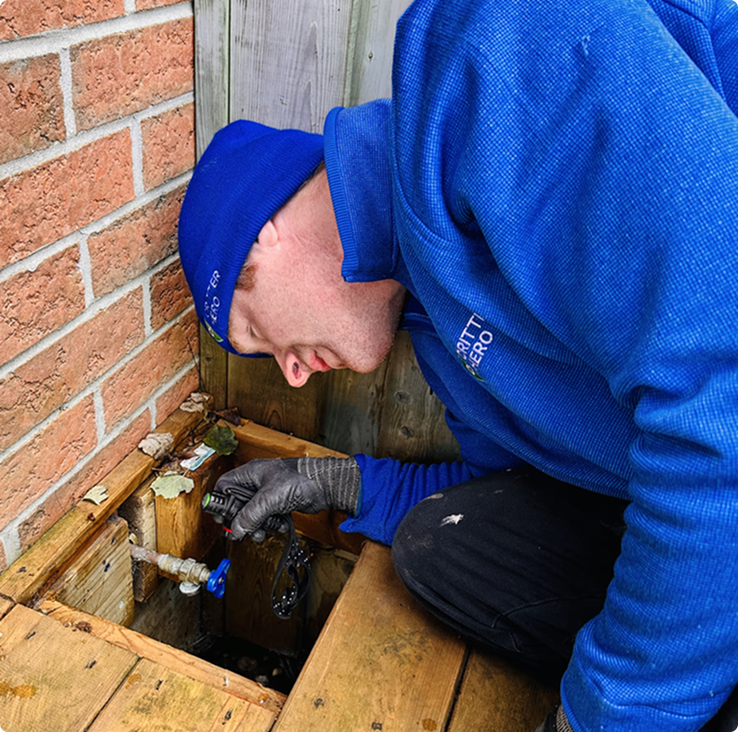
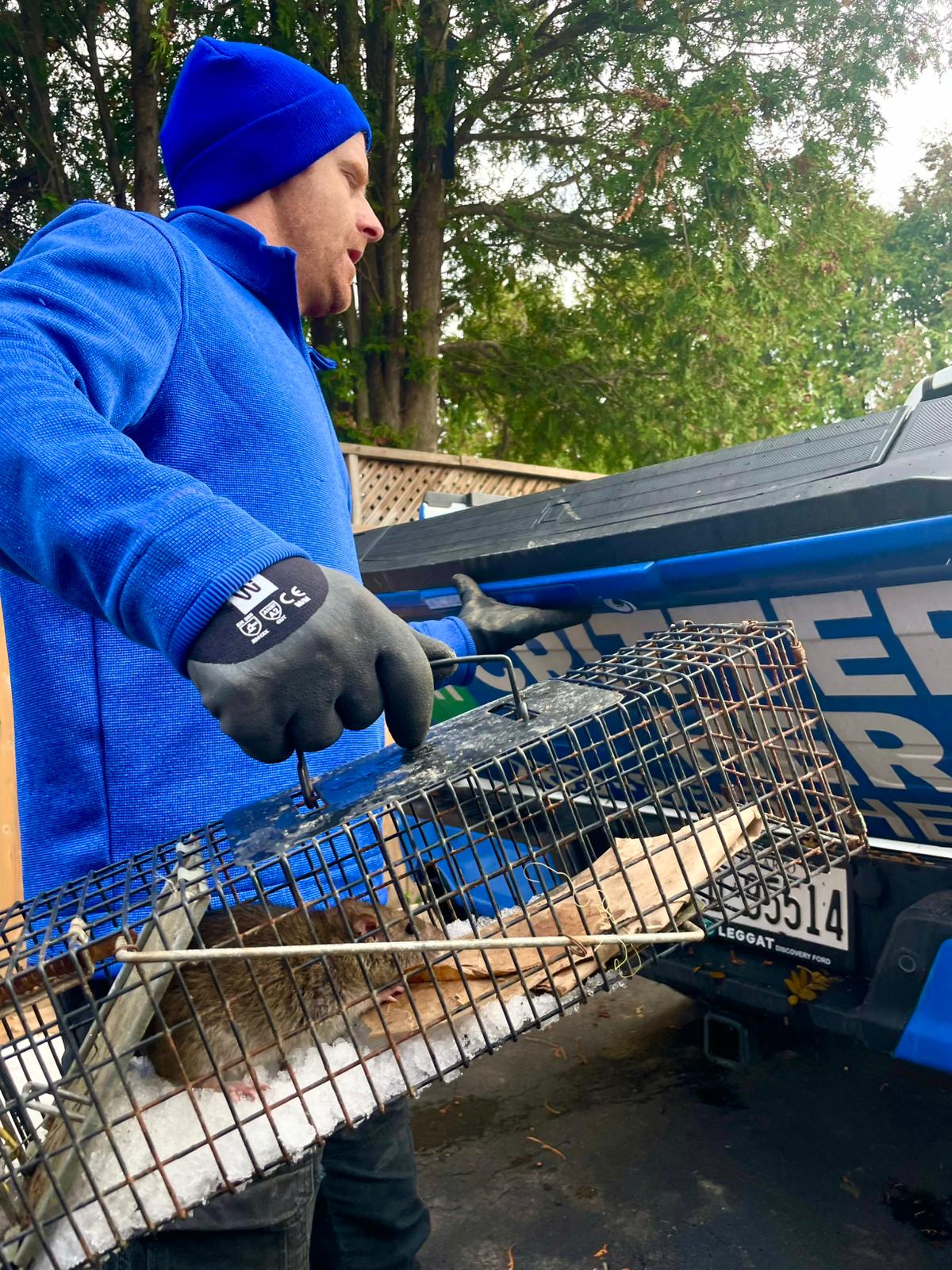
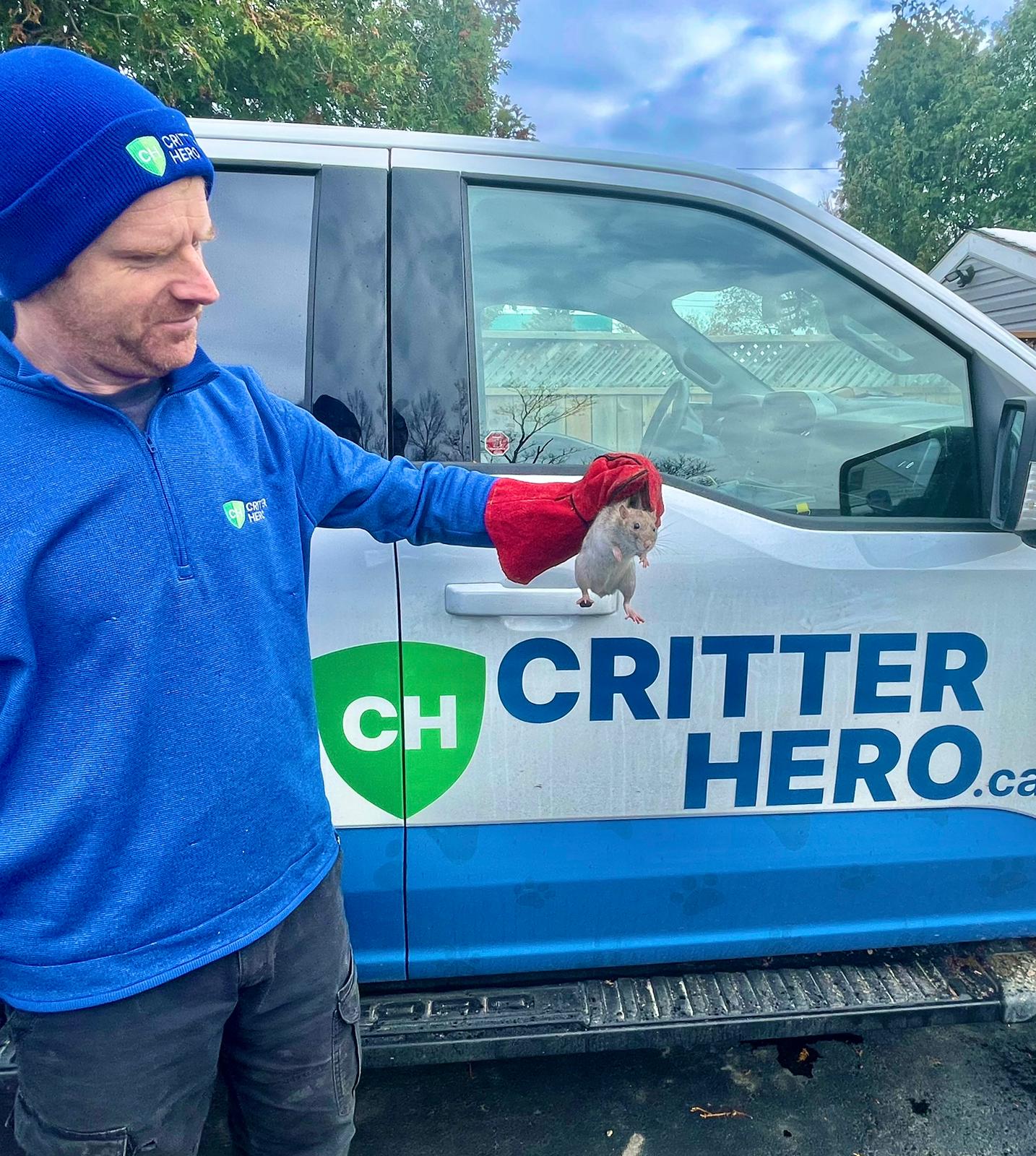
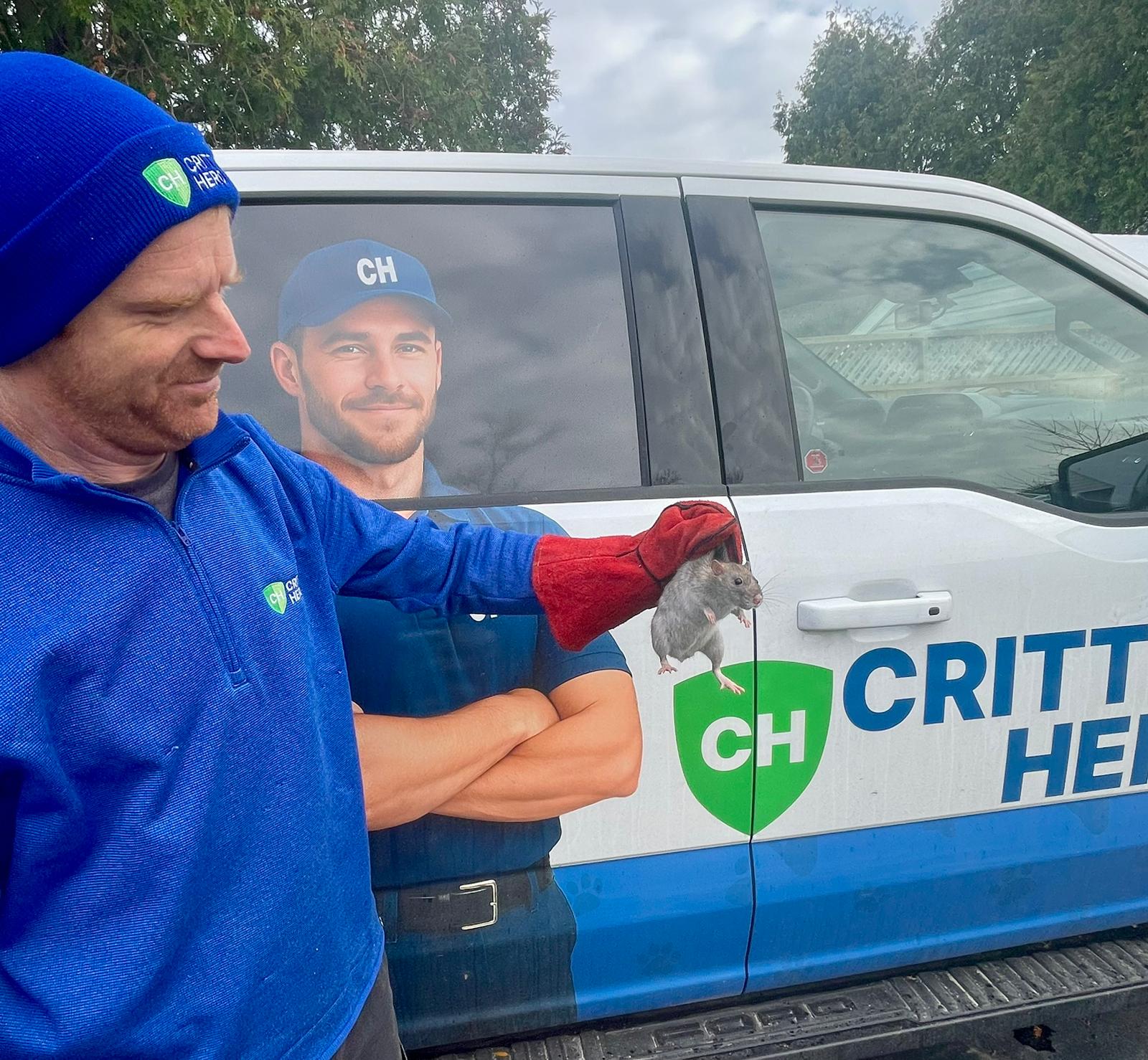
Our team has helped thousands of Hamilton homes and commercial properties get rid of bats, squirrels, raccoons, and other wildlife species safely and humanely.
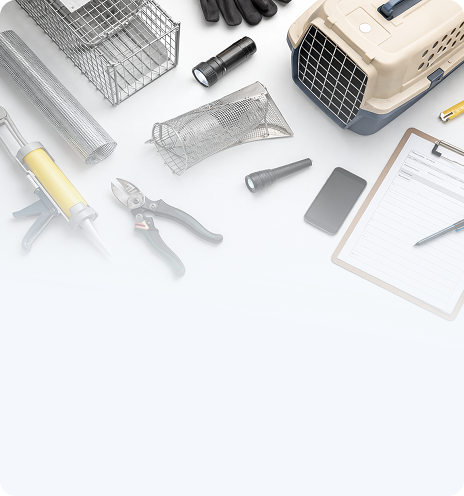
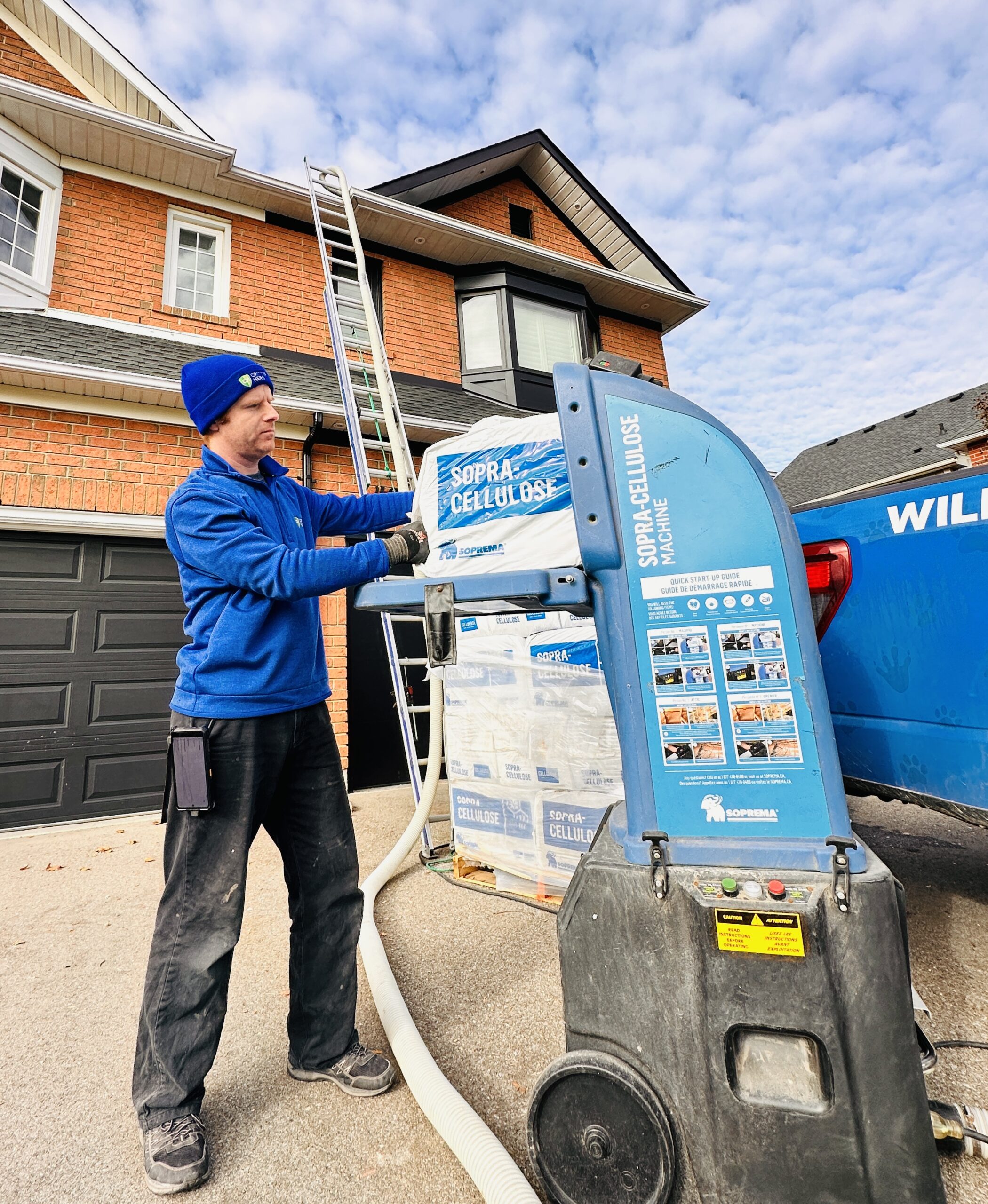
With over 15 years of experience, we have encountered and resolved all bat scenarios imaginable. We also have an in-house team of certified and experienced professionals who understand the legal and ethical considerations of bat removal.
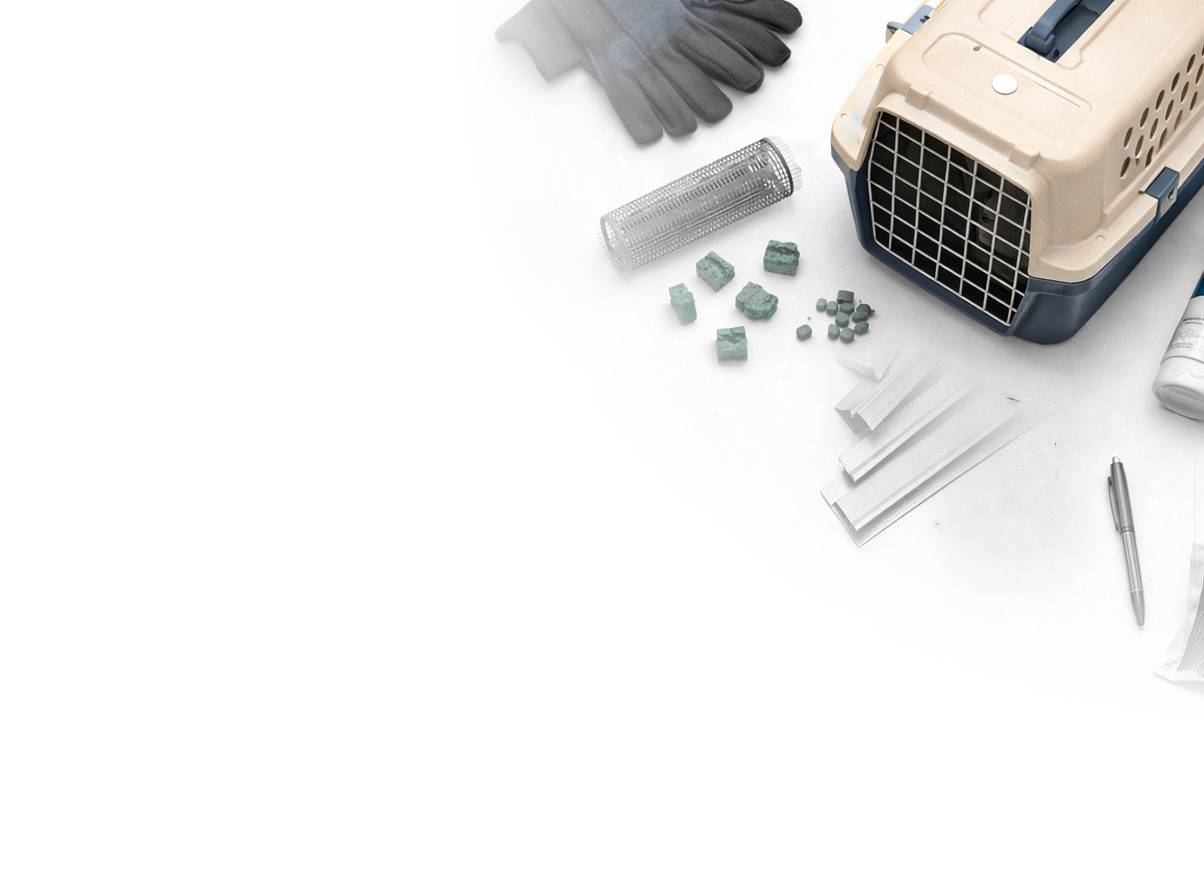
The Critter Hero team follows the established guidelines for bat protection and removal on residential and commercial properties. We adhere to 100% no-poison bat control methods that are safe for families and pets.
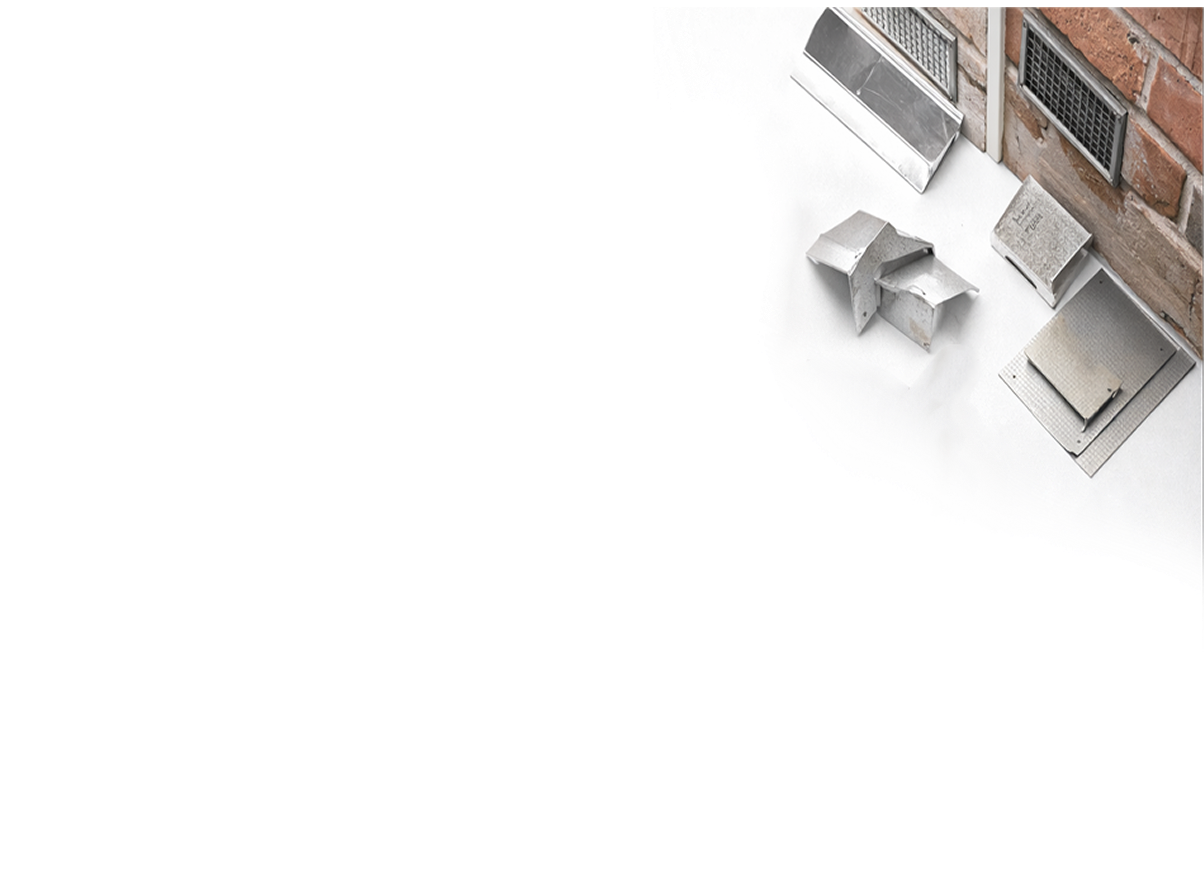
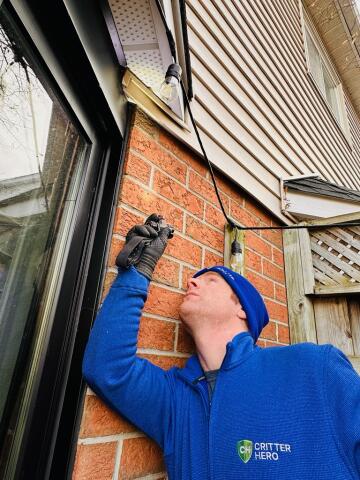
To identify the access points bats and other wildlife use to enter your home, we conduct a thorough inspection. We use specialized equipment, including endoscopic cameras and thermal imaging, to locate bat roosting areas.


How do Bats Enter Hamilton Homes?
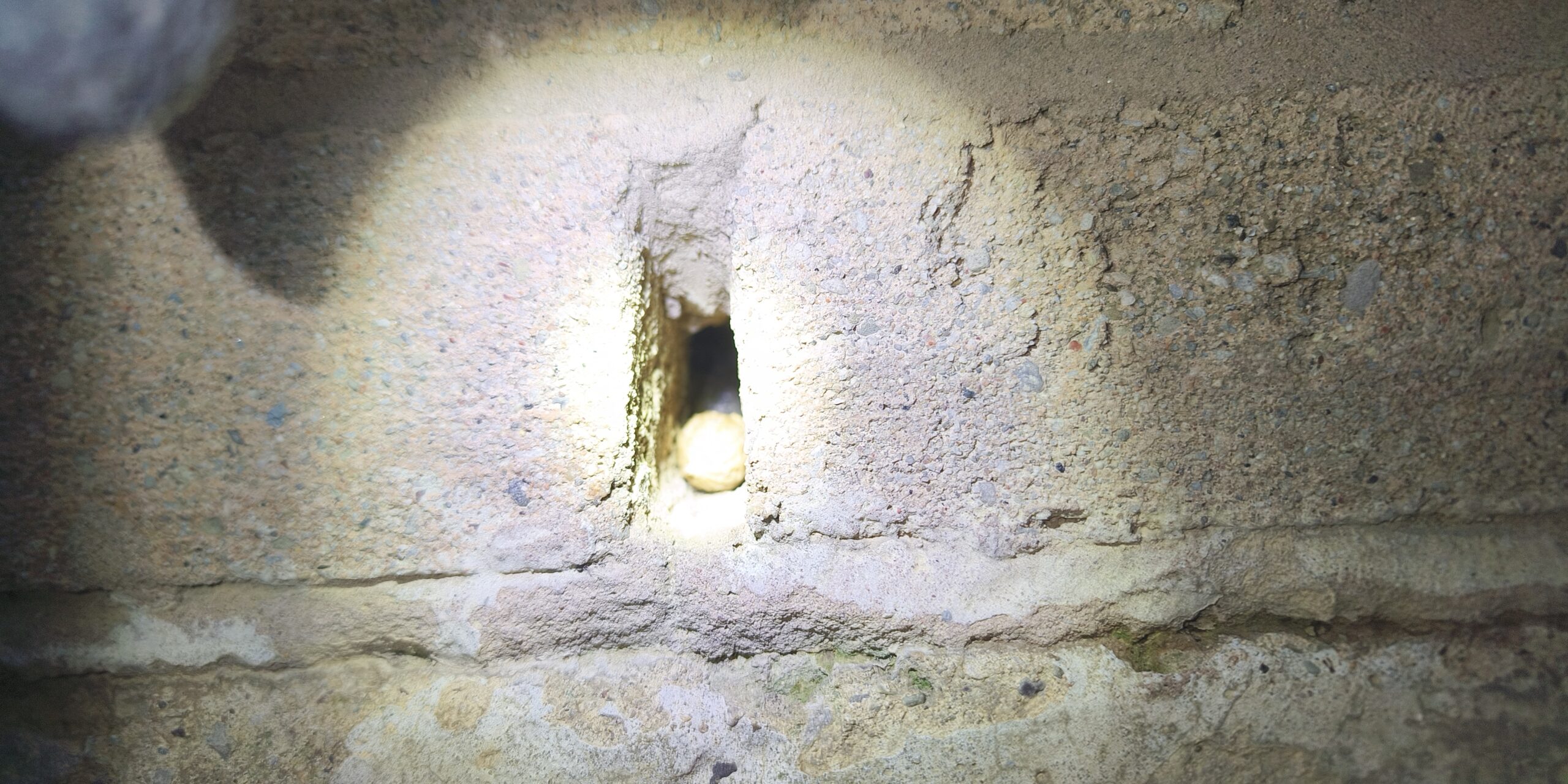
Did you know that bats can squeeze through openings that are 3/8 of an inch, which is smaller than the size of a dime? That means even the tiny structural gaps around the roofline, vents, chimneys, and siding may allow bats to enter attics and wall cavities unnoticed. Here are the common ways bats enter homes across the city.
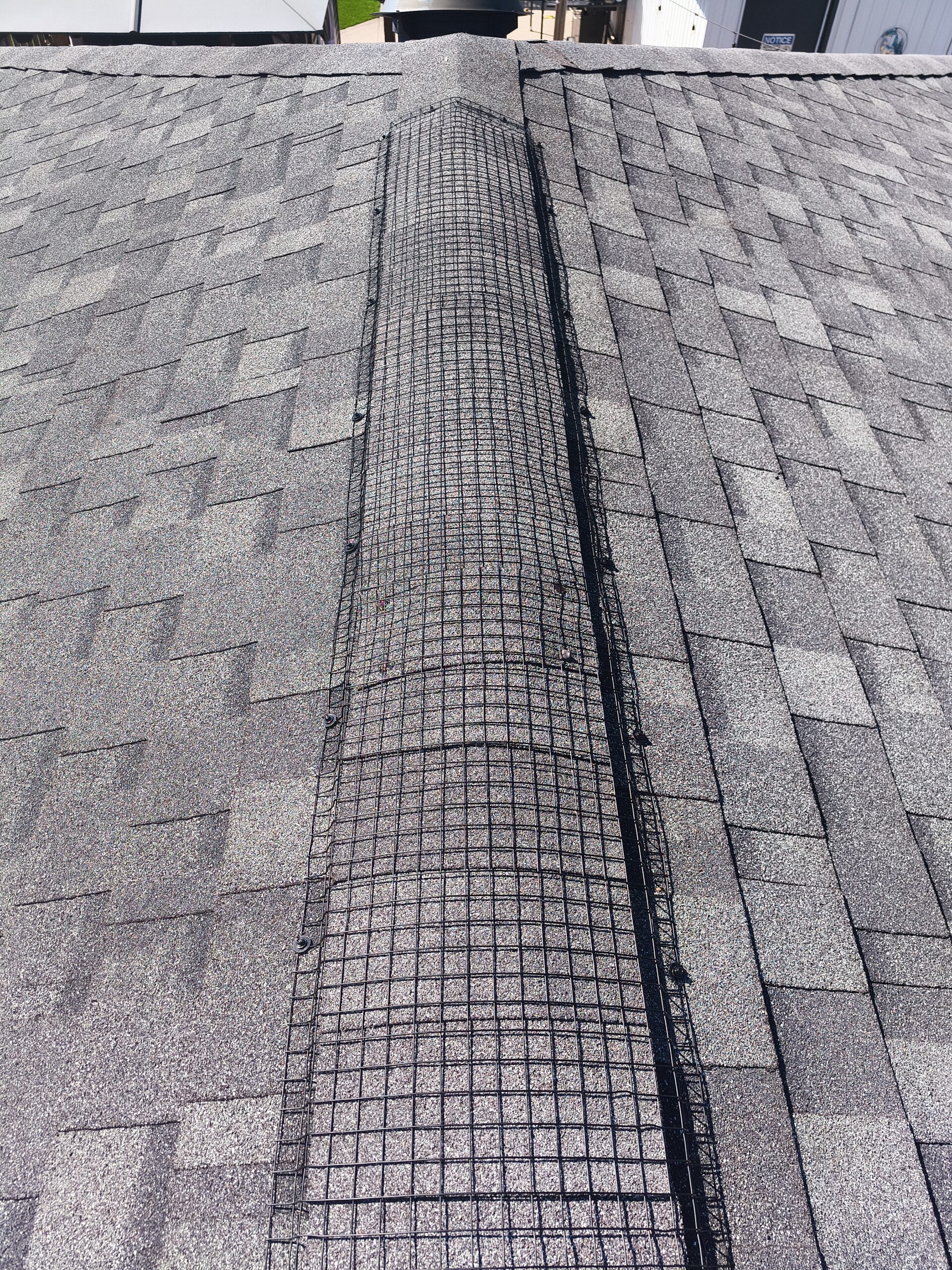
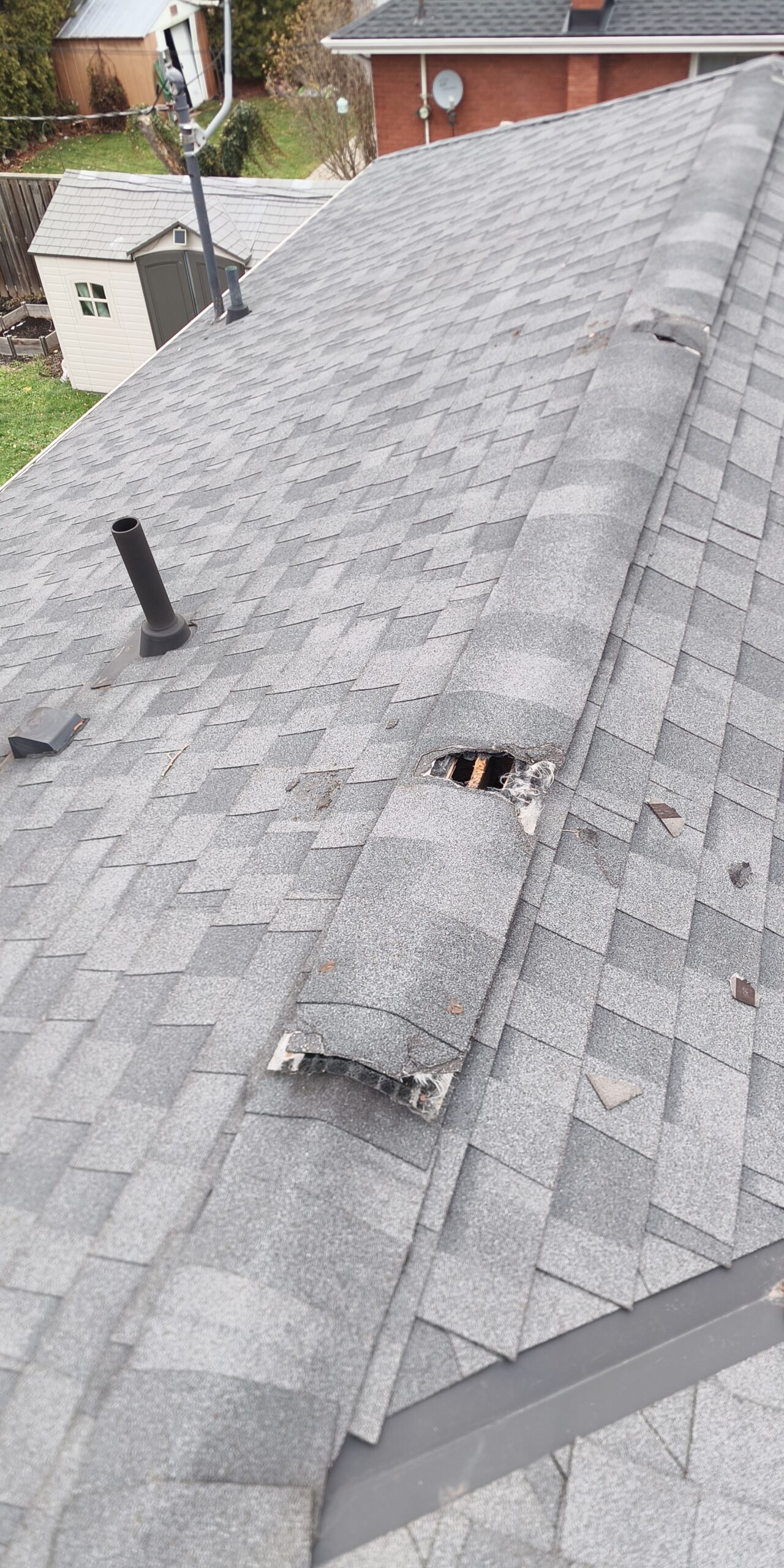
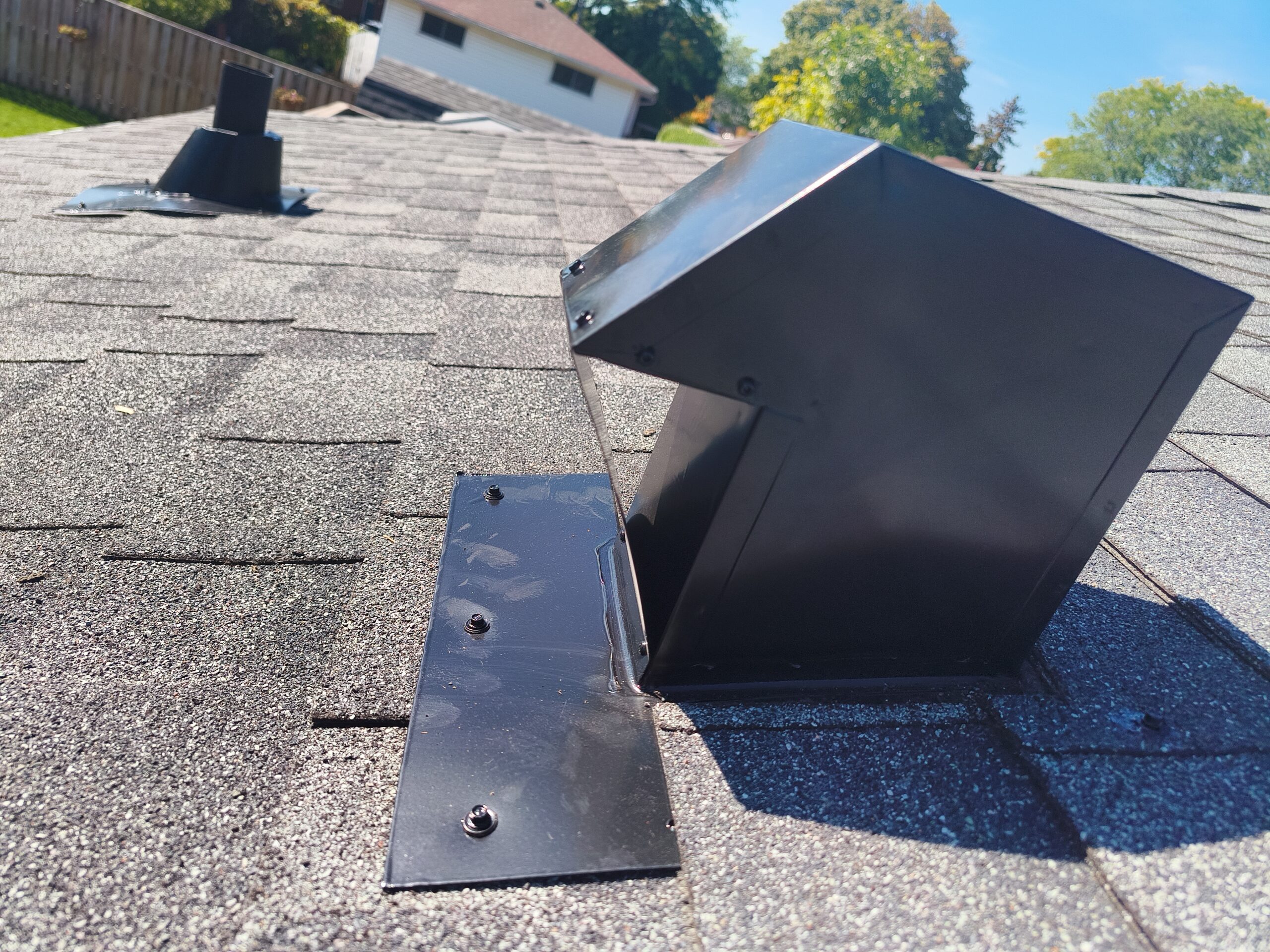
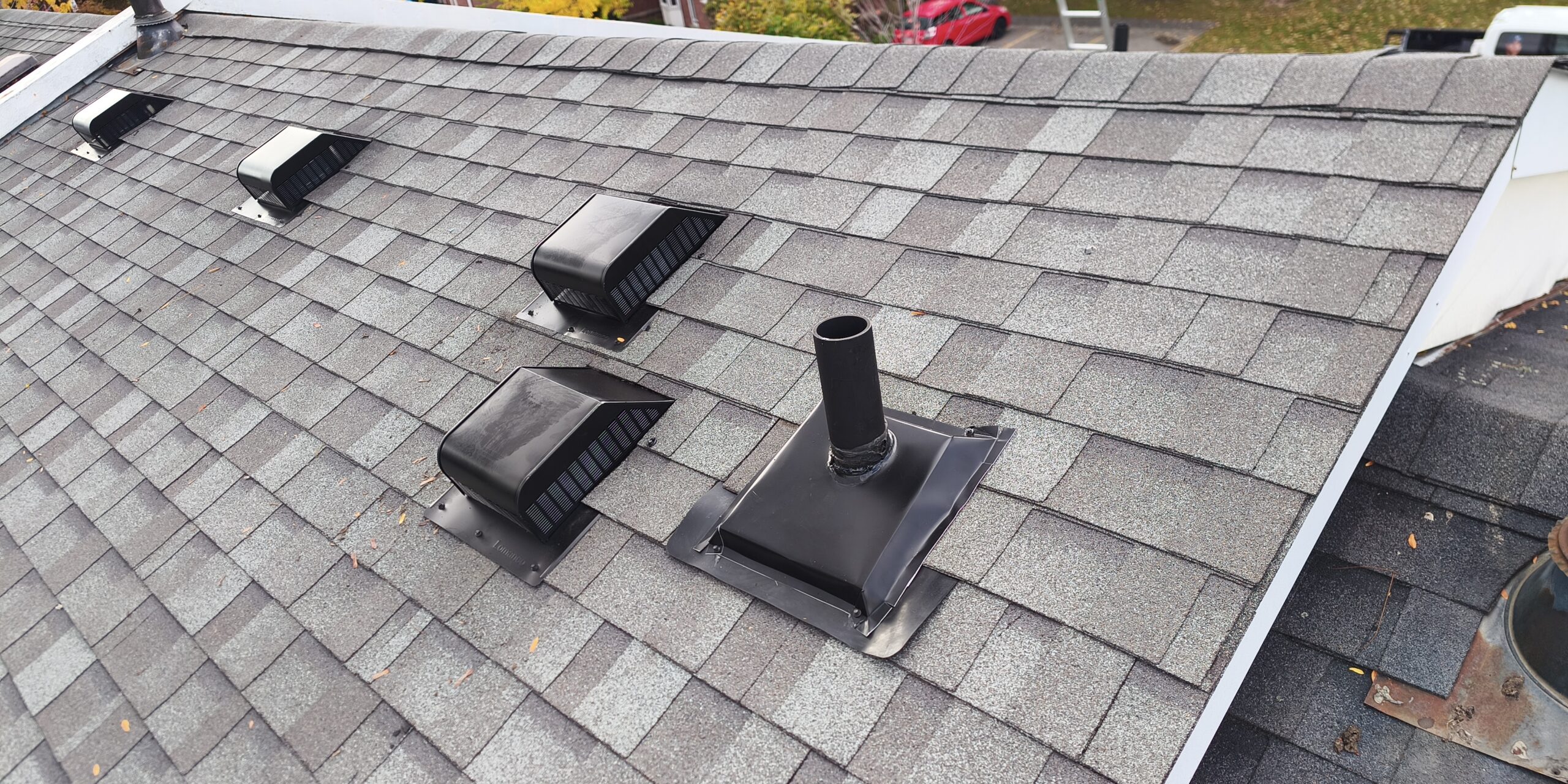
- Small gaps along the roof ridge vents may allow bats to enter attic spaces.
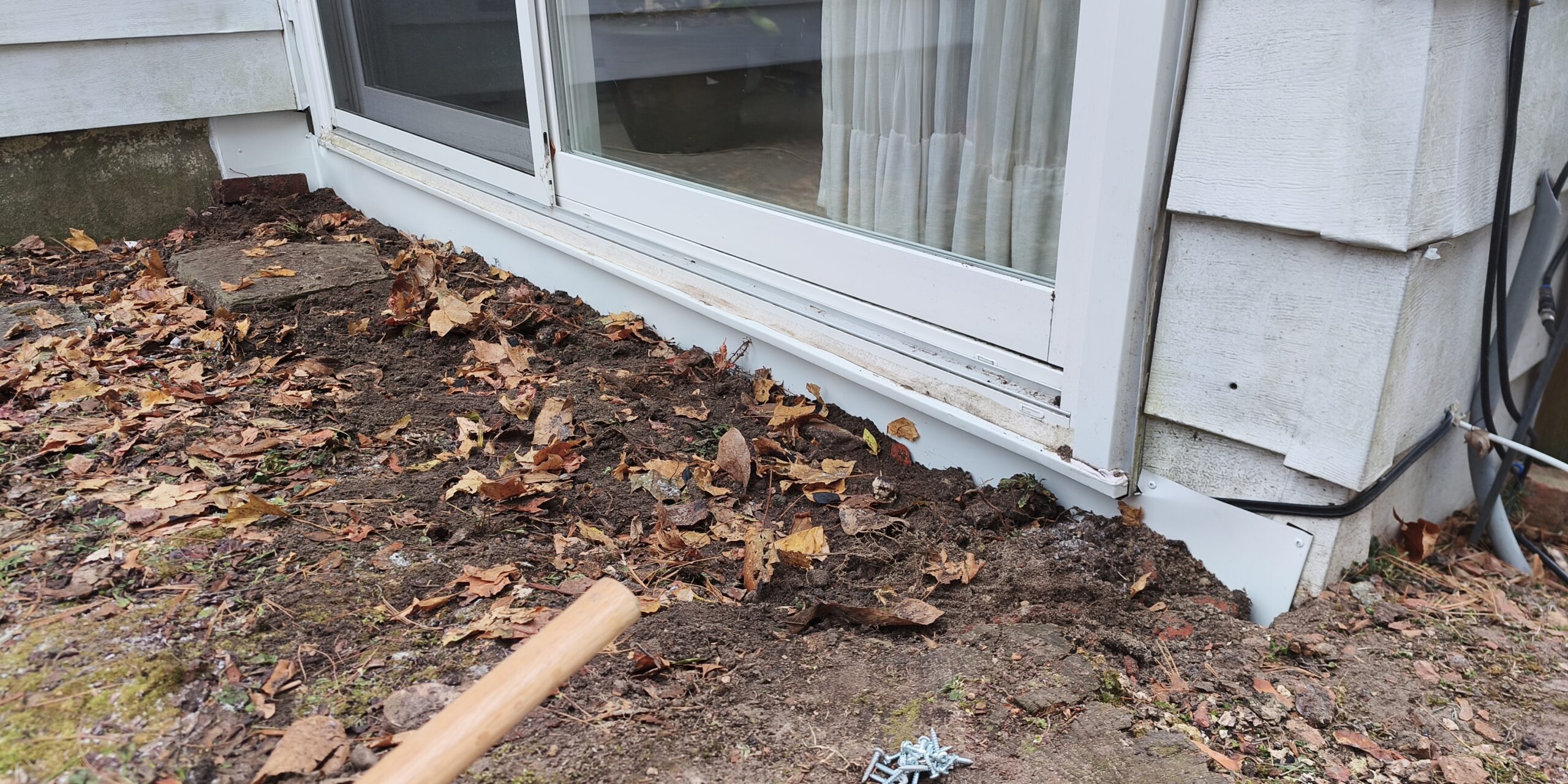
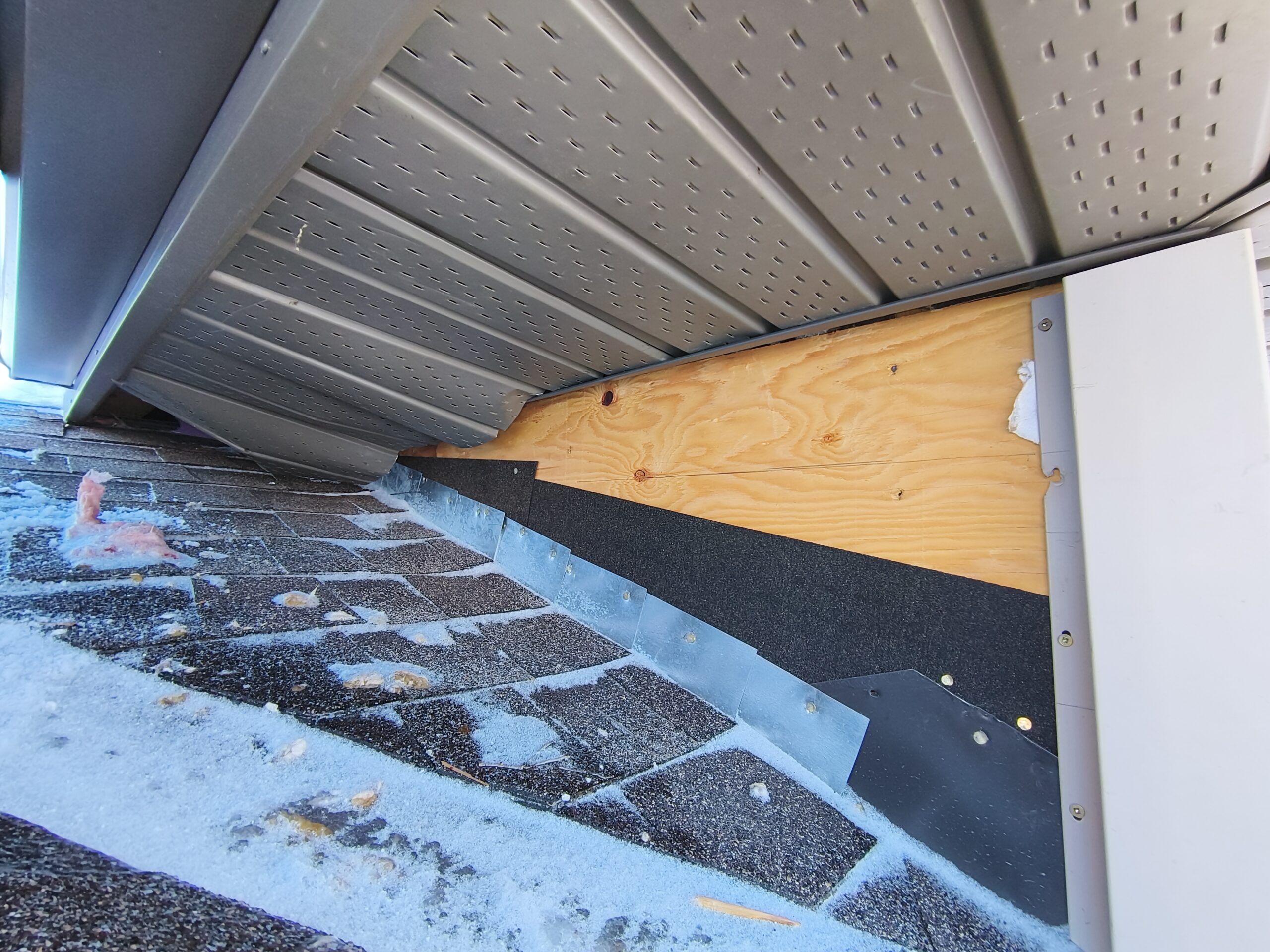
- Loose, aging, or damaged soffit panels commonly create easy access points for bats.
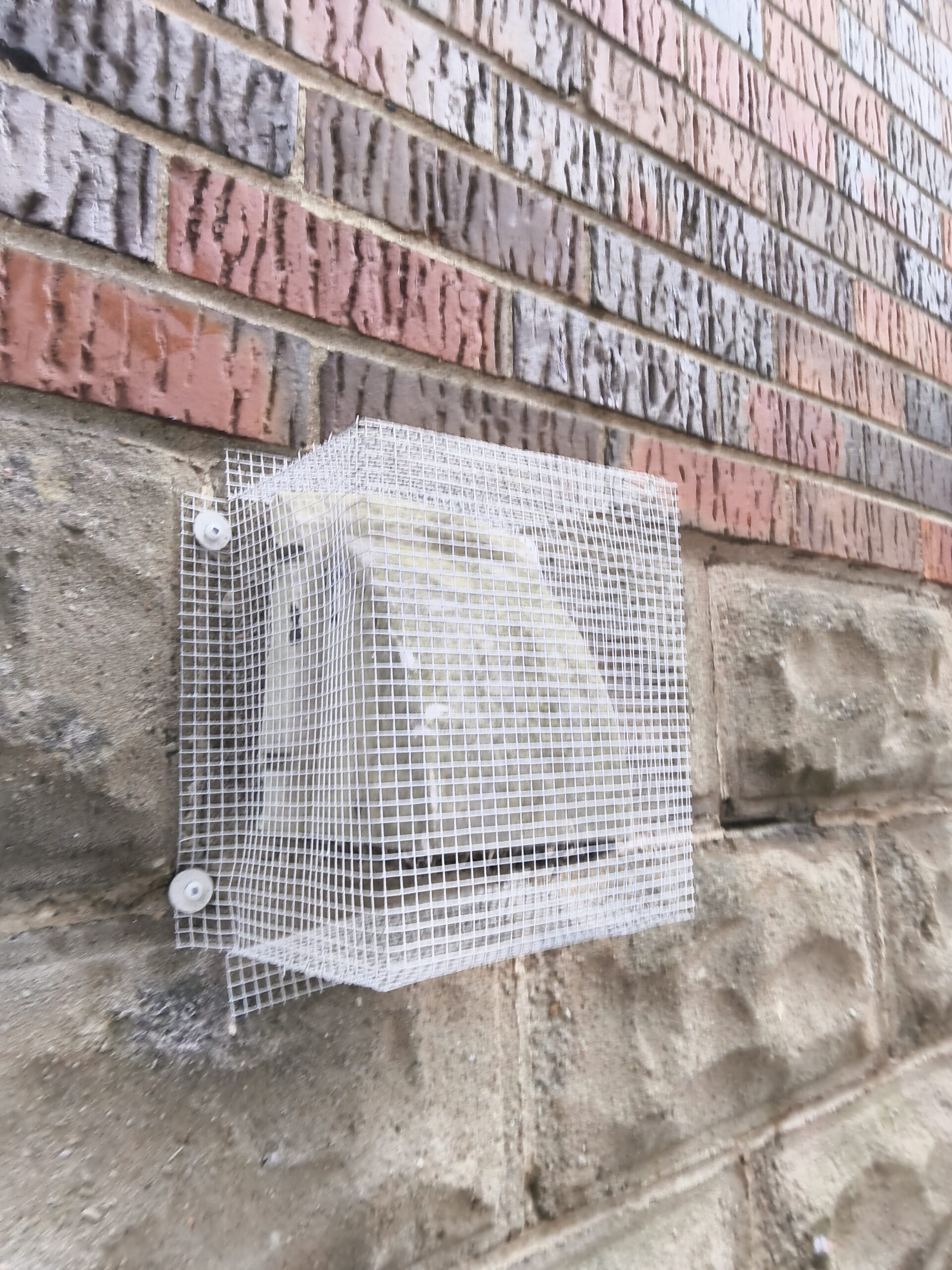
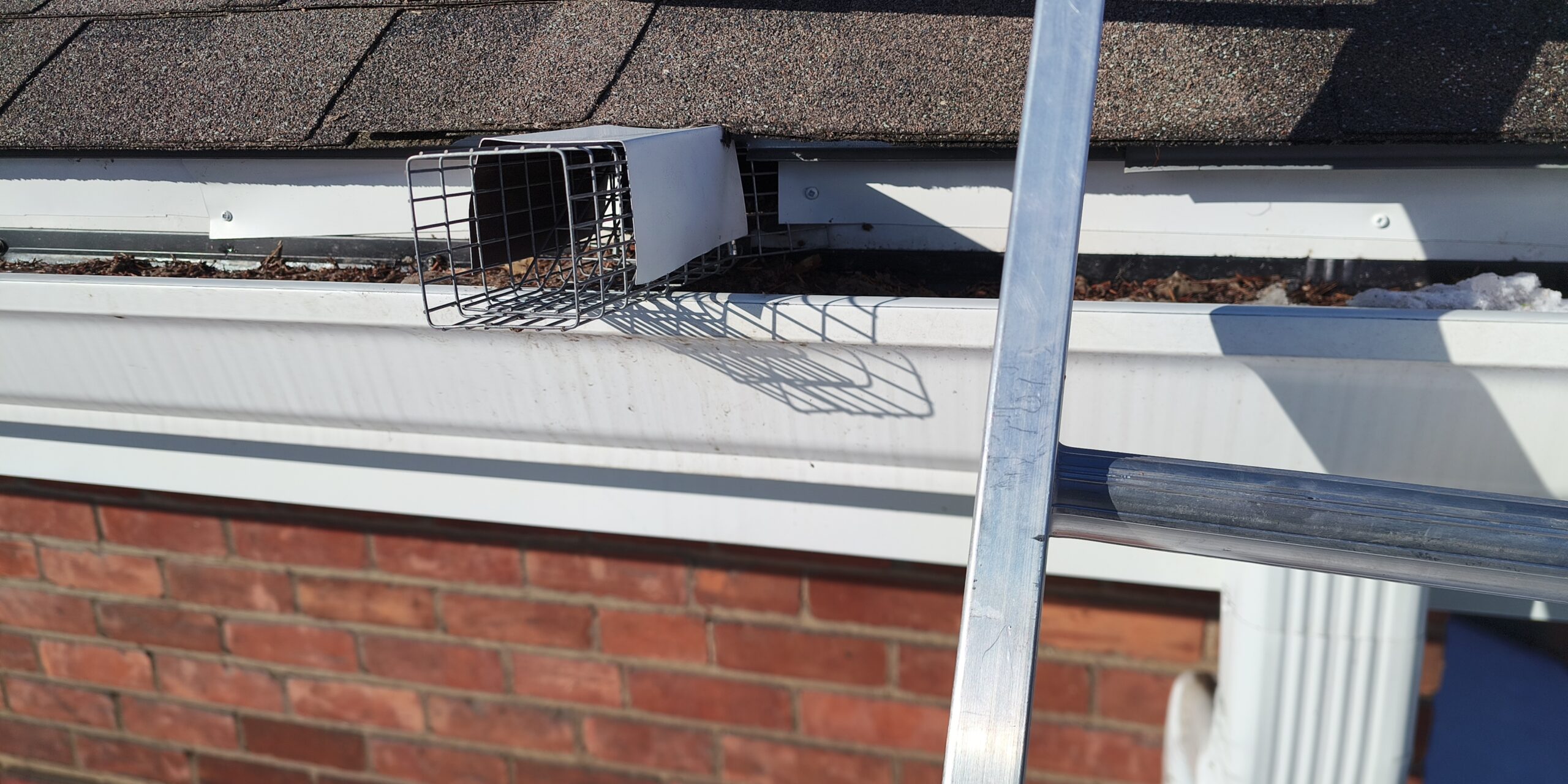
- Torn or damaged vent screens often allow bats to enter the upper attic.
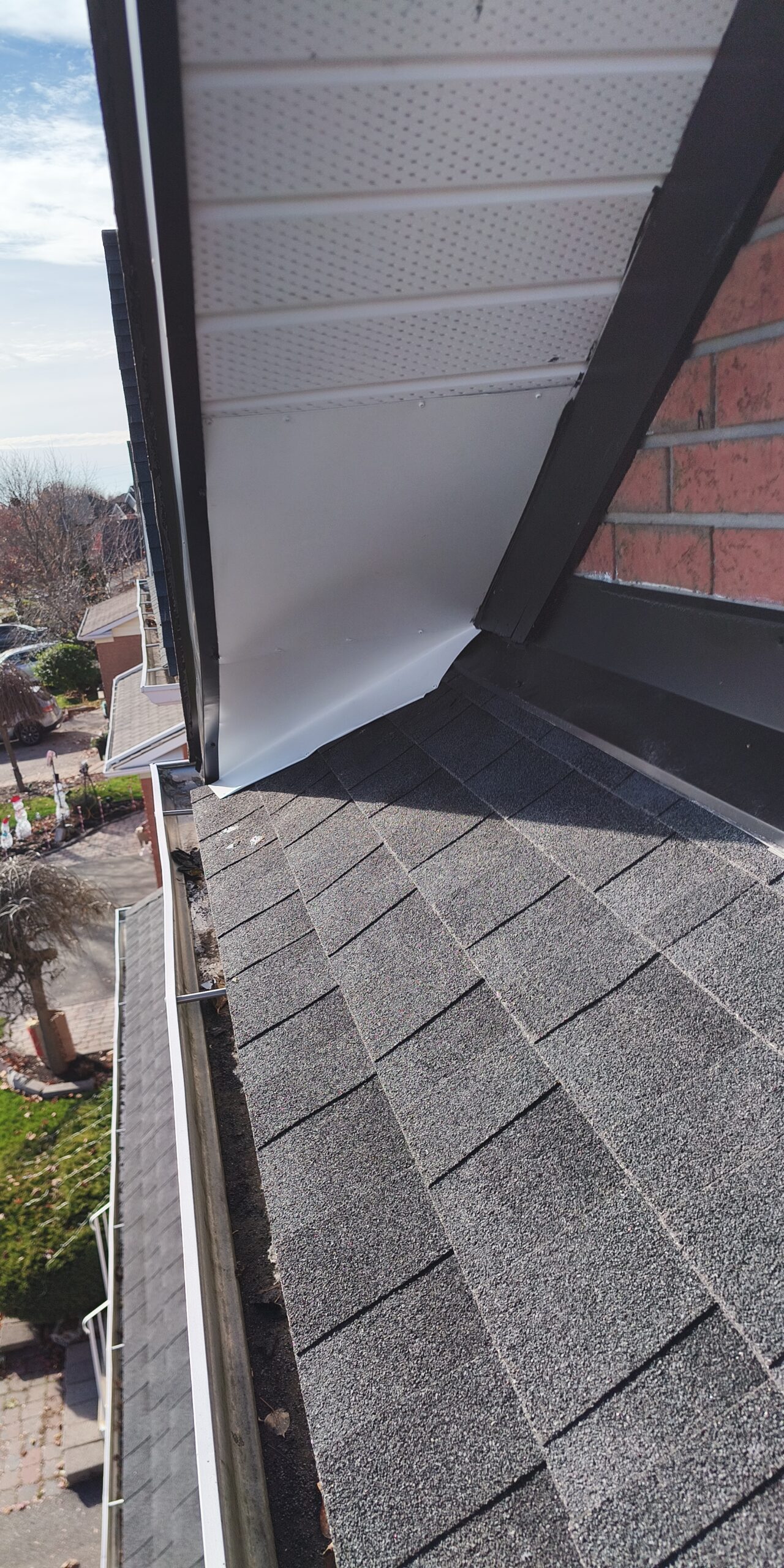
- Areas where rooflines meet exterior walls often develop narrow openings over time.
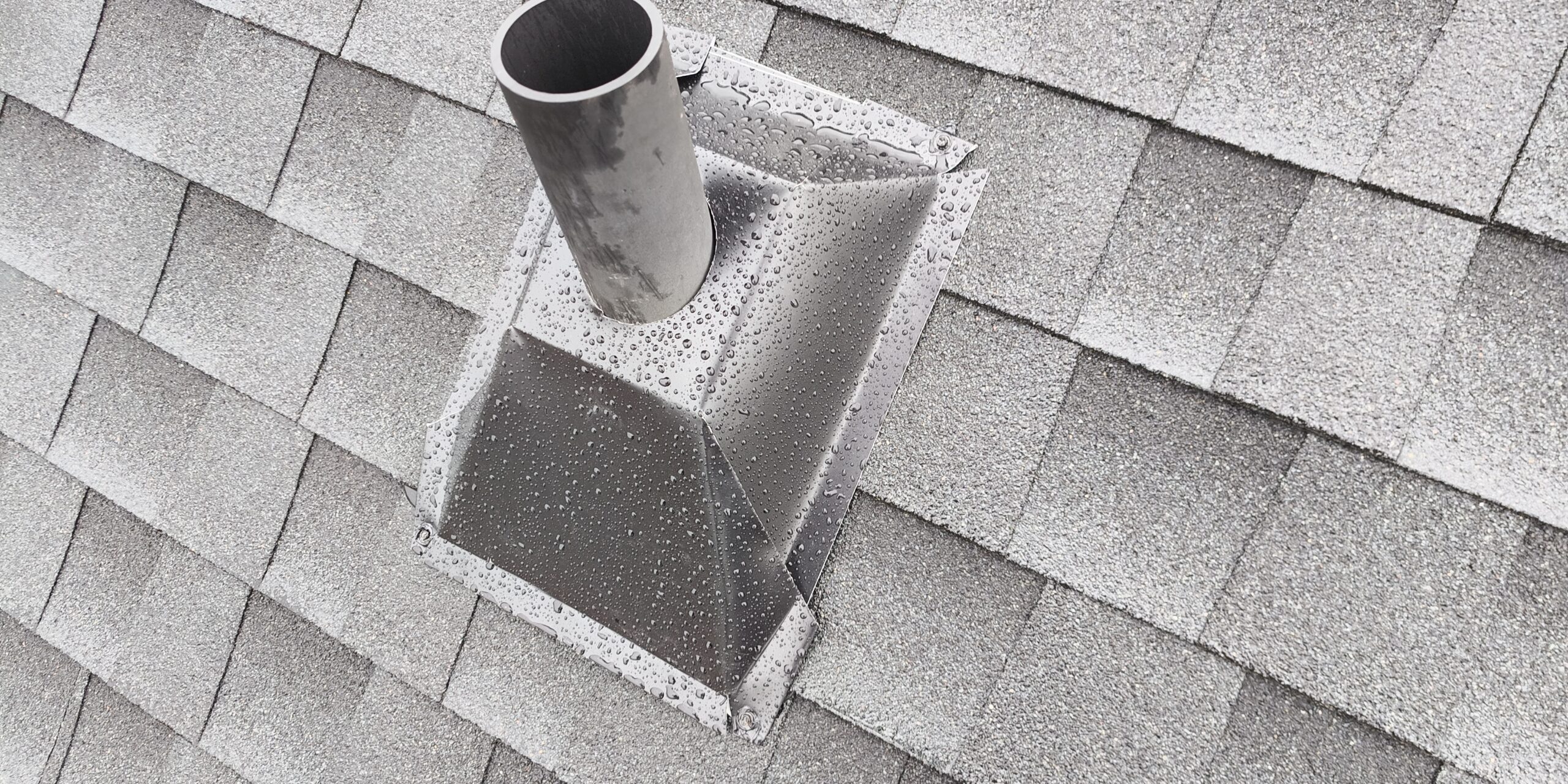
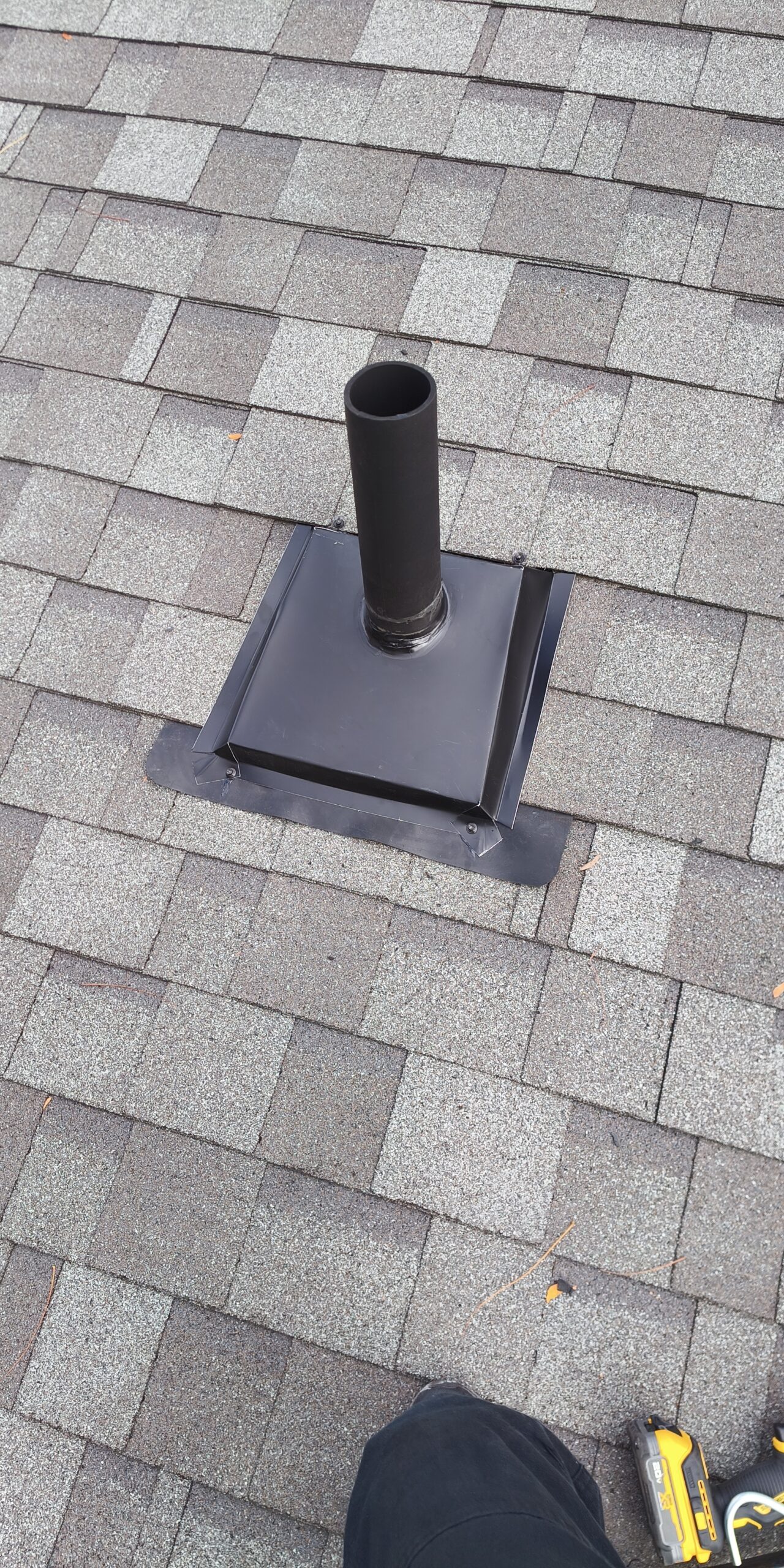
- Damaged or missing chimney caps, deteriorating flashing, and masonry gaps can provide sheltered entry points for bats.
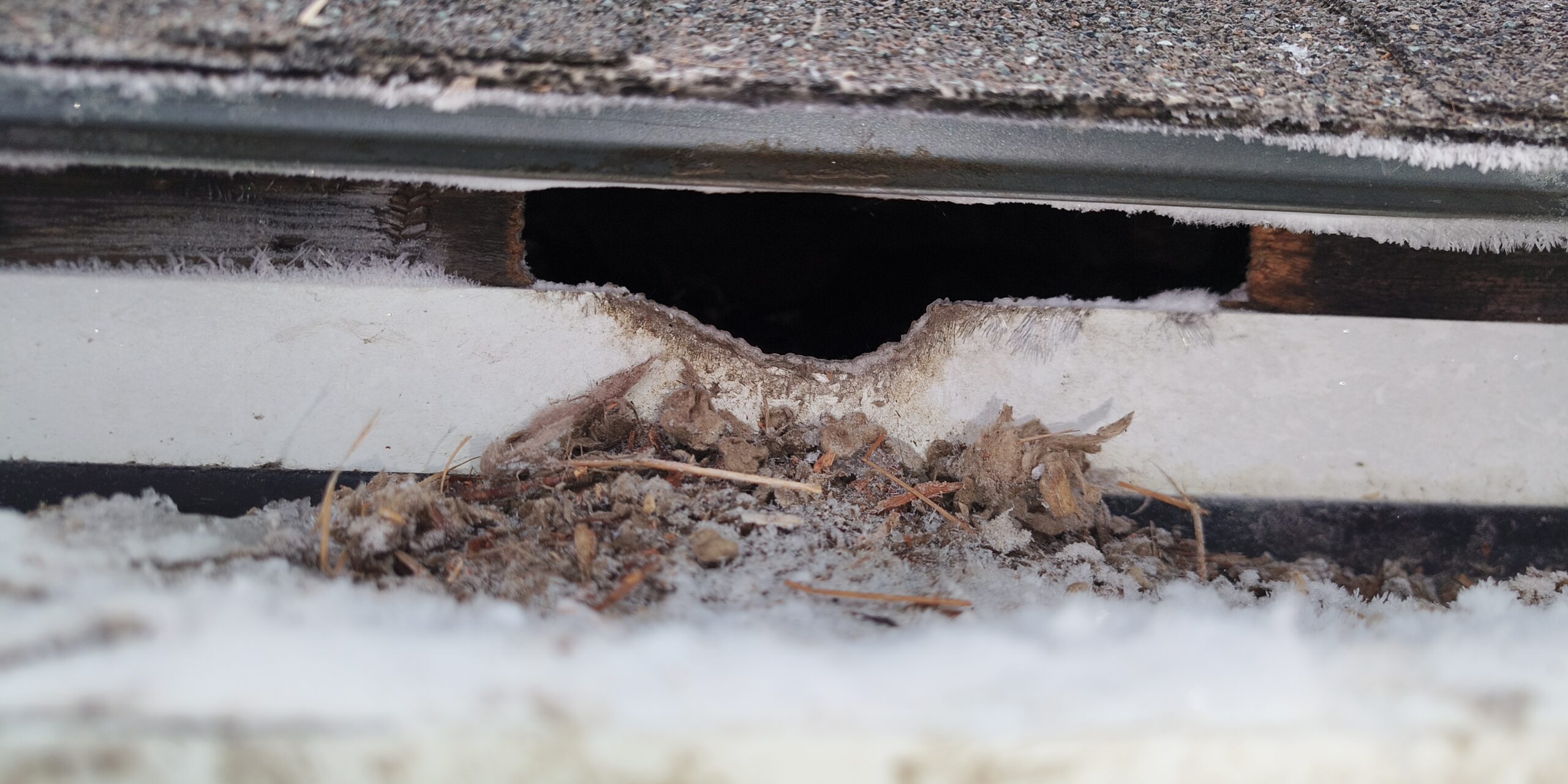
- Small openings between fascia boards and roof decking are often overlooked during inspections.
They Cause Structural Damage & Health Hazards
Bats play an important role in the ecosystem, but they may carry rabies and disease-causing pathogens that pose health risks to humans. Their droppings and nesting areas may also expose occupants to harmful bacteria, parasites, and fungal spores, especially when infestations remain undetected inside attics or wall cavities. That’s why we clean, sanitize, and disinfect the areas where they had roosted.
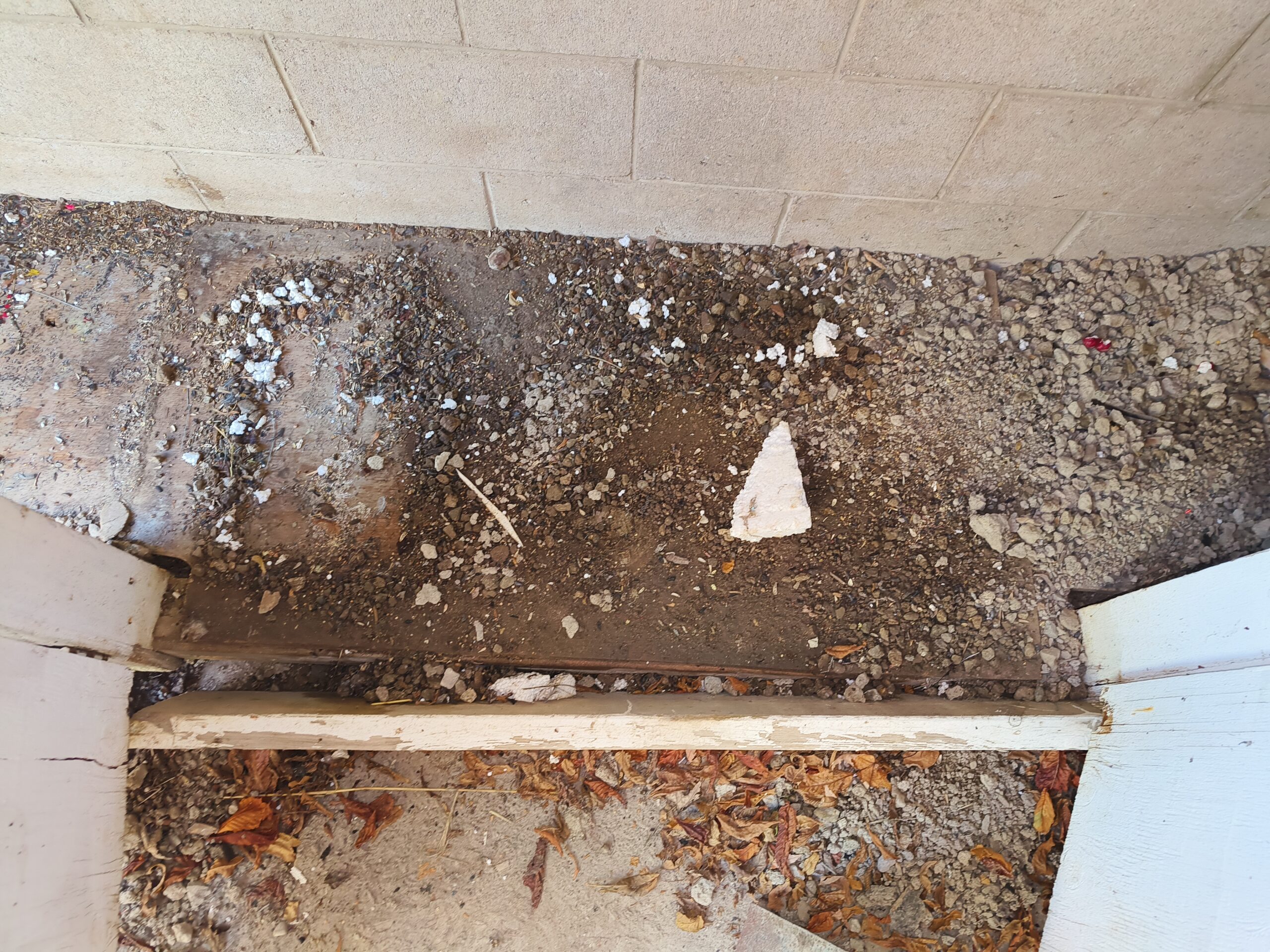
Over time, bat urine and guano can damage wood framing, drywall, insulation backing, metal surfaces, and other building materials inside residential and commercial properties. The acidic nature of accumulated waste may contribute to staining, corrosion, unpleasant odours, and structural deterioration. Bats’ droppings create strong odours, stain building materials, attract insects, and contaminate insulation and surrounding surfaces.
Legal Exclusion and Timing Requirements
Unlike most wildlife removal or usual pest control services, bat exclusion must follow strict season-specific guidelines. If you have seen little brown bats on your property, call our team. Our bat removal services adhere to the following season-specific regulations.
- Spring (March to May): During early spring, bats begin emerging from winter hibernation and actively search for suitable roosting locations. This period marks the opening of the safe exclusion window before maternity colonies become fully established inside attics and wall spaces.
- Summer (June to August): Summer is considered the maternity season, when female bats give birth and raise flightless young bats inside protected roosting spaces. Because baby bats cannot leave the structure on their own, exclusion work is generally not permitted during these months.
- Fall (September to October): Fall is often the primary season for humane bat exclusion work because young bats have matured and can safely leave the structure alongside the colony. This period is the safest opportunity to install one-way doors, seal entry points, and ensure bat-proofing.
During winter, bats hibernate inside attics, wall cavities, chimneys, and other protected areas. Disturbing hibernating bats can place them under severe stress and may increase mortality risks. Because of this, handle only emergency bat removal.
Getting Rid of Bats Roosting in Your Property
Our team prioritizes humane, regulatory-compliant methods to remove bats and other unwanted wildlife from your living space. Here’s what to expect during bat removal.
Find where they’re Roosting
We’ll perform a thorough property inspection to identify all bat entry points, where they roost, and assess the conditions attracting the colony. Also, we’ll identify any contamination or structural damage caused by the infestation.
Humane Removal Methods
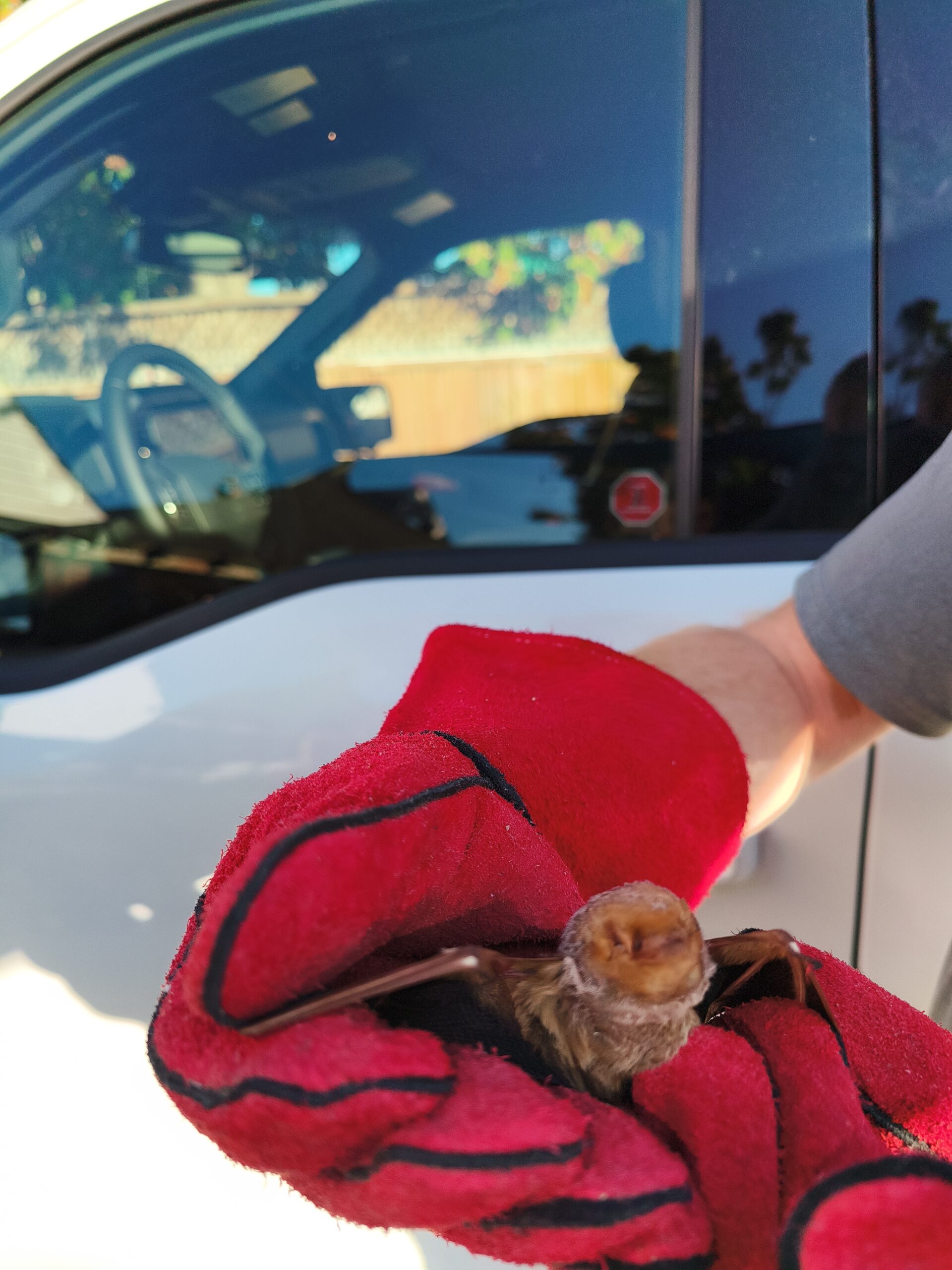
After the inspection, our technicians will use specialized bat-exclusion methods to allow bats to leave your property naturally while preventing re-entry. It’s best to schedule exclusion work around maternity and hibernation periods.
Cleanup and Disinfection
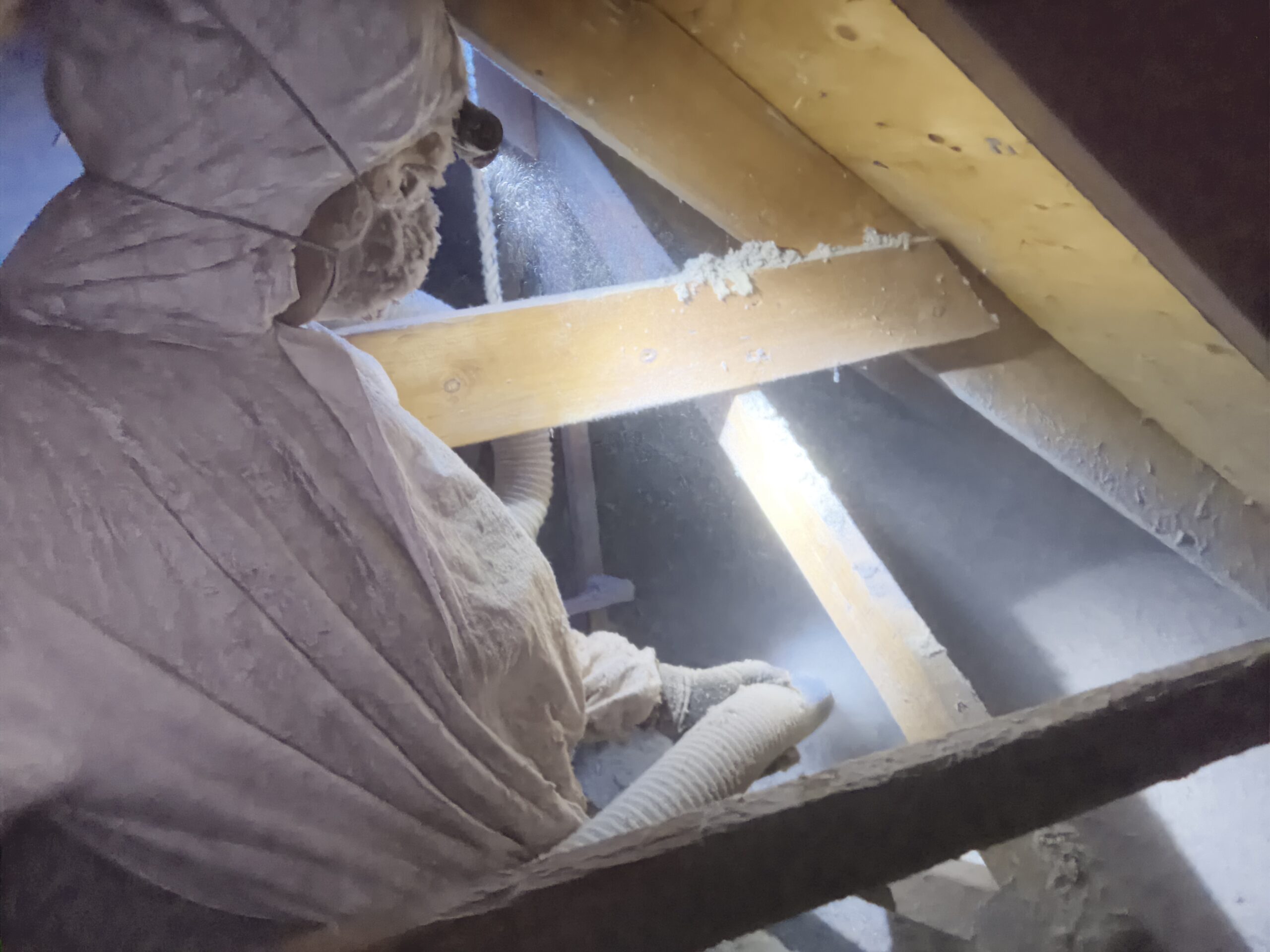
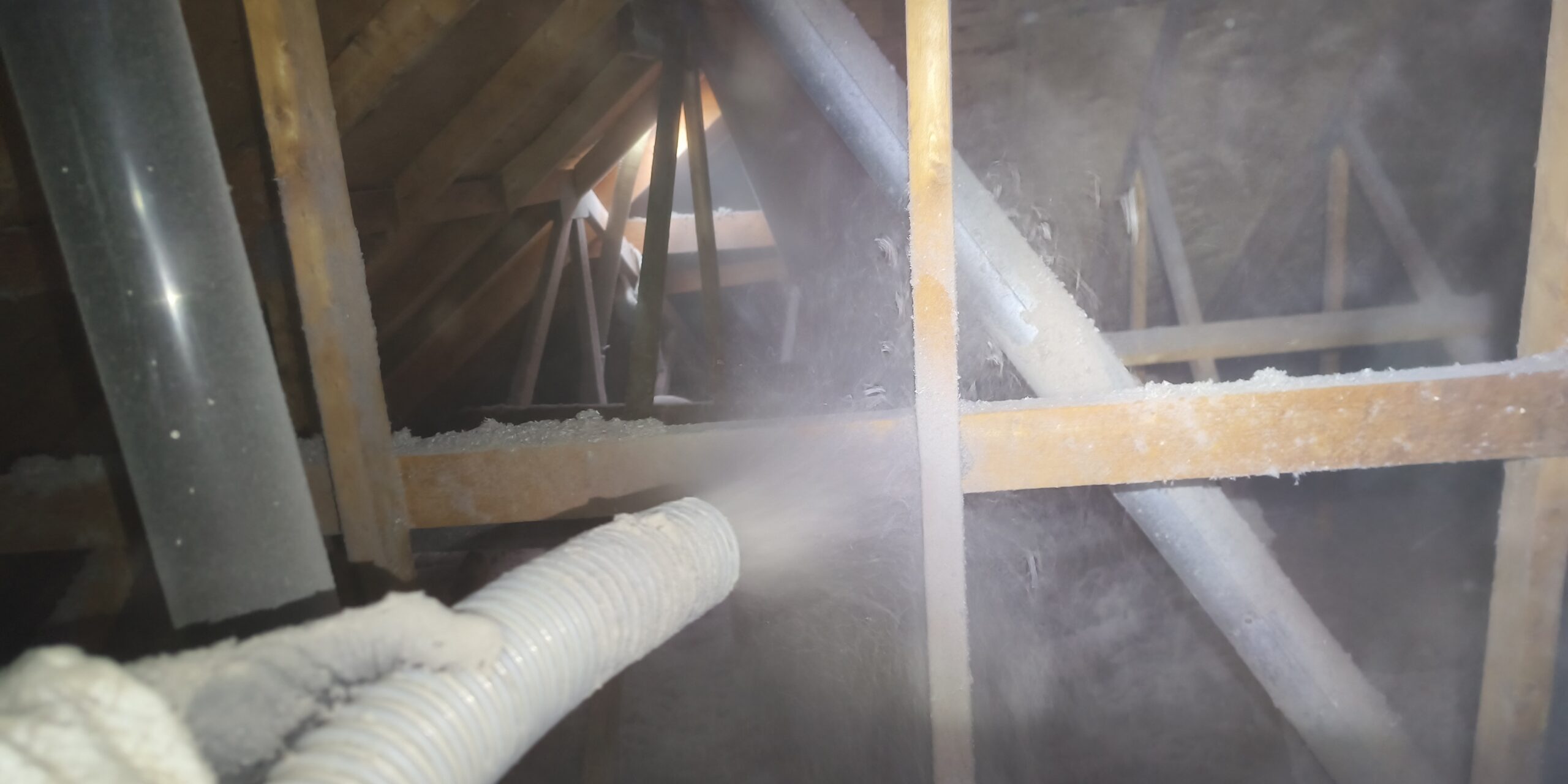
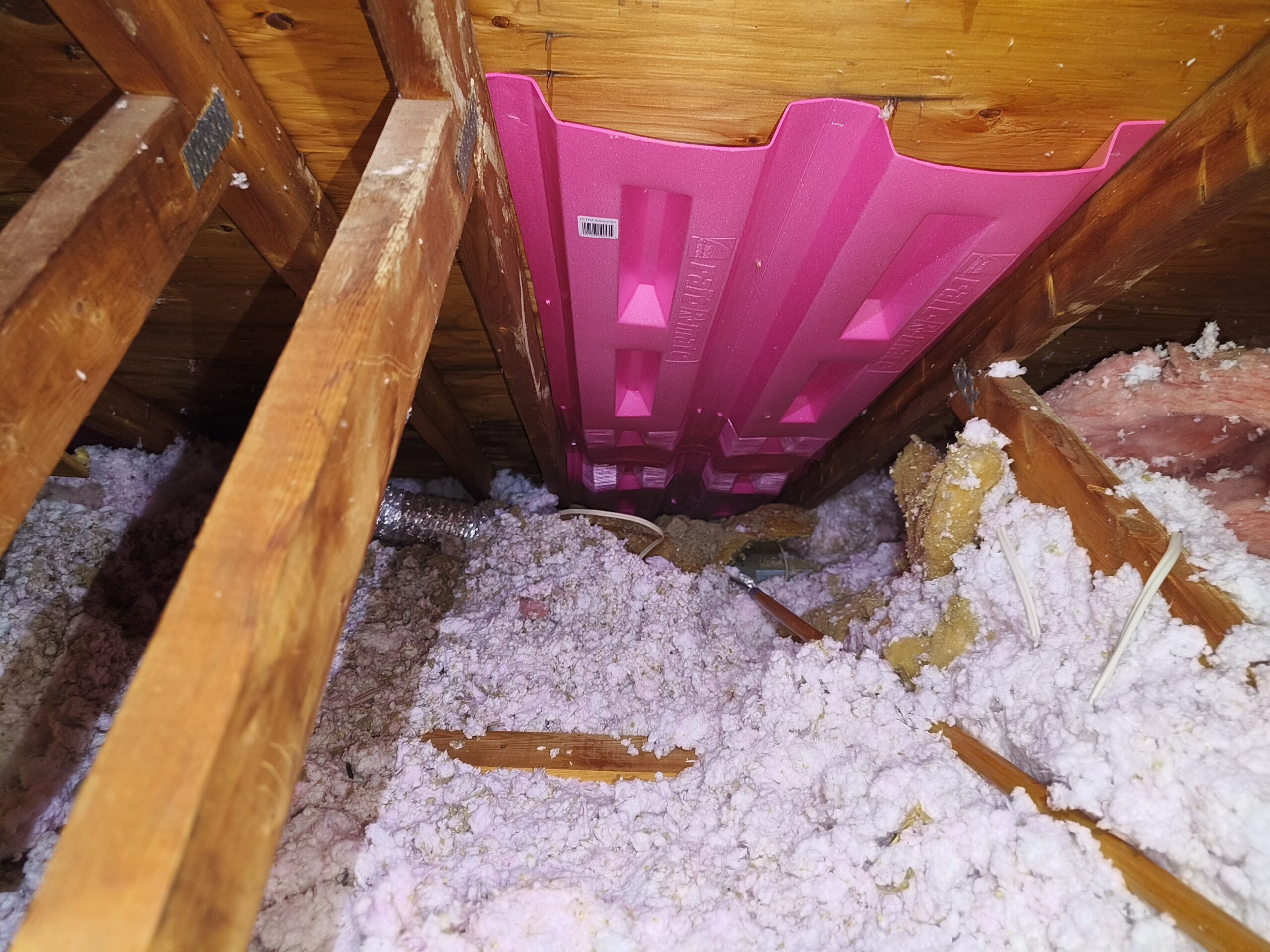
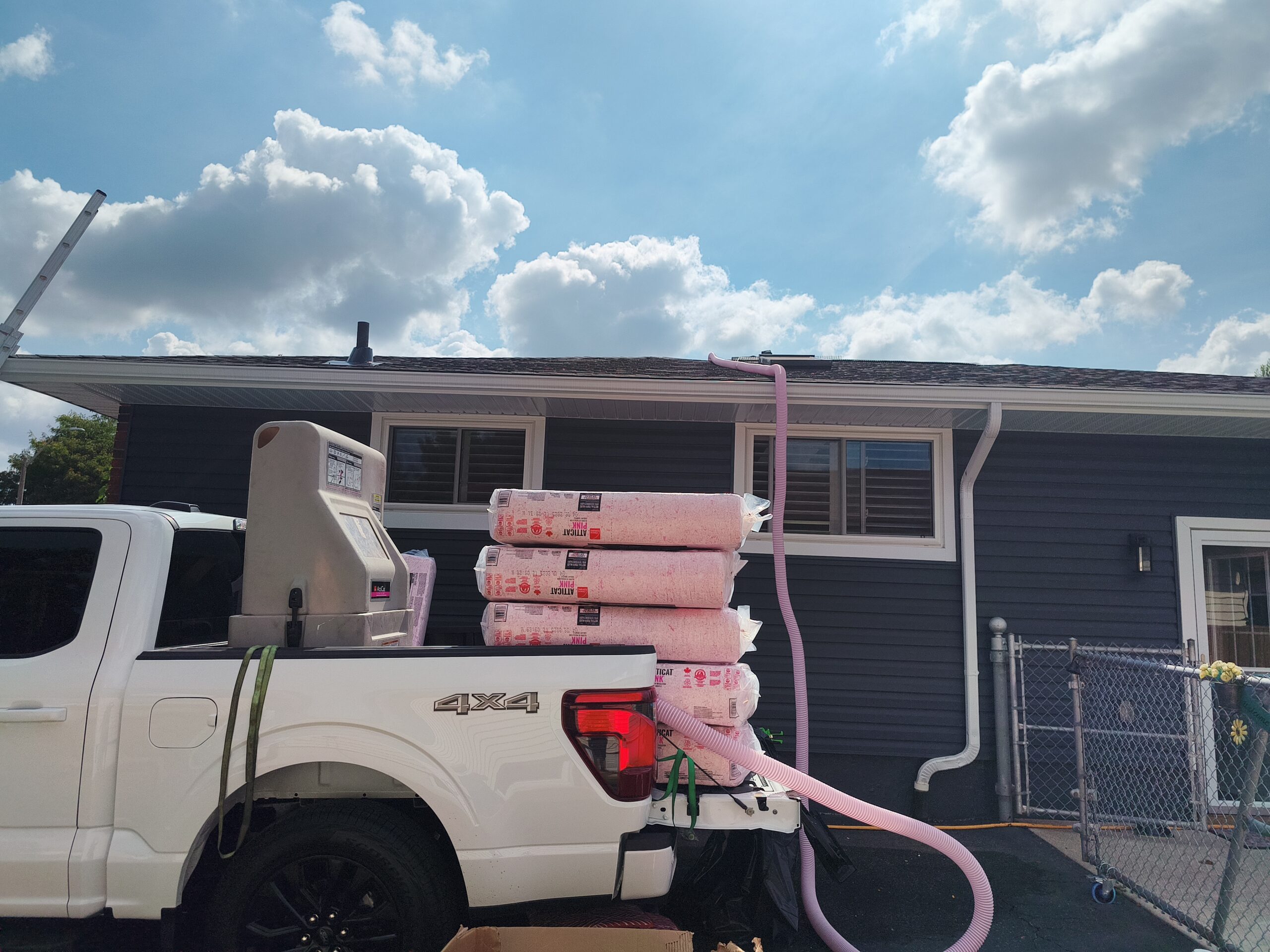
Bat infestations often leave behind accumulated guano, urine staining, contaminated insulation, strong odours, and damaged building materials inside attic and wall spaces. Our team will clean and sanitize these areas and replace damaged insulation.
Are they Protected Wildlife Species?
Several bat species found in Ontario are protected because they are classified as endangered under the province’s current Species Conservation Act, 2025. These include the little brown myotis, northern myotis, eastern small-footed myotis, tri-coloured bat, eastern red bat, hoary bat, and silver-haired bat. For Hamilton homeowners, this means you cannot simply trap bats, harm them, or seal an active roost without considering the applicable protections.
At Critter Hero, we use humane exclusion methods and carefully consider the timing and location of bat activity before securing entry points. Our team helps property owners address bat problems while respecting Ontario’s wildlife protection requirements. Over the past 15 years, we have helped homeowners remove bats living in their properties.
The Cost of Bat Removal in Hamilton
The cost of professional bat removal or control in Hamilton varies widely, with homeowners paying $400 or higher. Note that the size of the bat colony, the height and accessibility of the roof, the number of active entry points, and the level of contamination inside the attic or wall spaces affect the total costs involved.
If you’re wondering if your homeowners’ insurance policy will cover your bat removal and cleanup, contact your insurer to find out if your policy covers damage caused by wildlife infestation. Don’t hesitate to contact us if you have a bat problem.
Request a Free Quote for Bat Removal
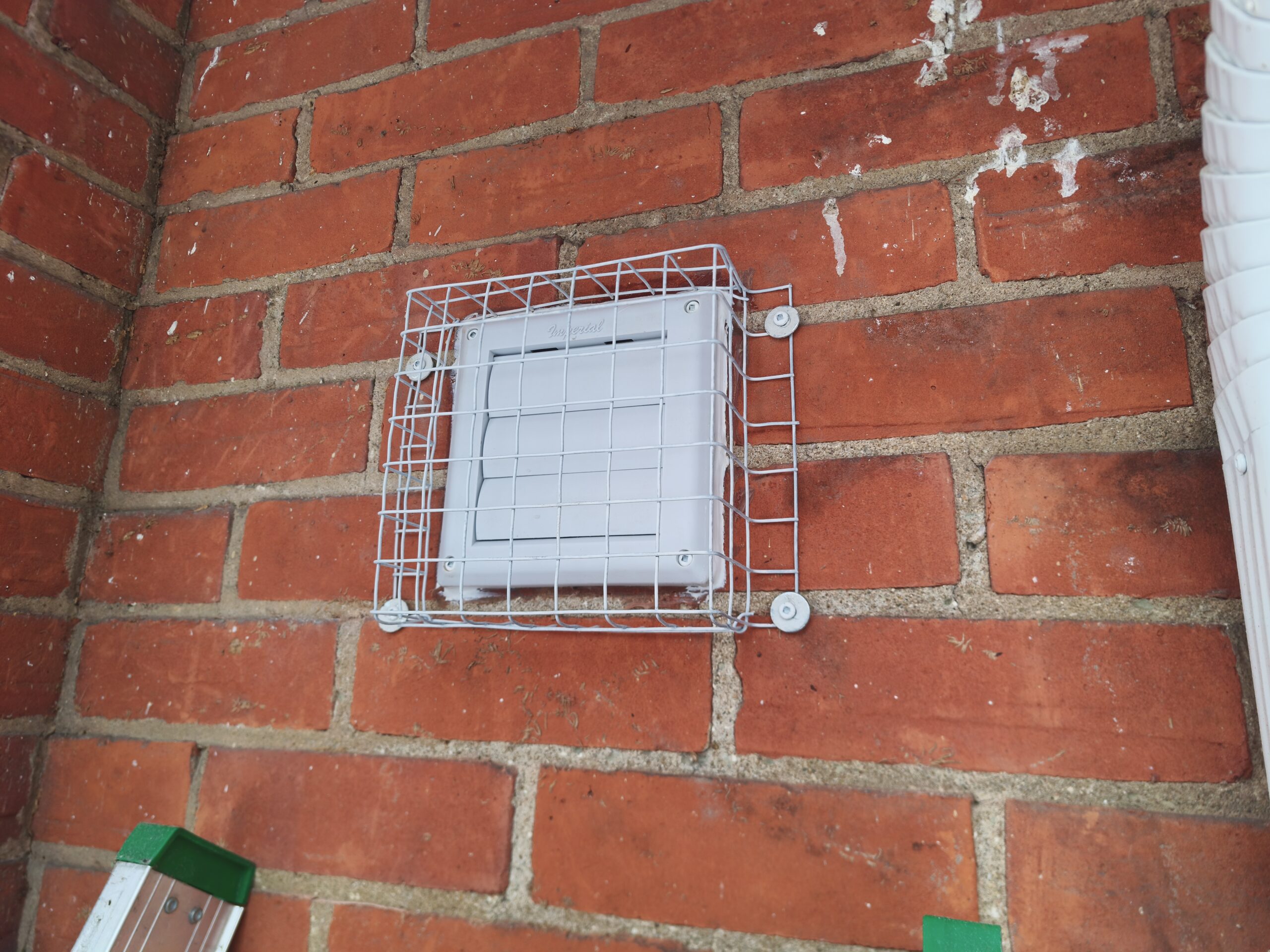
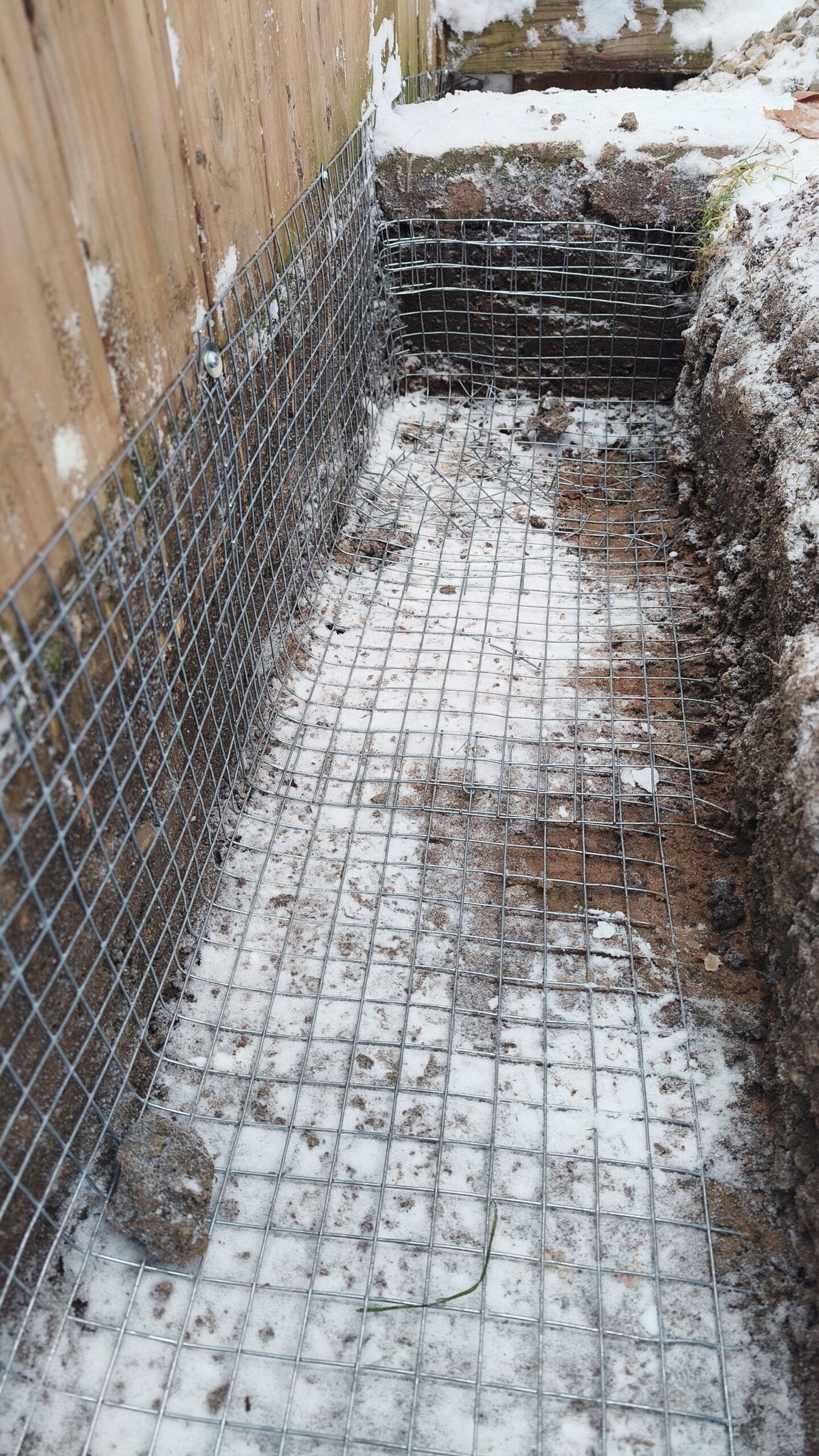
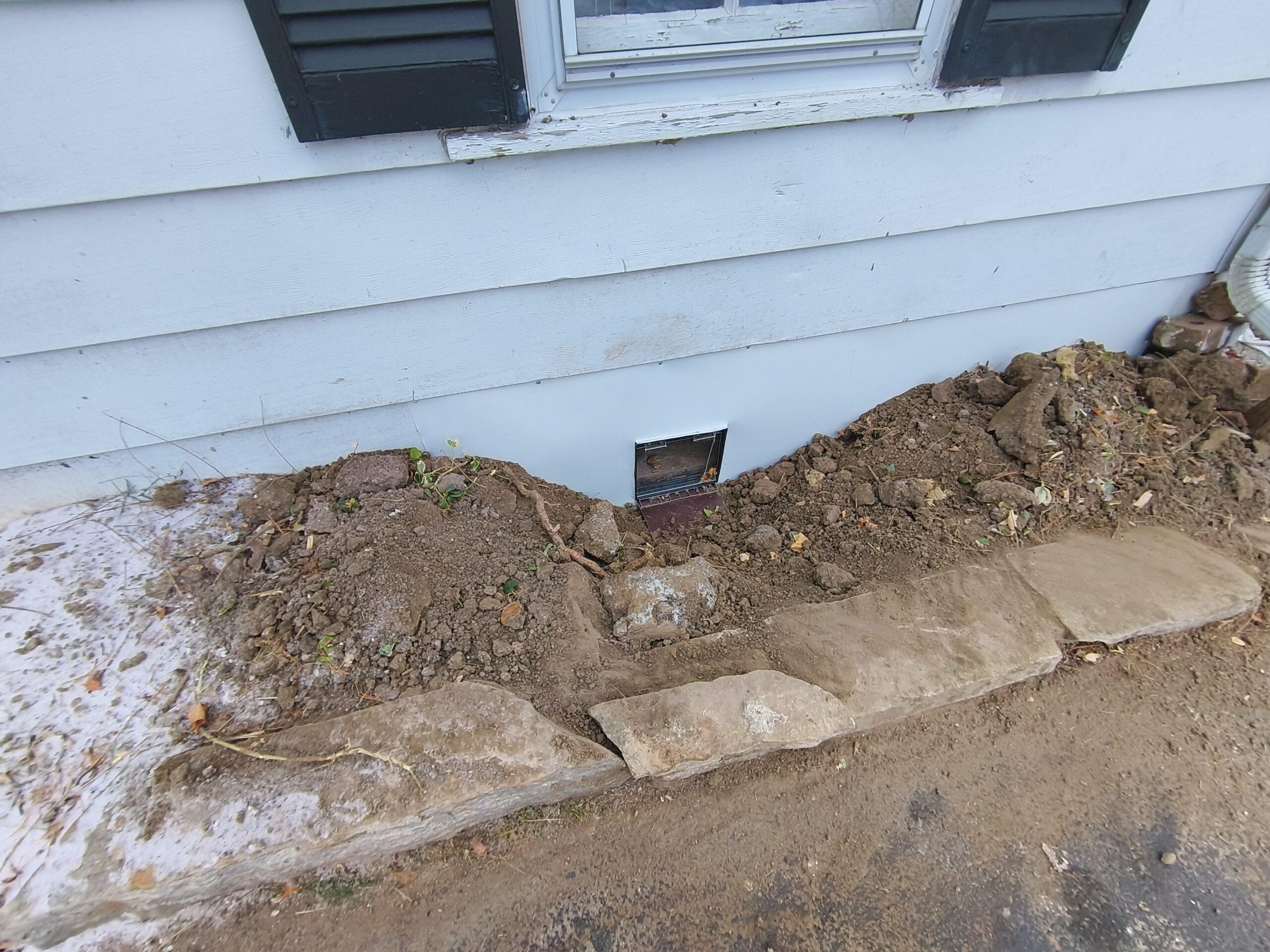
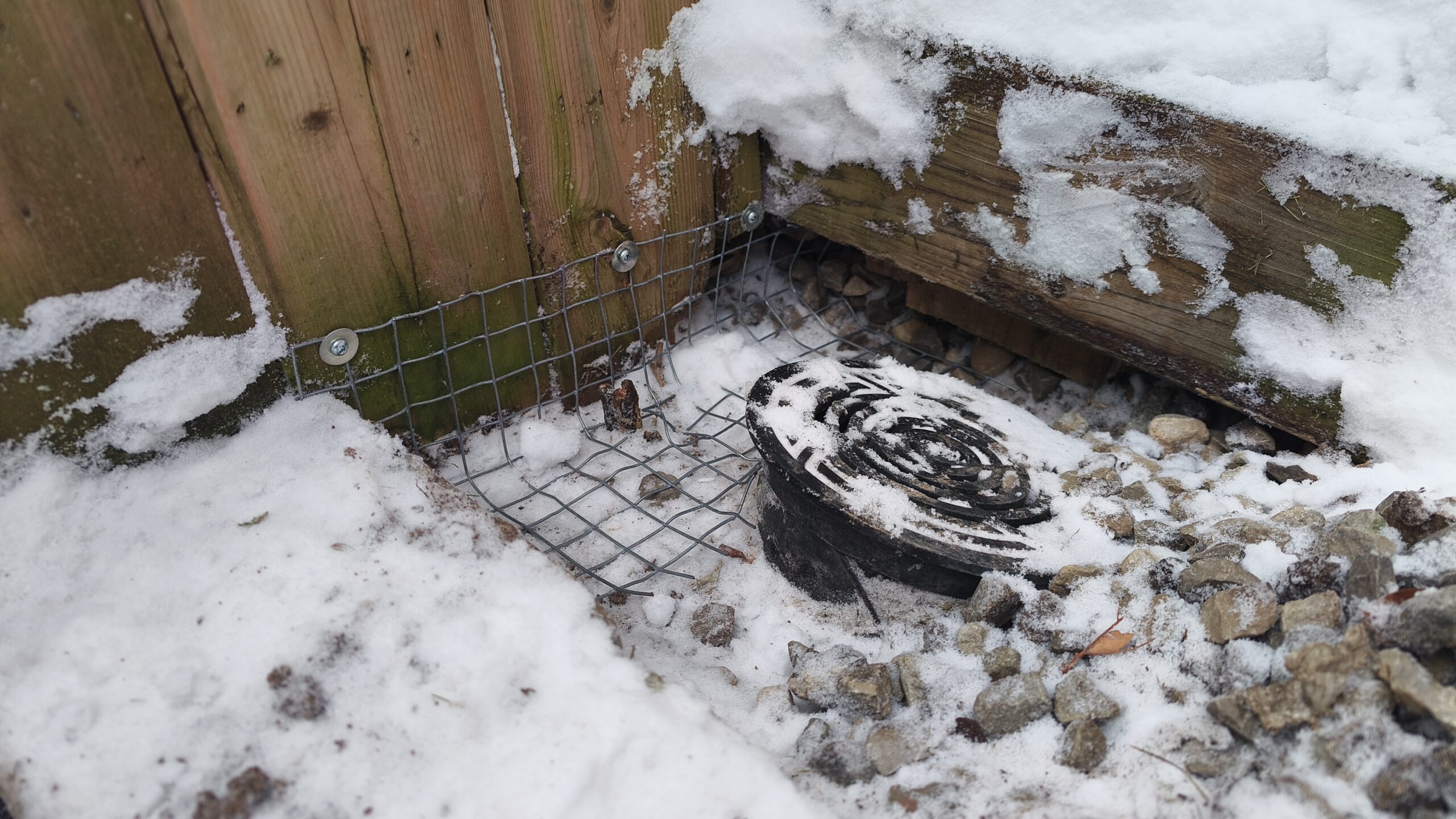
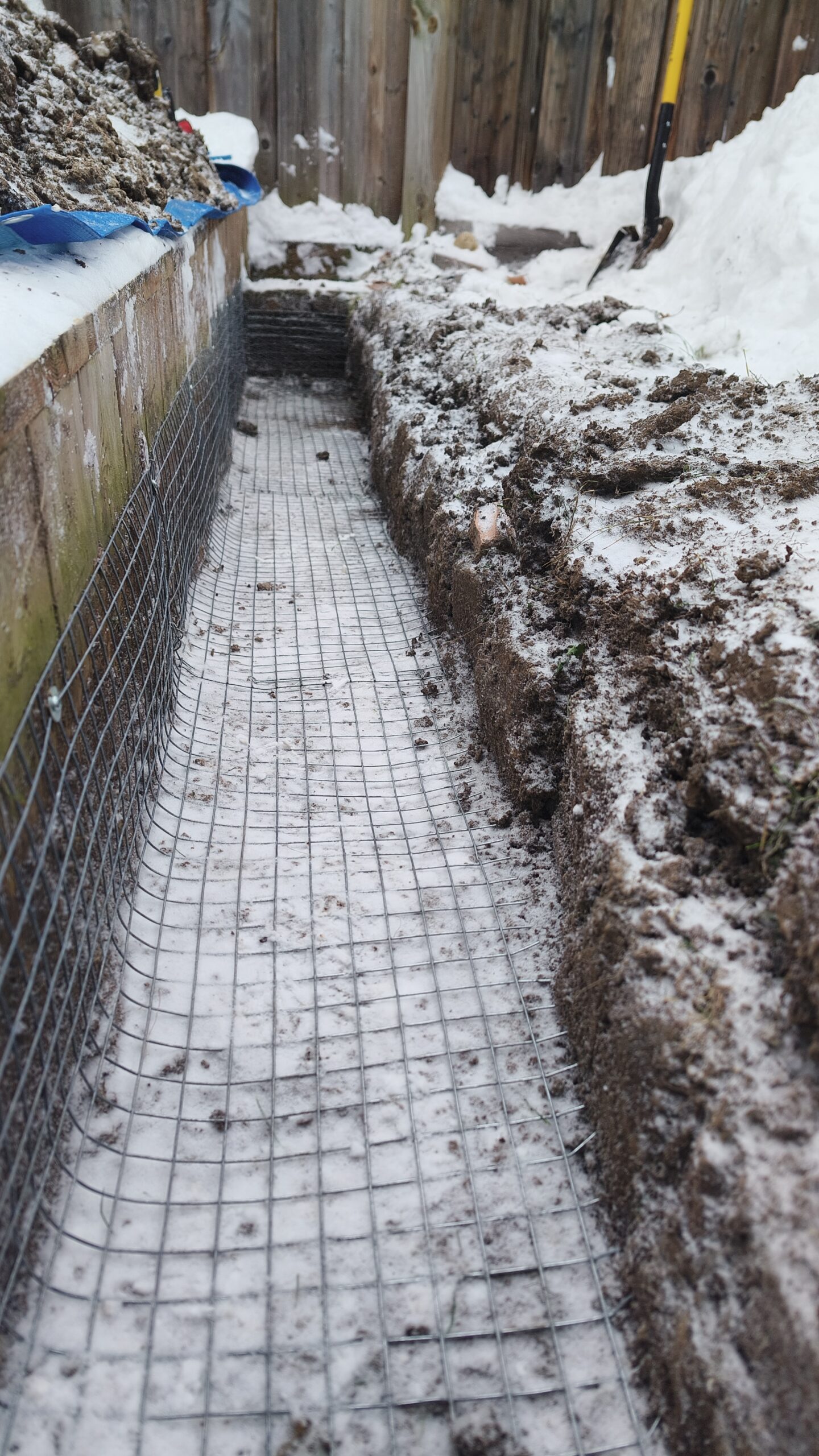
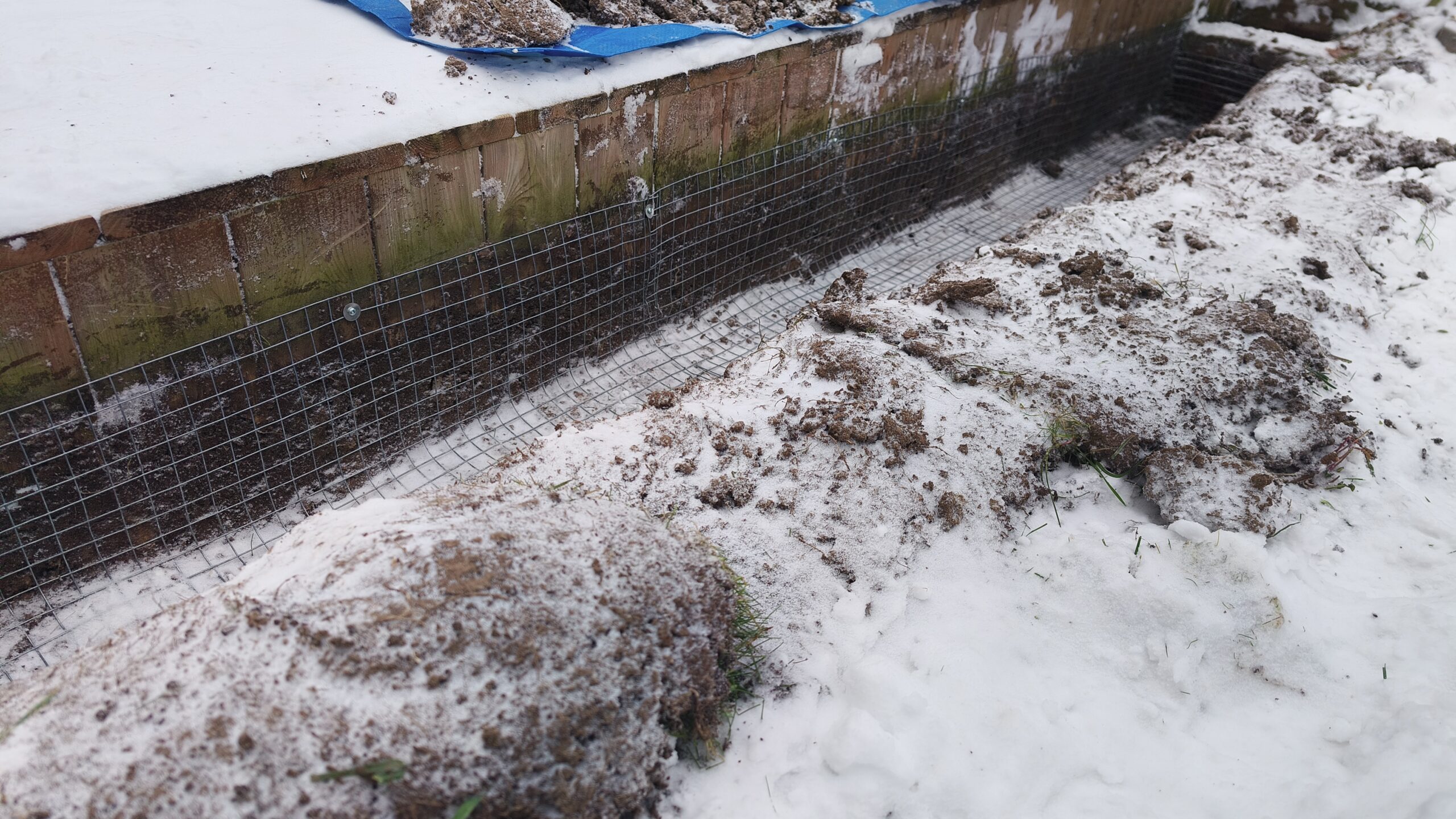
At Critter Hero, our bat removal services include a full property inspection and humane exclusion. We also seal entry points, trim tree branches, and provide cleanup recommendations. Contact our team today to request a free quote if you need help removing bats or controlling insect populations near your property.
Our team will provide a custom quotation for our bat control services after a thorough property inspection.
Frequently Asked Questions
-
How do I know if bats are living in my attic?
Many homeowners first notice scratching, fluttering, chirping, or squeaking sounds coming from the attic, walls, or roofline during dusk and nighttime hours. Other common signs include bat droppings near soffits or vents, strong ammonia-like odours, staining around entry points, and more. -
Are bats dangerous to people and pets?
Although bats are generally not aggressive, they can carry diseases like rabies and other harmful pathogens that pose risks to humans and pets. Bat guano may also contain fungal spores associated with histoplasmosis, especially when droppings accumulate in an enclosed attic or crawlspace. -
Why can’t bats be removed during summer?
Summer is maternity season throughout Hamilton and Southern Ontario. During this period, baby bats are unable to fly or leave the nests (in your home) on their own. Performing exclusion work too early may trap young bats inside walls or attics, leading to mortality, contamination, and potential legal violations. -
What attracts bats to Hamilton homes?
Bats are attracted to quiet, elevated spaces that provide warmth, darkness, and protection from predators. Older Hamilton homes with aging rooflines, soffit gaps, uncapped chimneys, loose vents, and fascia openings often create ideal roosting conditions. -
Will bats return after exclusion work is completed?
If entry points remain unsealed, bats may attempt to return to previous roosting locations. That’s why our professional bat exclusion focuses on safely removing the colony and permanently sealing vulnerable roofline gaps, vents, soffits, fascia openings, and other structural access points to help prevent re-entry. -
Where do bats usually roost inside Hamilton homes?
Bats commonly settle in attics, roof voids, soffits, wall cavities, and other quiet spaces that provide protection from weather and predators. During an inspection, our team checks for droppings, staining, entry points, and other evidence that can help locate the active roost and remove it. -
What should I do if a bat gets inside my house?
Avoid touching or chasing the bat, and keep people and pets away from the area. If the bat cannot leave on its own or you suspect there are many bats roosting, contact the professionals at Critter Hero for guidance before attempting to handle it yourself. -
How does Critter Hero remove bats from a home?
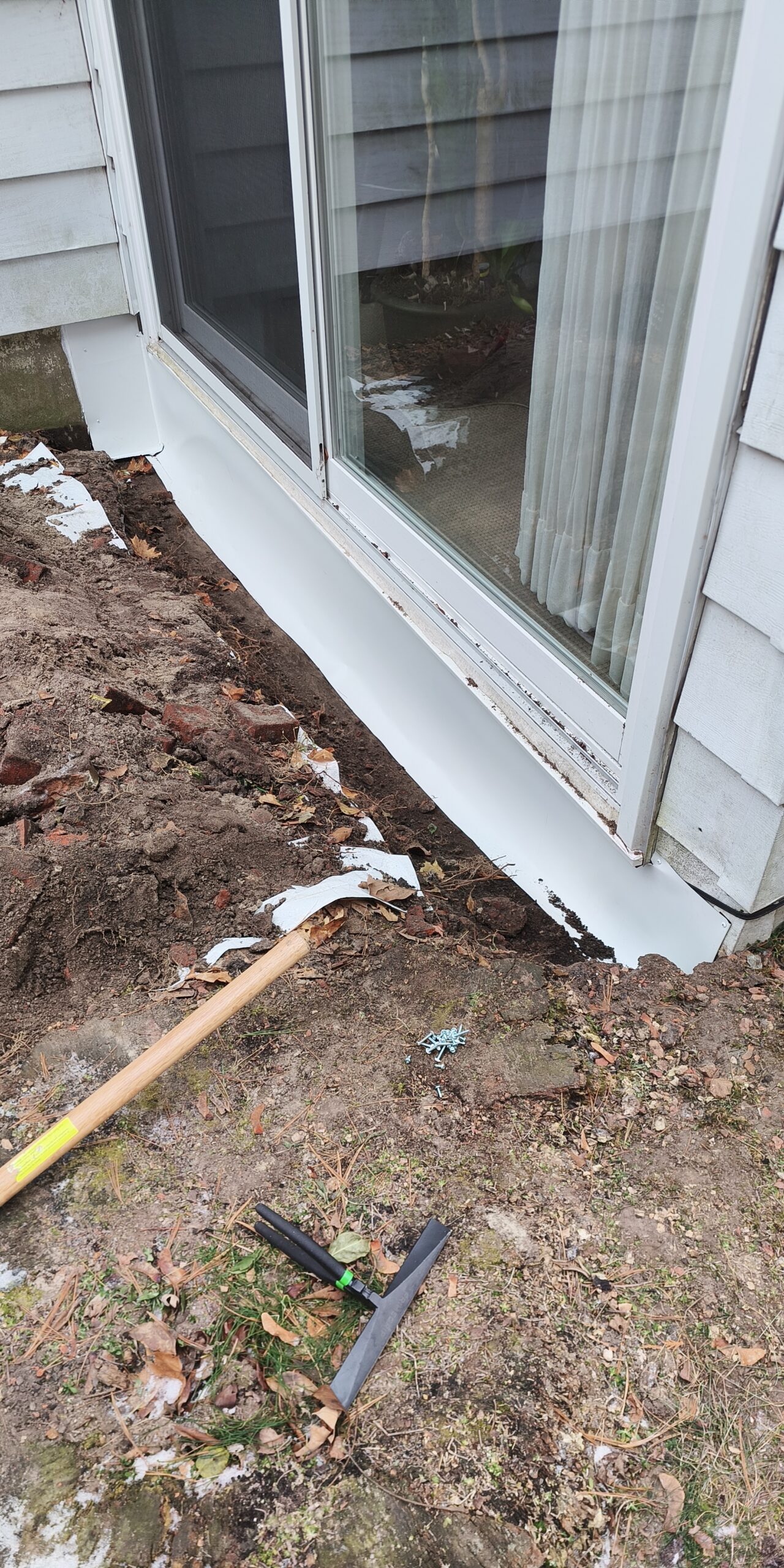
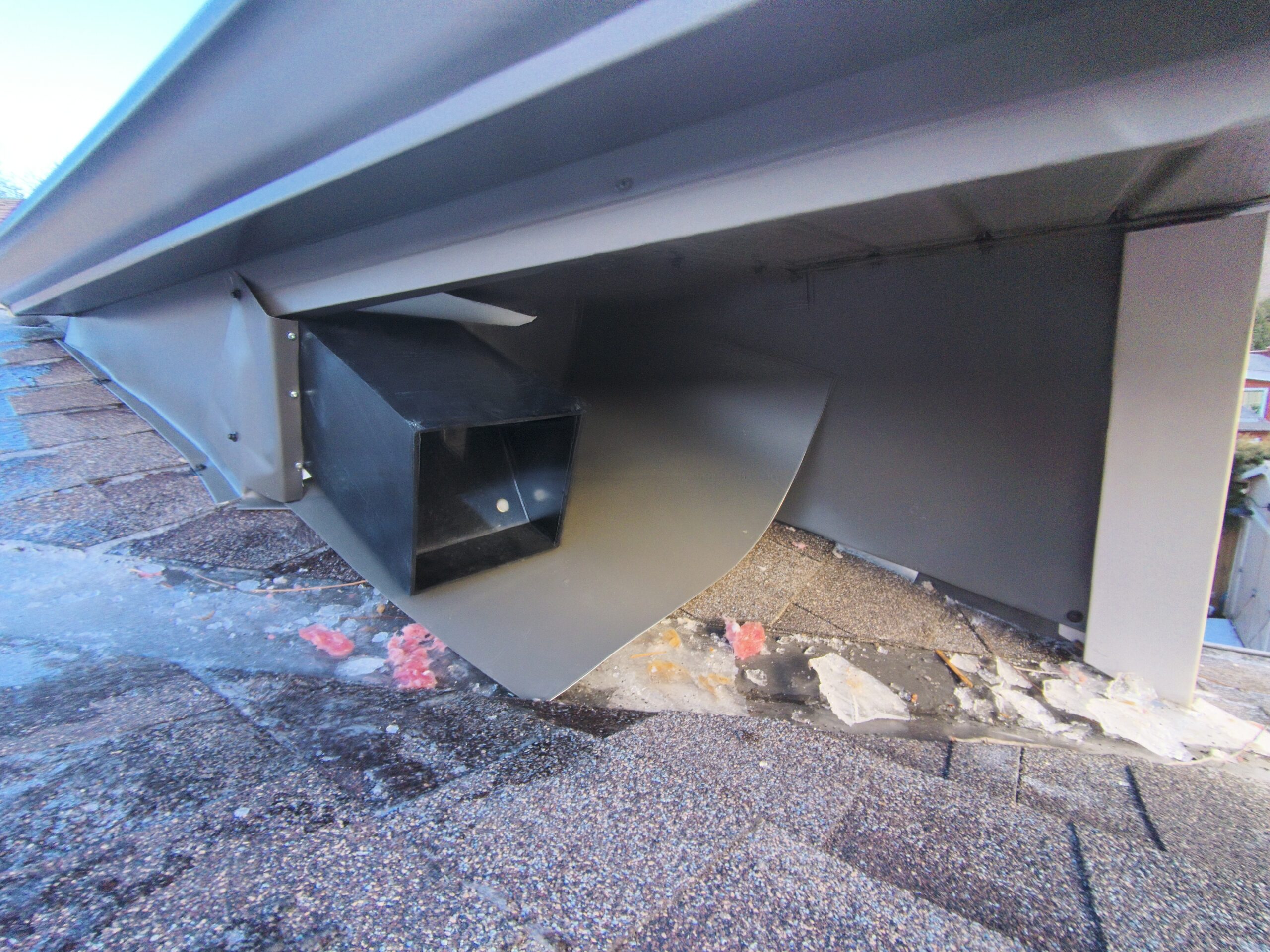
We use humane exclusion methods that allow bats to leave the property without trapping them inside. After identifying the active entry points and considering the timing of the work, our team installs appropriate exclusion devices and seals vulnerable openings to reduce the chance of re-entry. -
Can bat droppings damage my attic?
Yes. When guano accumulates beneath a long-term roost, it can soil insulation and other attic materials and create unpleasant odours. After exclusion, Critter Hero can assess affected areas and recommend appropriate cleanup or restoration where necessary.
- How do Bats Enter Hamilton Homes?
- They Cause Structural Damage & Health Hazards
- Legal Exclusion and Timing Requirements
- Getting Rid of Bats Roosting in Your Property
- Are they Protected Wildlife Species?
- The Cost of Bat Removal in Hamilton
- Request a Free Quote for Bat Removal
- Frequently Asked Questions
- How do I know if bats are living in my attic?
- Are bats dangerous to people and pets?
- Why can’t bats be removed during summer?
- What attracts bats to Hamilton homes?
- Will bats return after exclusion work is completed?
- Where do bats usually roost inside Hamilton homes?
- What should I do if a bat gets inside my house?
- How does Critter Hero remove bats from a home?
- Can bat droppings damage my attic?







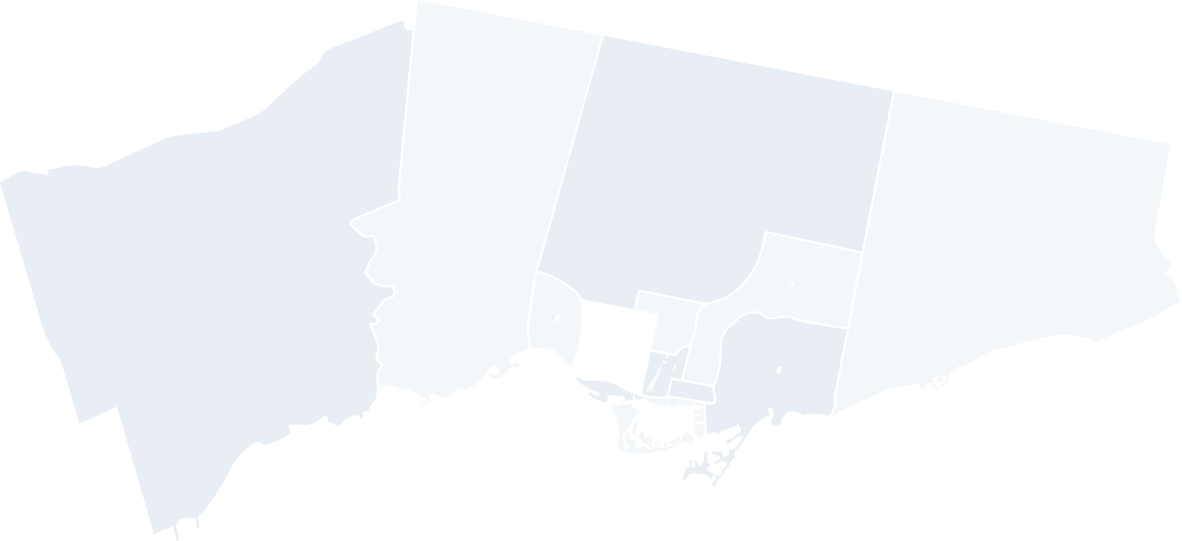
Our service areas
…by providing award winning customer service to each and every single client.
- Hamilton
- Burlington
- Milton
- Stoney Creek
- Niagara Falls
- St. Catharines
- Brampton
- London
- Mississauga
- Oakville
- Toronto
- Brantford
Call or Email Us
Reach Out To Us For Inquiries, Support, Or Partnership Opportunities, We’re Here To Assist.

-

Satisfaction Guarantee
Your satisfaction is our priority. We stand by our work and ensure high-quality service.
-

15 Years Experience
Our team has been providing efficient and humane wildlife removal services for over 15 years.
-

WSIB & Insured
Licensed, insured and trained professionals with efficient technology to get the job done right.