
Raccoon Removal for St. Catharines Homes and Businesses
Twelve Mile Creek and the Welland Canal give raccoons a sheltered route through St. Catharines from Short Hills to Port Dalhousie, and the attics along the way are where they spend the winter. For over 15 years our wildlife removal crew has cleared them out of local homes with one-way doors, reunited kits with their mothers, and closed the roofline with steel so the same family does not move back in the following spring.



Raccoon Control Built Around St. Catharines Streets
Niagara Region Animal Services runs animal control for St. Catharines 24 hours a day, but only for sick, injured, or stray animals, so healthy nuisance animals like the raccoon in your soffit sit outside its mandate entirely. That leaves a licensed company as the only route. Homeowners from Merritton to the north end call our technicians for the same handful of reasons.
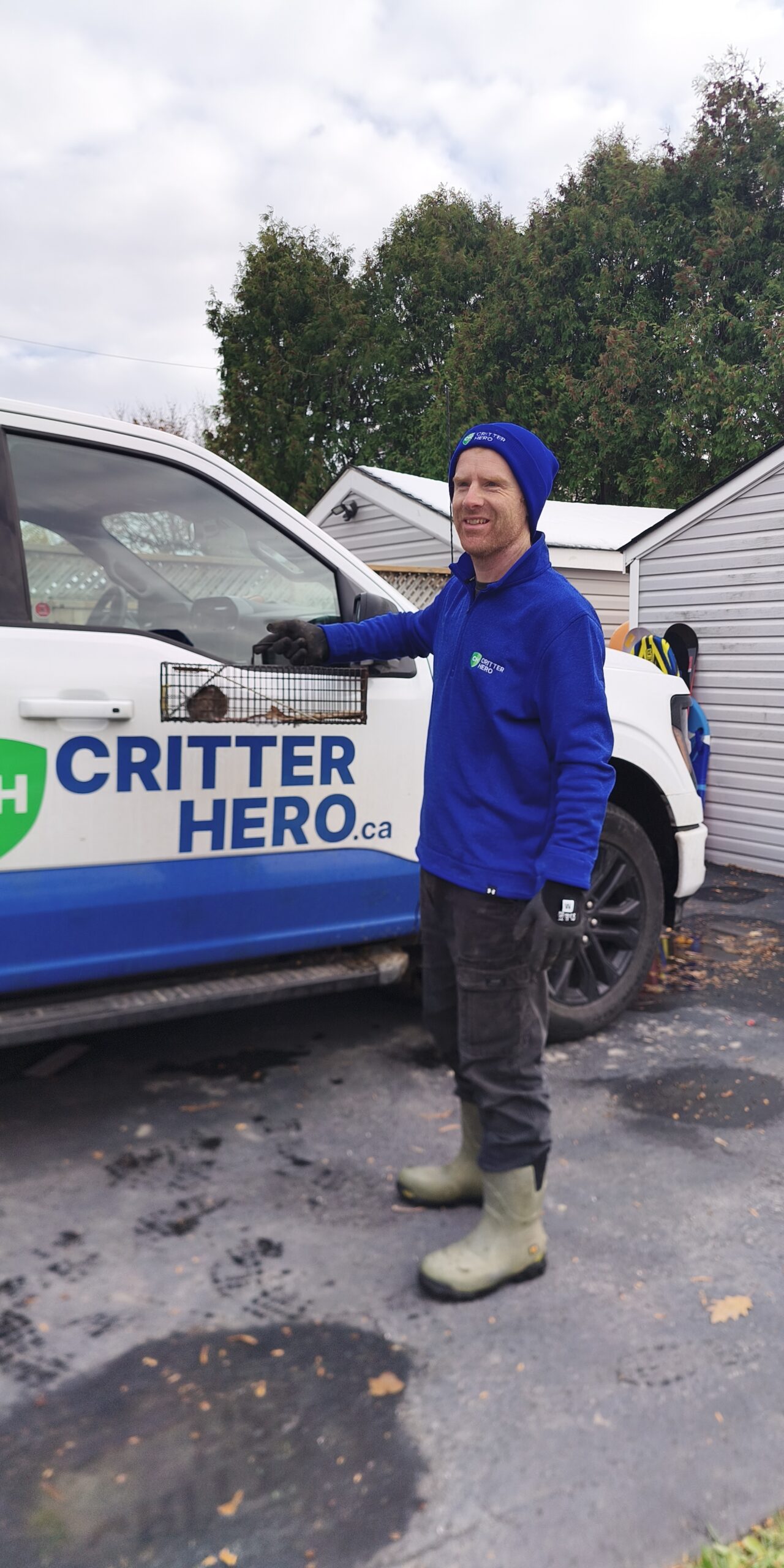
- Each technician is trained and certified by the Ontario Ministry of Natural Resources and Forestry and releases every trapped raccoon within one kilometre, as the province requires, so the animal stays in its own territory.
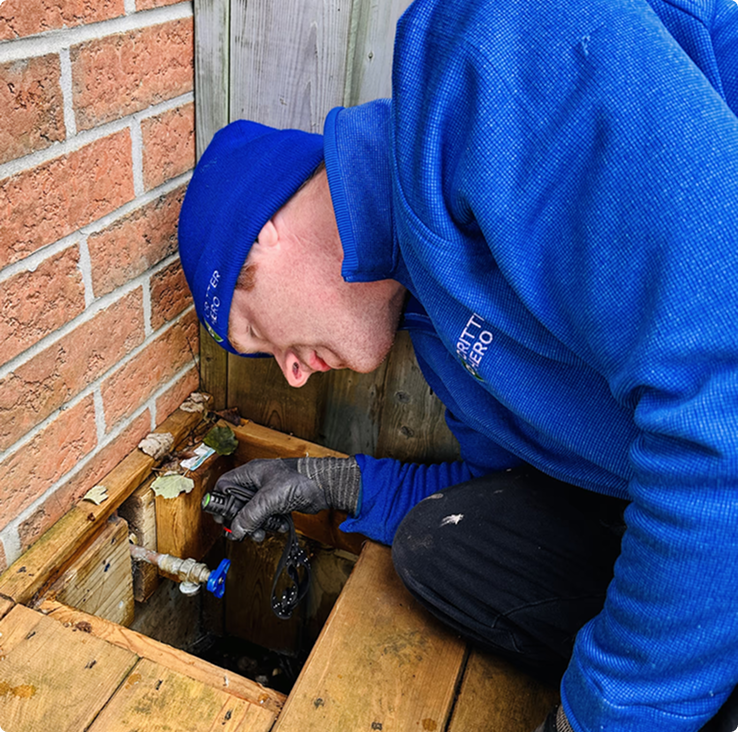
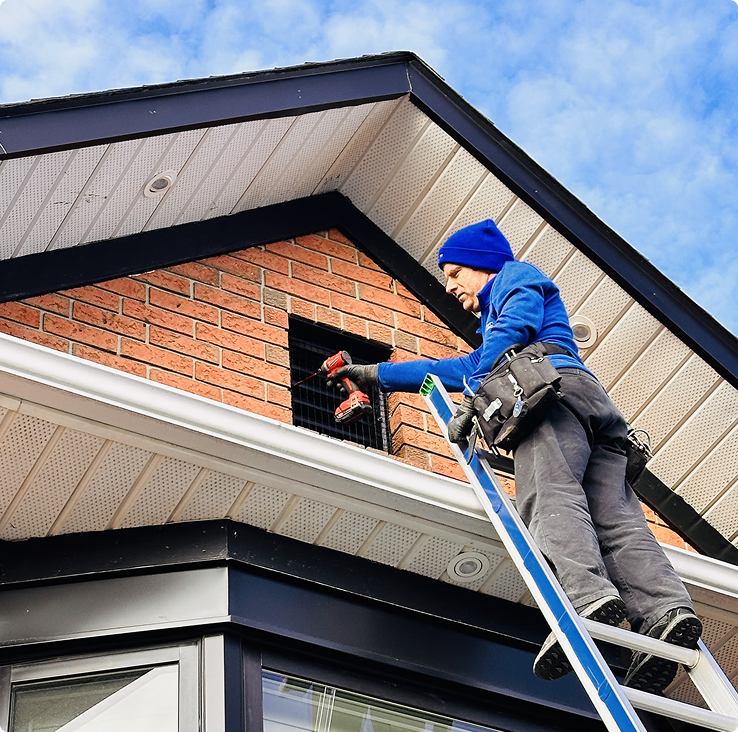
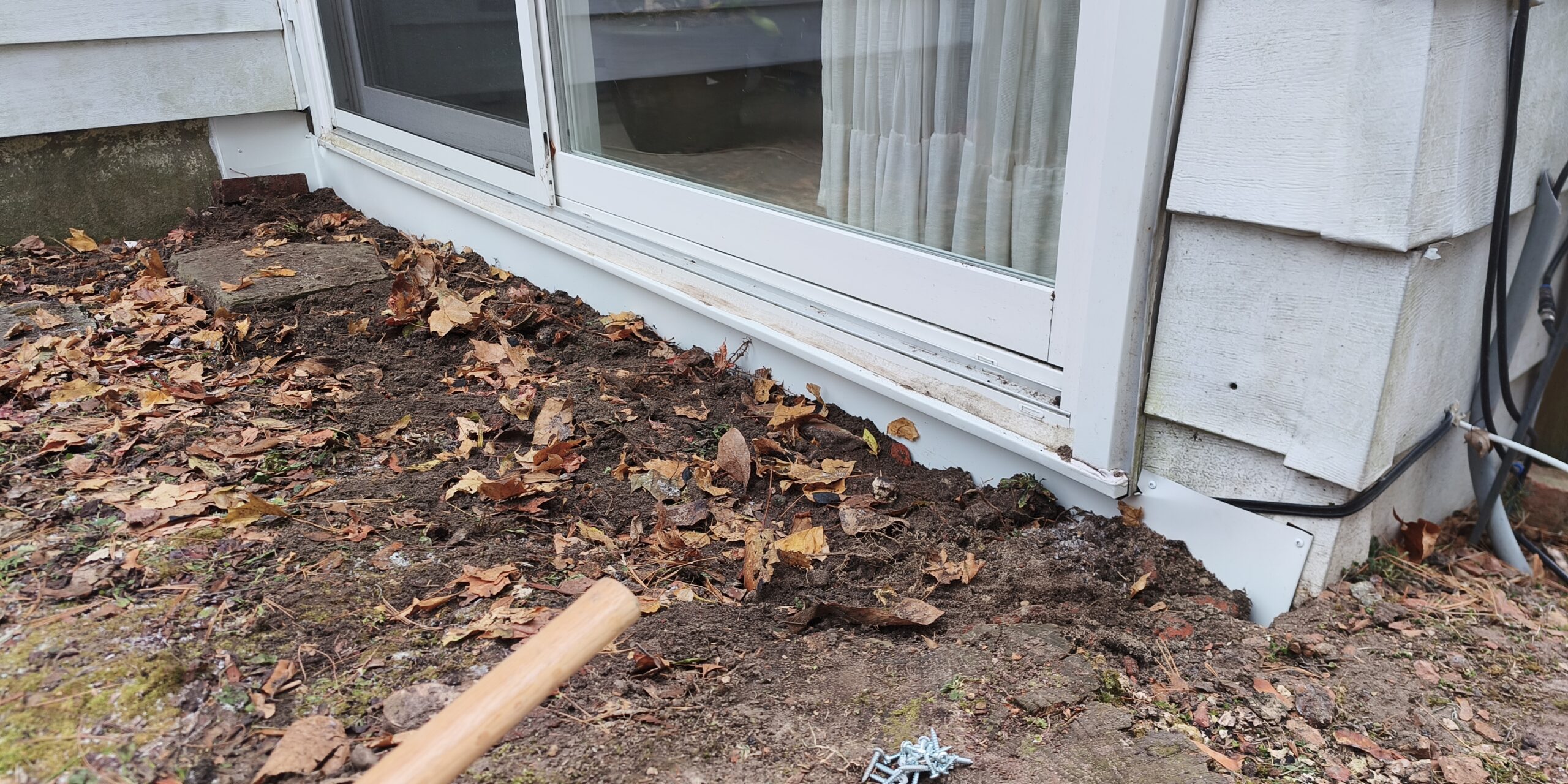
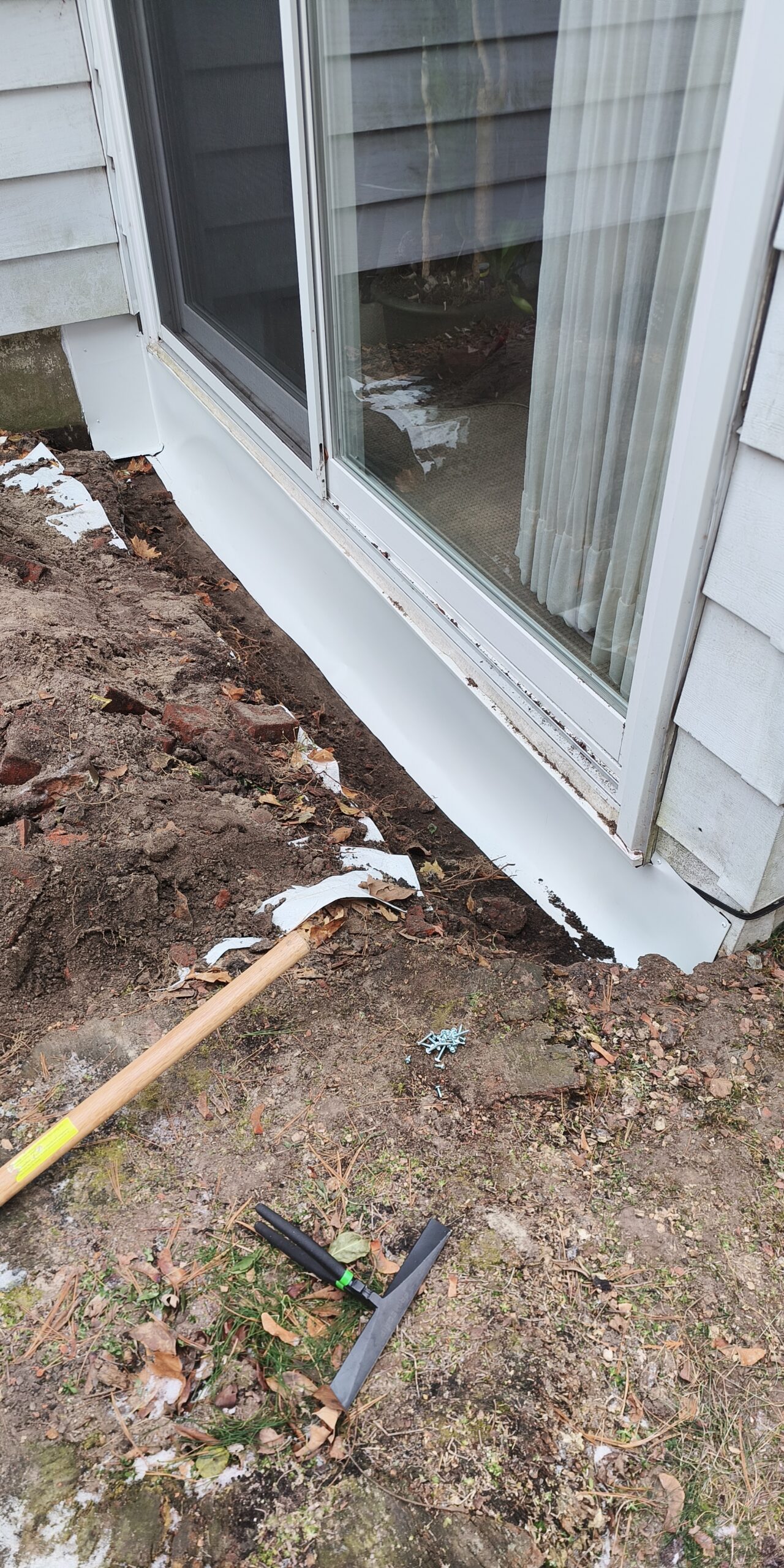
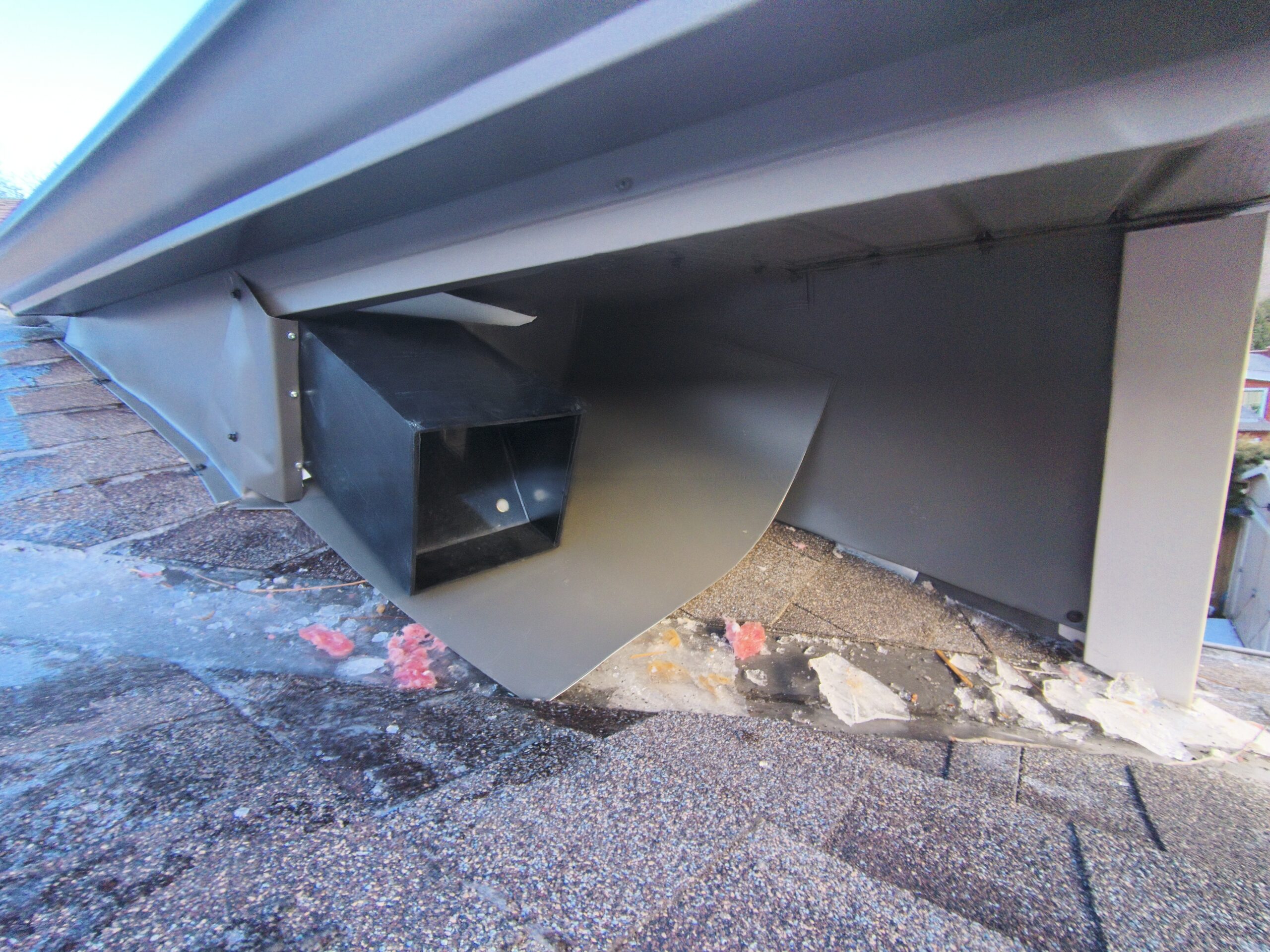
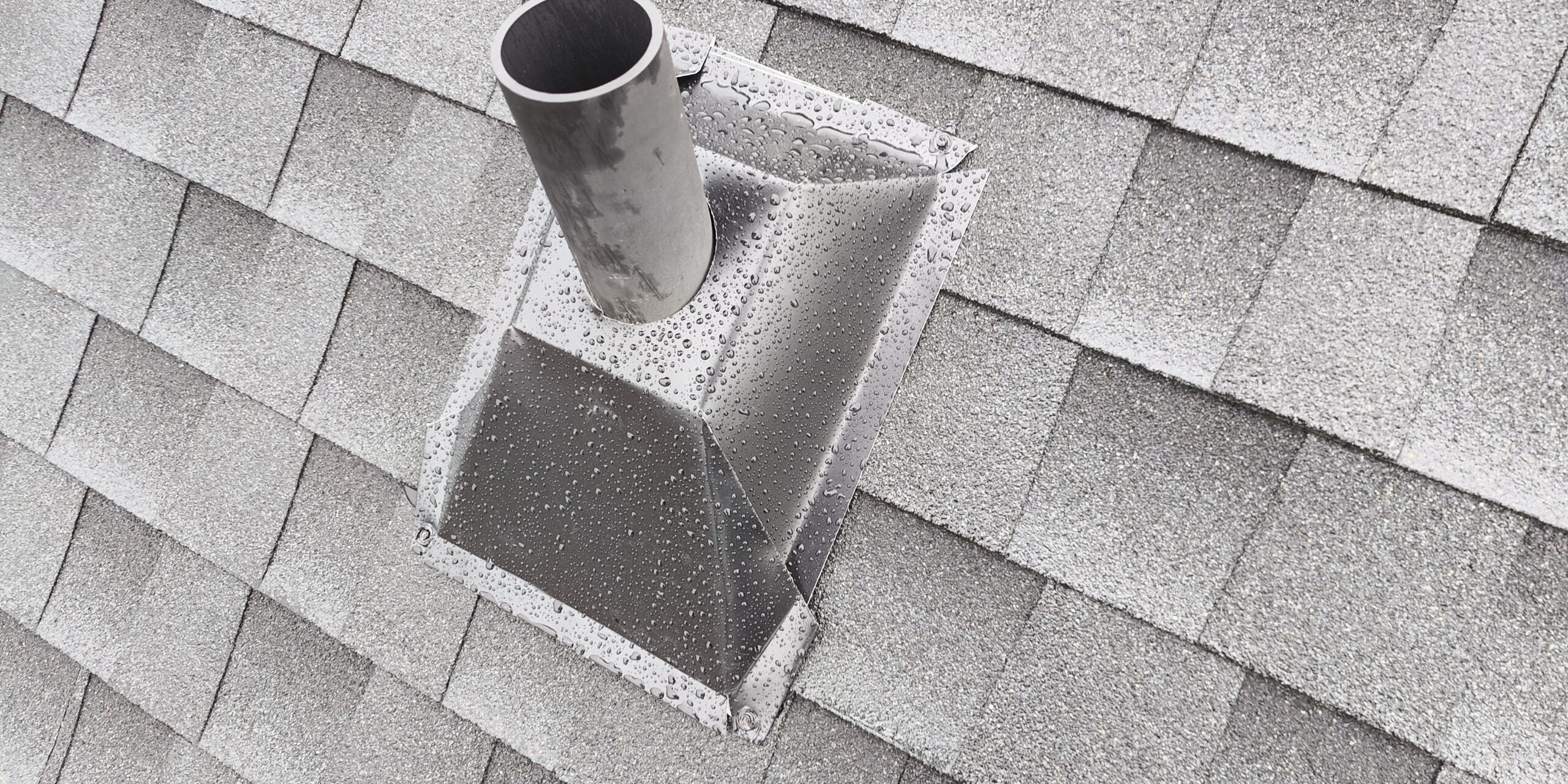
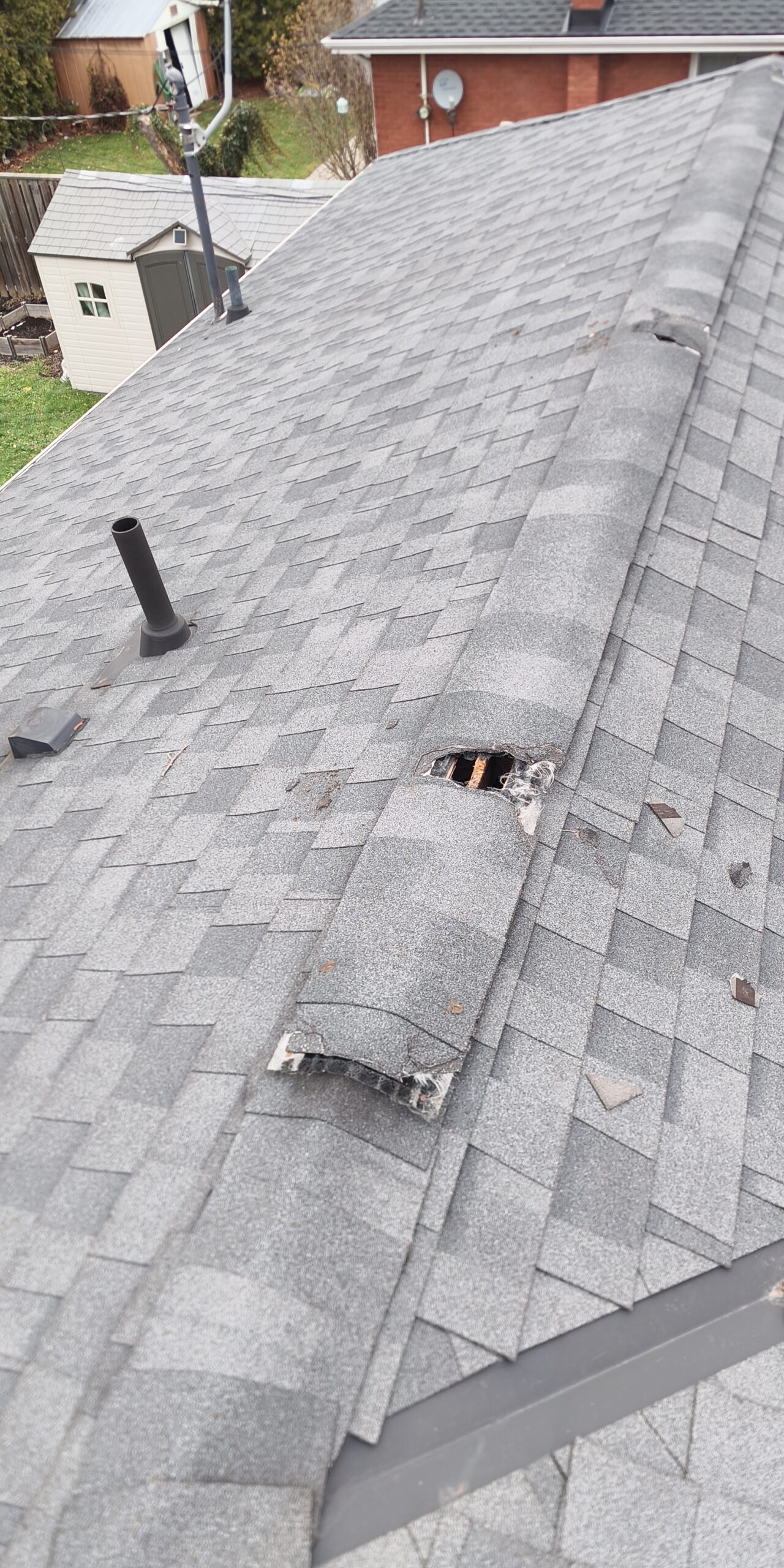
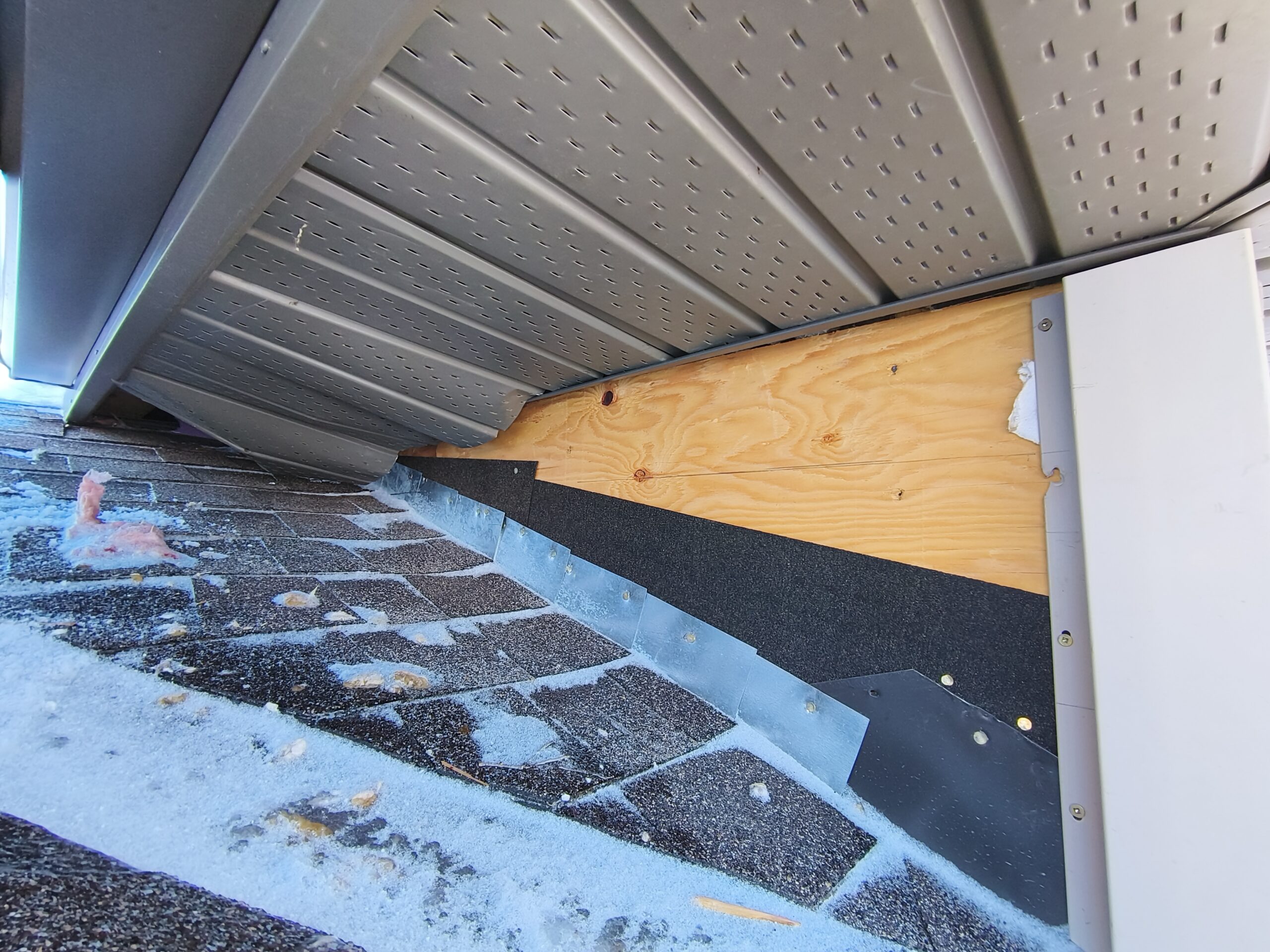
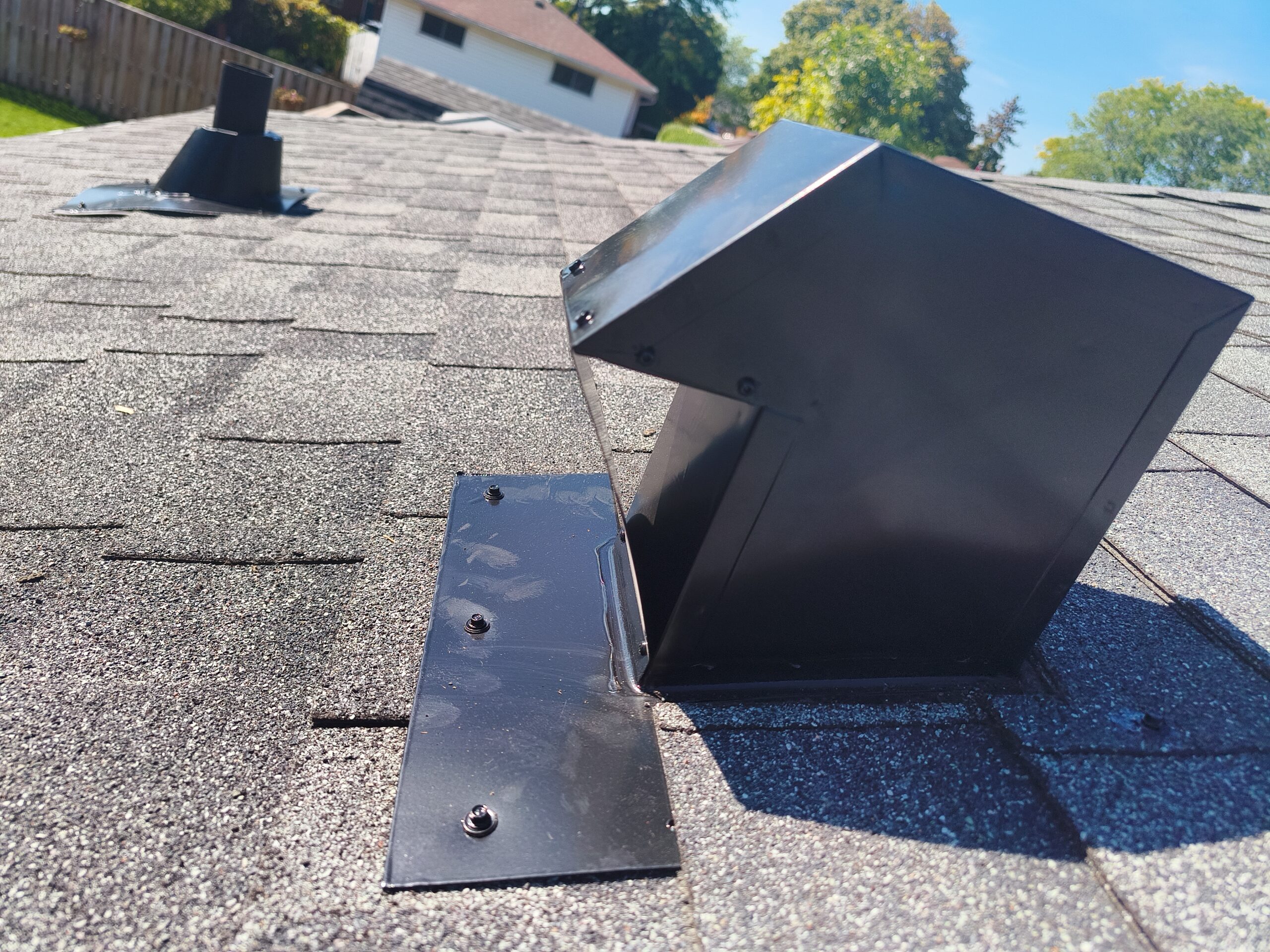
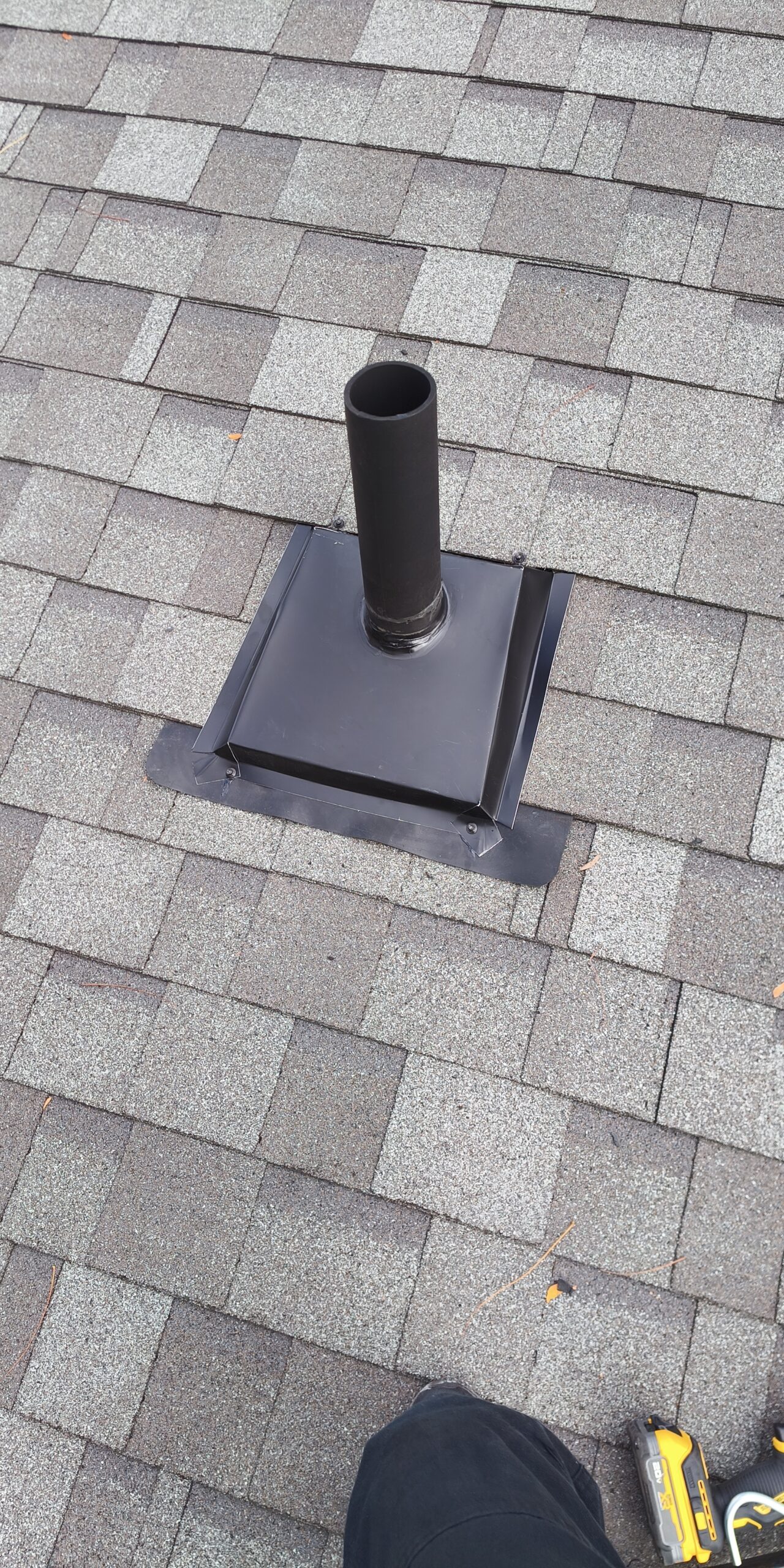
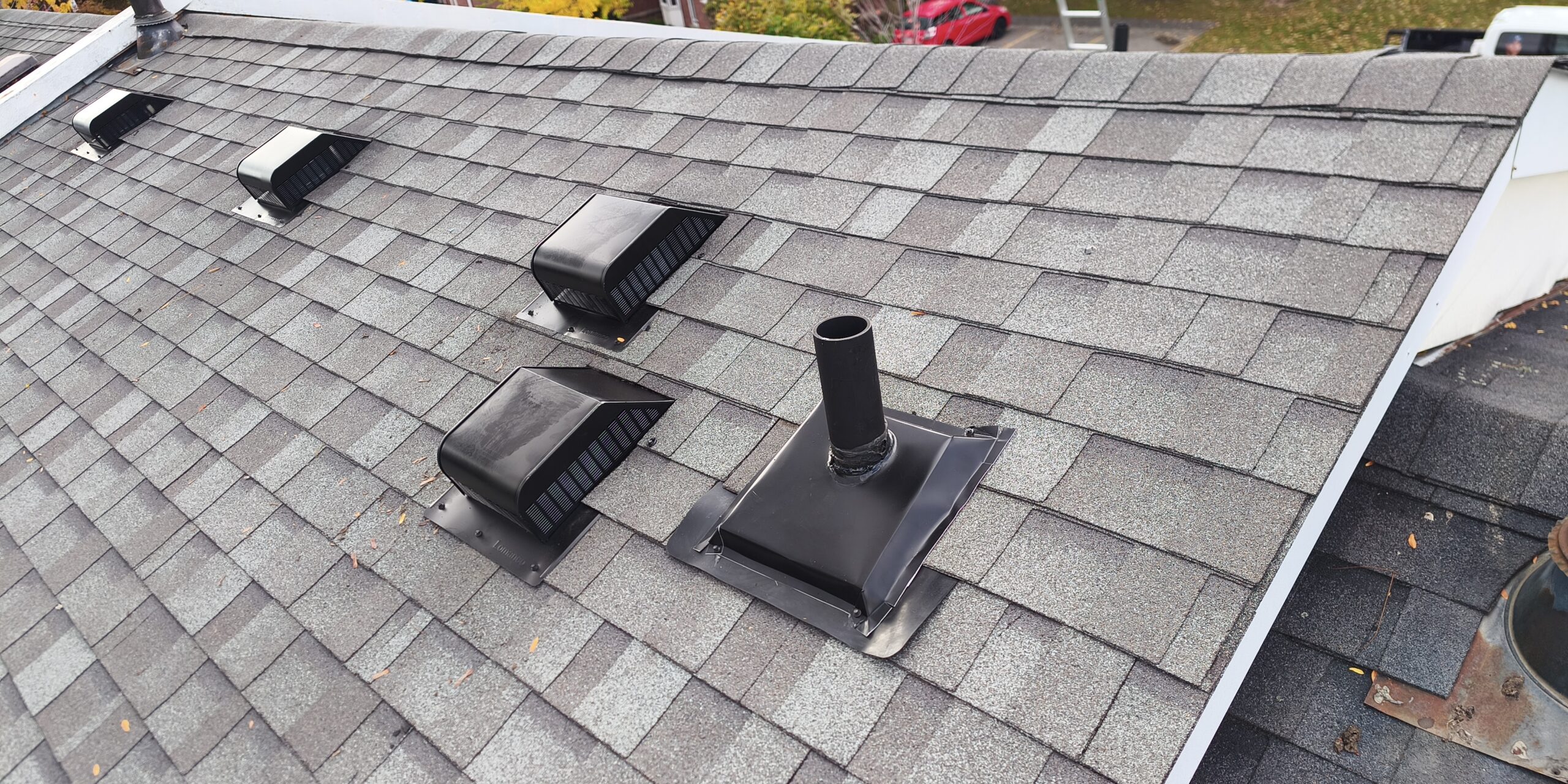
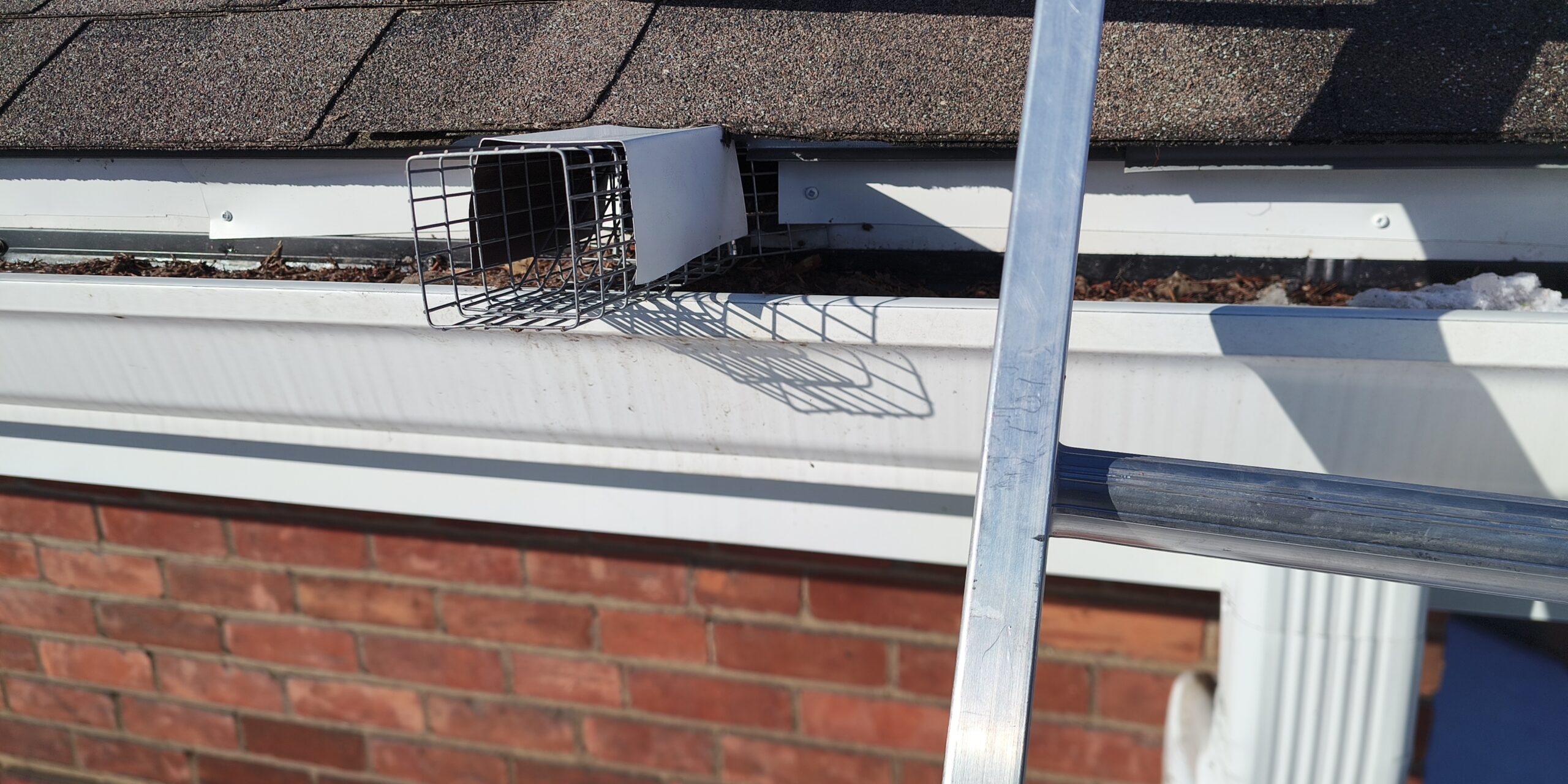
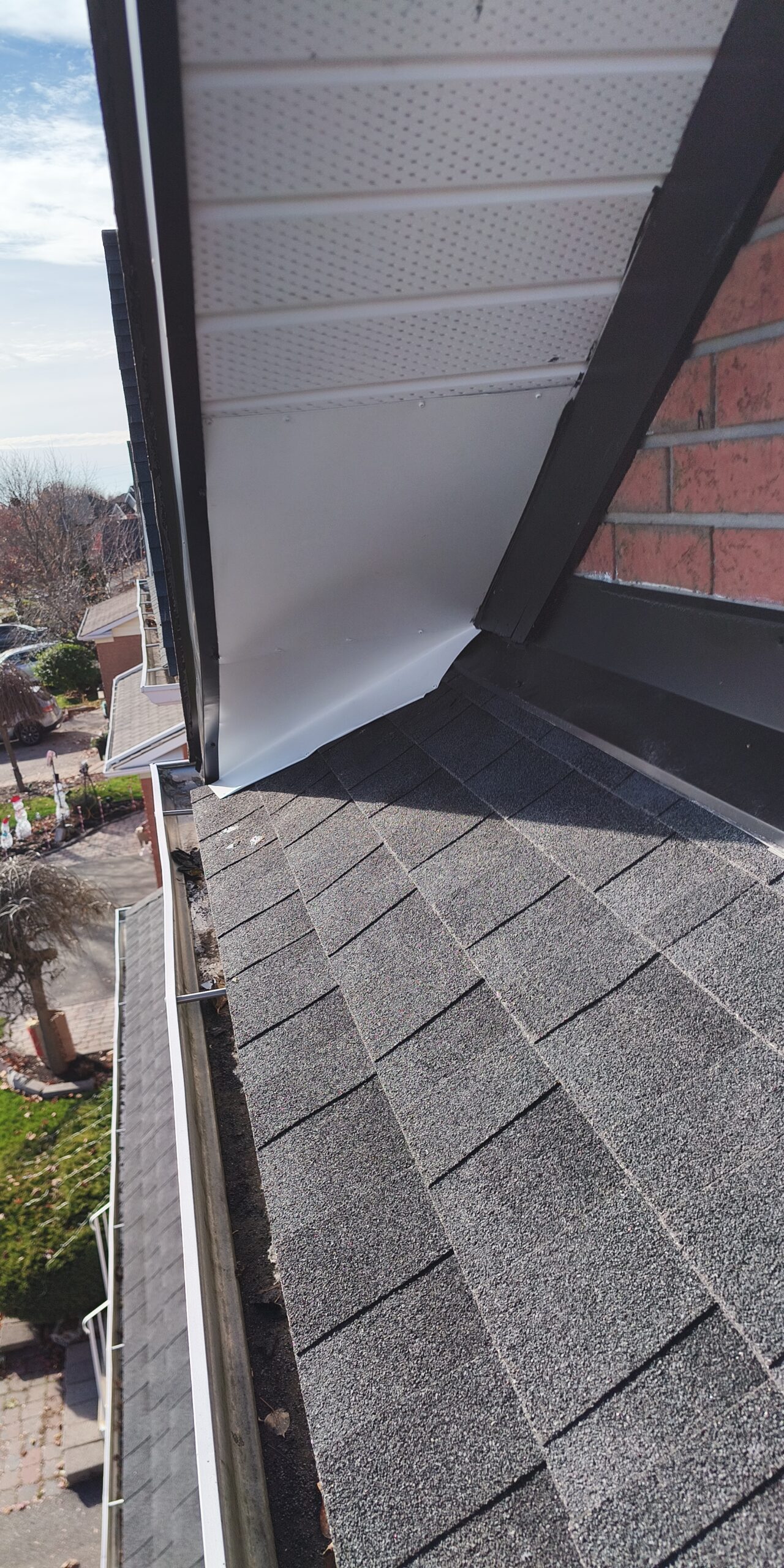
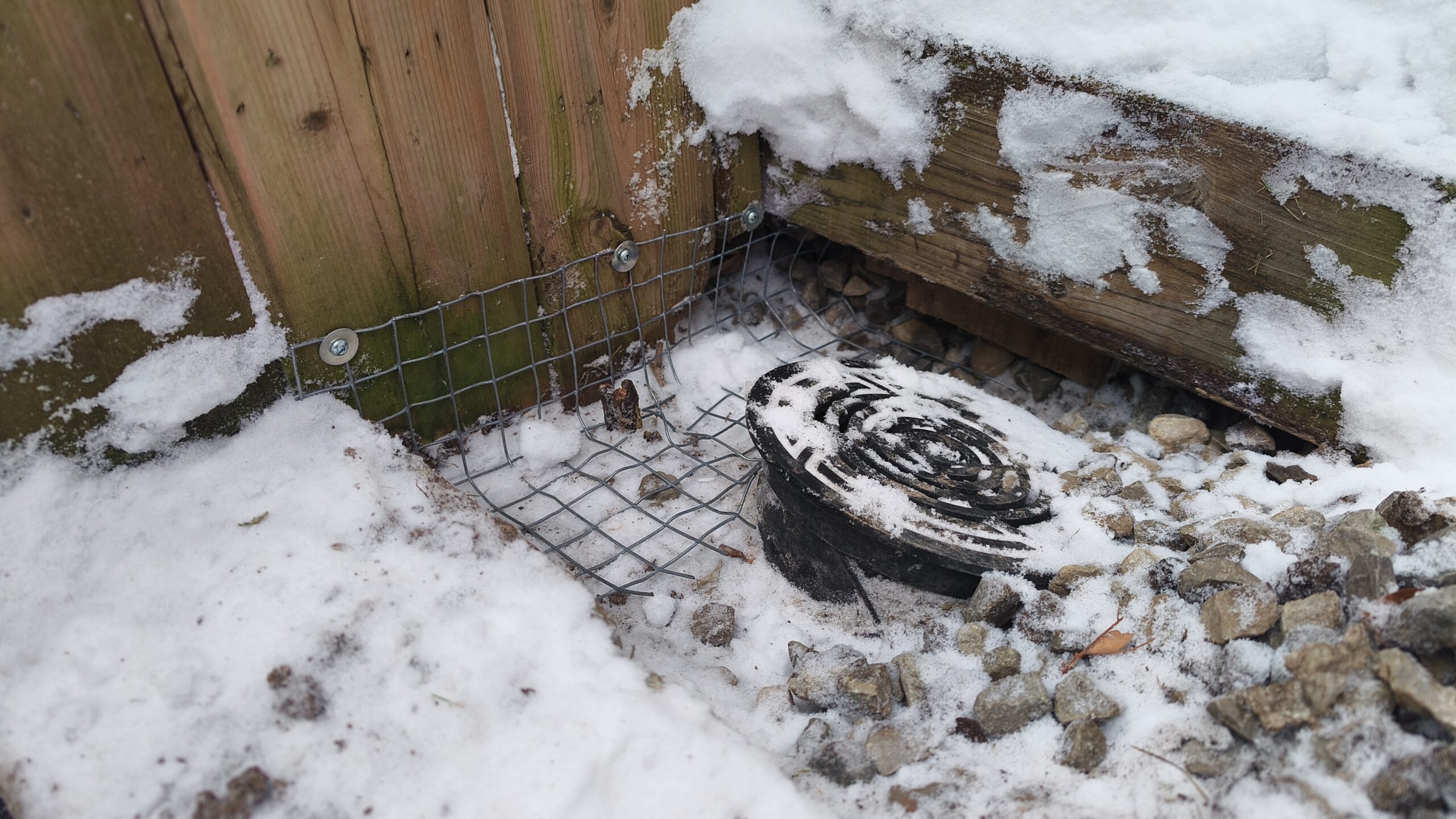
- We fix what the raccoon broke. The torn soffit or roof vent is repaired with steel and flashing, and the other entry points on the roof are screened at the same visit.
- Our Satisfaction Guarantee covers the sealed openings, so a raccoon that gets back through our repair brings us back to fix it.
Where Our Work Differs
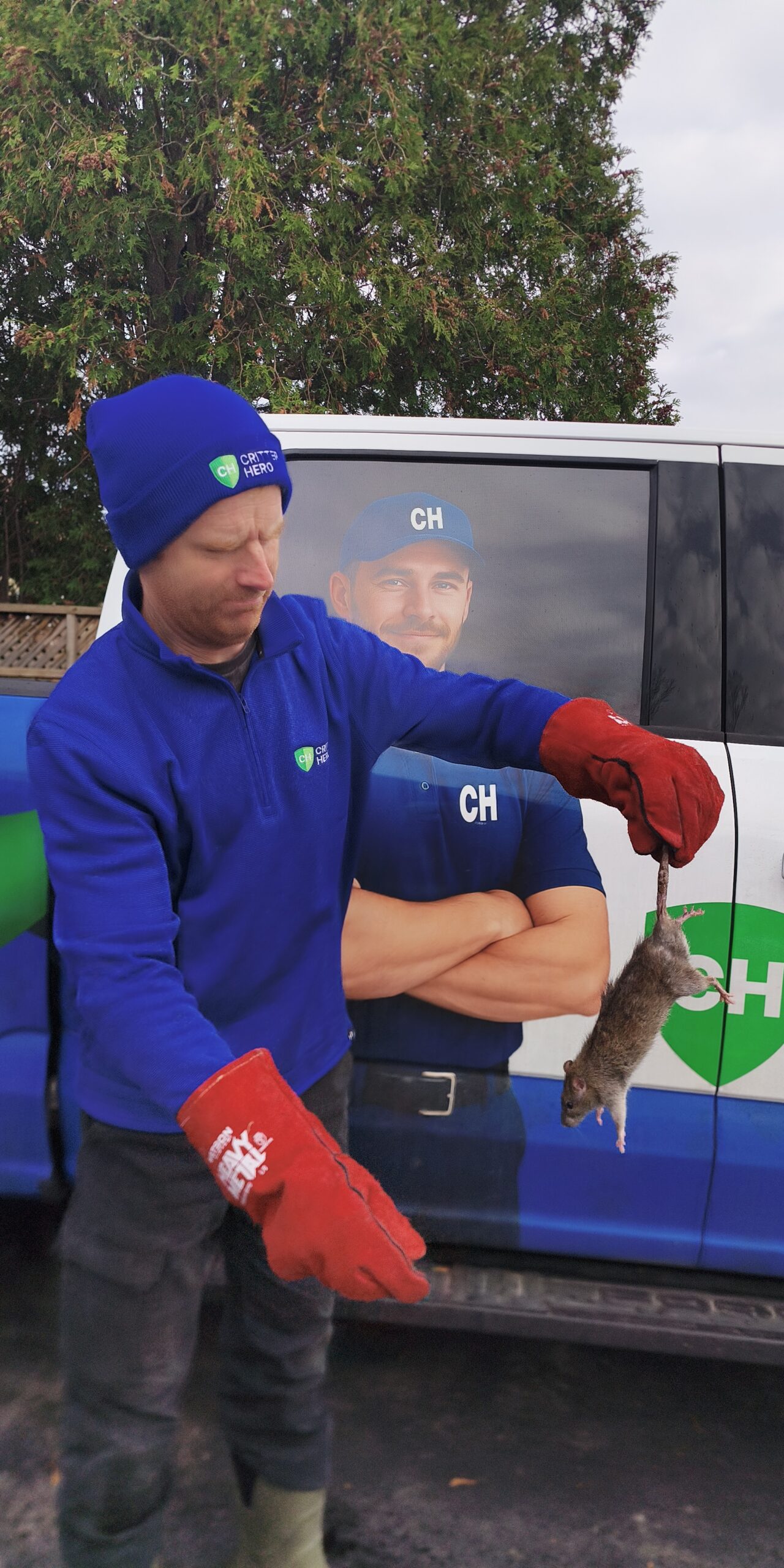
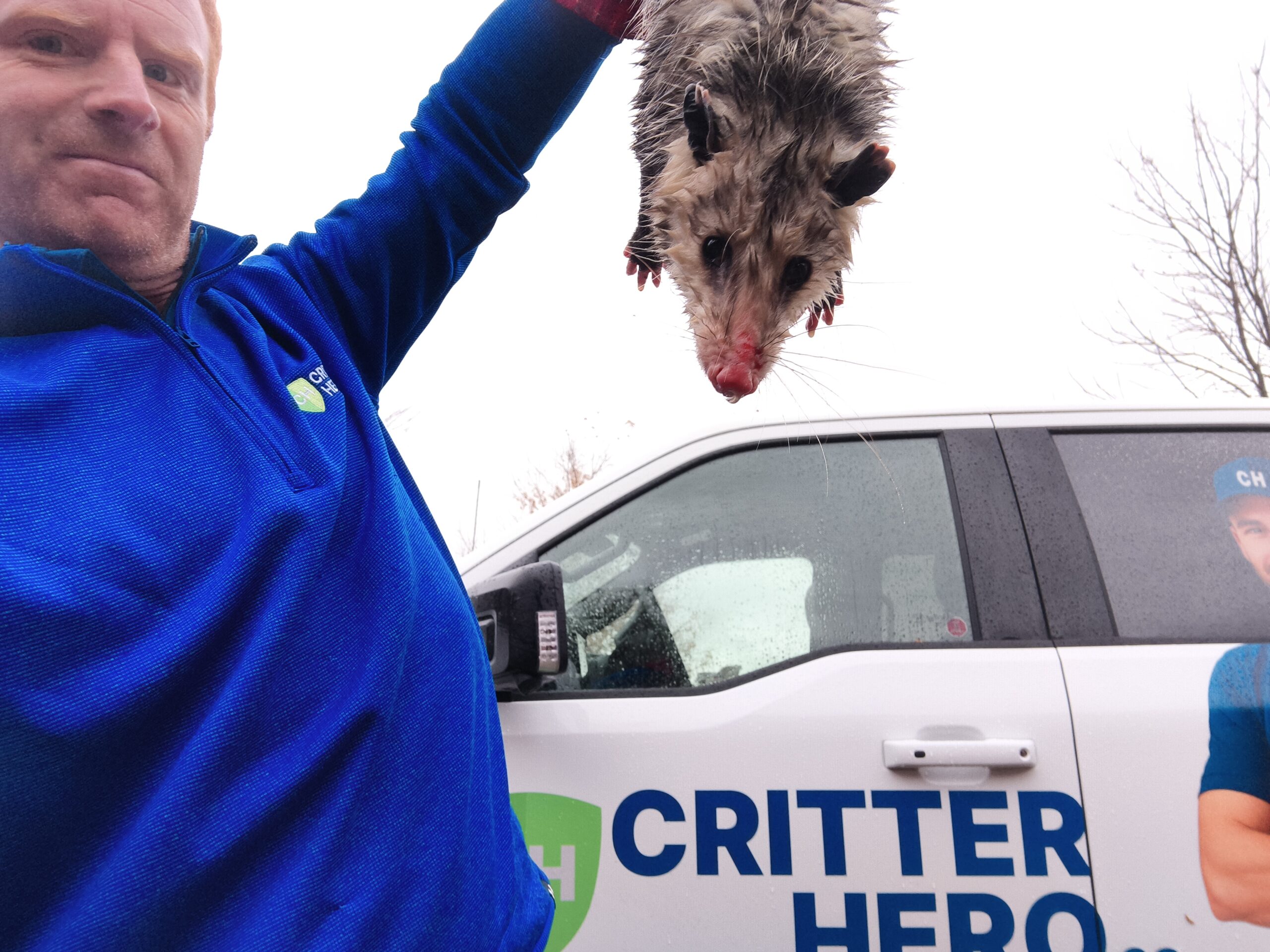
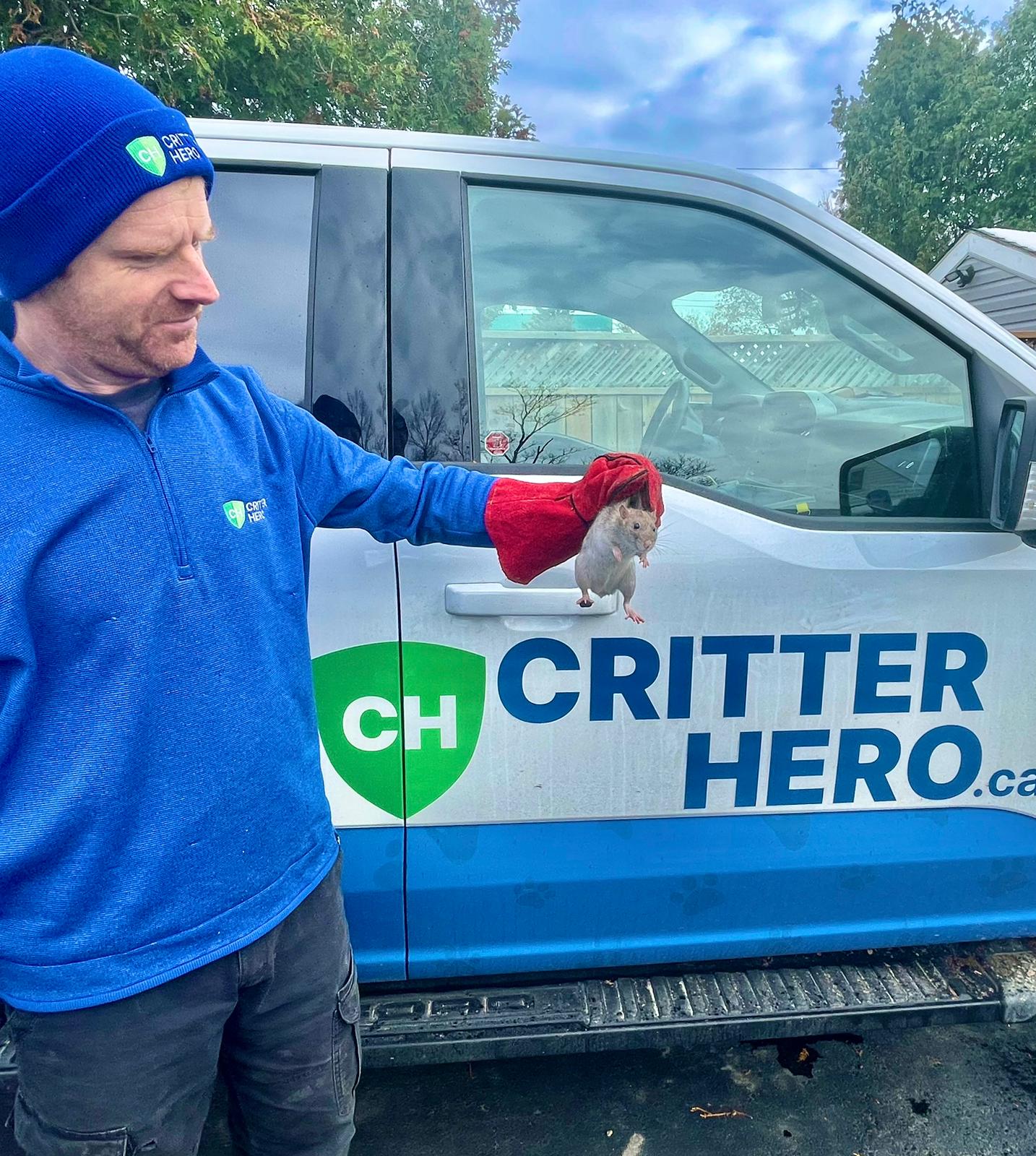
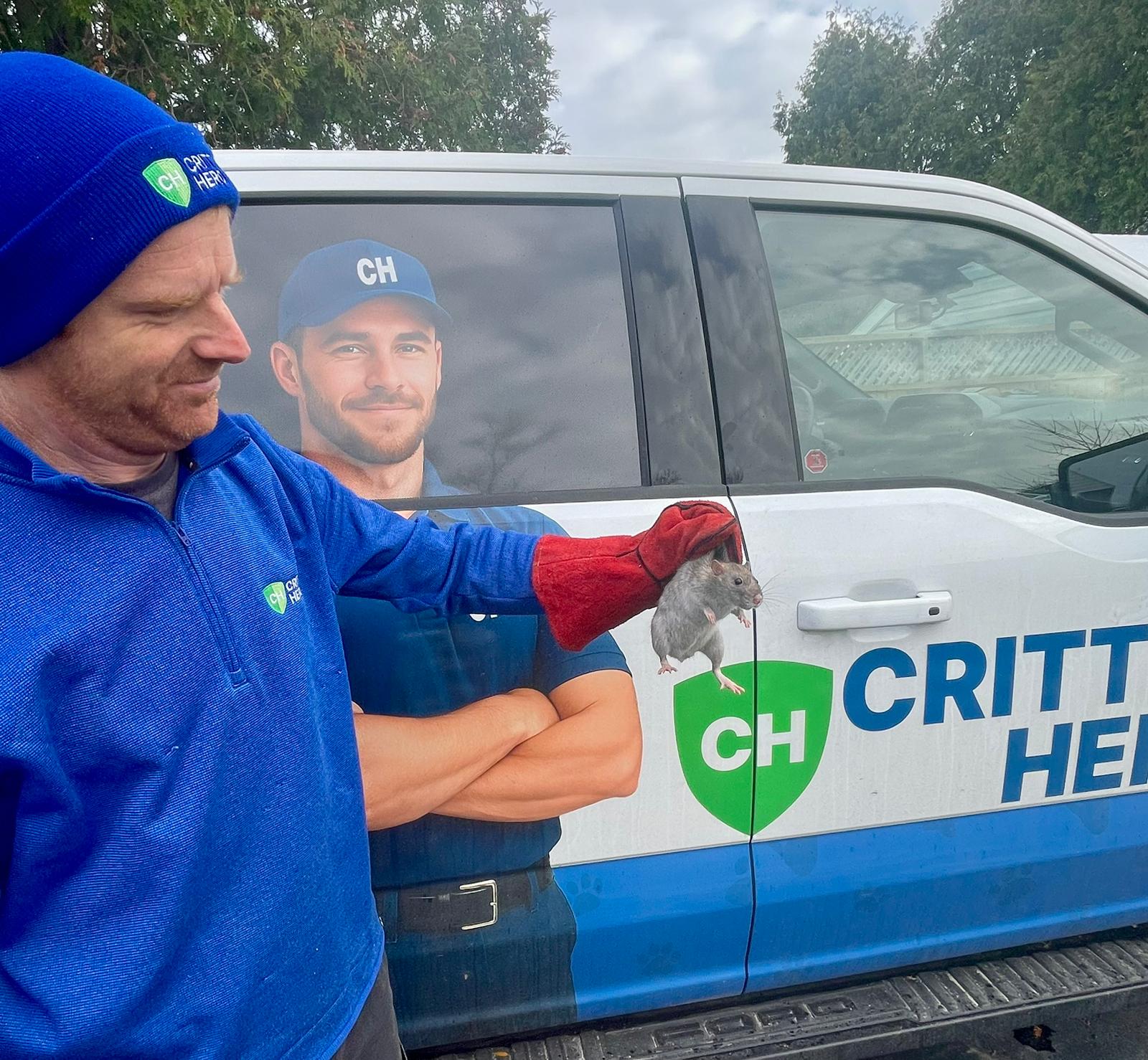
Raccoons evicted from St. Catharines attics and yards without poison, injury, or a second infestation.
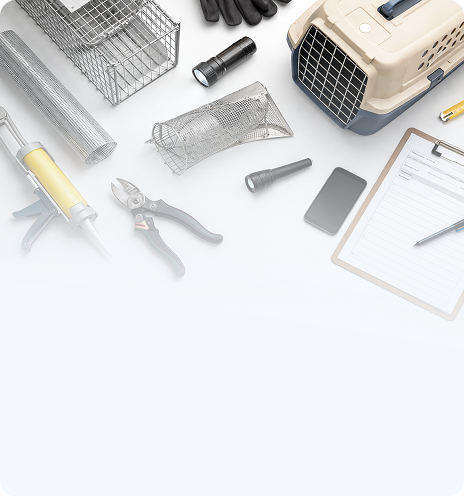
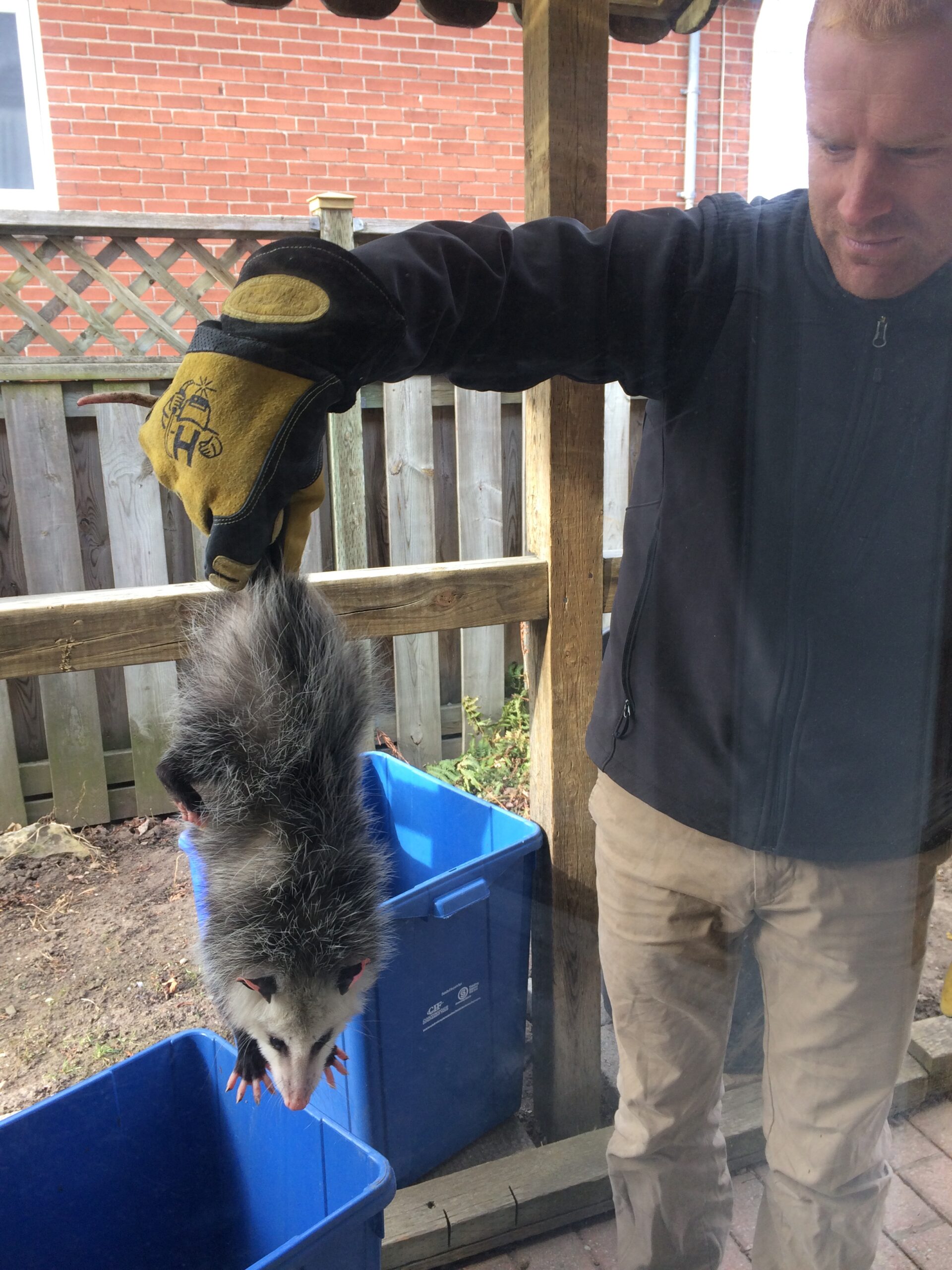
Kits are born in St. Catharines attics from March to June. We find the litter first, lift the kits out by hand, and set them at the entry so the mother carries them to another den instead of tearing back into yours.
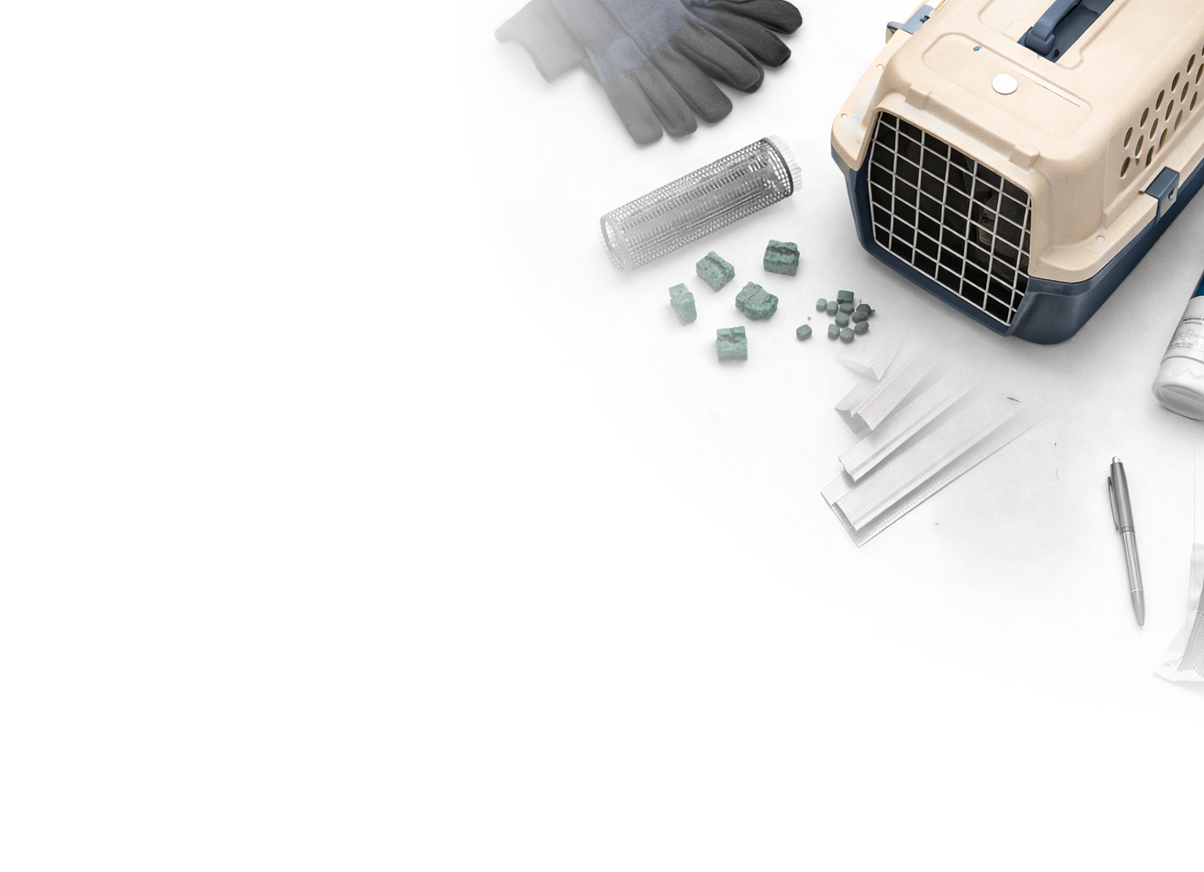
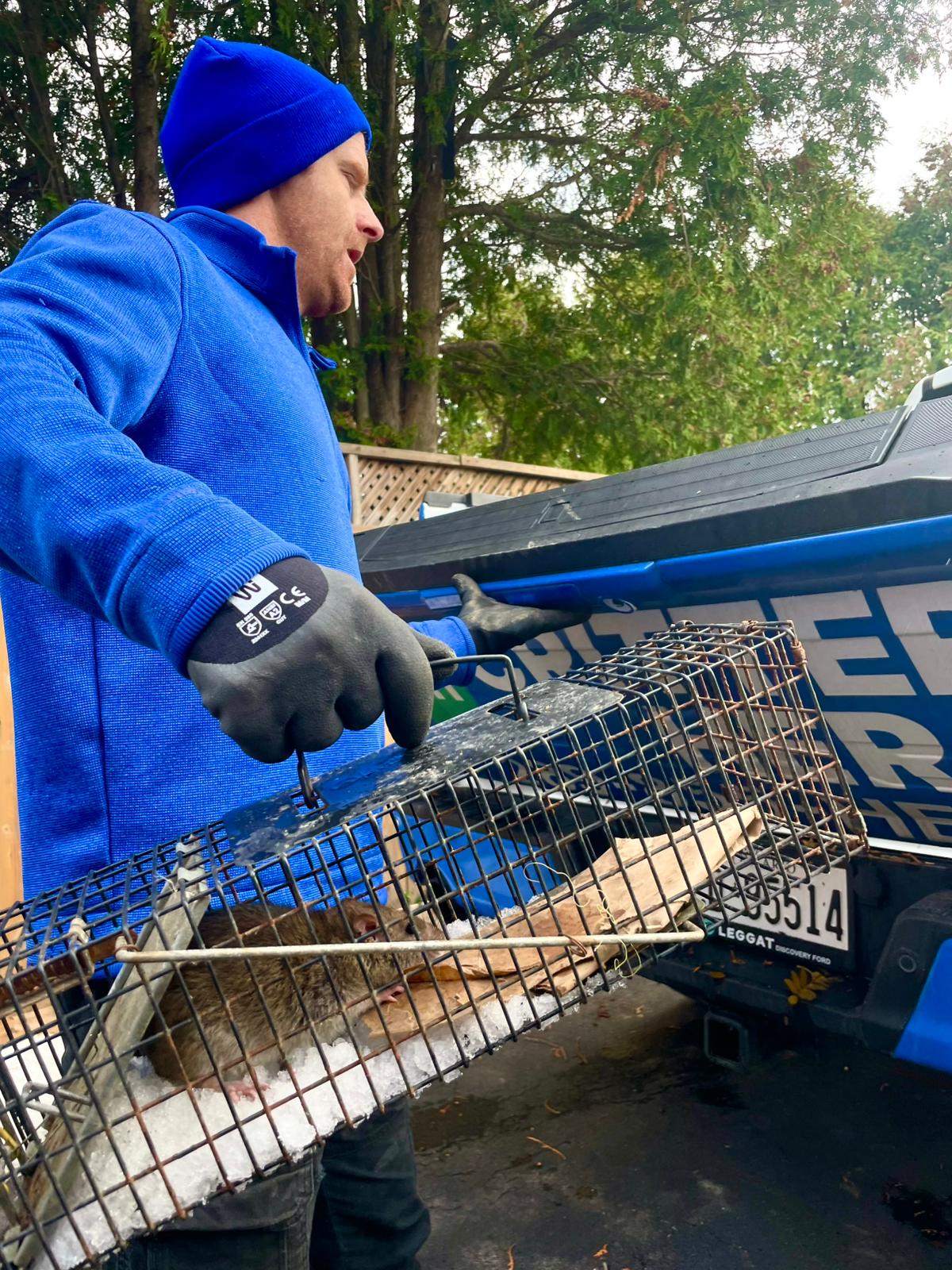
A one-way door over the entry lets the raccoon leave for its evening forage and locks behind it. The humane approach means nothing toxic goes near your family, your pets, or the animal, and no trap is left in a hot attic.
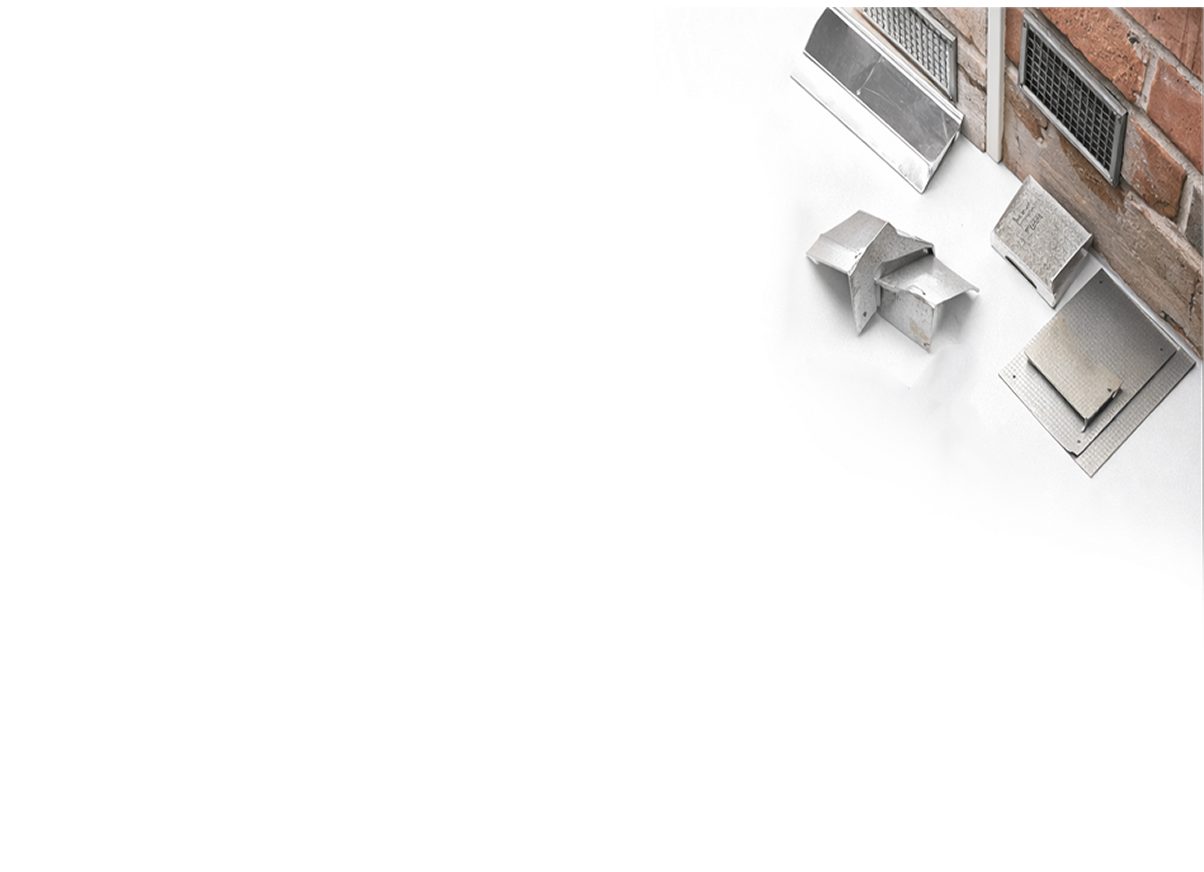
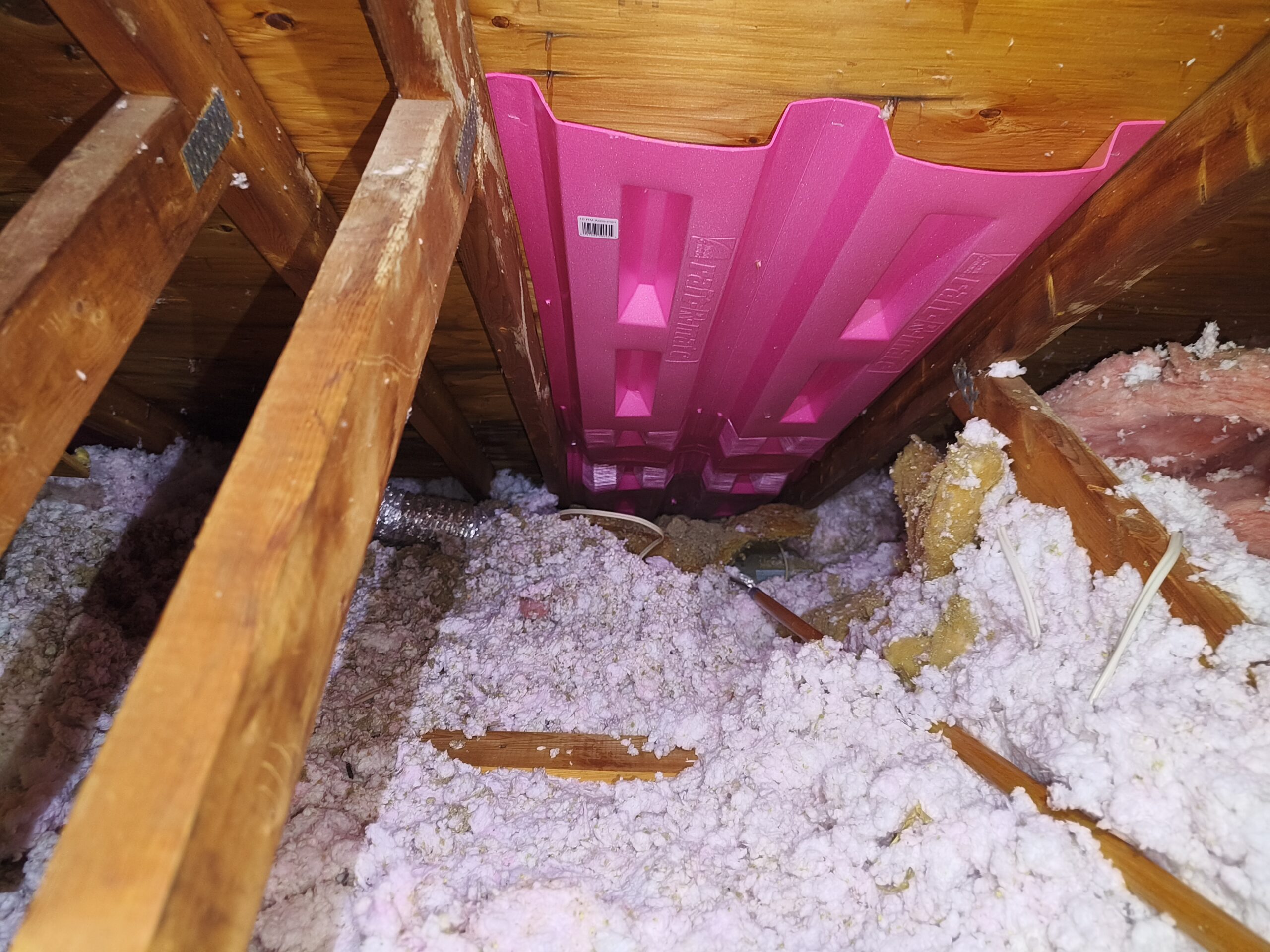
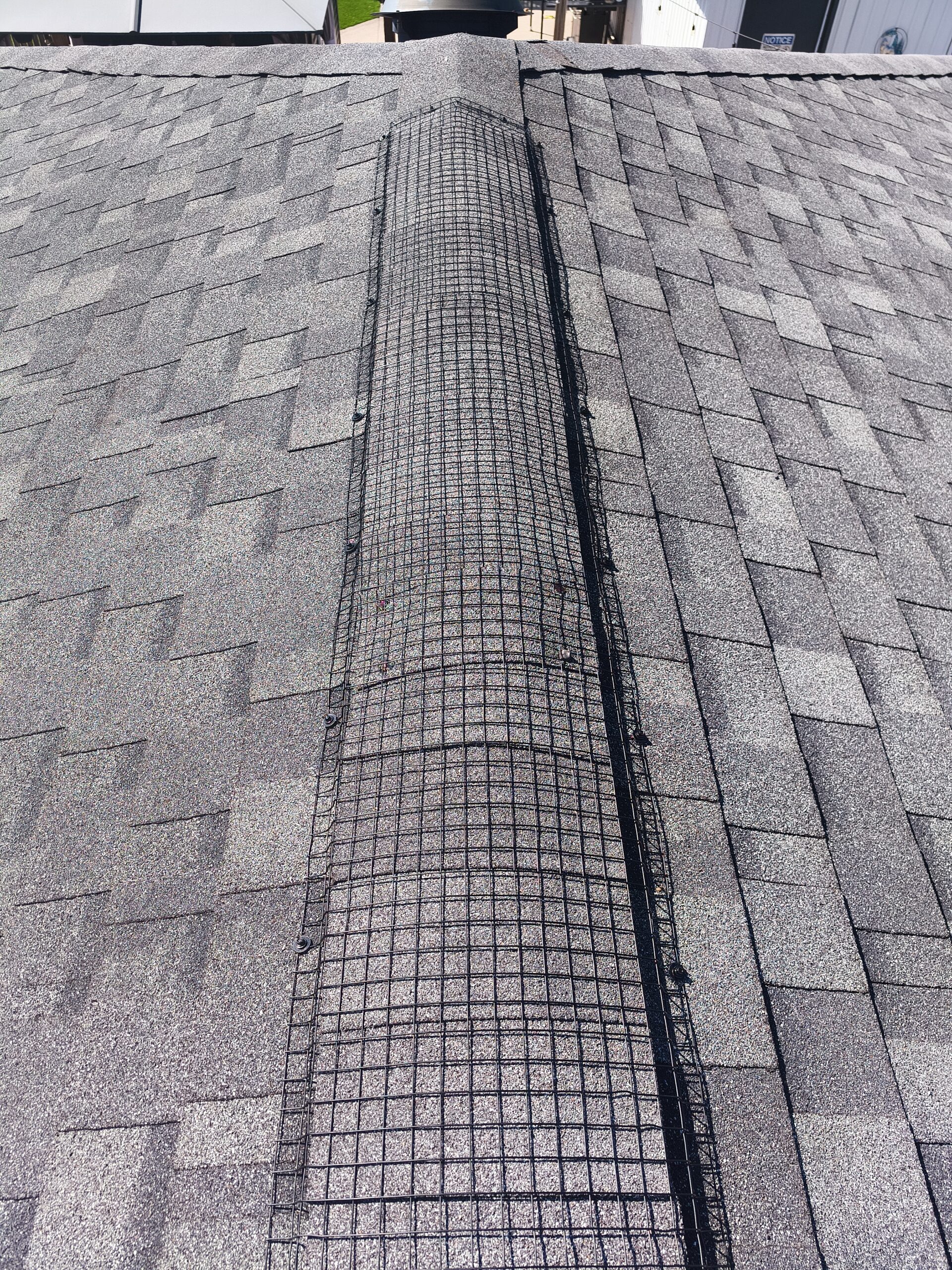
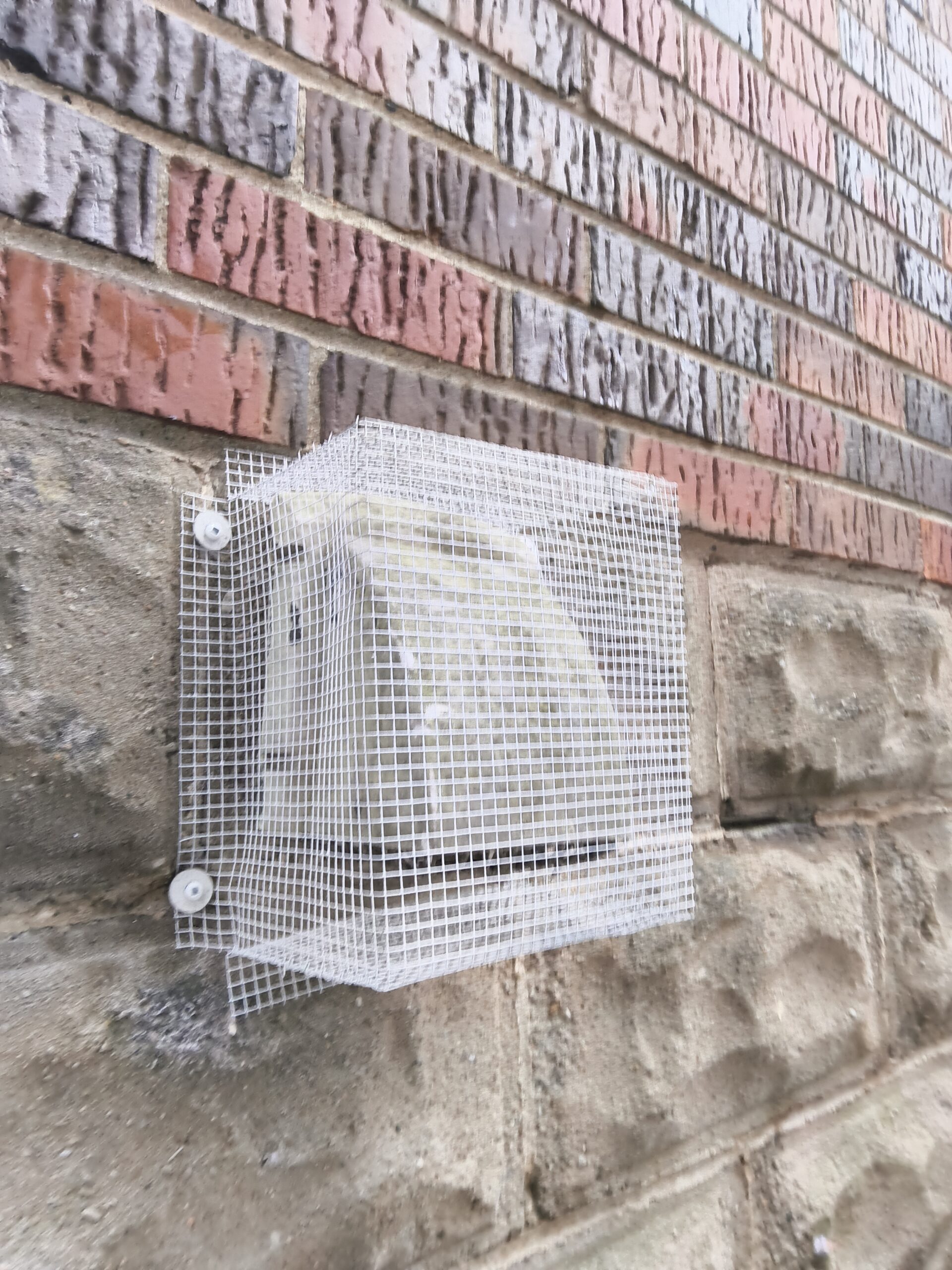
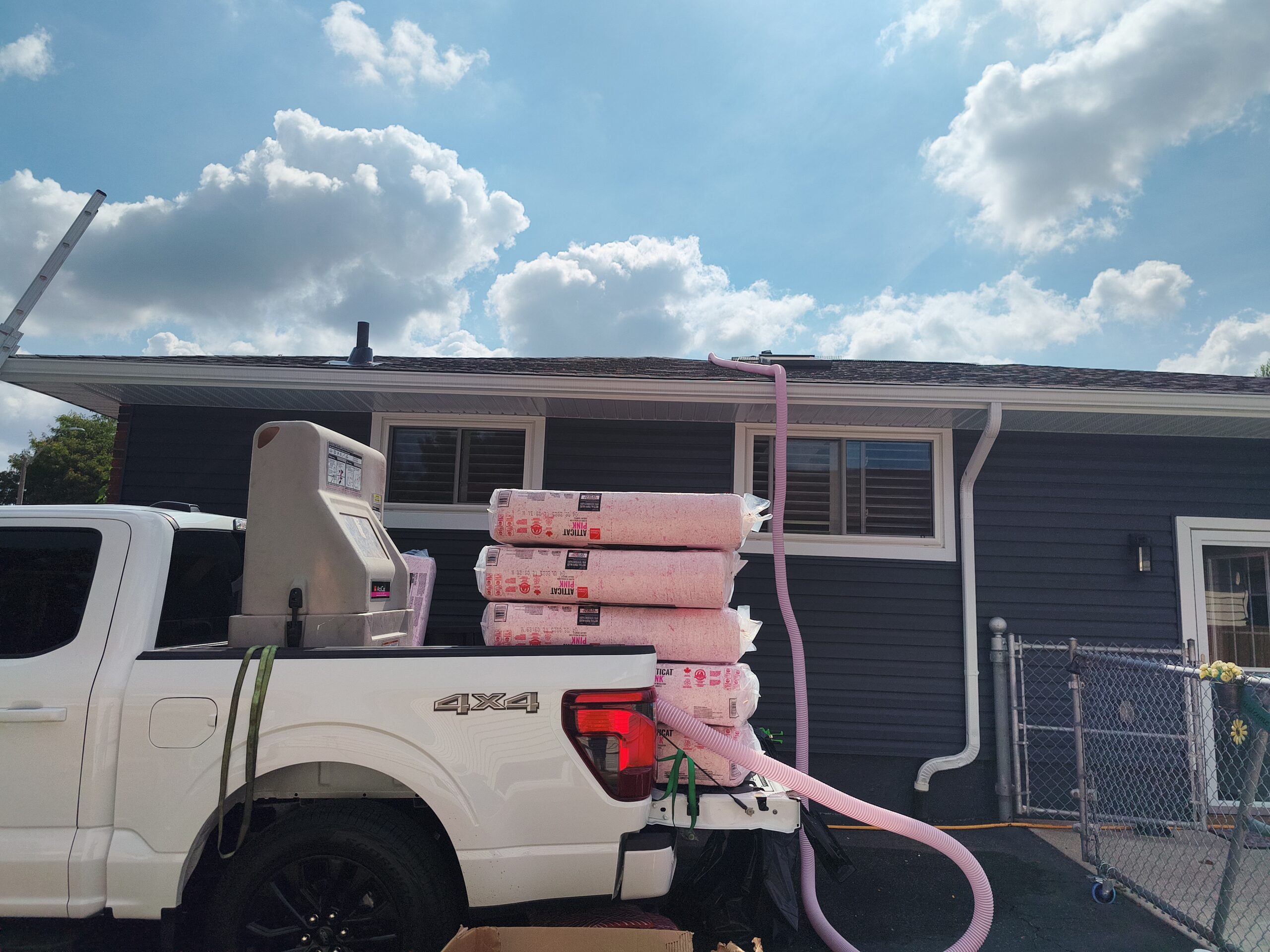
After the eviction we remove droppings and soiled insulation, repair the chewed vent or soffit, and screen the chimney and remaining vents so the attic is clean and closed.


Why St. Catharines Has a Raccoon Problem
The city is built on water corridors, and raccoons commute along them. Twelve Mile Creek drops off the Niagara Escarpment at DeCew Falls and runs through Burgoyne Woods to Martindale Pond and Port Dalhousie, draining a watershed of about 132 square kilometres that is still 24 percent natural cover and only 11 percent urban, with adequate vegetated buffers on just 30 percent of its watercourses. That is a continuous wooded route from Short Hills into west-end backyards, and the houses backing onto it get the first visitors every fall.
Winter is easier here, too, out on the Garden City’s lake plain. The St. Catharines plain averages about 112 centimetres of snow a year against roughly 154 at Niagara Falls, with a milder January mean, so roof edges and soffit seams stay clear and reachable for far more of the winter than they do a few kilometres south. Merritton, Western Hill, and the streets around downtown were built for canal and factory workers a century ago, with wood soffits and open roof returns a raccoon opens in an evening.
Signs a Raccoon Is Living in Your Attic
The noise gives it away first: individual footsteps crossing the ceiling after dark, dragging sounds as insulation is pushed around, and in spring a high chattering from kits. Because raccoons are nocturnal, a daytime sighting is worth noting too, and one that is staggering or unafraid may have canine distemper, which the Ministry of Natural Resources and the Welland SPCA have warned about in Niagara raccoons. These five signs confirm a den.
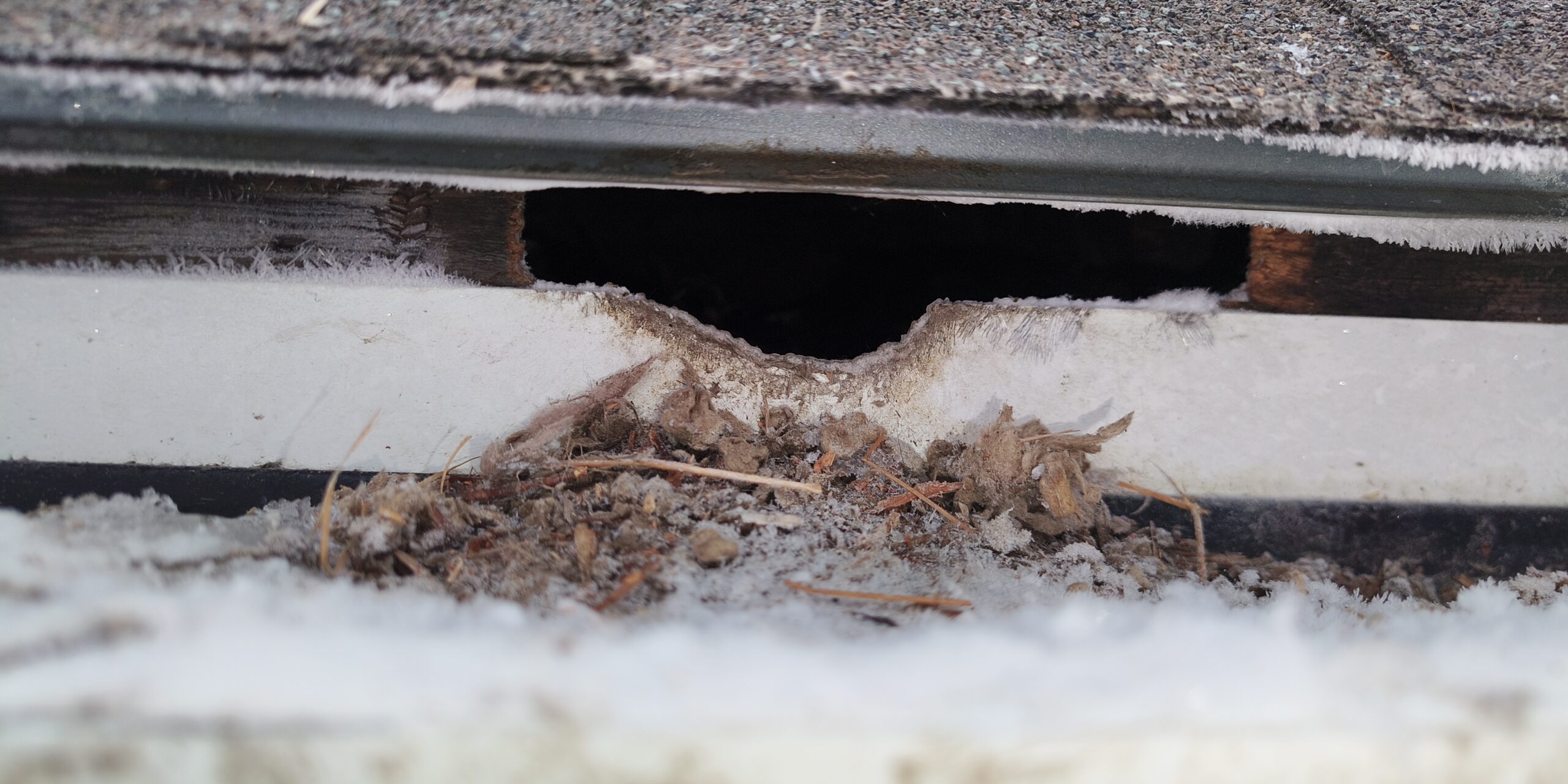
- A roof vent or soffit panel bent outward with grey fur on the edge
- Muddy handprints climbing a downspout or the corner of the siding
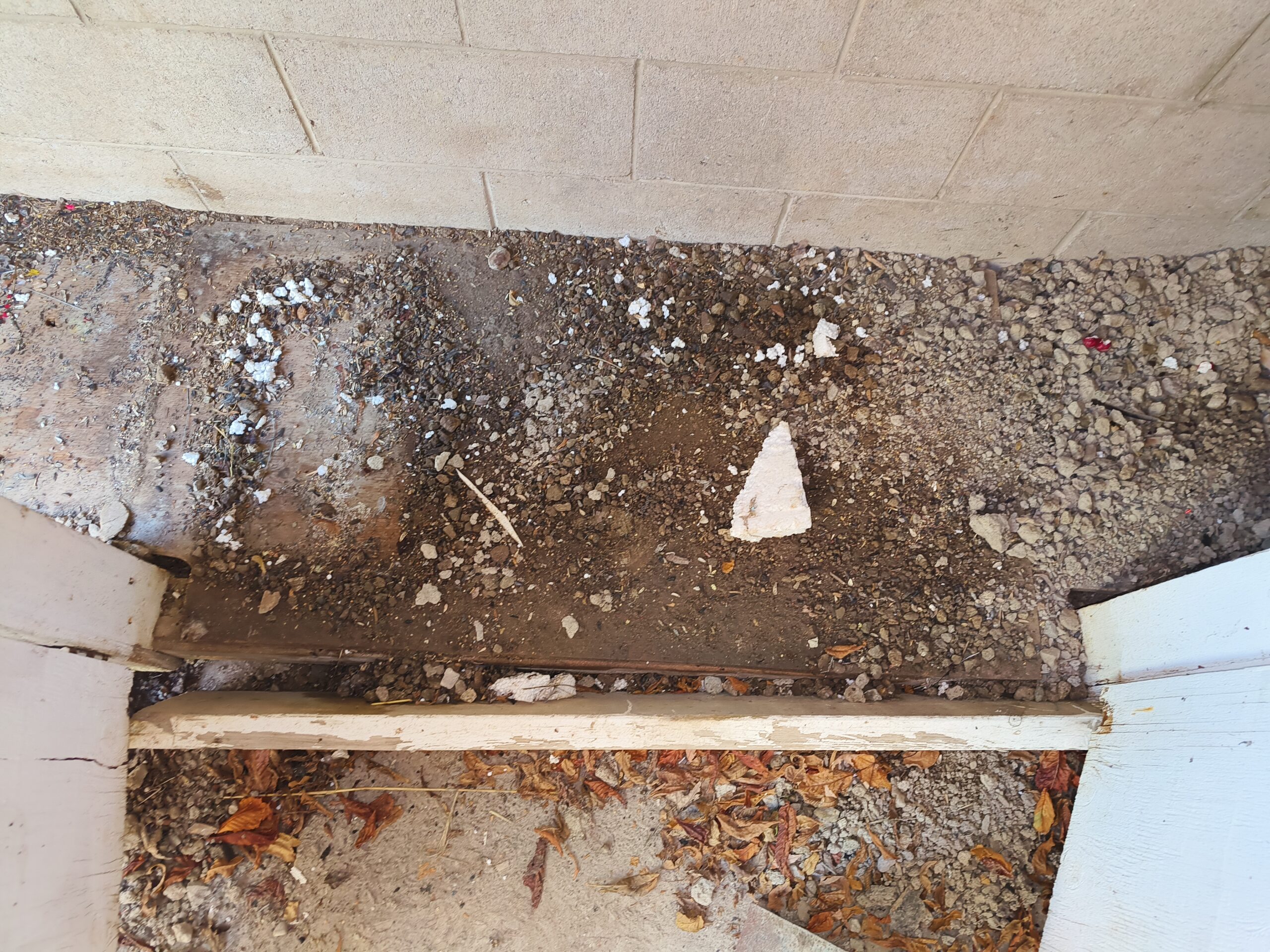
- A pile of droppings in one spot on the roof, in a valley, or in a corner of the attic
- Flattened insulation and a musky smell coming through a bathroom fan
- Garbage cans and green bins tipped over, and lawn sod peeled back overnight for grubs
Den Sites We Find Across the City
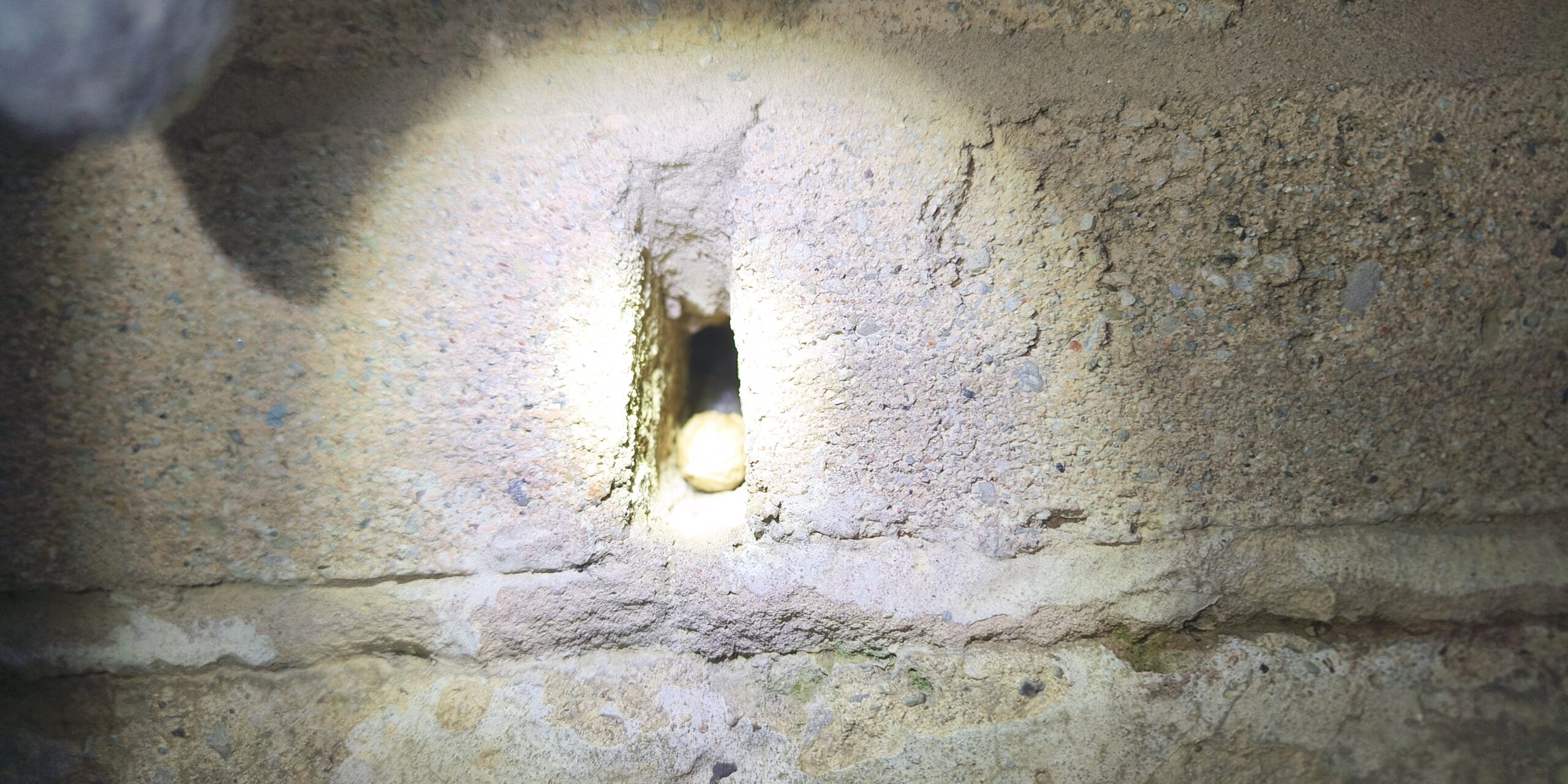
Attics are the winter den in most St. Catharines raccoon jobs, chimneys second, and ground dens under decks and porches third. The entry is usually a roof vent, a soffit return, or an uncapped chimney. In the older neighbourhoods near the canal we also find raccoons living inside chimneys themselves, sitting on the smoke shelf above the damper, which is why a fireplace that suddenly smells in April is worth a look.
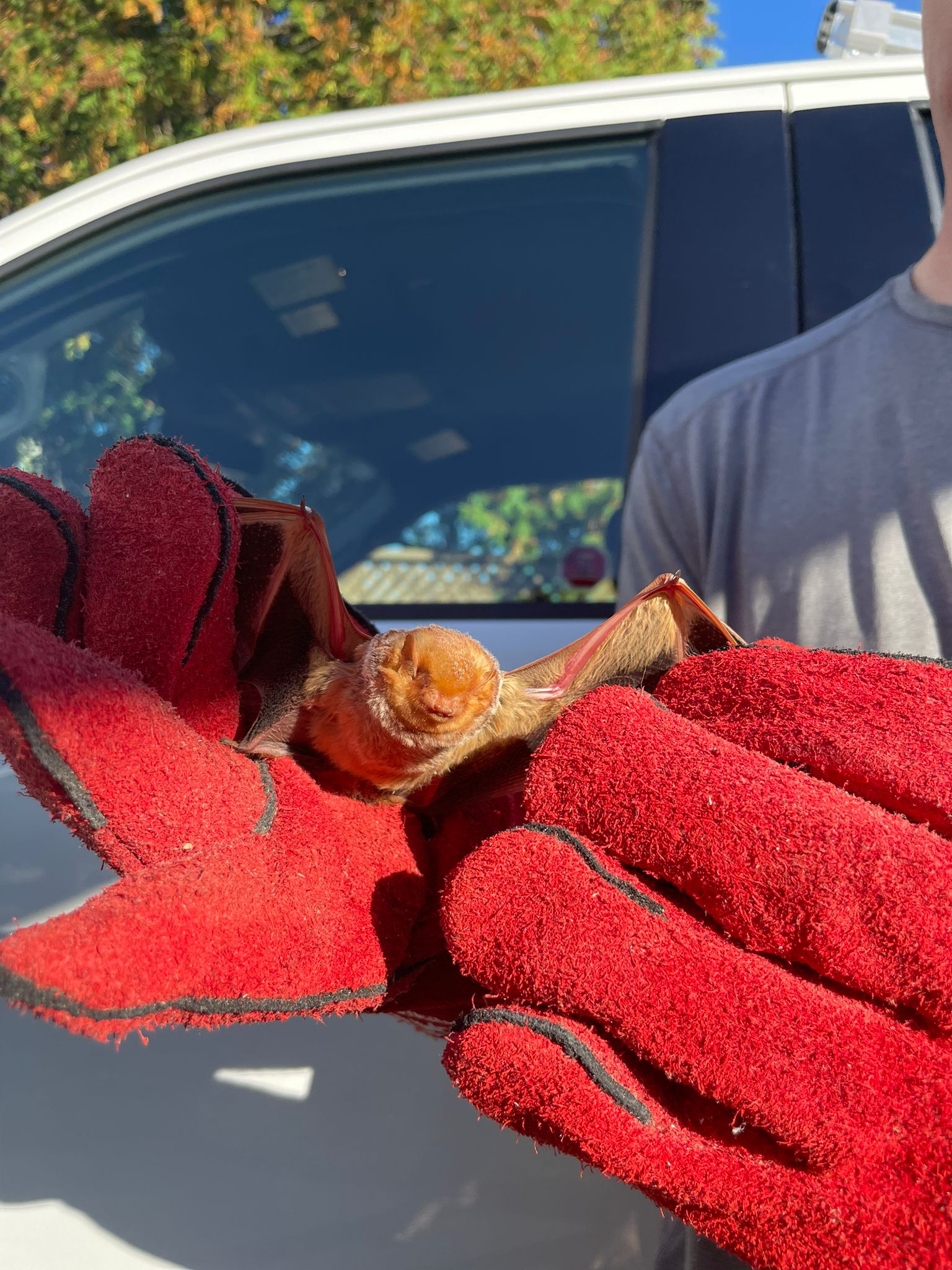
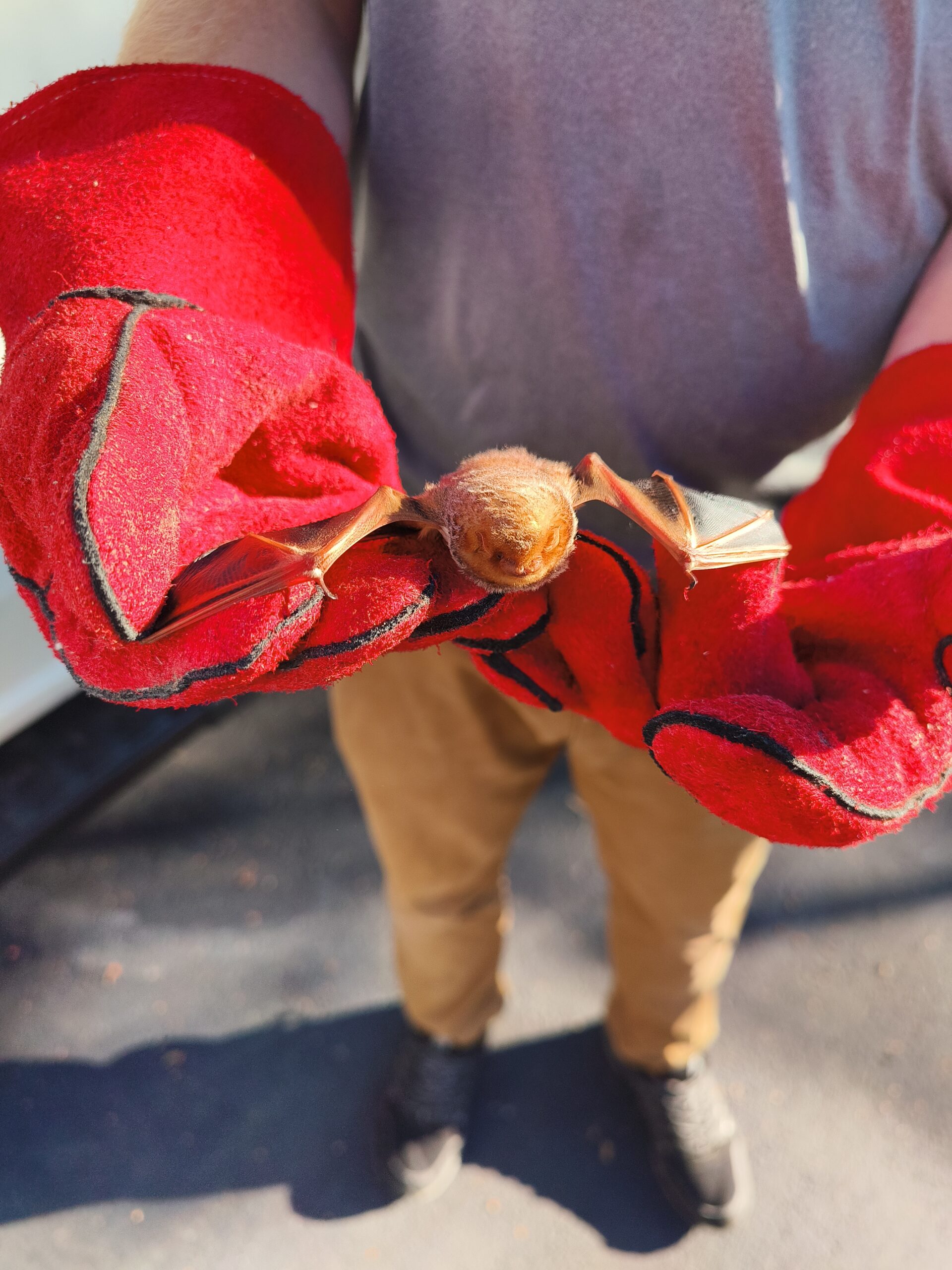
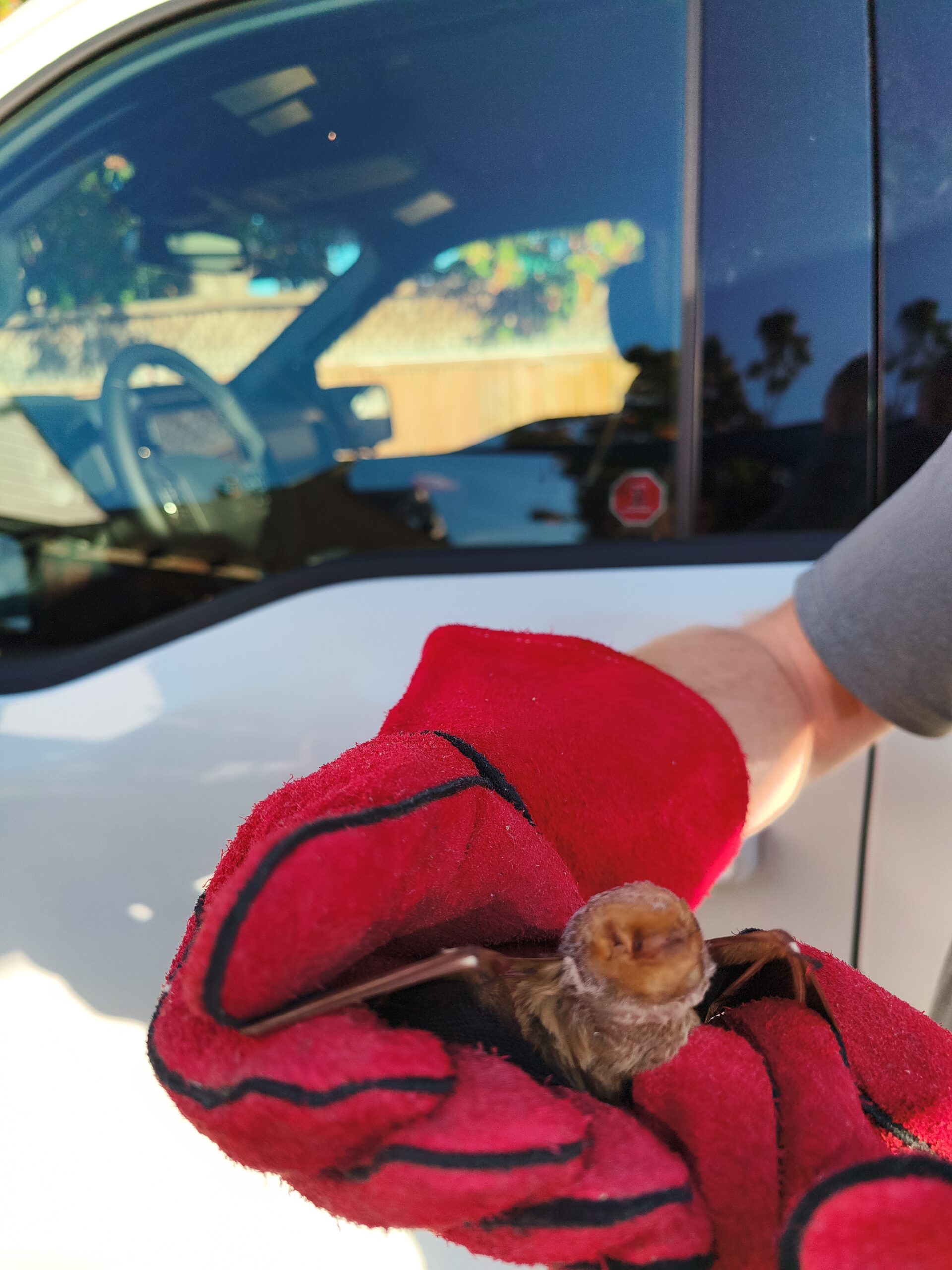
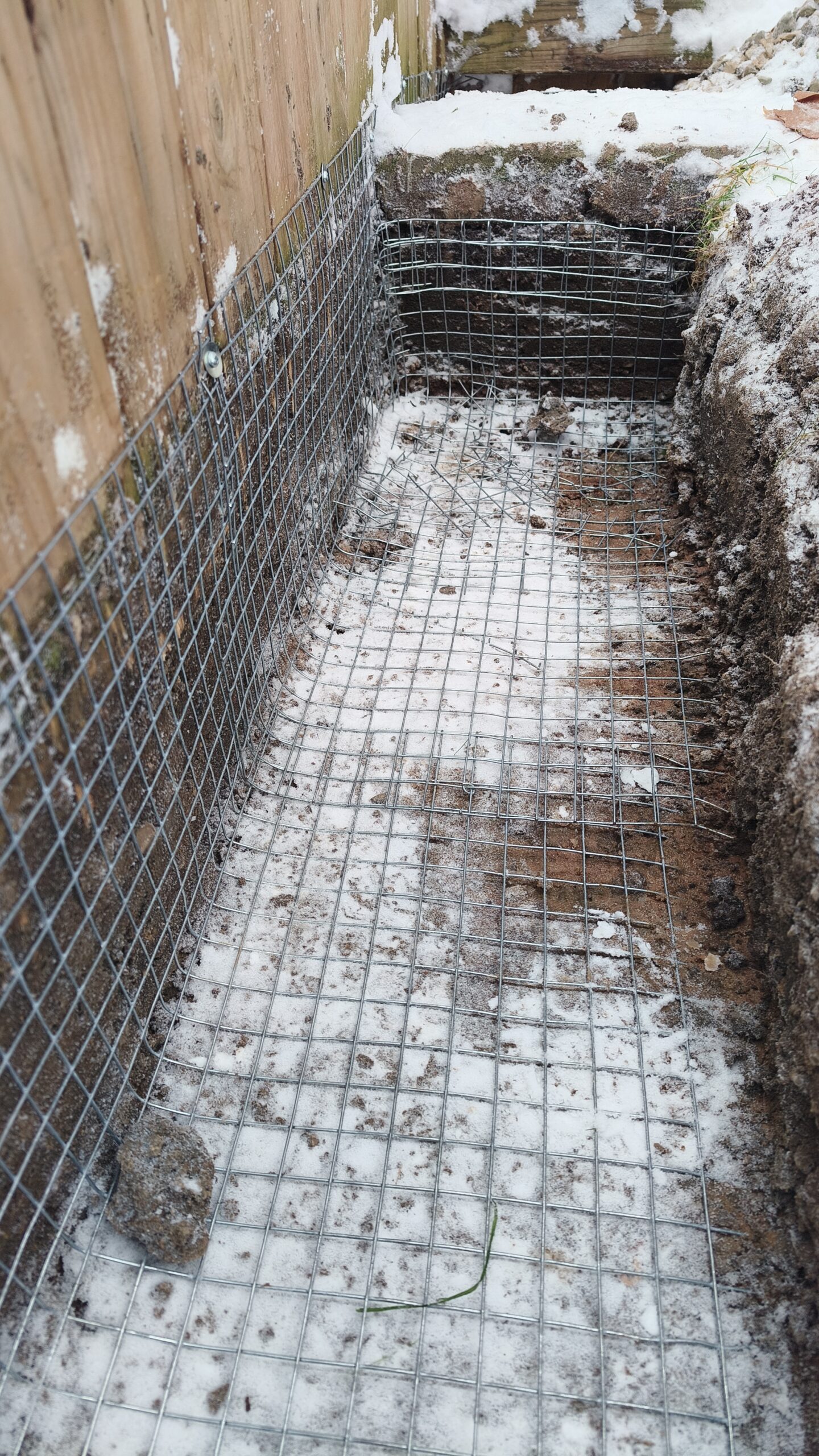
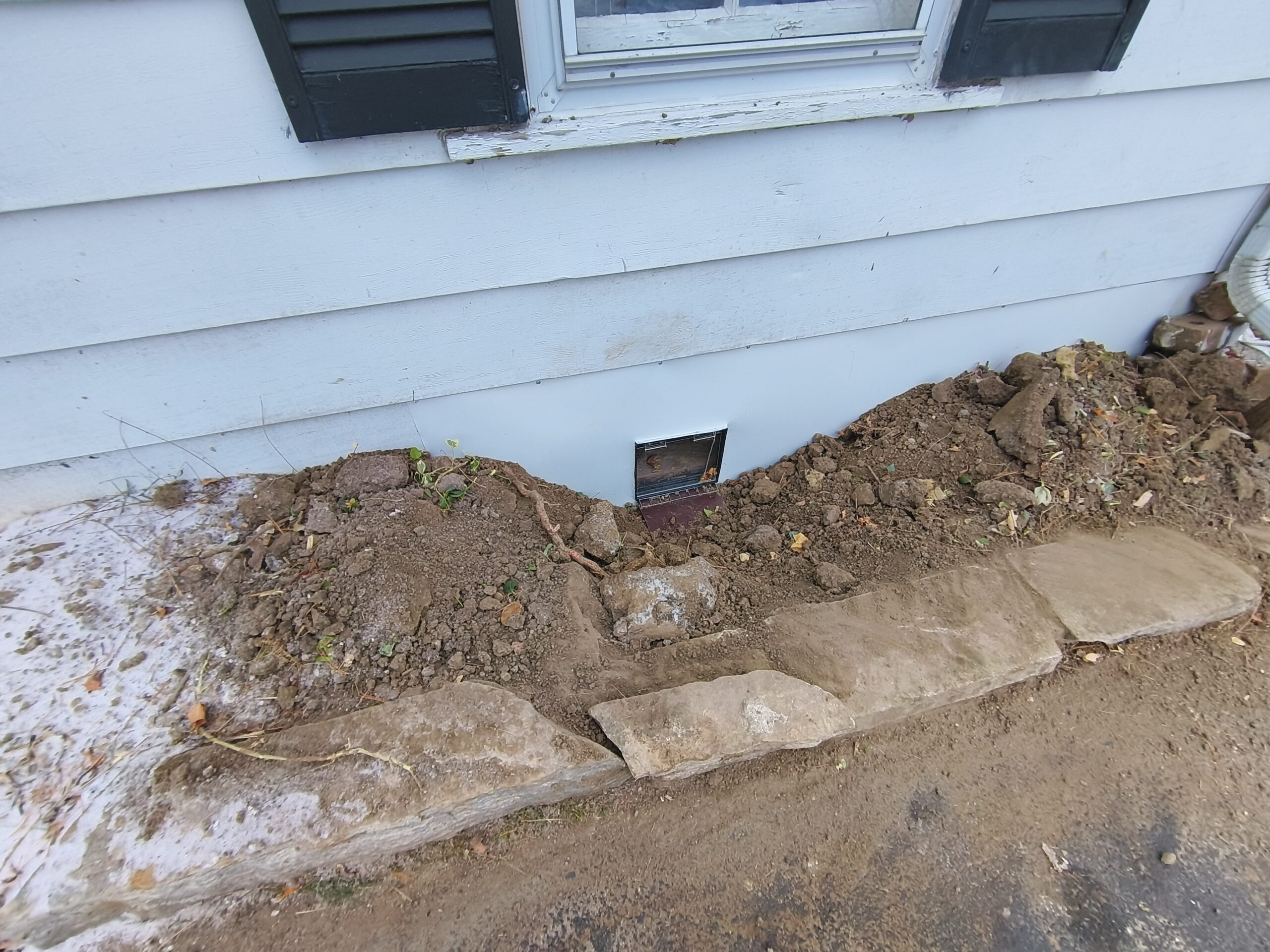
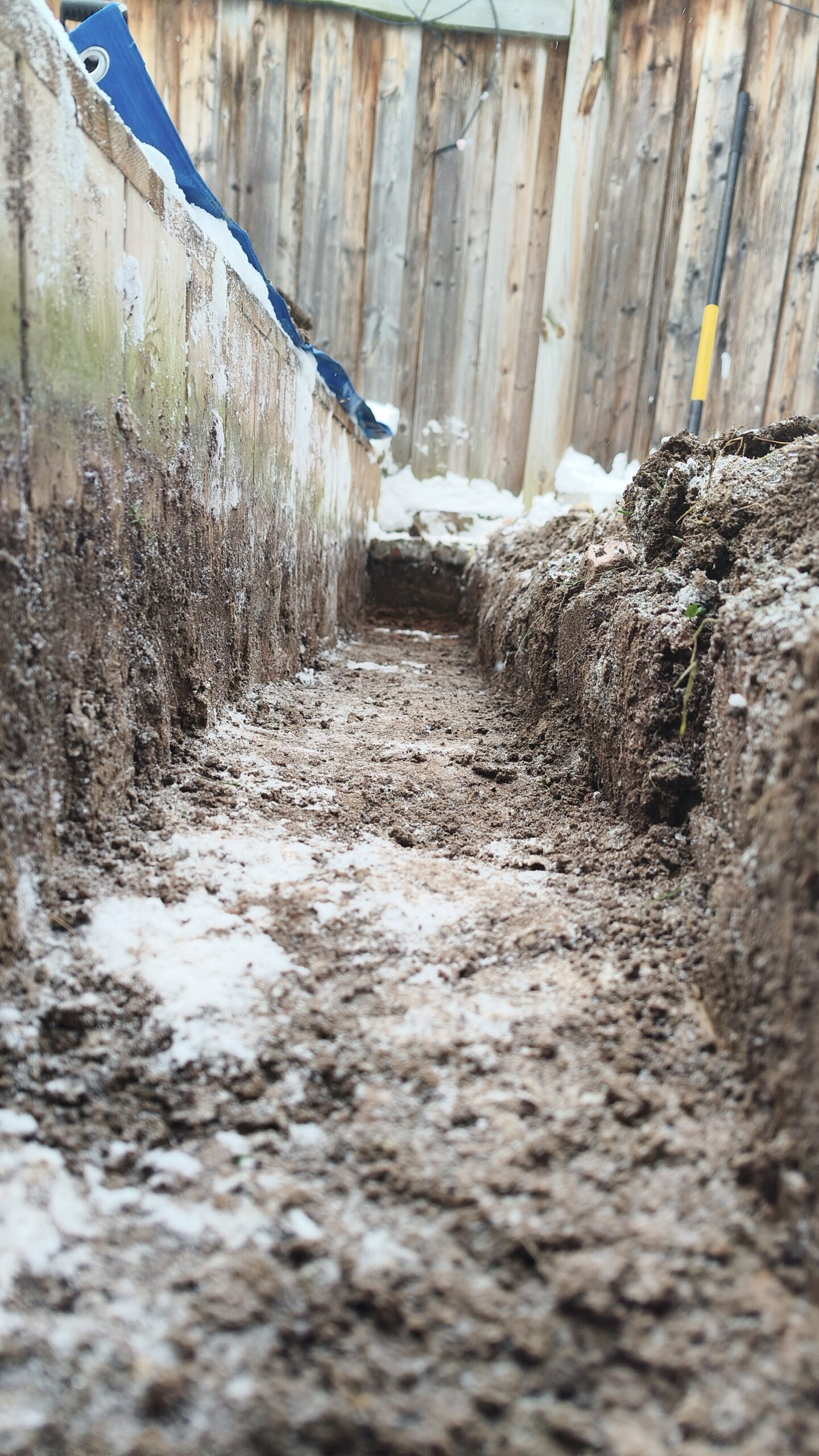
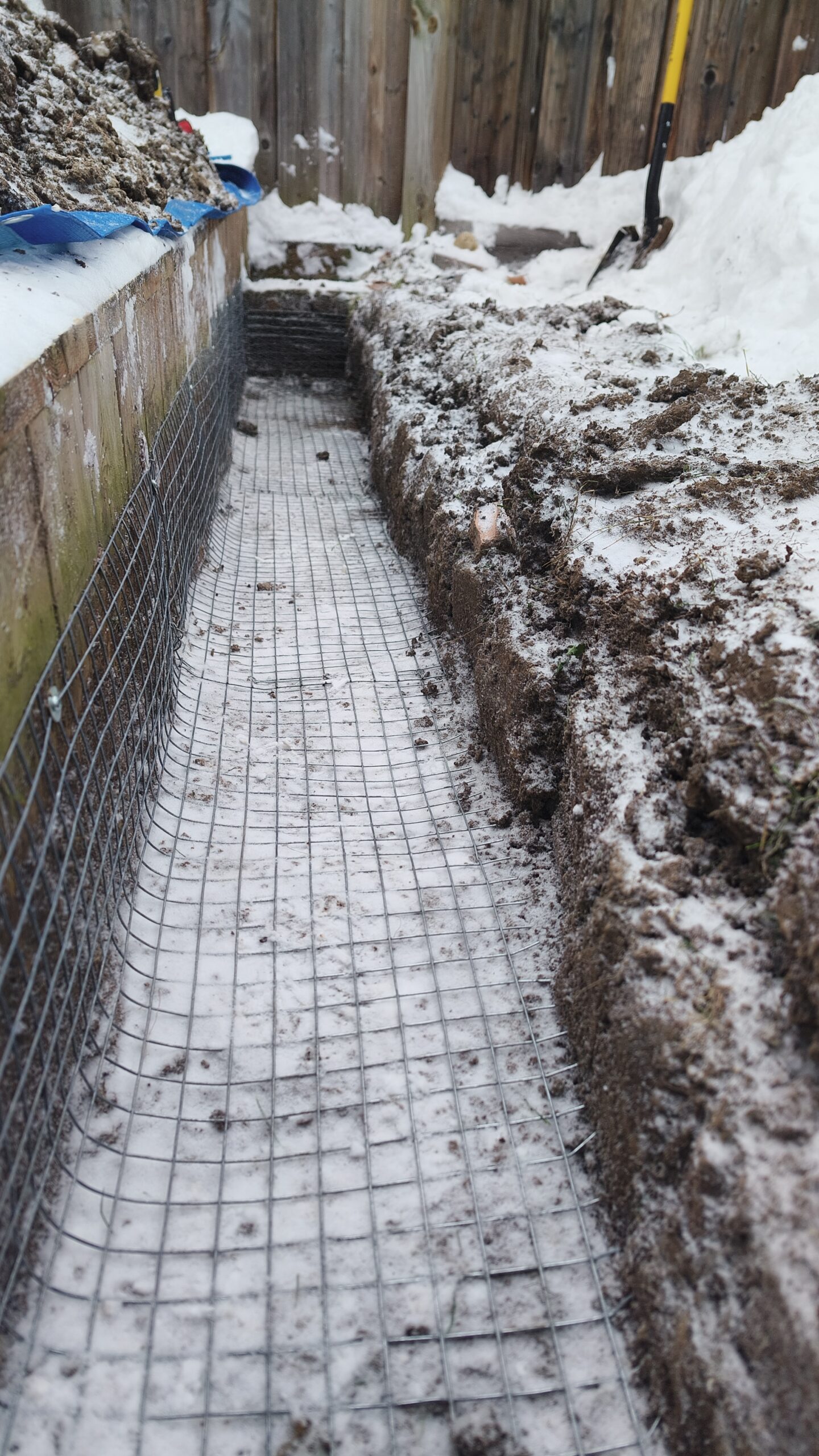
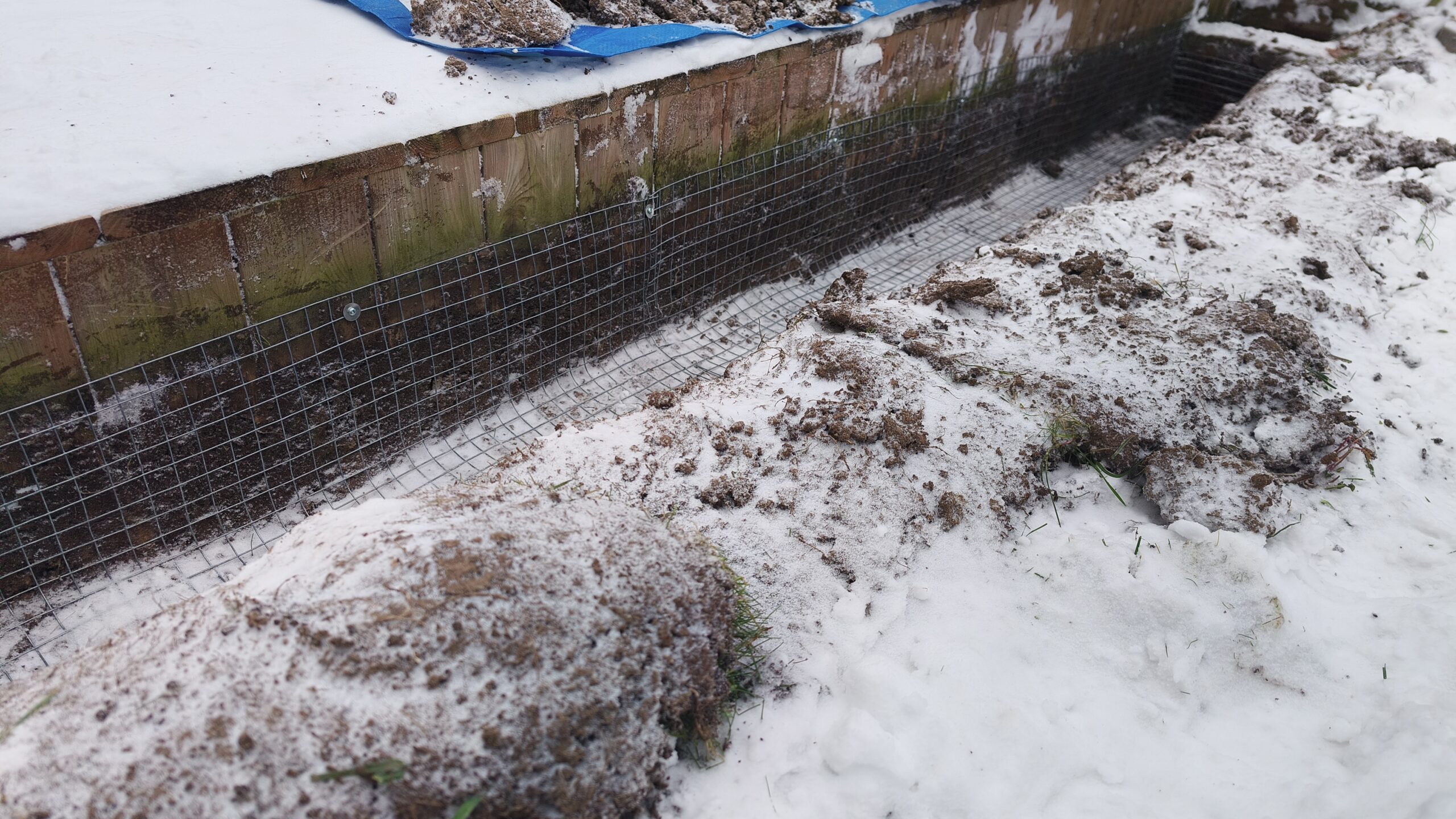
Ground dens come next. Decks and sheds along the creek valley, crawl spaces under lakefront cottages in Port Dalhousie, and the space under front porches on the older streets all hold spring litters. Commercial buildings near the canal get their own version, with raccoons entering through rooftop units, loading dock canopies, and gaps around conduit. Once a roofline is open the rest of the urban wildlife follows: squirrels move in overhead, a bat problem can start the same summer, and skunks and rodents such as mice take the ground-level gaps.
Our Raccoon Removal Process
Three steps every time: inspect the roof and attic, evict through a one-way door, then repair and screen. Timing shifts with the season and whether a litter is present.
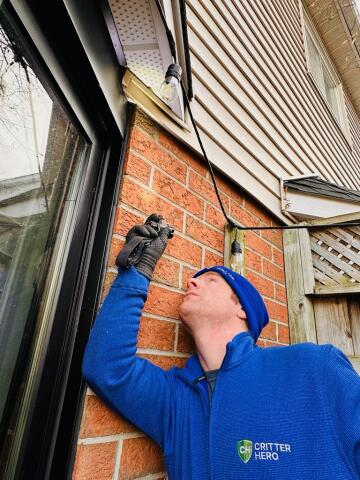
Inspect the roof and attic: We assess the building, confirm the species from the sound, tracks, and damage, then trace every current and potential opening from the ridge to the foundation. In spring we look for kits before any door goes on.
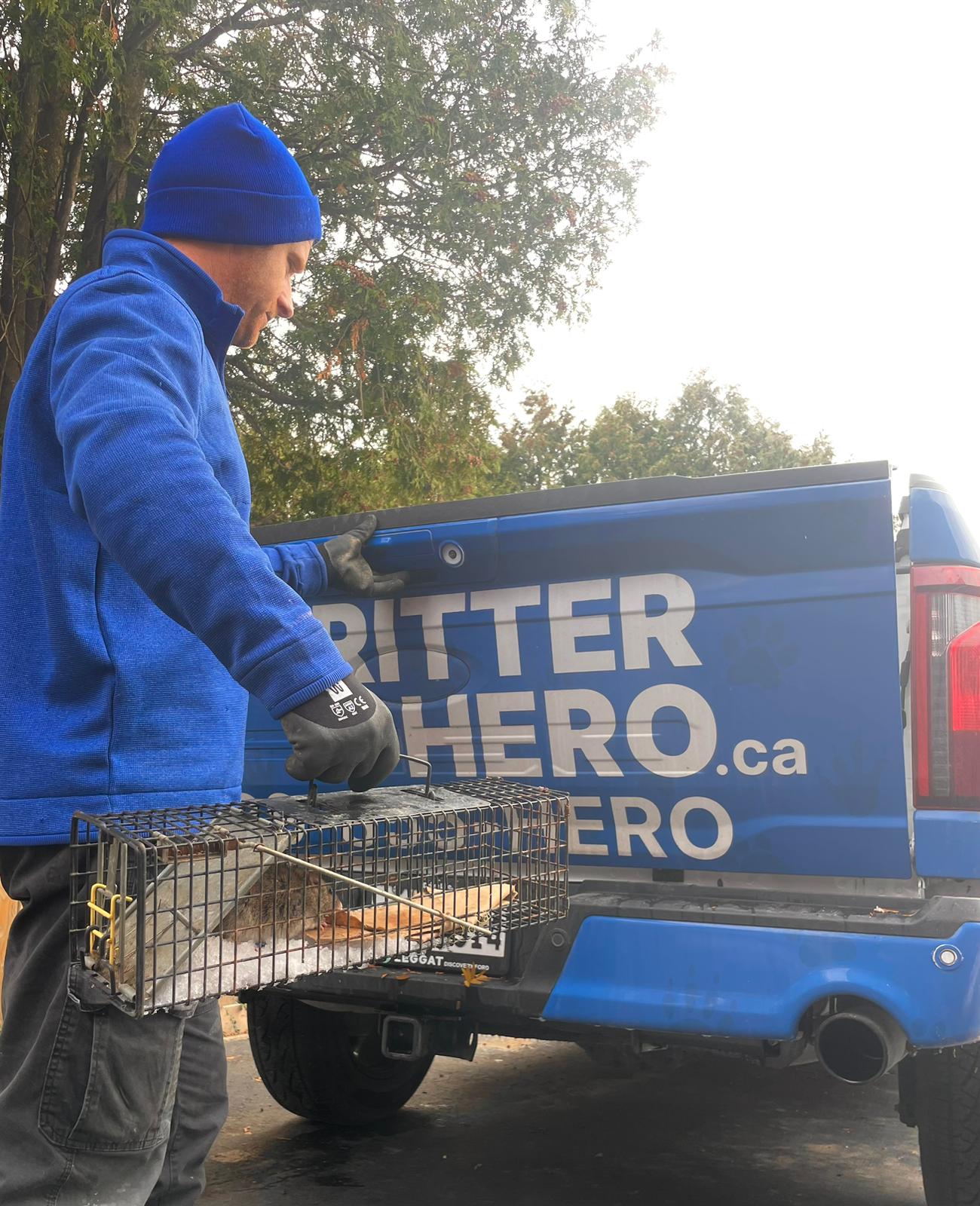
Evict through a one-way door: The door goes over the main entry, the raccoon leaves on its evening trip, and the door closes behind it. Kits are lifted out by hand and set outside for the mother to move. Where a door will not work, we live-trap and release within one kilometre.
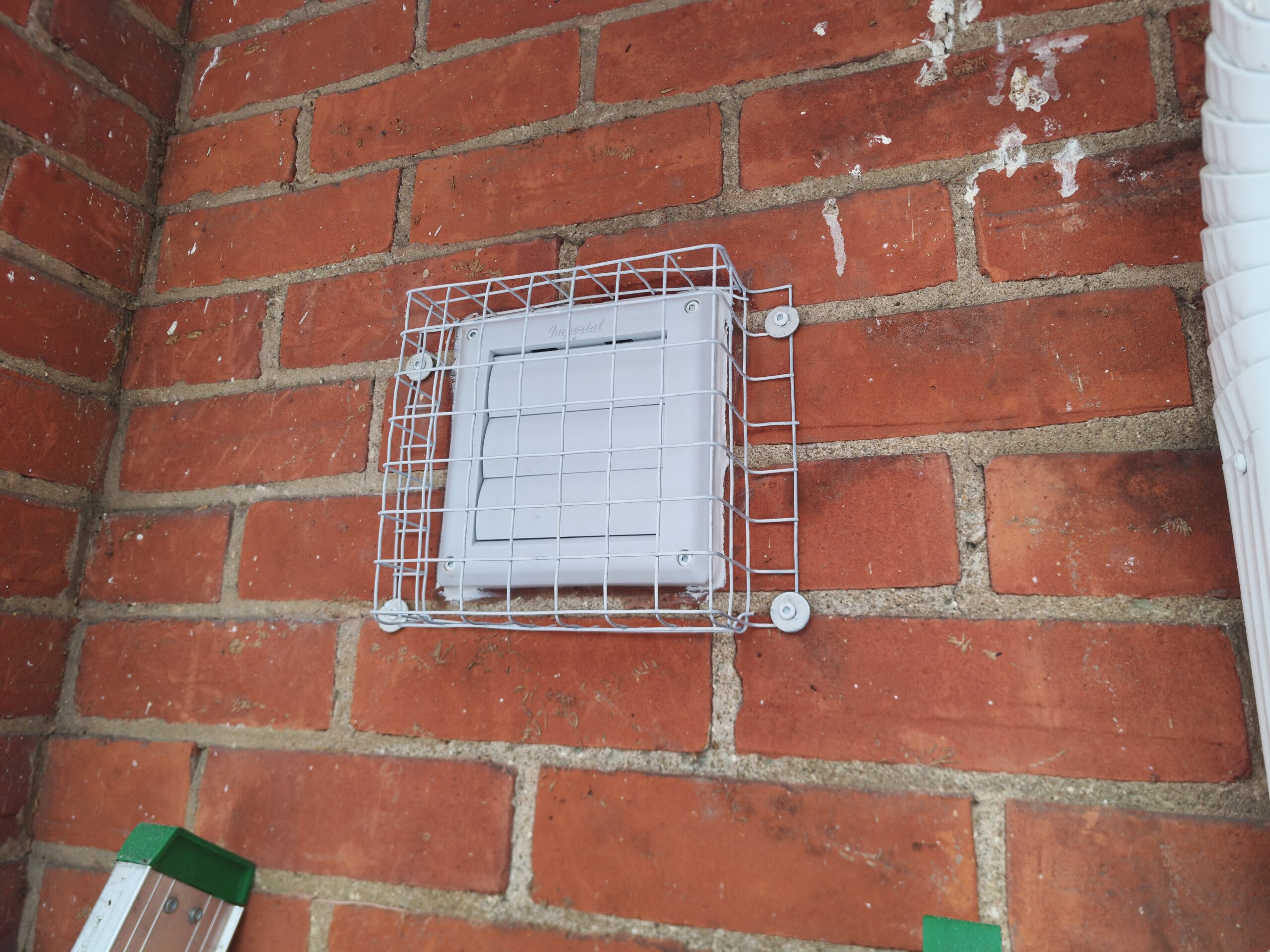
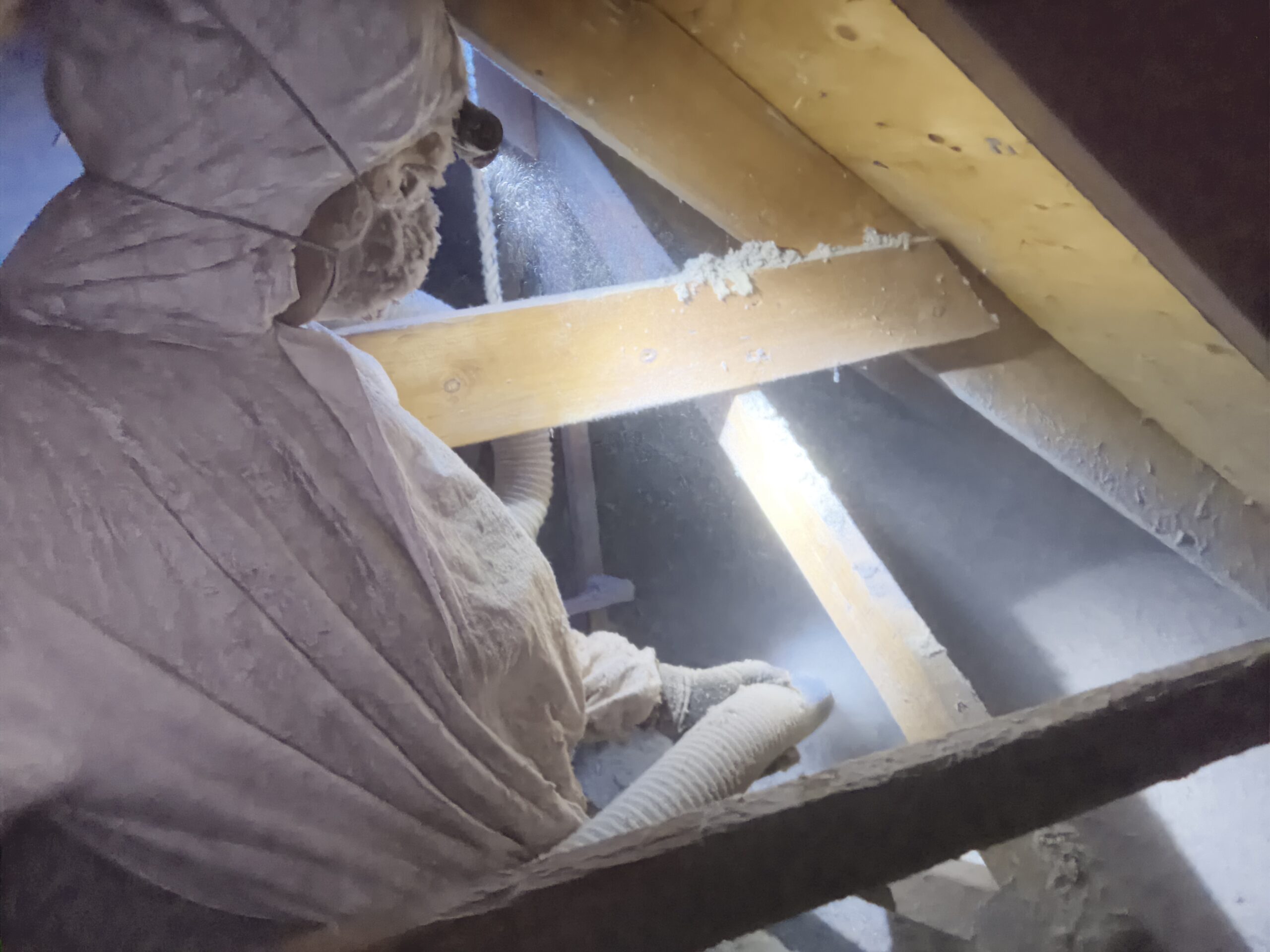
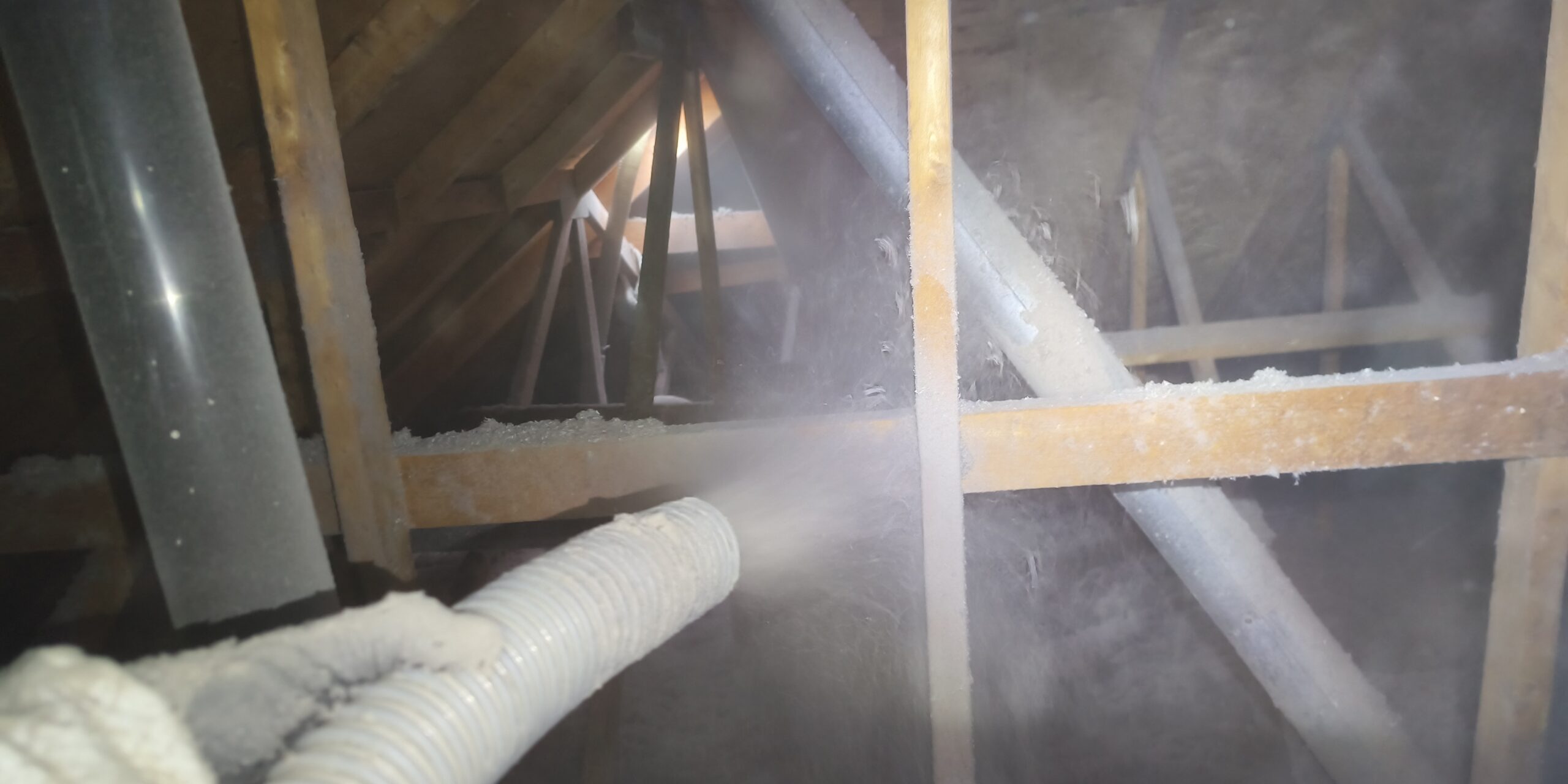
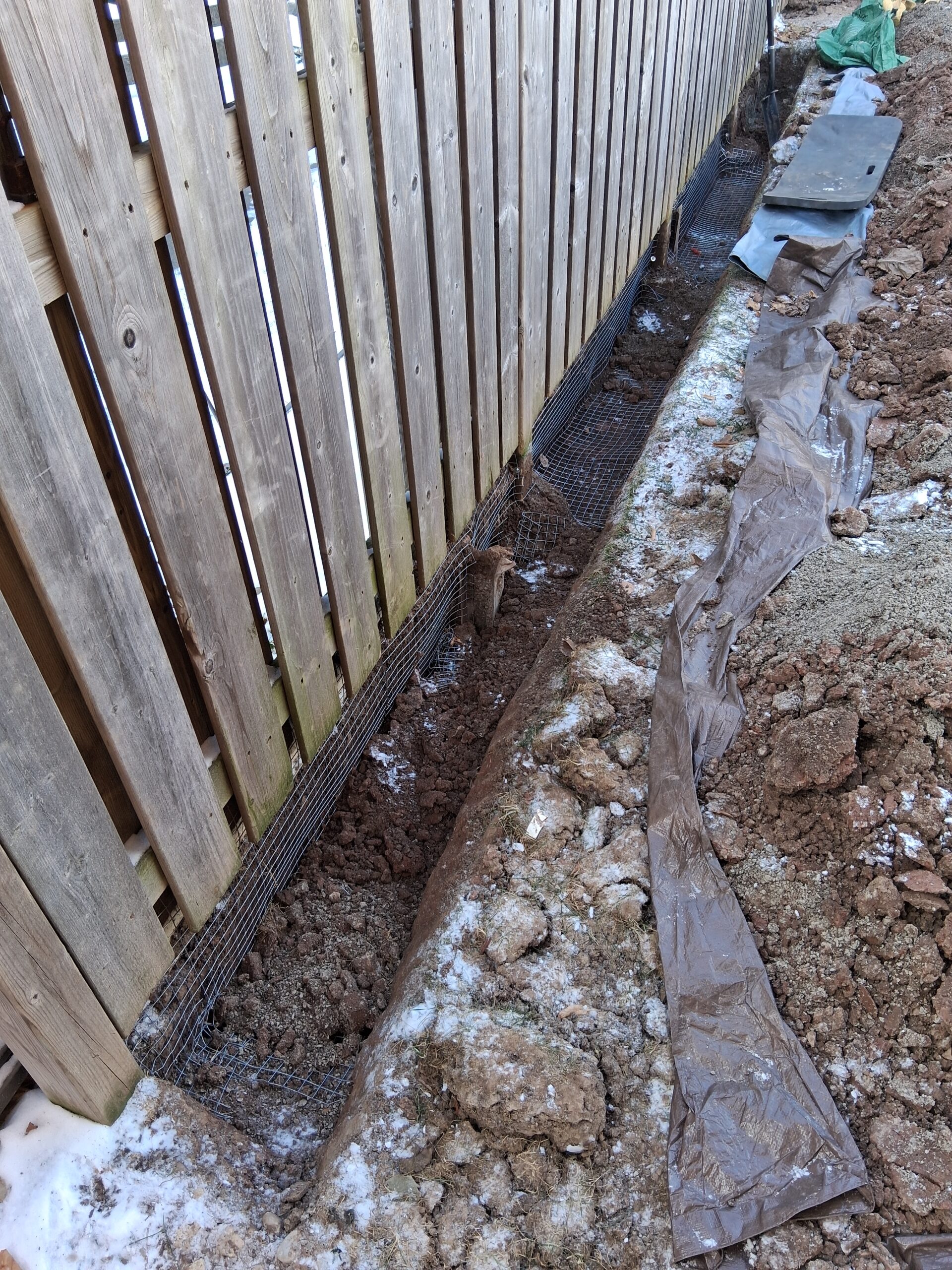
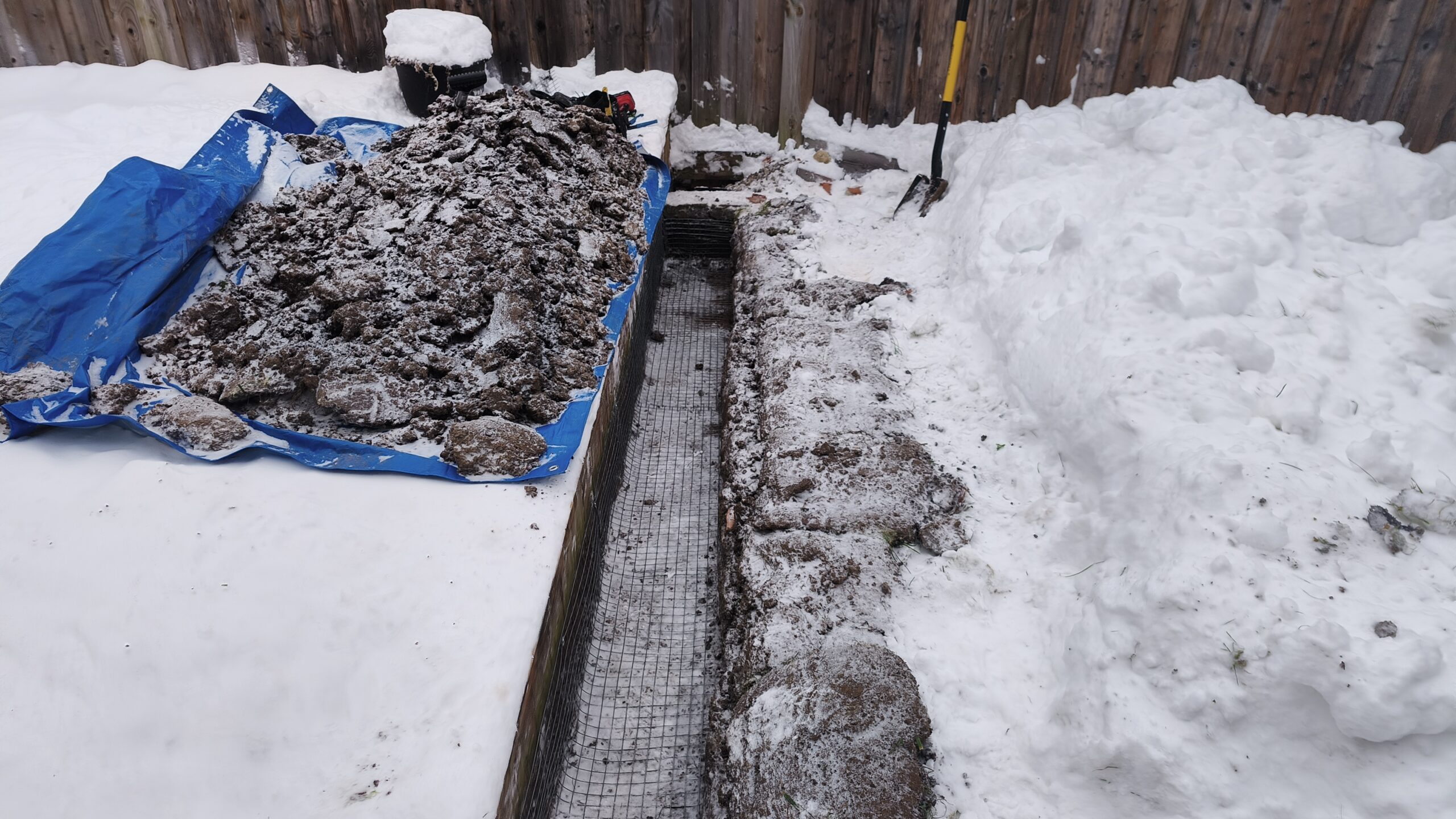
Repair, clean, and screen: Once the attic is quiet, we remove droppings, nests, and contaminated insulation, repair the entry, cap the chimney, and screen the remaining vents with heavy-duty steel mesh.
Raccoon Removal St. Catharines Costs
Quotes for raccoon work in the Niagara Region commonly start around $500, with most St. Catharines homes finishing between $400 and $1,000 once inspection, eviction, and entry repair are counted. The final price turns on how many animals are inside, how hard the entry is to reach, since a steep roofline needs more equipment, and how much cleanup the attic needs.
Professional nuisance wildlife control is priced in parts, so the inspection, the eviction, the repair, and the cleanup appear as separate lines and you can see what each one costs. Estimates are in writing, and monthly payment plans are available through Financeit.
Here are the estimated costs.
Service Category
Estimated Costs
Property inspection
$100 to $250
One-way door eviction or live trap and release
$200 to $600
Entry repair and roofline screening
$200 to $400
Dead raccoon removal
$150 to $300
Who Handles Raccoons in St. Catharines
Niagara Region Animal Services has run animal control for the City of St. Catharines since 2016, around the clock, at 905-682-0767, extension 1. Its mandate is sick or injured wild animals, strays, bite investigations, and dead-animal pickup. It does not evict a healthy raccoon from an attic, deck, or chimney, which is the most common misunderstanding St. Catharines residents bring to us. Filling that gap is licensed work. Our technicians hold the certification the province requires, the company carries liability cover, and you are told which rules govern your property before a date is set.
The job falls to the owner under Ontario’s Fish and Wildlife Conservation Act, which permits humane removal of a raccoon damaging the property if it is released within one kilometre. Poison and kill traps are illegal, so neither appears on a quote of ours. The one call we will not take is a sick animal. Distemper does not pass to people but is almost indistinguishable from rabies at a distance, and an unvaccinated dog that meets one faces a six month quarantine against 45 days if vaccinated, so that goes to Animal Services.
Get Raccoons Out of Your St. Catharines Home
Autumn is when this gets decided. St. Catharines raccoon calls peak as the first frost arrives, around October 18 on the lake plain, and an animal that settles in then keeps the attic until the way in is closed. Every week inside means more flattened insulation and a bigger latrine. A single inspection tells you how many animals are up there and what the fix costs, and the same crew handles the door, the kits, the repair, and the cleanup.
Arrange your inspection with our St. Catharines wildlife crew.
Frequently Asked Questions
-
How much does it cost to remove raccoons in St. Catharines?
Most St. Catharines homes fall between $400 and $1,000 for the inspection, eviction, and entry repair together. Attic decontamination and insulation replacement are quoted separately after we see how long the animals have been inside. -
How do I get rid of a raccoon for free?
If the raccoon is in a yard rather than a structure, removing the attractants often works: lock the green bin, bring pet food inside, and take bird feeders down for two weeks. A raccoon in an attic is different, because the den itself is the attraction, and the opening has to be closed after the animal leaves. -
Can a raccoon be moved out of St. Catharines?
Moving a raccoon more than one kilometre from the capture site breaks the Fish and Wildlife Conservation Act. The rule limits the risk of spreading rabies and keeps the animal in territory it knows. We release within that limit on every job. -
Will the same raccoon return to my roof each night?
Yes. A raccoon rotates between a few dens in its range, and a warm attic becomes the main one in winter and the nursery in spring. Once the animal is evicted, the same opening attracts the next raccoon, so the repair is as important as the removal. -
Who do I call about a sick raccoon in St. Catharines?
Contact Niagara Region Animal Services at 905-682-0767, extension 1, any hour. A raccoon that is circling, staggering, or unafraid of people may have distemper or rabies, and should not be approached, cornered, or fed. They will collect it; they will not evict a healthy one from your roof. -
When is raccoon baby season in St. Catharines?
Kits are born from March through June. A one-way door installed during those months without checking for a litter strands the young inside, so we search the attic first and reunite the family outside. -
What does a raccoon do to an attic?
It is destructive in four ways: it flattens insulation into a bed, tears vapour barrier, chews wiring, and uses one corner as a latrine that soaks into the ceiling below. The feces can carry roundworm eggs and other parasites, and those diseases are why cleanup is part of the job, not an add-on. -
Can raccoons get into a chimney?
Yes, and in the older brick homes of St. Catharines they often do. The animal rests on the smoke shelf above the damper and raises kits there in spring. A chimney cap after the eviction closes that den for good. -
Will the raccoons come back after you leave?
Not through the openings we sealed, which are covered by our Satisfaction Guarantee. Raccoons keep looking for new gaps after storm damage or renovations, and a quick inspection catches those before the wildlife problem starts again.
- Why St. Catharines Has a Raccoon Problem
- Signs a Raccoon Is Living in Your Attic
- Den Sites We Find Across the City
- Our Raccoon Removal Process
- Raccoon Removal St. Catharines Costs
- Who Handles Raccoons in St. Catharines
- Get Raccoons Out of Your St. Catharines Home
- Frequently Asked Questions
- How much does it cost to remove raccoons in St. Catharines?
- How do I get rid of a raccoon for free?
- Can a raccoon be moved out of St. Catharines?
- Will the same raccoon return to my roof each night?
- Who do I call about a sick raccoon in St. Catharines?
- When is raccoon baby season in St. Catharines?
- What does a raccoon do to an attic?
- Can raccoons get into a chimney?
- Will the raccoons come back after you leave?









Our service areas
…by providing award winning customer service to each and every single client.
- Hamilton
- Burlington
- Milton
- Stoney Creek
- Niagara Falls
- St. Catharines
- Brampton
- London
- Mississauga
- Oakville
- Toronto
- Brantford
Call or Email Us
Reach Out To Us For Inquiries, Support, Or Partnership Opportunities, We’re Here To Assist.

-

Satisfaction Guarantee
Your satisfaction is our priority. We stand by our work and ensure high-quality service.
-

15 Years Experience
Our team has been providing efficient and humane wildlife removal services for over 15 years.
-

WSIB & Insured
Licensed, insured and trained professionals with efficient technology to get the job done right.