Raccoon Removal for Niagara Falls Homes and Attics
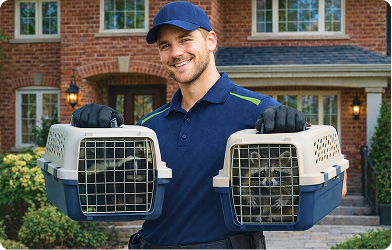
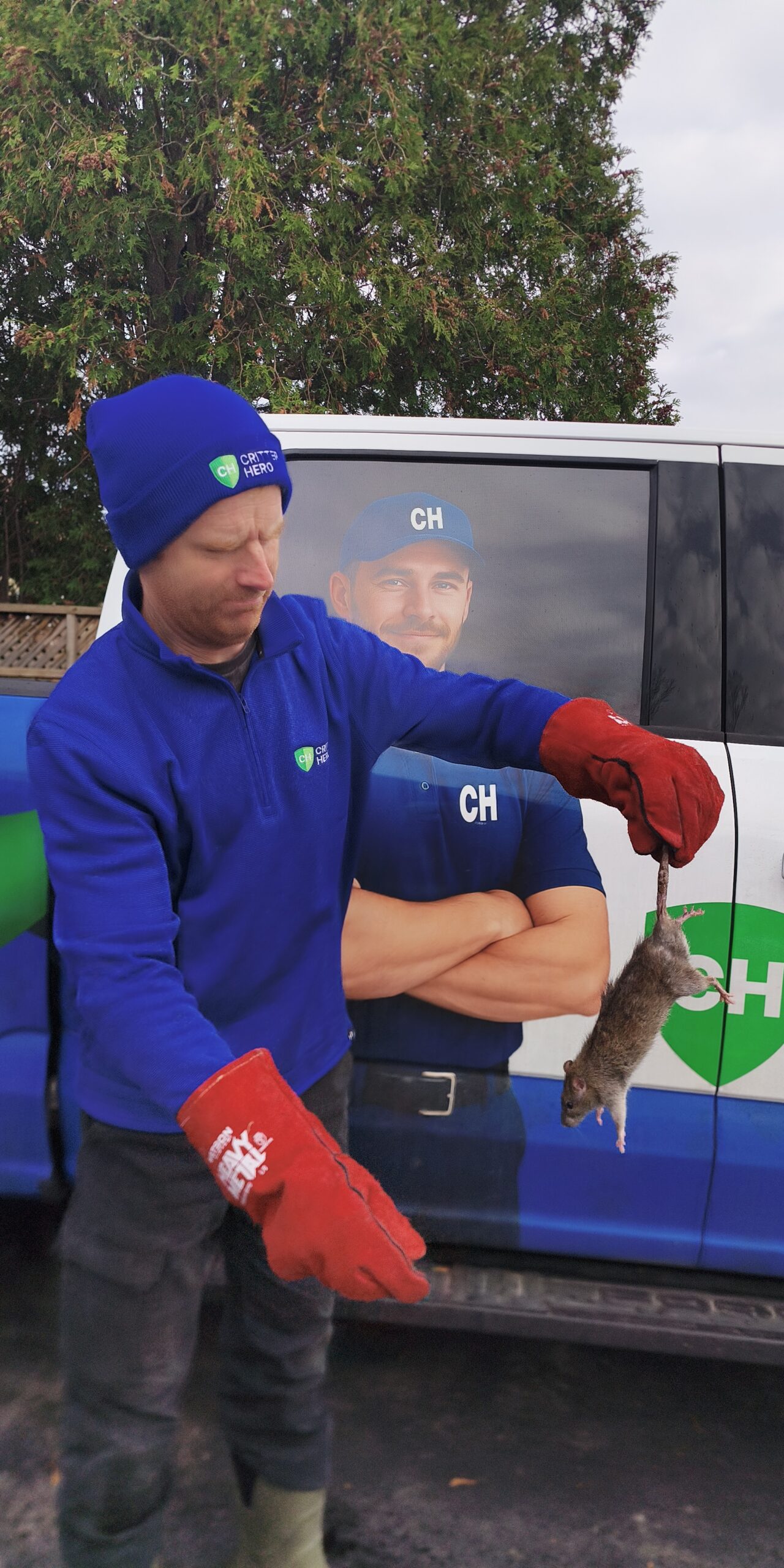
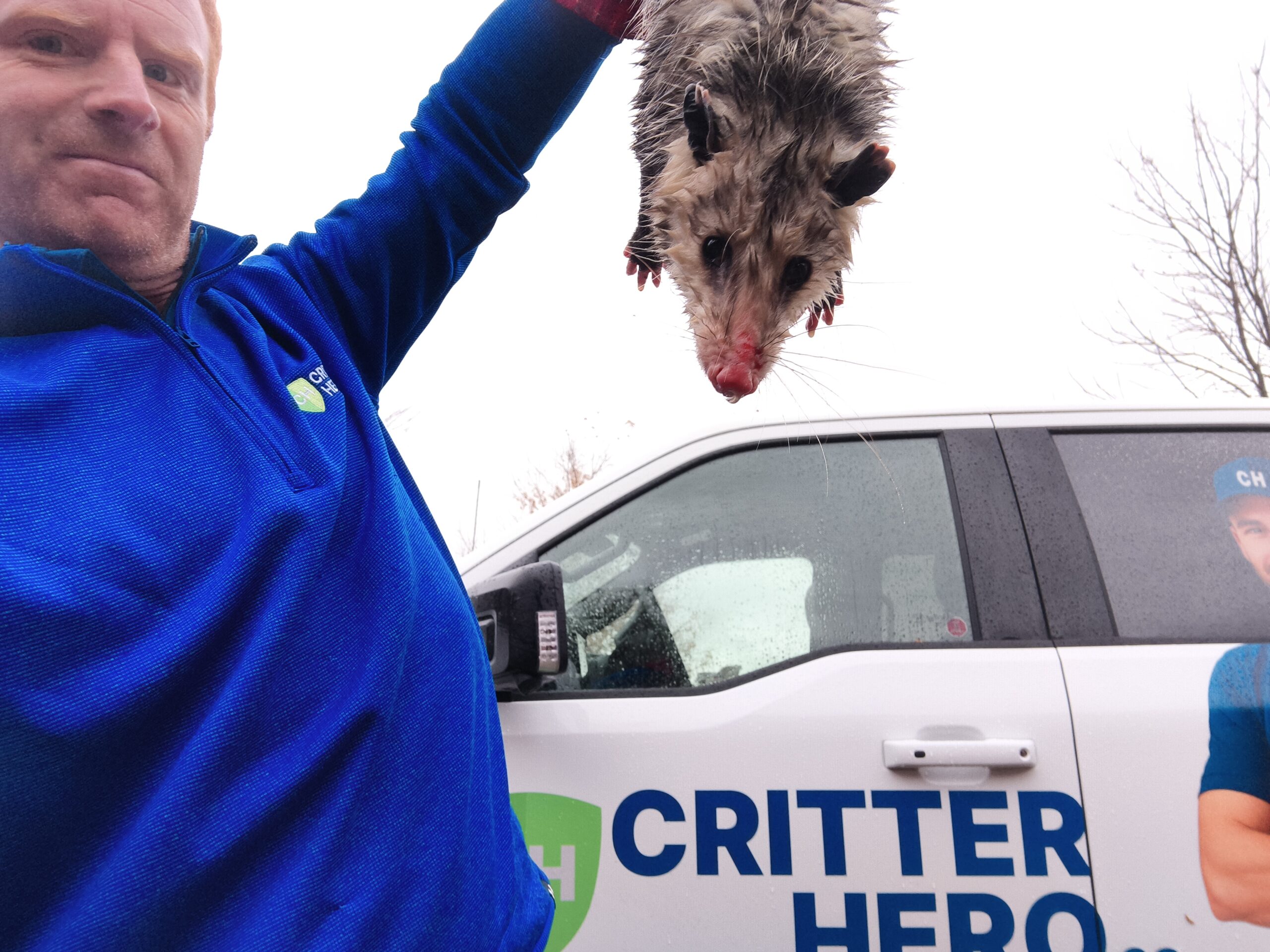
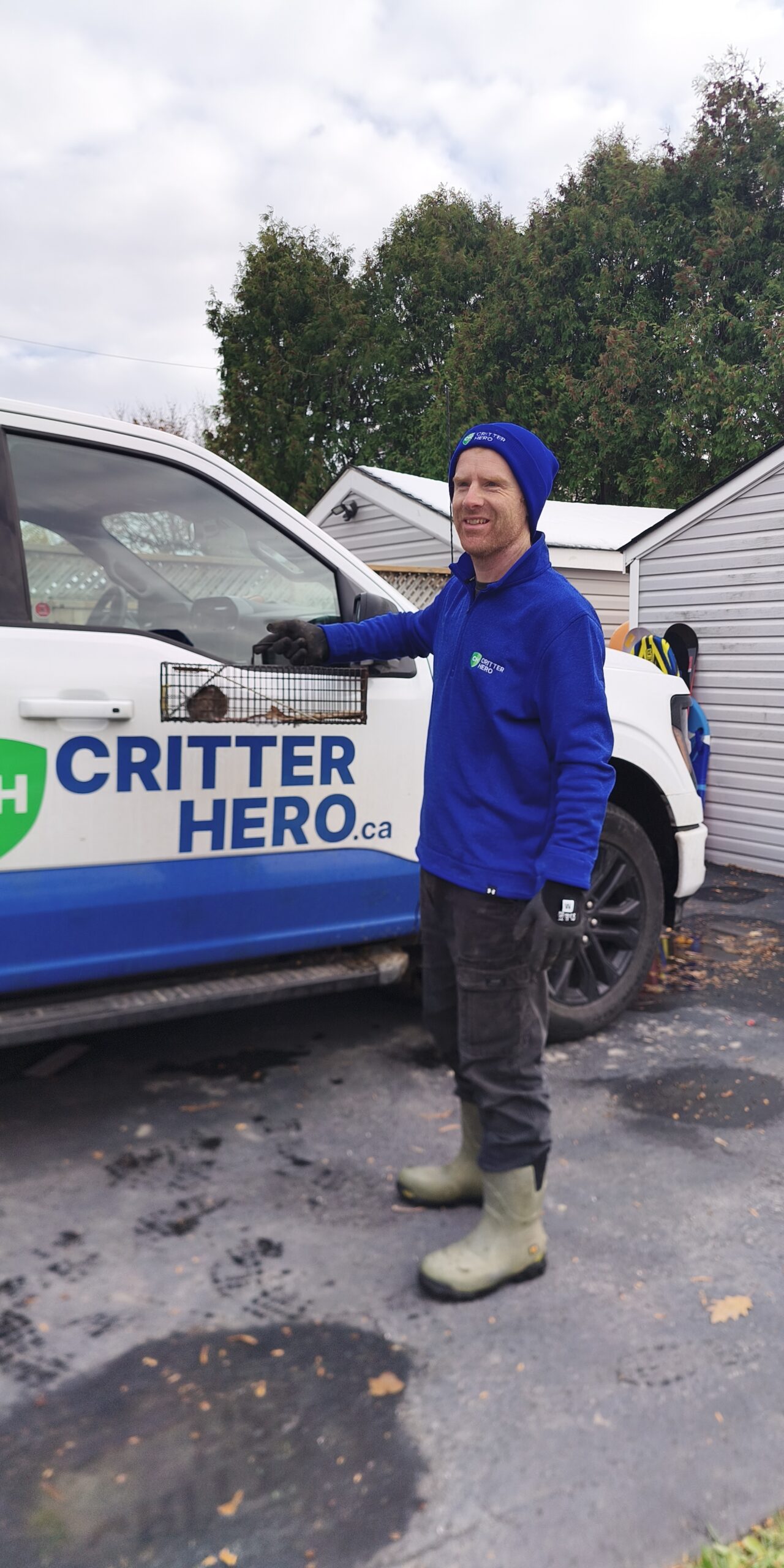
Raccoons that raid patios along the Niagara Parkway in summer move into attics from Chippawa to Stamford once the nights cool. Our wildlife removal team has been evicting them from Niagara Falls homes for over 15 years, using one-way doors instead of poison, reuniting mothers with their kits, and sealing the roof so the den stays empty.



Trusted Raccoon Control Across Niagara Falls
Municipal animal control in Niagara Falls does not remove raccoons from private property, so this is a call you make yourself. Its Living With Wildlife page covers coyotes and foxes and points residents to the SPCA, which leaves a licensed professional service as the only route for an attic. Our technicians work these streets in every season, and property owners keep calling us back for a few plain reasons.
- Every one of our trained technicians is certified by the Ontario Ministry of Natural Resources and Forestry, and we follow the province’s one kilometre relocation rule on every job.
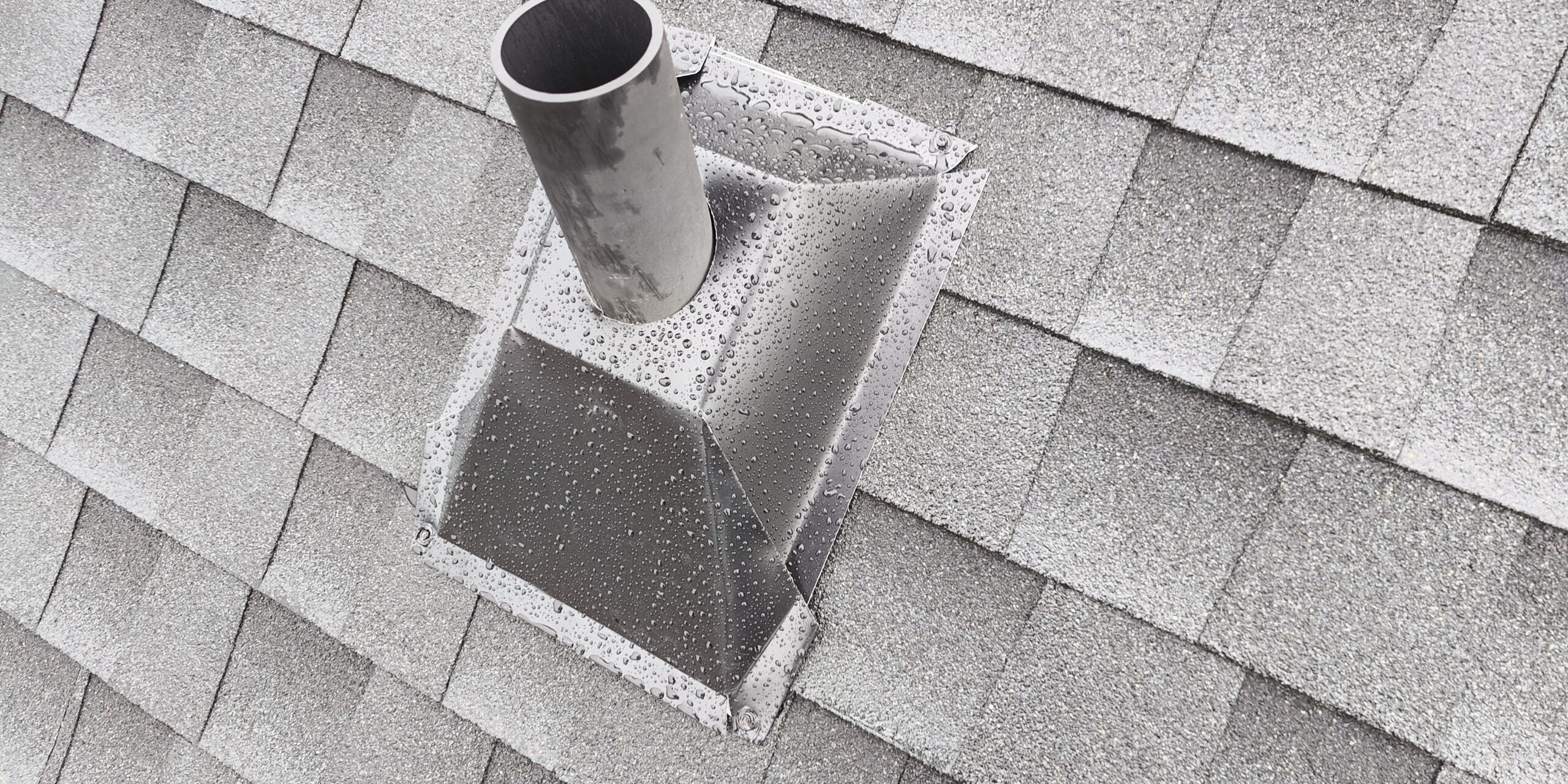
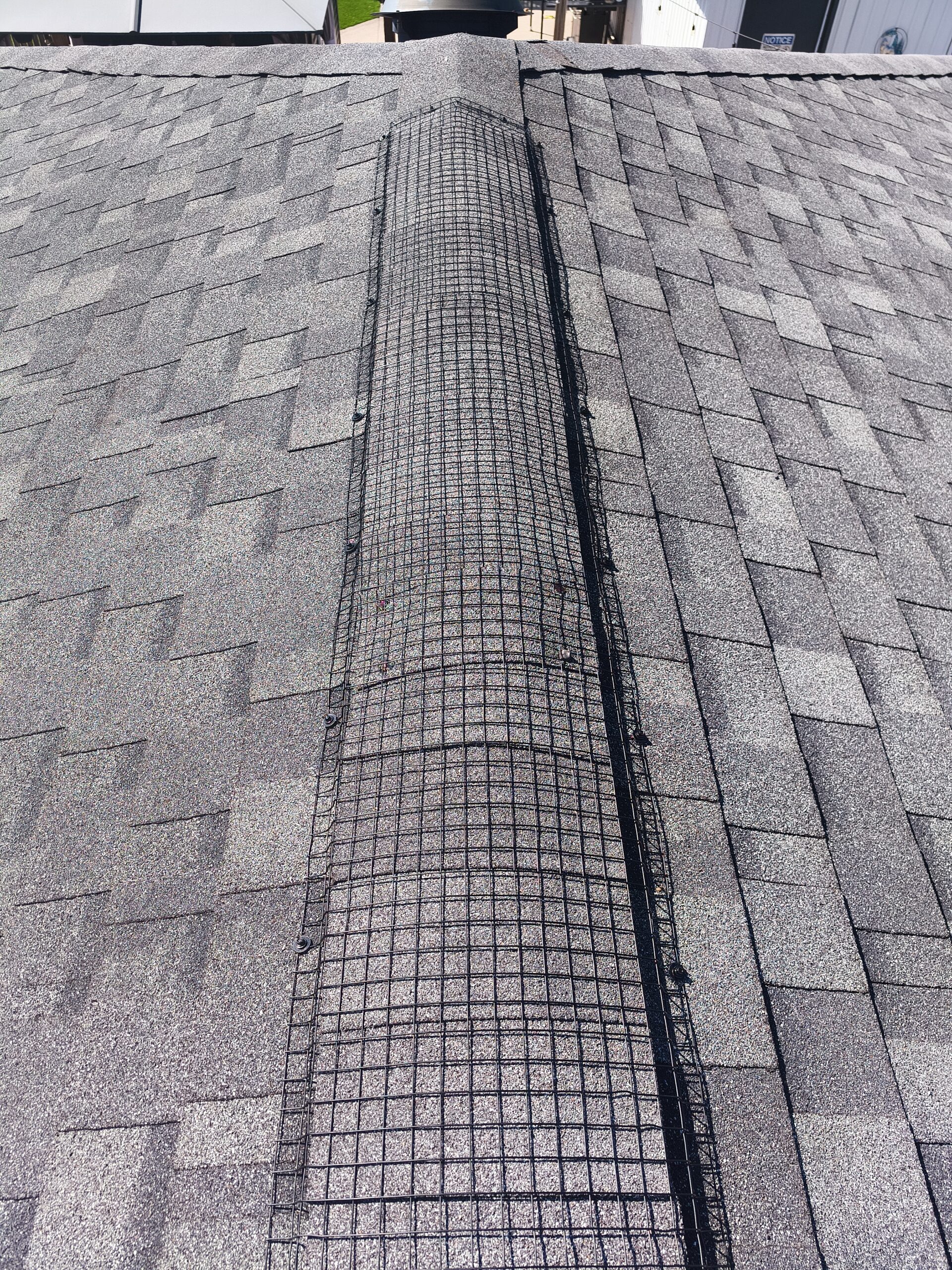
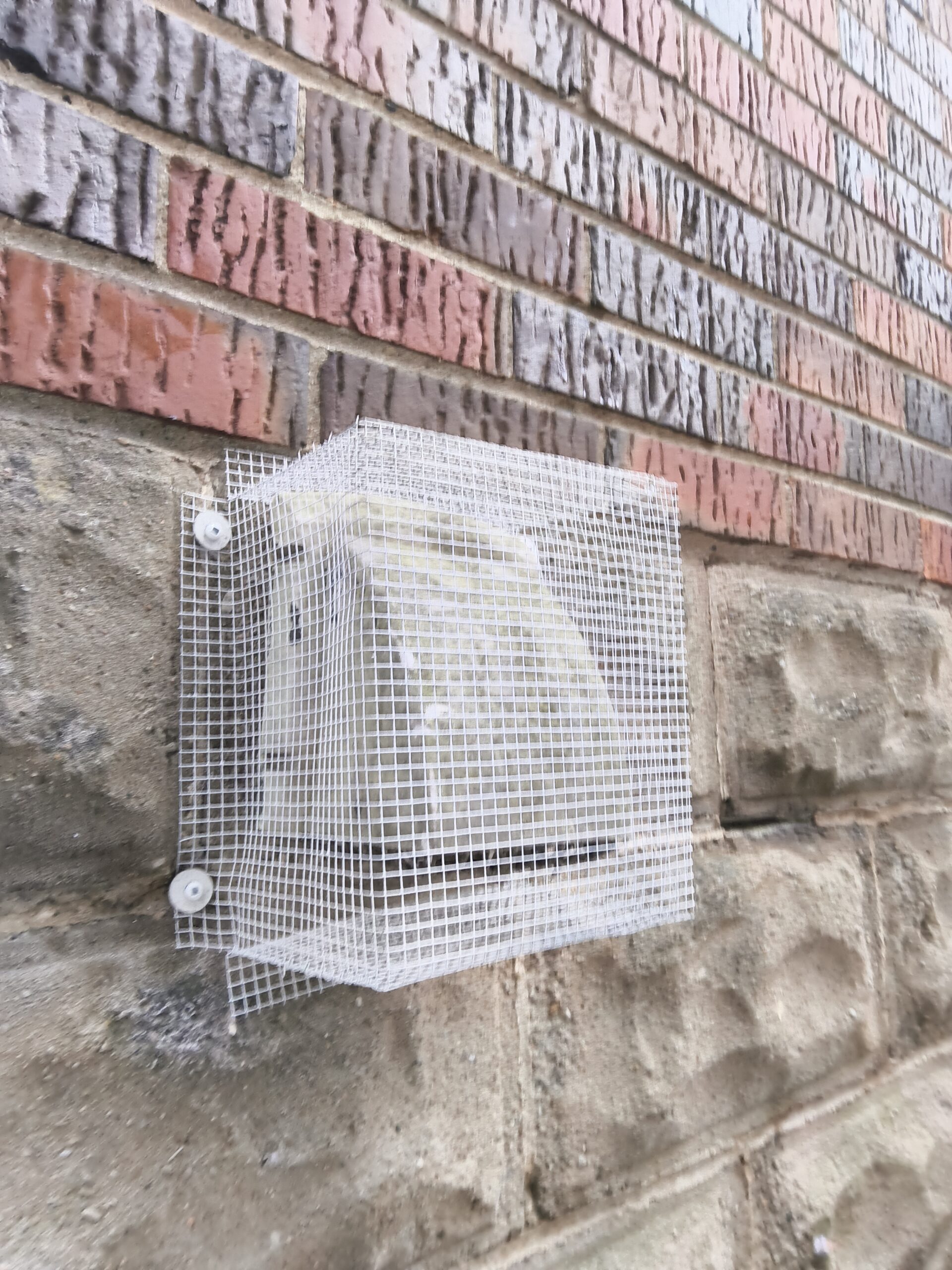
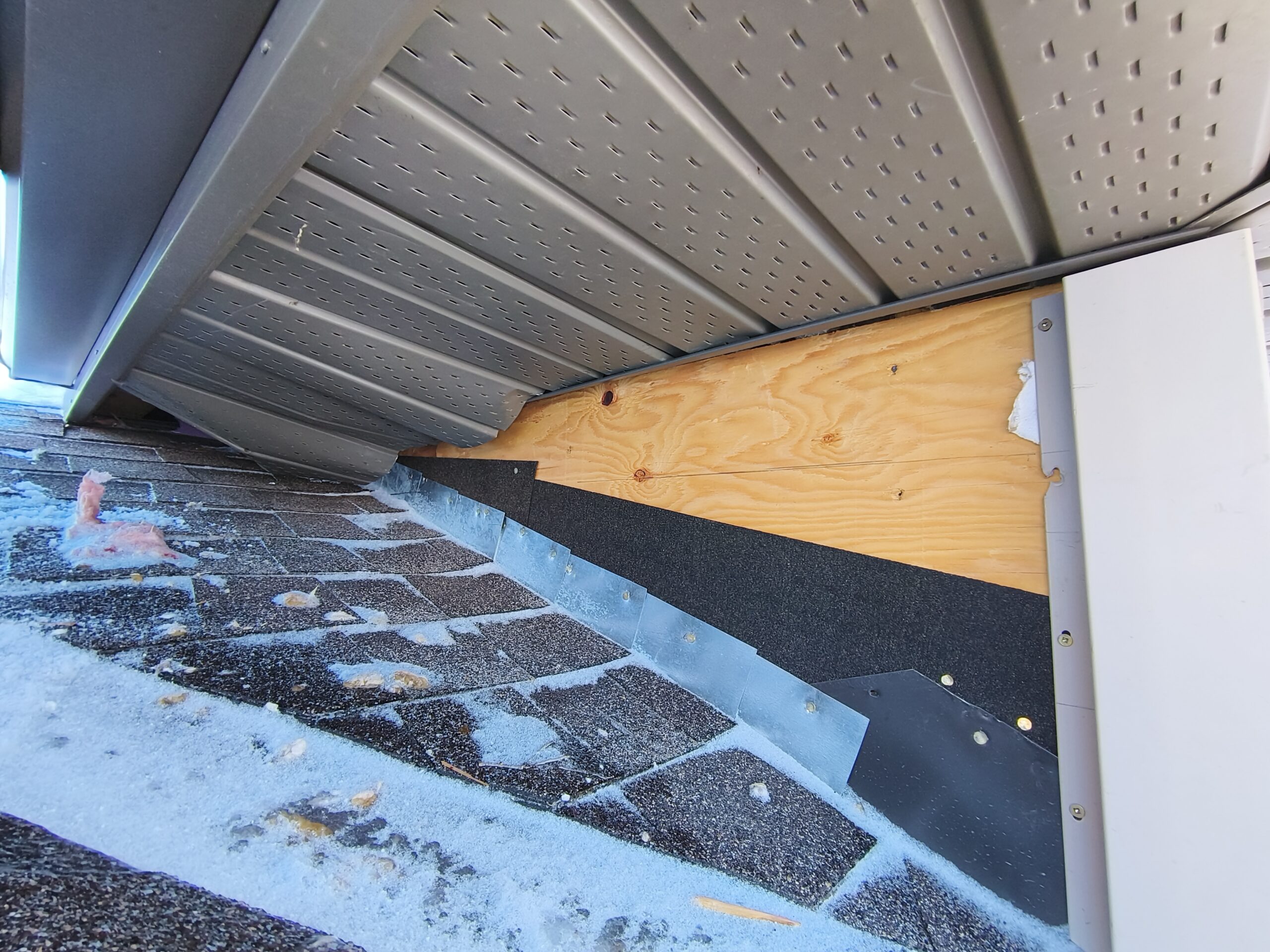
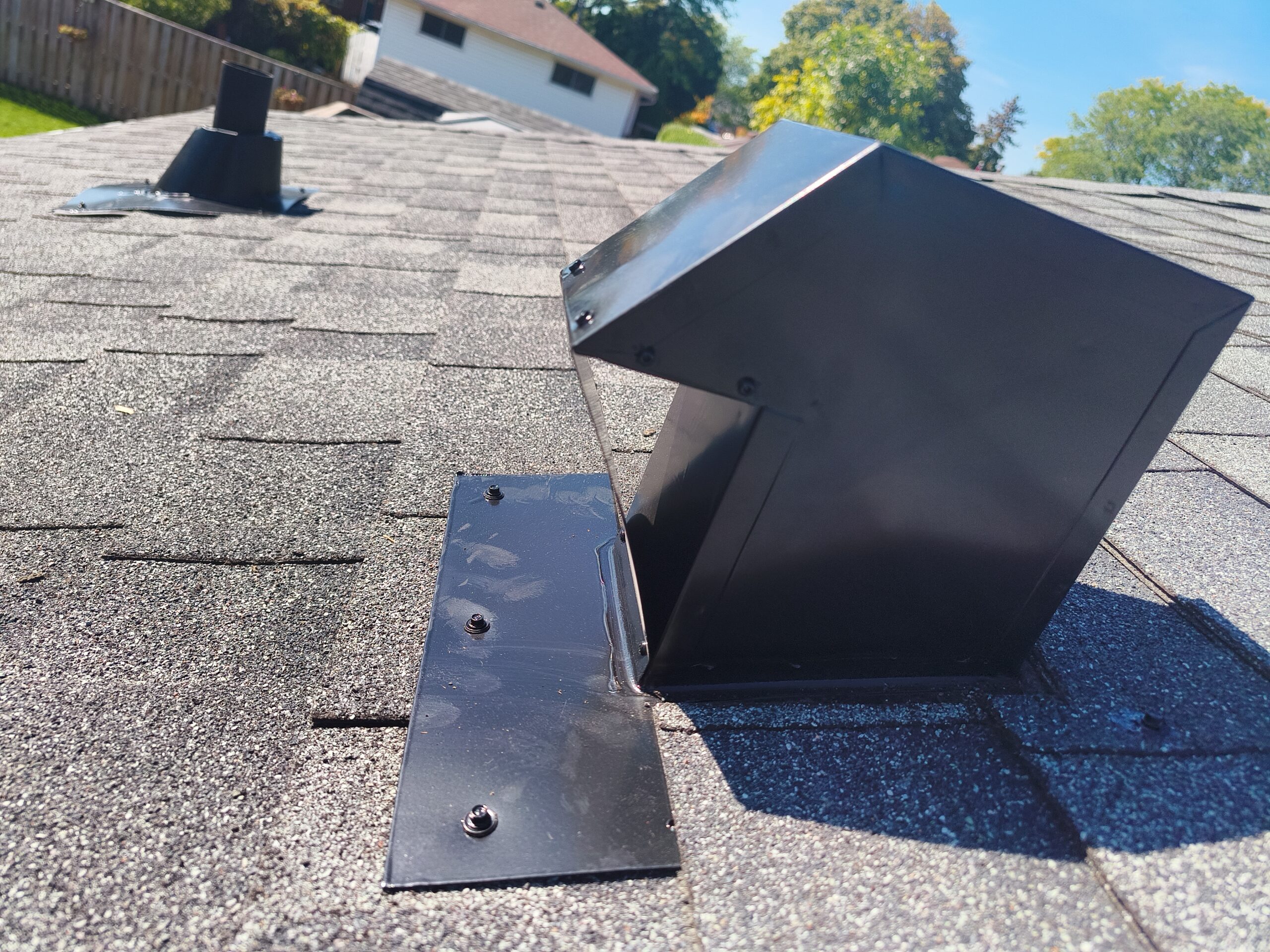
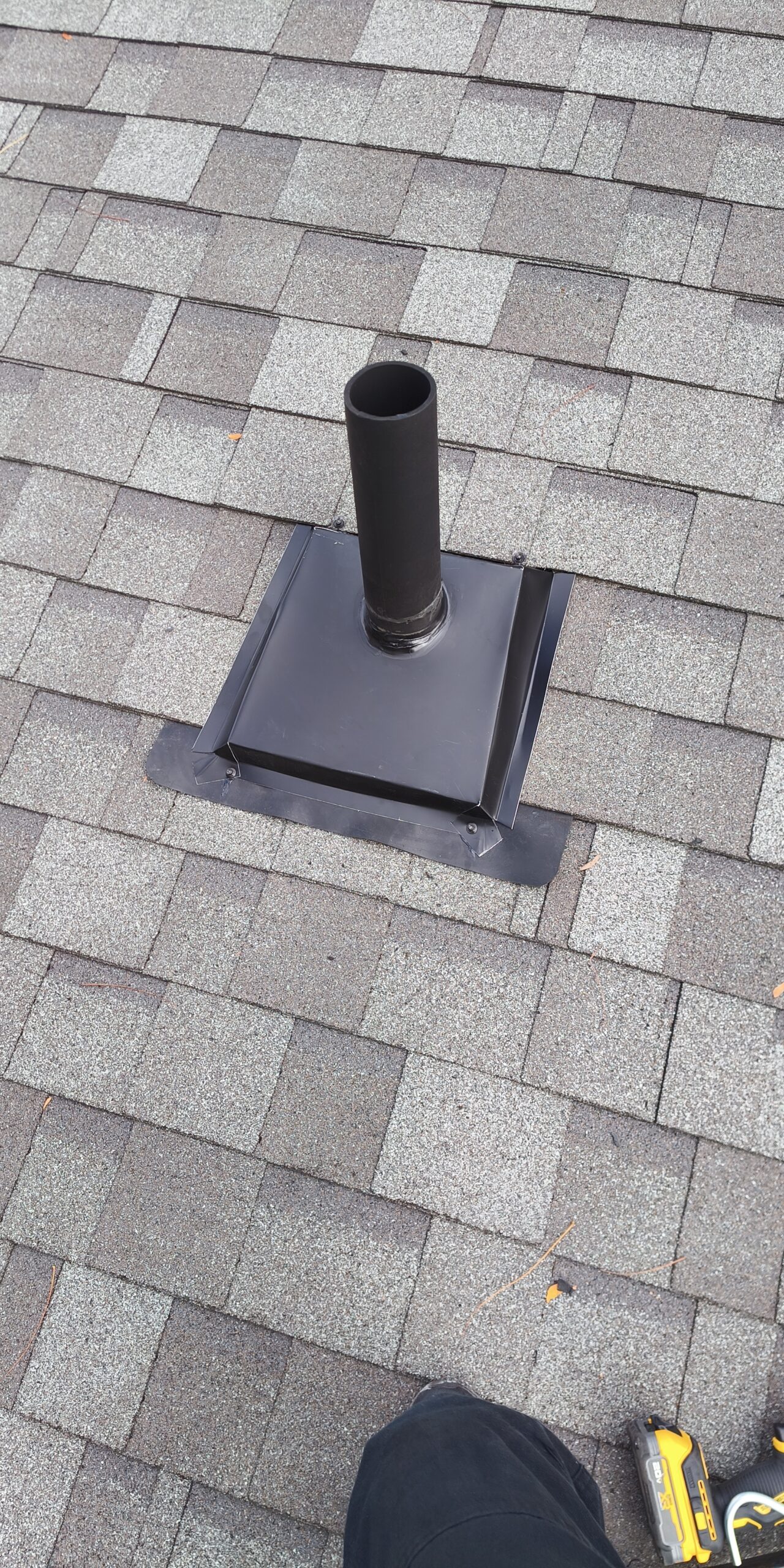
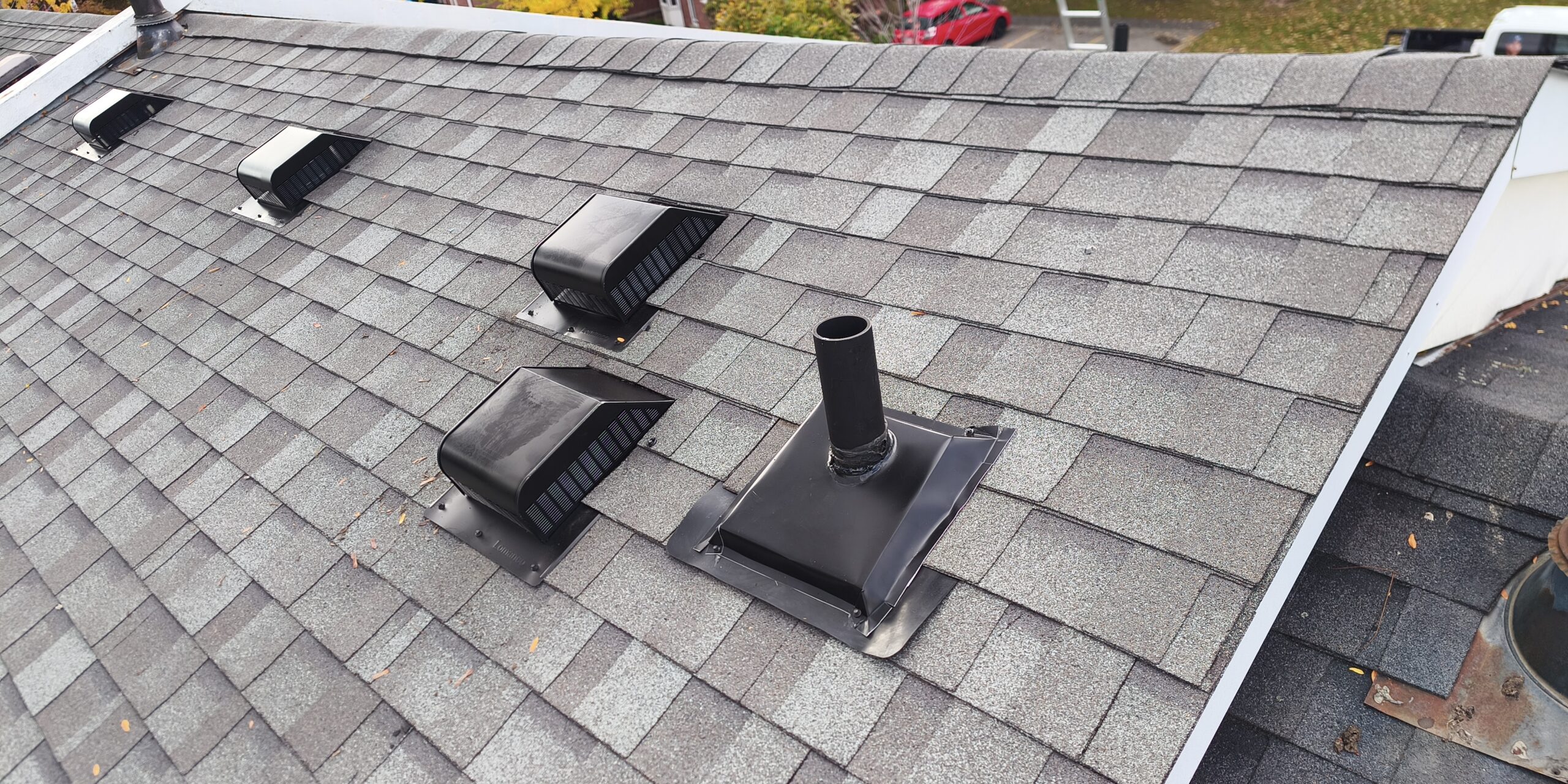
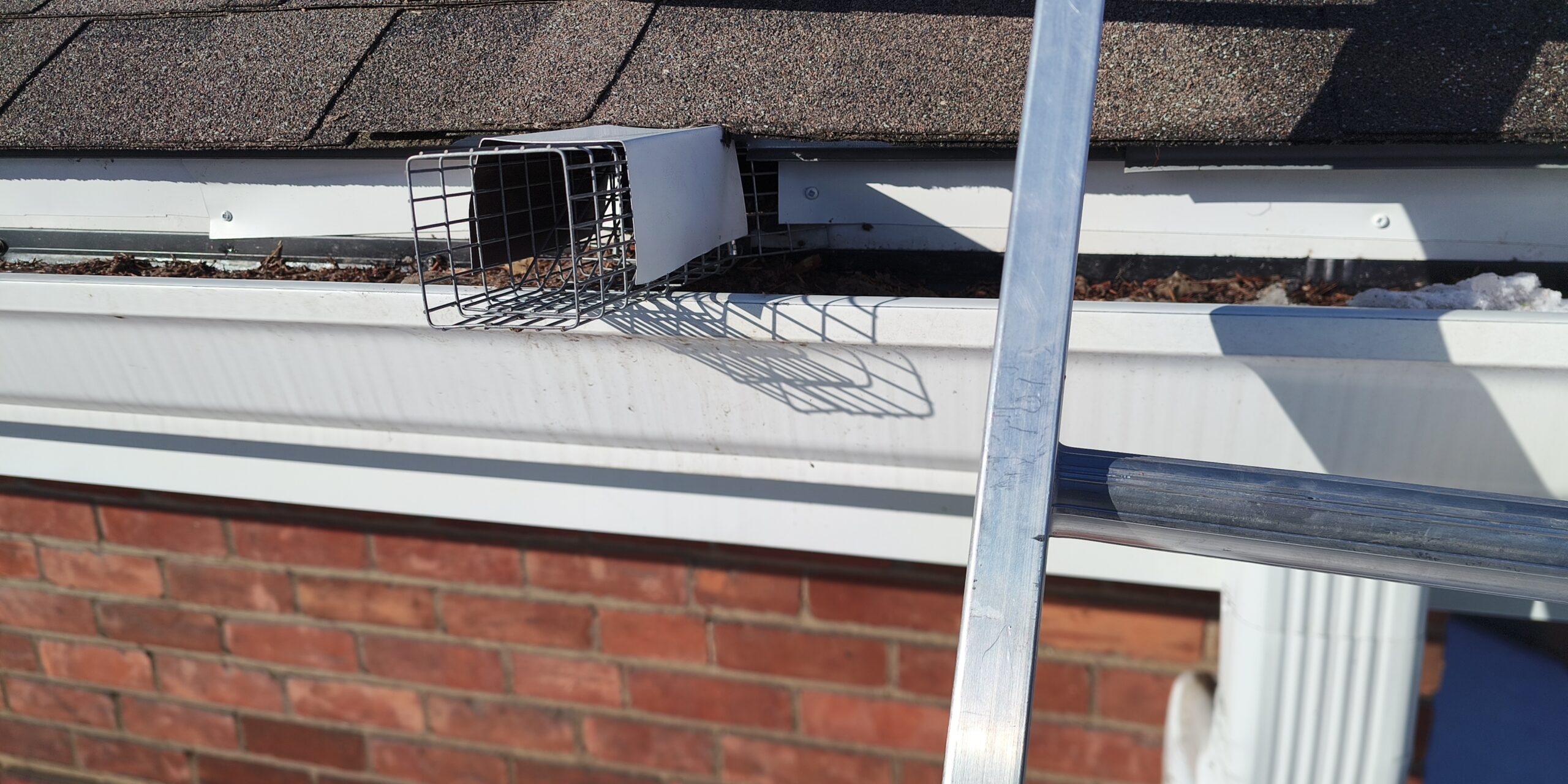
- The eviction is half the work. Our wildlife control crew repairs the soffit or vent the raccoon used, then screens every other weak point on the roof so the next animal cannot follow.
- Our Satisfaction Guarantee covers residential and commercial clients alike. If another company left you with a raccoon still upstairs, we will finish the job properly.
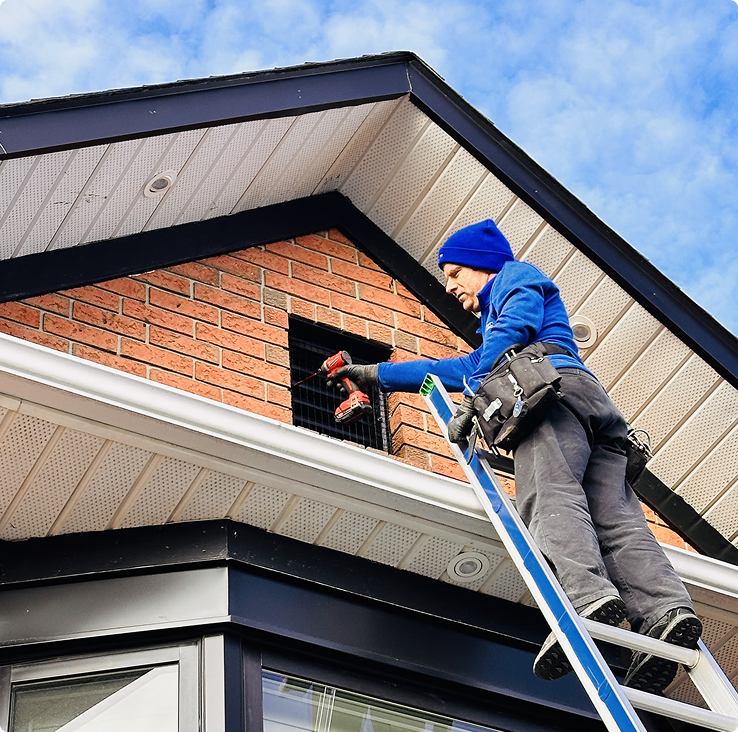
What Sets Our Crew Apart
A humane approach to raccoons in Niagara Falls houses and businesses, with no poison, no harm, and no repeat visits.
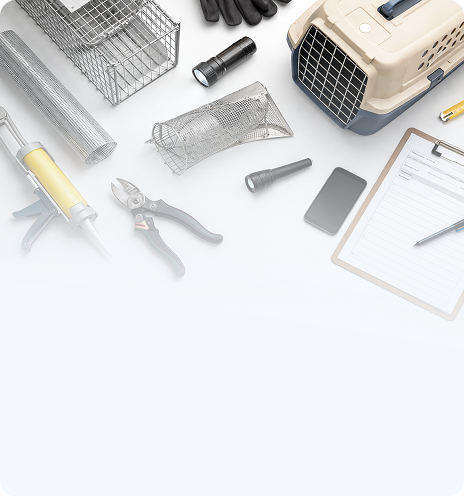
Female raccoons give birth in Niagara Falls attics from March through June. Our technicians locate the kits by hand and reunite them with their mother outside the entry point, so she carries them to a backup den on her own schedule.
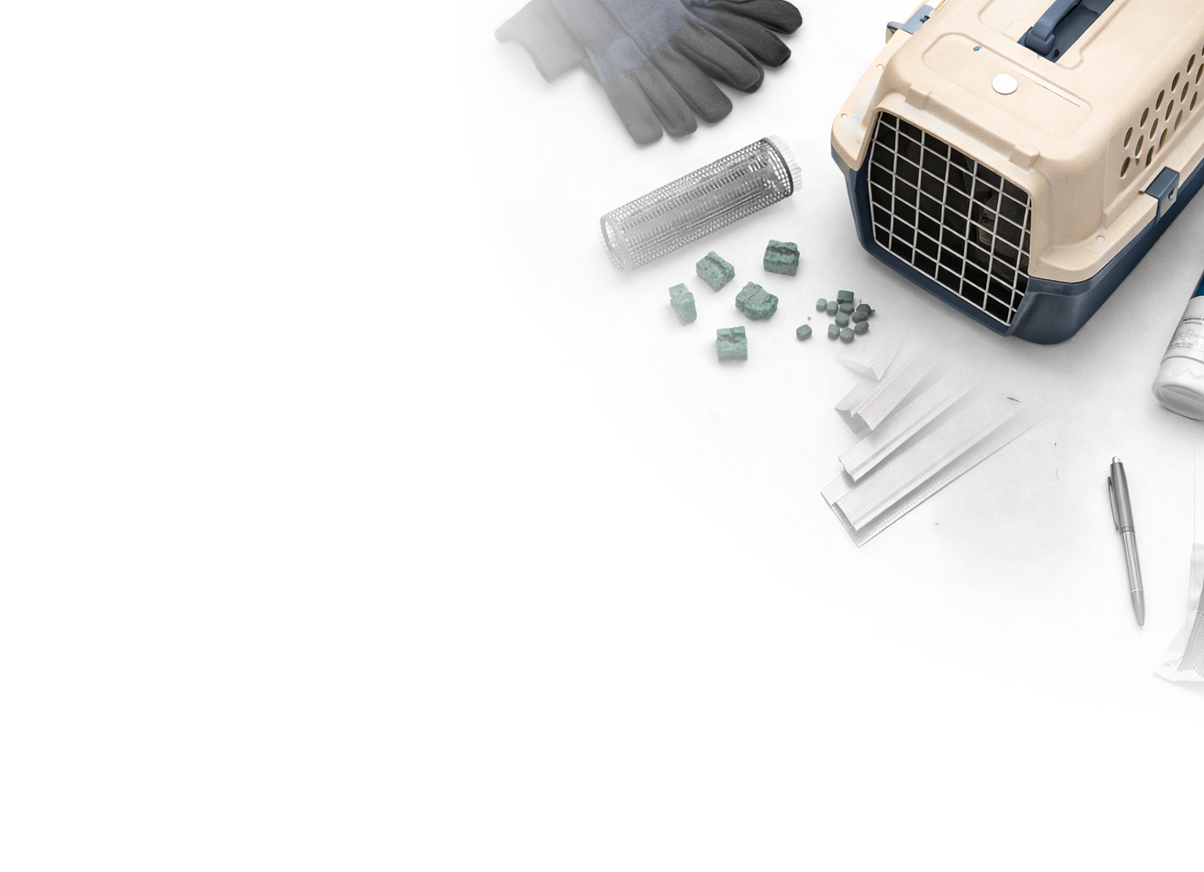
One-way doors let the raccoon leave for its nightly forage and lock behind it, with no traps that cause unnecessary harm and nothing toxic near your family or pets. We also restore chewed wiring, soiled insulation, and torn roofing once the attic is empty.
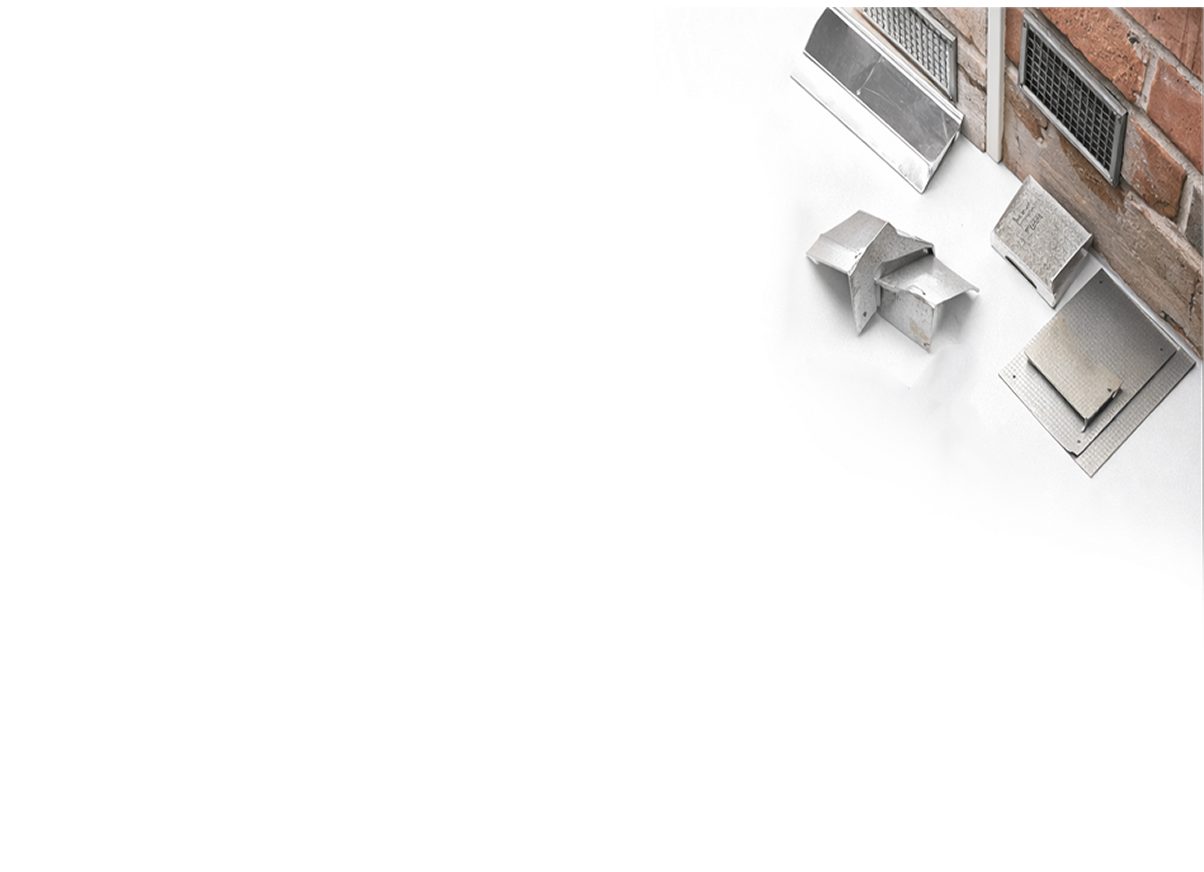
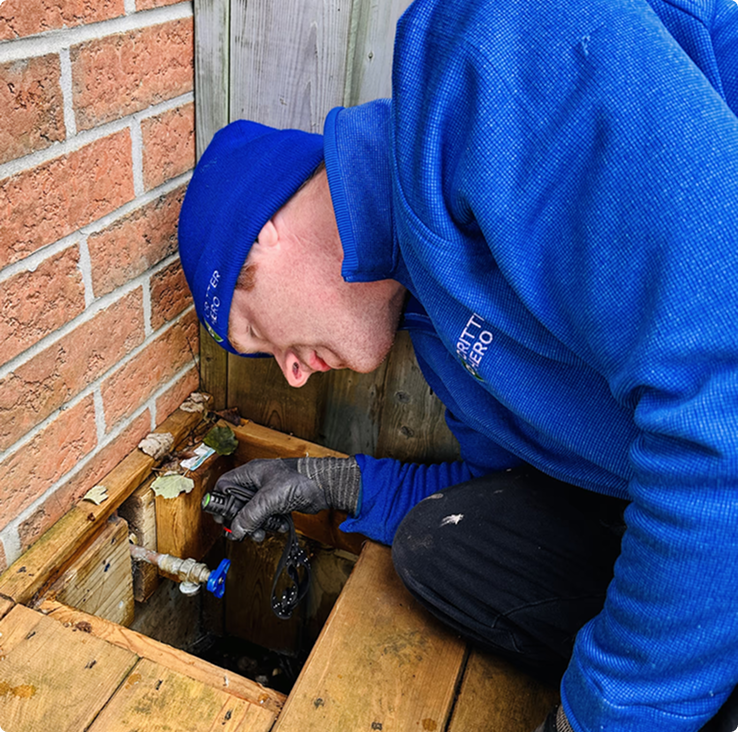
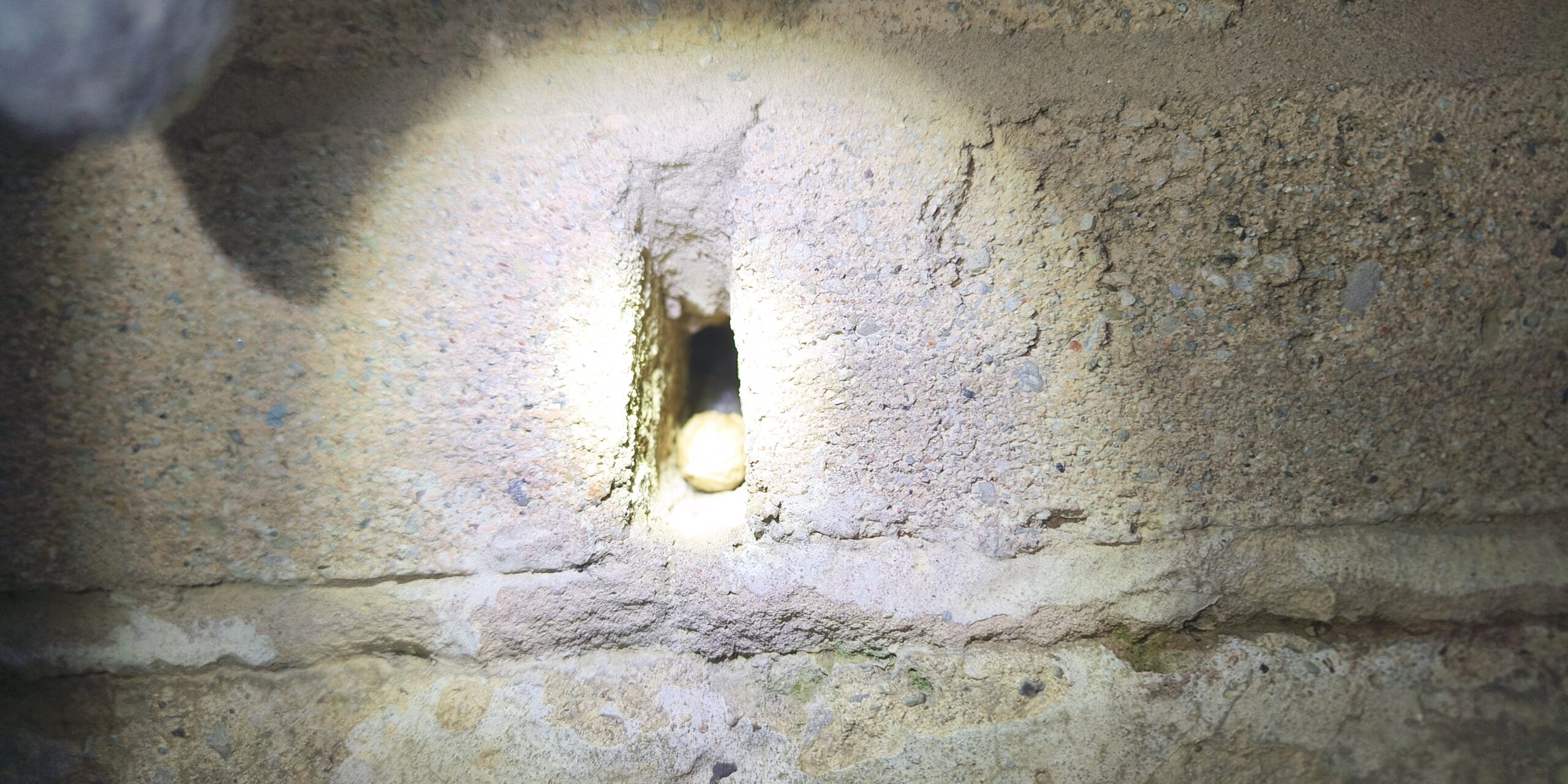
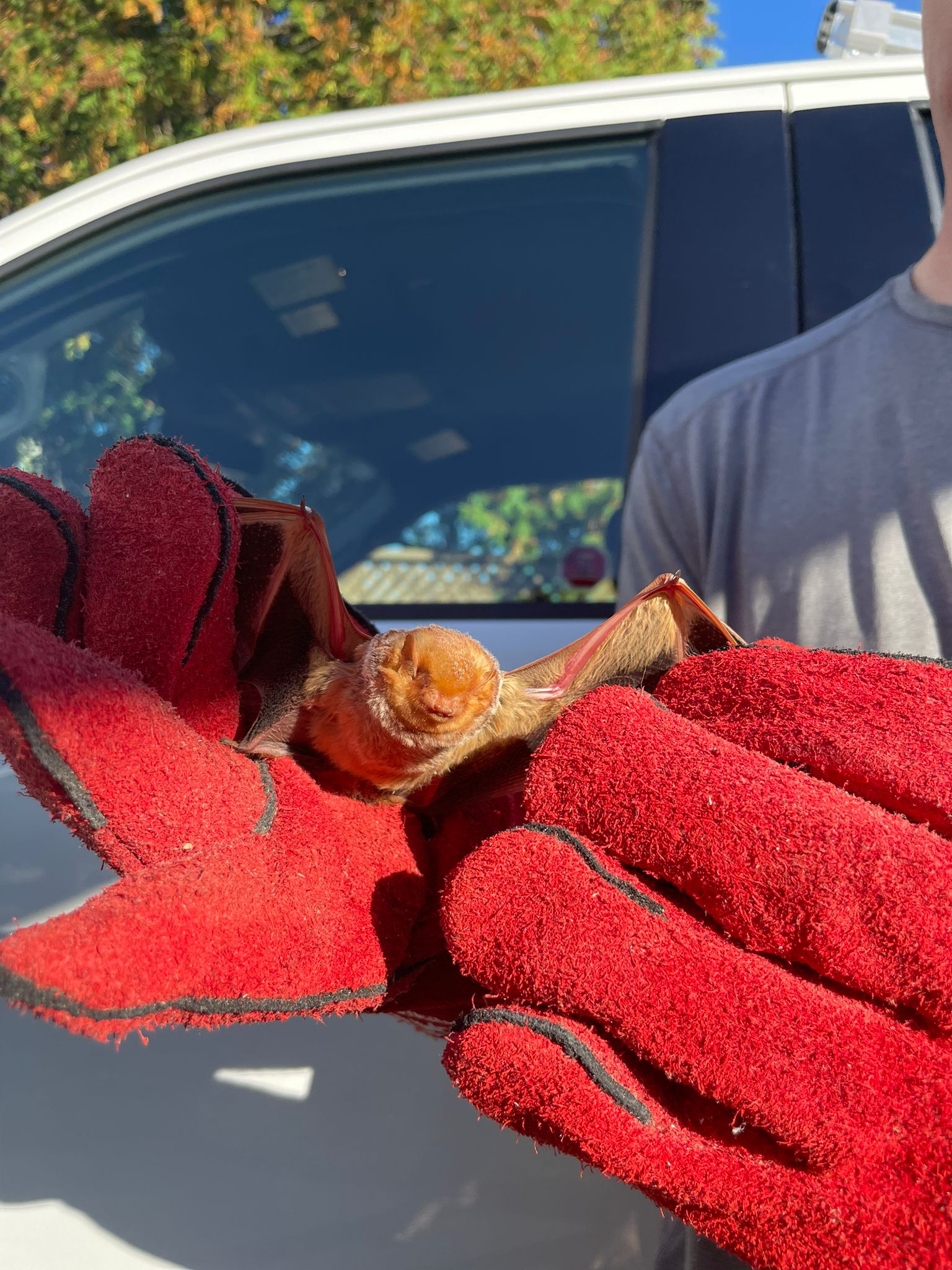
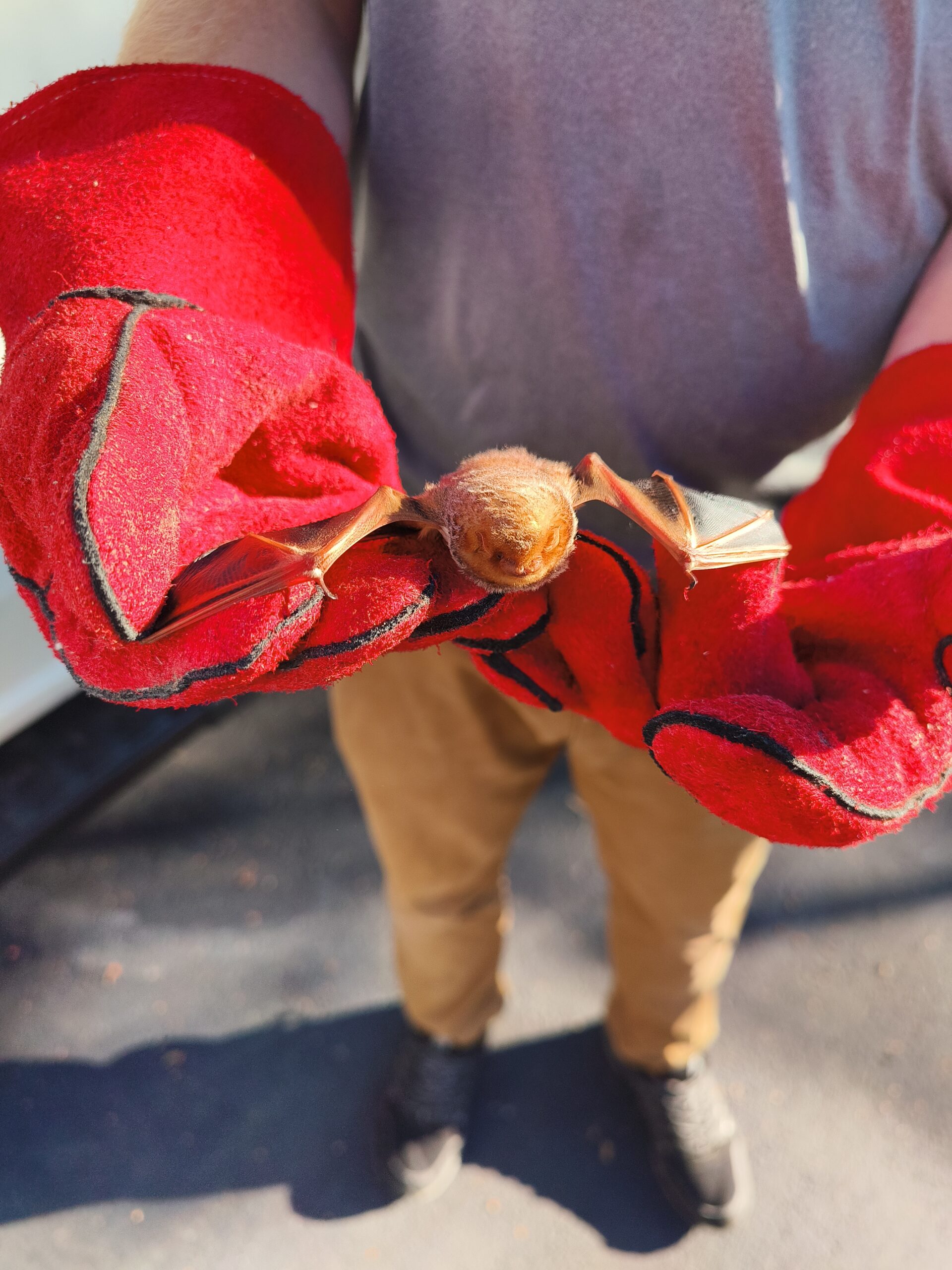
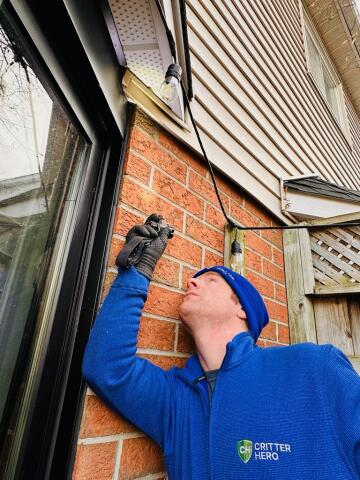
Before any door goes up, we check roof vents, chimney caps, soffit returns, and deck skirting, then map how the raccoon got in, how much damage it has done, and whether other wild animals such as skunks, bats, or birds are using the same access points.


Why Raccoons Thrive in Niagara Falls
Raccoons settle here because water, cover, and calories sit within a few blocks of nearly every home, and because the region has run out of woodland habitat to hold them. Niagara retains only about 12 percent natural cover against a federal guideline of 20 to 30 percent, so the animals are squeezed into the Gorge, Dufferin Islands, and the parkway strips, and then into the houses beside them. The Niagara River supplies water, and restaurant waste behind the Clifton Hill tourist district feeds them year round, topped up by garbage bins, pet food, bird feeders, and fallen fruits in nearby yards.
Winter finishes the job. Environment Canada records 130 nights a year at or below freezing in Niagara Falls and 45.9 full days that never climb above zero, and raccoons here do not truly hibernate. They drop into shallow torpor and need an insulated cavity to do it in, which is what an attic is. That is why the calls spike after the first frost, which arrives around November 4 on average.
Signs a Raccoon Has Moved In
The clearest sign is weight. A raccoon walks, so you hear slow, heavy footsteps and thumping over the ceiling after dusk, where a squirrel gives you light scampering at dawn. In spring you also hear the chattering of a litter. Walk the outside of the house and these five signs confirm it.
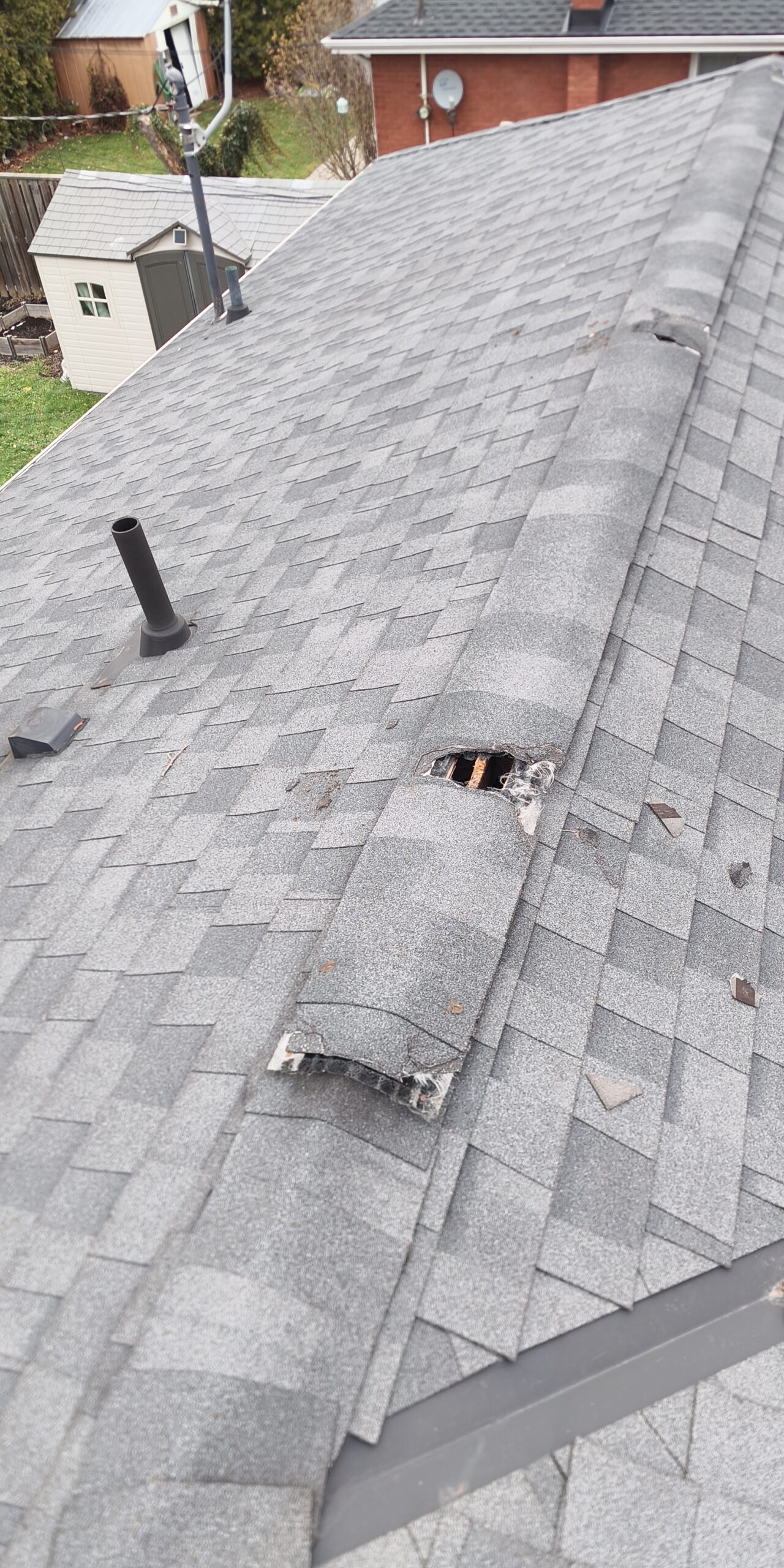
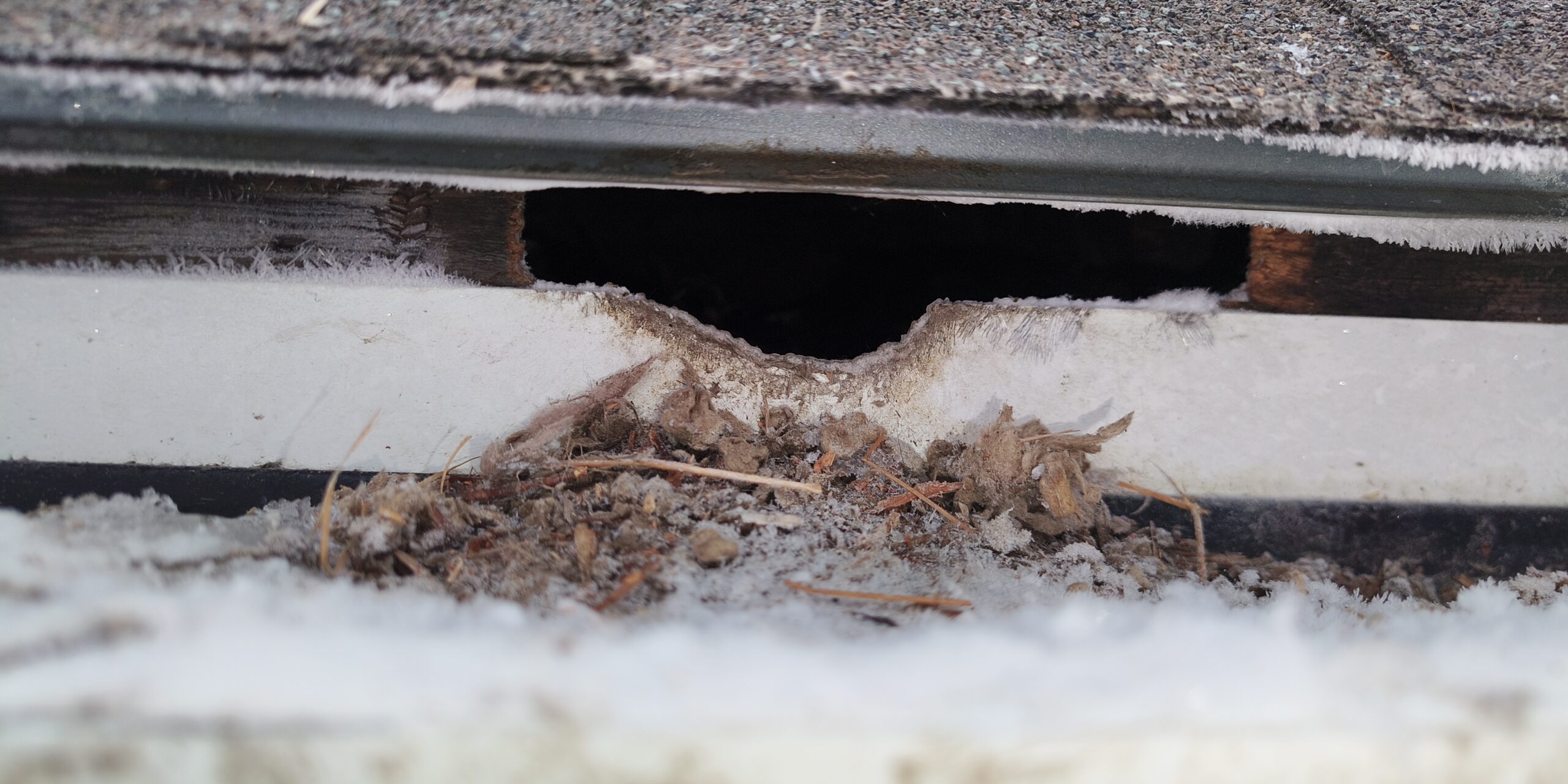
- A roof vent, soffit panel, or chimney cap torn open, often with fur on the edge
- Muddy paw prints and smudge marks on downspouts, deck posts, siding, or overhanging trees
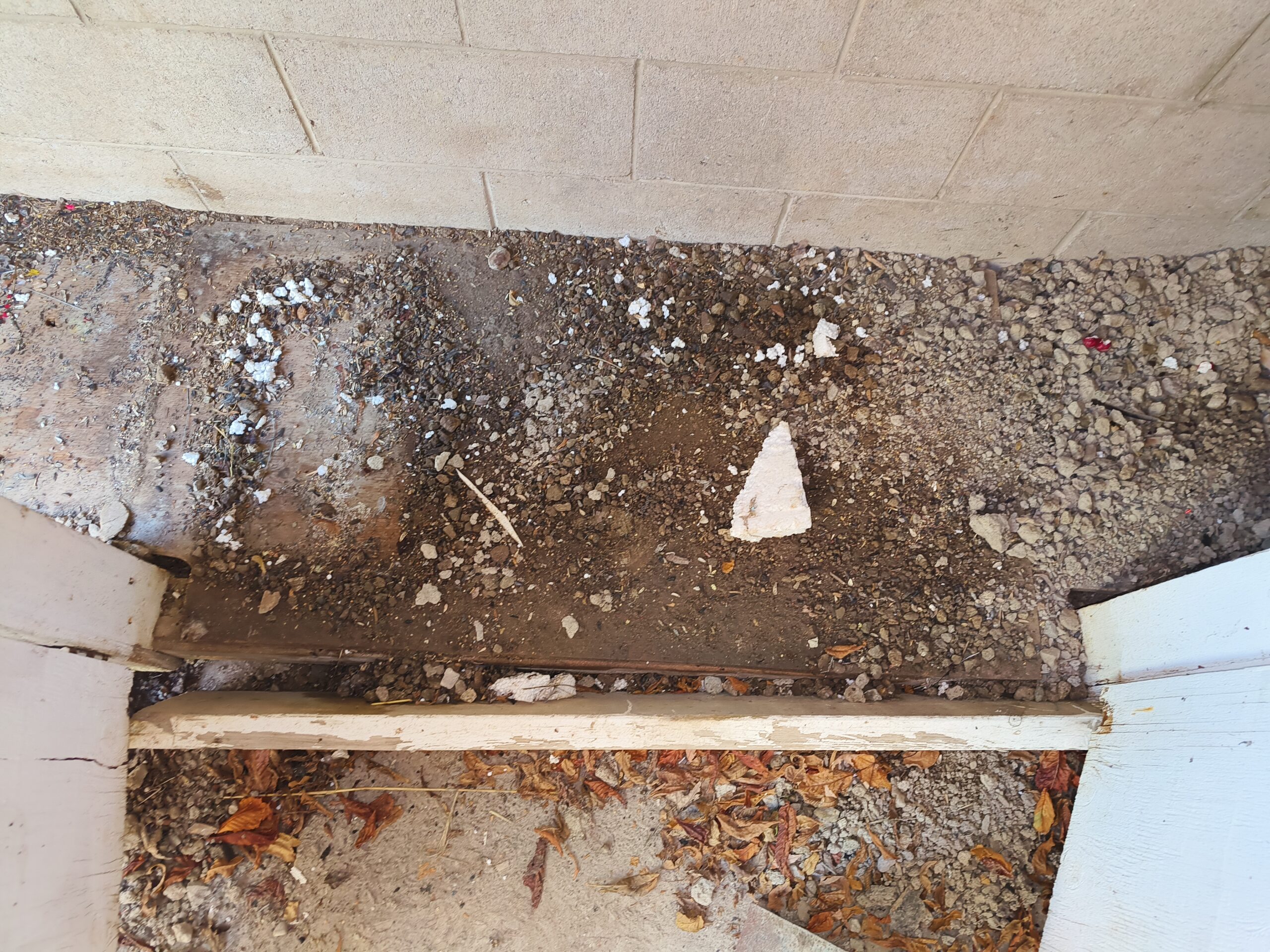
- A latrine of droppings on the roof, in the eavestrough, or in one attic corner
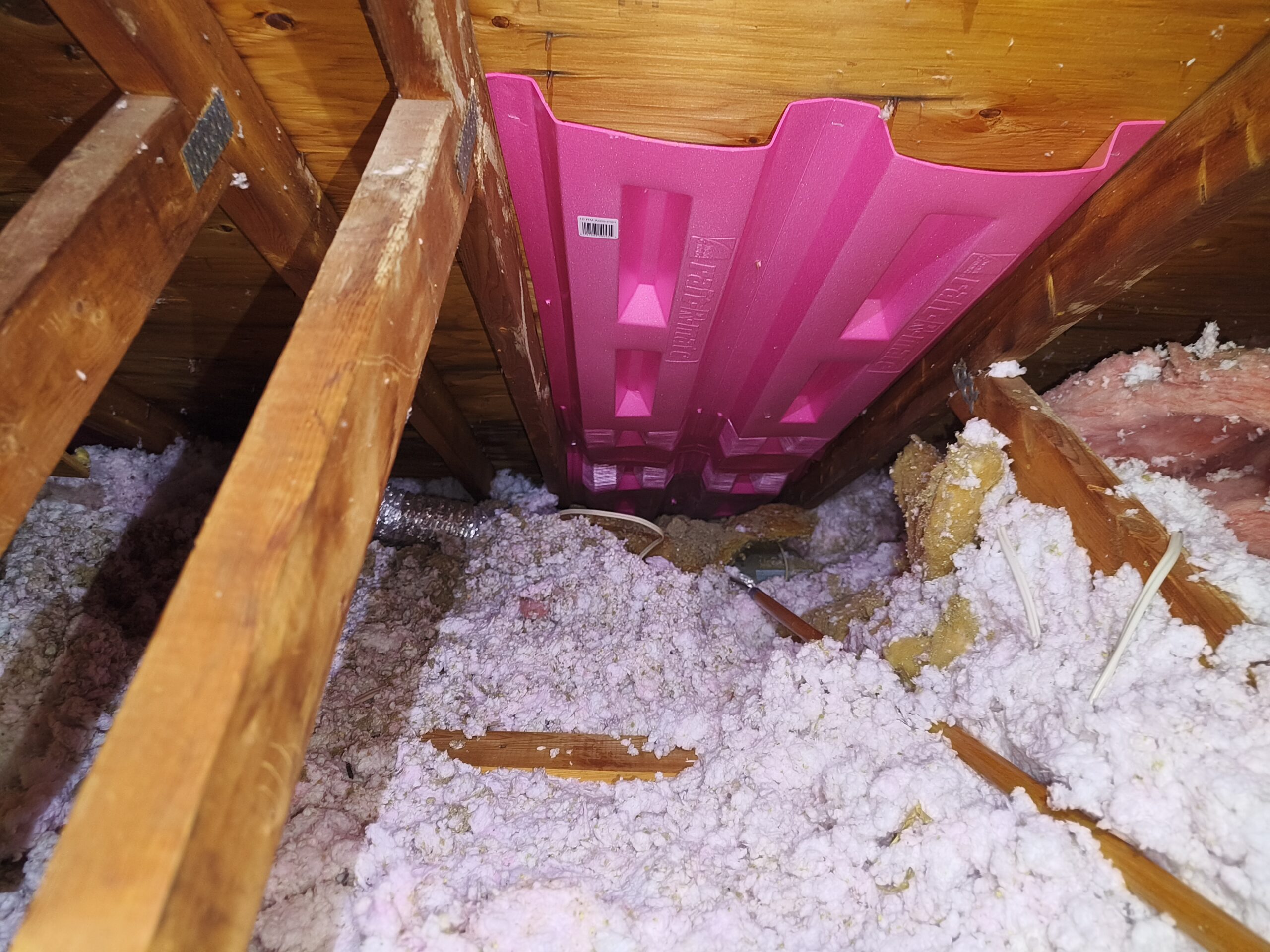
- Insulation pushed flat where the animal beds down, visible from the hatch
- Tipped green bins and sod rolled back in the yard where raccoons dig for grubs
Where We Find Their Dens
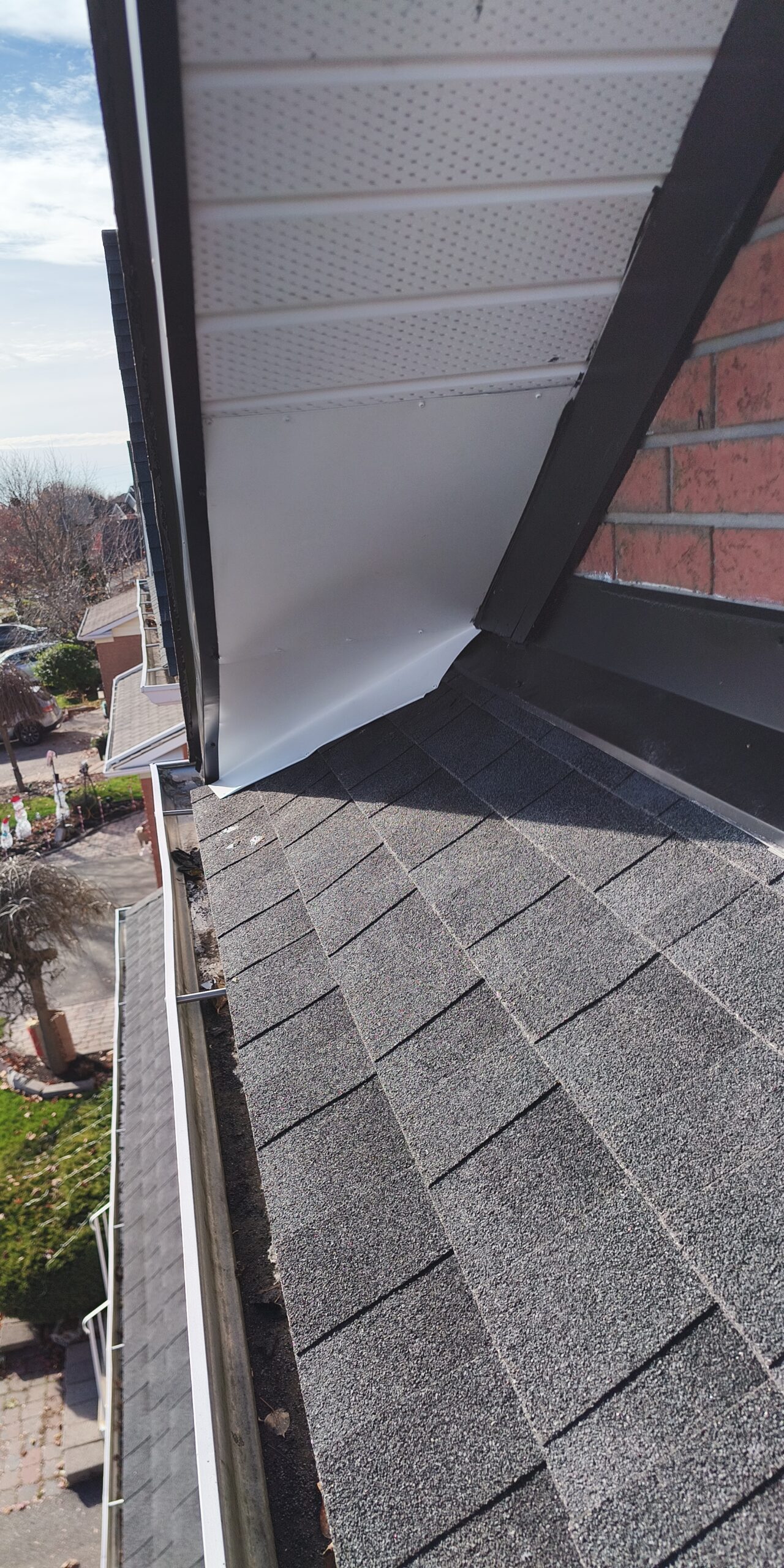
Attics are the den site in most of our Niagara Falls raccoon jobs, followed by uncapped chimneys, then ground dens under decks and porches. The animal usually enters at a roof vent or the gap where a lower roof meets a wall, then creates a nest on the insulation near a warm chimney chase. Open flues in the older brick homes along Lundy’s Lane and Main Street come next.
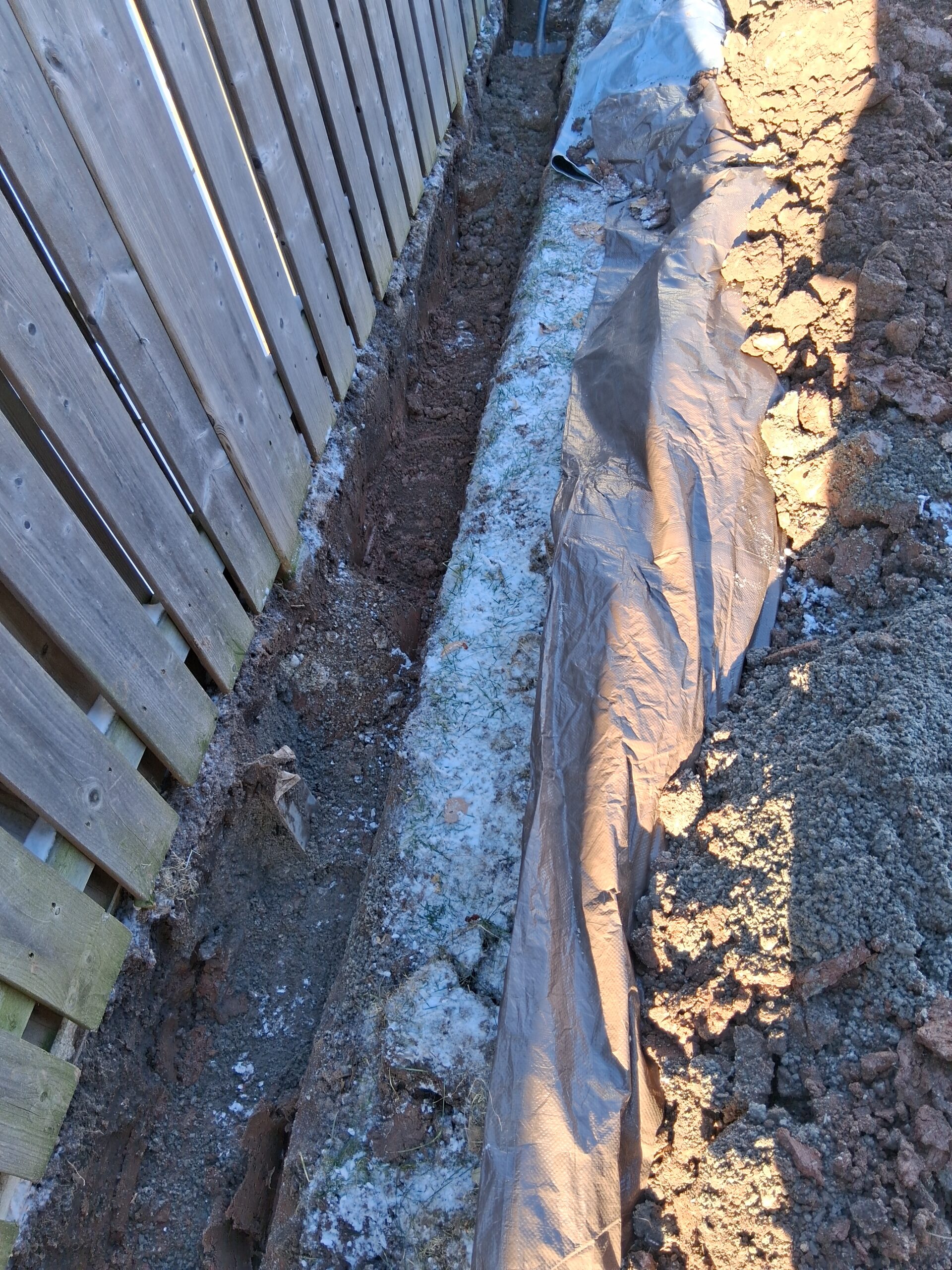
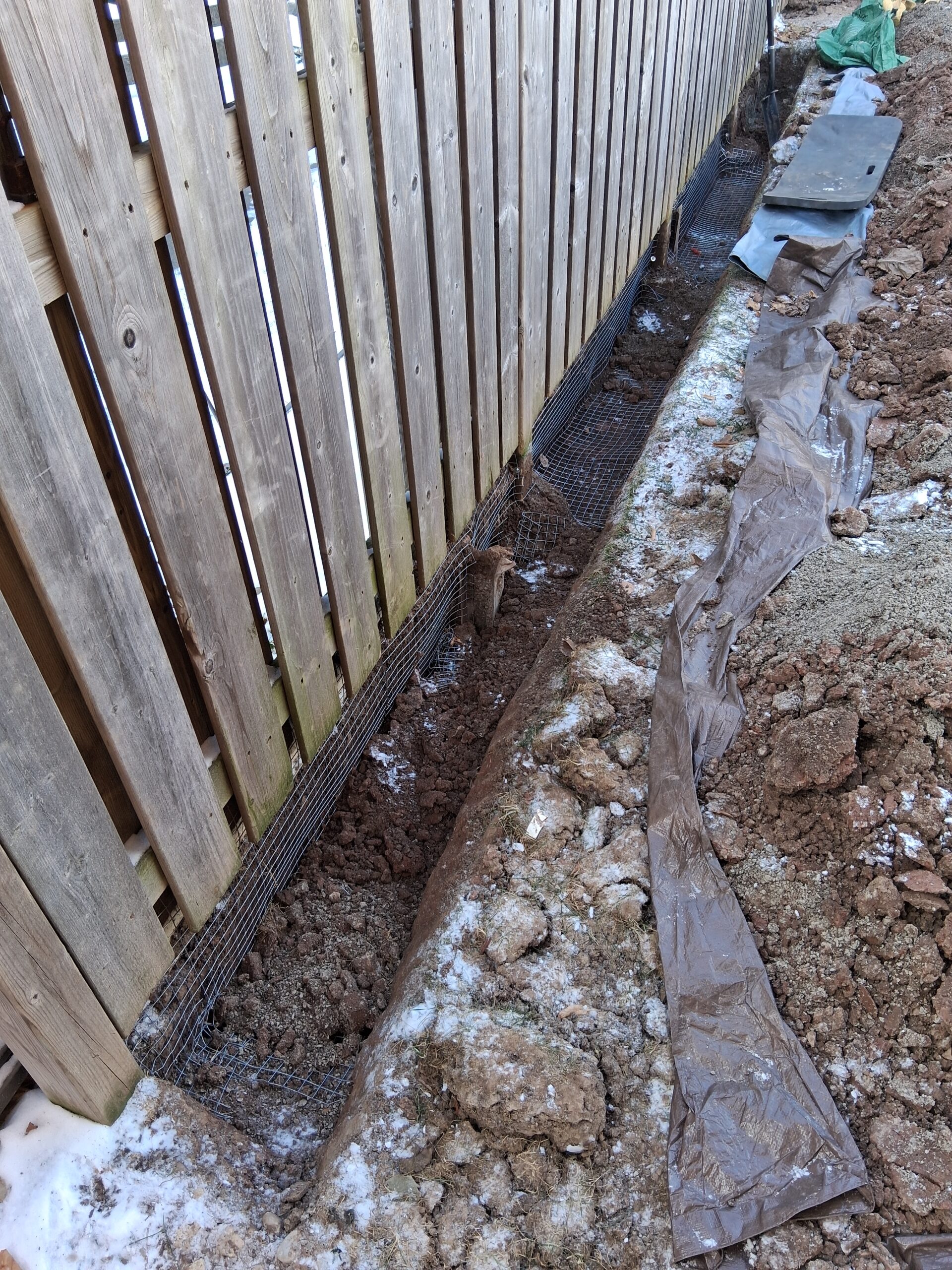
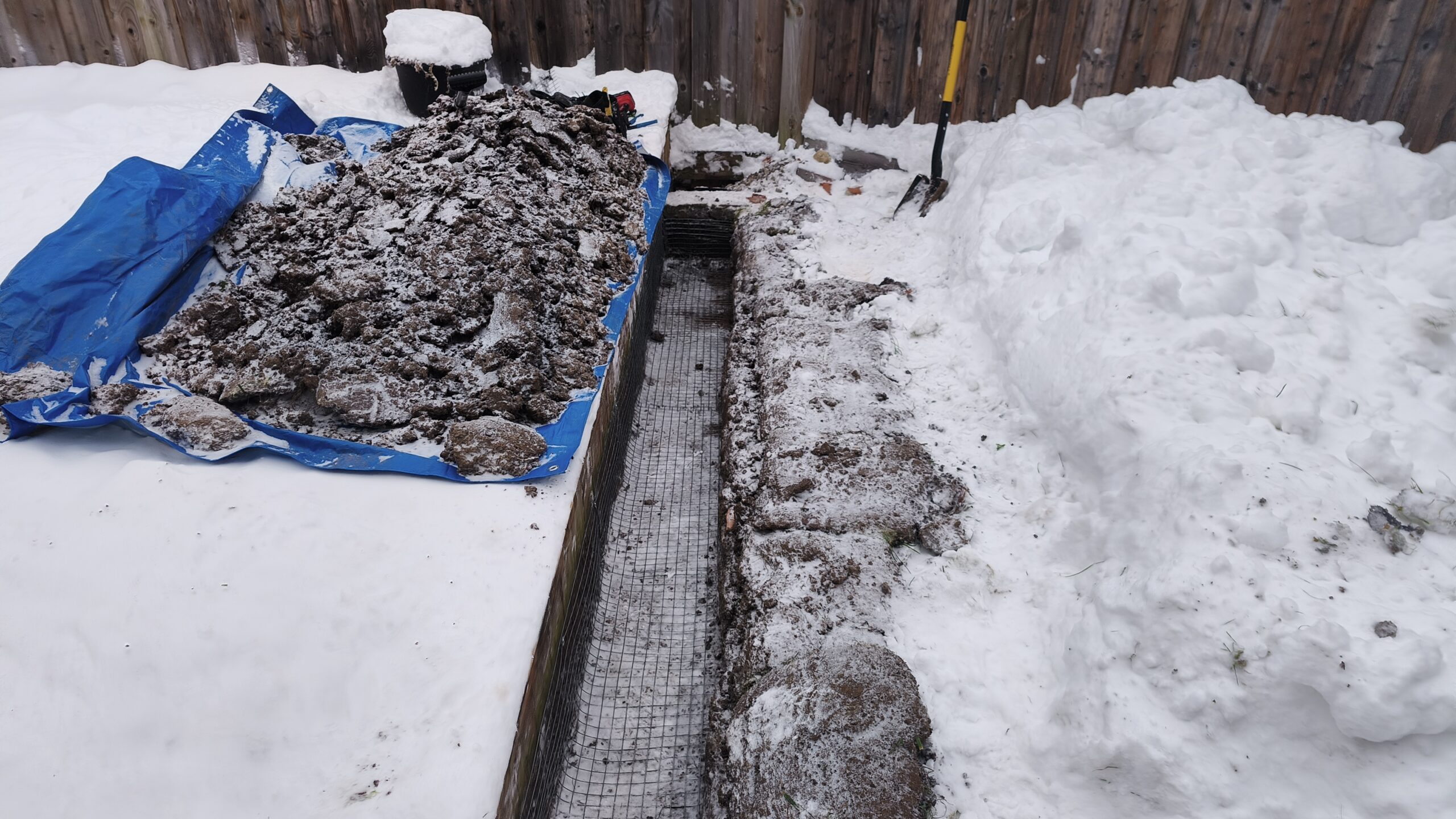
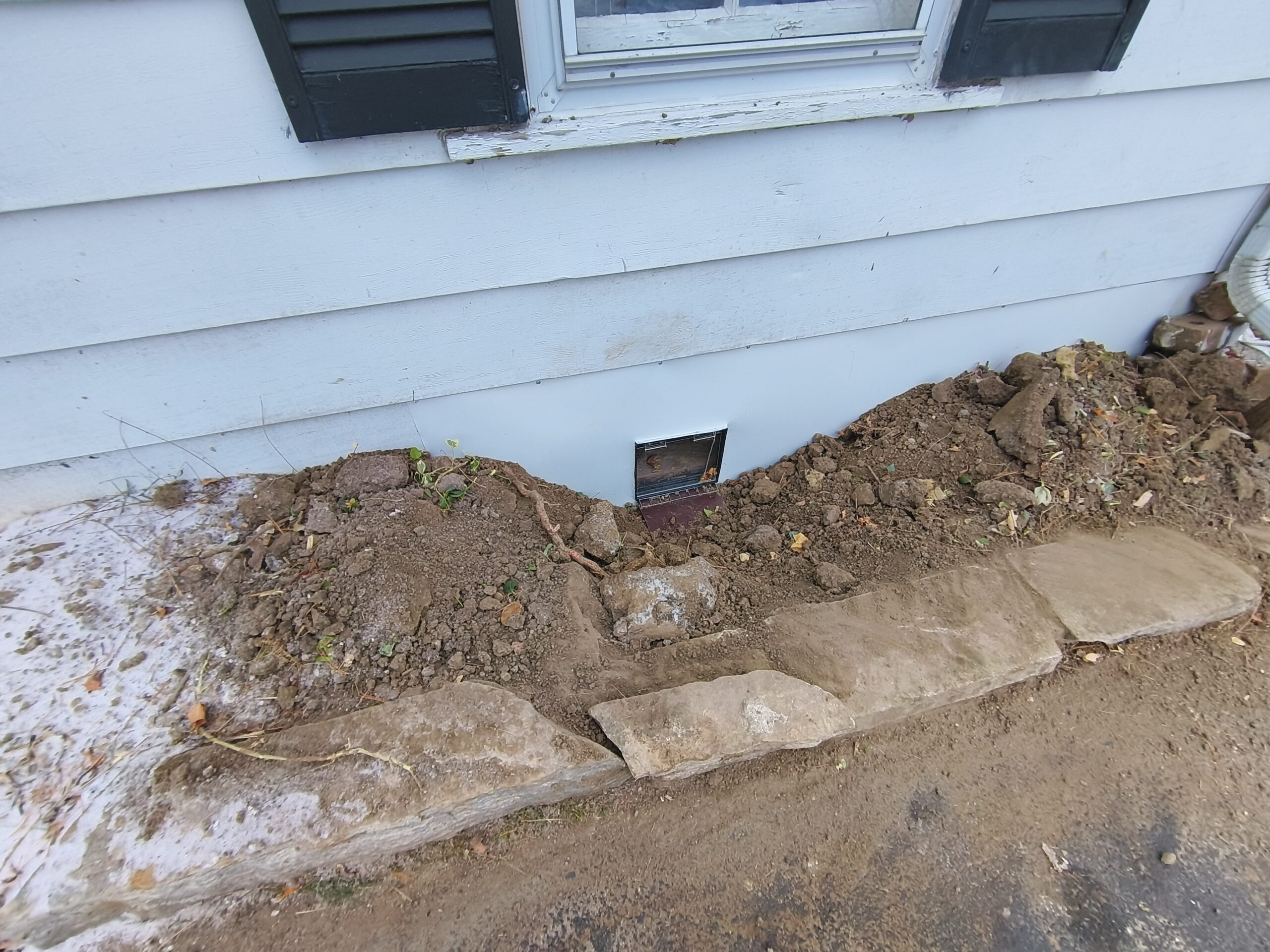
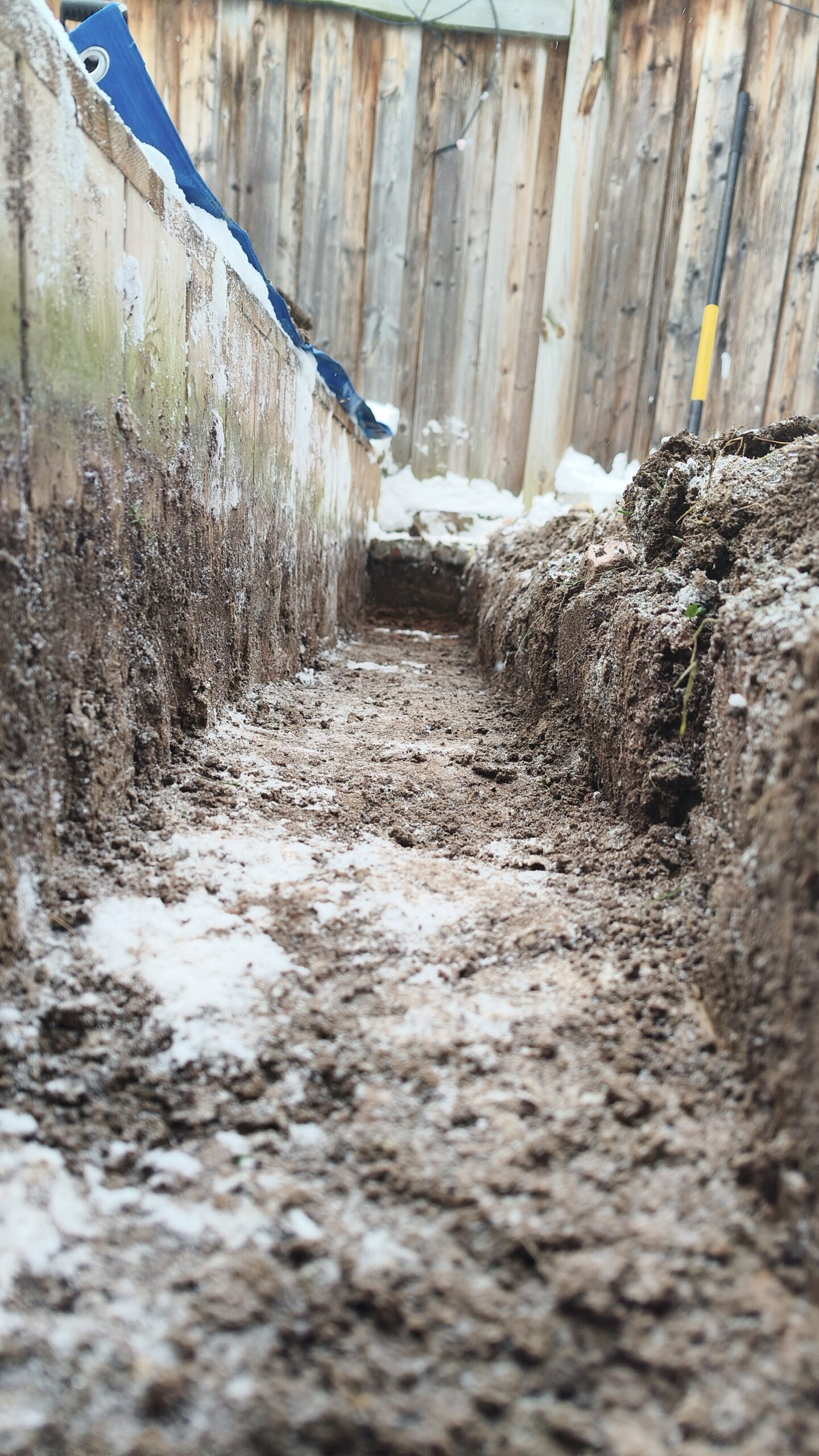
The rest are ground-level dens. Raccoons dig under decks, sheds, and front porches, and they will use an open crawl space vent or a rotted rim joist to get under an addition. In summer we also find mothers with kits inside garages and in the gap behind a garden shed.
How Our Raccoon Removal Works
Every job runs on three steps, inspect, evict, then repair and seal, adjusted for the season and for whether kits are present.
Inspect and confirm the animal: We identify the species from sound, droppings, and entry damage, then trace every current and potential entry point from roof to foundation. In spring we search the attic for a litter before anything else happens.
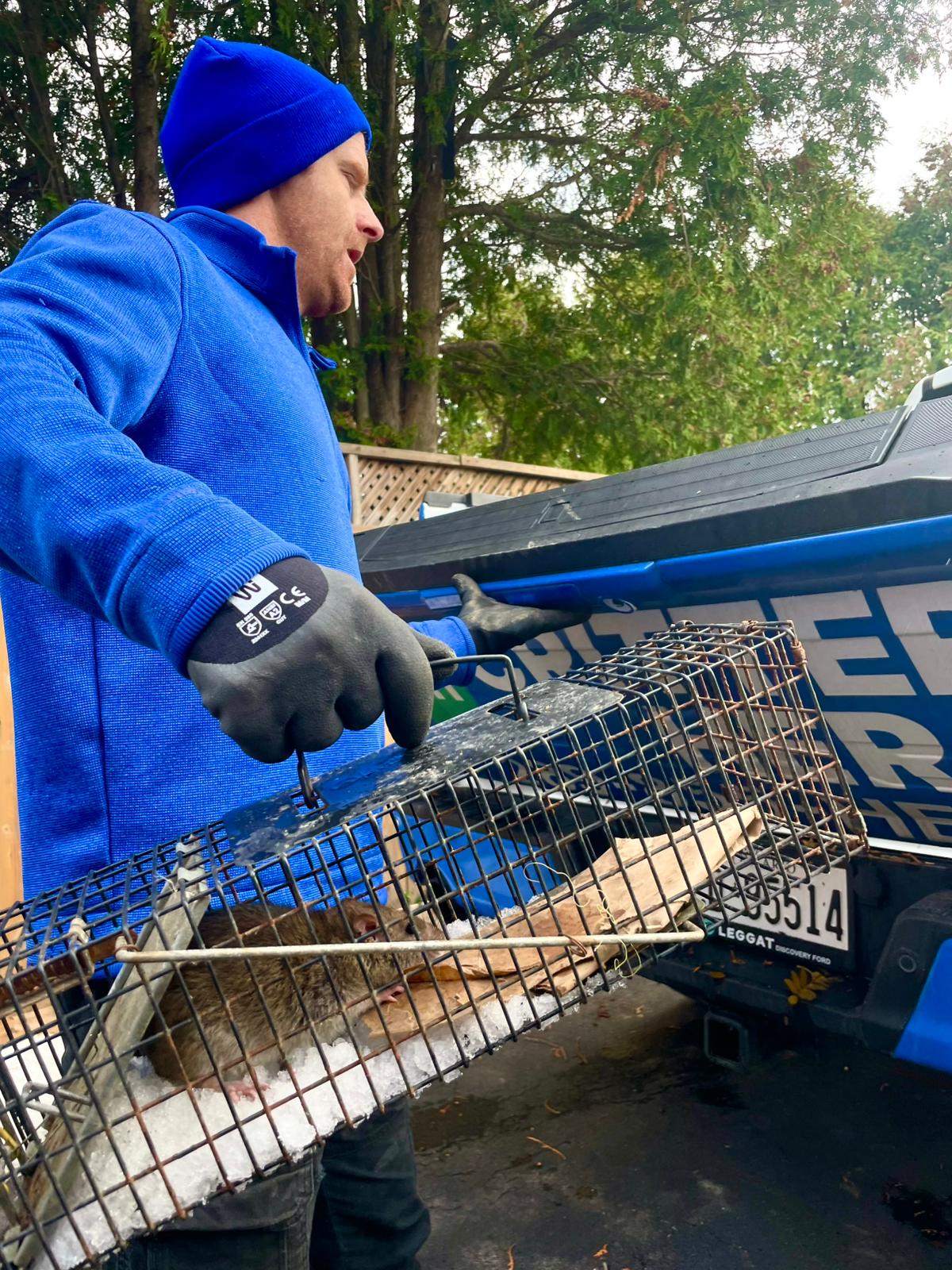
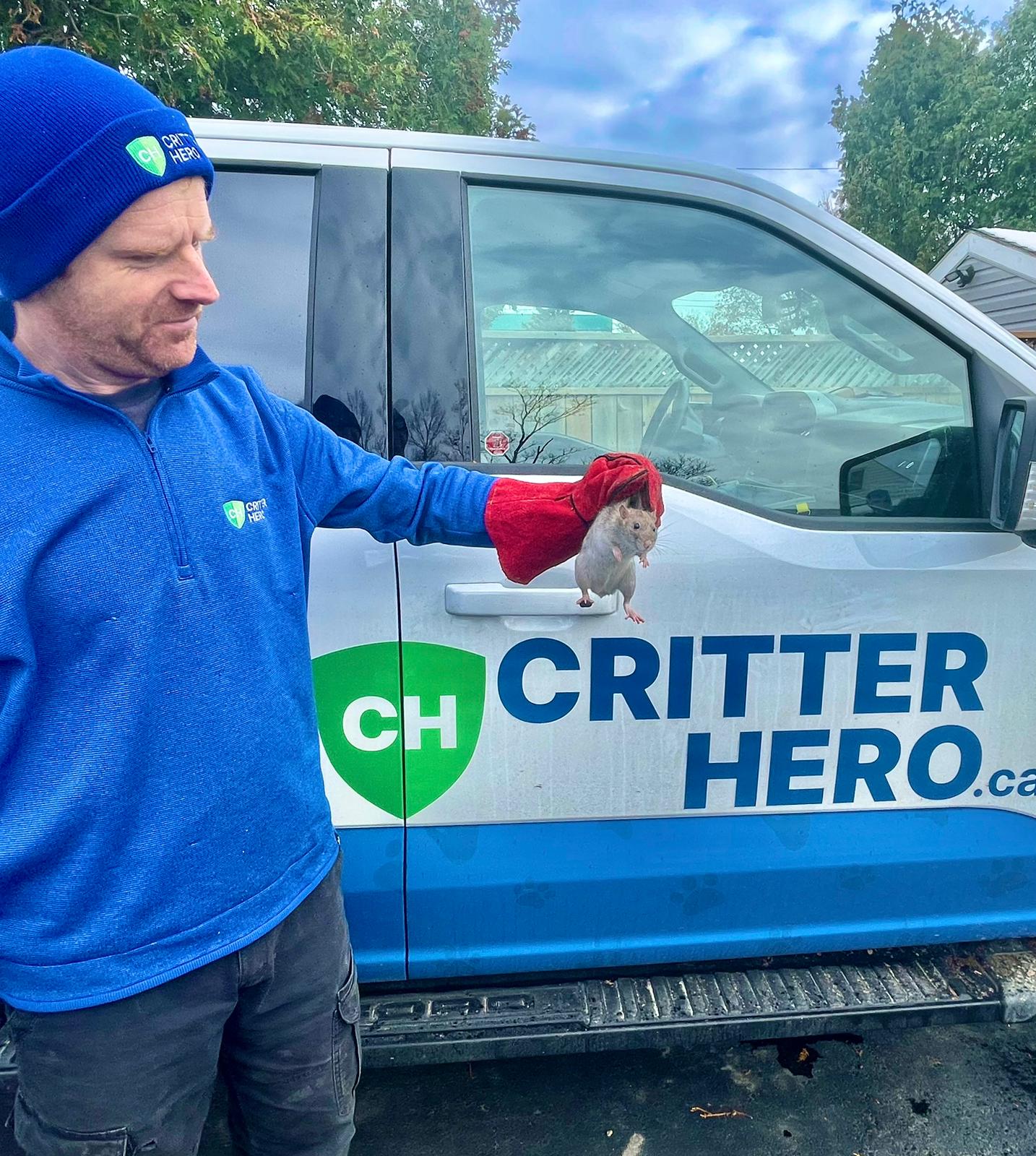
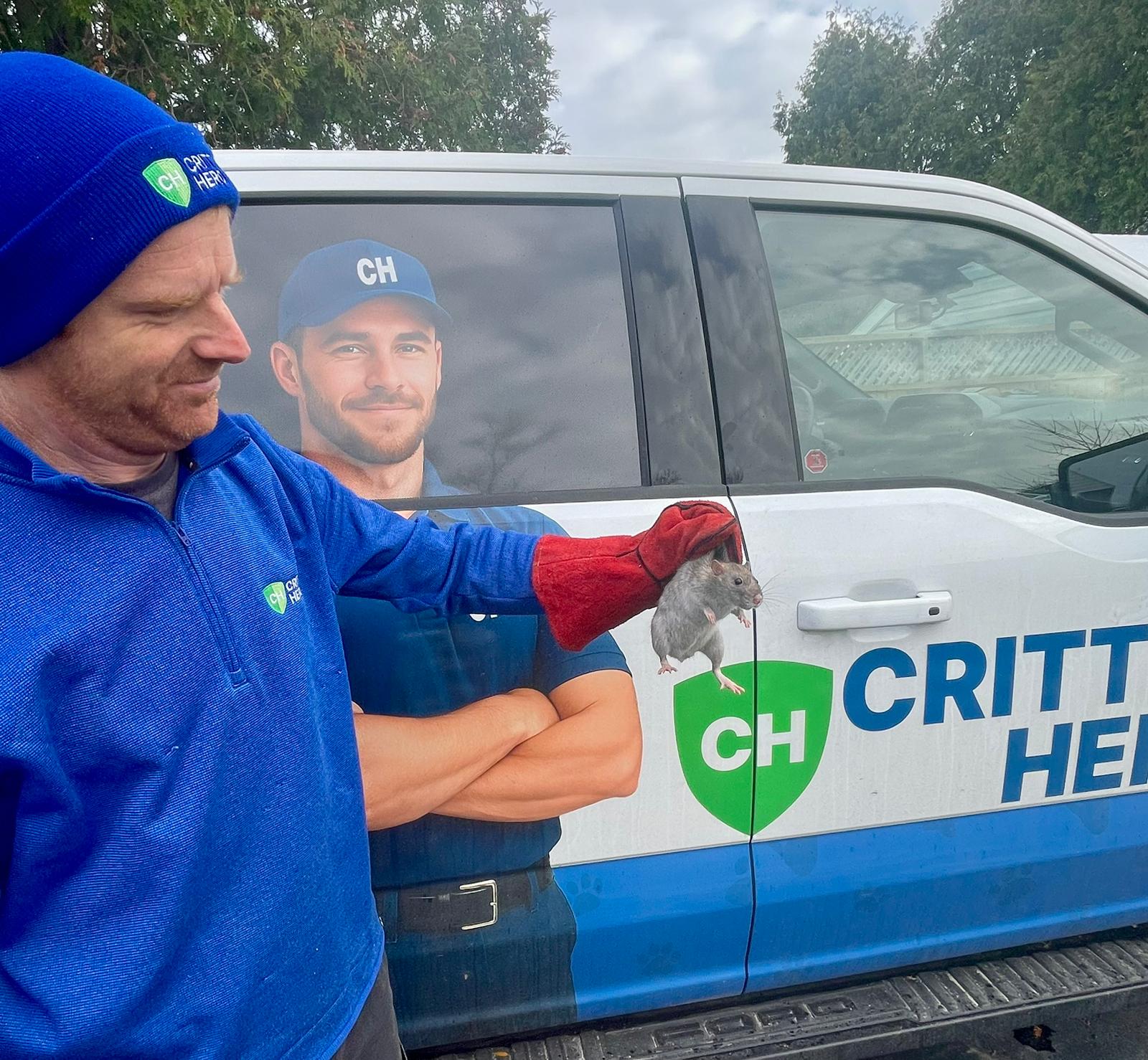
Evict without harm: A one-way door goes over the main entry, so the raccoon leaves on its evening trip and cannot return. Kits are removed by hand and set outside so the mother relocates them herself. Where a door is not possible, we live-trap and release within one kilometre.
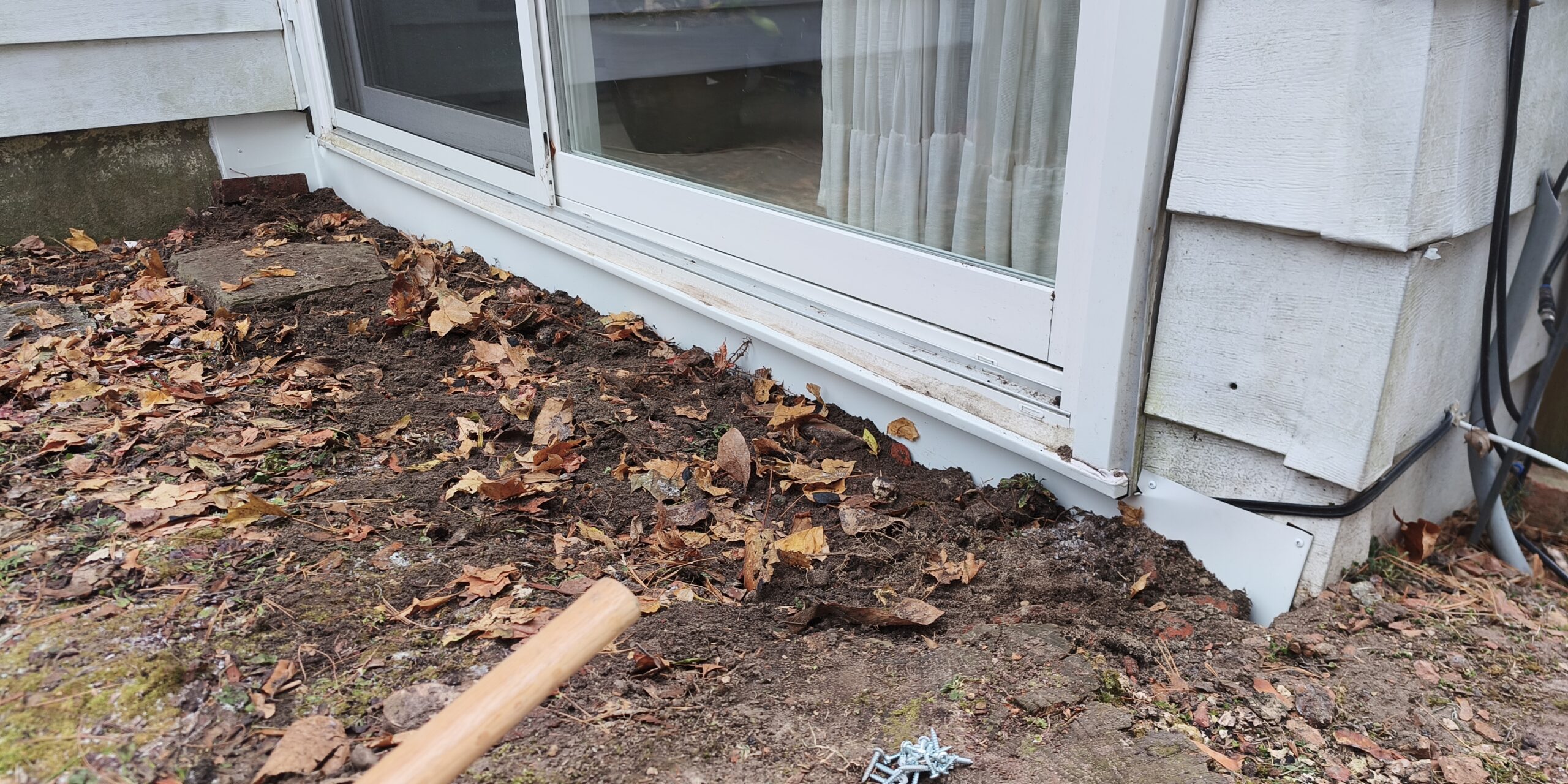
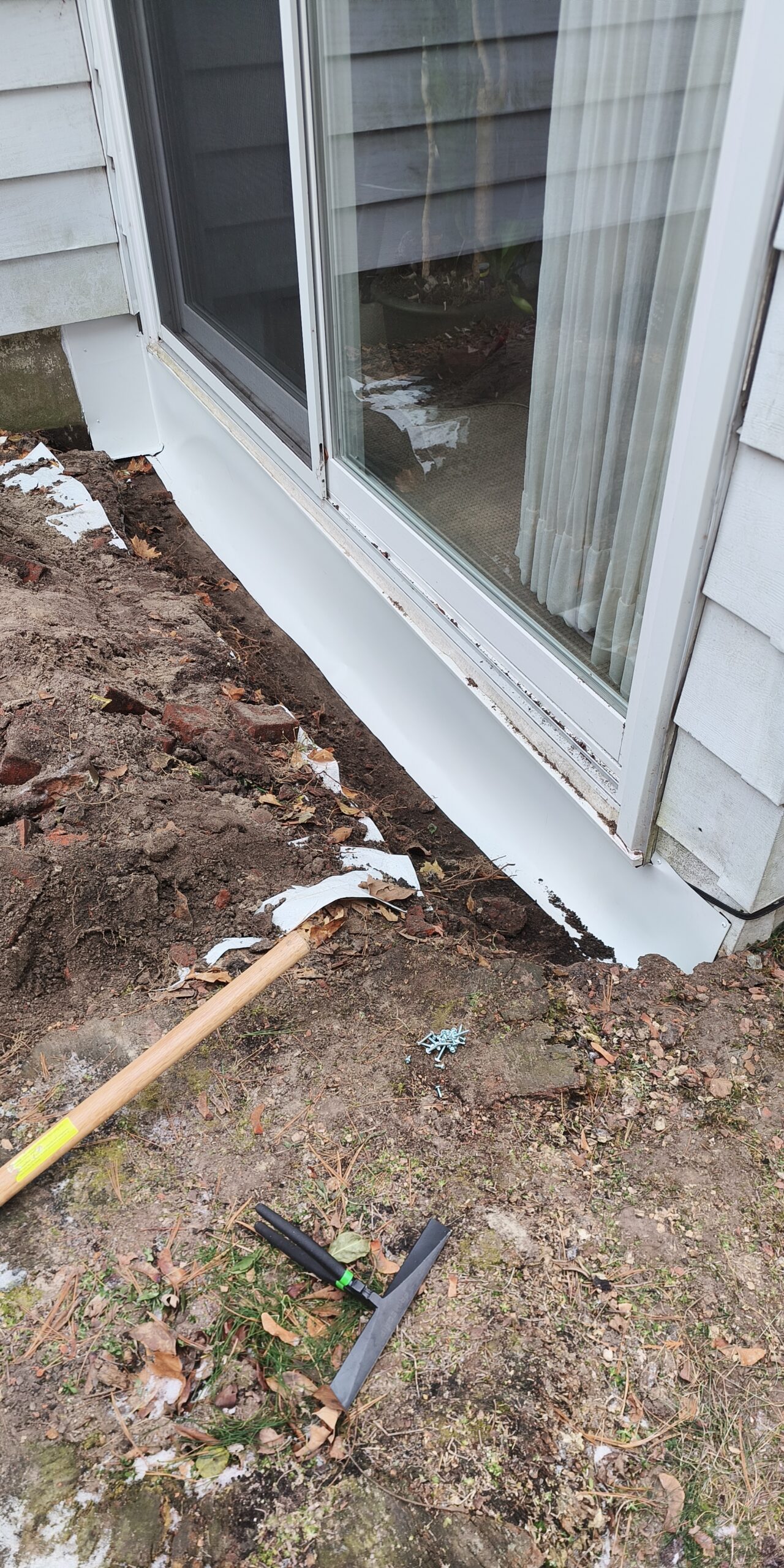
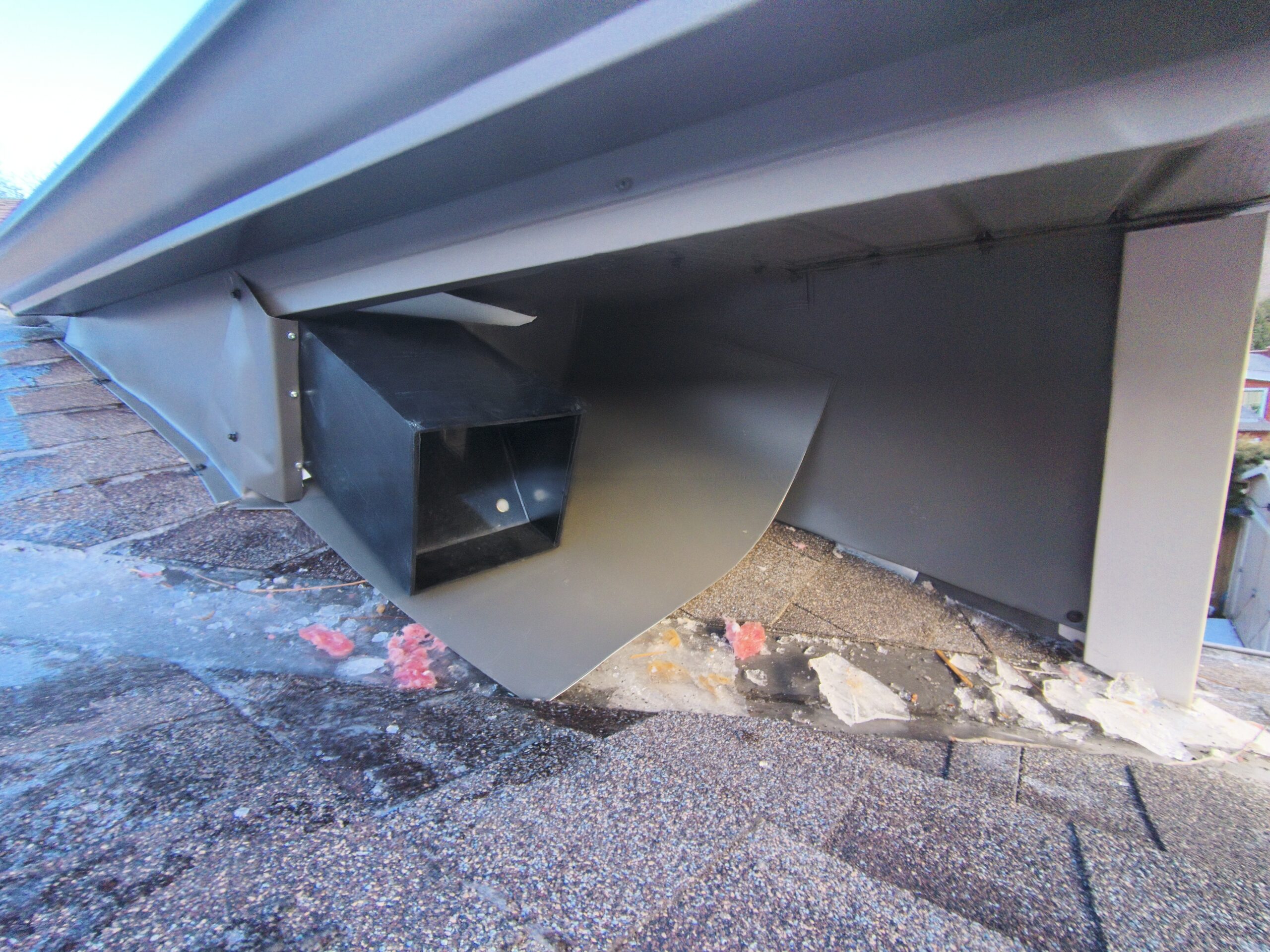
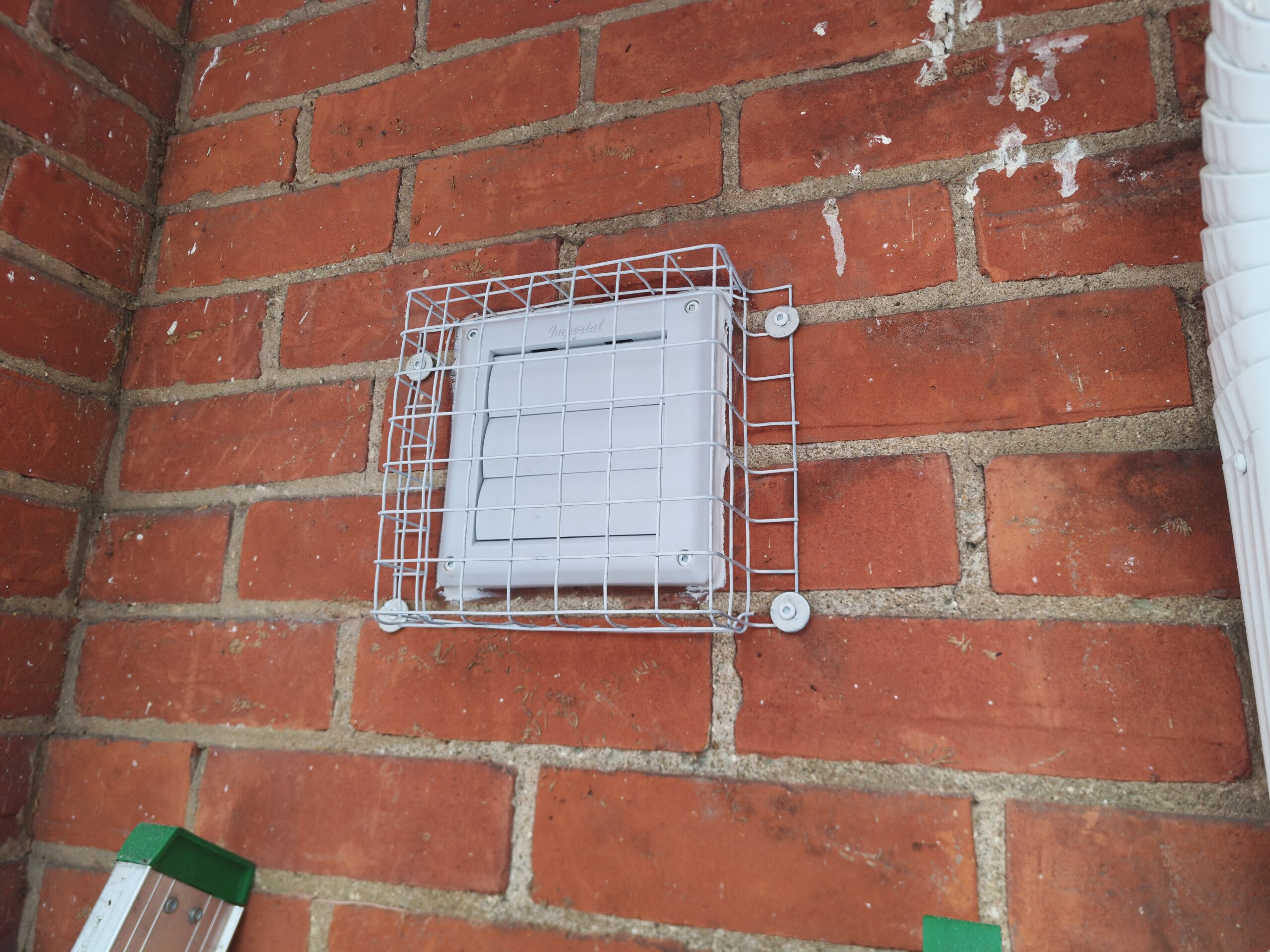
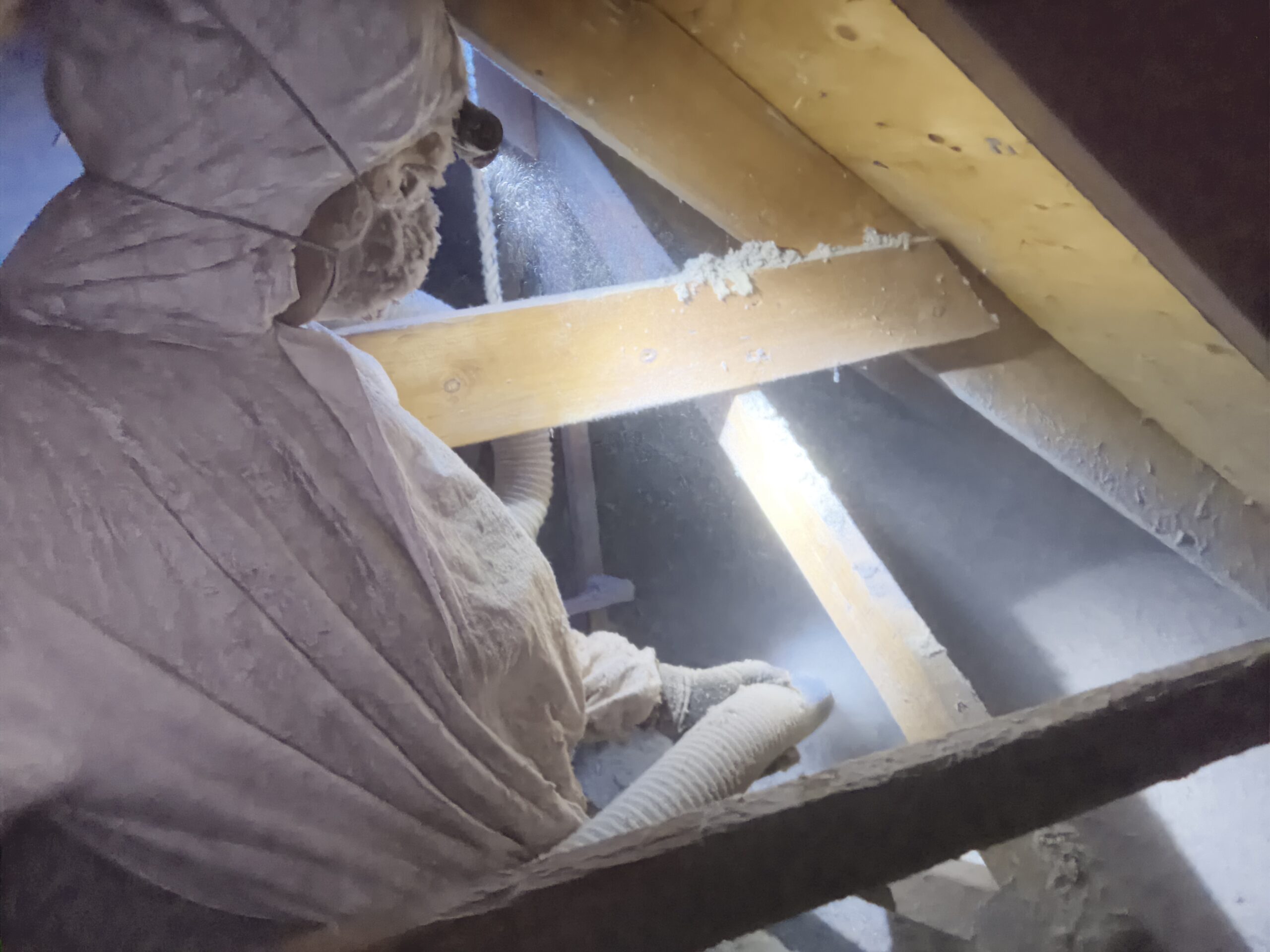
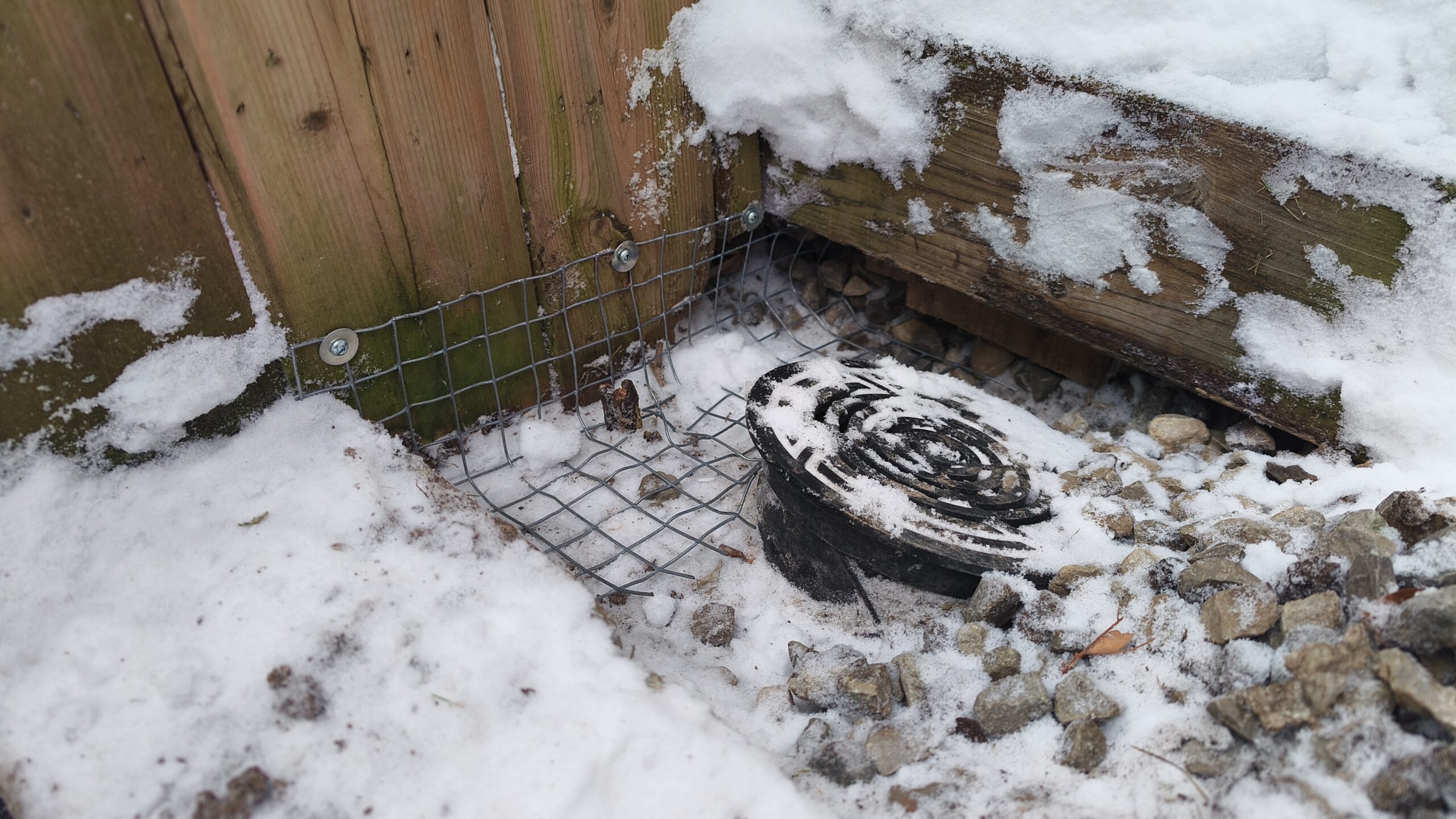
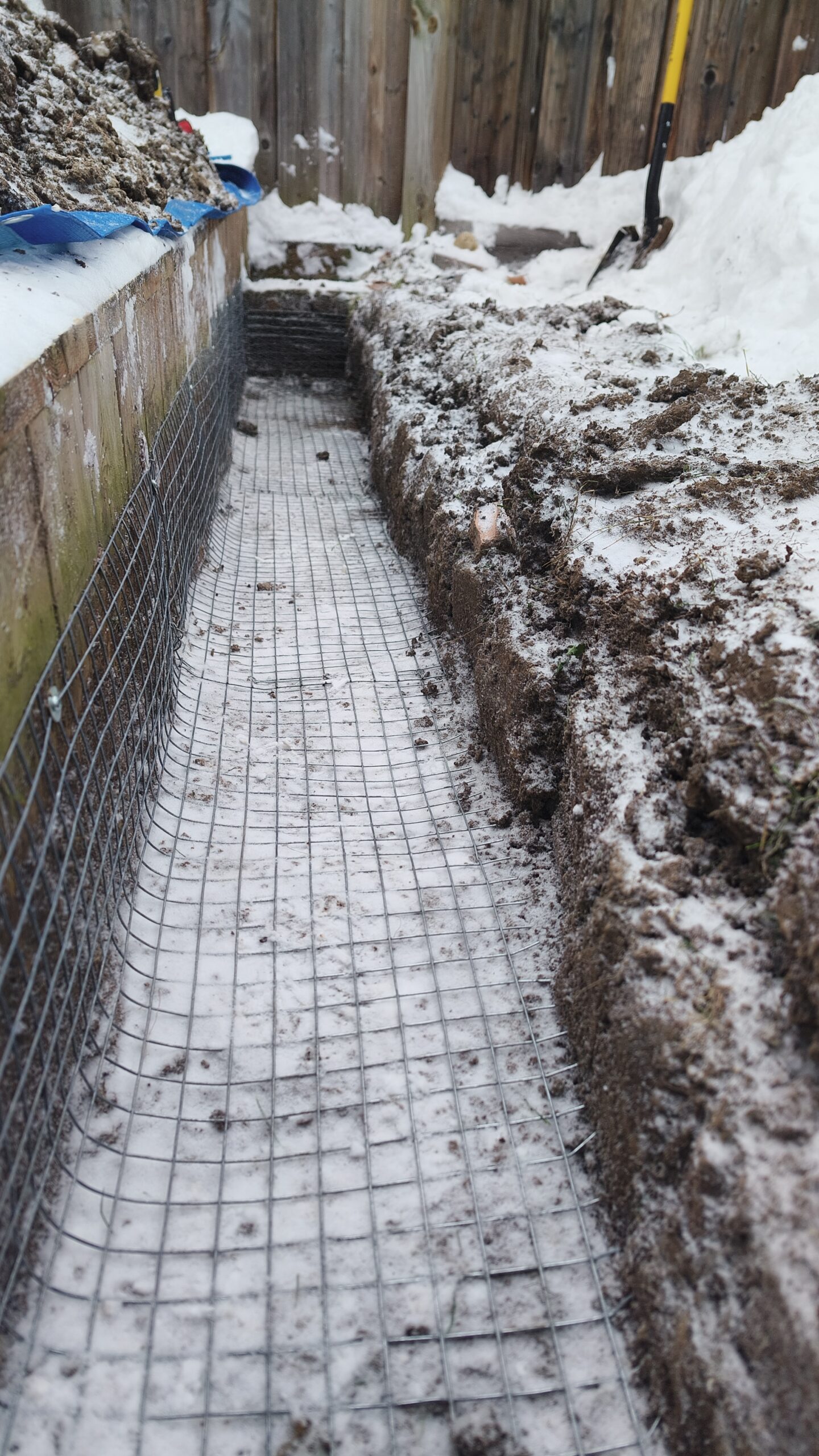
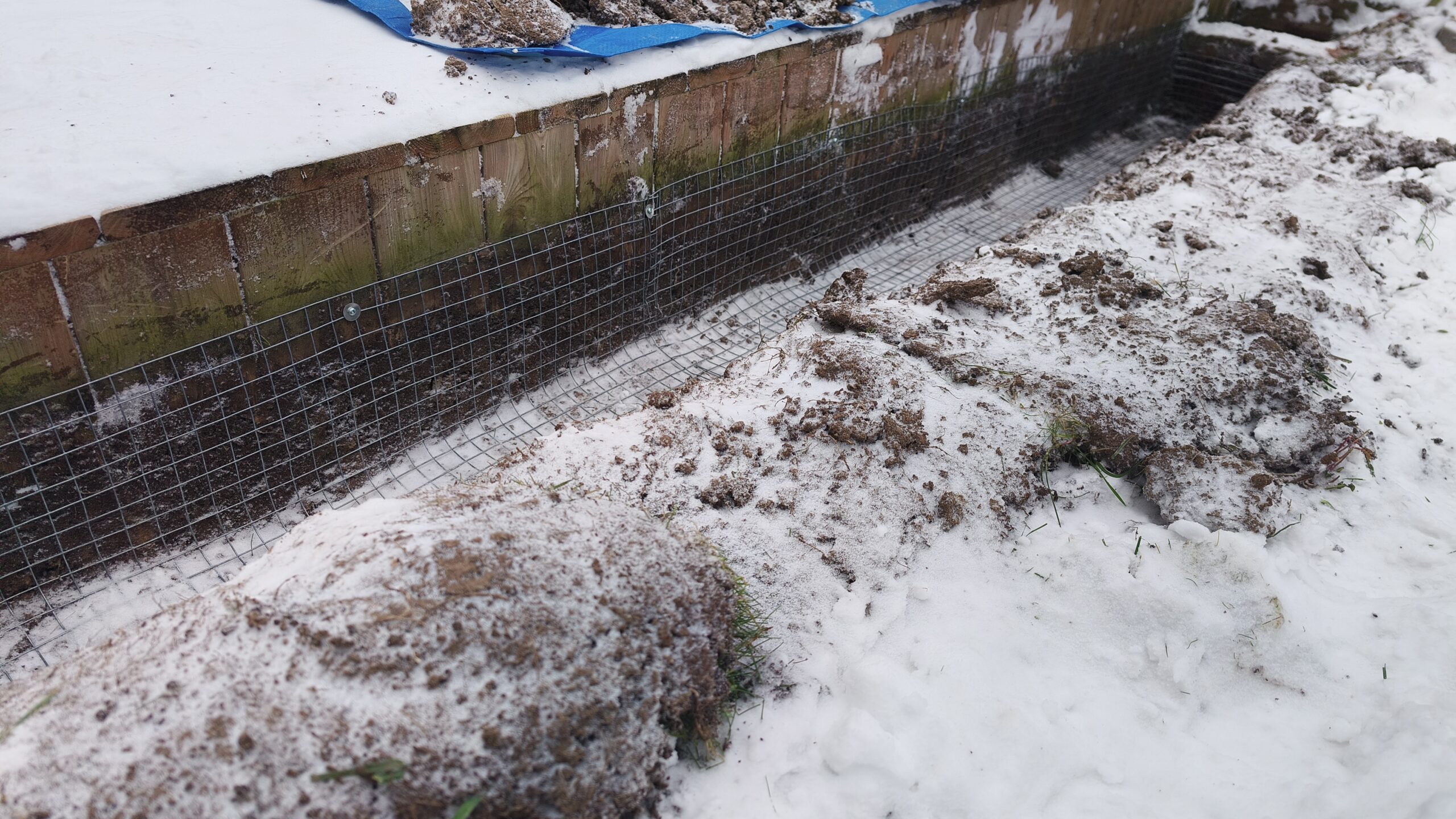
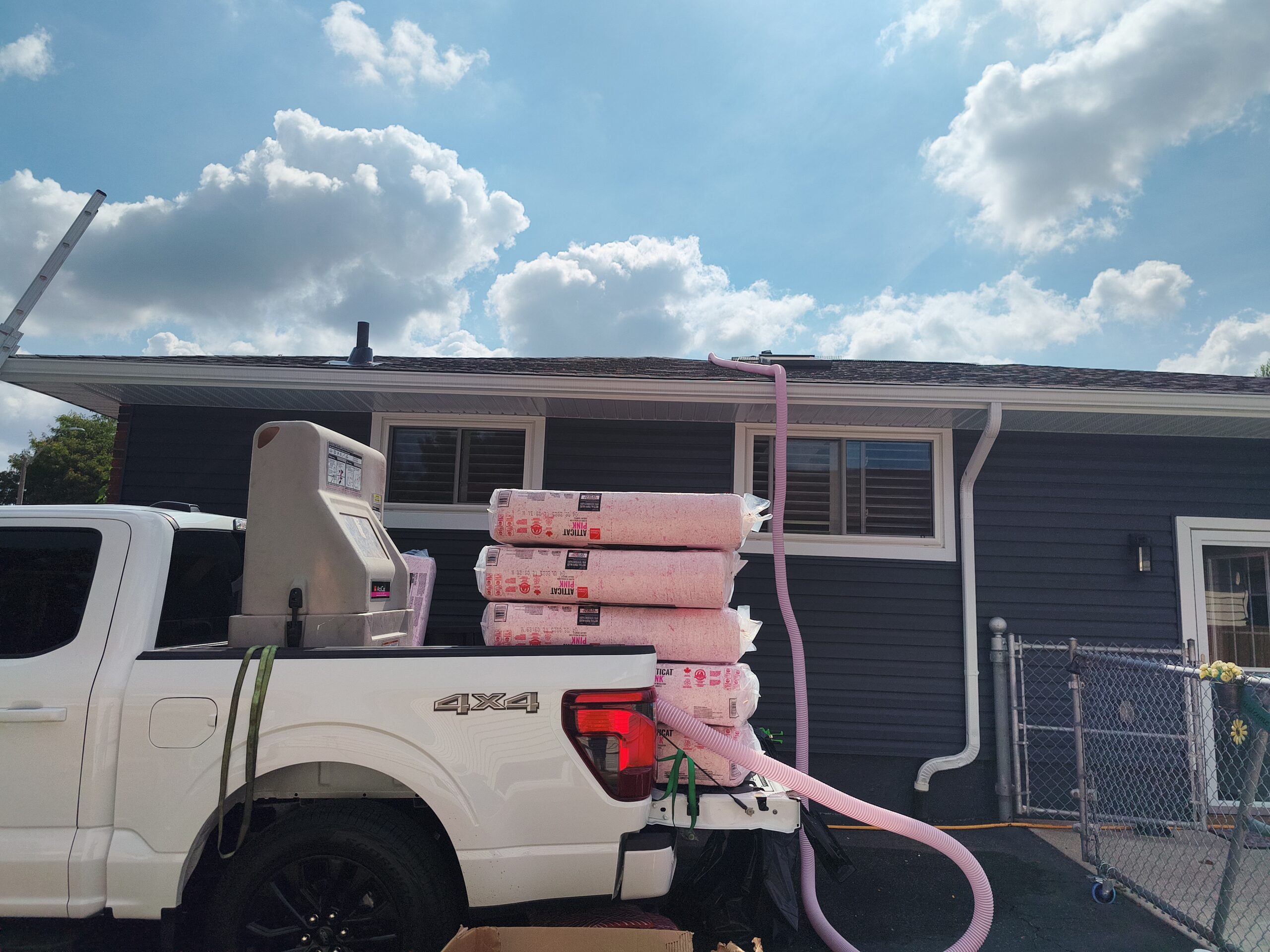
Repair, clean, and seal: Once the attic is quiet, we remove droppings and contaminated insulation, repair the vent or soffit, then screen the remaining vents, cap the chimney, and reinforce the roofline with heavy-duty steel mesh so the den cannot be reopened.
Raccoon Removal Costs in Niagara Falls
Most Niagara Falls raccoon jobs land between $400 and $1,000 once inspection, eviction, and entry repair are added together, with attic cleanup quoted on top. Raccoon work costs more than other animal removal because the animal is bigger, the property damage at the entry is larger, and a spring litter adds hand work.
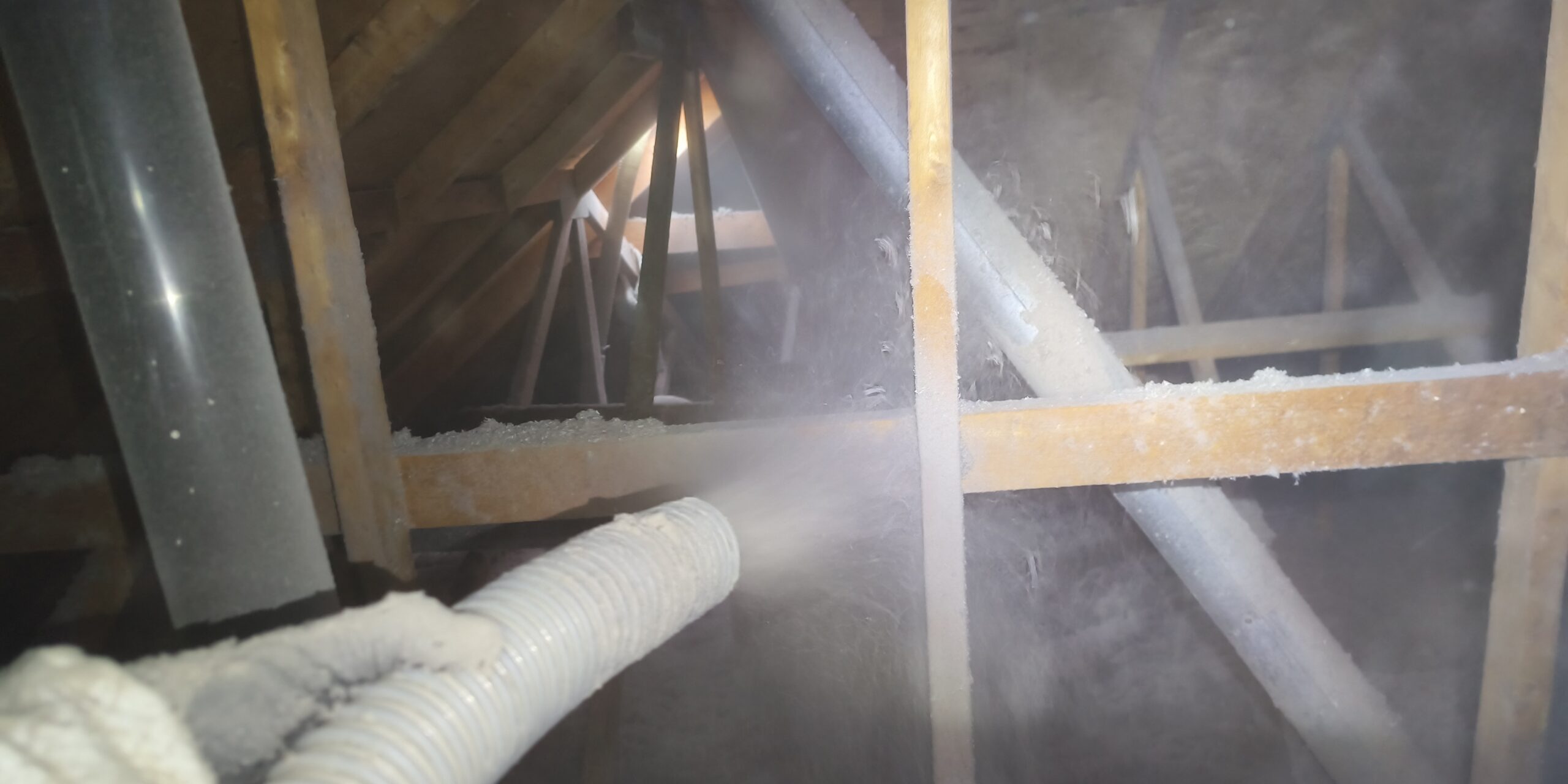
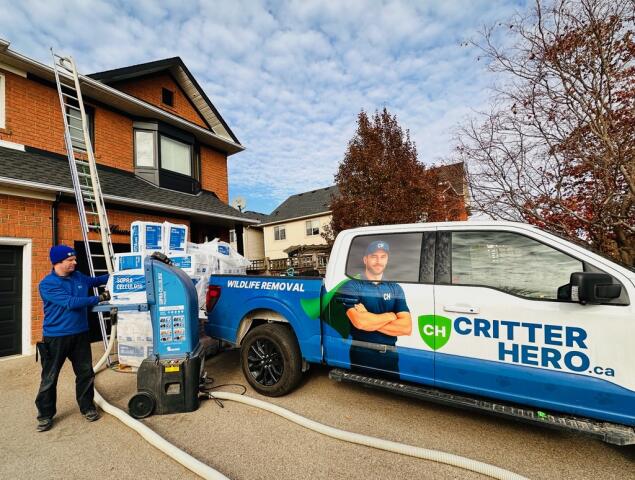
Attic cleanup is the swing factor. One adult inside for a week leaves little behind, while an infestation that has run for two seasons can contaminate enough insulation to need a full vacuum-out and refill. You get a written estimate after the inspection, and monthly payment plans are available through Financeit.
Here are the estimated costs.
Service Category
Estimated Costs
Property inspection
$100 to $250
Humane eviction with one-way door or live trap
$200 to $600
Entry point repair and exclusion screening
$200 to $400
Dead raccoon removal
$150 to $300
Rules for Raccoon Removal in Niagara Falls
Ontario’s Fish and Wildlife Conservation Act lets you remove a raccoon that is causing damage to your home, but only by humane methods and only if the animal is released within one kilometre of where it was caught. No city department will handle nuisance animals for you, so the legal duty sits with the owner or the licensed company the owner hires. Every technician who attends a raccoon job here carries Ministry of Natural Resources and Forestry certification, and the roof repairs that follow are covered by our liability insurance.
Rabies comes up on almost every call, so here is the honest answer. Niagara Region carried 108 raccoon-strain cases after the strain re-entered Ontario through Hamilton in December 2015, out of 523 province-wide, but Ontario recorded none in 2024 or 2025 and declared it eliminated from the south. We no longer treat a raccoon in your attic as a likely rabies case, though we still handle it as an animal that bites. If you are scratched before we arrive, call Niagara Region Public Health at 905-688-8248, extension 7590, and leave any green vaccine bait in the yard where it lies.
Get the Raccoons Out of Your Niagara Falls Home
Timing decides what this costs you. Raccoons breed here from January into March, so an animal that gets into the attic in November is a mother with kits by early spring, and a one-animal job becomes a five-animal job with hand removal and a contaminated attic. Nuisance wildlife does not move out on its own. One call books an inspection, and the same crew handles the eviction, the kits, the repairs, and the sealing.
Contact our team today to schedule your inspection.
Frequently Asked Questions
-
How much does raccoon removal cost in Niagara Falls?
Most residential jobs in Niagara Falls fall between $400 and $1,000 once the inspection, eviction, and entry repair are added together. Attic decontamination and insulation replacement are quoted separately after the inspection, because the nature of the damage varies so much from one attic to the next. -
Is it illegal to relocate raccoons in Ontario?
Relocating a raccoon more than one kilometre from where it was captured is an offence under the Fish and Wildlife Conservation Act. The rule exists to limit the spread of rabies and to keep the animal inside territory it already knows. Our technicians release every raccoon within that limit. -
What is the fastest way to get rid of raccoons?
A one-way door over the entry point. The raccoon leaves on its first evening forage, usually within one to three nights, and cannot get back in. Sealing the hole while the animal is still inside is slower and riskier, because a trapped raccoon will tear through a ceiling to get out. -
What are the green vaccine baits in my yard?
They are rabies vaccine baits, dropped across Niagara from July into mid-September. Ontario has used them to push raccoon-strain rabies down to zero confirmed cases province-wide in 2024 and 2025. Leave them where they fall, keep dogs off them, and wash with soap and water if you handle one. They do not stop a raccoon getting into your attic, and they are not a reason to leave one there. -
When is raccoon baby season in Niagara Falls?
Kits are born from March through June, and a mother will not abandon them. Evicting her with a one-way door during those months strands the litter inside the attic, so we locate the kits first and reunite the family outside so she can move them to another den. -
Can I use poison or a kill trap on a raccoon?
No. Poison endangers pets and children and usually leaves a dead animal decomposing inside a wall, and kill traps fall outside Ontario’s humane handling rules. Humane removal with a one-way door solves the problem without either risk. -
What damage do raccoons do inside an attic?
Flattened insulation, torn vapour barrier, chewed wiring, and a latrine corner where urine soaks into the drywall below. Raccoon droppings can carry roundworm eggs, one of the real health concerns in this job, so we treat cleanup as part of the removal rather than an optional extra. -
Do you handle raccoons under decks and sheds too?
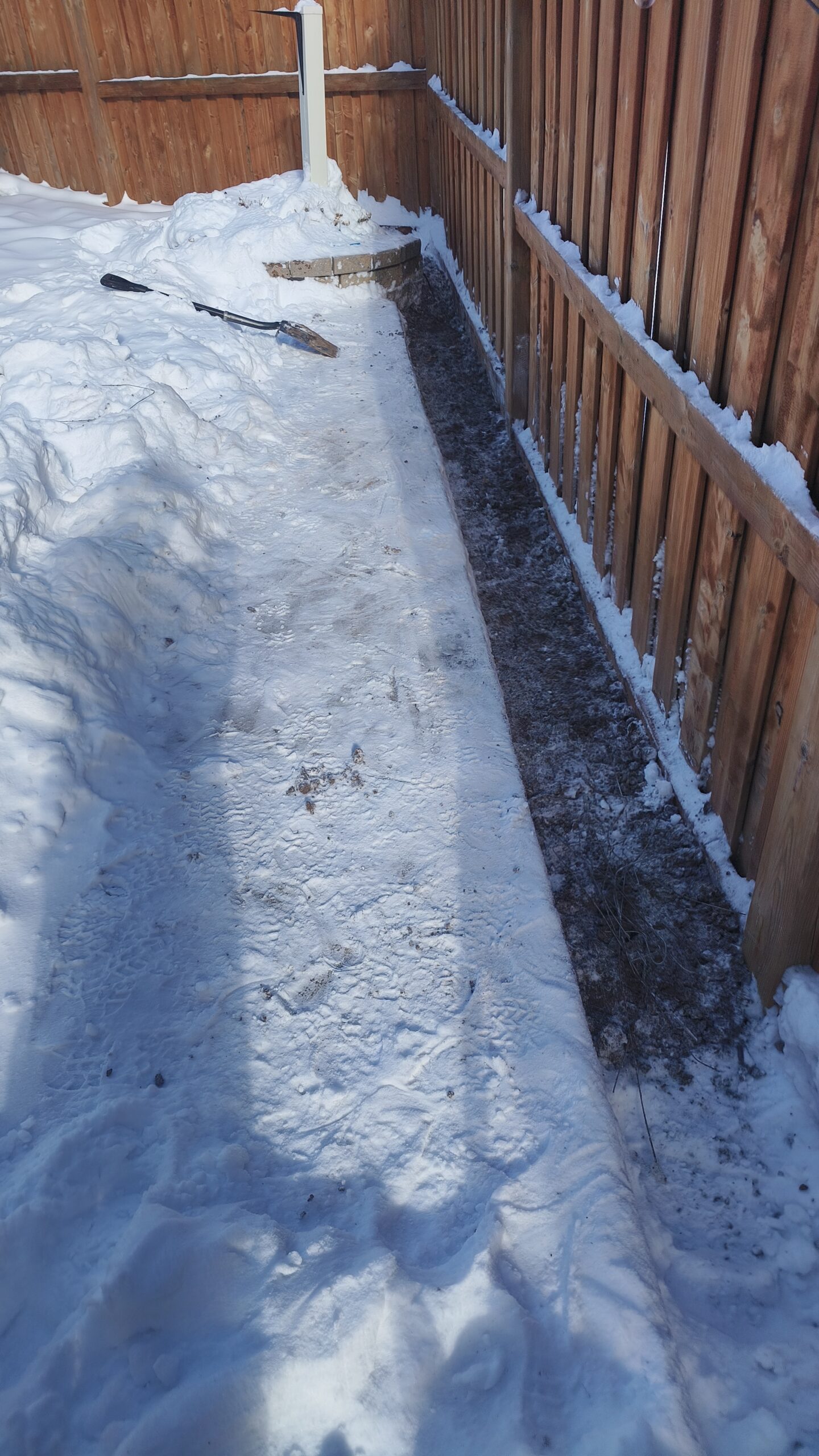
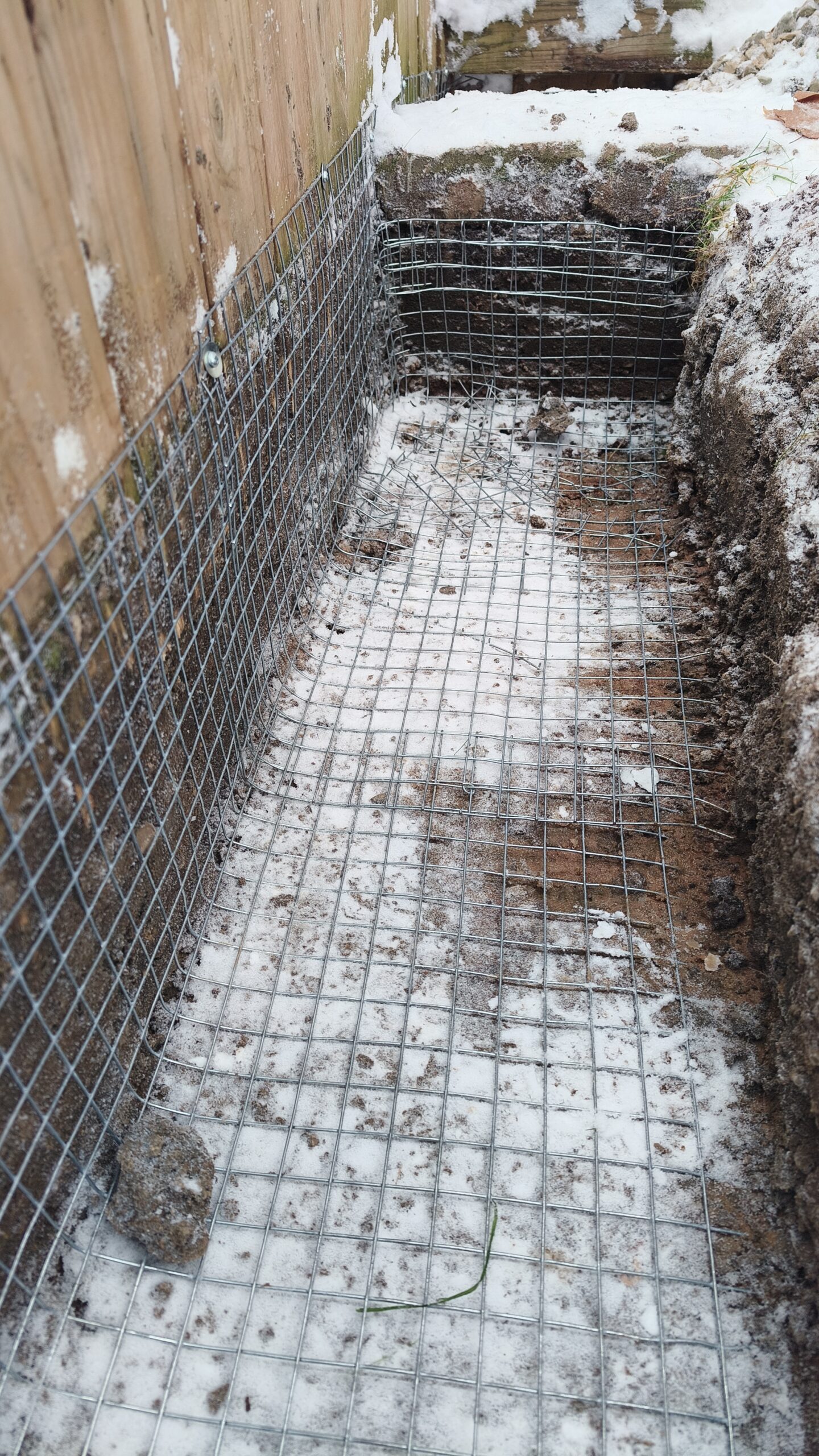
Yes. Ground dens under decks, porches, and sheds are handled the same way, with a one-way door at the dig site followed by a buried steel mesh skirt around the structure so the raccoon cannot dig back in. -
Will the raccoon problem come back after you leave?
Not through the same opening. Every entry point we repair is covered by our Satisfaction Guarantee, and the screening on the rest of the roof is prevention built to hold for years. If storm damage or a renovation opens a new gap, a quick inspection catches it before an animal does.
- Why Raccoons Thrive in Niagara Falls
- Signs a Raccoon Has Moved In
- Where We Find Their Dens
- How Our Raccoon Removal Works
- Raccoon Removal Costs in Niagara Falls
- Rules for Raccoon Removal in Niagara Falls
- Get the Raccoons Out of Your Niagara Falls Home
- Frequently Asked Questions
- How much does raccoon removal cost in Niagara Falls?
- Is it illegal to relocate raccoons in Ontario?
- What is the fastest way to get rid of raccoons?
- What are the green vaccine baits in my yard?
- When is raccoon baby season in Niagara Falls?
- Can I use poison or a kill trap on a raccoon?
- What damage do raccoons do inside an attic?
- Do you handle raccoons under decks and sheds too?
- Will the raccoon problem come back after you leave?







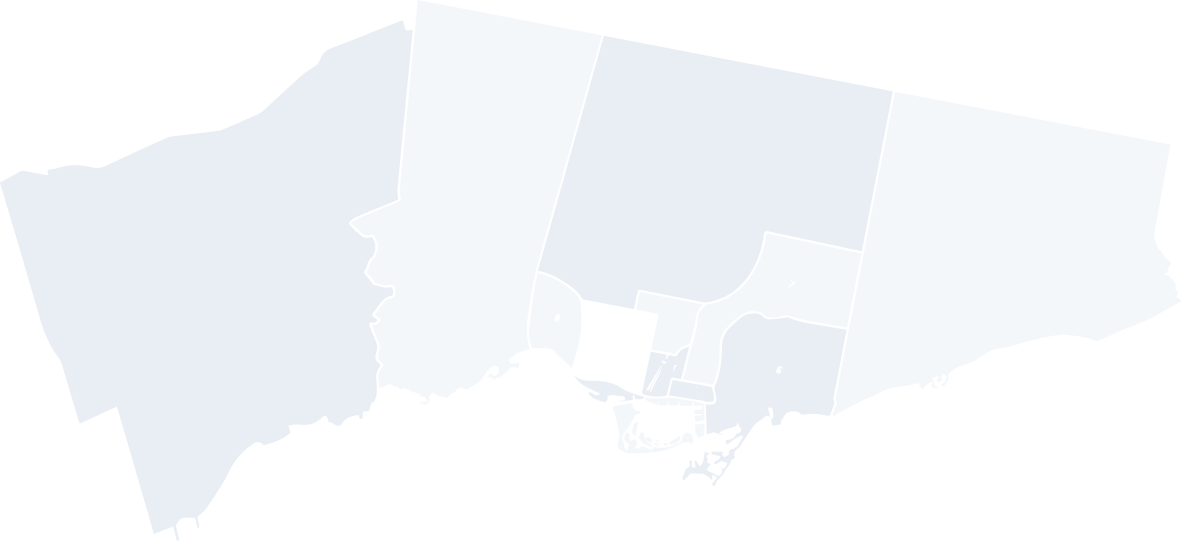
Our service areas
…by providing award winning customer service to each and every single client.
- Hamilton
- Burlington
- Milton
- Stoney Creek
- Niagara Falls
- St. Catharines
- Brampton
- London
- Mississauga
- Oakville
- Toronto
- Brantford
Call or Email Us
Reach Out To Us For Inquiries, Support, Or Partnership Opportunities, We’re Here To Assist.

-

Satisfaction Guarantee
Your satisfaction is our priority. We stand by our work and ensure high-quality service.
-

15 Years Experience
Our team has been providing efficient and humane wildlife removal services for over 15 years.
-

WSIB & Insured
Licensed, insured and trained professionals with efficient technology to get the job done right.