Bat Removal in Niagara Falls, Timed to the Law
Big brown bats roost in the brick walls and soffit gaps of Niagara Falls homes from the tourist district to Chippawa, and they cannot be trapped, poisoned, or moved. Our wildlife removal technicians have spent over 15 years excluding colonies the legal way: exit tubes set outside the maternity season, the roofline sealed, and the guano cleaned out once the last bat leaves.


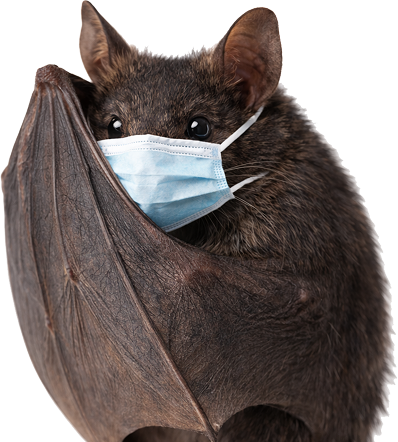
Bat Exclusion Done Right in Niagara Falls
Bats cannot legally be trapped, poisoned, or relocated in Ontario, so the only lawful job is exclusion: the colony flies out through one-way tubes and the building is closed behind it, and only in certain months. Three of the species found around Niagara Falls are endangered, which is why the calendar is not negotiable. Property owners call us for a few plain reasons.
- Our technicians are certified by the Ontario Ministry of Natural Resources and Forestry and schedule every exclusion outside the province’s May 15 to July 31 maternity period, when flightless pups would be trapped inside.
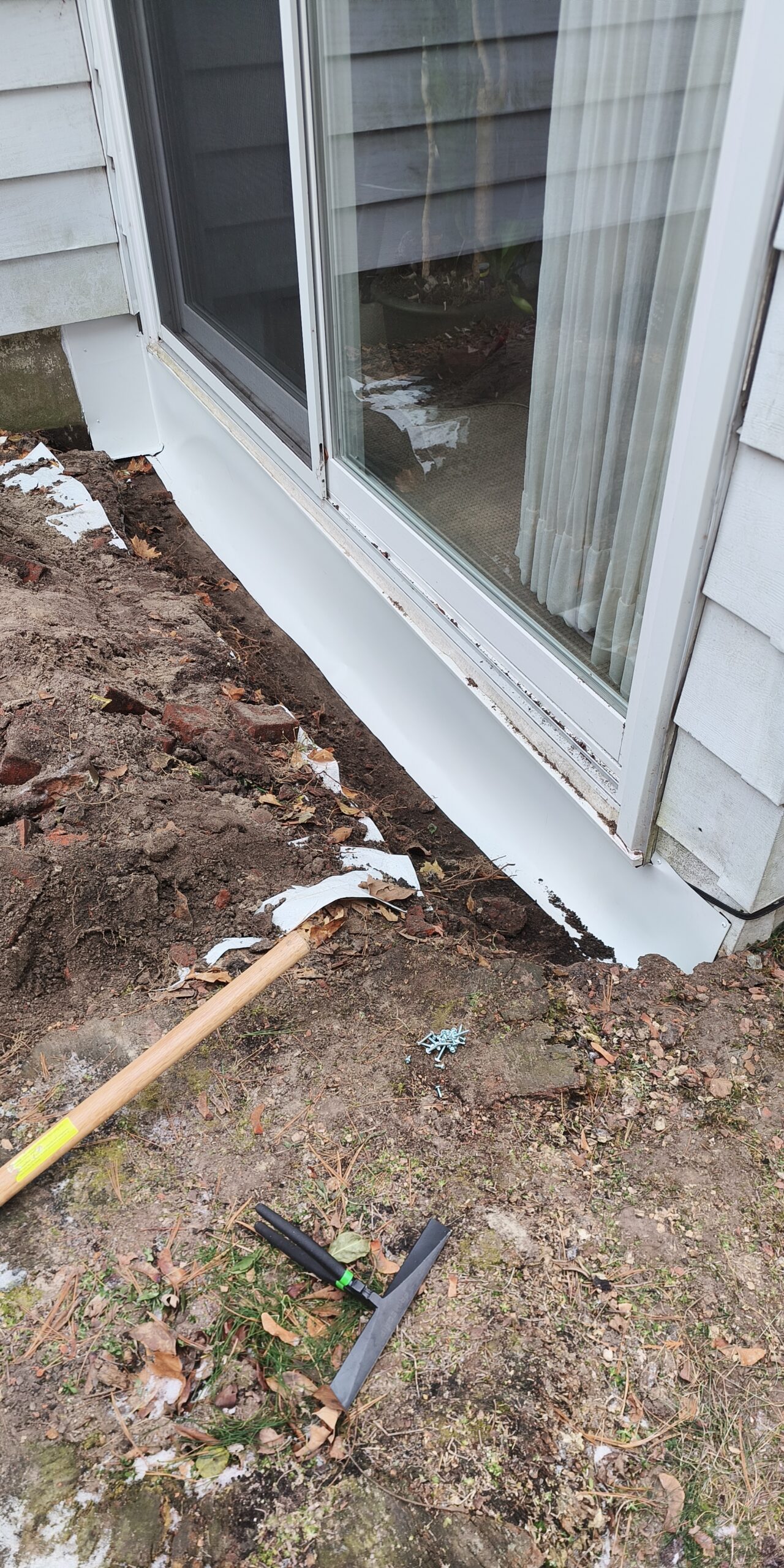
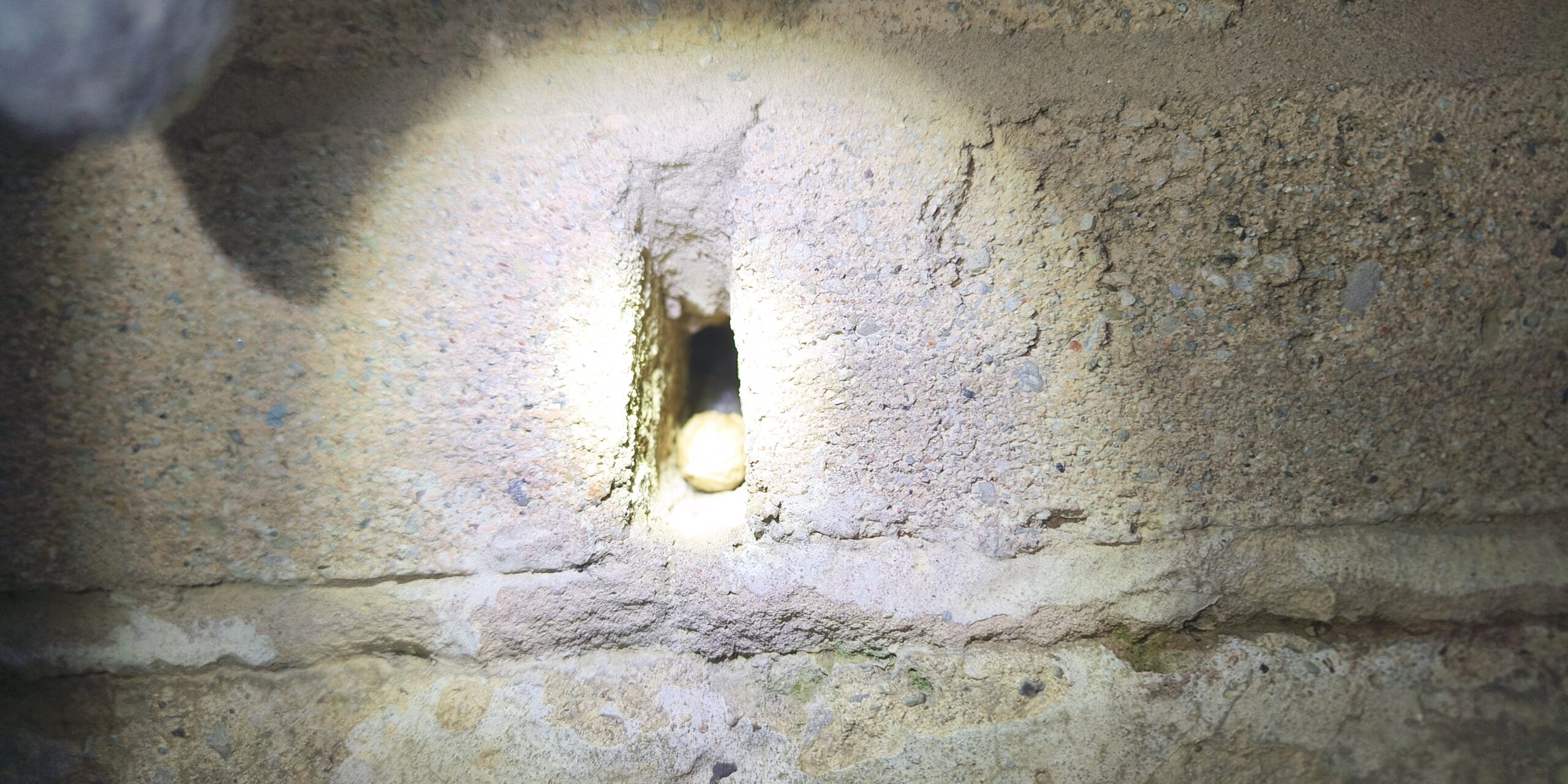
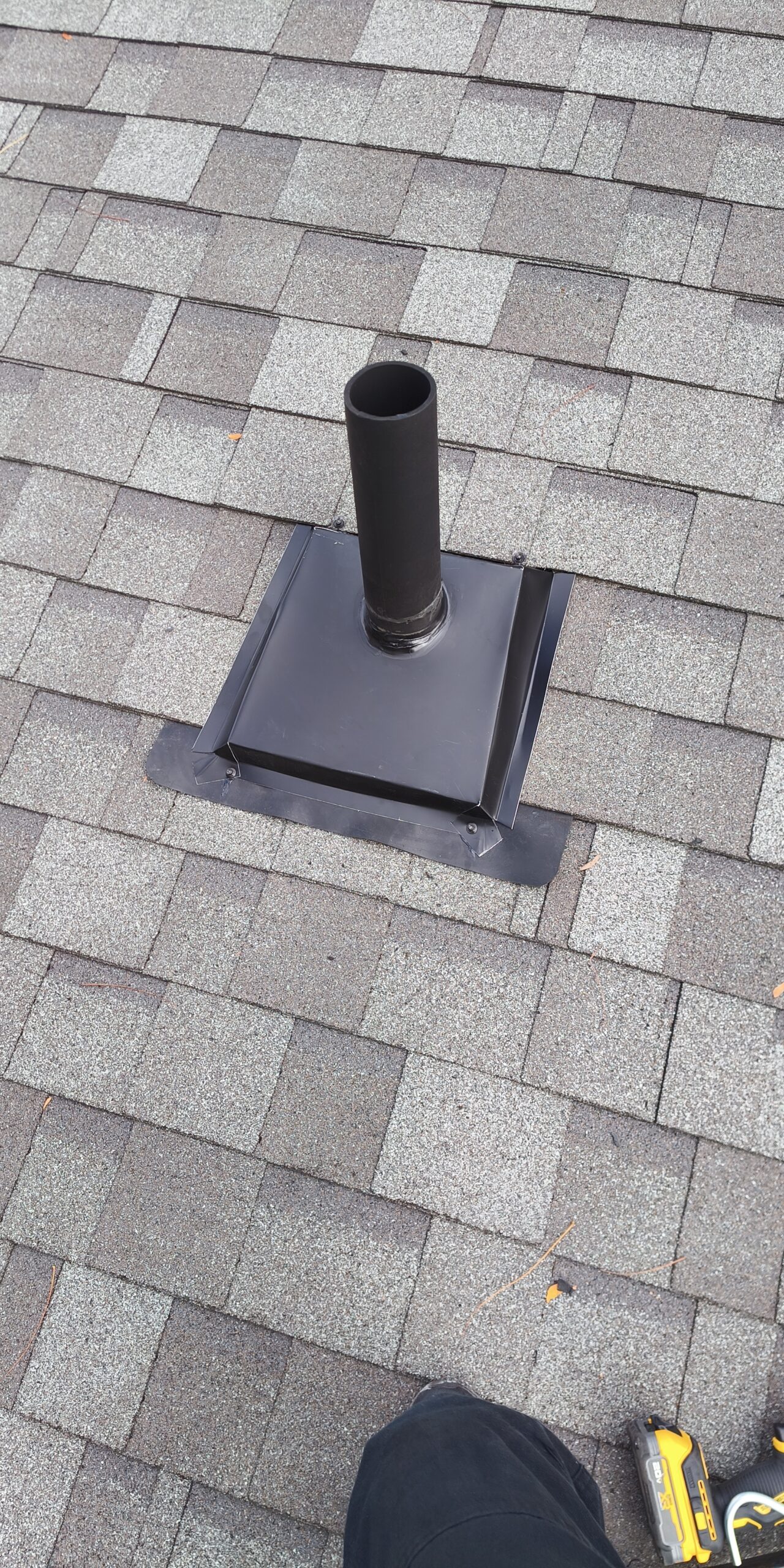
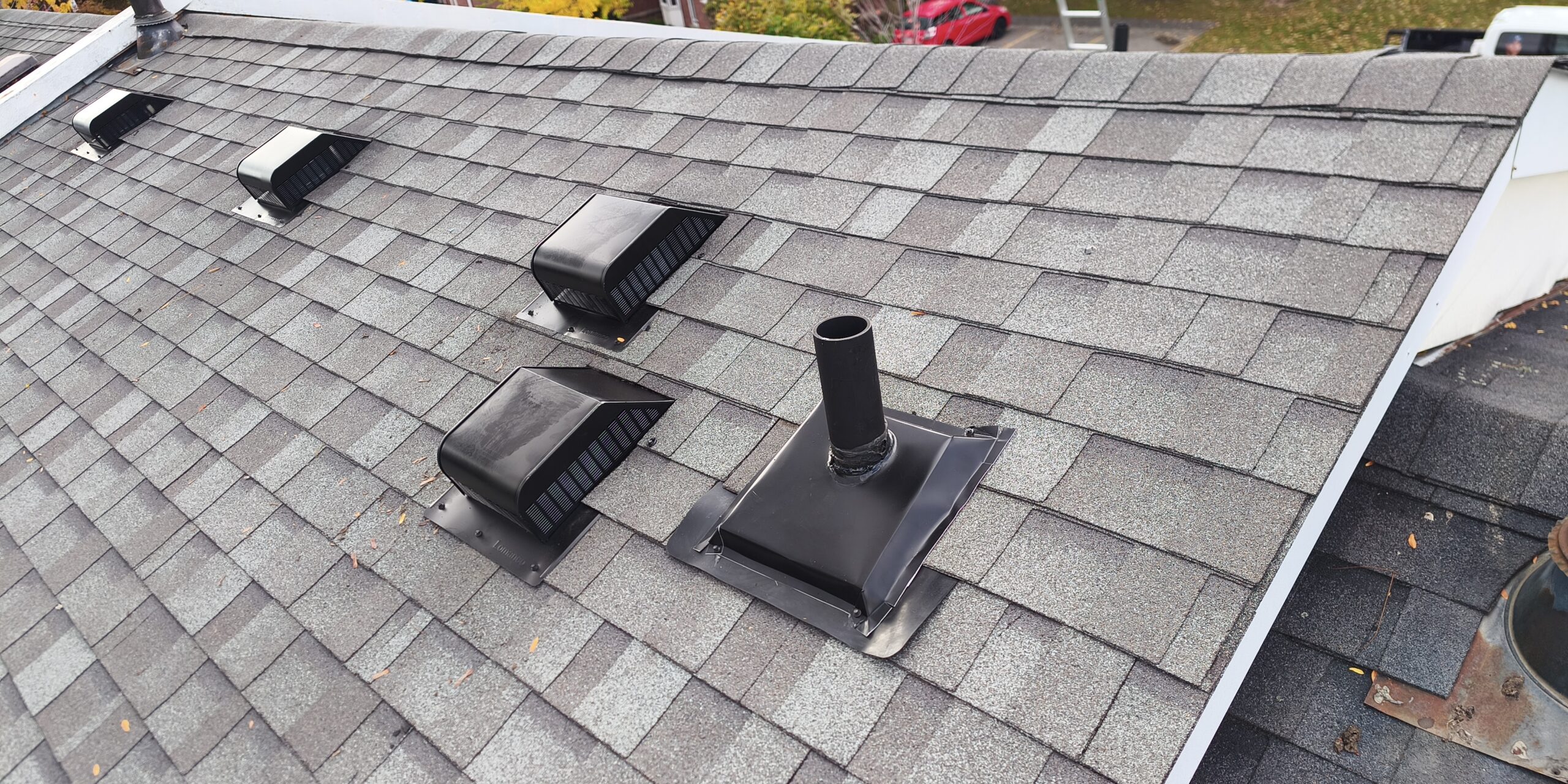
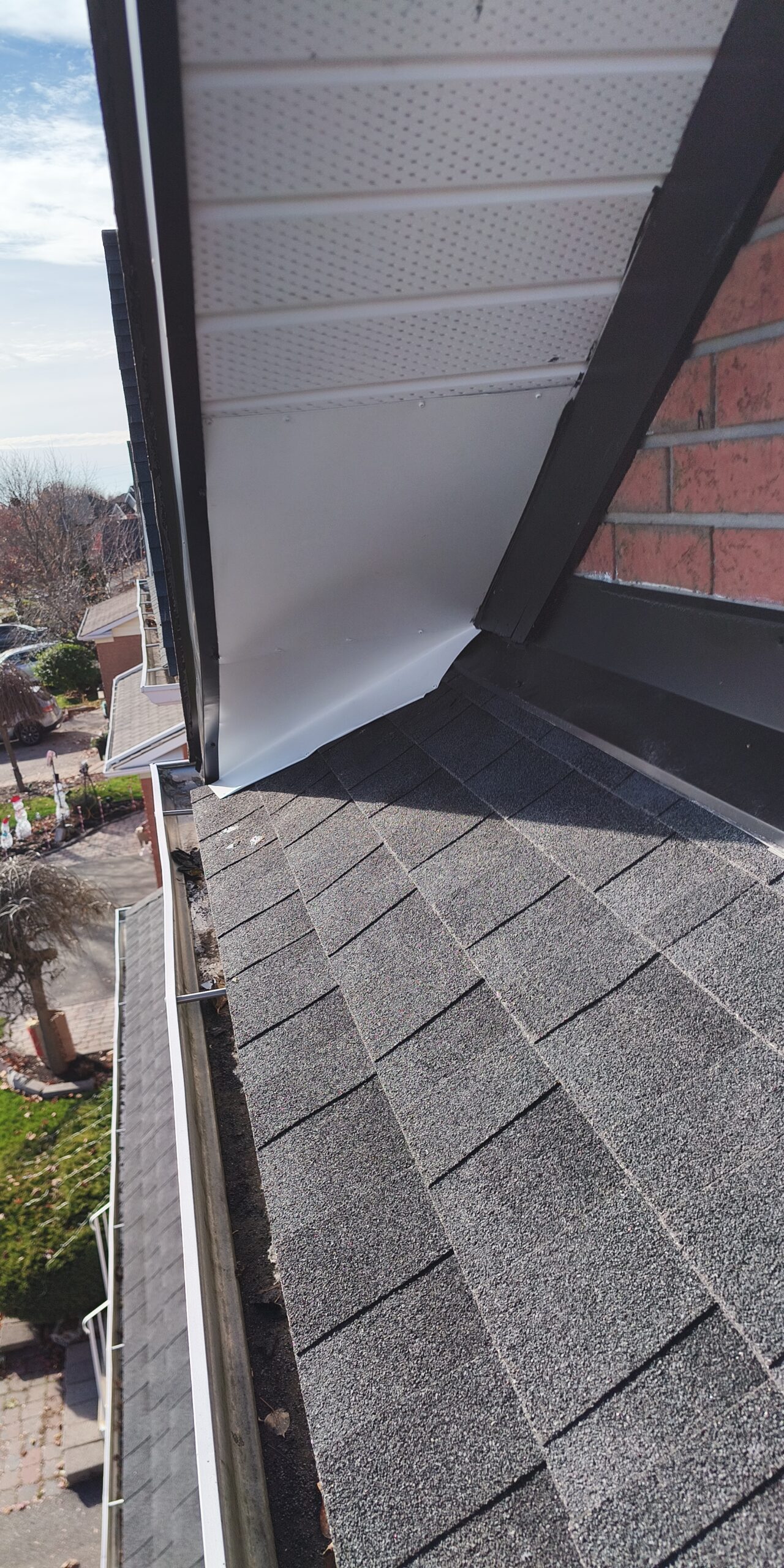
- Our wildlife control work covers the whole roofline, not just the entry in use. A bat needs a gap the width of a finger, and most Niagara Falls roofs have a dozen entry points.
- Our Satisfaction Guarantee covers the exclusion work, so if bats get back into a section we sealed, we come back and close it.
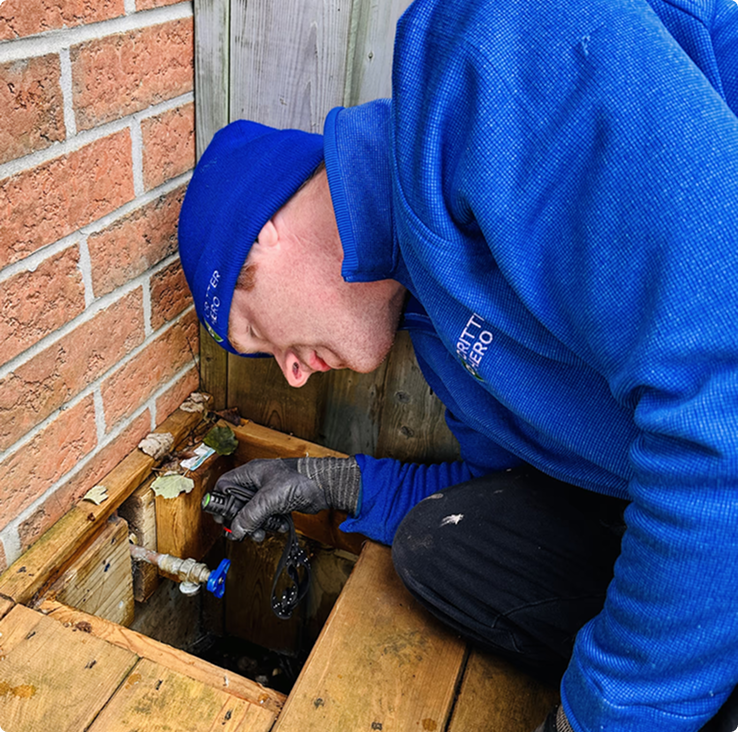
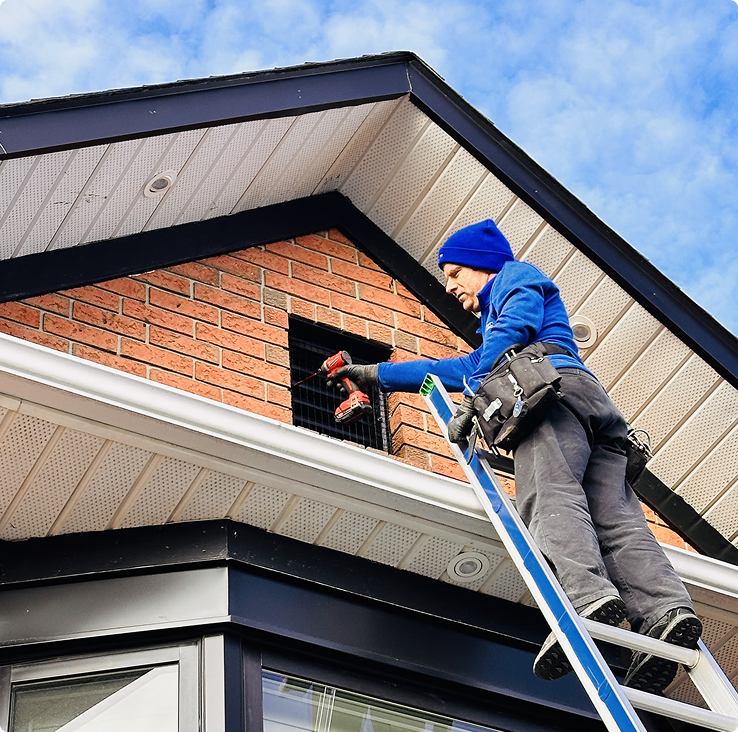
Why Property Owners Choose Us
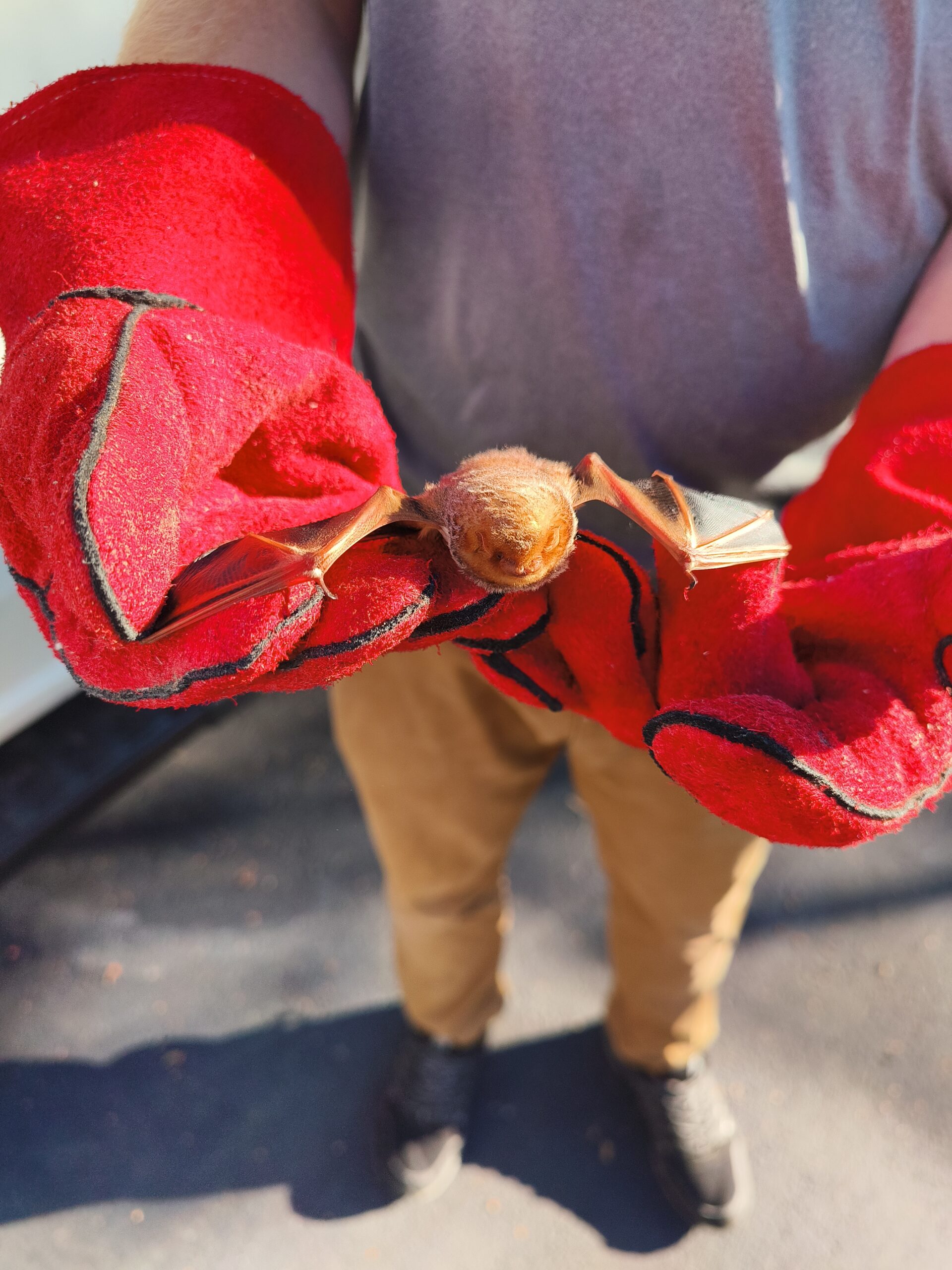
Bat colonies moved out of Niagara Falls homes legally and permanently, without a single animal harmed.
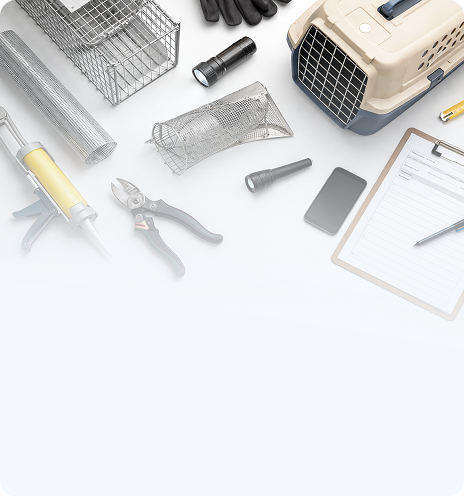
Ontario sets the maternity period at May 15 to July 31, and in those weeks the females in a roost are nursing pups that cannot fly. Our exclusion experts inspect and quote inside that window, then fit the tubes from August or in early spring, so no pup is sealed in.
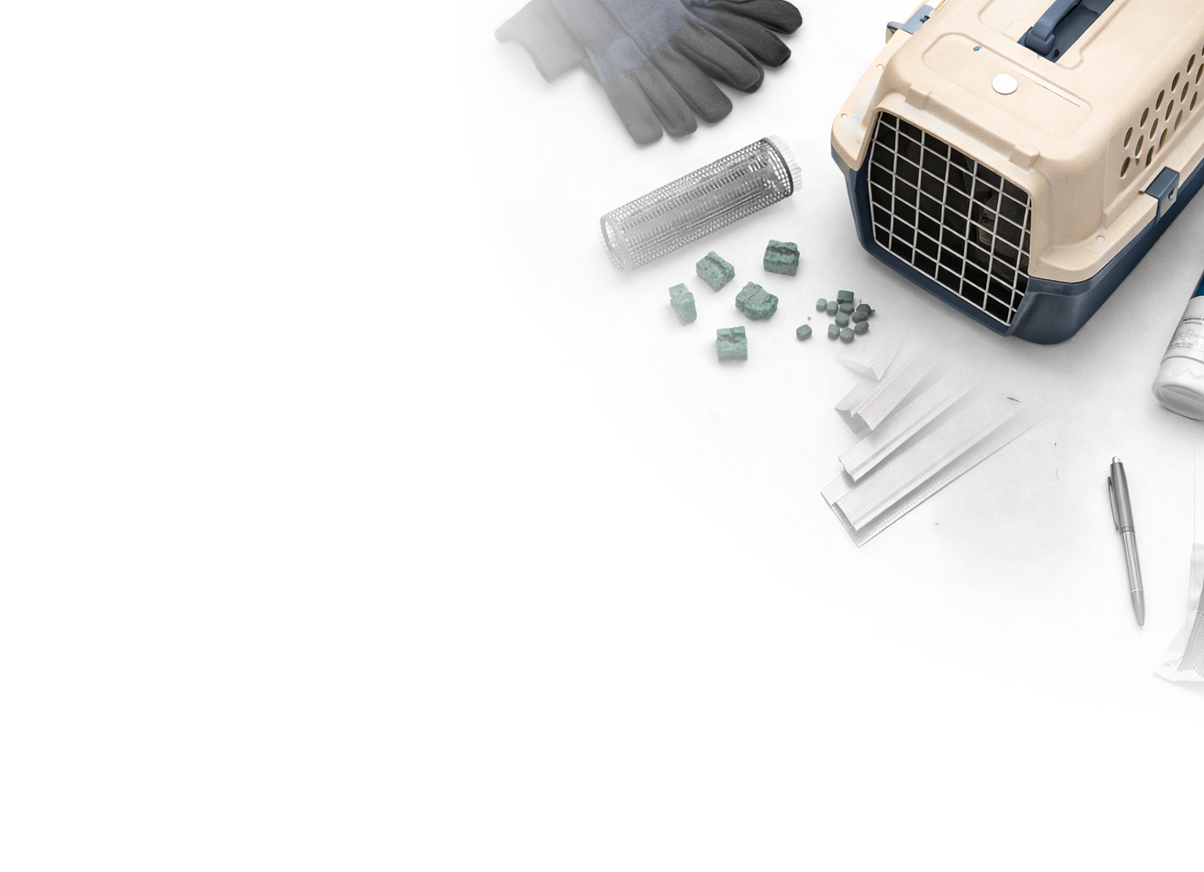
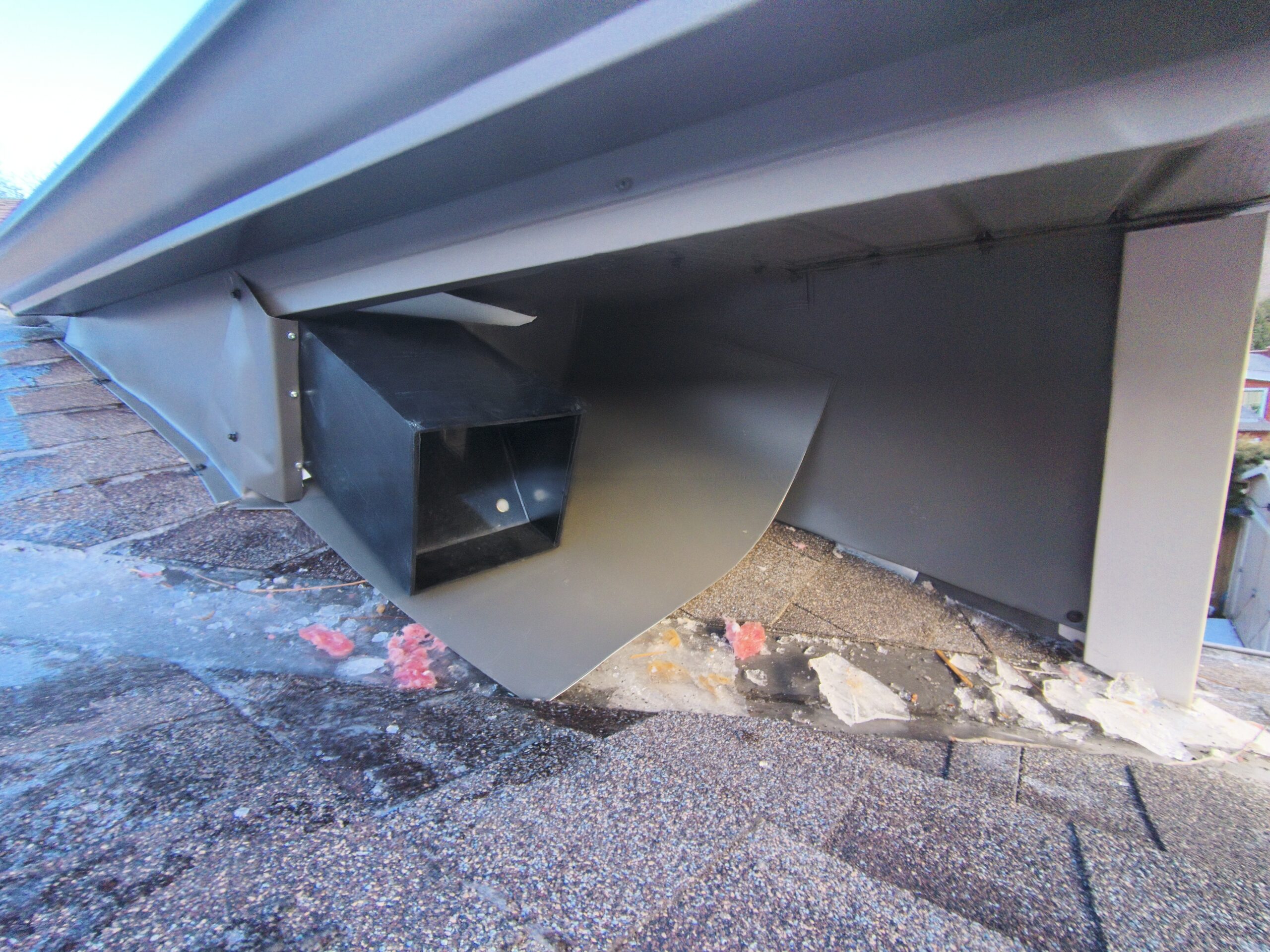
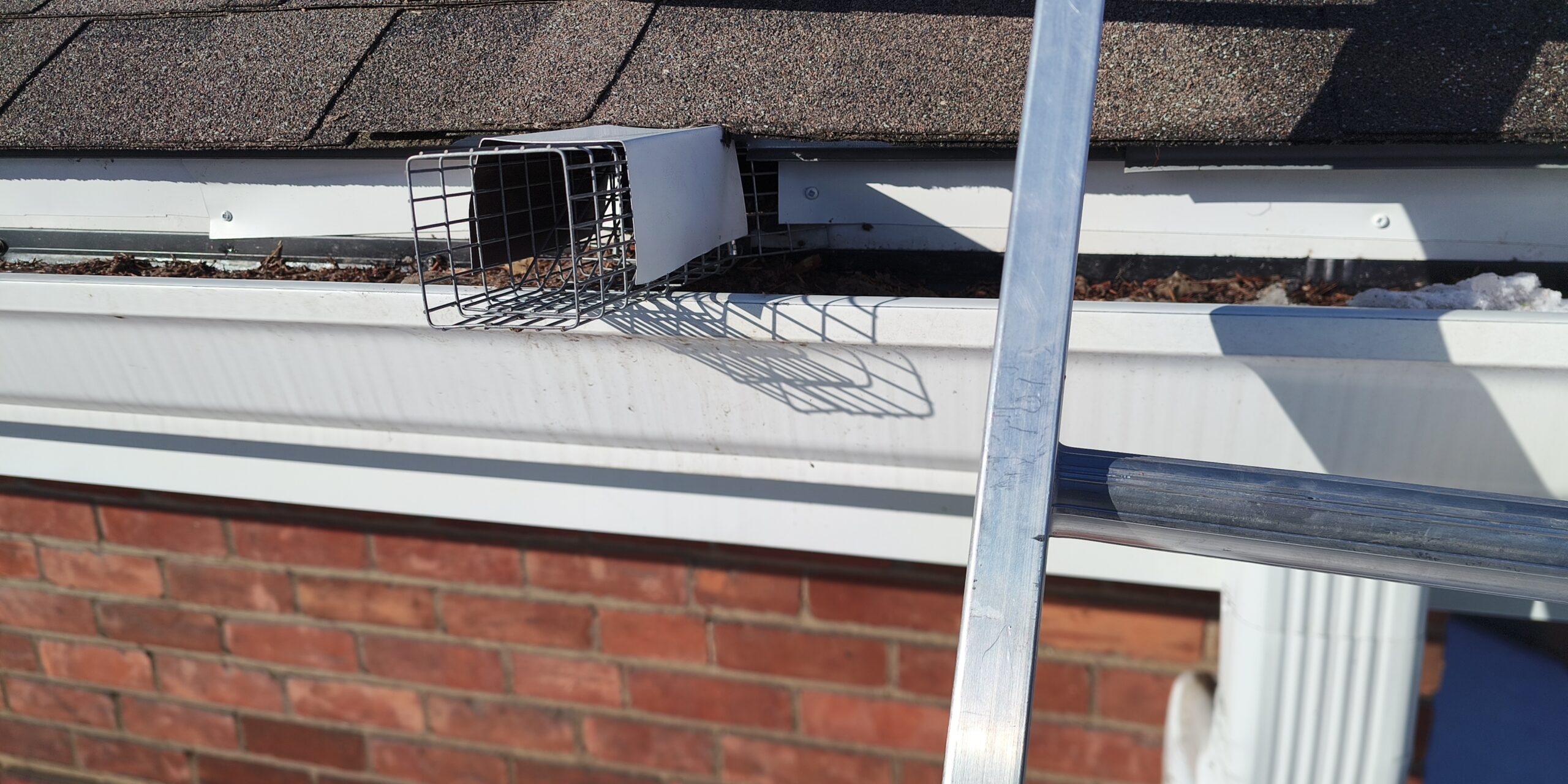
The nuisance animals we usually remove, raccoons, squirrels, mice, and skunks, chew or dig their way in; bats only use an opening that already exists, so the technique differs. One-way tubes over the active gaps let them drop out at dusk and stop them landing back in, with no netting, no trapping, and no poison.
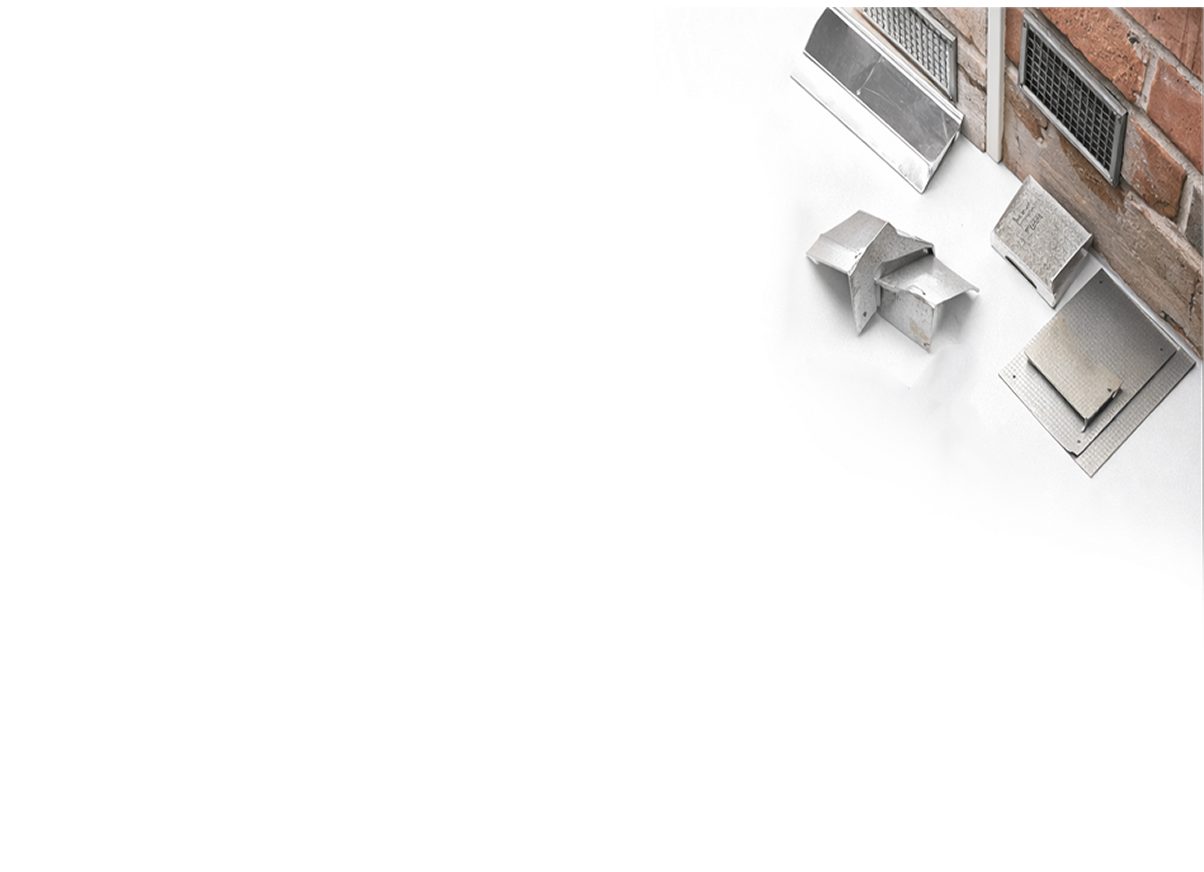
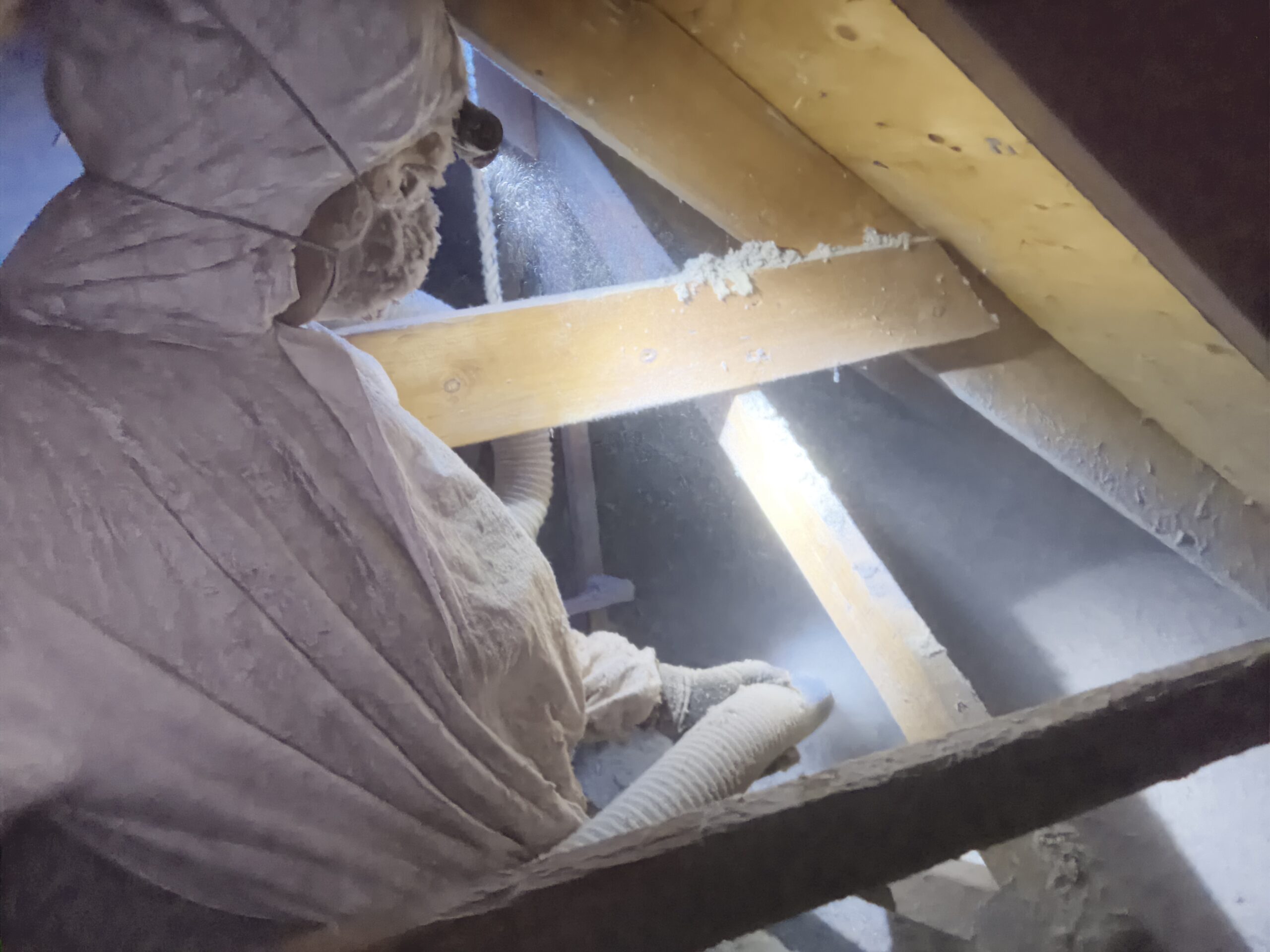
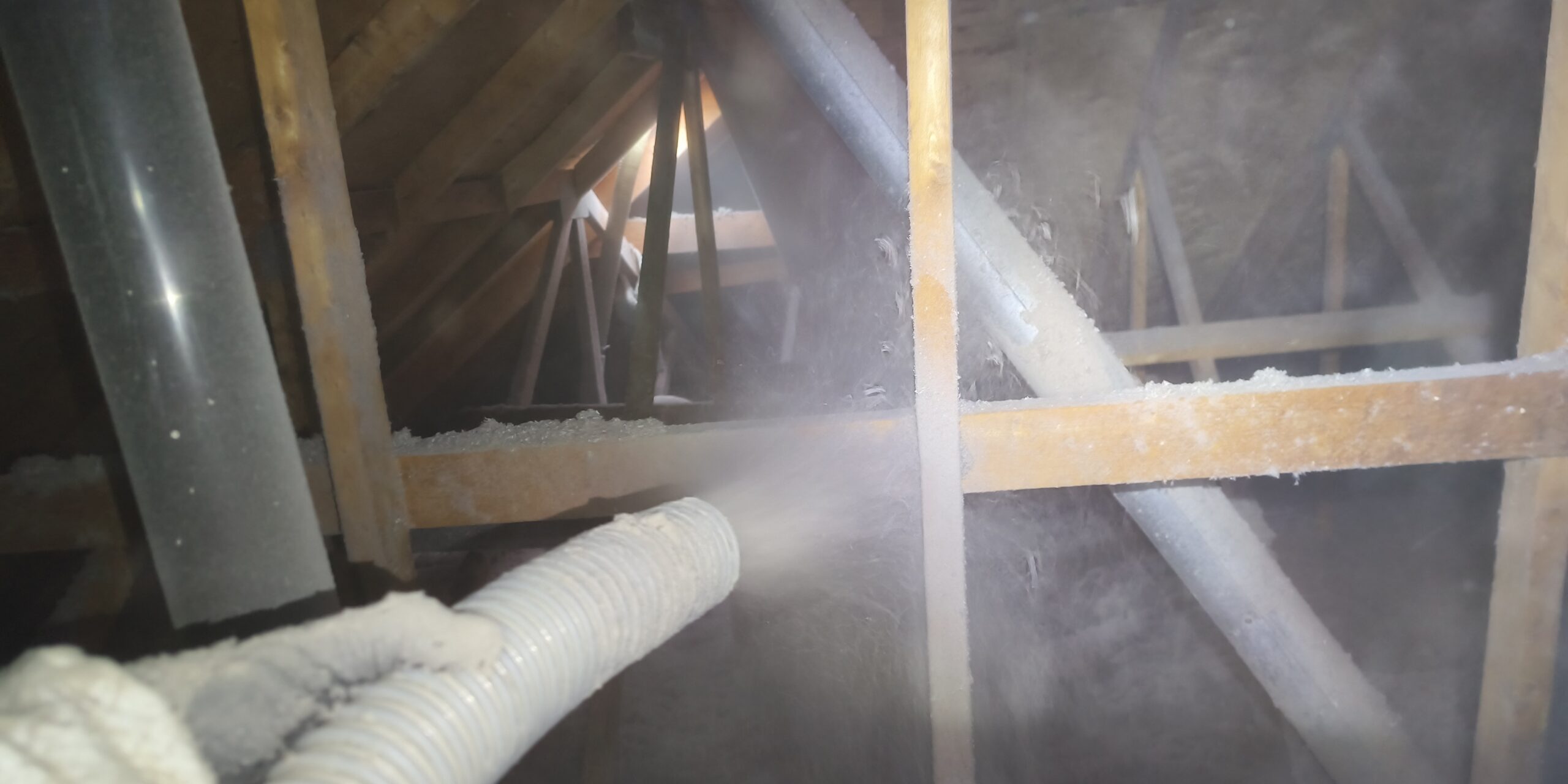
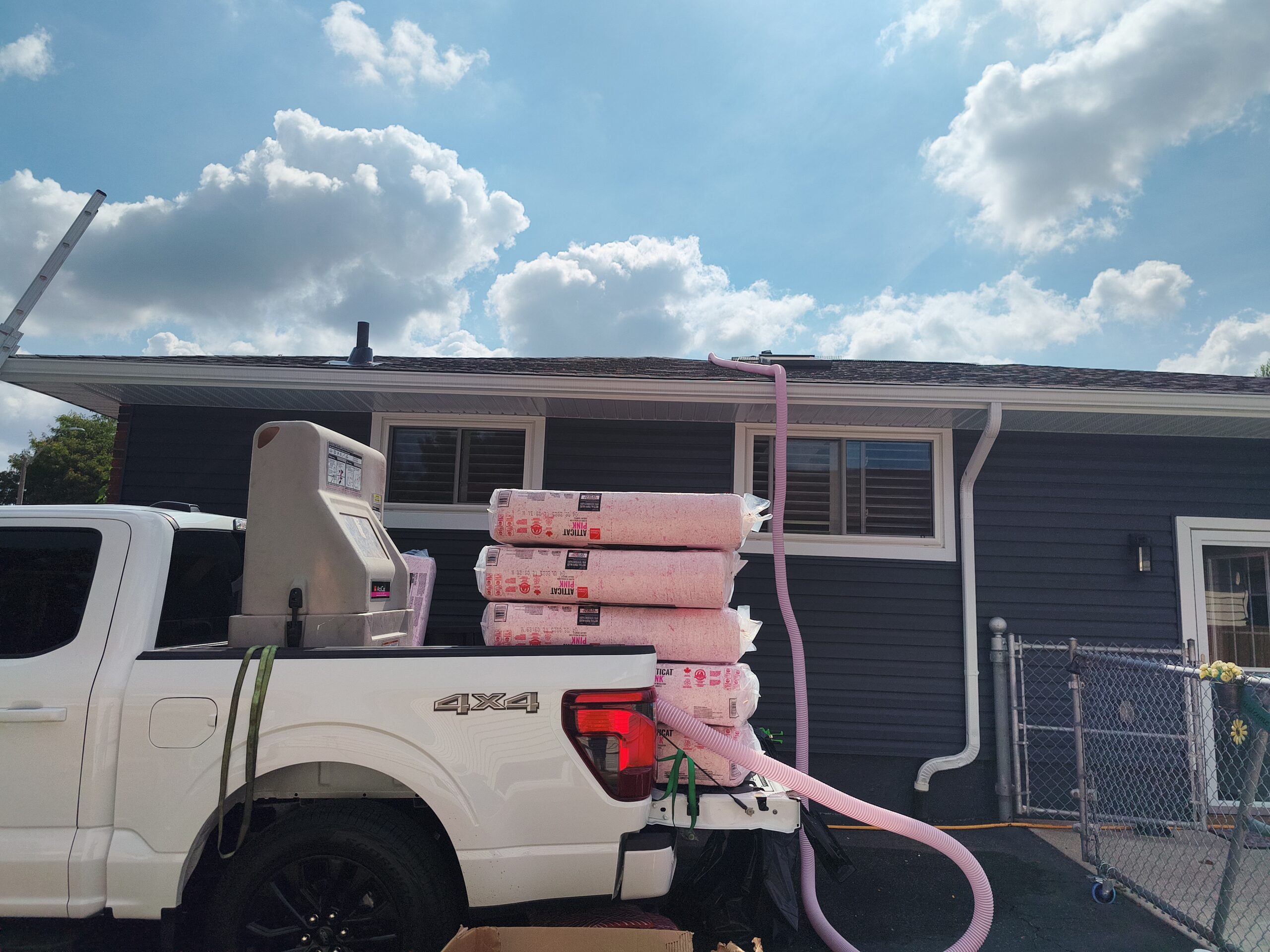
Once the roost is empty we remove droppings from the attic or wall, disinfect, repair rotted fascia, and replace soaked insulation, because dried guano dust carries the fungus behind histoplasmosis.


Why Bats Choose Niagara Falls Buildings
Bats settle here because they find food over the water and the warm roosts are one short flight away. Research on foraging bats has found that aquatic fly abundance predicts where they hunt better than temperature, moon phase, or vegetation, and the Niagara River corridor delivers exactly that, with midge swarms in spring and a heavy caddisfly hatch in early summer. Dufferin Islands and the Welland River wetlands add more habitat. A big brown bat eats up to half its body weight in a night, so the brick homes along Victoria Avenue and Lundy’s Lane sit in the right place.
The masonry is the second half of it. The gap between brick and interior framing holds a steady temperature all winter, and big brown bats do not migrate any real distance. In eastern Canada they overwinter inside heated buildings, usually fewer than a dozen to a building, though one documented roost held 122. That is why a groggy bat turns up in a Niagara Falls living room on a mild day in January, and why it is not a freak event.
Signs of a Bat Roost in the House
You usually see the evidence before you hear the colony. Bats are the quietest wild animals we take out of Niagara Falls buildings, so the most common clue indoors is a single bat flying laps around a bedroom at 2 a.m. after following a wall cavity down. Outside, the building has been showing these five signs for months.
- A dark, greasy smudge at a soffit gap, chimney flashing, or the joint around pipes where bats squeeze in and out
- A pile of small, crumbly droppings that shine with insect parts under a window sill, on a deck, or in the attic
- Bats leaving one spot on the roofline at dusk, one after another, in the 30 minutes after sunset
- High, thin squeaking noise from a wall or ceiling on hot July afternoons when the roost is crowded
- A sharp ammonia smell from urine in a wall cavity or attic that gets stronger in humid weather
Where Colonies Roost Around the City
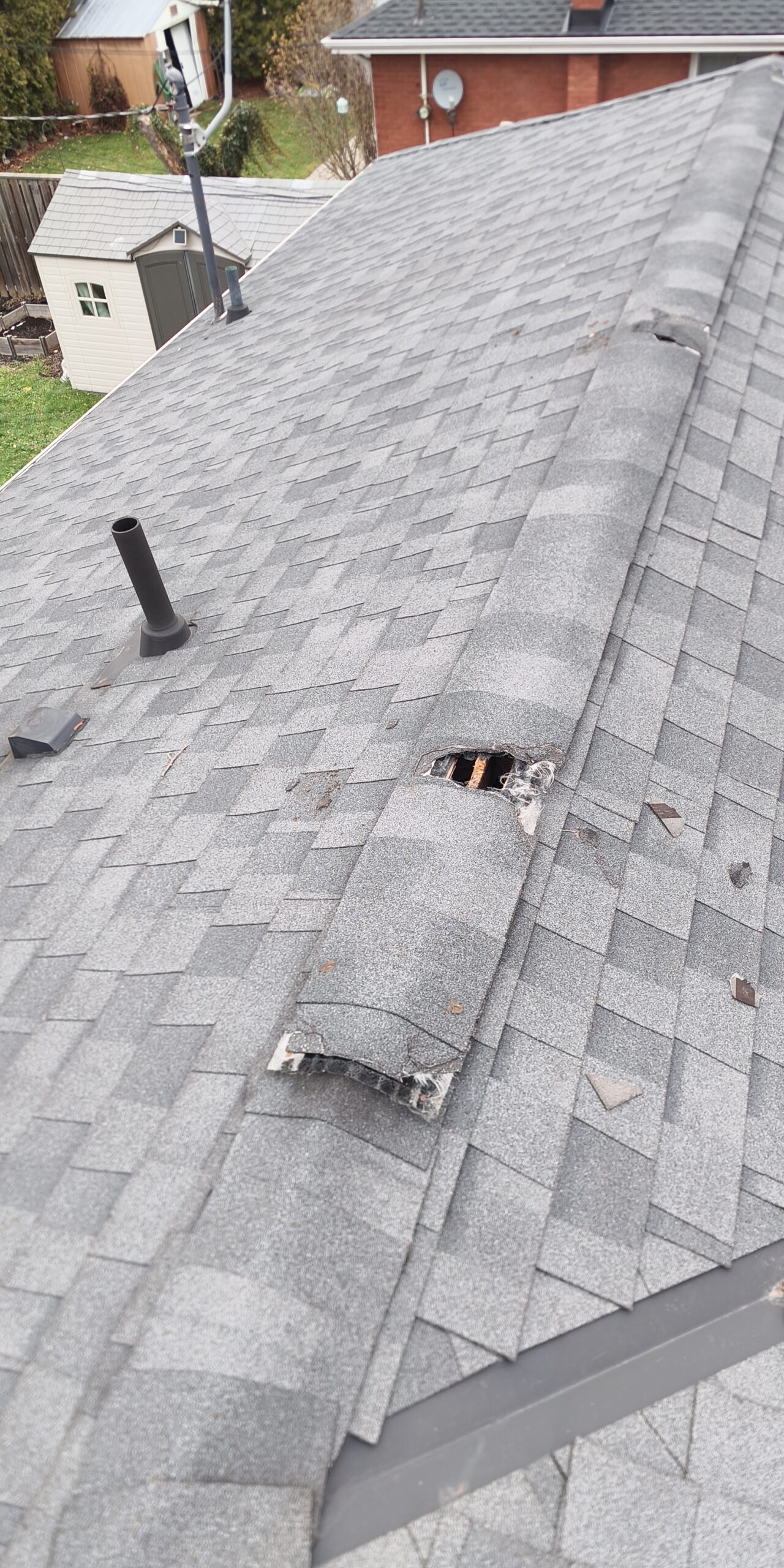
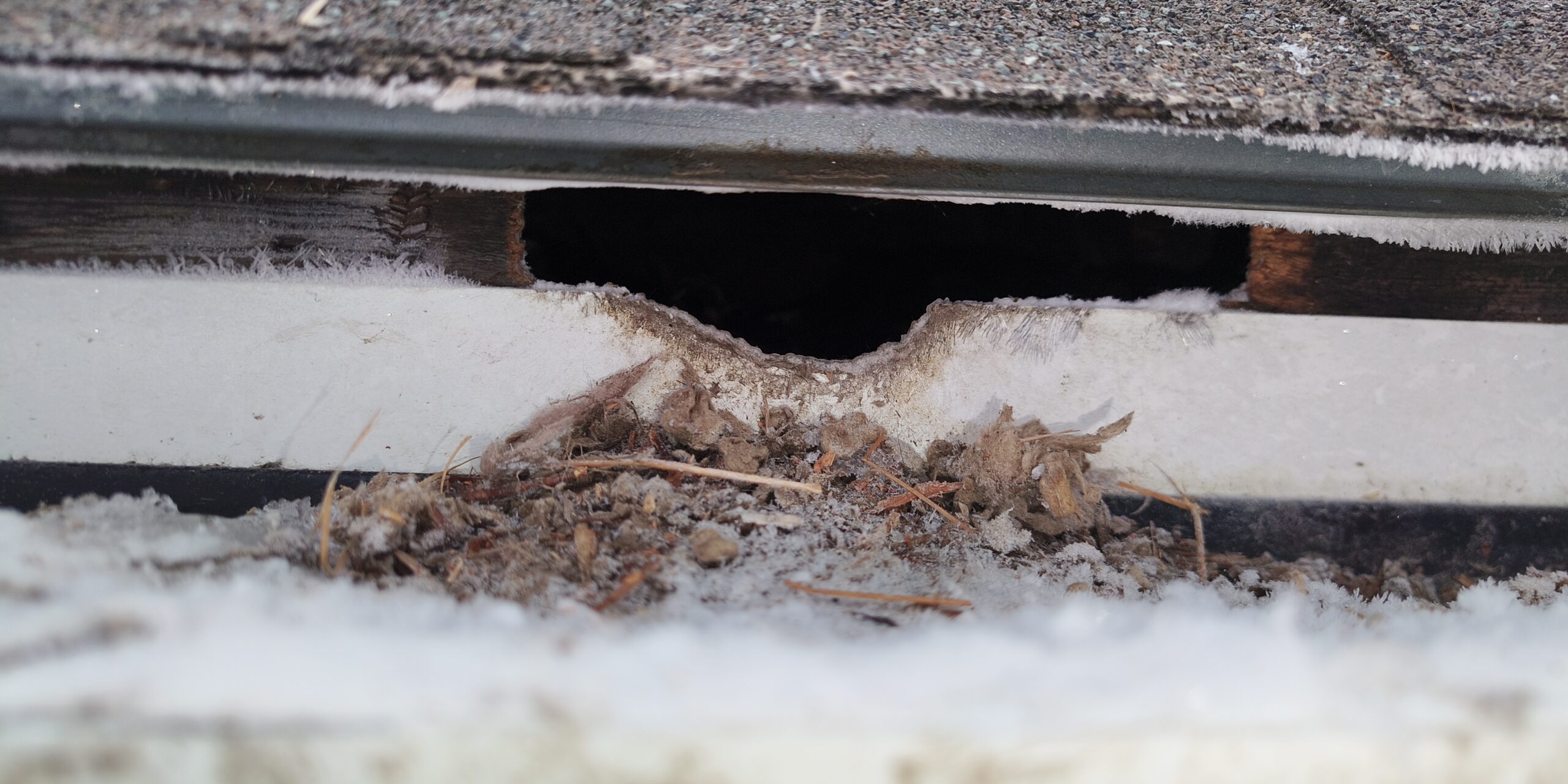
Wall cavities come first, attics second, and outbuildings third. Big brown bats prefer the narrow space behind brick veneer or under wood siding to an open attic, and in the older homes of downtown Niagara Falls and Chippawa that space runs from the foundation to the eaves. The colony enters at a soffit gap, a chimney flashing joint, or a rotted fascia board and moves up and down the wall with the temperature.
Attics with a peaked roof and a warm ridge are second, especially in the century homes near Lundy’s Lane and in the older churches and halls along Victoria Avenue. A detached garage, a shed at the back of the yard, barns on the Sodom Road farms, and the space behind loose shutters hold smaller summer roosts. Little brown bats, now endangered, are the ones we most often find in those outbuildings.
Our Bat Exclusion Method
Three steps, in one order: map every gap, fit one-way tubes and seal the rest, then remove the tubes and clean. The calendar, not the situation on site, decides when each step happens.
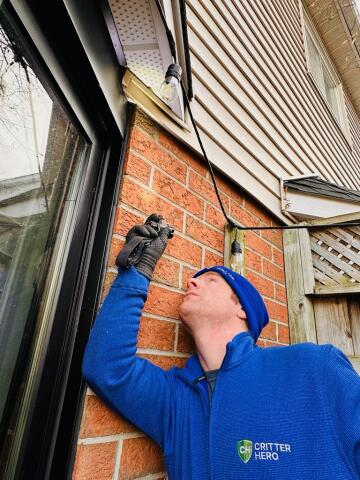
Inspect and map every gap: At dusk we watch where bats exit, then by day inspect the roofline, chimney, soffits, and brick joints, marking every opening wider than a centimetre. Attic and wall cavities are checked for guano and pups.
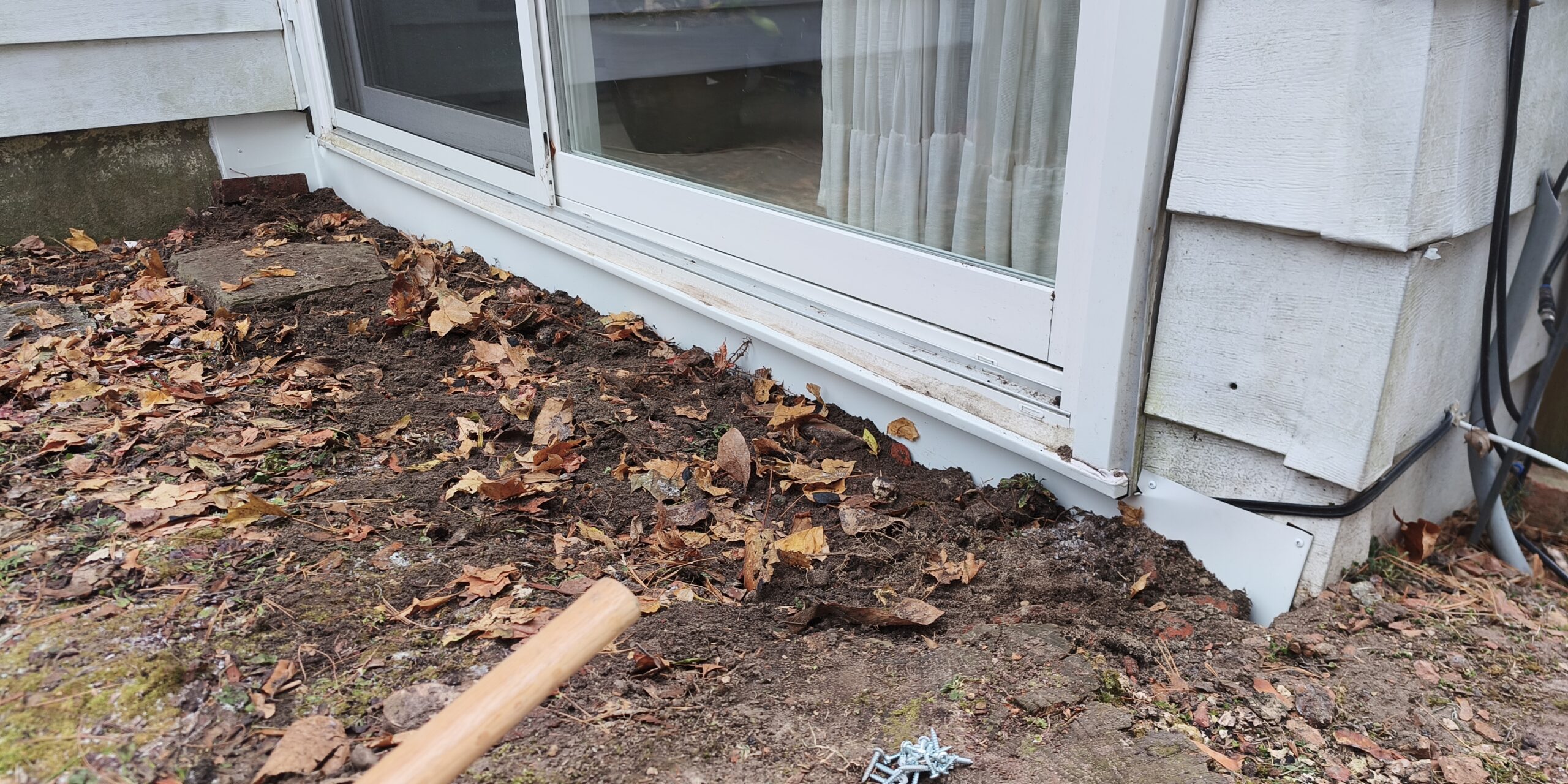
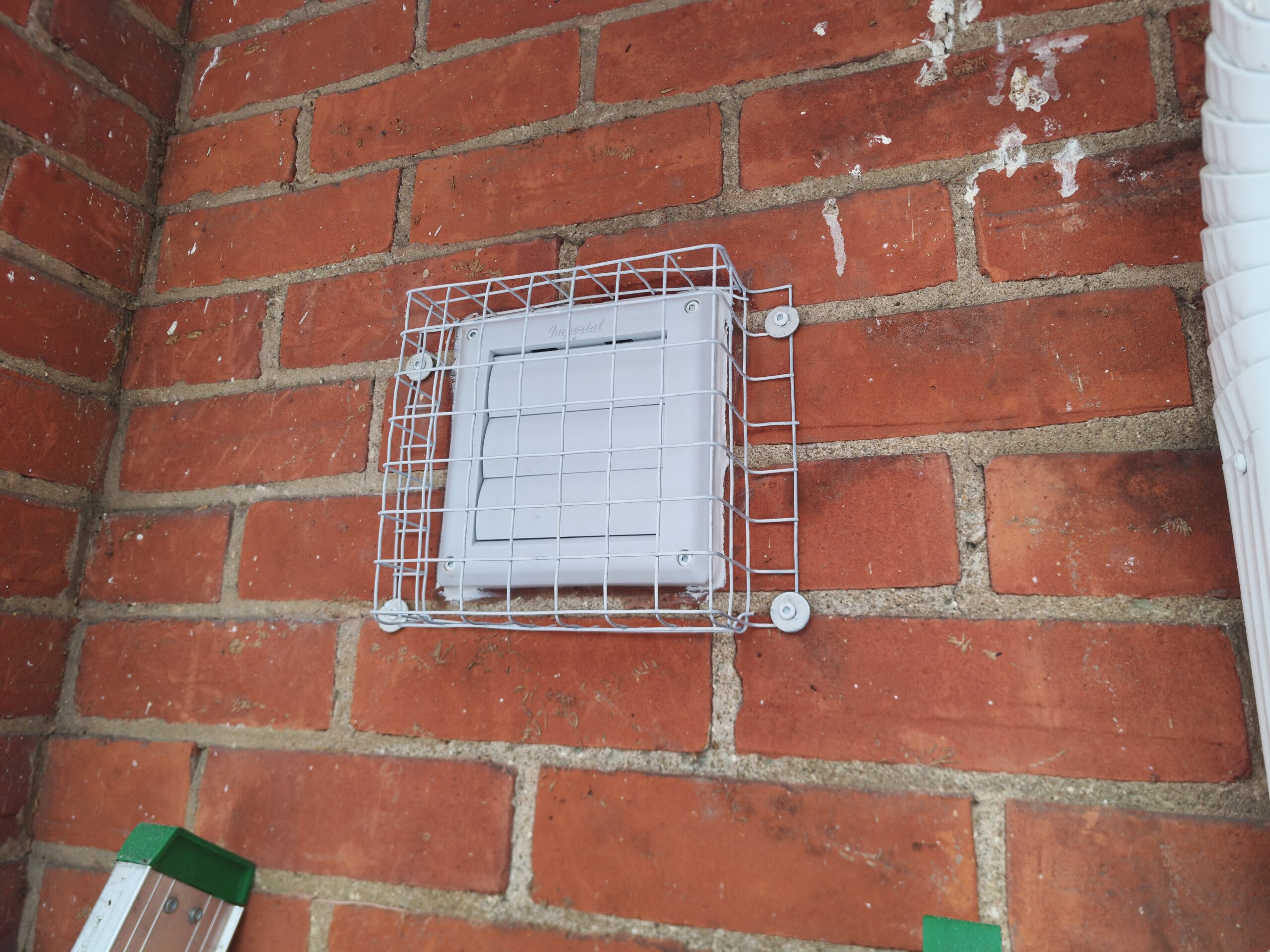
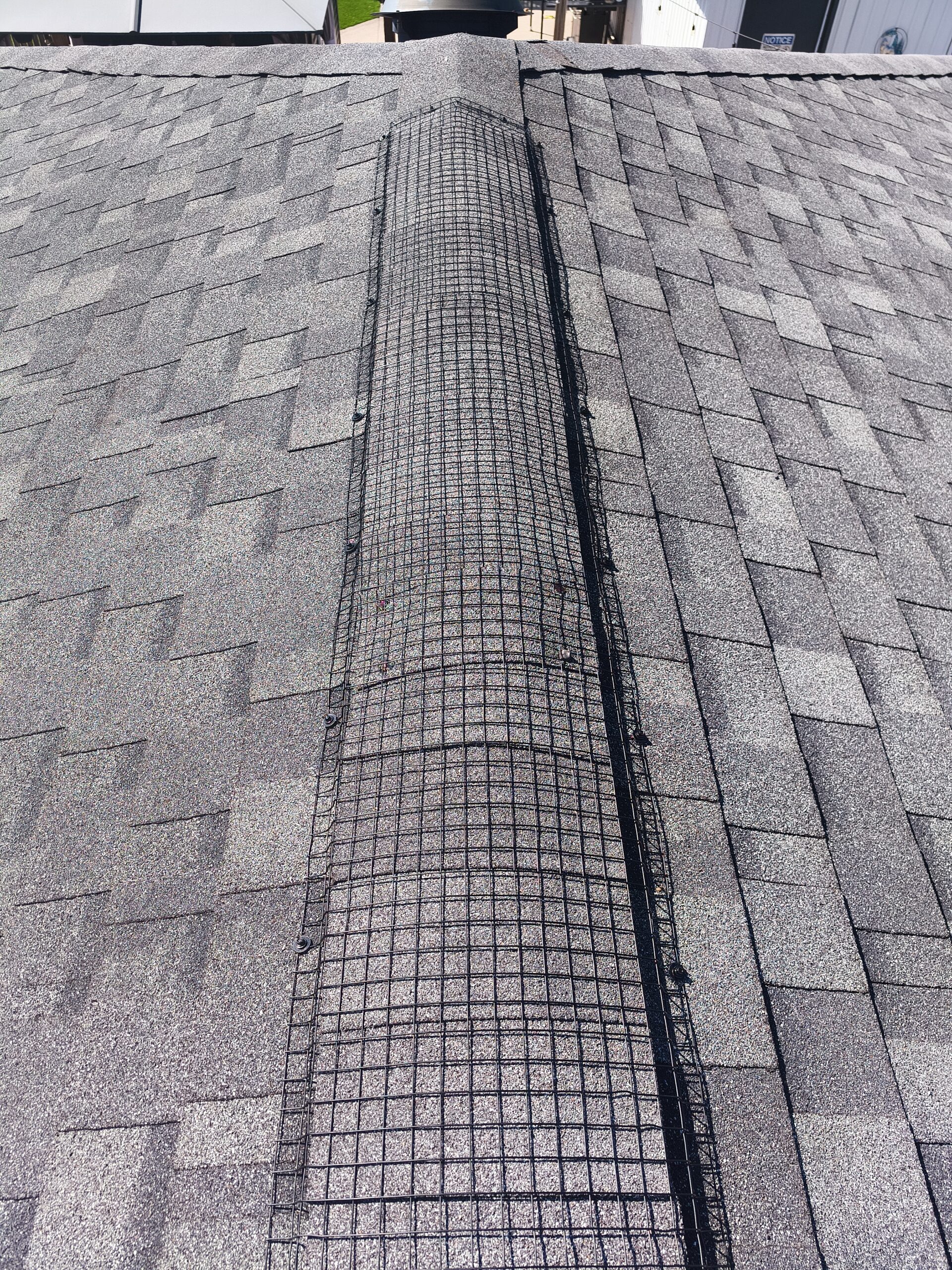
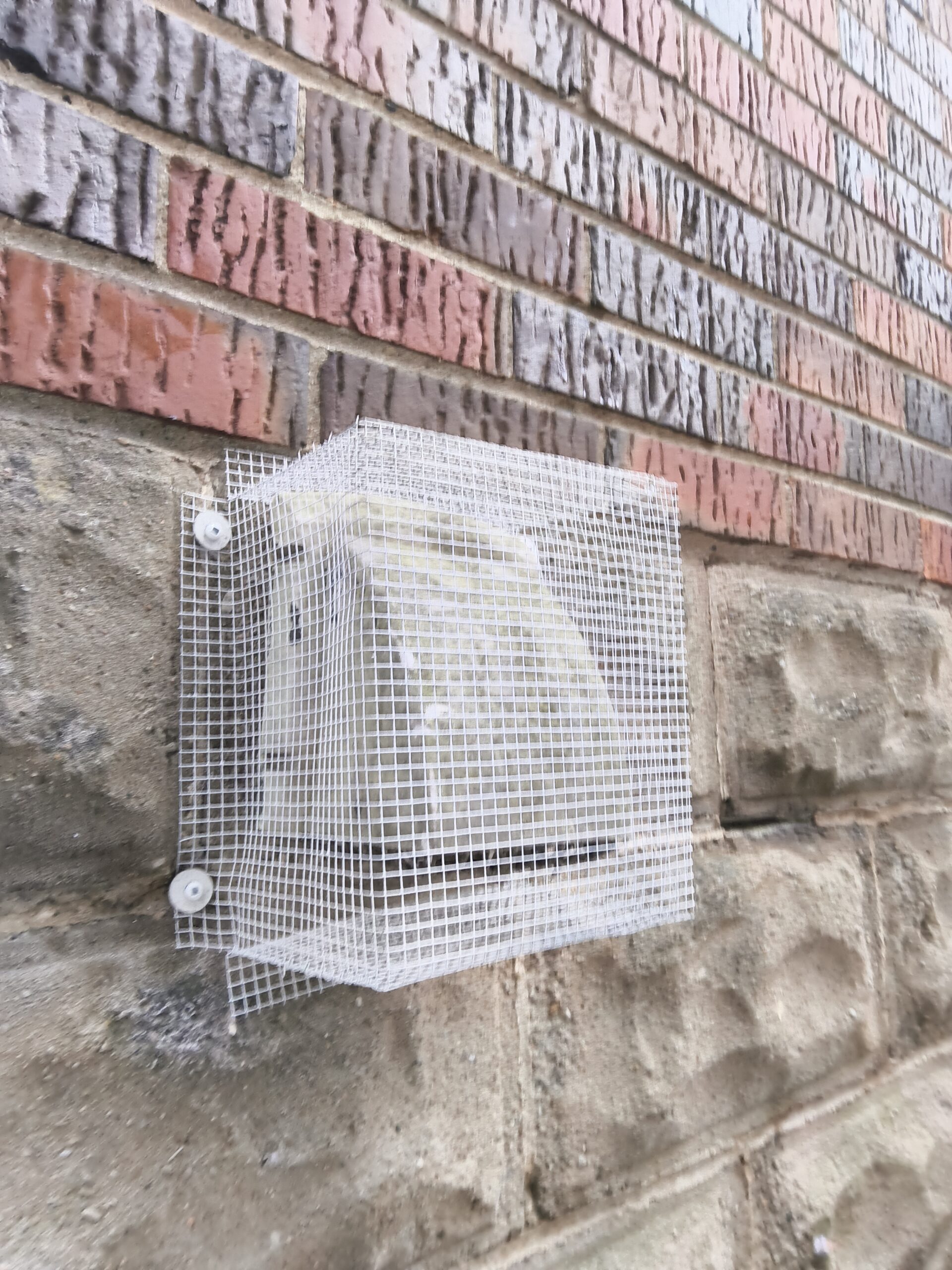
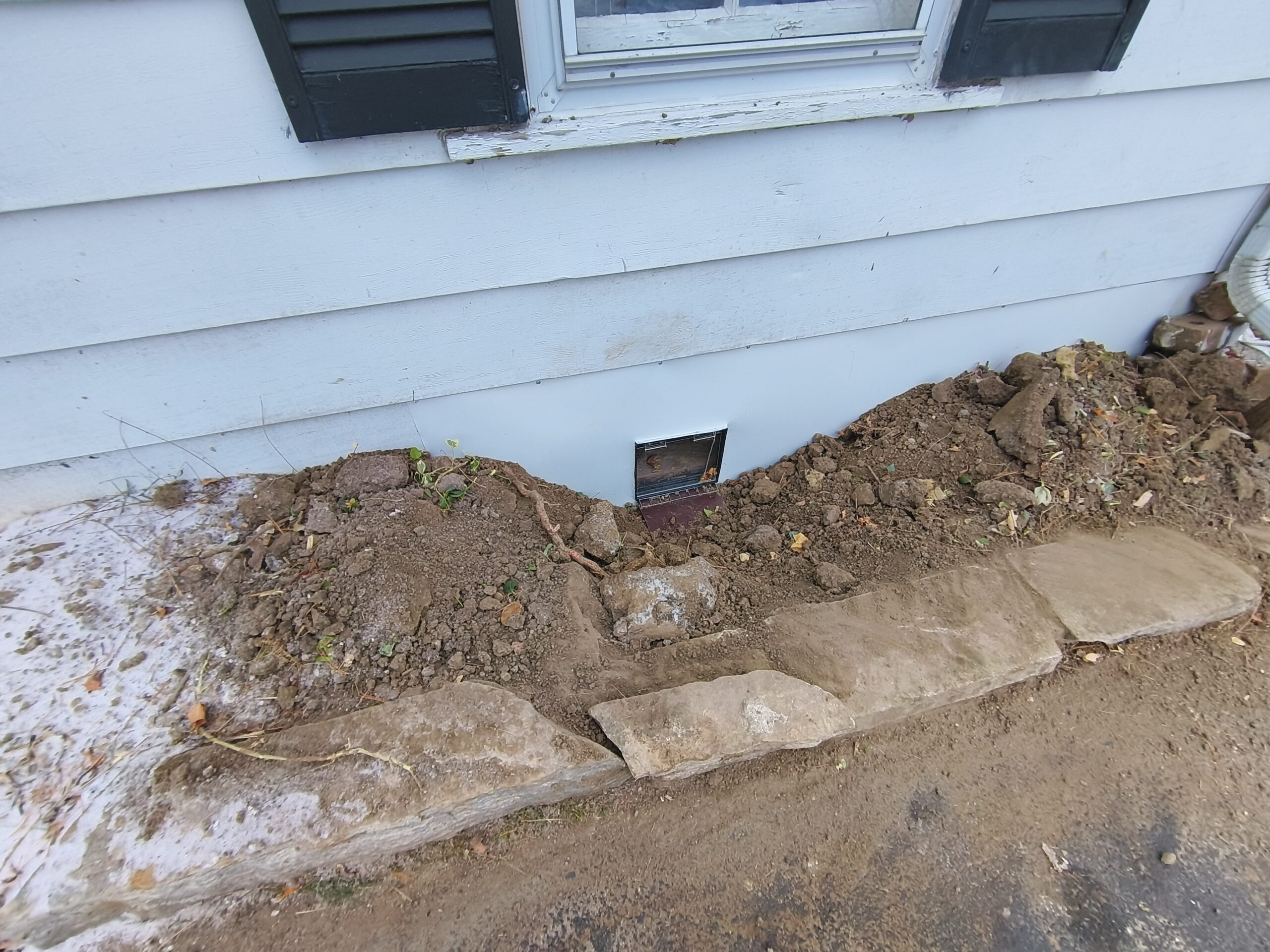
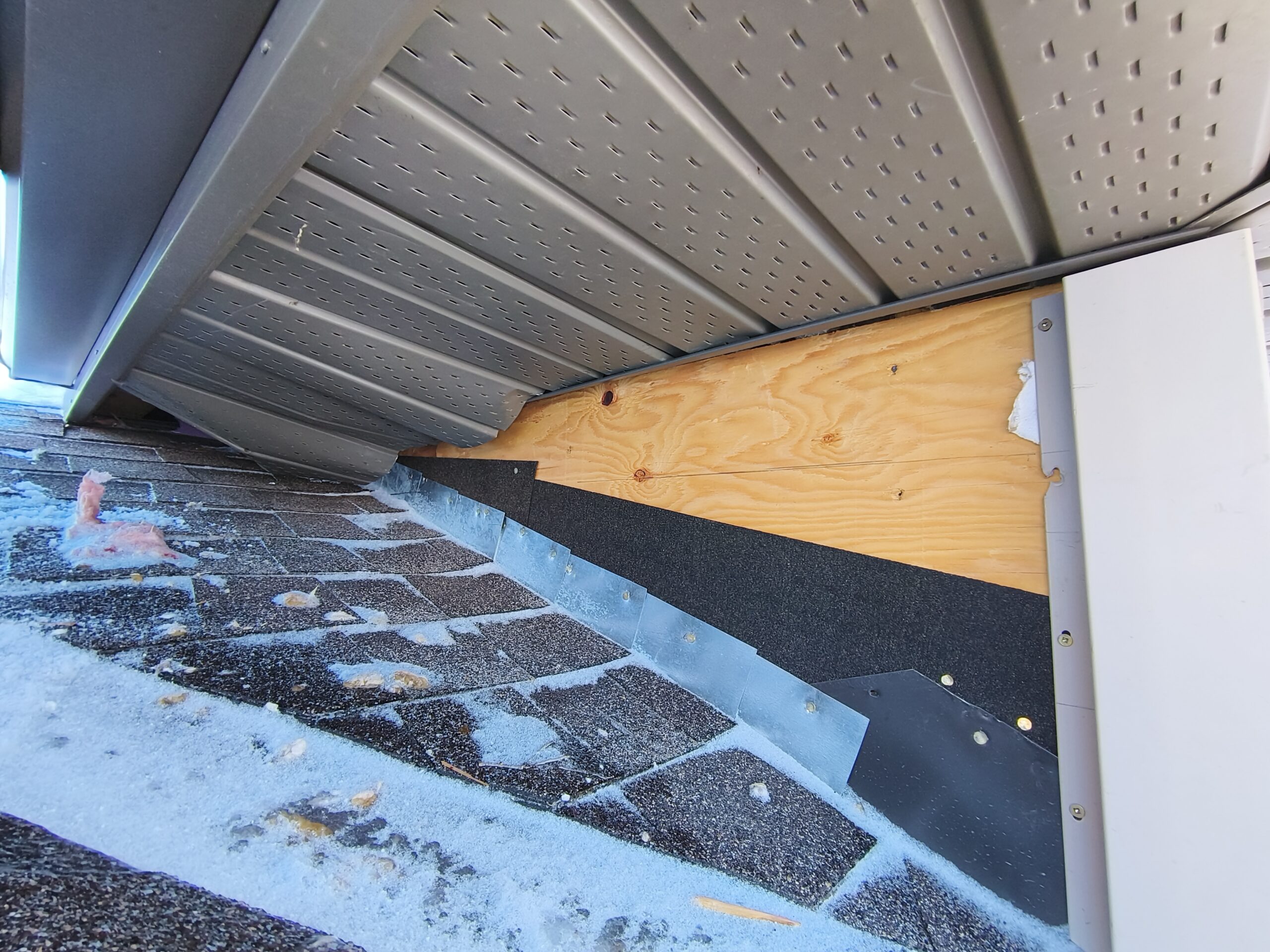
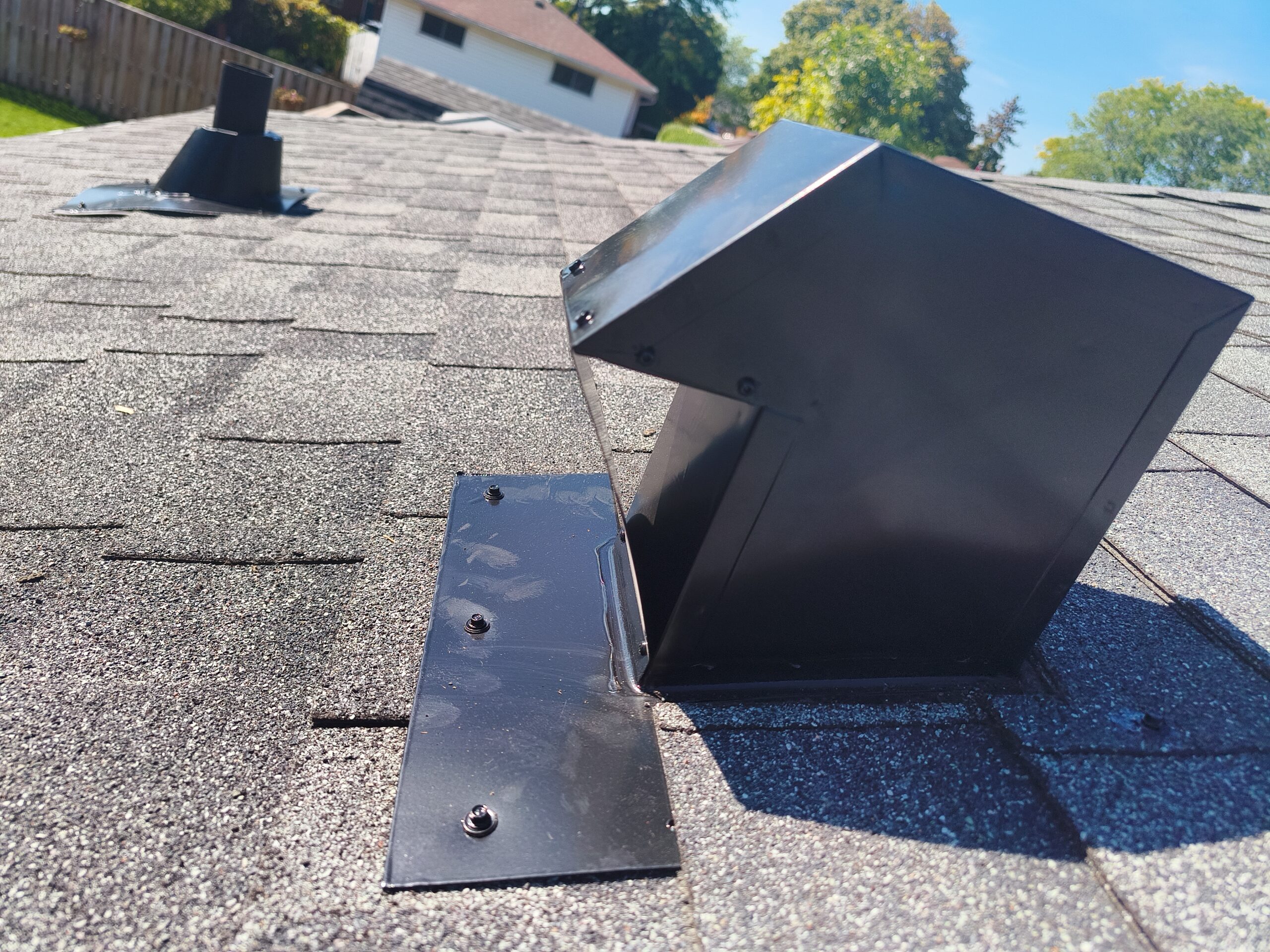
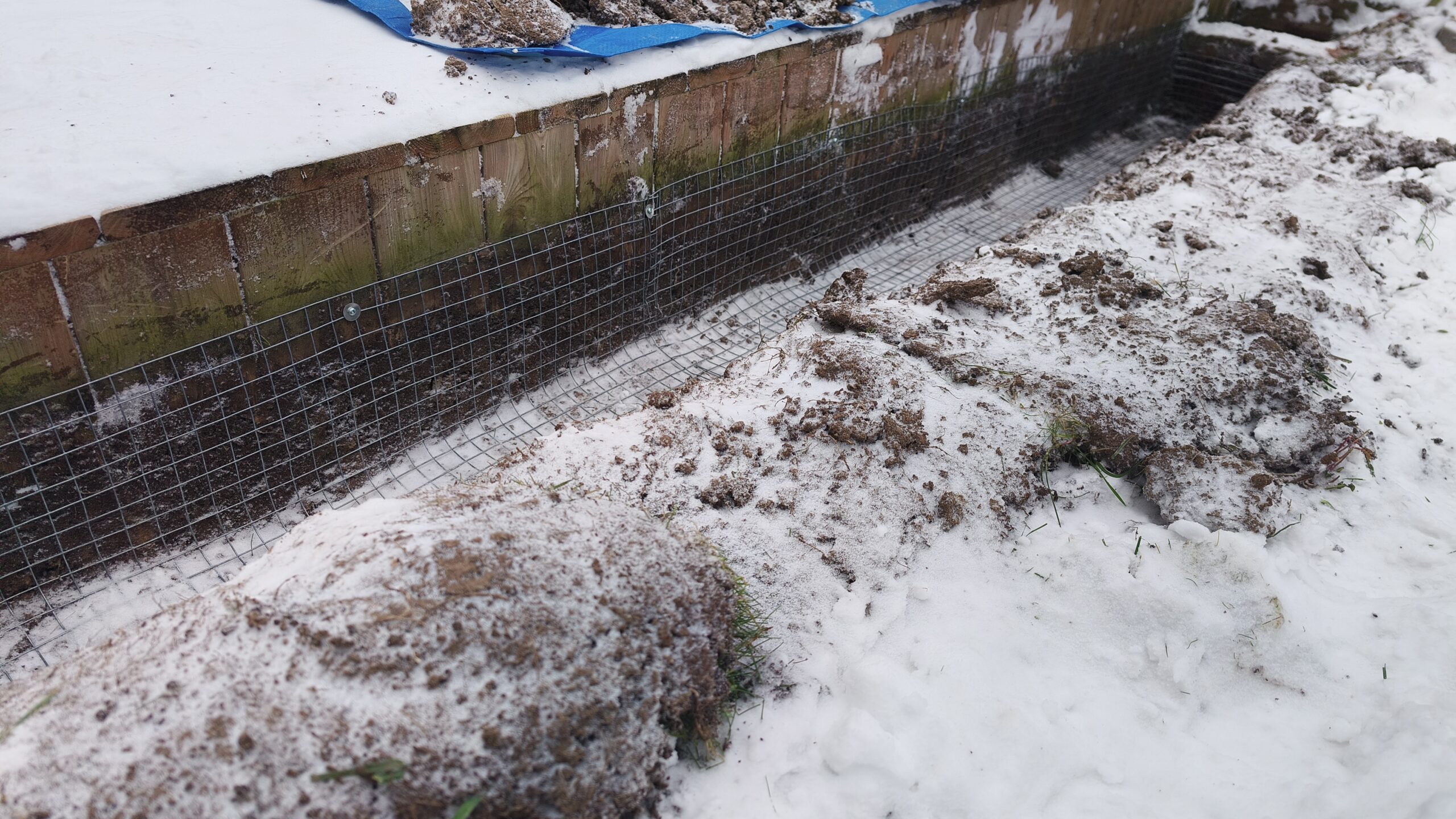
Fit exit tubes and seal the rest: Outside the maternity season, one-way tubes go on the main exits and every other gap is sealed with mesh, caulking, and flashing. Bats fly out at dusk over the next several nights and cannot return.
Remove the tubes and clean up: After the roost has been empty for a week, we take the tubes off, seal those last openings, and clean the guano and contaminated insulation from the attic or wall.
Bat Removal Niagara Falls Costs
Most Niagara Falls jobs fall between $600 and $1,500 for the inspection, exit tubes, and full sealing of the roofline, with guano cleanup quoted separately. Price follows the size of the building and the number of gaps to seal, not the number of bats, so you are paying to prevent the next colony as much as to move this one.
Capturing a single bat in a bedroom is a short visit, usually same day. Guano cleanup is quoted once we see the volume. Estimates are written, and Financeit payment plans are available.
Here are the estimated costs.
Service Category
Estimated Costs
Property inspection and dusk watch
$100 to $250
One-way exit tube exclusion
$200 to $600
Roofline sealing and prevention
$200 to $400
Single bat capture and release
$150 to $300
What the Law Says About Bats in Niagara Falls
Bats are the most protected wildlife in Ontario. Every species is covered by the Fish and Wildlife Conservation Act, and the little brown myotis, northern long-eared myotis, and tri-colored bat are endangered under the Endangered Species Act, 2007, after white-nose syndrome cut numbers in exposed Ontario hibernacula by as much as 99 percent. Killing, trapping, or sealing in a colony can bring fines of $25,000 under the first act and $250,000 under the second. Penalties that size are why our bat quotes name the lawful exclusion window for the building, next to the certification and the insurance standing behind the crew.
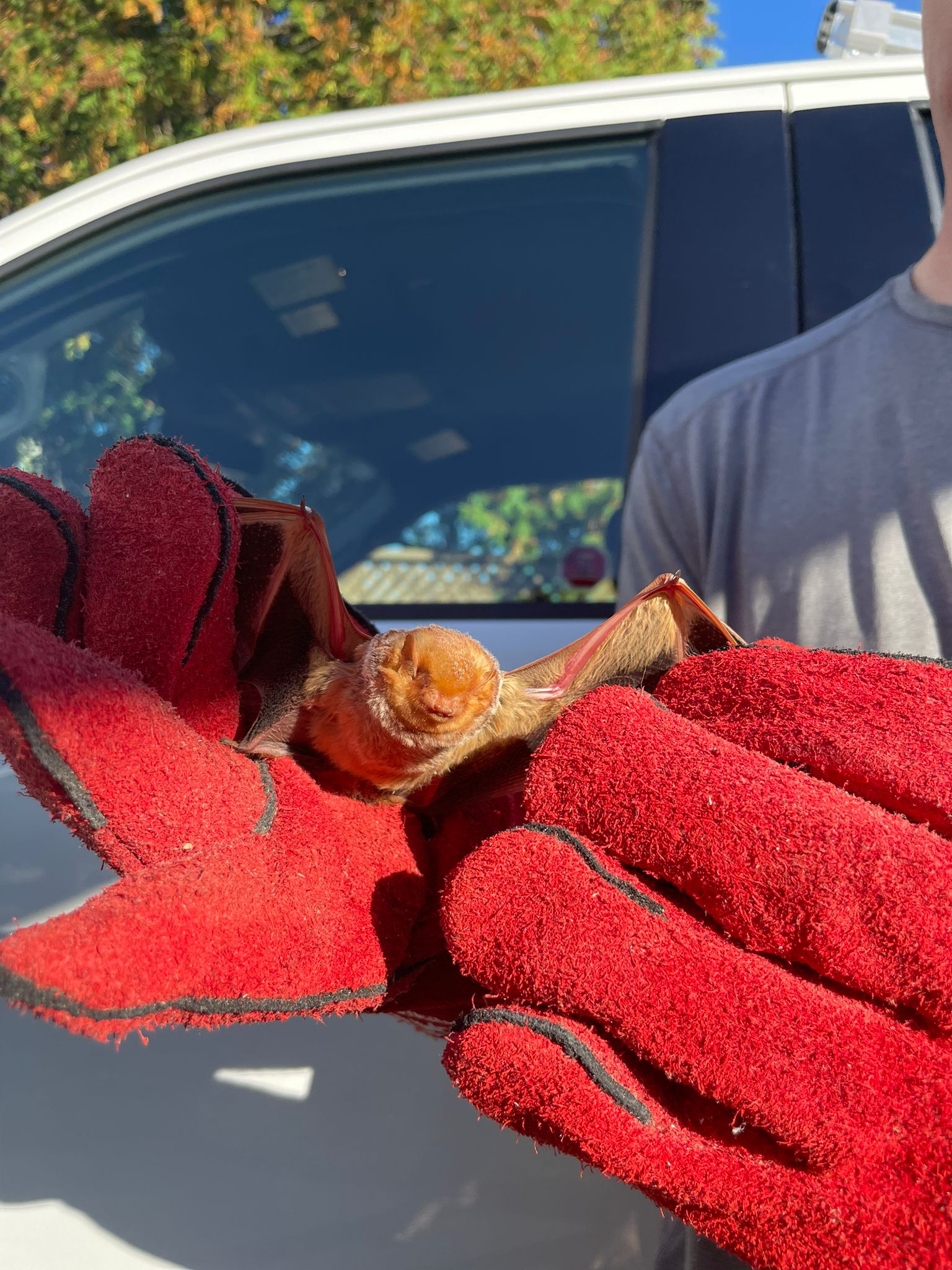
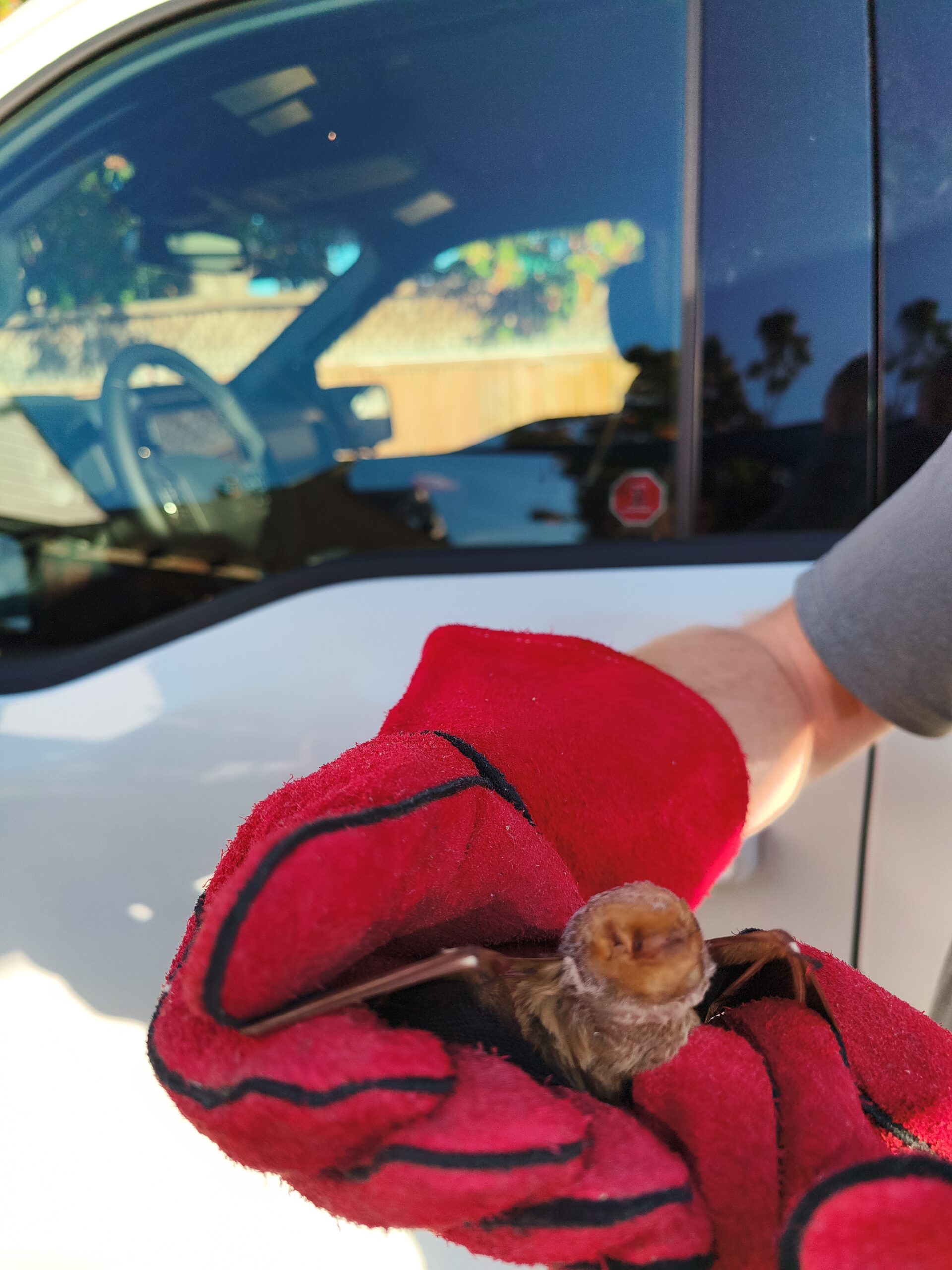
Rabies runs the opposite way here to raccoons, and it changes what we do with a captured bat. Raccoon-strain cases fell to zero province-wide in 2024 and 2025 while bat-strain hit record highs, 91 across Ontario in 2024 and 116 in 2025, five then eight of them in Niagara Region and nearly all big brown bats. So a bat taken out of a living space is contained, not released, in case Public Health needs to test it. Contact through clothing counts for a child or anyone who cannot give a reliable account. The number is 905-688-8248, extension 7590.
Book a Bat Inspection in Niagara Falls
A bat colony is the one wildlife problem with a legal deadline. The exclusion window runs from August to October and again in early spring, and nothing lawful can be done in between. A colony in the walls this summer will hibernate there this winter and raise pups there next June, and the guano deposit grows every year. An inspection booked quickly sets the exclusion date, counts the gaps, and gets the cleanup quoted.
Schedule your inspection and our team will talk you through the timing.
Frequently Asked Questions
-
When can you remove bats in Ontario?
From August through October, and again in early spring before the females return. Ontario defines the maternity period as May 15 to July 31, and flightless pups are inside the roost for all of it, so sealing a building in those weeks traps them and breaks the law. -
How do I permanently get rid of bats?
Seal every gap on the building after the colony has flown out through one-way tubes, because closing one opening does not solve it. Bats return to the same roost year after year, so a building with one gap left open gets the colony back next spring. -
Who do you call to get rid of a bat in the house?
A licensed wildlife company for the colony, and Niagara Region Public Health if anyone touched the bat or woke with one in the room. For a single loose bat, close the room, open a window, turn off the lights, and it usually leaves within the hour. -
What makes bats go away naturally?
Nothing in nature does it. Lights, ultrasonic devices, and mothballs do not move an established colony, and mothballs are a health risk in an enclosed space. The roost stays until the exits are closed behind the bats. -
How much does bat removal cost in Niagara Falls?
Between $600 and $1,500 for most homes, covering the inspection, exit tubes, and full sealing of the roofline. Guano cleanup and insulation replacement are quoted separately once the roost has been inspected. -
Is bat guano dangerous?
Dried guano can carry Histoplasma spores, a fungus that causes a lung infection when the dust is breathed in. Small deposits are low risk, but years of accumulation should be cleaned with respirators and containment. -
Do bats damage the house?
They do not chew, so the structure is safe. The damage is guano and urine soaking into insulation and drywall, staining exterior brick below the exit, and the smell that builds in a wall cavity over several summers. -
Can I seal the hole myself once the bats leave in fall?
Not before confirming the roost is empty. Big brown bats overwinter inside heated buildings in this part of Canada rather than flying to a cave, so a hole sealed in November can trap a colony in your wall until spring. A fall inspection tells you whether the roost is summer-only or year-round. -
Will the bats come back after the exclusion?
Not into that building if every gap is sealed, and the sealing is covered by our Satisfaction Guarantee. A bat house mounted clear of the trees gives the colony somewhere else to go while it keeps eating your mosquitoes.
- Why Bats Choose Niagara Falls Buildings
- Signs of a Bat Roost in the House
- Where Colonies Roost Around the City
- Our Bat Exclusion Method
- Bat Removal Niagara Falls Costs
- What the Law Says About Bats in Niagara Falls
- Book a Bat Inspection in Niagara Falls
- Frequently Asked Questions
- When can you remove bats in Ontario?
- How do I permanently get rid of bats?
- Who do you call to get rid of a bat in the house?
- What makes bats go away naturally?
- How much does bat removal cost in Niagara Falls?
- Is bat guano dangerous?
- Do bats damage the house?
- Can I seal the hole myself once the bats leave in fall?
- Will the bats come back after the exclusion?








Our service areas
…by providing award winning customer service to each and every single client.
- Hamilton
- Burlington
- Milton
- Stoney Creek
- Niagara Falls
- St. Catharines
- Brampton
- London
- Mississauga
- Oakville
- Toronto
- Brantford
Call or Email Us
Reach Out To Us For Inquiries, Support, Or Partnership Opportunities, We’re Here To Assist.

-

Satisfaction Guarantee
Your satisfaction is our priority. We stand by our work and ensure high-quality service.
-

15 Years Experience
Our team has been providing efficient and humane wildlife removal services for over 15 years.
-

WSIB & Insured
Licensed, insured and trained professionals with efficient technology to get the job done right.