Squirrel Removal for Milton Landscapes
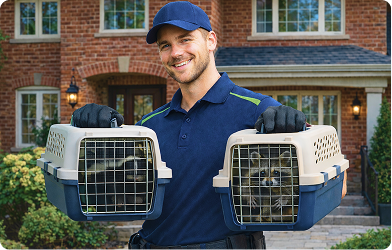
The Eastern Grey squirrel invades attics, causing costly structural damage. Luckily, our licensed and insured technicians are trained and equipped to handle squirrel removal in Milton. Our methods are 100% poison-free. We resolve issues quickly and install exclusion measures to prevent re-entry. Call Critter Hero today for fast, humane squirrel removal!


Effective Squirrel Control Services in Milton
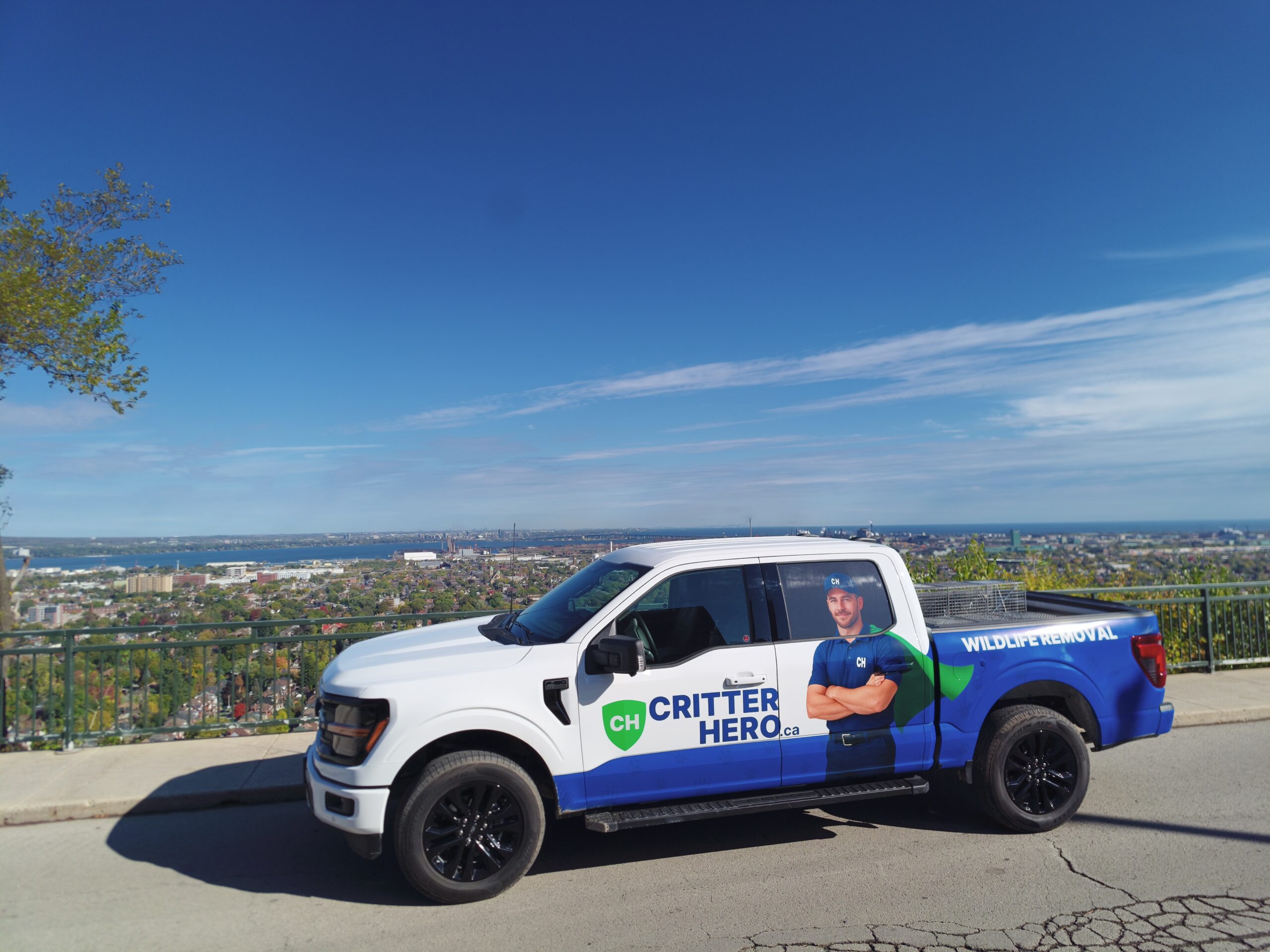
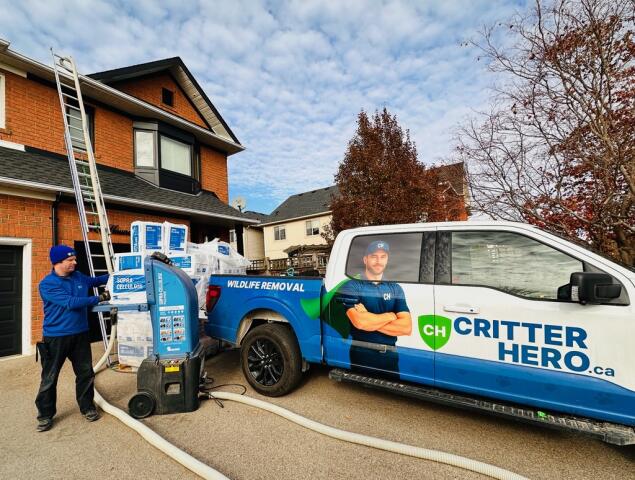
When squirrels enter your home, quick action matters, but so does choosing the right team. Critter Hero combines years of hands-on wildlife experience with 100% poison-free squirrel removal. Milton property owners dealing with rodents, raccoons, skunks, or other animals can count on our humane wildlife control services.
From the initial consultation and property inspection to the final animal-proofing, our team aims to remove squirrels and protect your home from future wildlife intrusions. Over the years, we have provided animal control and exclusion services to residences in Milton, Oakville, Burlington, Hamilton, and other areas in the Halton region.
- Fully licensed and insured wildlife removal specialists serving both residential and commercial customers.
- Available 24/7 to respond to clients’ concerns and handle same-day appointments. You can count on us for fast wildlife solutions.
- Proven track record, having served over 225,000 clients across Milton, Burlington, and Southern Ontario.
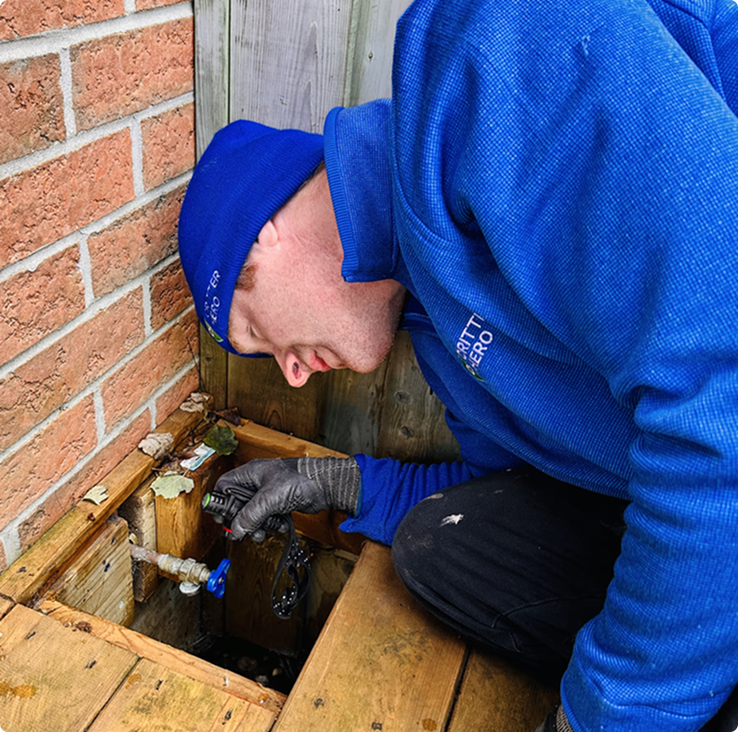
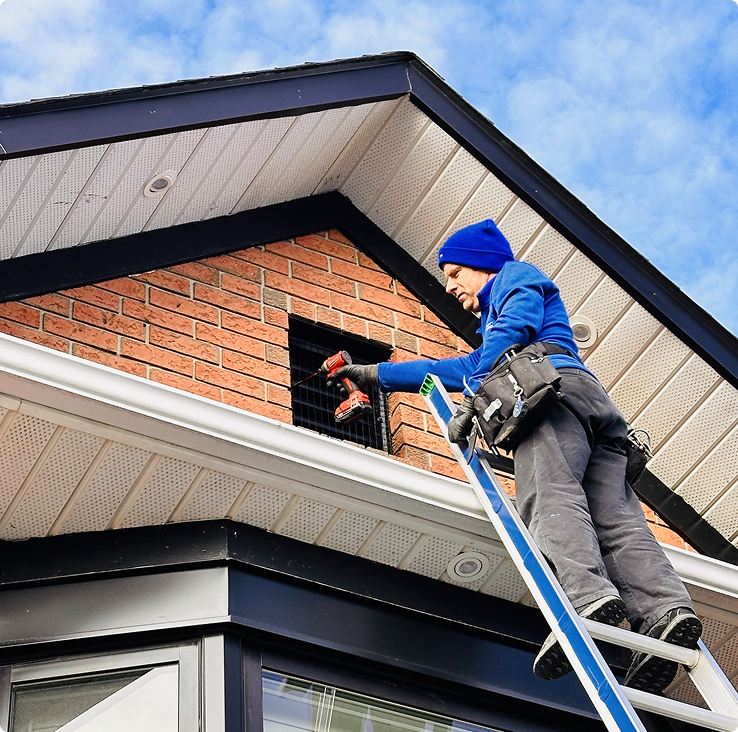
The Critter Hero Difference in Animal Control
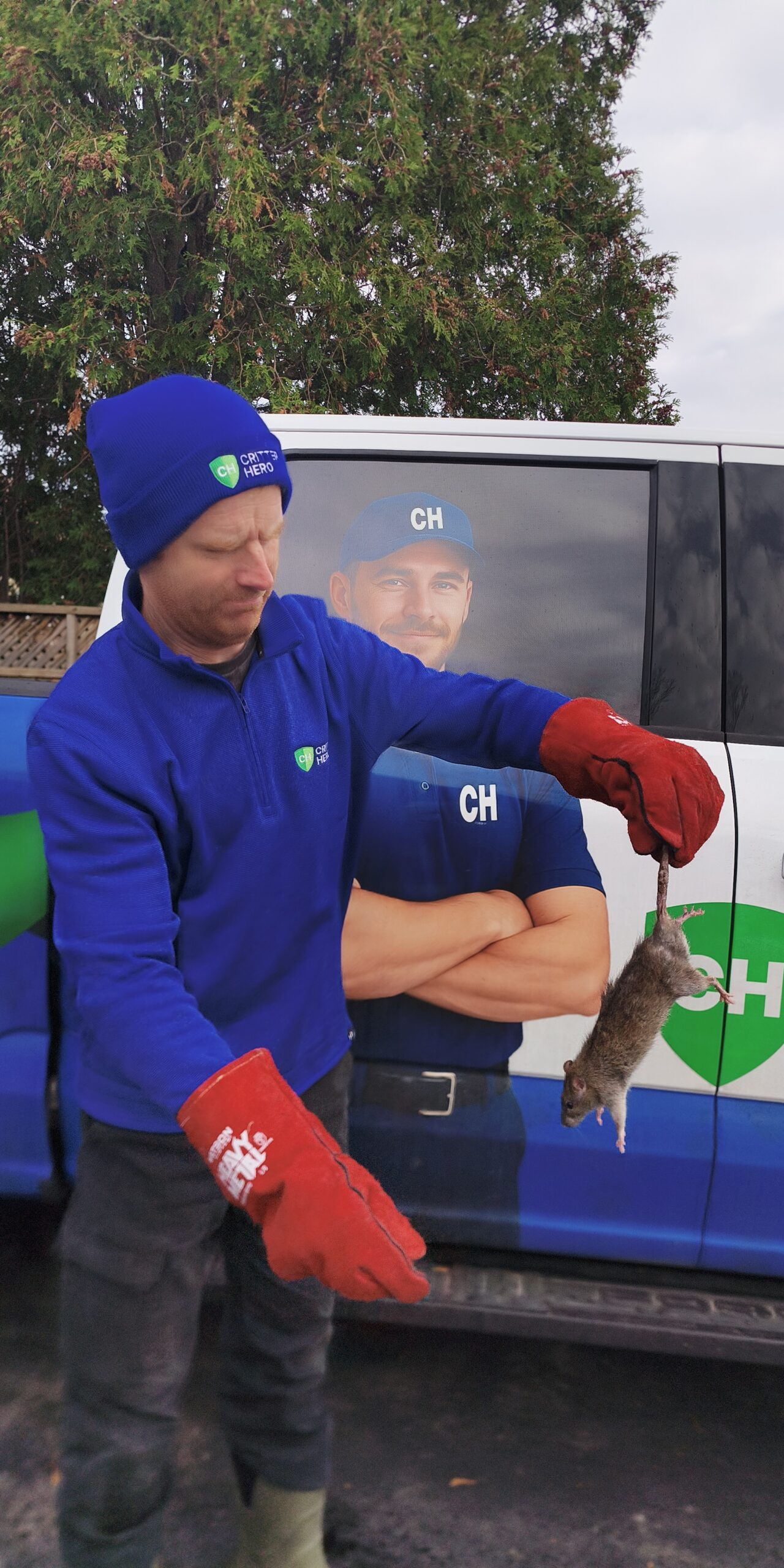
Have squirrels, mice, or other rodents moved into your property? It’s our job to get these seemingly cute but destructive rodents out of your home.
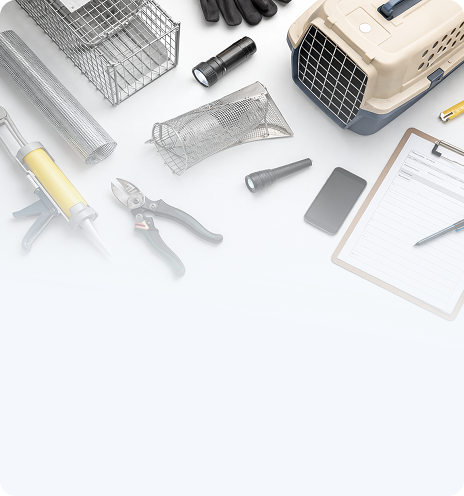
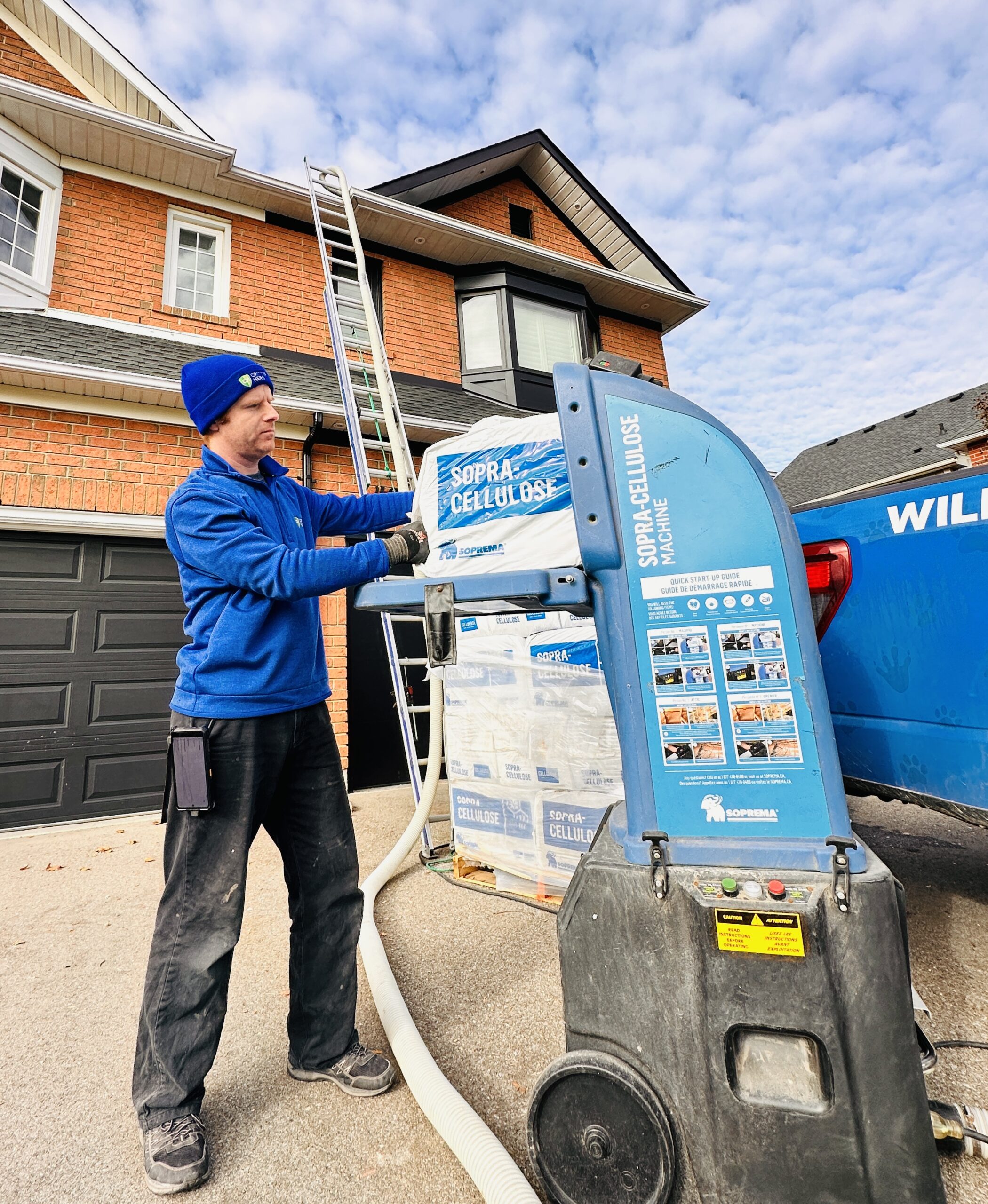
Our team has spent over 15 years resolving squirrel intrusions in attics, roofs, soffits, and wall cavities, giving us the experience needed to identify problems and recommend effective solutions.
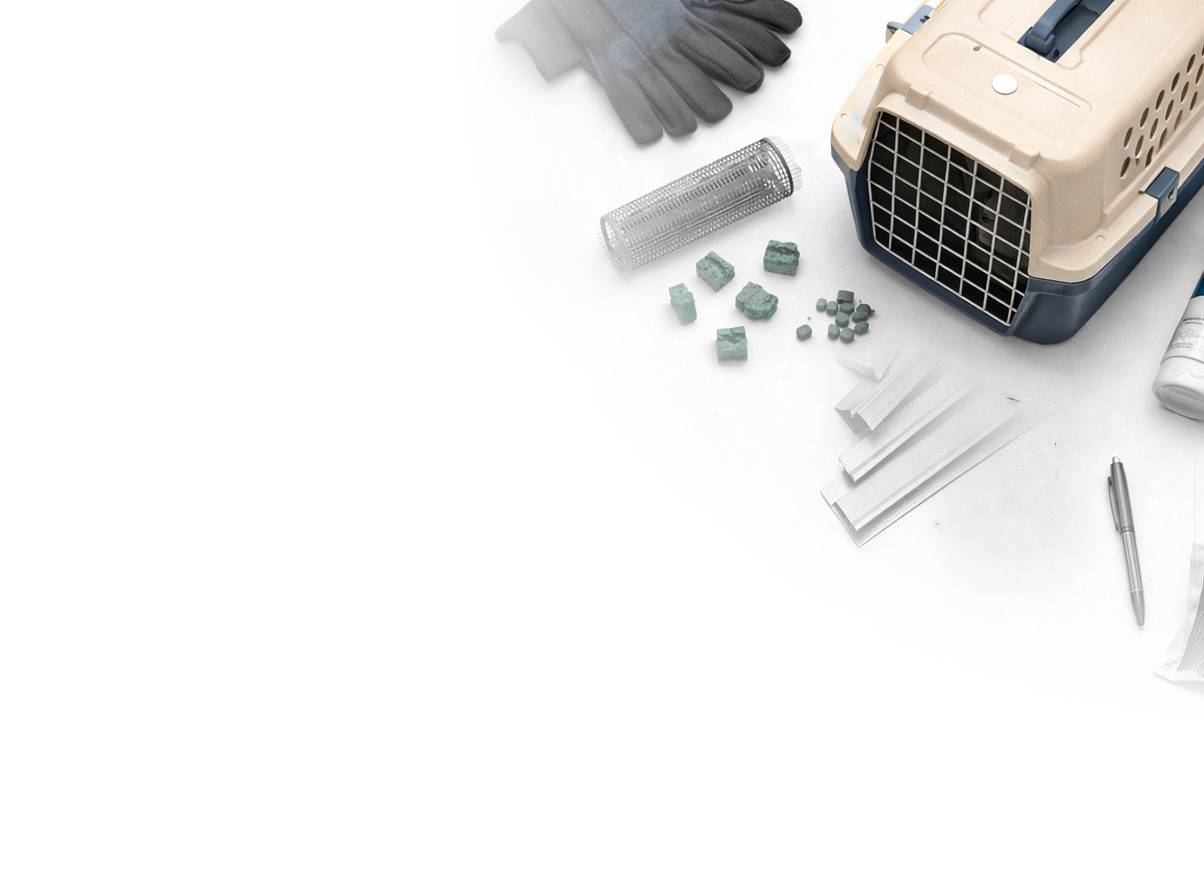
Our team uses ethical and 100% poison-free squirrel removal methods, like one-way doors, exclusion options, and safe eviction techniques that allow squirrels to leave your house without re-entering.
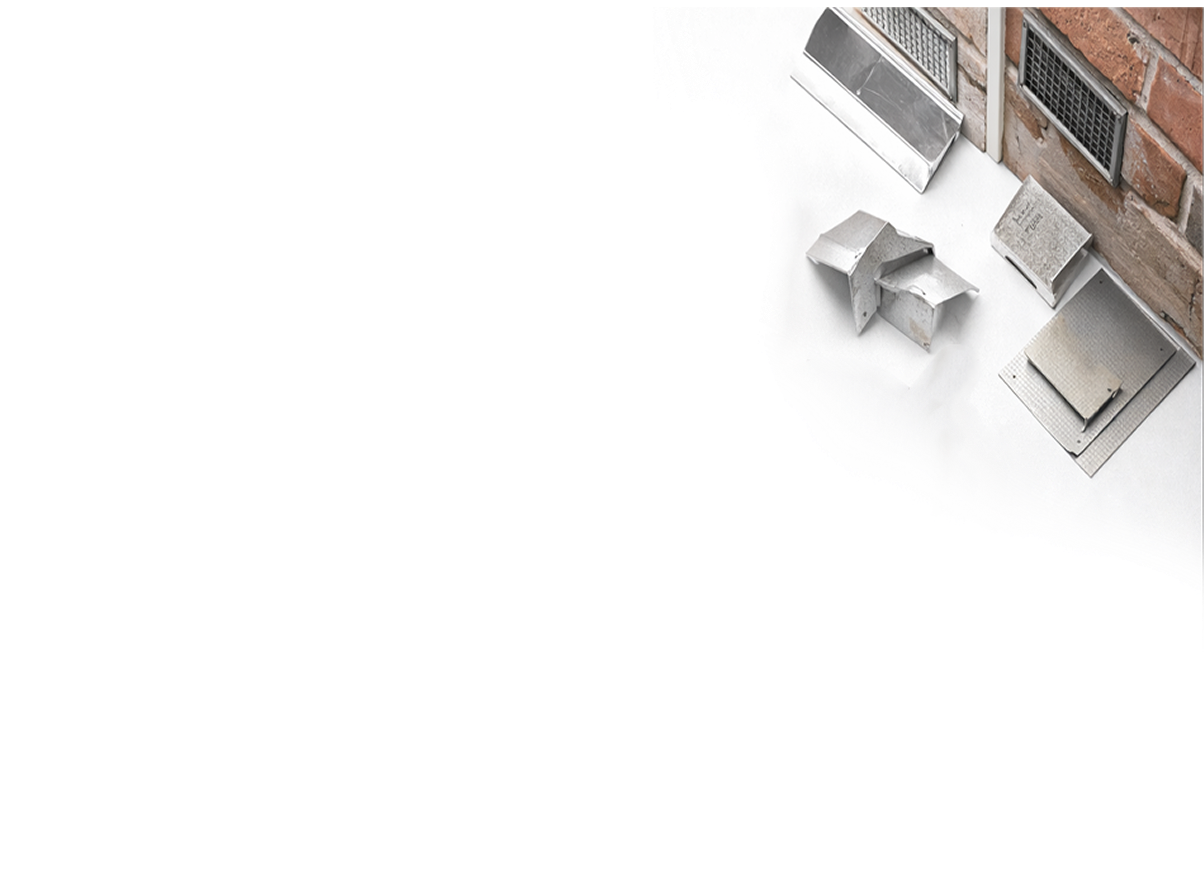
To successfully remove squirrels from your property, we need to understand how the animals entered in the first place, where they’re nesting, and the damage caused. This allows us to create a removal plan.


Rustling Noise in the Attic? It could be a Squirrel
A squirrel in your attic is usually a sign that your home has an accessible entry point for wild animals. The animal may have followed a branch and landed on your roof, fence, utility line, or roofline before finding a damaged soffit, vent, fascia joint, or other opening. Simply getting the squirrel out does not solve that problem. At Critter Hero, we offer 100% poison-free wildlife control services in Milton and nearby areas.
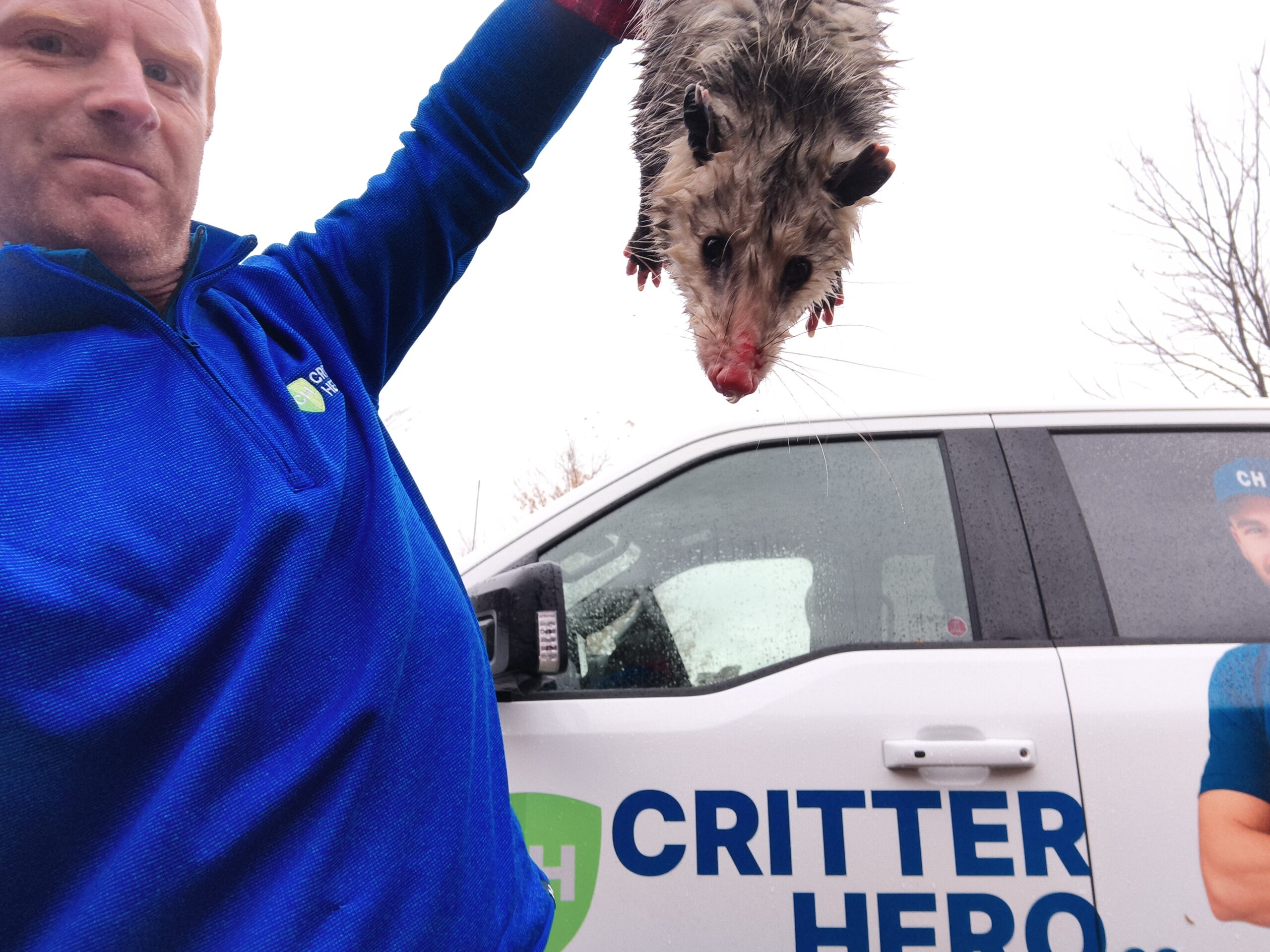
The most common squirrel species we remove from Milton homes is the Eastern grey squirrel. These rodents depend heavily on trees for food, shelter, and protection from common predators. That’s why we get most service calls from neighbourhoods near the Niagara Escarpment, Kelso Conservation Area, and older neighbourhoods. Let our team inspect your home and help get rid of squirrels or other nuisance animals that may have intruded.
Attractants that Invite Rodents Indoors
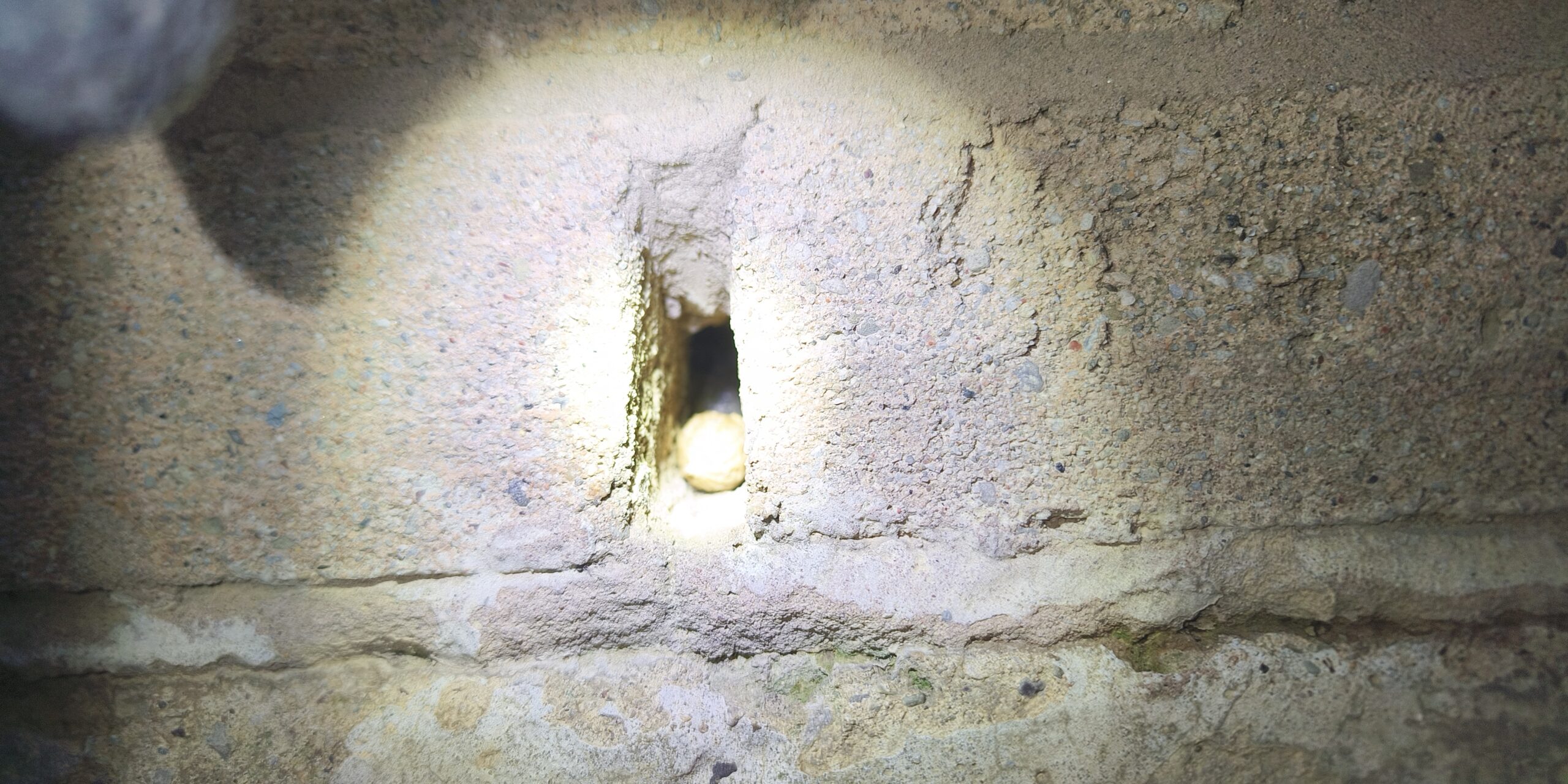
Squirrels do not need a large opening to get inside. A damaged soffit, loose fascia, uncovered roof vent, or gap along the roofline can provide enough access to an attic or wall cavity. Once they find a warm, sheltered space, they may return repeatedly to nest. In addition, bird feeders, vegetable gardens, fruit trees, and backyard nut-producing trees create a dependable food supply throughout the year.
The combination of mature trees, green corridors, and residential landscaping can make rooflines particularly accessible to squirrels. For instance, the tree-lined communities such as Old Milton, Dorset Park, Timberlea, and parts of Bronte Meadows offer squirrels a network of branches. This network allows squirrels and other unwanted animals to travel into residential properties while avoiding ground-level threats.
Checking if a Squirrel Has Moved in
After invading your property, squirrels rarely stay hidden for long. Their constant movement, chewing habits, and nesting often leave noticeable clues throughout your property. For instance, rapid scratching, scurrying, or running sounds coming from the attic. Unlike nocturnal wildlife like raccoons, squirrels are most active during daylight hours. Contact us if you notice the following signs of squirrel intrusion.
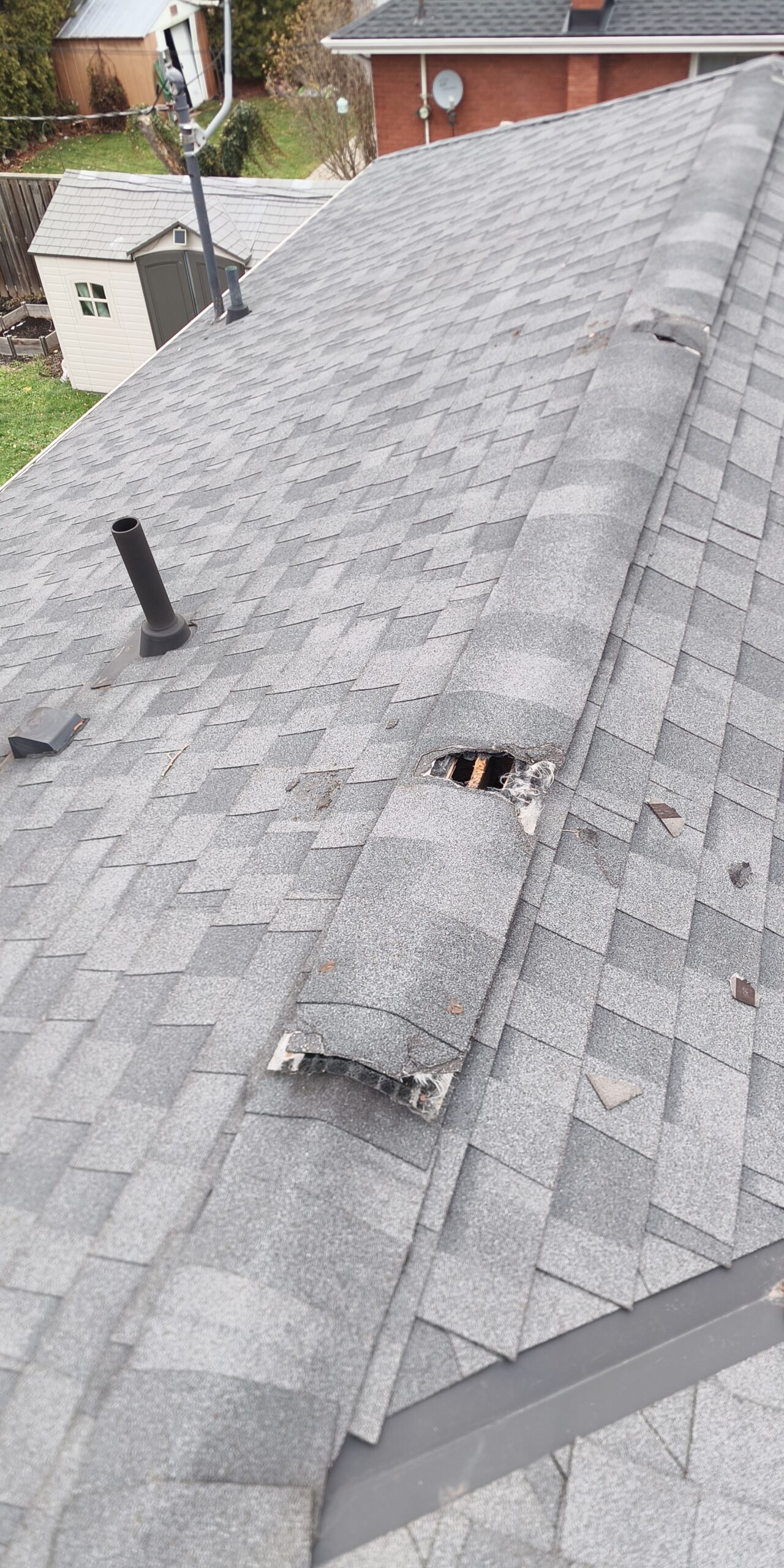
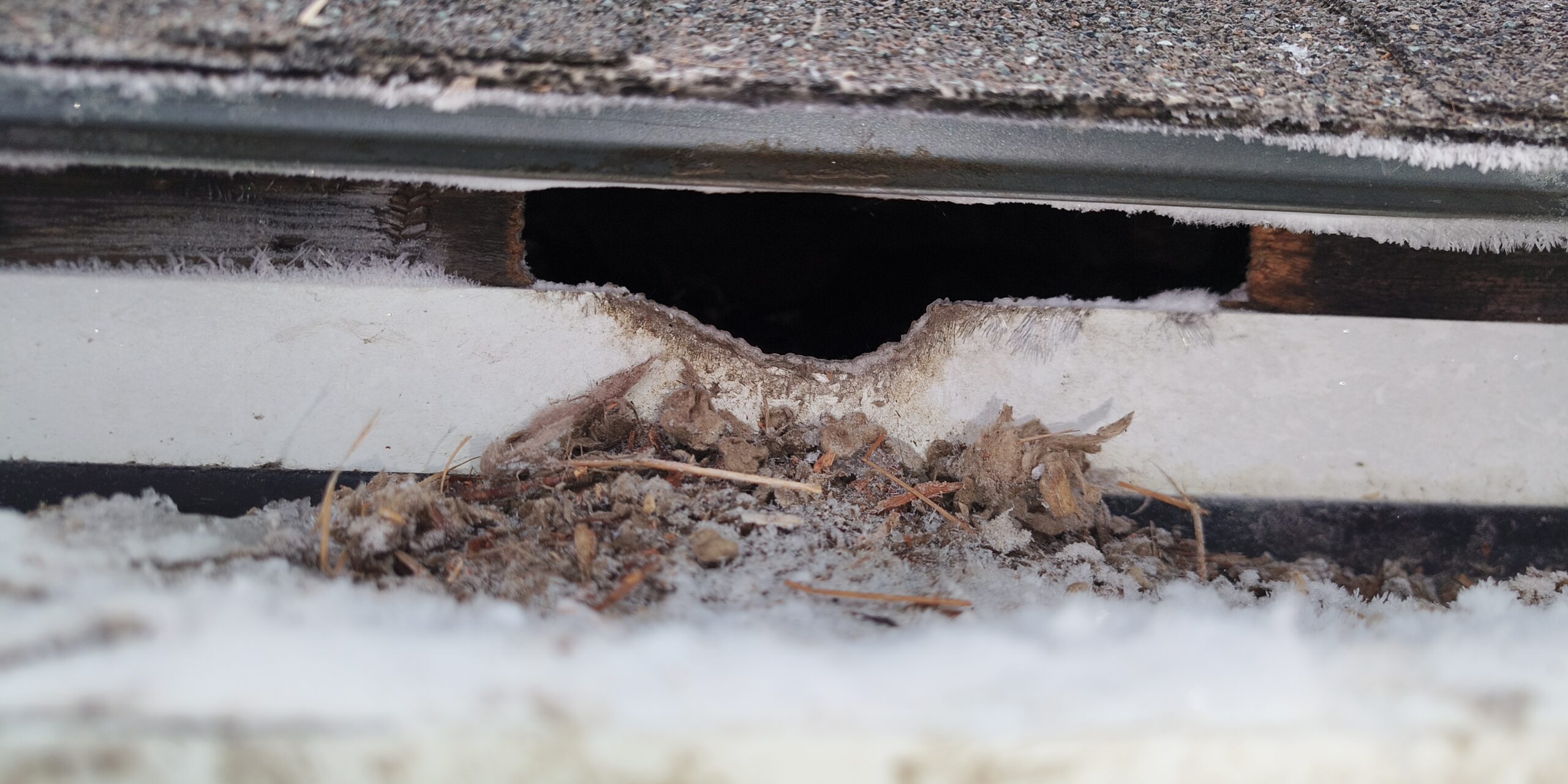
- Because a squirrel’s teeth never stop growing, check for damaged soffits, roof vents, fascia boards, and gable vents.
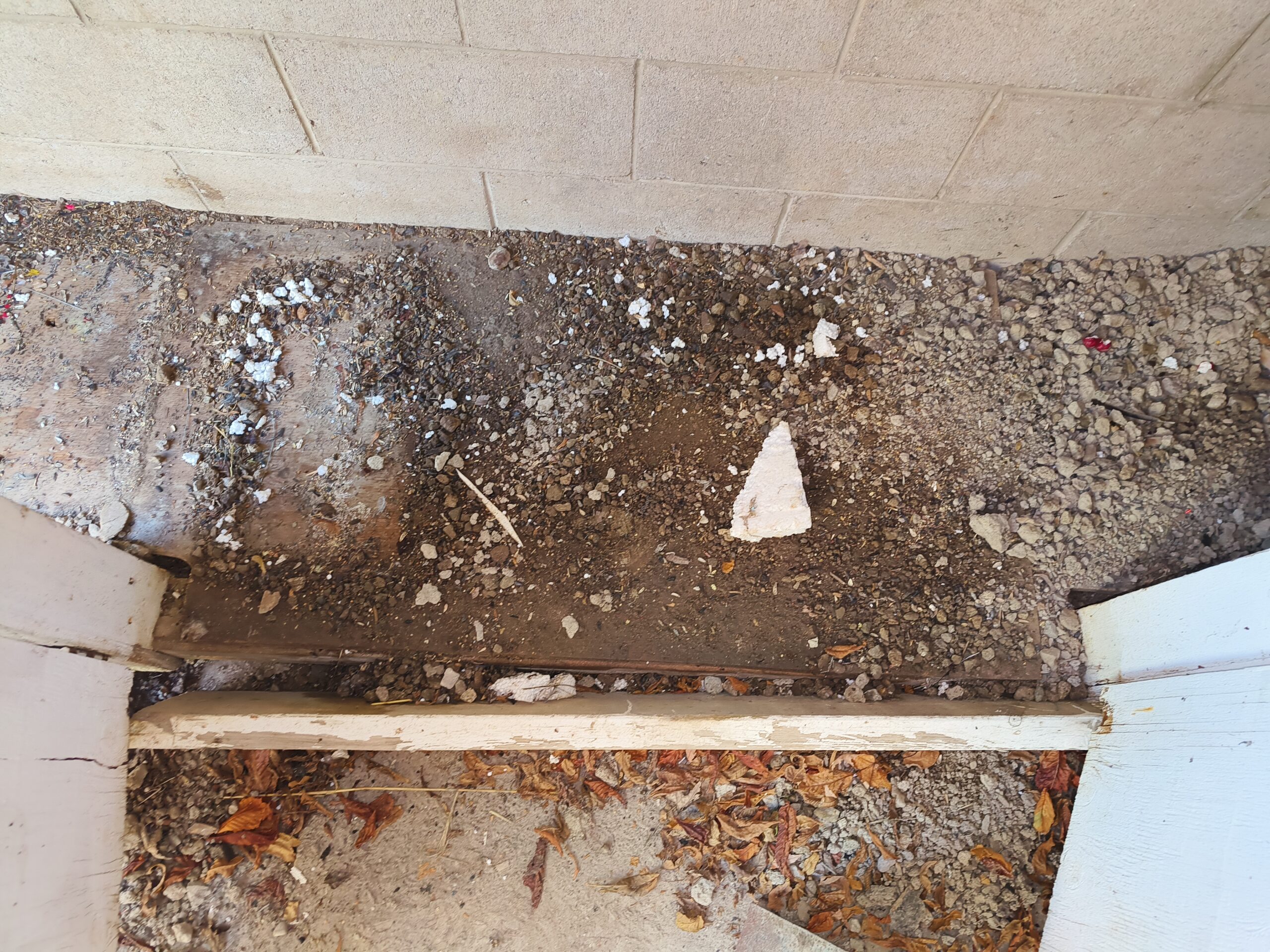
- Squirrels build nests from leaves, twigs, insulation, paper, cardboard, and other soft materials. Established nests are often hidden in quiet attics or wall cavities.
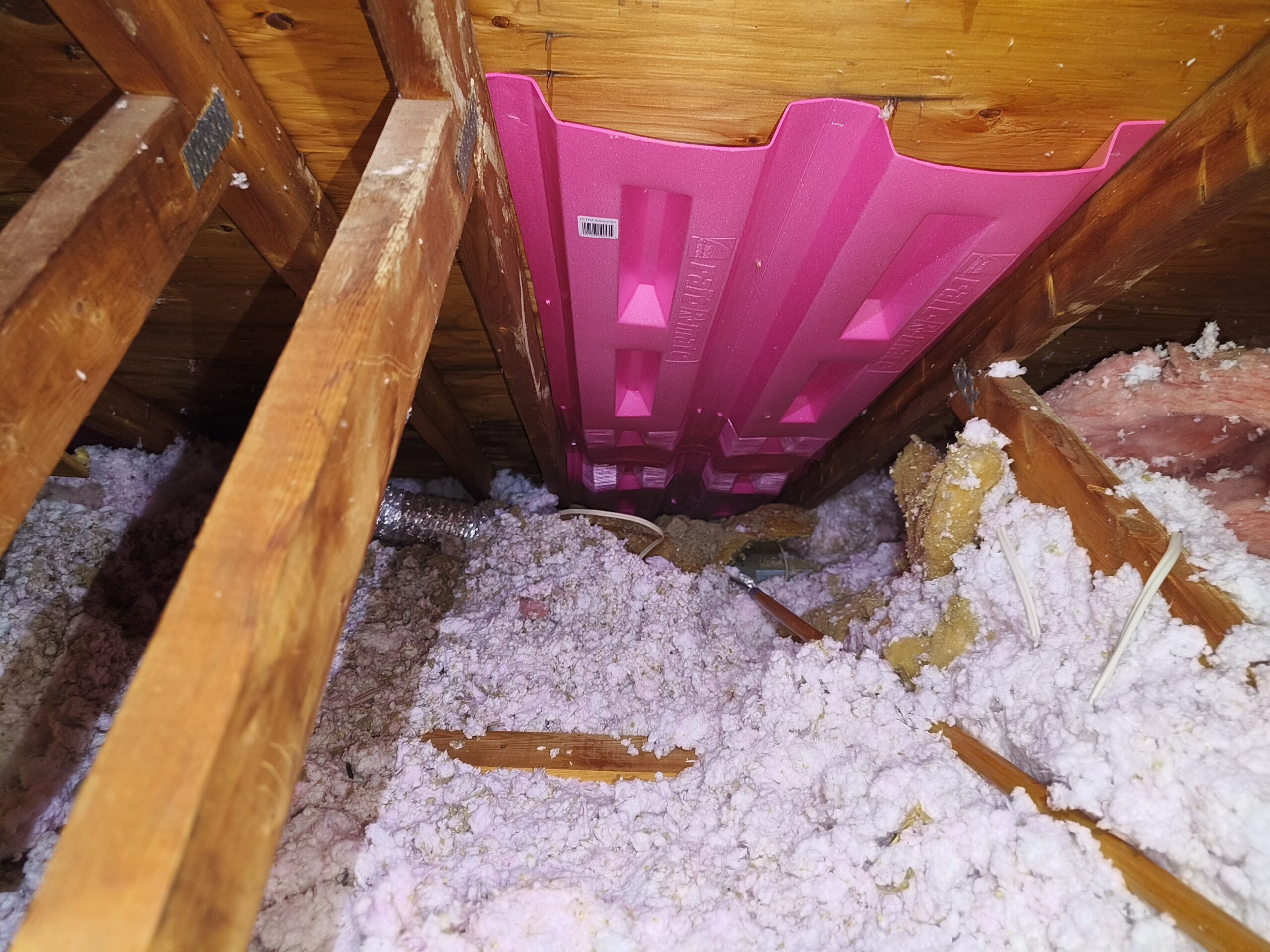
- Squirrels often tear apart insulation to create comfortable nesting areas. Check for flattened insulation, scattered debris, shredded boxes, or damaged storage items.
- Squirrel droppings are typically small, dark, and oval-shaped. Over time, accumulated waste can create unpleasant odours.
- Seeing squirrels repeatedly run along power lines, roof edges, near the chimney, tree branches, or upper sections of your home. If you see one, it could be nesting nearby.
How We Get Rid of Squirrels
Our wildlife control team has more than 15 years of experience dealing with squirrels and other wildlife in attics, roofs, soffits, and wall cavities. Here are the steps we follow to get rid of squirrels humanely.
Step 1: Identify How the Rodents are Entering
In Milton, squirrels often move between mature trees, fences, utility lines, and rooftops before entering homes. Our technicians will determine where the squirrel is entering and whether there is a nest or dependent young present.
Step 2: We Use Humane Methods
Once we understand the extent of the infestation, we’ll use various humane removal techniques that allow them to exit while preventing re-entry. Our approach is completely poison-free, and our trained professionals can resolve even serious problems without harming the animals.
Step 3: Repair the Damage Caused
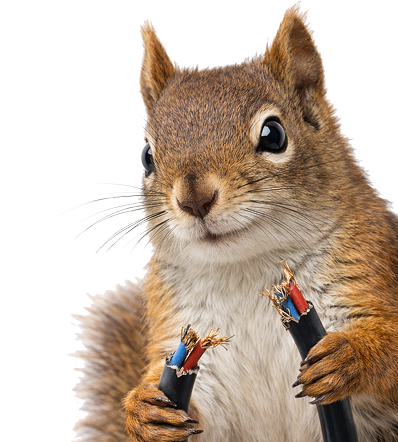
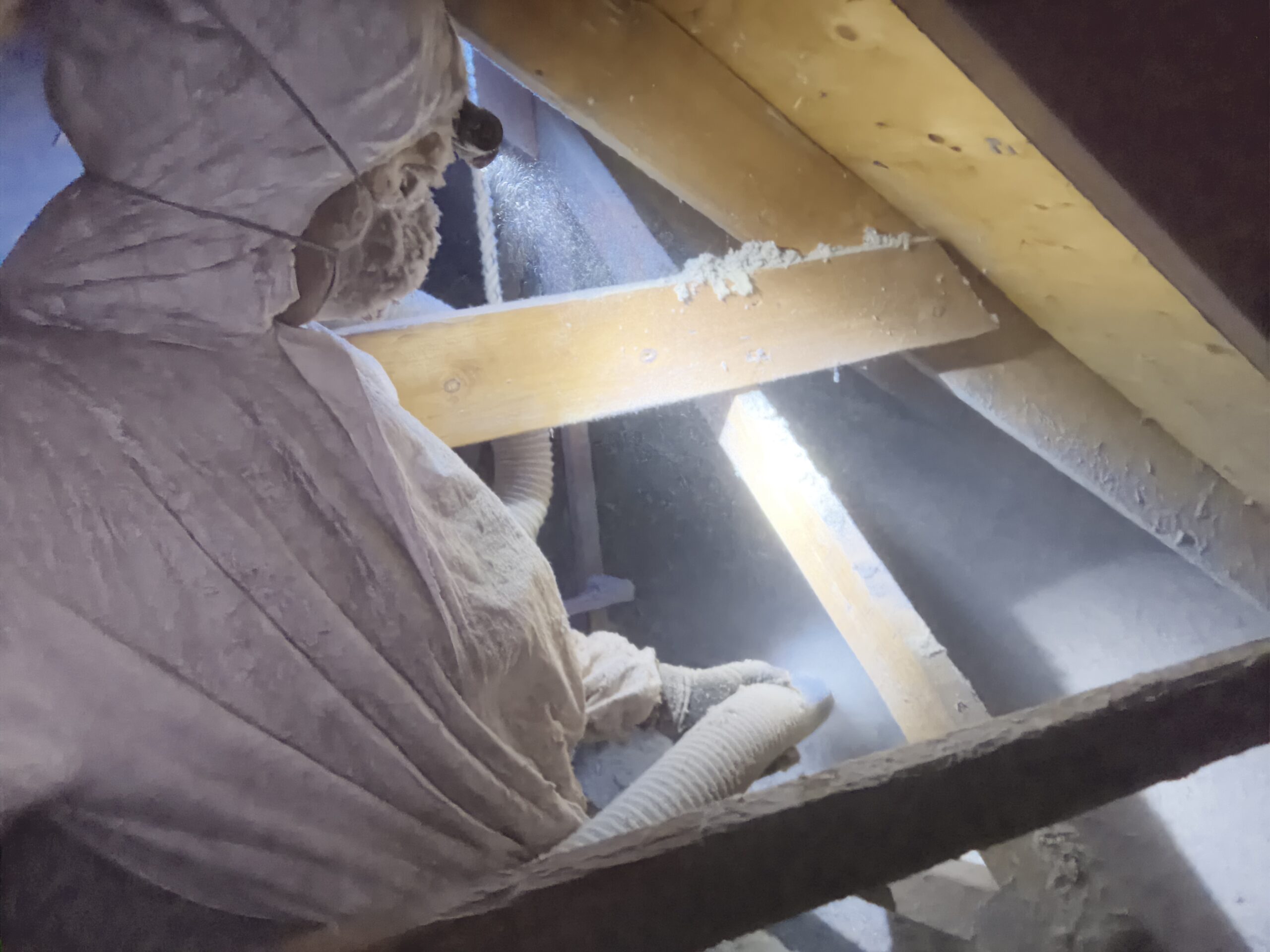
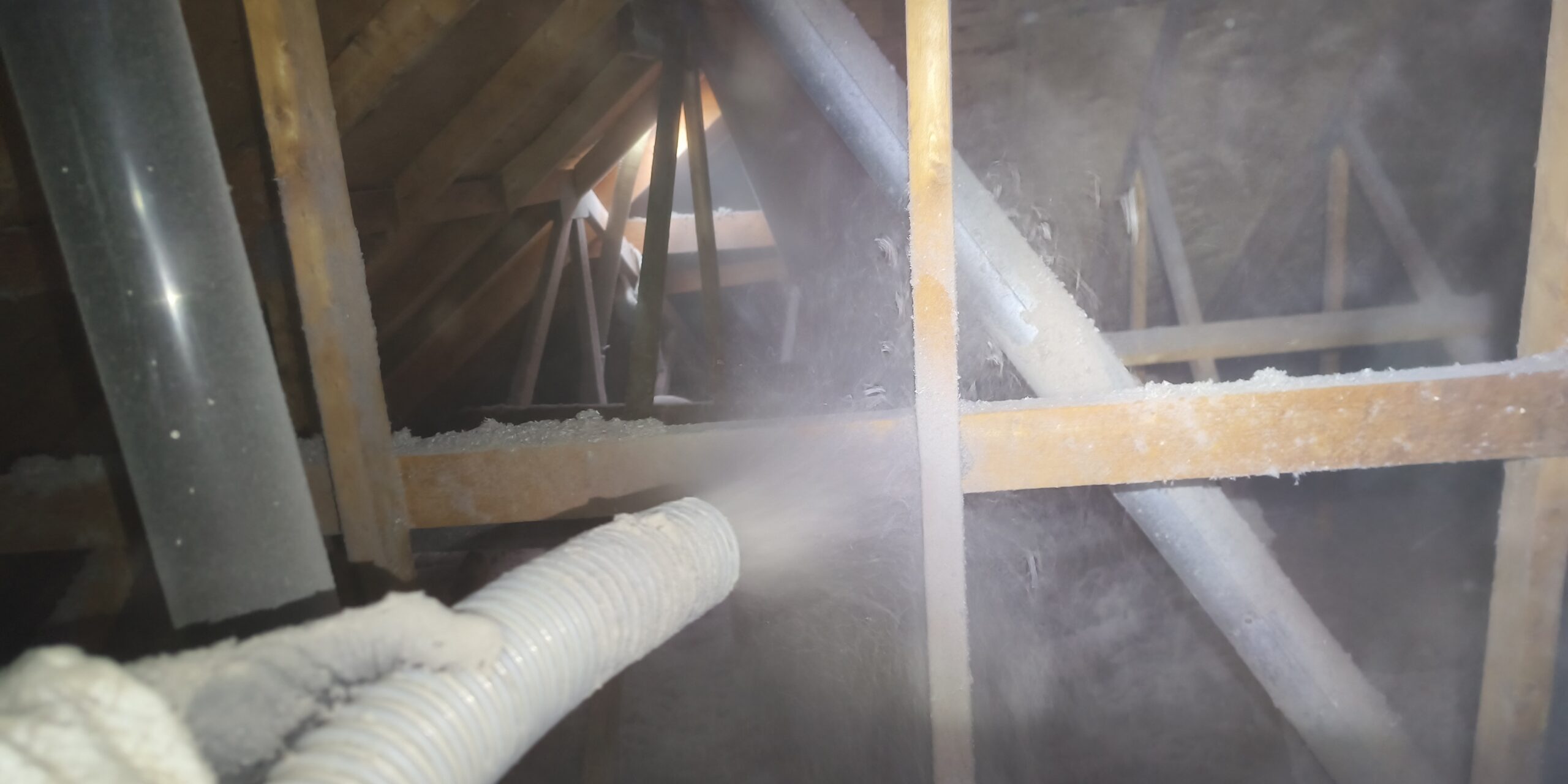
Once inside your attic, squirrels gnaw on fascia, soffits, electrical wiring, and other items to wear down their ever-growing teeth. They also damage insulation and contaminate surfaces. Our team will assess the damage, fix it, and sanitize the contaminated areas.
Wildlife-Proof Your Home to Prevent Future Intrusions
Though squirrels are common throughout Milton, there are practical ways to make your property less inviting. After our team safely removes any squirrels already inside, we look beyond the immediate problem and secure the areas that could allow them to return. Our technicians may implement the following preventative measures:
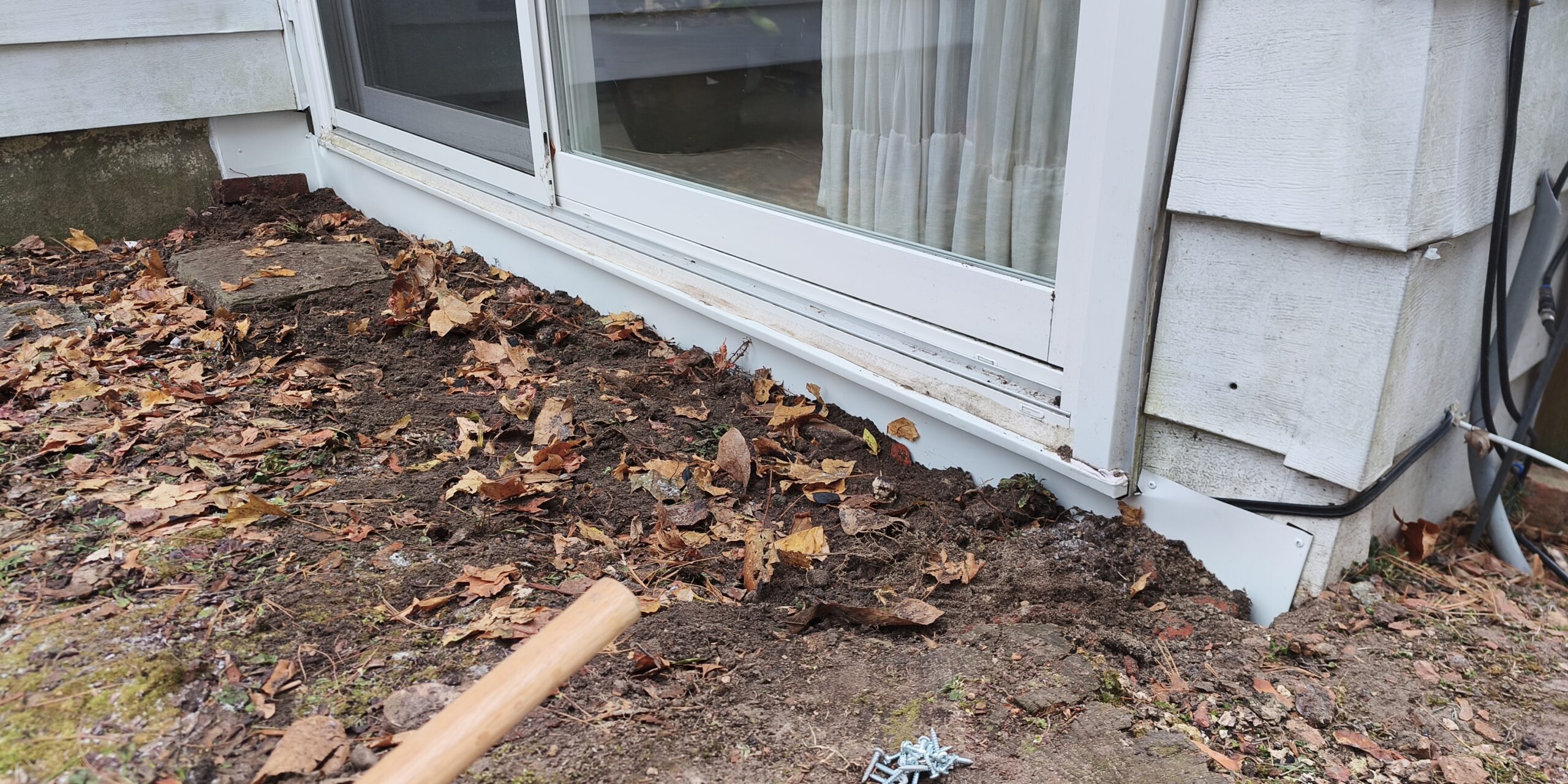
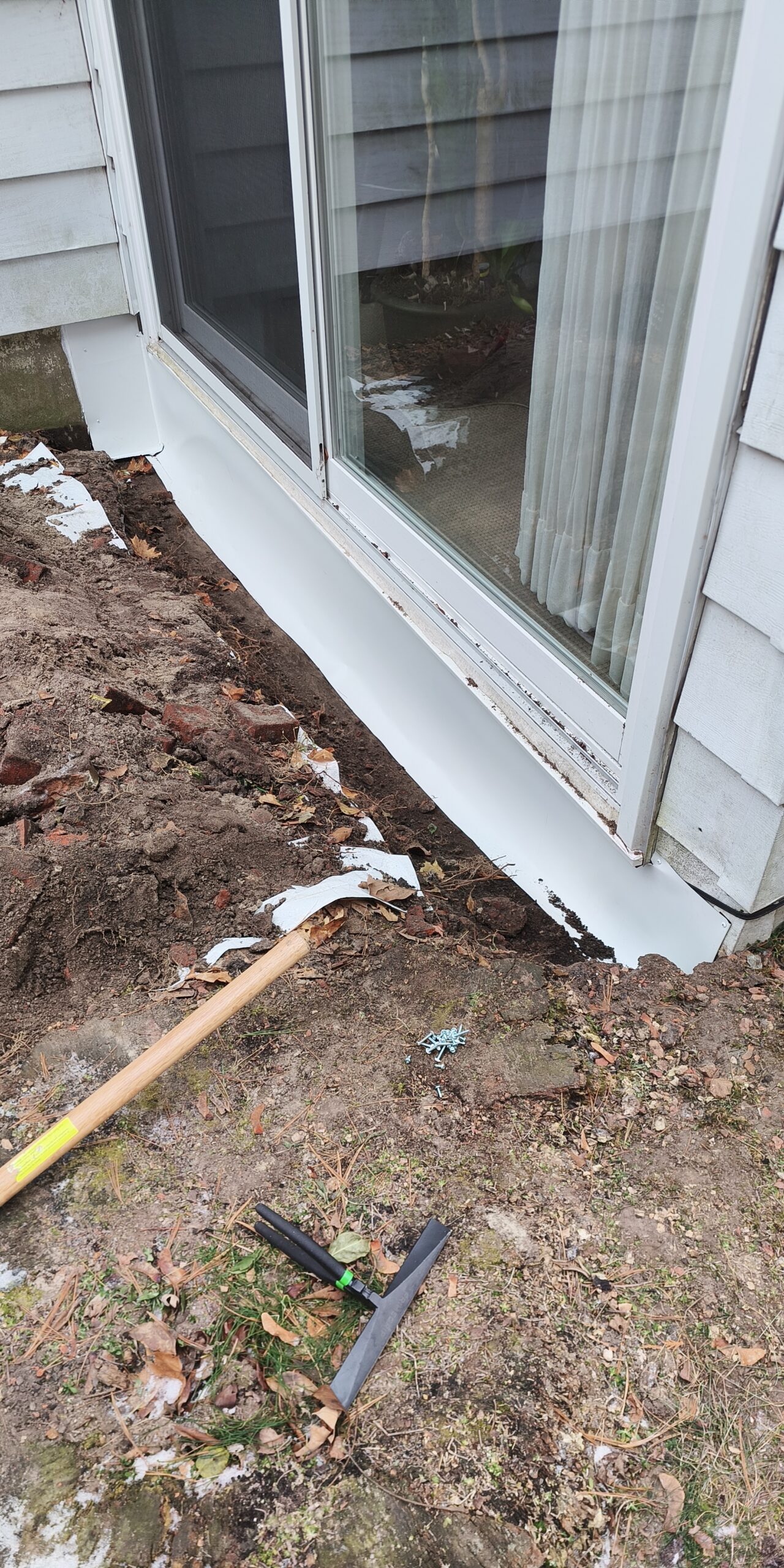
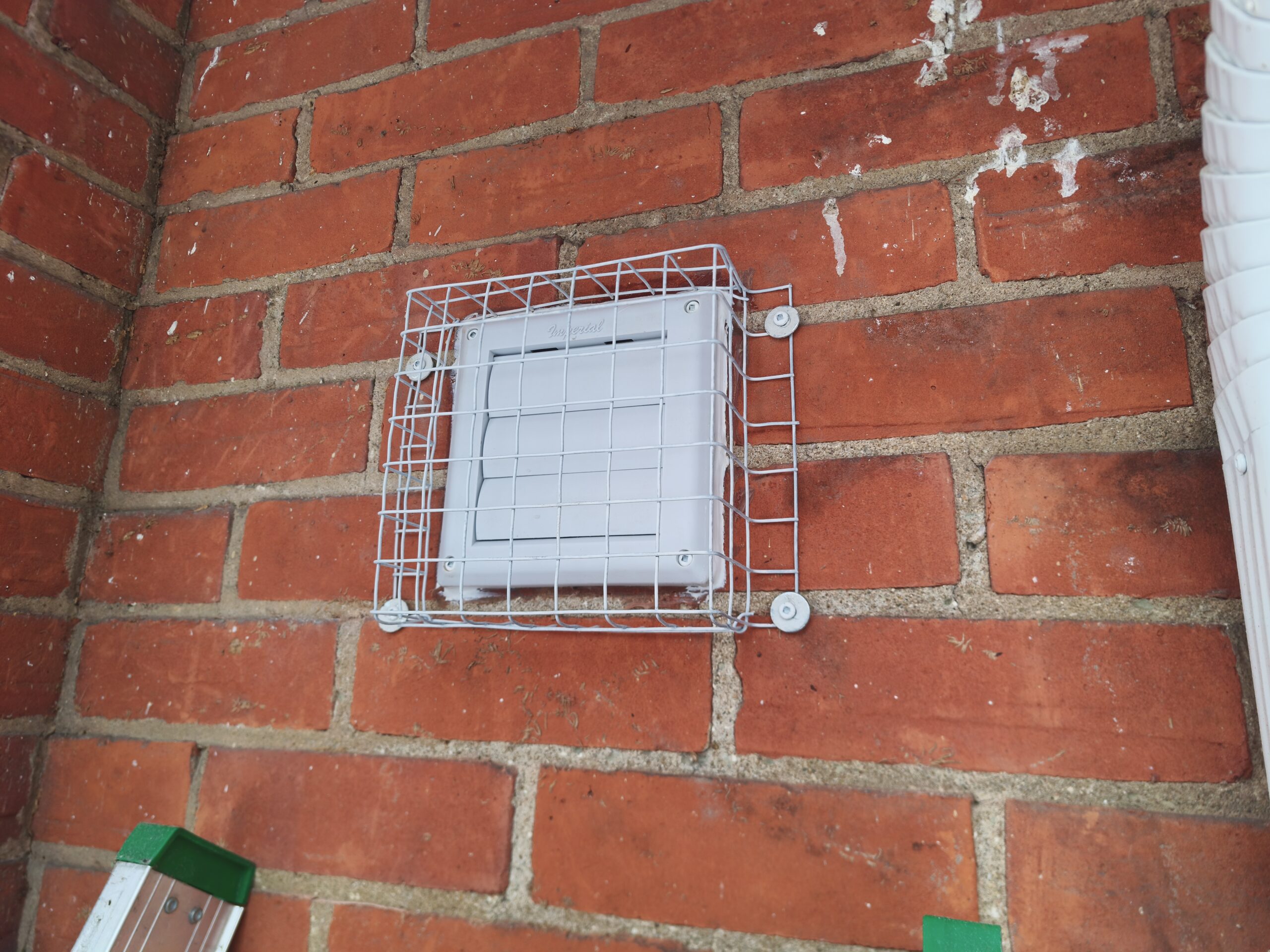
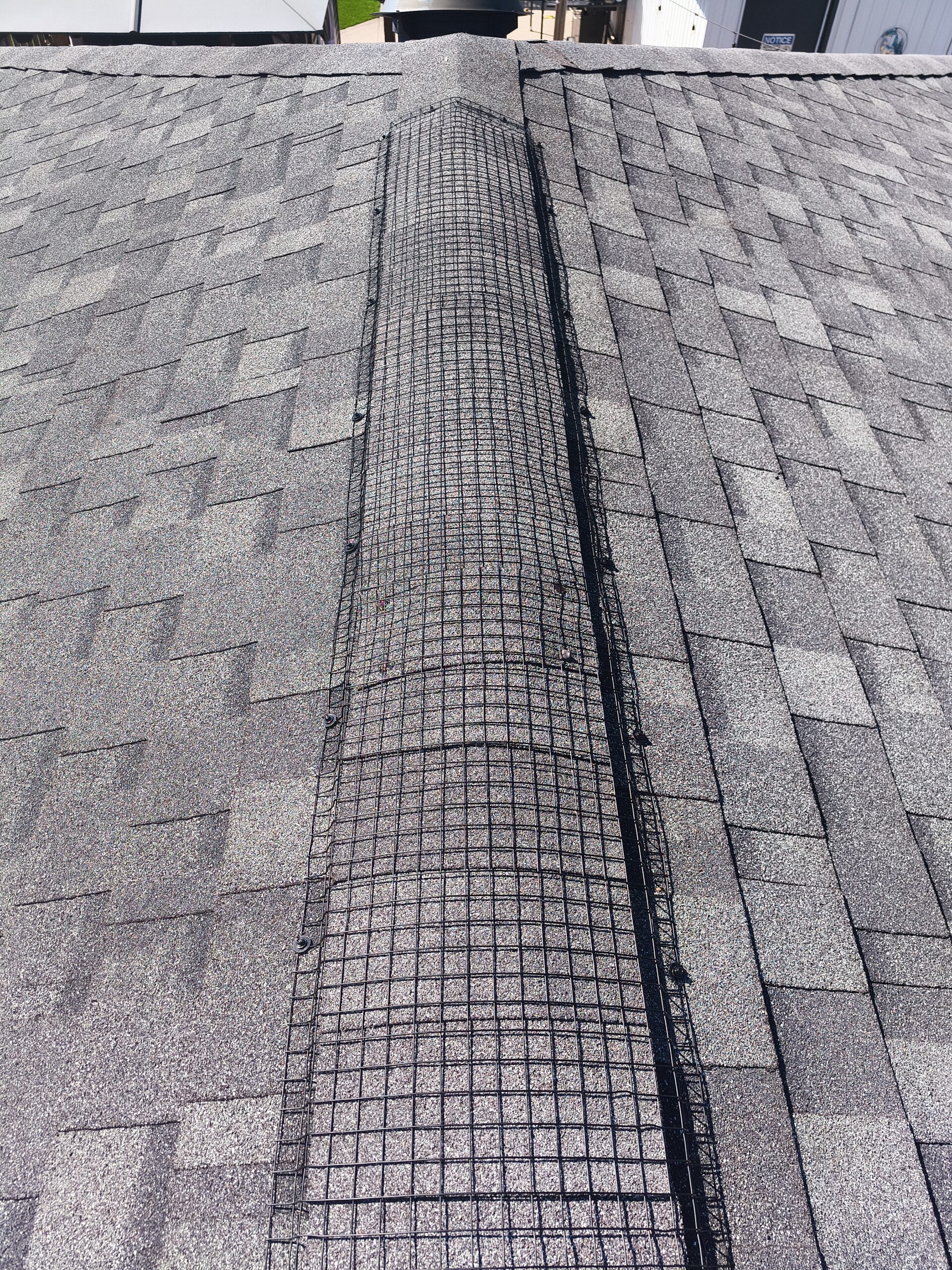
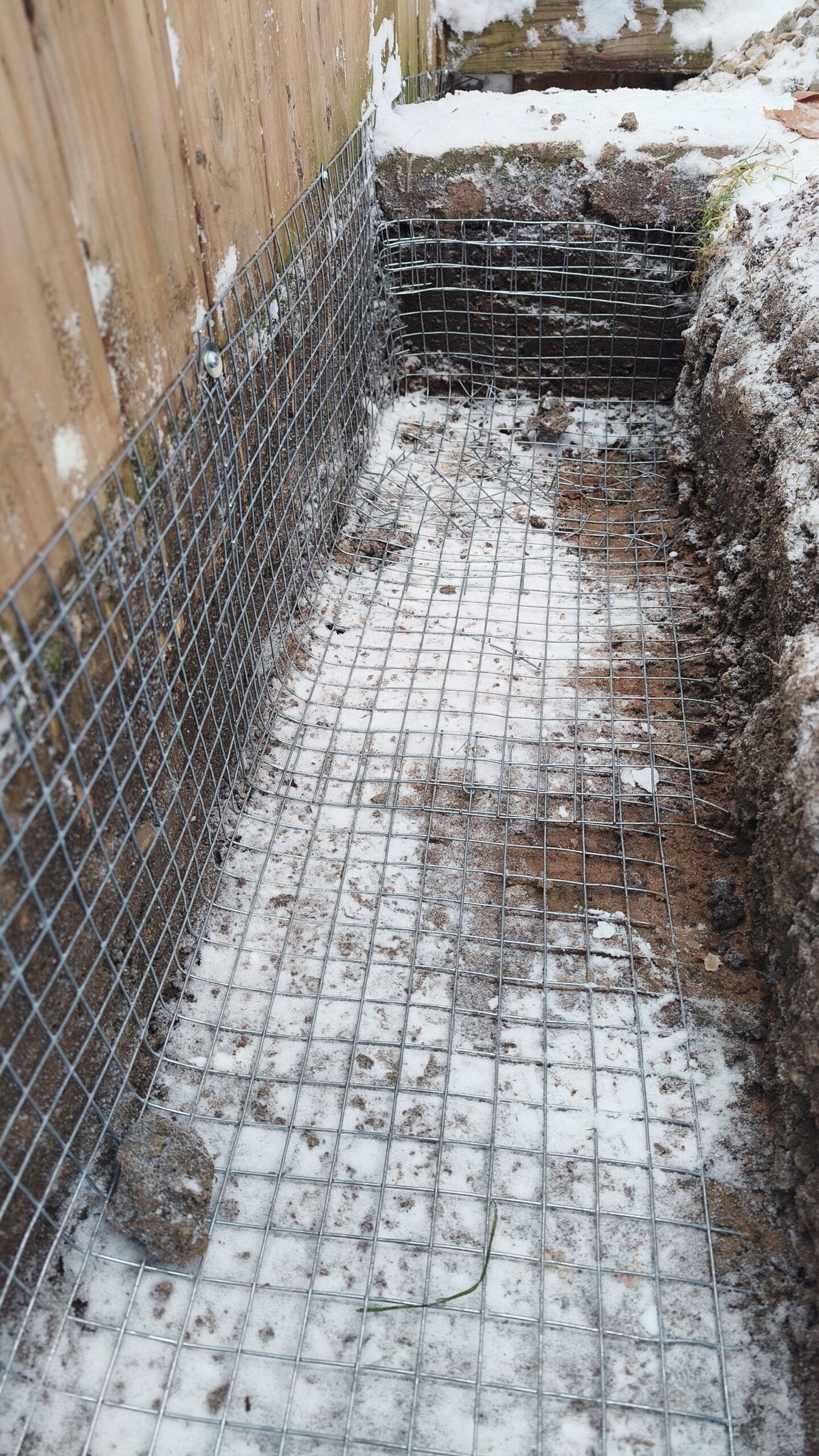
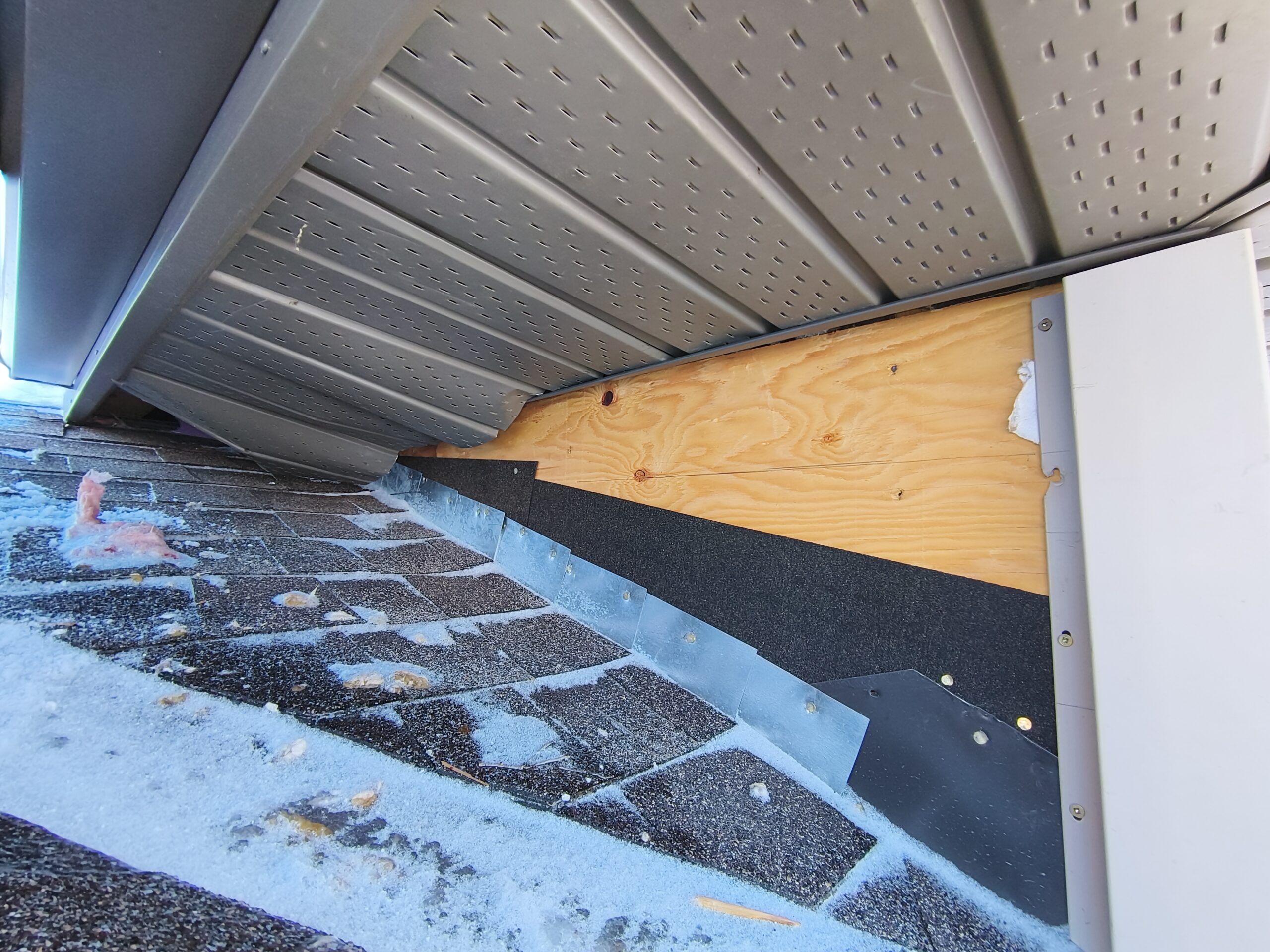
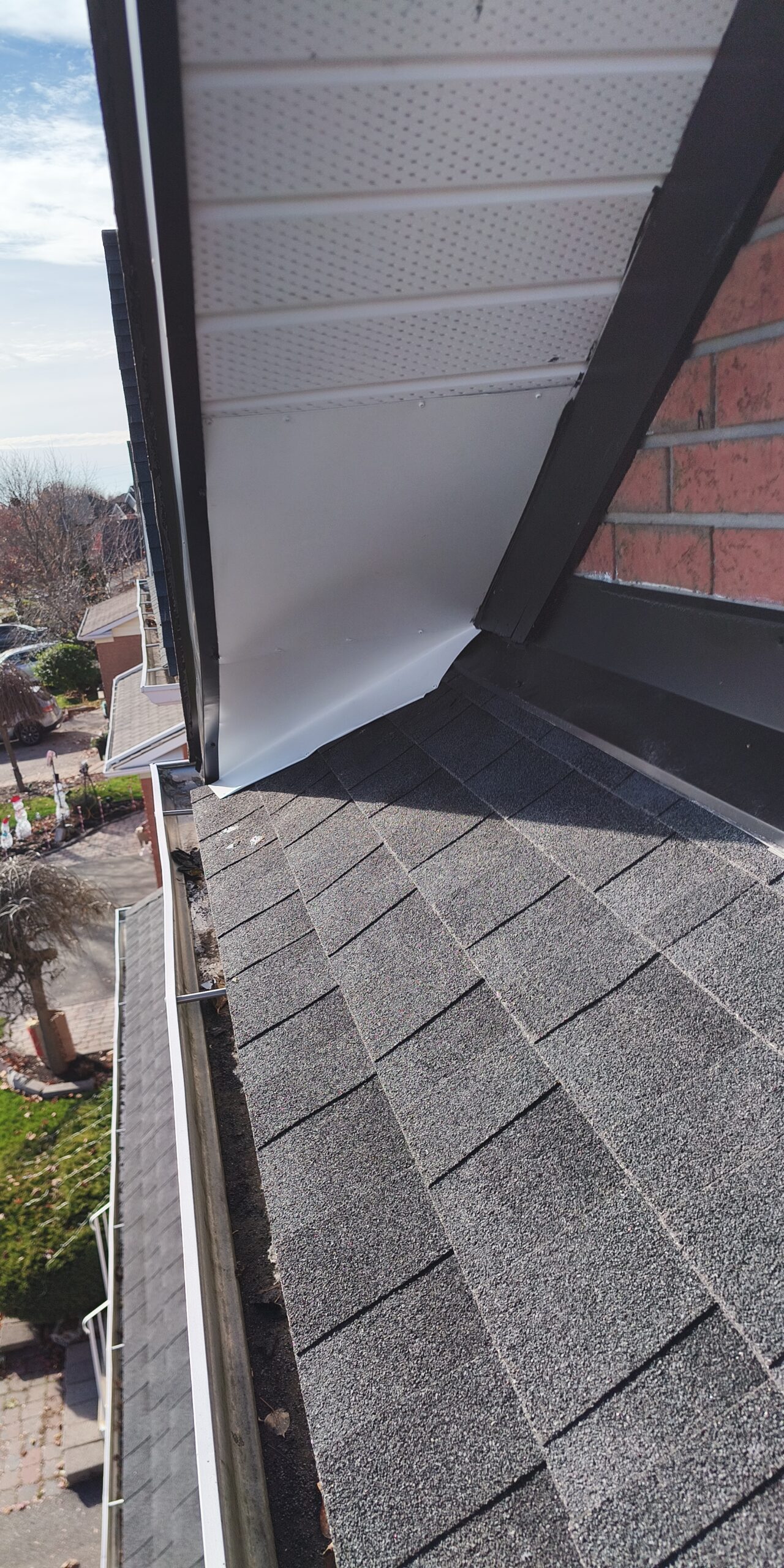
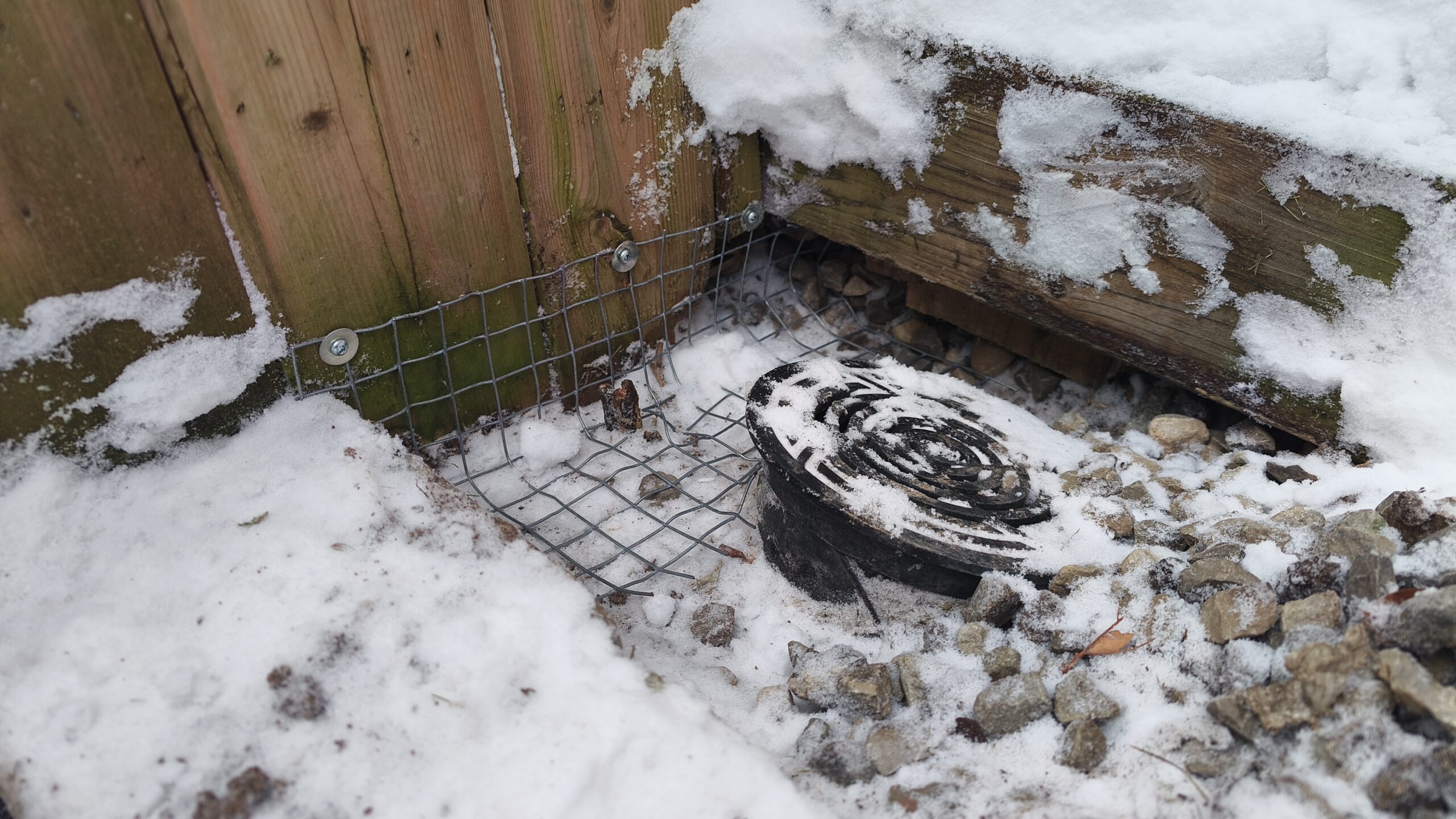
- Seal roofline entry points: We secure gaps around soffits, fascia, roof vents, gable vents, and other vulnerable areas squirrels may use to enter.
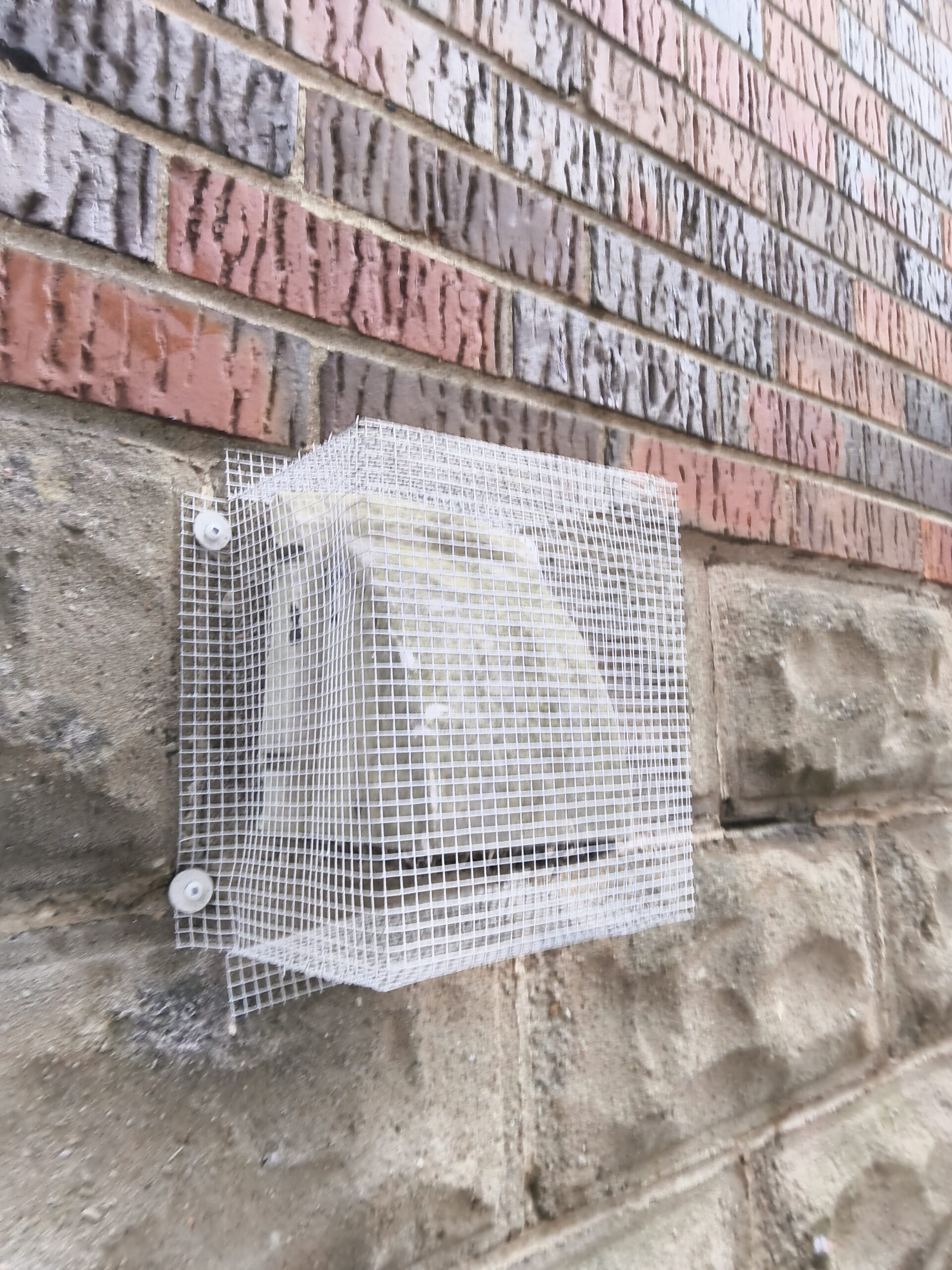
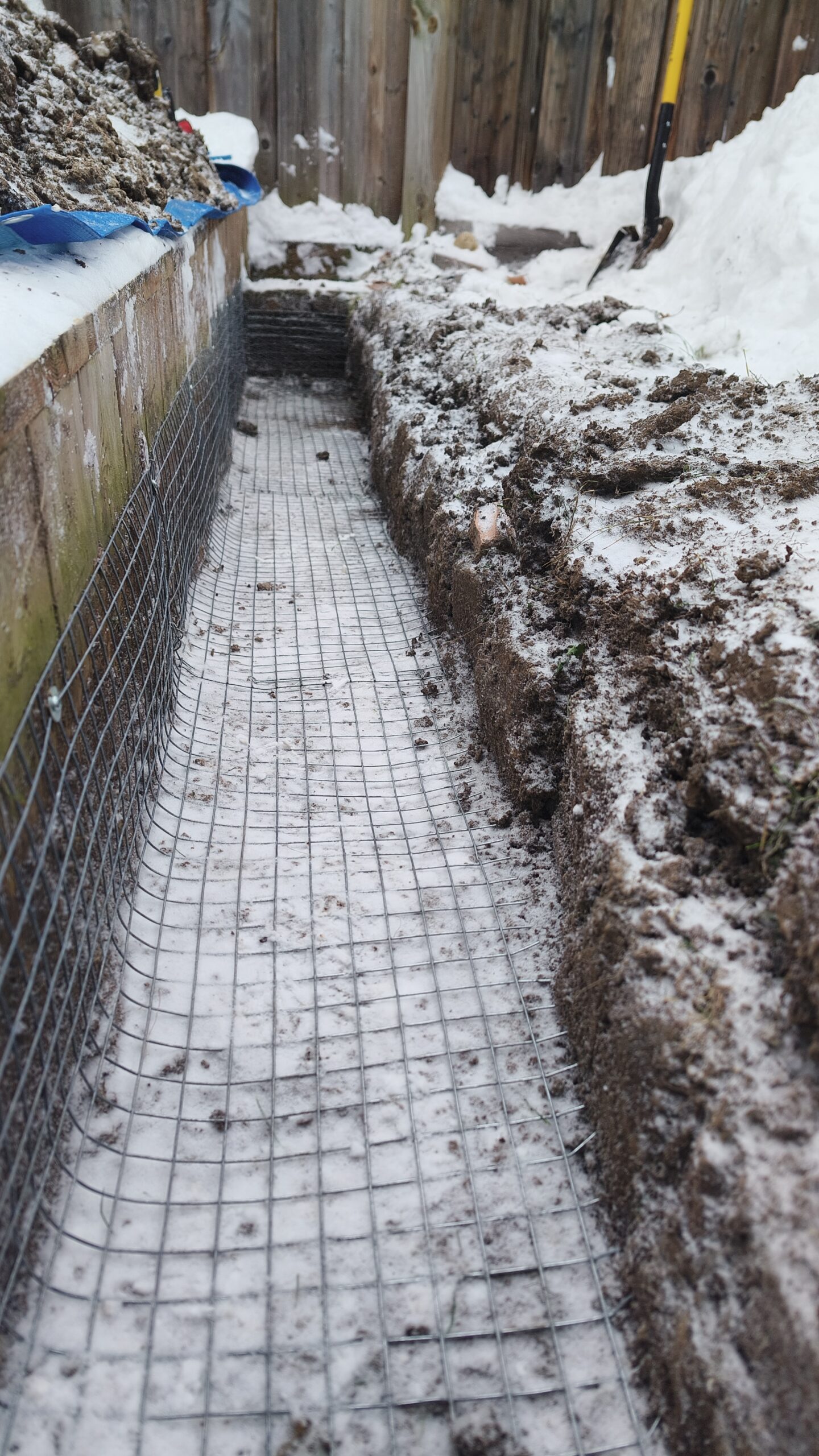
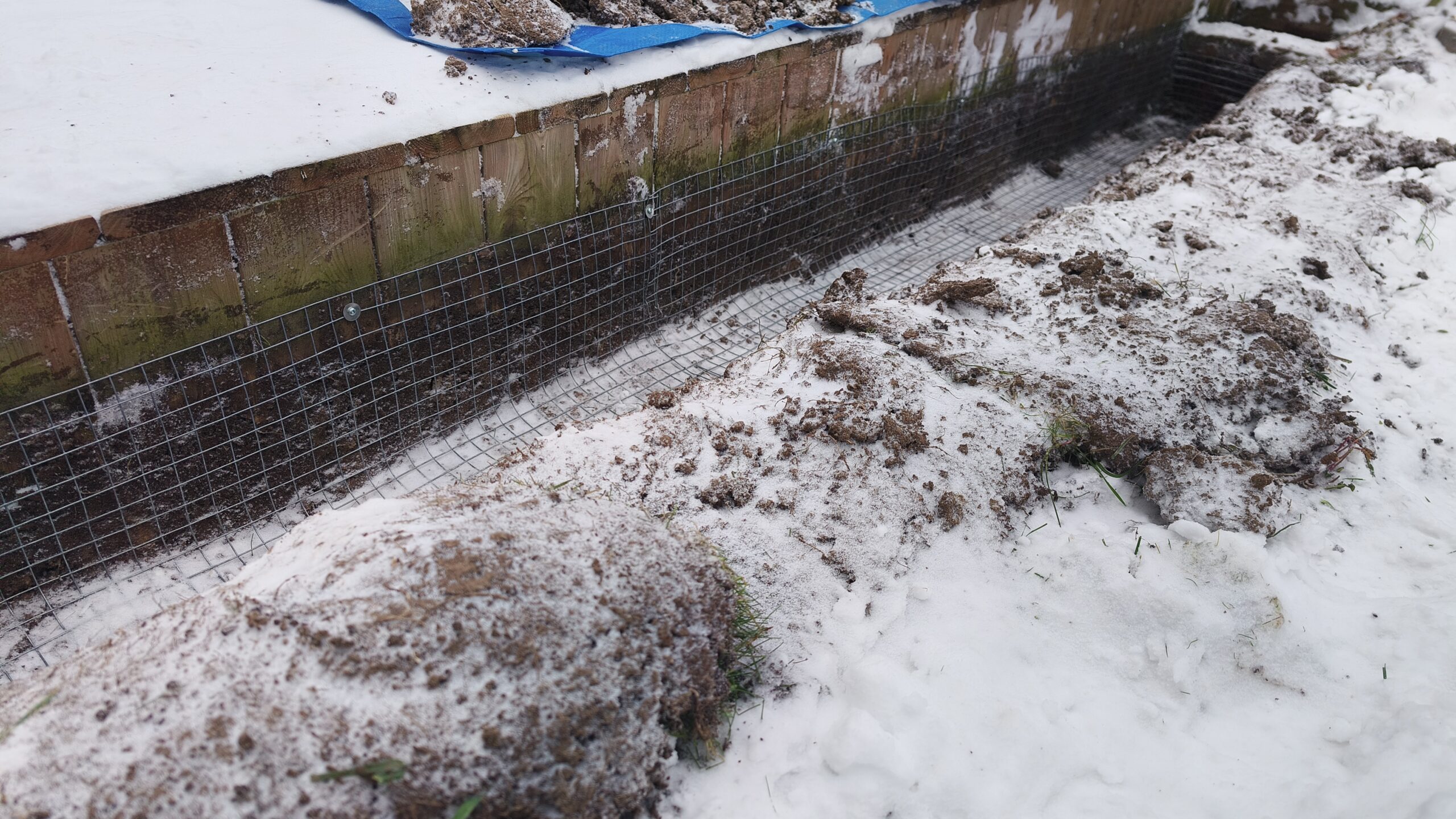
- Reinforce vulnerable openings: Our team uses durable exclusion materials designed to withstand squirrel chewing.
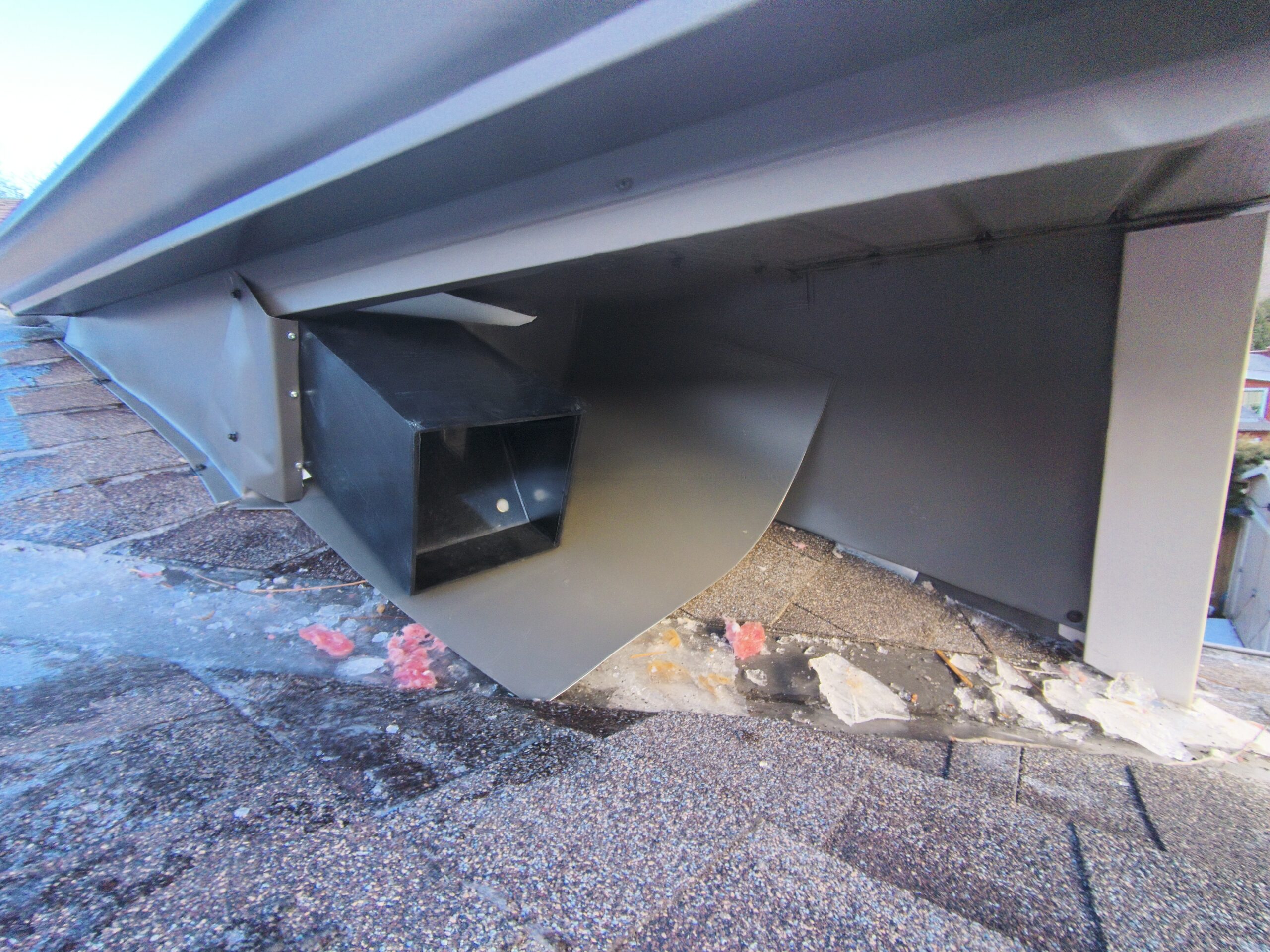
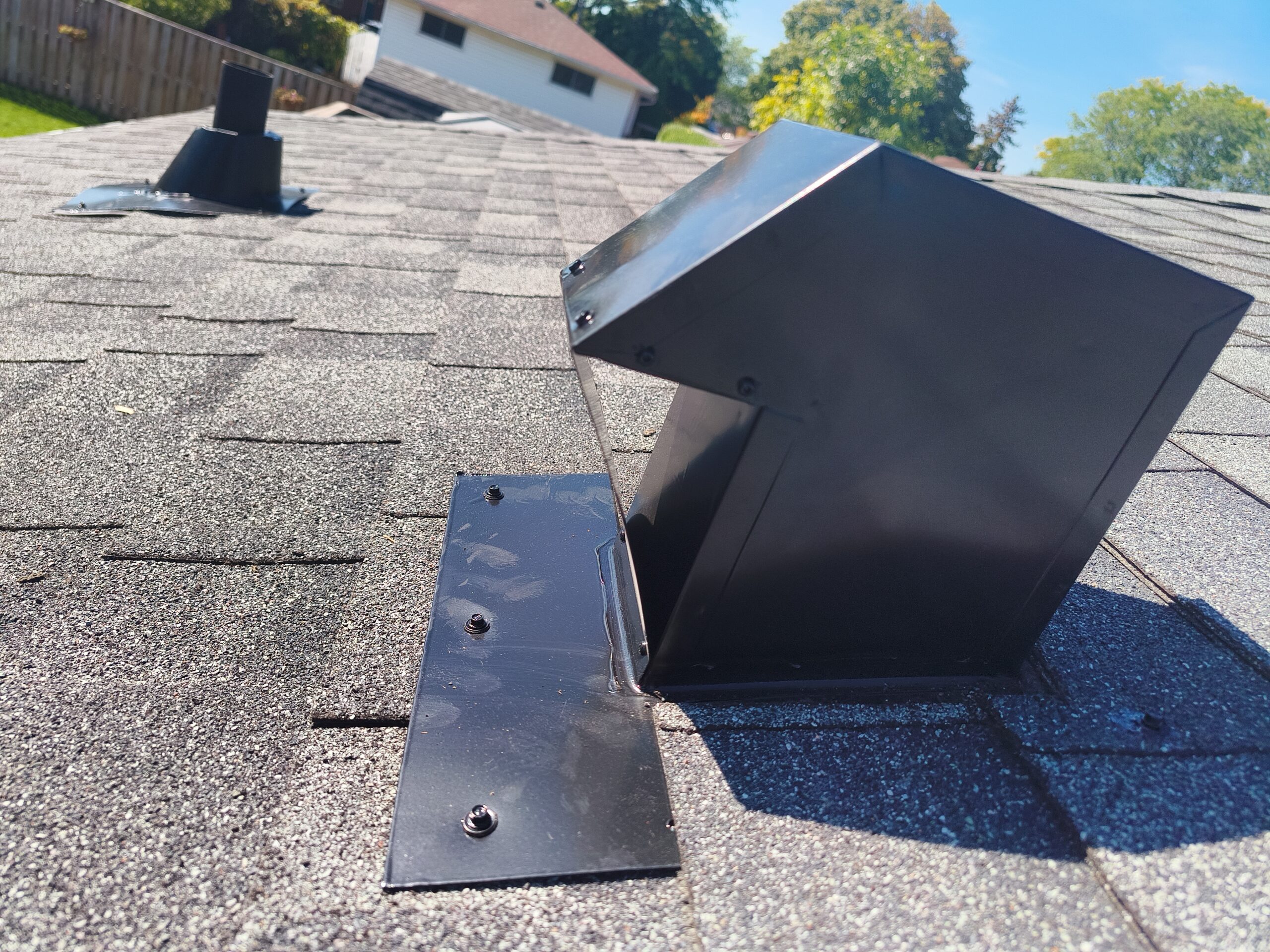
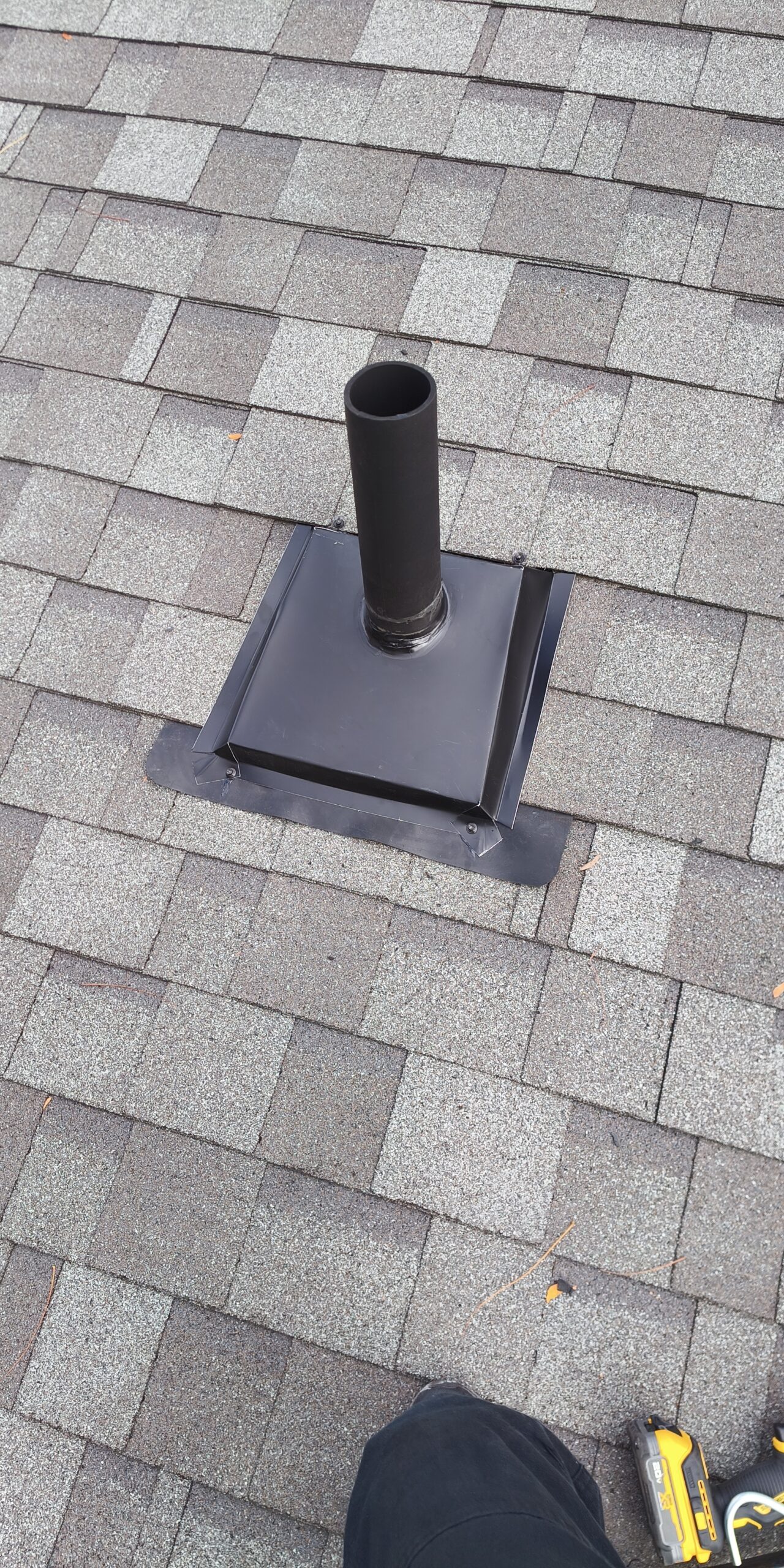
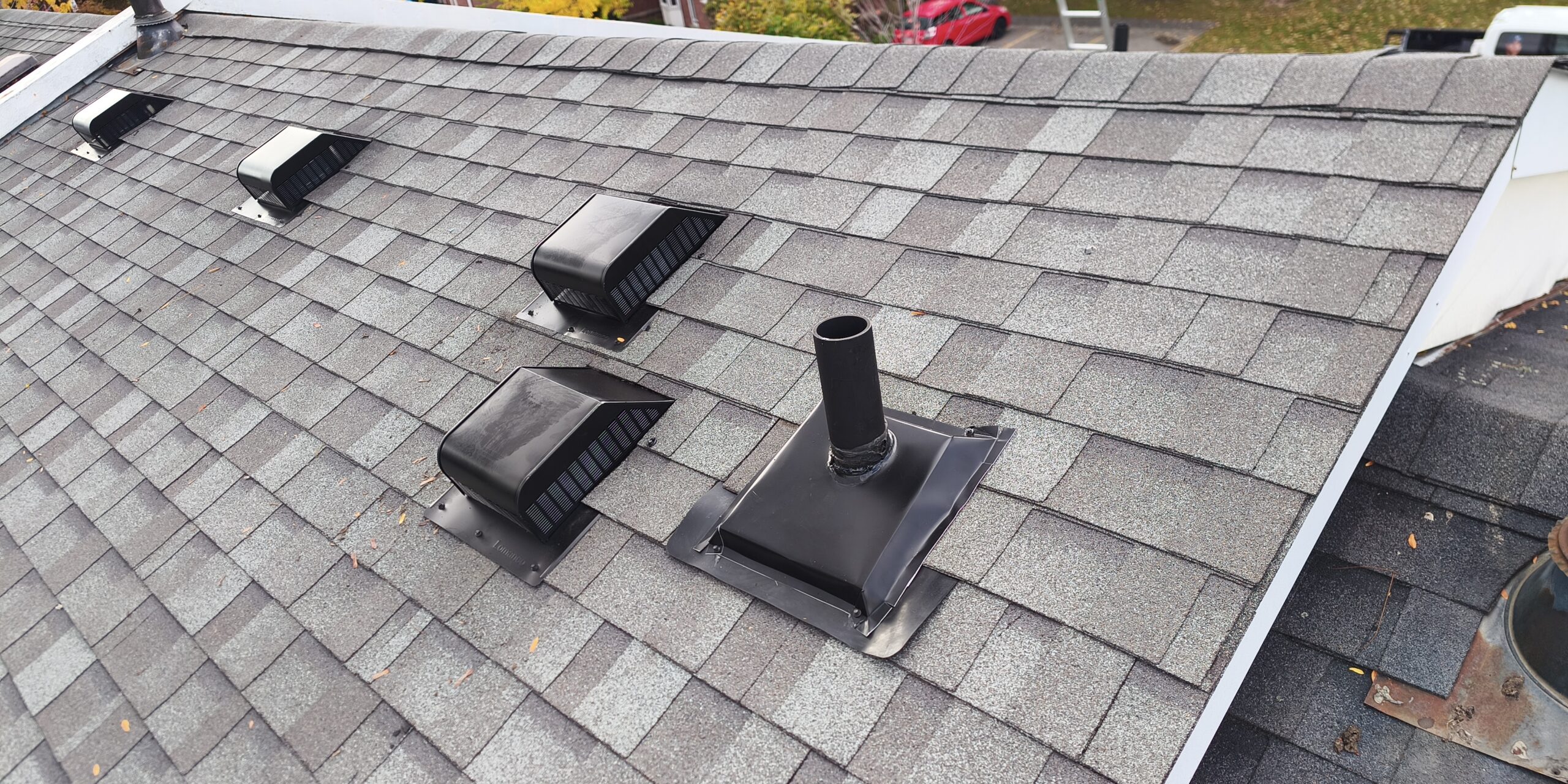
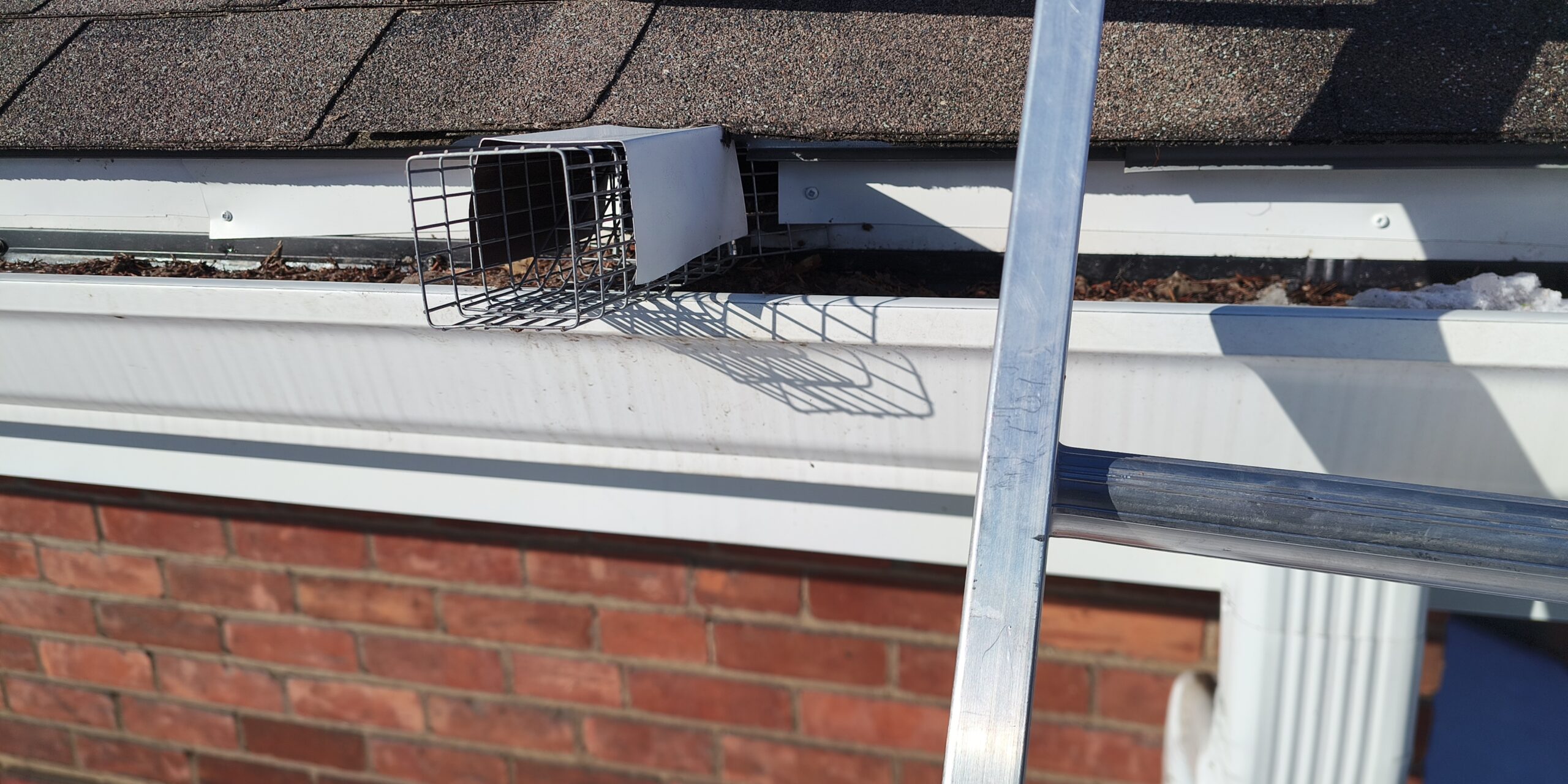
- Secure attic and roof vents: We check vents and openings for gaps and reinforce them where necessary to prevent wildlife from pushing or chewing its way inside.
- Address roof-to-tree access: Where practical, we identify branches or other structures that provide squirrels with an easy route onto the roof and trim them.
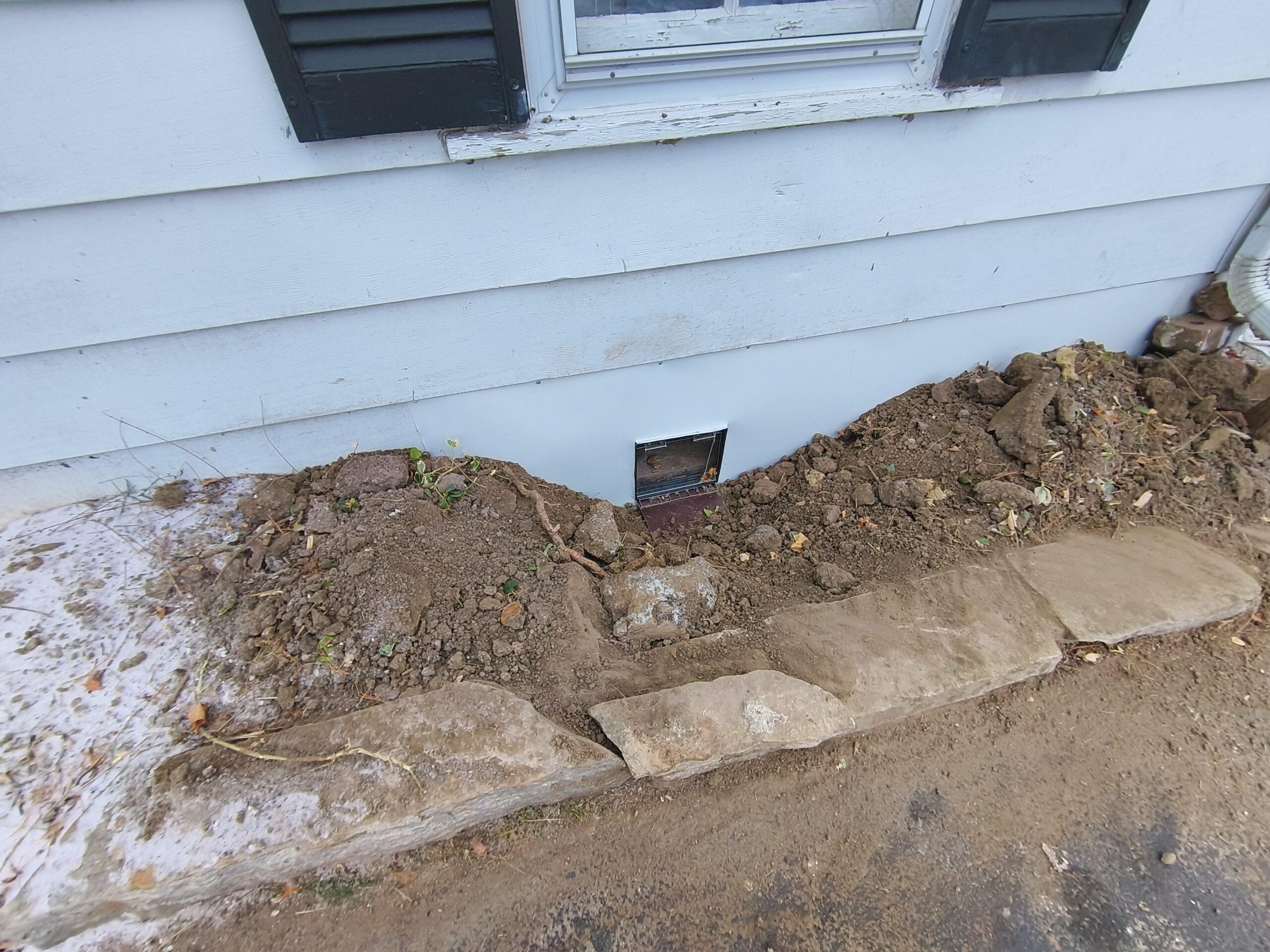
- Inspect for additional access points: Squirrels can use more than one entrance, so we check surrounding areas for secondary openings that could lead to another intrusion.
Average Cost of a Squirrel Exclusion
The exact cost of squirrel removal and exclusion varies depending on the extent of the infestation. If you need a professional to get rid of squirrels and ensure they never come back, request a free consultation and inspection. Here are the estimated costs of removing notorious squirrels from your property.
Service category
Estimated cost
Initial inspection
Free
Basic squirrel removal
$300 to $600
One-way door installation
$200 to $400
Entry point sealing and repairs
$300 to $1,200+
Are you ready to keep your home or business squirrel-free? Call Critter Hero today and request a free estimate for humane squirrel removal services in Milton.
Frequently Asked Questions
-
Why do squirrels keep coming back to my house?
Squirrels often return to areas that have successfully provided survival essentials in the past. Once they establish a nest in an attic, soffit, or wall cavity, they may continue to use that space seasonally. Even after leaving, squirrels frequently revisit familiar nesting sites unless the entry points are sealed. -
Why do squirrels cause so much damage to Milton homes?
Squirrels have powerful front teeth that continuously grow throughout their lives. To keep those teeth worn down, they regularly chew on wood, shingles, soffits, fascia boards, roof vents, and even certain plastics. Their tendency to chew constantly causes extensive damage. -
Can squirrels damage electrical wiring?
Yes. Electrical wiring is one of the most common targets for squirrel chewing. Damaged wiring can lead to power interruptions, costly repairs, and potential fire hazards. Many homeowners only discover the extent of the damage after an attic inspection. -
When do squirrels have babies in Ontario?
Squirrels typically have two breeding seasons each year, with young commonly born in late winter to early spring and again in late summer. During these periods, female squirrels actively search for secure nesting locations, making attics, soffits, and wall cavities particularly attractive. -
Will Critter Hero seal the entry points after removing squirrels?
Yes. Removing the squirrel without addressing the access point can leave your home vulnerable to another intrusion. After confirming the animal has left, we secure vulnerable openings around soffits, fascia, roof vents, gable vents, and other areas squirrels may use to get inside. -
How can I tell if a squirrel is nesting in my attic?
Daytime scratching or scurrying, shredded insulation, nesting materials, droppings, chewing damage, and repeated squirrel activity around your roofline can all indicate an attic nest. A professional inspection can help determine whether the space is actively occupied. -
Can I remove a squirrel from my attic myself?
DIY removal can be risky because you may encounter a frightened animal, an active nest, or young squirrels you cannot see. You may also seal an opening while an animal remains inside. Our professional inspection helps determine the safest and most appropriate removal approach. -
How long does squirrel removal take?
The time needed to remove squirrels depends on where the squirrel is nesting, whether babies are present, how many entry points exist, and the type of exclusion work required. After inspecting your property, our technicians can explain the expected removal process and any follow-up work needed. -
Does Critter Hero use humane methods to remove squirrels from attics?
Our technicians first inspect the property to locate active entry points and determine whether squirrels are nesting inside. We then use humane, 100% poison-free exclusion methods to encourage the animals to leave safely before securing the openings they used.
- Rustling Noise in the Attic? It could be a Squirrel
- Attractants that Invite Rodents Indoors
- Checking if a Squirrel Has Moved in
- How We Get Rid of Squirrels
- Wildlife-Proof Your Home to Prevent Future Intrusions
- Average Cost of a Squirrel Exclusion
- Frequently Asked Questions
- Why do squirrels keep coming back to my house?
- Why do squirrels cause so much damage to Milton homes?
- Can squirrels damage electrical wiring?
- When do squirrels have babies in Ontario?
- Will Critter Hero seal the entry points after removing squirrels?
- How can I tell if a squirrel is nesting in my attic?
- Can I remove a squirrel from my attic myself?
- How long does squirrel removal take?
- Does Critter Hero use humane methods to remove squirrels from attics?








Our service areas
…by providing award winning customer service to each and every single client.
- Hamilton
- Burlington
- Milton
- Stoney Creek
- Niagara Falls
- St. Catharines
- Brampton
- London
- Mississauga
- Oakville
- Toronto
- Brantford
Call or Email Us
Reach Out To Us For Inquiries, Support, Or Partnership Opportunities, We’re Here To Assist.

-

Satisfaction Guarantee
Your satisfaction is our priority. We stand by our work and ensure high-quality service.
-

15 Years Experience
Our team has been providing efficient and humane wildlife removal services for over 15 years.
-

WSIB & Insured
Licensed, insured and trained professionals with efficient technology to get the job done right.