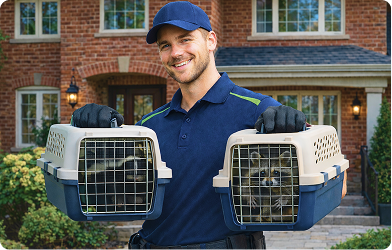
Humane Skunk Removal for Milton Properties
Besides the bad smell, skunks damage the lawn and spread diseases. Our technicians are trained to handle skunk removal in Milton effectively. We have more than 15 years of experience and have served over 225k customers across the GTA. Our licensed team will perform a thorough assessment and provide a tailored skunk removal plan.


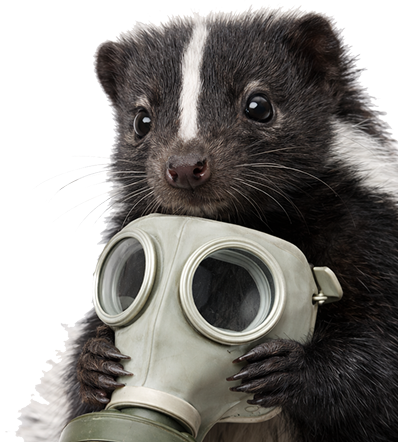
Skunk Removal Service Provider in Milton
From our experience, each wildlife problem requires a unique solution. Skunks behave differently from attic-dwelling raccoons and often establish dens in hard-to-reach areas beneath decks and sheds. Our trained and licensed specialists understand these habits and know what to check for when inspecting your property for skunk activity.
Perhaps you’re dealing with an active skunk den, recurring sightings, or concerns about pets and family members encountering these animals. Our team will carefully inspect your residence and create a tailored plan for skunk removal. Here’s why our services stand out.
- Fully licensed, insured, and WSIB-compliant company for ethical bird control, skunk removal, and handling other nuisance animals.
- Responsive specialists whenever you need help. Our wildlife control services are available 24/7. When necessary, we schedule same-day appointments.
- Proven track record of exceptional animal control and wildlife removal services. Our team has maintained an average rating of 4.9/5 stars while serving more than 225,000 clients.
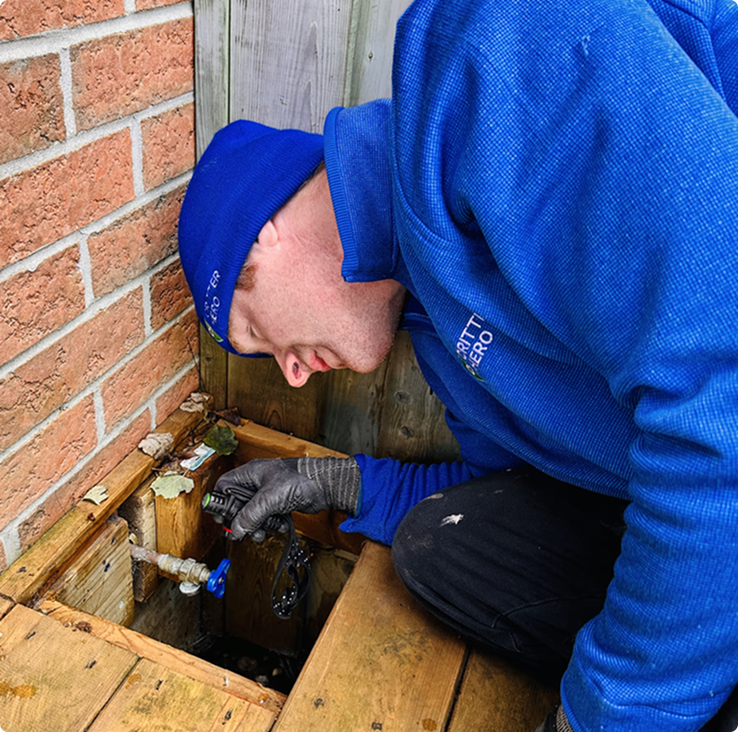
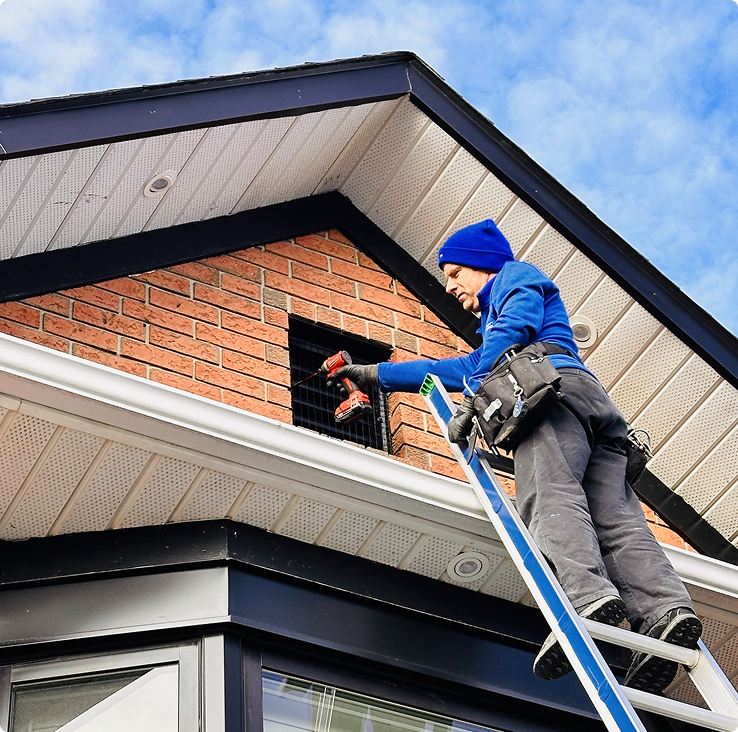
Why Choose Us for Skunk Control
Our residential and commercial customers in Milton and across Southern Ontario have benefited from our wildlife removal services, and for a good reason. Here’s what we bring to every task we handle.

Over the years, we’ve inspected properties for skunk activity beneath decks, sheds, porches, additions, and crawl spaces. Our experience enables us to quickly and humanely remove skunks and their offspring.

Our specialists use ethical skunk removal methods, such as one-way doors, monitored eviction options, and exclusion measures that encourage skunks to leave safely while minimizing stress on the animals.

A skunk den is often a sign that there could be multiple entry points into your property. During your property inspection, we’ll assess potential shelter areas, gaps, and outdoor features that attract wildlife.


Why Do Skunks Invade Homes in Milton?
Over time, skunks have adapted remarkably well to urban life, and Milton offers many of the conditions they need to thrive. The town’s continued growth, extensive green spaces, and family-oriented neighbourhoods create an environment where skunks can easily find food, shelter, and safe places to raise their young. Our team often finds skunks in areas where they have access to food and shelter.
Most areas near Kelso Conservation Area, Sixteen Mile Creek, and local stormwater management facilities provide both shelter and feeding opportunities. They also connect wildlife habitats directly to residential neighbourhoods. If you suspect there are skunks in your residential property, don’t hesitate to contact us.
Subtle Clues There Are Skunks in Your Yard
Unlike raccoons and squirrels, skunks rarely enter attics or climb onto roofs. Instead, they leave clues around outdoor structures like sheds and porches. Here are the signs that skunks have moved in.
Small cone-shaped holes in your lawn: Skunks feed heavily on grubs, beetles, earthworms, and other insects found beneath the soil surface. As they forage at night, they leave behind dozens of cone-shaped holes that can make your healthy lawn appear damaged.
A Persistent musky stench: Many homeowners associate skunks with their powerful defensive spray, but a strong odour can also indicate an active den nearby. The smell may become more noticeable around decks, sheds, crawl spaces, or foundation areas where skunks regularly travel.
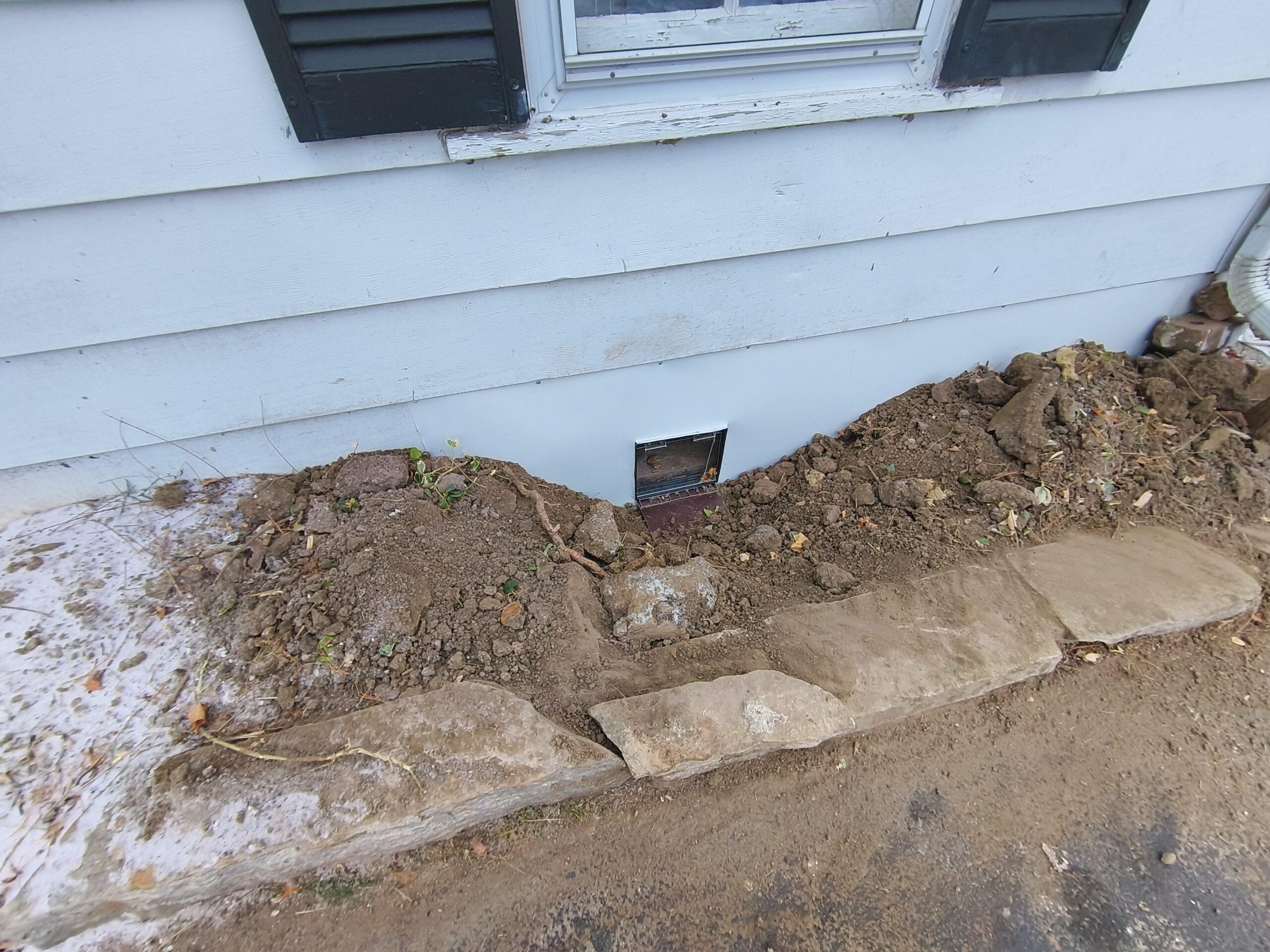
Fresh digging around decks and sheds: Skunks naturally seek protected areas close to the ground for shelter. You may notice disturbed soil, freshly excavated dirt, or openings developing beneath decks, porches, sheds, stairs, and additions.
Custom Process to Get Rid of Skunks
Our humane skunk removal process focuses on locating denning areas and safely removing the animals and their dependent young. Here are the steps we follow.
Locate the Dens and Assess Them
Before removing the skunks, our specialists will inspect your property to identify where the skunks are living and how frequently the area is used. We check decks, sheds, porches, crawl spaces, home additions, and other ground-level structures for signs of digging and active denning.
Ethical Animal Control
Next, we will use one-way exits and other appropriate exclusion measures that allow skunks to leave your property safely while preventing them from returning. Our methods are completely poison-free and designed to minimize stress on the animals.
Prevent Future Infestations
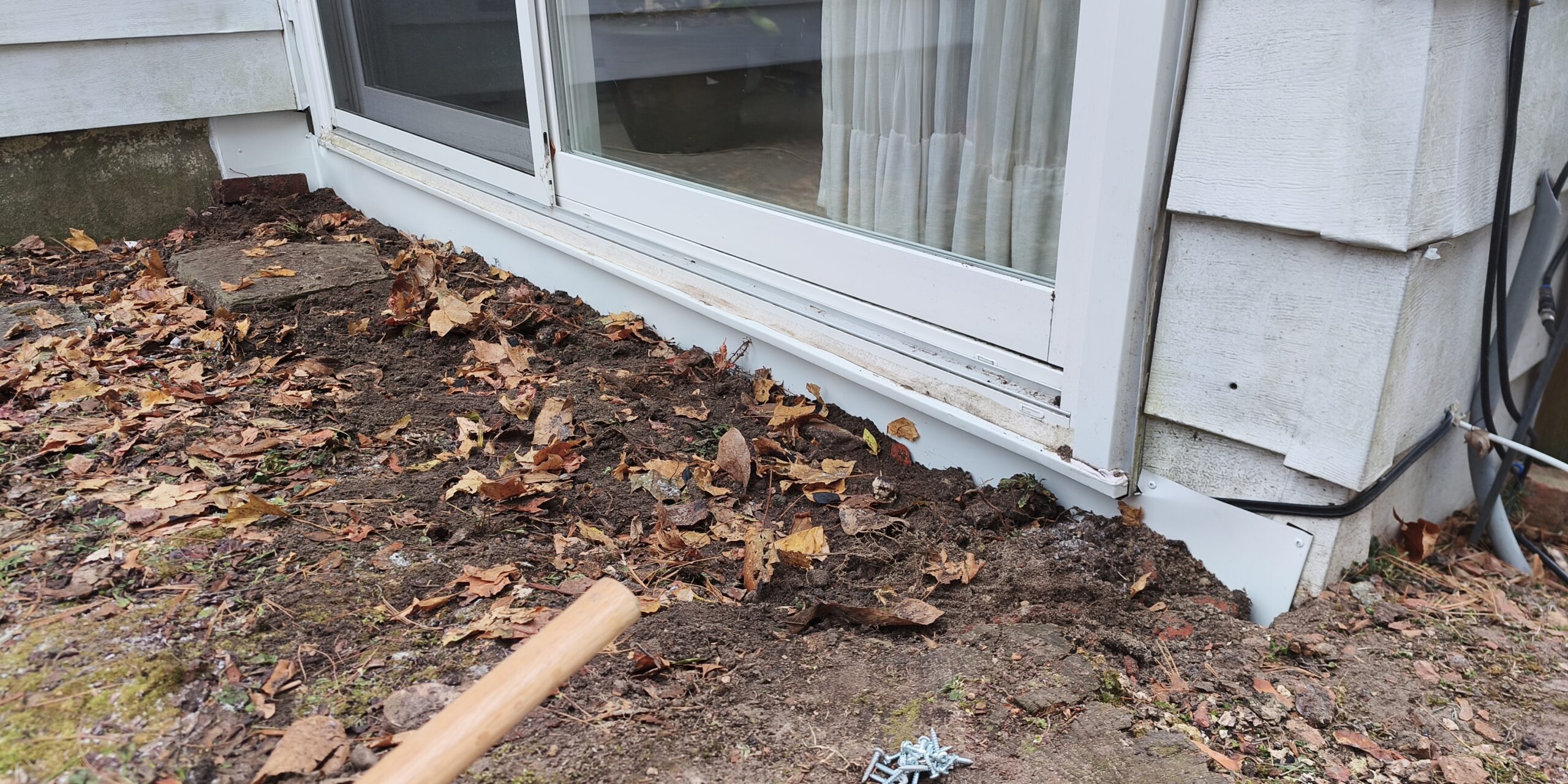
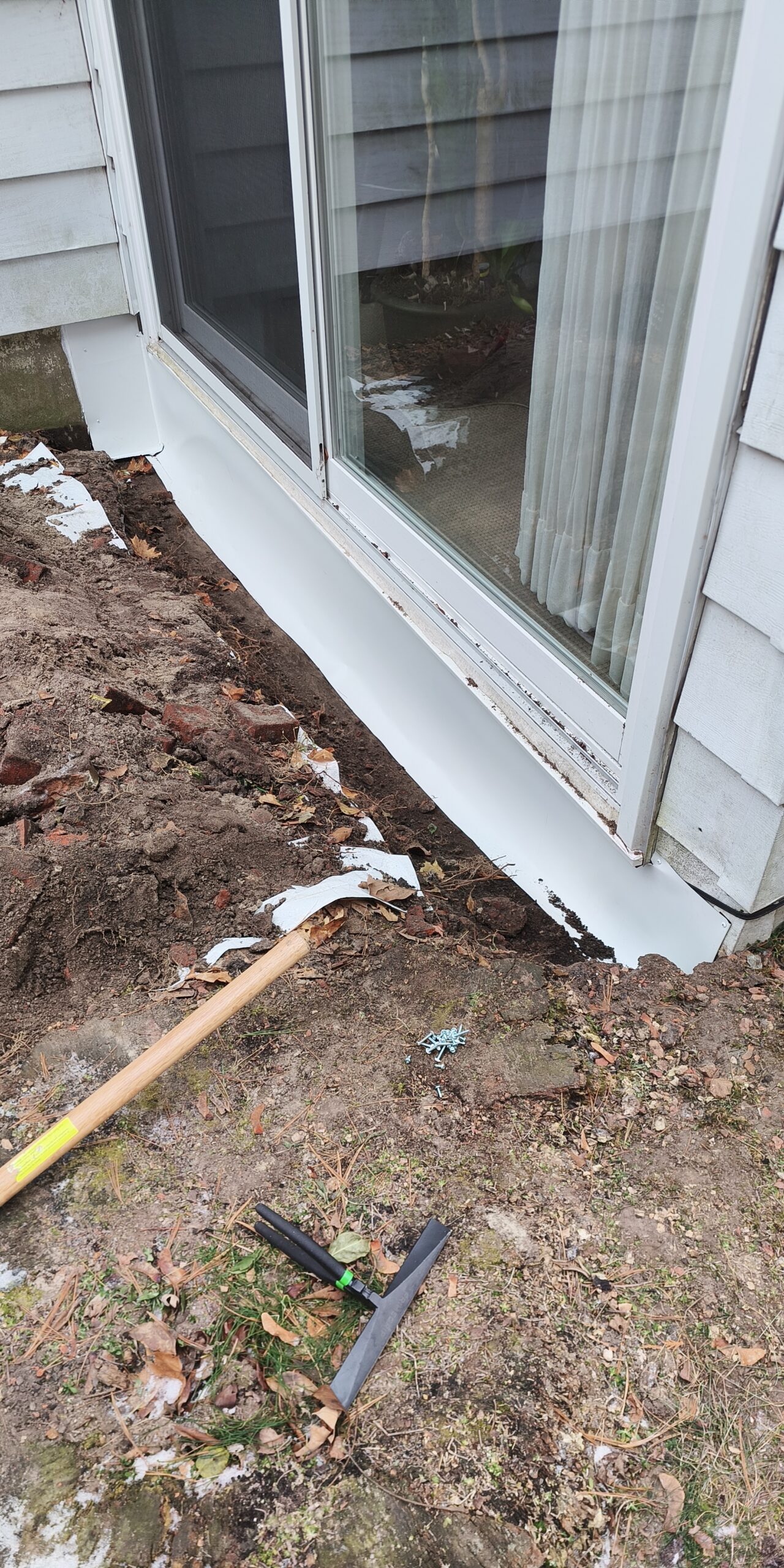
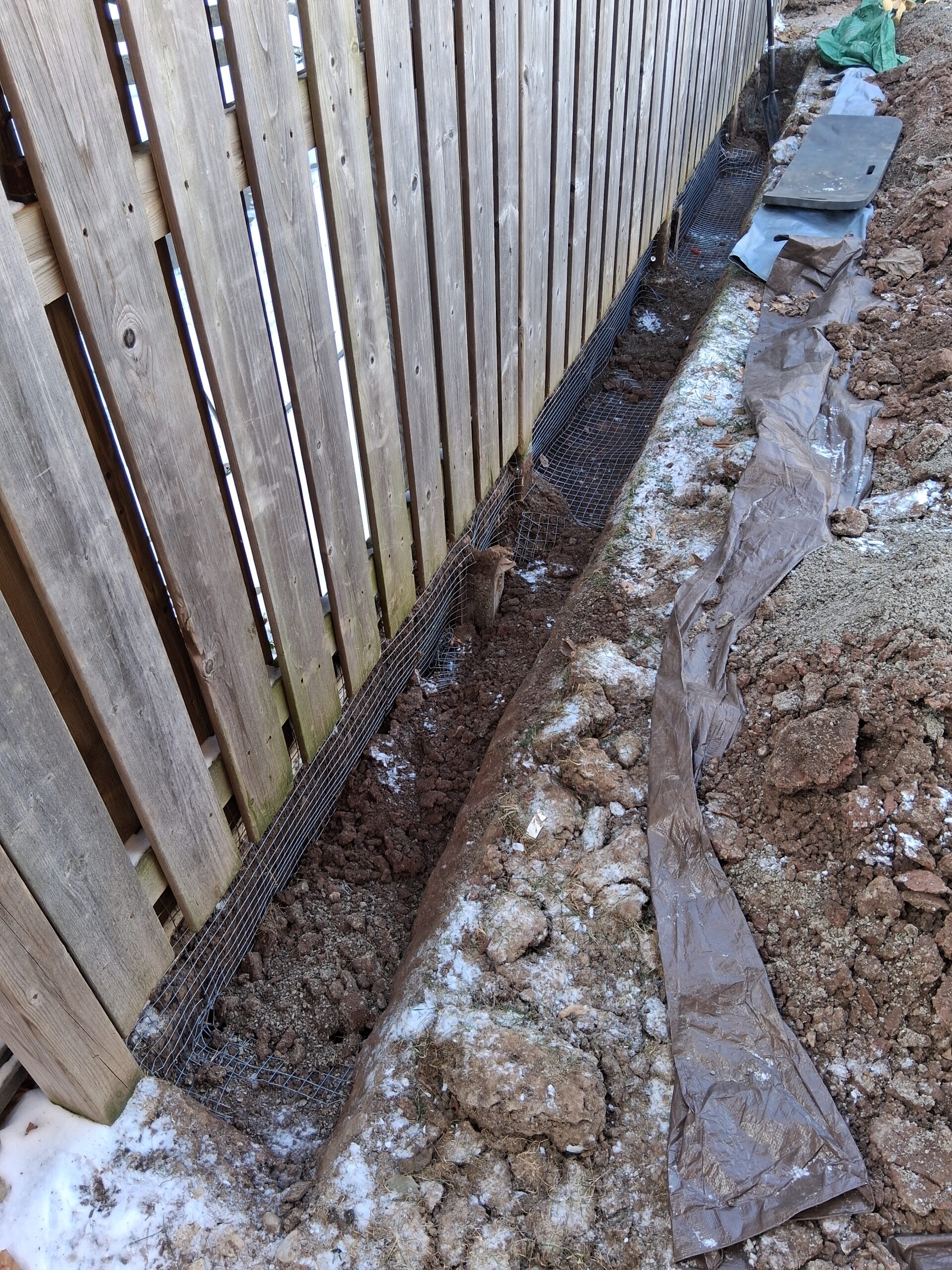
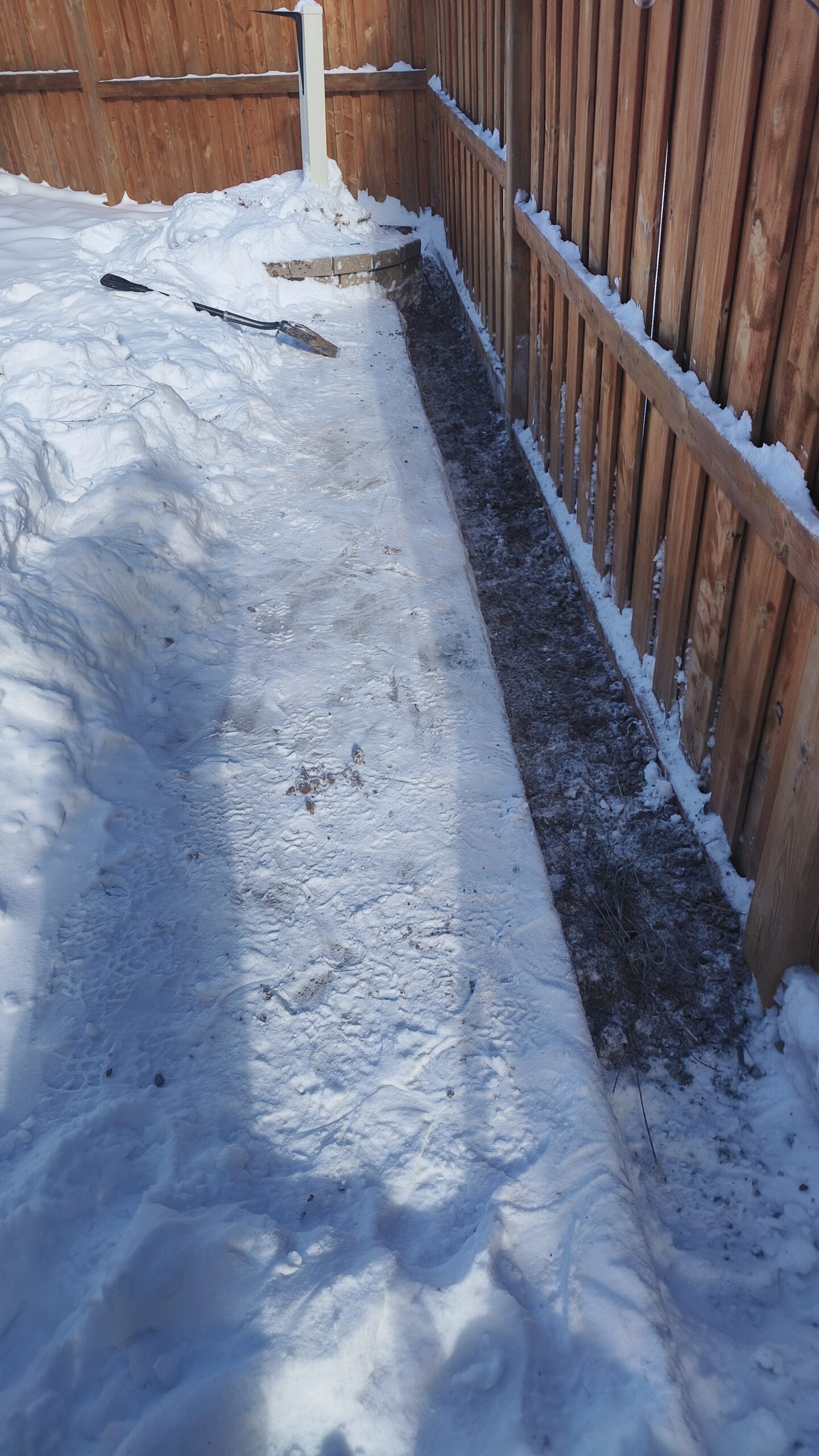
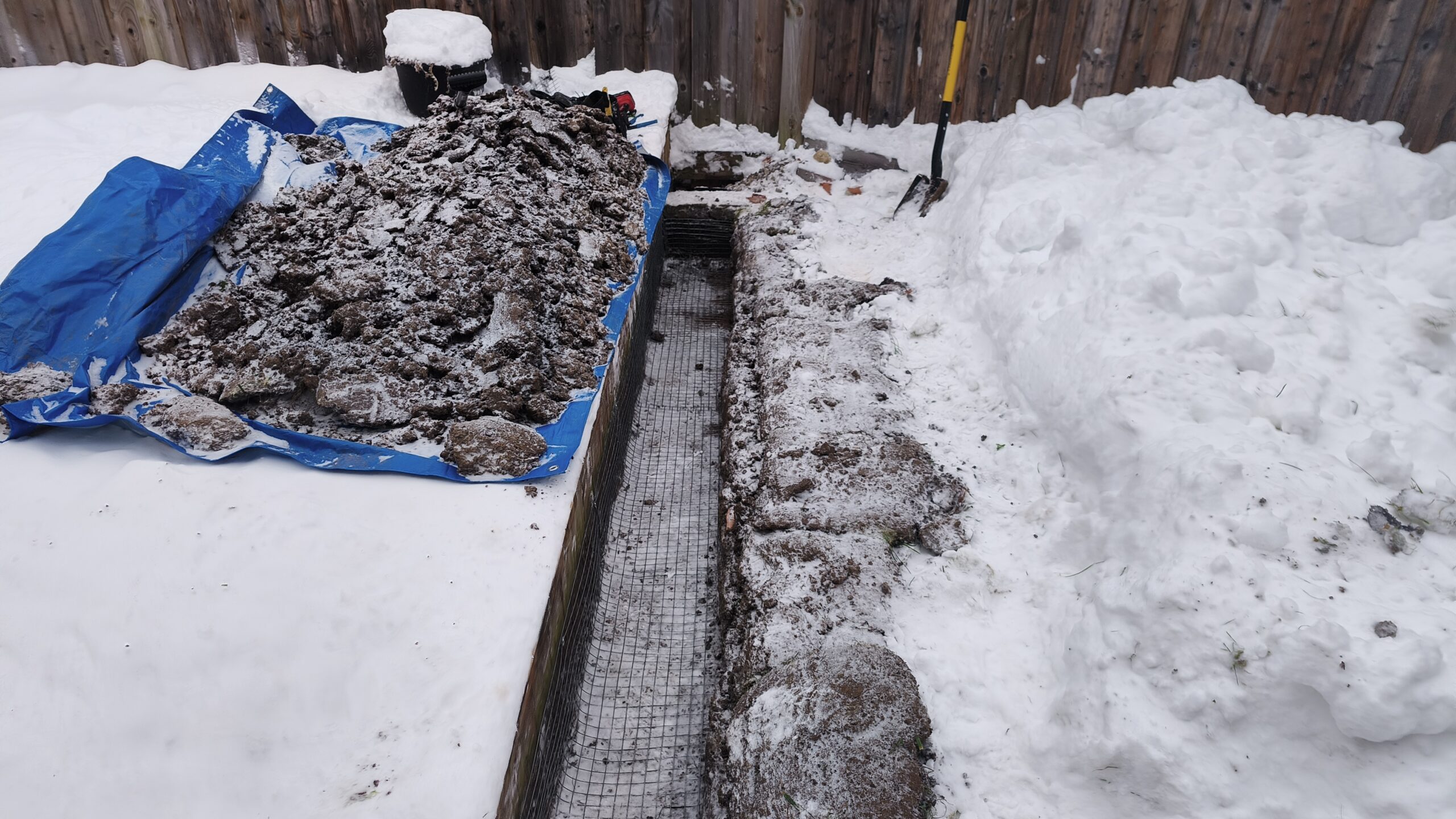
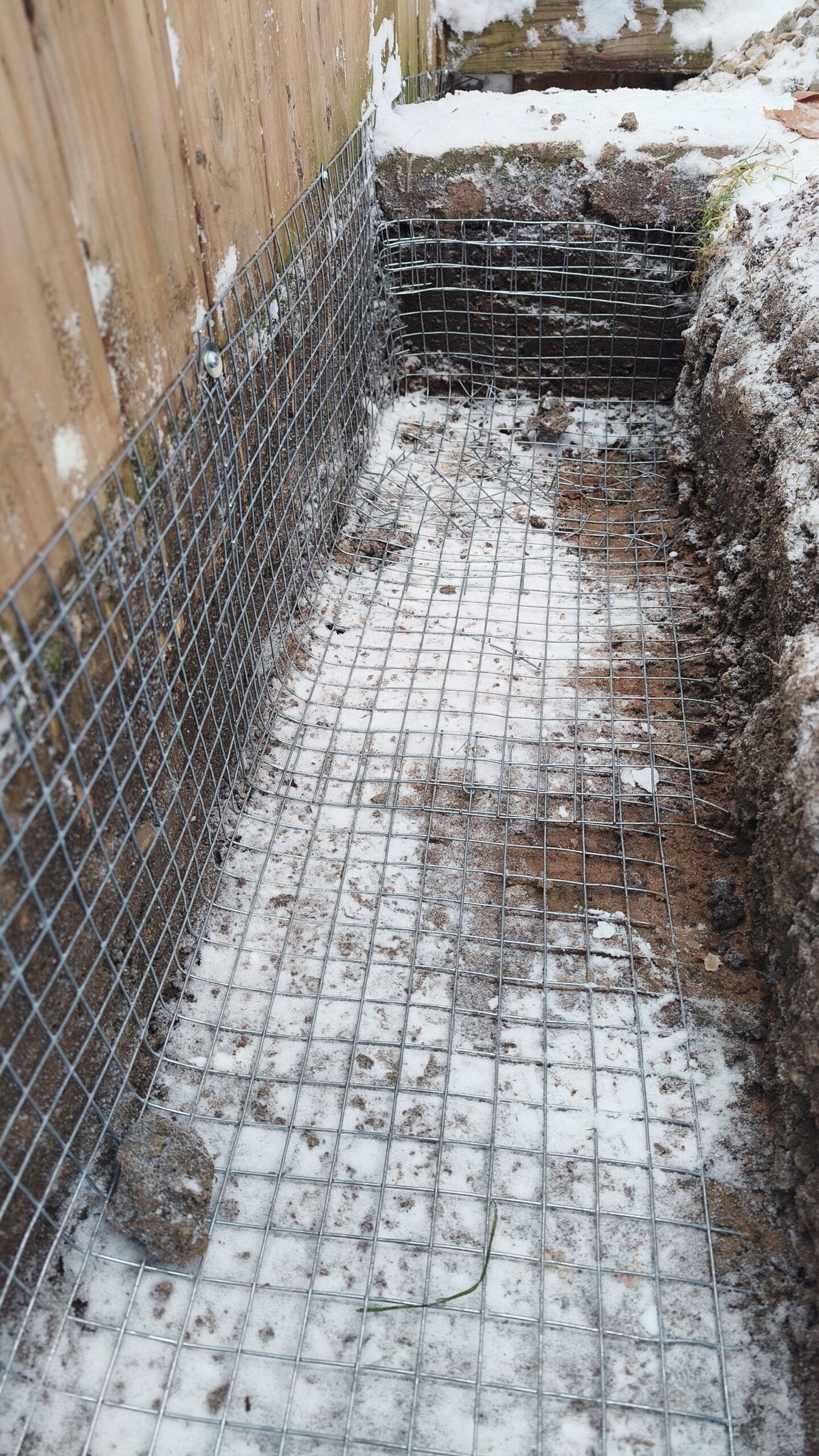
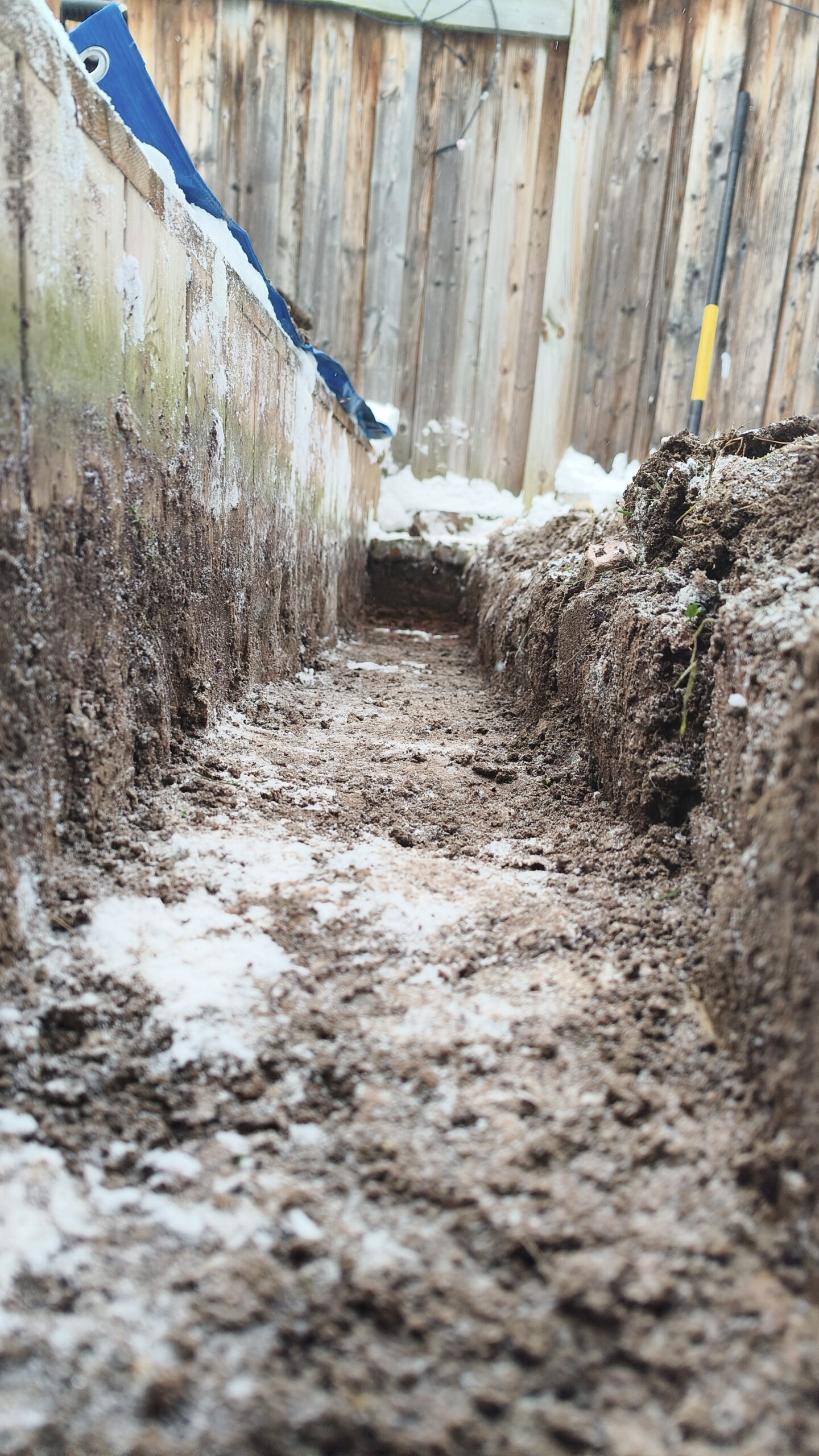
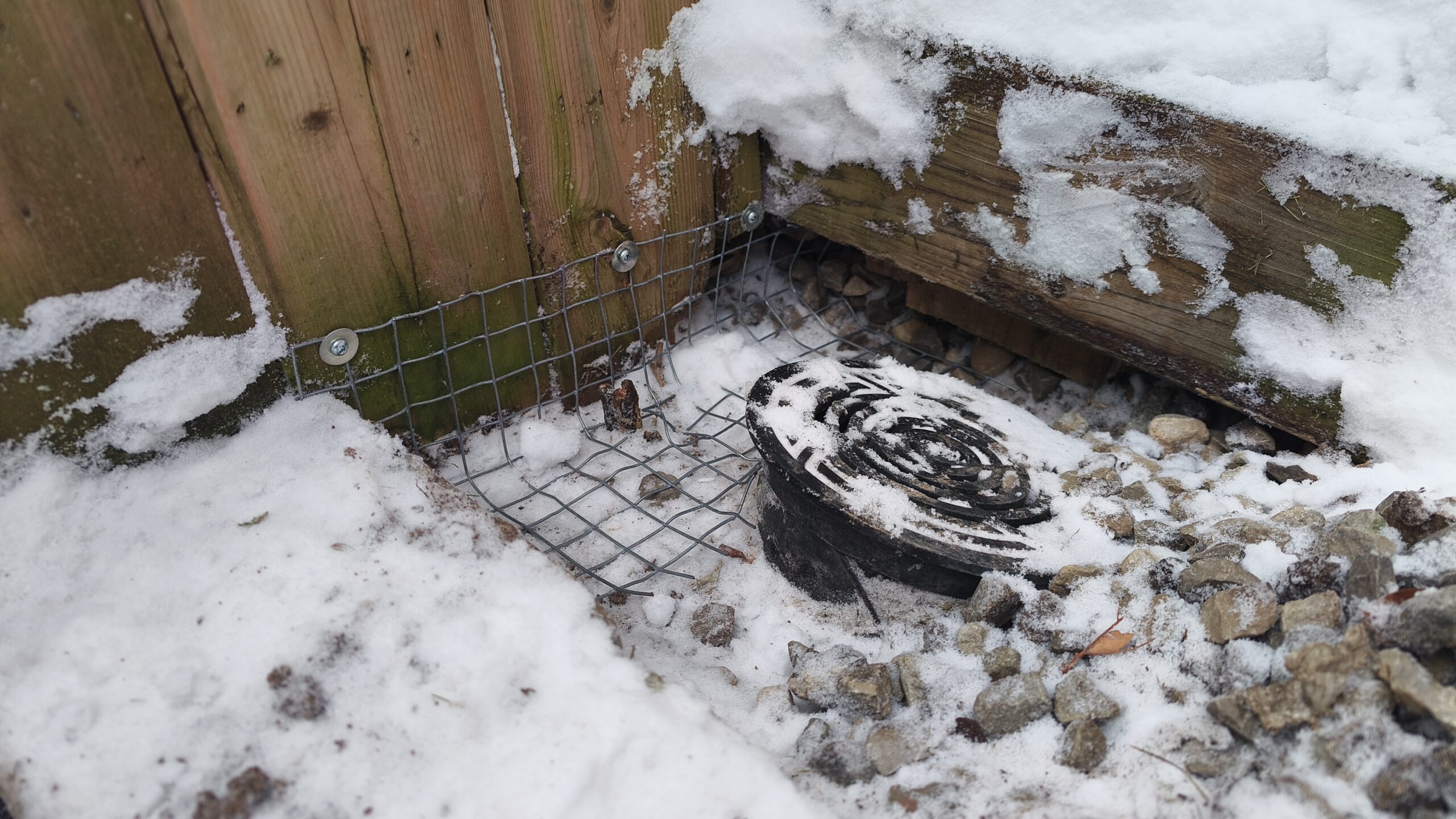
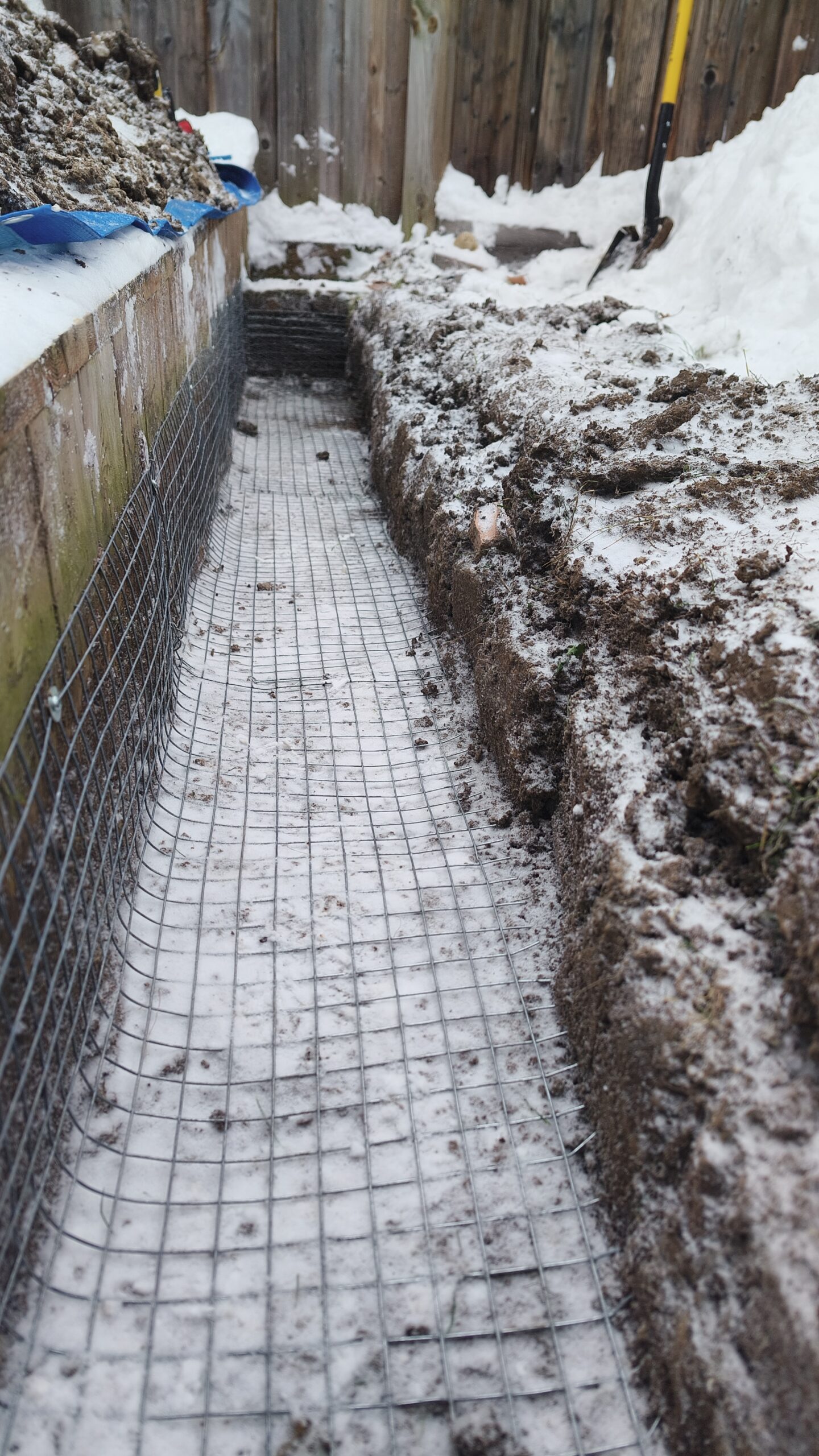
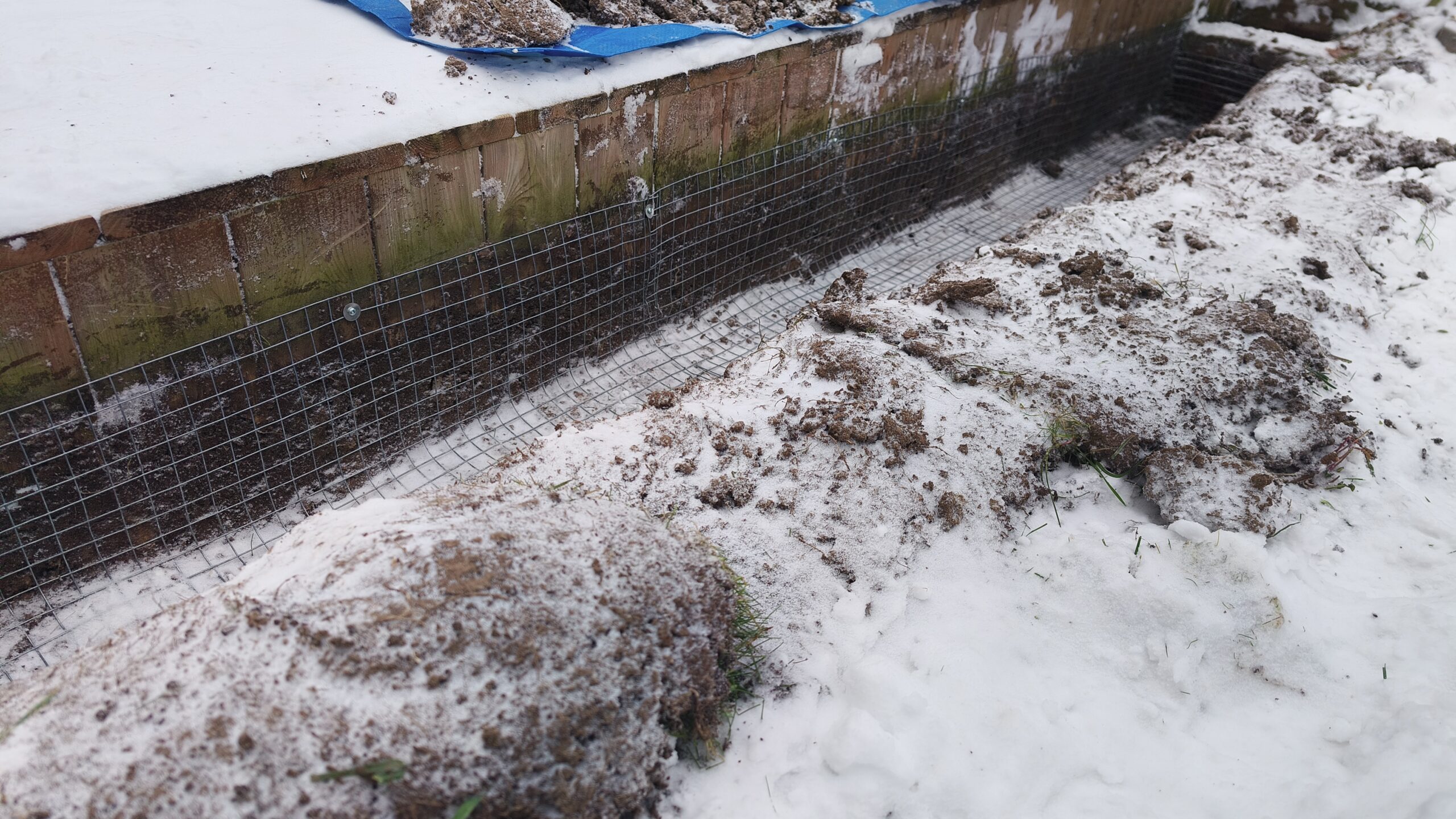
After the skunks have vacated your property, we’ll secure all vulnerable spaces beneath decks, sheds, porches, and other structures that may attract future wildlife. This helps reduce the likelihood of recurring skunk infestations and protects your property in the long term.
Skunk Kits Need Special Care During Removal
At Critter Hero, we get many skunk removal service requests in spring. This is the most active season for skunks, particularly from March to June. When temperatures begin to rise across residential neighbourhoods, female skunks begin to search for quiet and protected dens where they can give birth and raise their dependent young. That’s why they dig beneath sheds or porches to build their nests.
When you call us for skunk removal services, we’ll check for dependent young during the initial inspection. Given that baby skunks can’t survive on their own, we hand-remove them and use humane methods to direct their mothers away from your property. Later, we will reunite them away from your home. Removing a mother without accounting for her young can create animal welfare concerns and additional problems for the homeowner.
Prevent Structural Damage and Spray Odour
Compared to other nuisance wildlife, skunks may appear harmless. However, our team have helped property owners repair significant damage to their decks, sheds, or other areas where skunks denned. As they forage for beetles and other types of food, they dig numerous small holes throughout lawns, flowerbeds, and landscaped areas.
While each hole may seem minor, repeated feeding activity can leave a yard looking damaged. Our trained professionals can help prevent the following;
- Odour and contamination: A skunk’s spray is one of the strongest and most persistent odours found in nature. If a skunk sprays near a home, deck, shed, garage, or air intake system, the smell can linger for weeks.
- Burrowing beneath outdoor structures: Skunks frequently establish dens beneath decks, porches, sheds, stairways, additions, and other ground-level structures. Over time, their digging can create larger openings and weaken soil stability.
- They carry diseases: Skunks can carry rabies and bacteria that may pose health risks to pets. Therefore, if you suspect there is a skunk on your property, contact a skunk humane removal service.
Estimated Cost of a Skunk Control
In Milton, the actual cost of skunk removal and exclusion services varies widely depending on the number of skunks in your home, whether young skunks are present, and other factors. Here are the estimated costs of these services.
Service Type
Estimated Cost Range (CAD)
Inspection
Basic skunk removal
$300 to $600
Entry point sealing
$200 to $800
Damage repair
$300 to $1,500+
It’s crucial to note that the cost of skunk control varies widely. That’s why we recommend that you schedule a consultation or property inspection if you need an expert to remove animals from your residential property.
Need Skunk Removal Services?
At Critter Hero, we provide cost-effective wildlife removal and exclusion services in Milton. Whether you have rats, mice, squirrels, or other rodents, or wild animals have invaded your home, call us, and we will help get them out of your house.
Frequently Asked Questions
-
Why did skunks choose my property?
Skunks are attracted to properties that provide food, shelter, and safety. Lawns with grubs and insects offer a reliable food source, while decks, sheds, porches, and home additions create protected denning areas. -
Do skunks return to the same den every year?
Female skunks often return to denning areas that previously provided protection and successfully sheltered their young. If access beneath a deck, shed, or porch remains available, the same den site may attract skunks again in future seasons. -
Why are skunks digging holes in my lawn?
Small holes throughout a lawn are often the result of skunks searching for food. Skunks feed on grubs, beetles, worms, and other insects that live beneath the soil surface. While each hole may appear minor, extensive nighttime foraging can leave lawns and garden areas looking noticeably damaged. -
What should I do if my dog gets sprayed by a skunk?
If your dog is sprayed, keep it outside if possible to prevent the odor from spreading indoors. Avoid allowing the spray to dry completely before treatment. If your pet appears to have been sprayed in the eyes or is showing signs of distress, contact your veterinarian. -
How does Critter Hero remove skunks humanely?
Our technicians first inspect your property to locate the skunk and identify how it is accessing the denning area. We then use humane, poison-free exclusion methods suited to the situation, allowing the skunk to leave safely before securing the entry point. -
How can I tell if a skunk is living under my deck?
Look for a strong skunk odour, fresh digging around the deck, tracks, disturbed soil, or repeated nighttime activity near the structure. An inspection can help confirm whether the space is being used as a den and identify the opening the skunk is using. -
Will Critter Hero seal the area after removing a skunk?
Yes. Removing the skunk without securing its access point can leave your property vulnerable to another denning attempt. After the animal has safely left, we can reinforce or close suitable openings beneath decks, sheds, porches, and other structures. -
Are skunks active during the day?
Skunks are primarily nocturnal, so activity after sunset is common. However, seeing a skunk during daylight does not automatically mean it is sick or dangerous. Repeated daytime activity, unusual behaviour, or signs of illness. Contact our specialists for removal instead of trying to handle the intrusions on your own. -
How can I prevent skunks from denning on my property?
Start by reducing food and shelter opportunities around the property. Secure garbage and outdoor food sources, address conditions that attract insects, and close suitable openings beneath decks, porches, sheds, and other structures. Critter Hero can also identify vulnerable areas during a wildlife inspection.
- Why Do Skunks Invade Homes in Milton?
- Subtle Clues There Are Skunks in Your Yard
- Custom Process to Get Rid of Skunks
- Skunk Kits Need Special Care During Removal
- Prevent Structural Damage and Spray Odour
- Estimated Cost of a Skunk Control
- Need Skunk Removal Services?
- Frequently Asked Questions
- Why did skunks choose my property?
- Do skunks return to the same den every year?
- Why are skunks digging holes in my lawn?
- What should I do if my dog gets sprayed by a skunk?
- How does Critter Hero remove skunks humanely?
- How can I tell if a skunk is living under my deck?
- Will Critter Hero seal the area after removing a skunk?
- Are skunks active during the day?
- How can I prevent skunks from denning on my property?









Our service areas
…by providing award winning customer service to each and every single client.
- Hamilton
- Burlington
- Milton
- Stoney Creek
- Niagara Falls
- St. Catharines
- Brampton
- London
- Mississauga
- Oakville
- Toronto
- Brantford
Call or Email Us
Reach Out To Us For Inquiries, Support, Or Partnership Opportunities, We’re Here To Assist.

-

Satisfaction Guarantee
Your satisfaction is our priority. We stand by our work and ensure high-quality service.
-

15 Years Experience
Our team has been providing efficient and humane wildlife removal services for over 15 years.
-

WSIB & Insured
Licensed, insured and trained professionals with efficient technology to get the job done right.