Bat Control Services for Homes & Businesses
When bats enter your attic or walls, you need expert handling. Critter Hero is your best choice for lasting bat removal results in Milton. With 15+ years of experience and 225,000+ customers served, we deliver on our promise. Our technicians use poison-free methods to protect your home, family, and the environment.


Helping Milton Residents Handle Bat Infestations
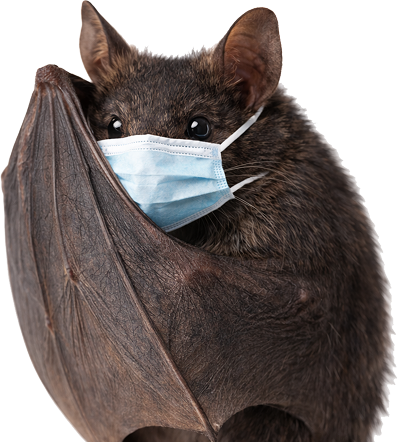
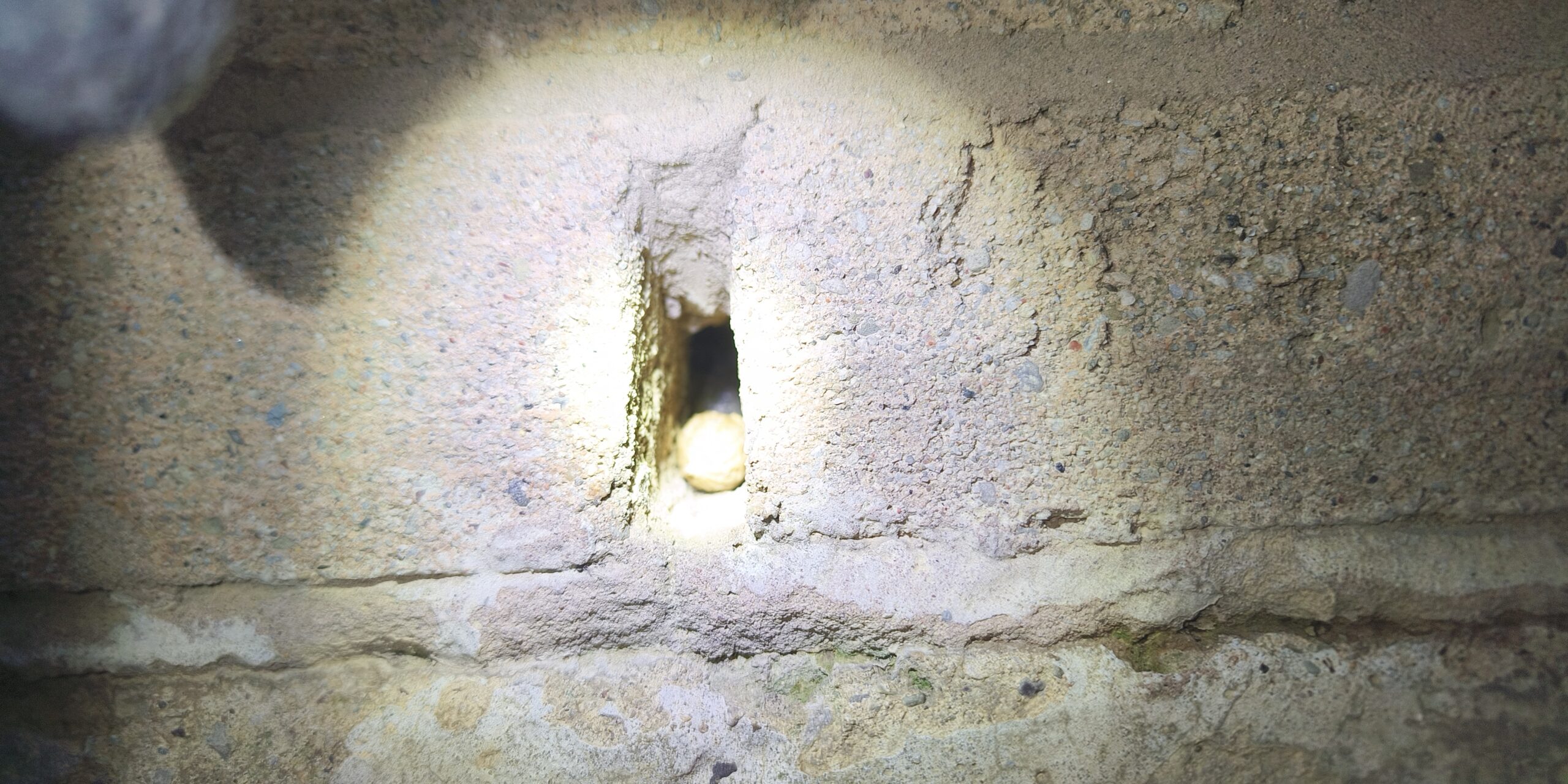
Bats play an important role in controlling insect populations, but they do not belong inside your home. Because bats can enter through gaps as small as ½ inch, many homeowners don’t realize a colony is present until noises, staining, or droppings appear. Don’t wait until bats cause extensive damage to your home. Call our team today.
At Critter Hero, we understand that bats are protected wildlife and must be managed carefully in accordance with seasonal restrictions. That’s why our licensed and experienced specialists leverage their knowledge of local bat behavior and roosting habits to ensure safe and ethical bat removal. Milton homeowners and businesses can rely on our animal control solutions.
- Trusted by over 225,000 property owners and backed by a 4.9/5 customer rating across southern Ontario.
- Our in-house wildlife specialists are available 24/7 to respond whenever you need professional property inspection and bat removal services.
- Fully licensed, insured, and WSIB-compliant company that offers bat control and other humane wildlife removal solutions.
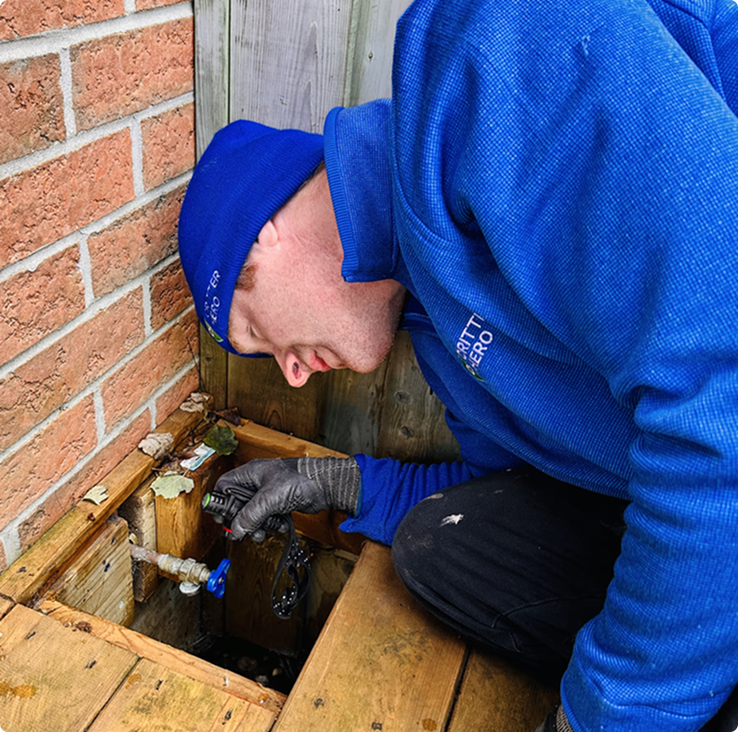
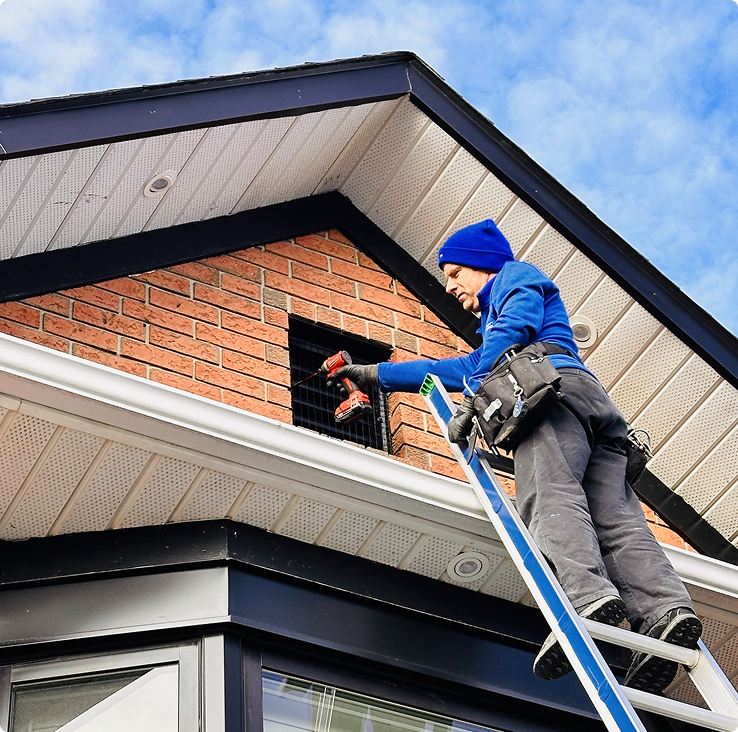
Why Trust Critter Hero for Wildlife Removal?
The Critter Hero team has a proven record of efficient, timely, and affordable wildlife control services. Here’s why we’re the go-to experts in bat control solutions in Milton.
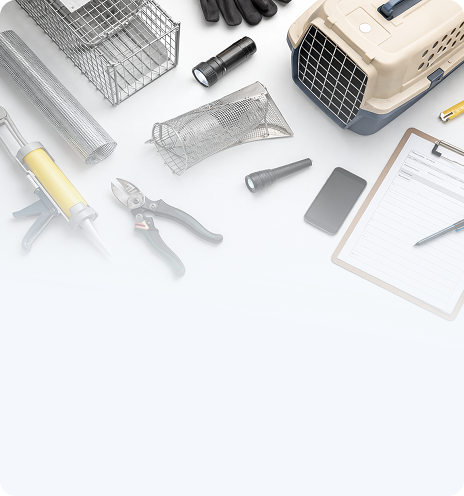
We combine our expertise and humane approach to safely remove bats from attics, roof systems, soffits, vents, and wall cavities. Our experience empowers us to identify roosting locations, understand seasonal behaviors, and recommend appropriate exclusion strategies.
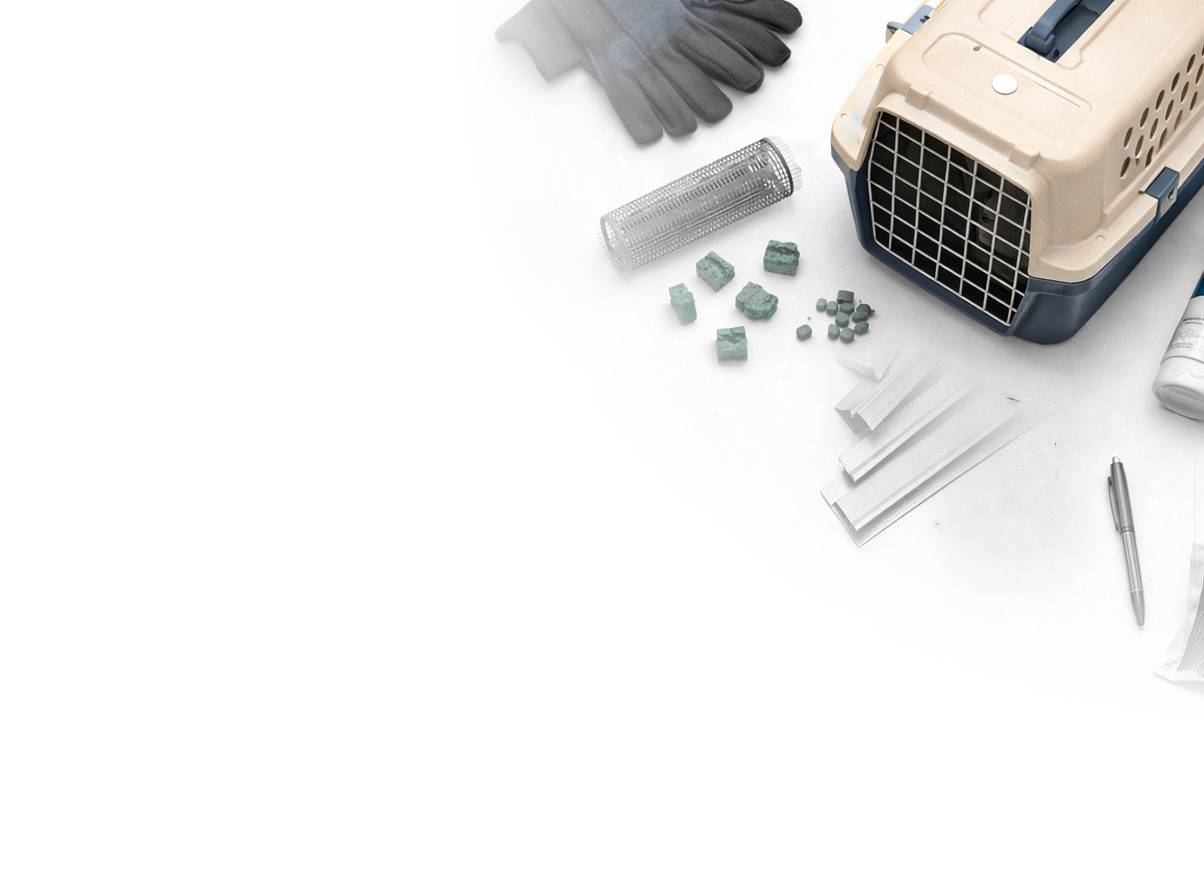
Our specialists use one-way exclusion techniques, entry-point sealing, and carefully timed removal strategies that allow bats to leave your property safely without returning. These methods help protect bat populations while resolving home infestations.
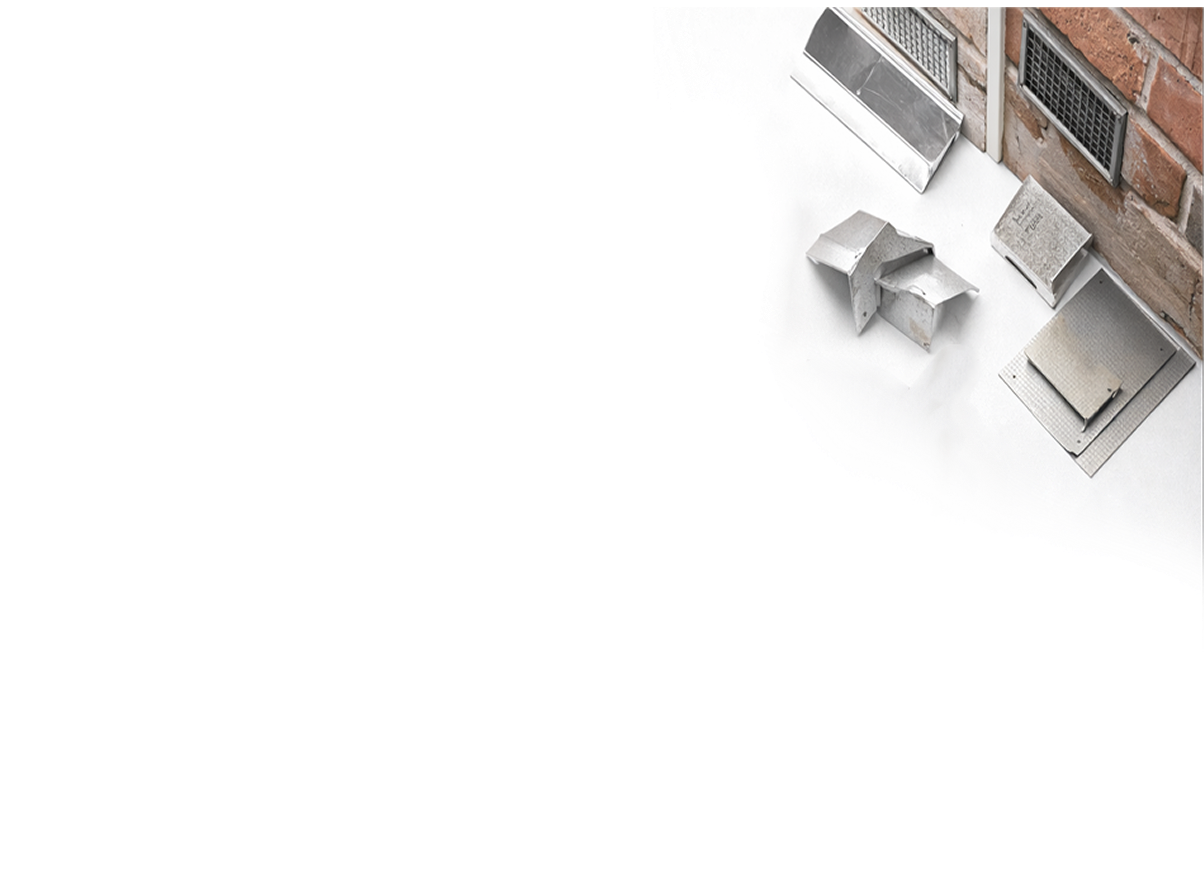
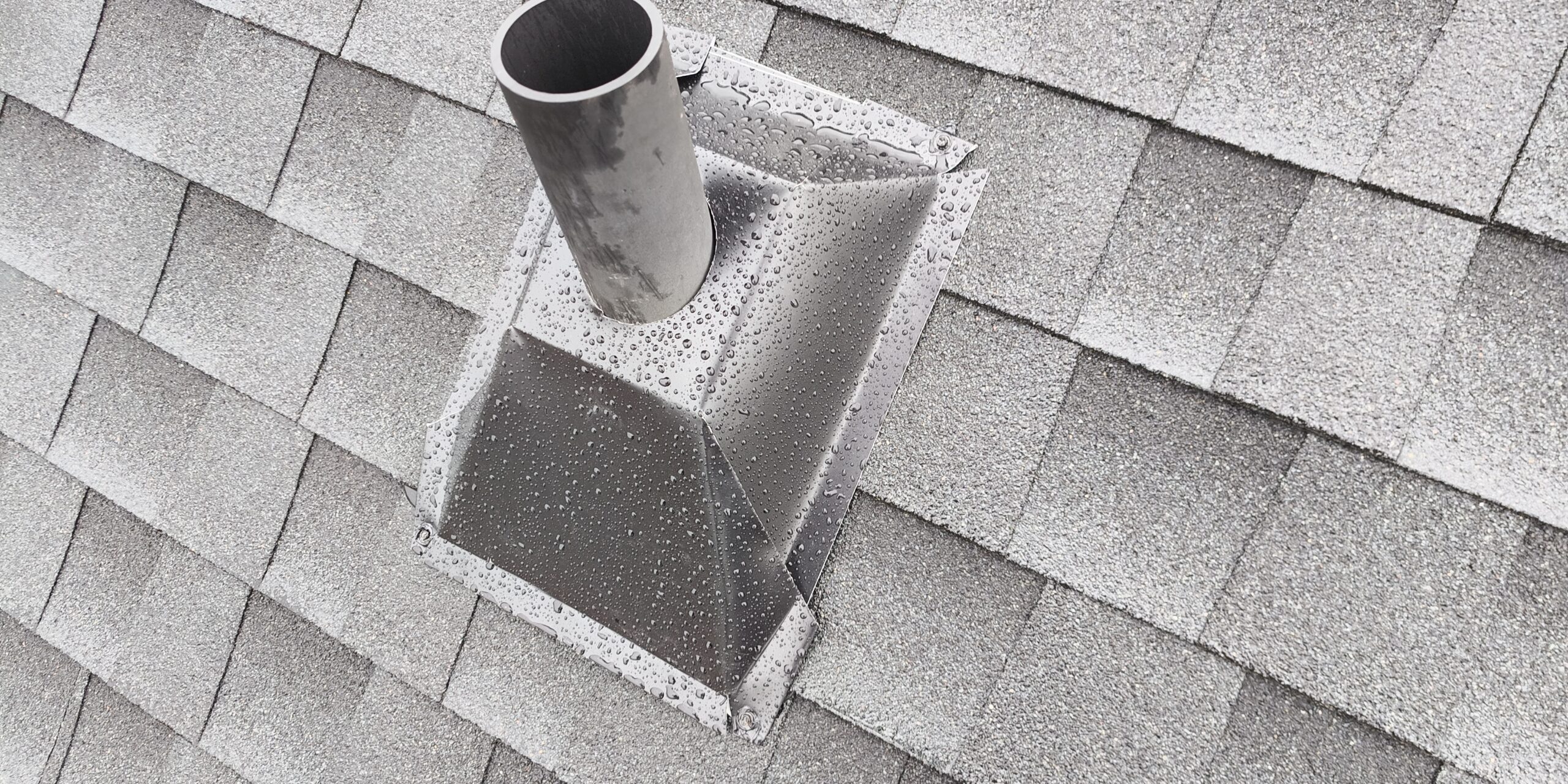
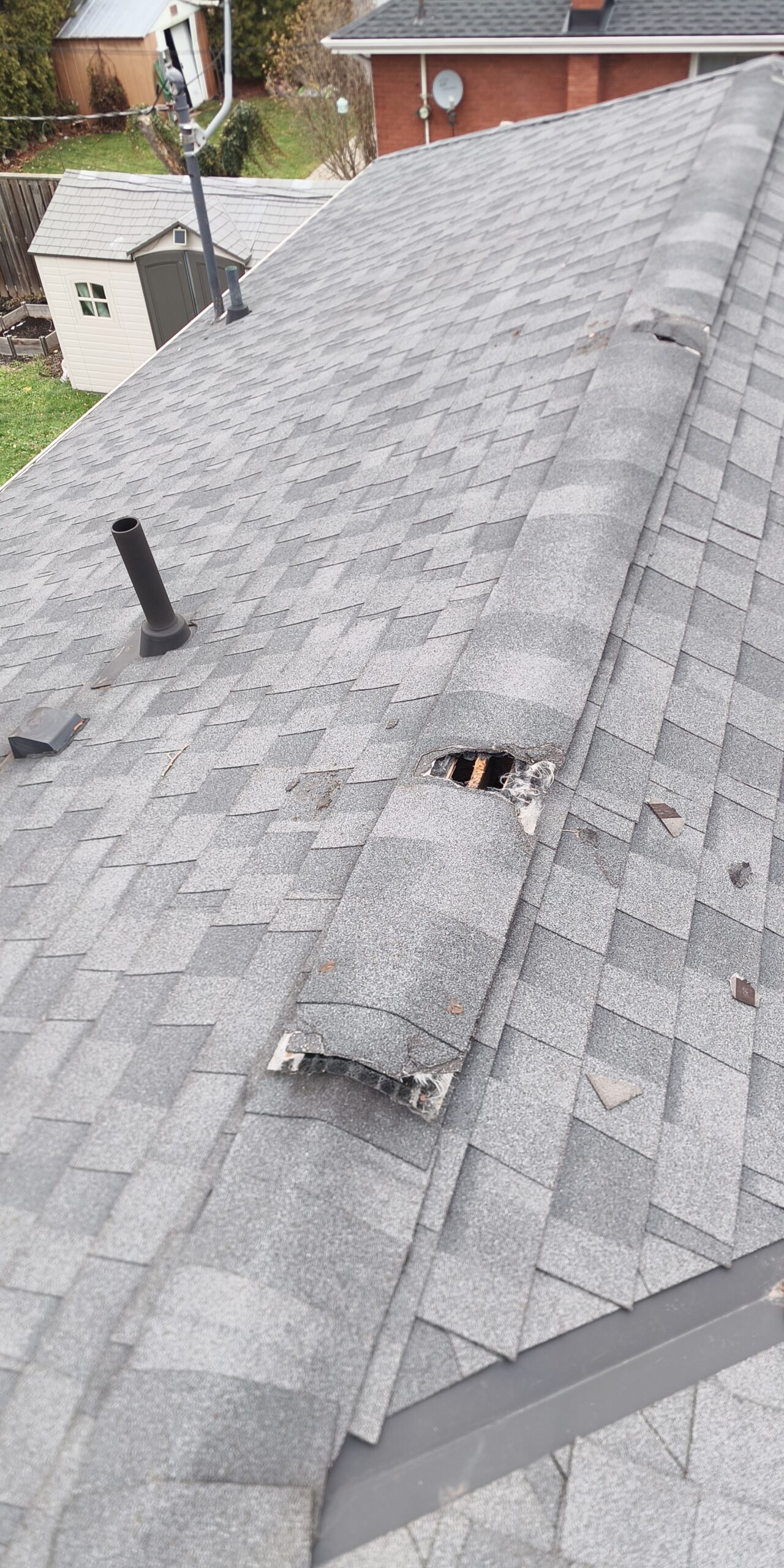
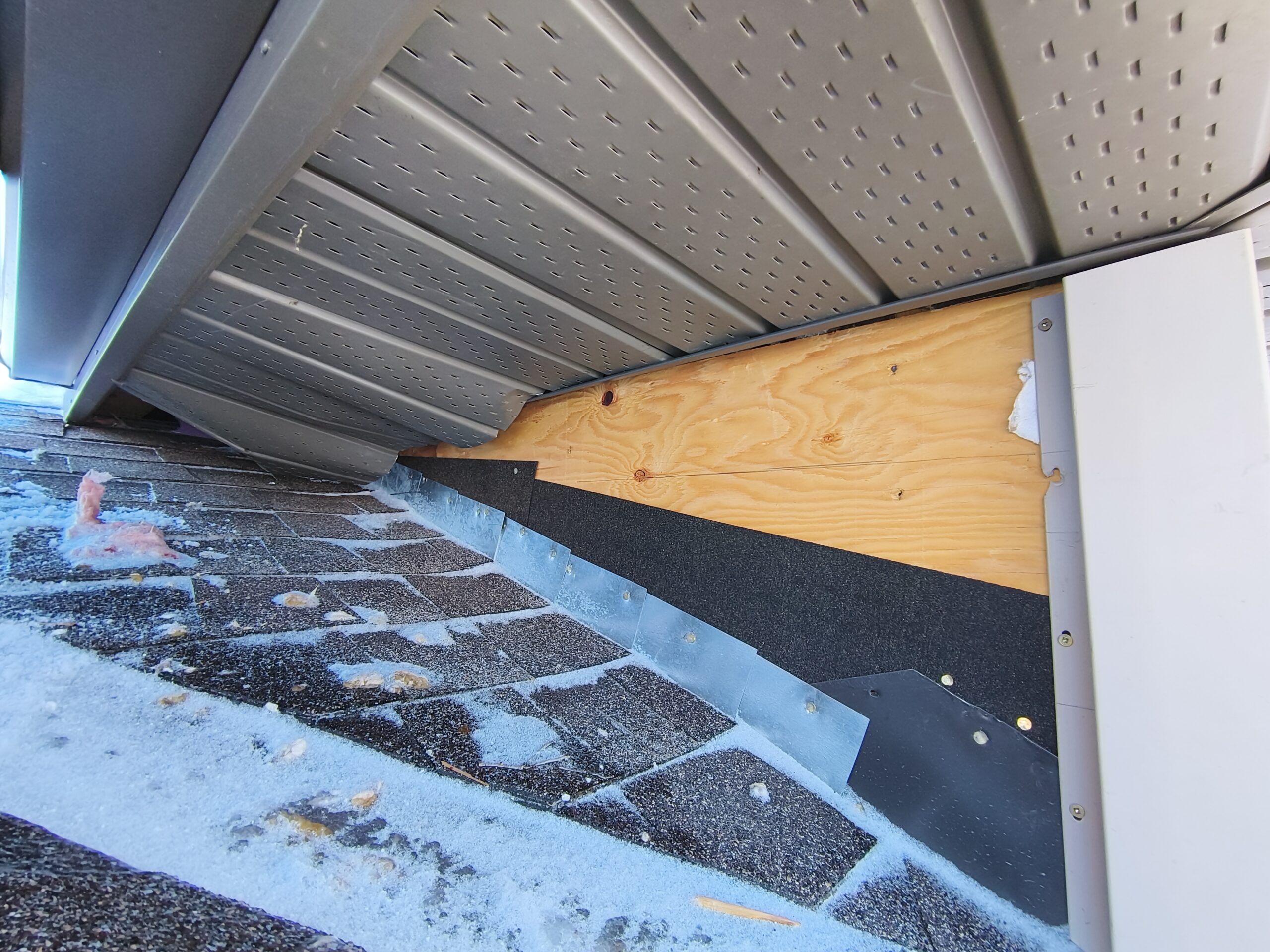
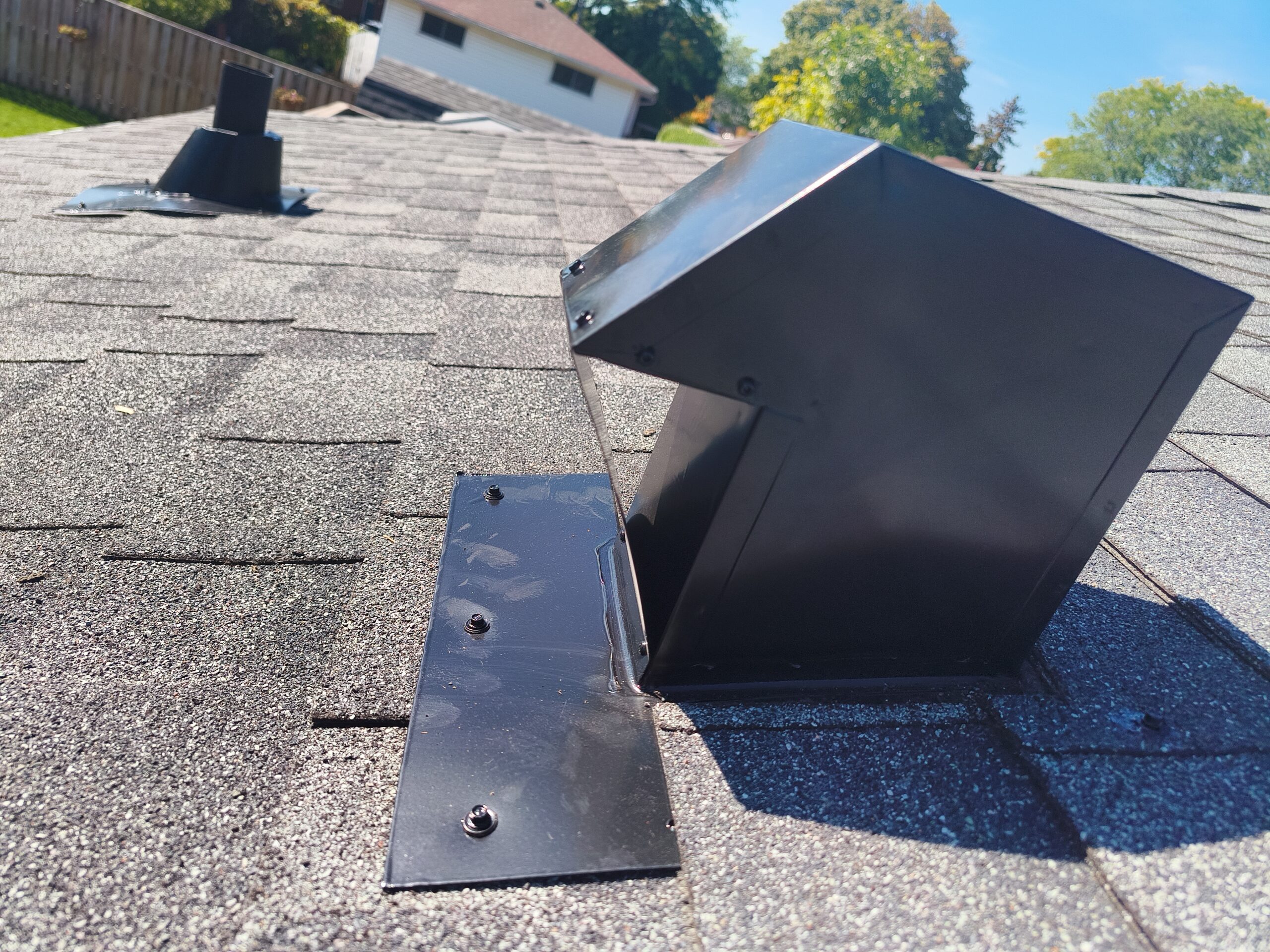
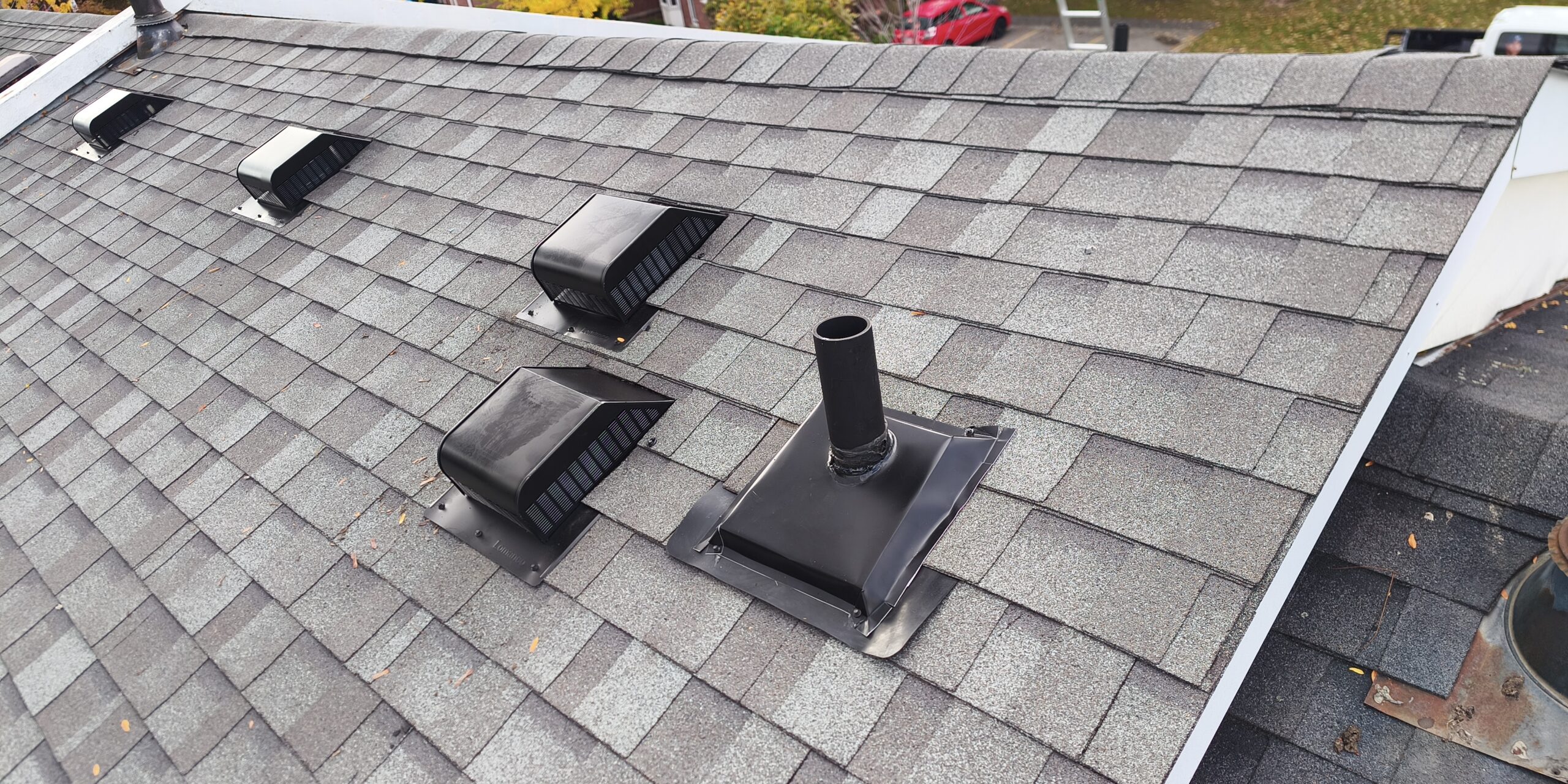
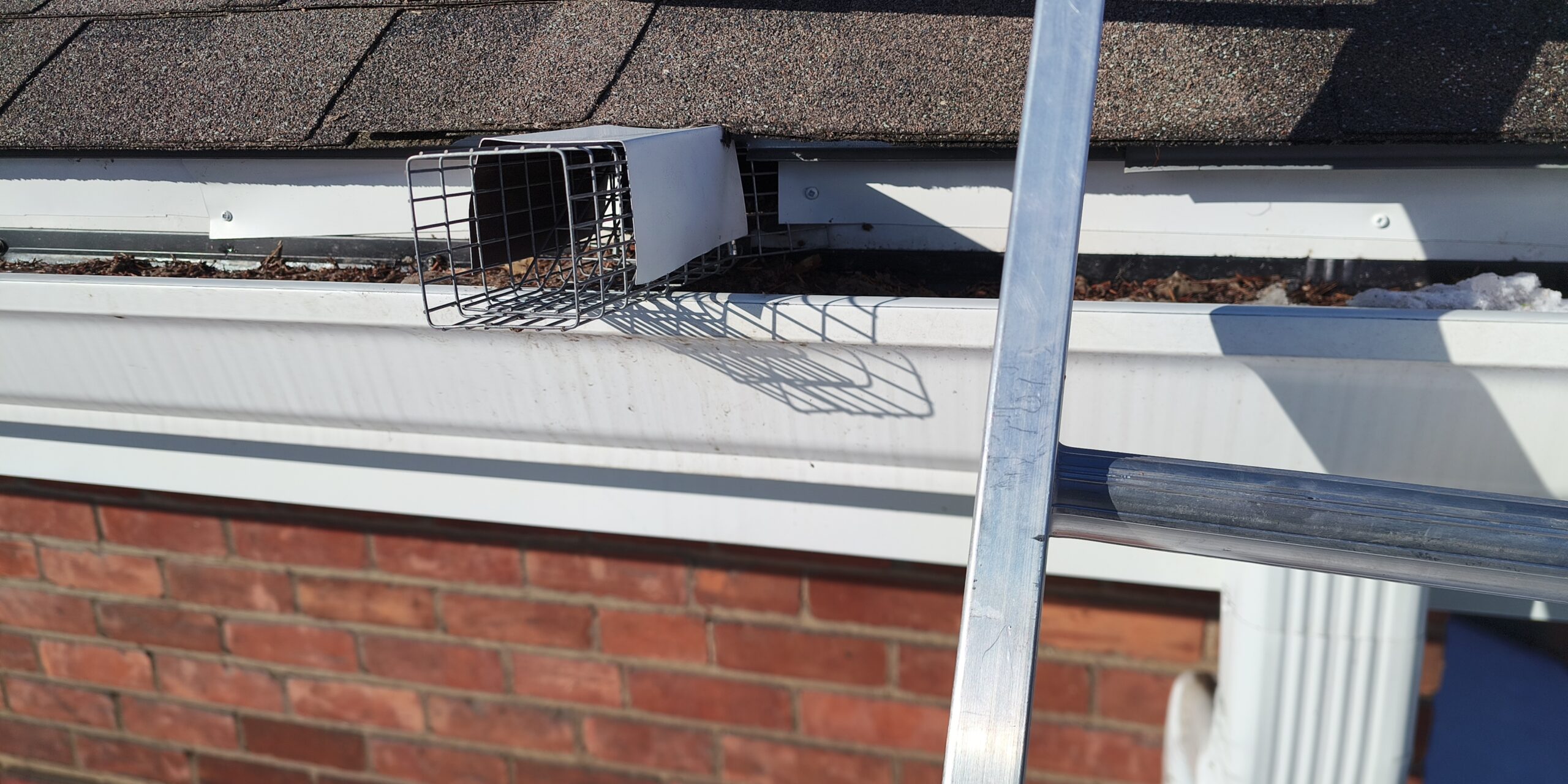
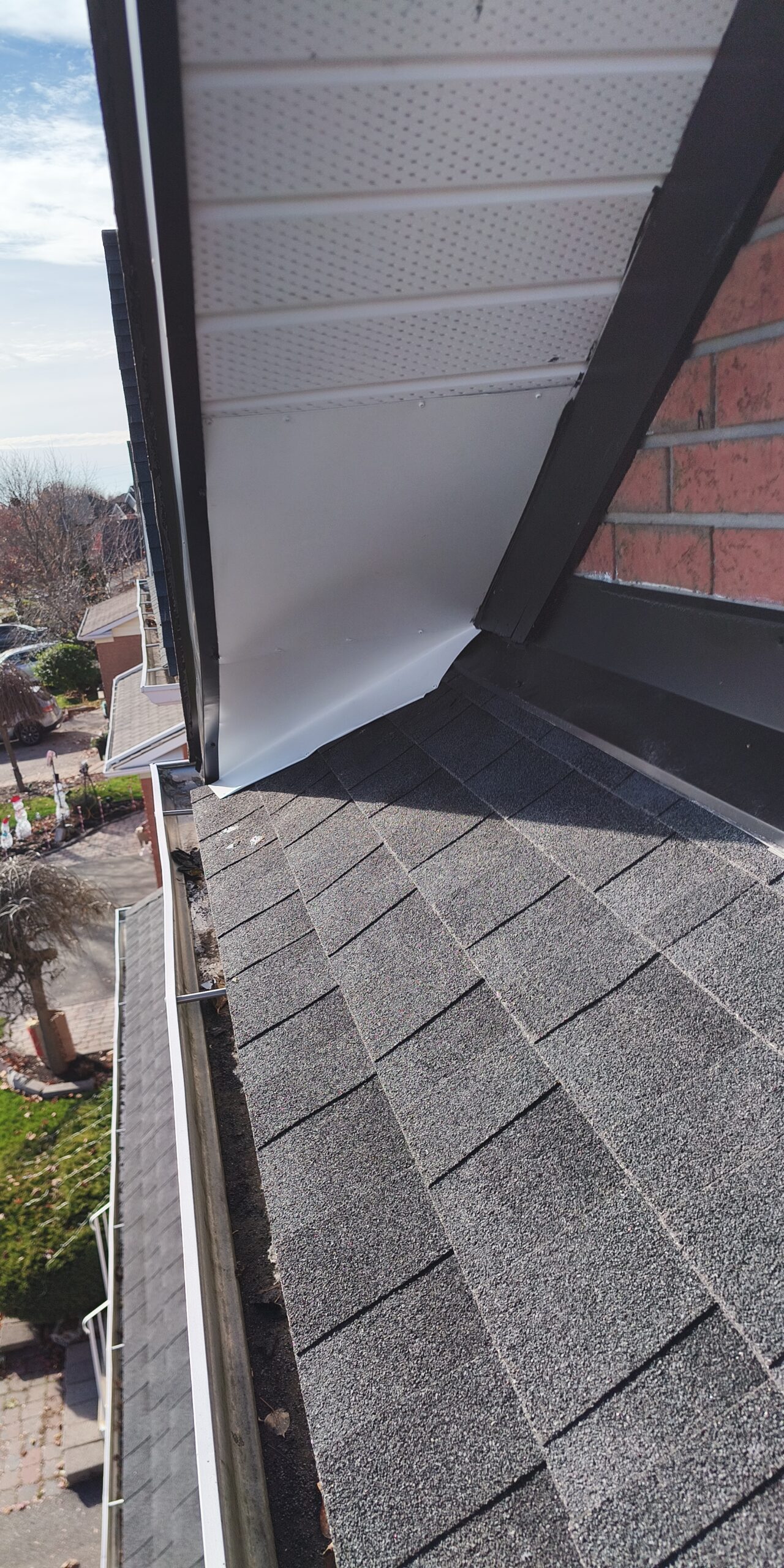
Bats can use entry points that are surprisingly small and easy to overlook. During property inspections, we assess rooflines, vents, soffits, fascia intersections, and other potential entry points to identify how bats access your property and determine how we’ll prevent future infestations.


Bats are Common in the Milton Area
Milton’s location along the Niagara Escarpment, combined with its extensive conservation lands, forests, waterways, and growing residential communities, creates ideal conditions for bats to thrive. Many of the species found throughout southern Ontario depend on a combination of feeding habitats, seasonal roosting sites, and safe overwintering locations.
As a result, bat activity is common throughout Milton, particularly during the warmer months when colonies are actively feeding and raising young bats. Here’s why.
The Niagara Escarpment offers a Bat Habitat
The town sits beside some of Ontario’s most significant natural bat habitats, including the Niagara Escarpment, Kelso Conservation Area, Mount Nemo, and Rattlesnake Point. These landscapes provide mature forests, rocky outcrops, tree cavities, and protected crevices that support local bat populations year-round.
During spring and summer, bats use these areas for roosting and feeding before moving between seasonal habitats as temperatures change.
Water Sources Support Massive Insect Populations
Like other wild animals, bats follow food, and food follows water. There are many natural features, such as Sixteen Mile Creek, wetlands, stormwater ponds, conservation lands, and natural drainage corridors. These areas create ideal breeding environments for mosquitoes, moths, midges, and other flying insects. These insect-rich areas naturally attract large numbers of bats to nearby residential neighborhoods.
Nearby Neighborhoods Provide Better Roosts
Did you know that modern homes often offer better bat roosting conditions than natural habitats? Attics, wall cavities, roof intersections, soffits, and other sheltered spaces offer better, warmer, protected spaces that bats seek for maternity colonies.
Female bats are often attracted to these locations during spring and summer because the stable temperatures help young bats develop more safely than they would in many natural roosts. Therefore, they may not go away on their own. Contact us for animal removal services to get rid of these nuisance animals.
Evidence of Bats Roosting in Your Property
Most bat colonies go unnoticed because these animals spend most of the day hidden inside attics, soffits, wall cavities, and roof systems. Here are the warning signs that bats are nesting in your house or commercial building.
Brown Staining around Entry Points
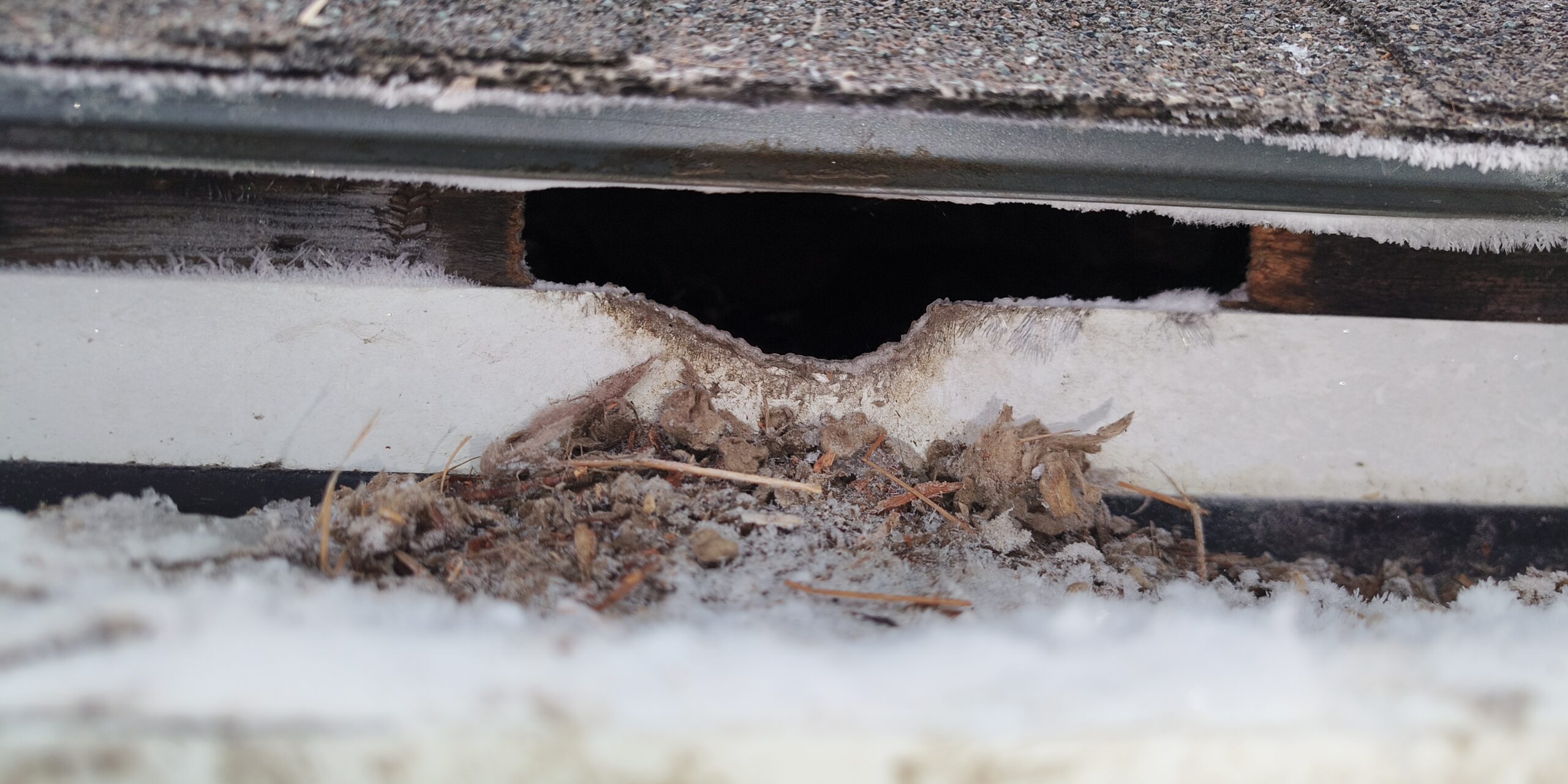
As bats repeatedly squeeze through the same openings, the natural oils and dirt on their fur gradually accumulate around the entry point. Over time, this creates dark brown or black staining around roof vents, soffits, fascia intersections, flashing, and other access areas.
Droppings beneath Rooflines and Attics
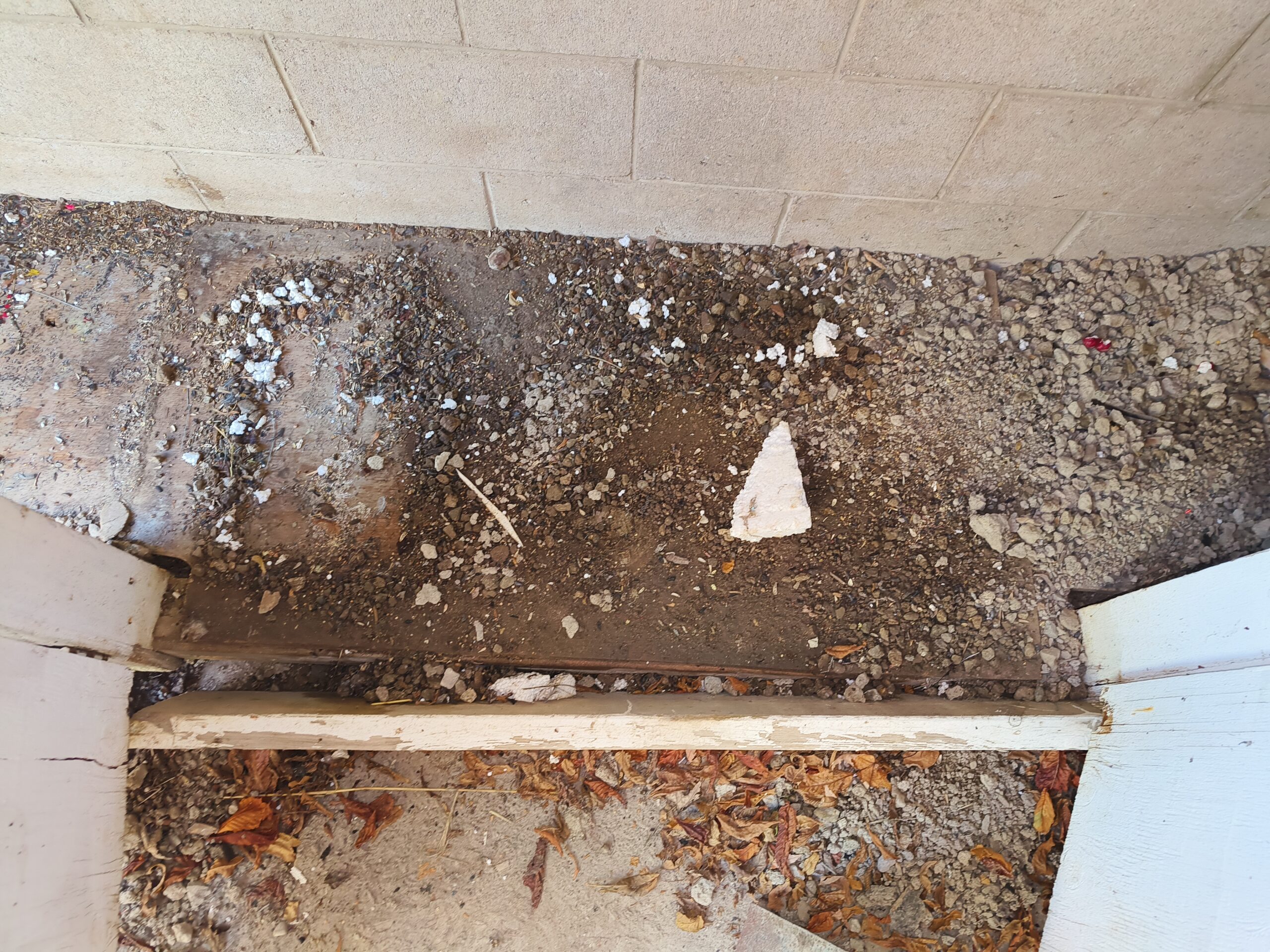
You may notice small, dark droppings on window ledges, decks, porches, attic insulation, or below roof overhangs. Unlike bird droppings and other forms of animal waste, guano often accumulates directly beneath areas where bats enter and exit your property.
Chirping and Rustling Sounds at Sunrise or Sunset
You will most likely see bats during the transition periods between day and night. For instance, you may hear faint chirping, squeaking, scratching, or rustling sounds coming from attic spaces, wall cavities, or rooflines shortly before bats leave to feed in the evening or when they return near sunrise.
Seeing Actual Bats at Dusk
One of the common signs of an active colony is observing bats leave the structure around sunset. Bats usually emerge one at a time from a consistent opening before dispersing to feed. If you repeatedly notice bats flying from the same section of your roofline, soffit, or vent, consider a professional property inspection.
Strong Ammonia-Like Odor
As guano and urine accumulate within an attic or wall cavity, they can create a strong odor similar to ammonia. The smell may become more noticeable during hot weather when attic temperatures rise. In larger colonies, these odors can eventually spread beyond the roosting area and affect indoor air quality throughout your home.
Damage that Bats Cause
You probably know that bats are not aggressive animals. However, their colonies can cause significant damage if they invade attics, wall cavities, soffits, and other parts of your building for extended periods. Here’s why you should be concerned.
Guano-Related Contamination
A single bat may produce only a small amount of waste, but colonies can contain dozens or even hundreds of bats. Over time, guano can accumulate in attics, wall cavities, insulation, and other hidden spaces. These deposits may stain building materials, attract insects, and create sanitation concerns that become increasingly difficult to clean up. This is particularly true if a colony remains undisturbed.
Serious Health Risks
Guano or bat waste supports the growth of fungal spores associated with histoplasmosis, a respiratory illness that affects the lungs when contaminated dust becomes airborne and is inhaled. They also carry diseases, such as rabies, as well as disease-causing bacteria and viruses that pose a risk to human health.
Indoor Air Quality Concerns
As guano and urine accumulate within your building, strong ammonia-like odors can develop. During warmer months, the smell becomes more noticeable due to the rising attic temperatures. In severe cases, odors may move through vents, wall cavities, and ceiling penetrations. This can affect indoor air quality and make your home uncomfortable for your family.
Damaged and Contaminated Insulation
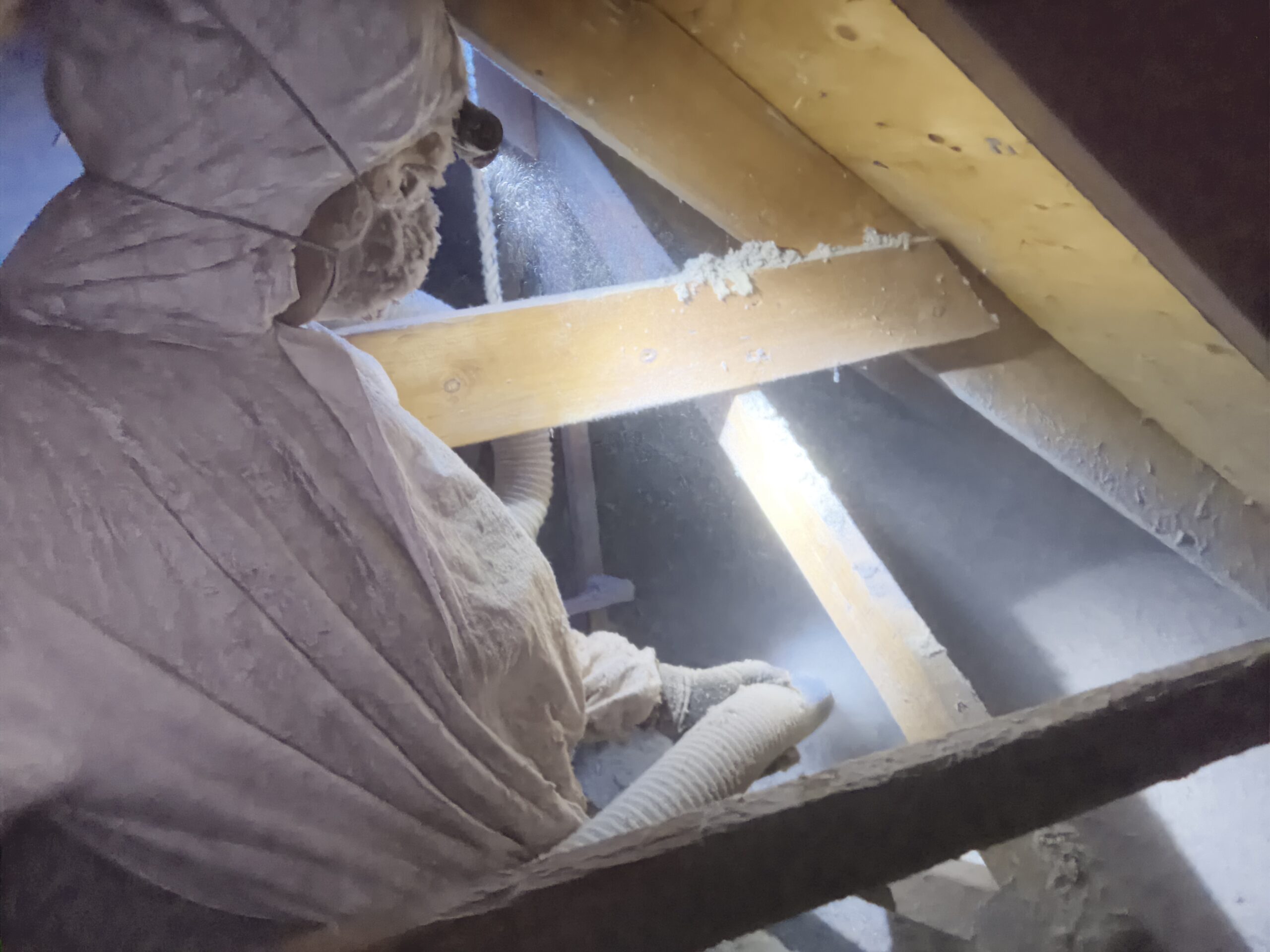
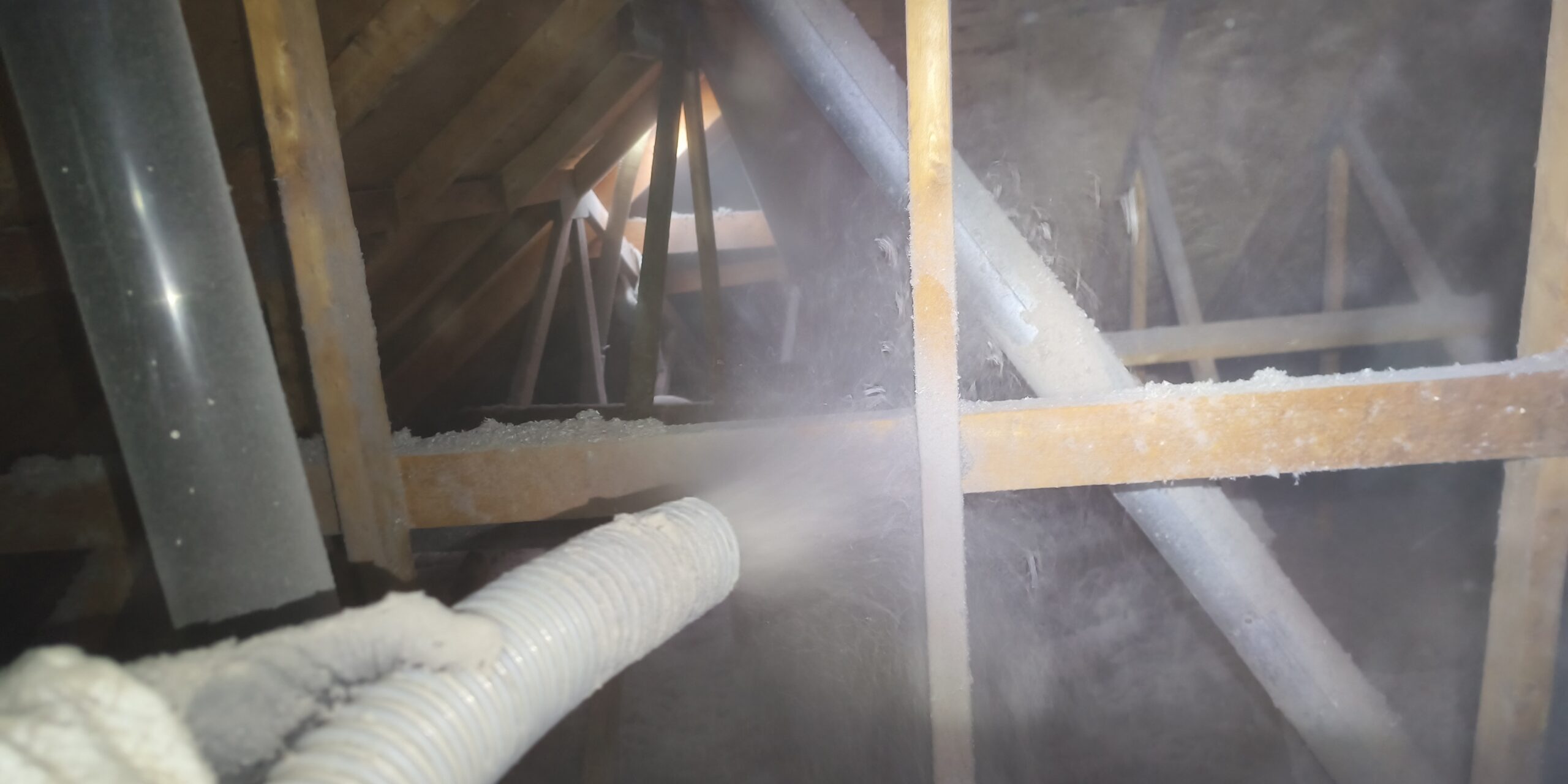
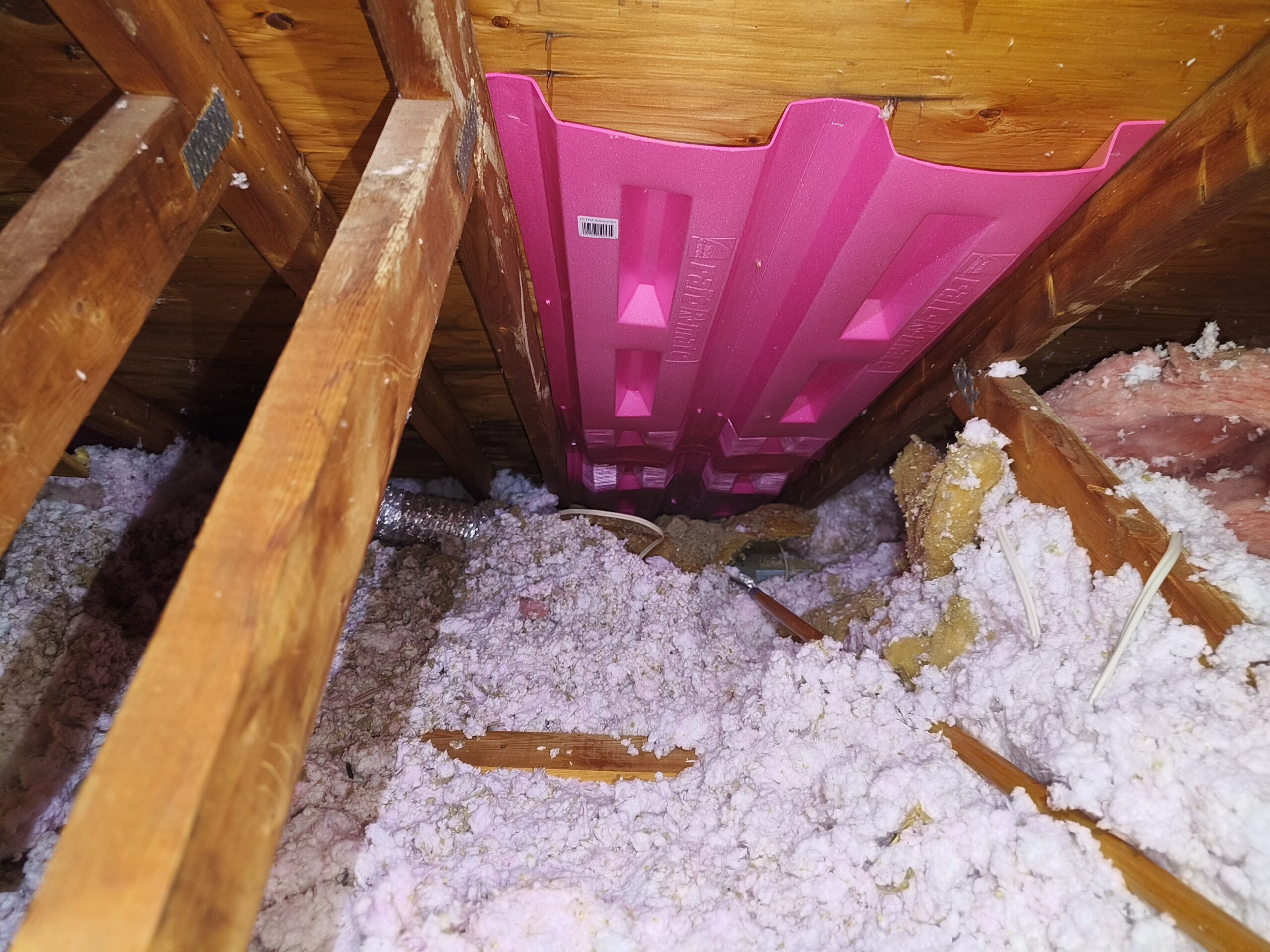
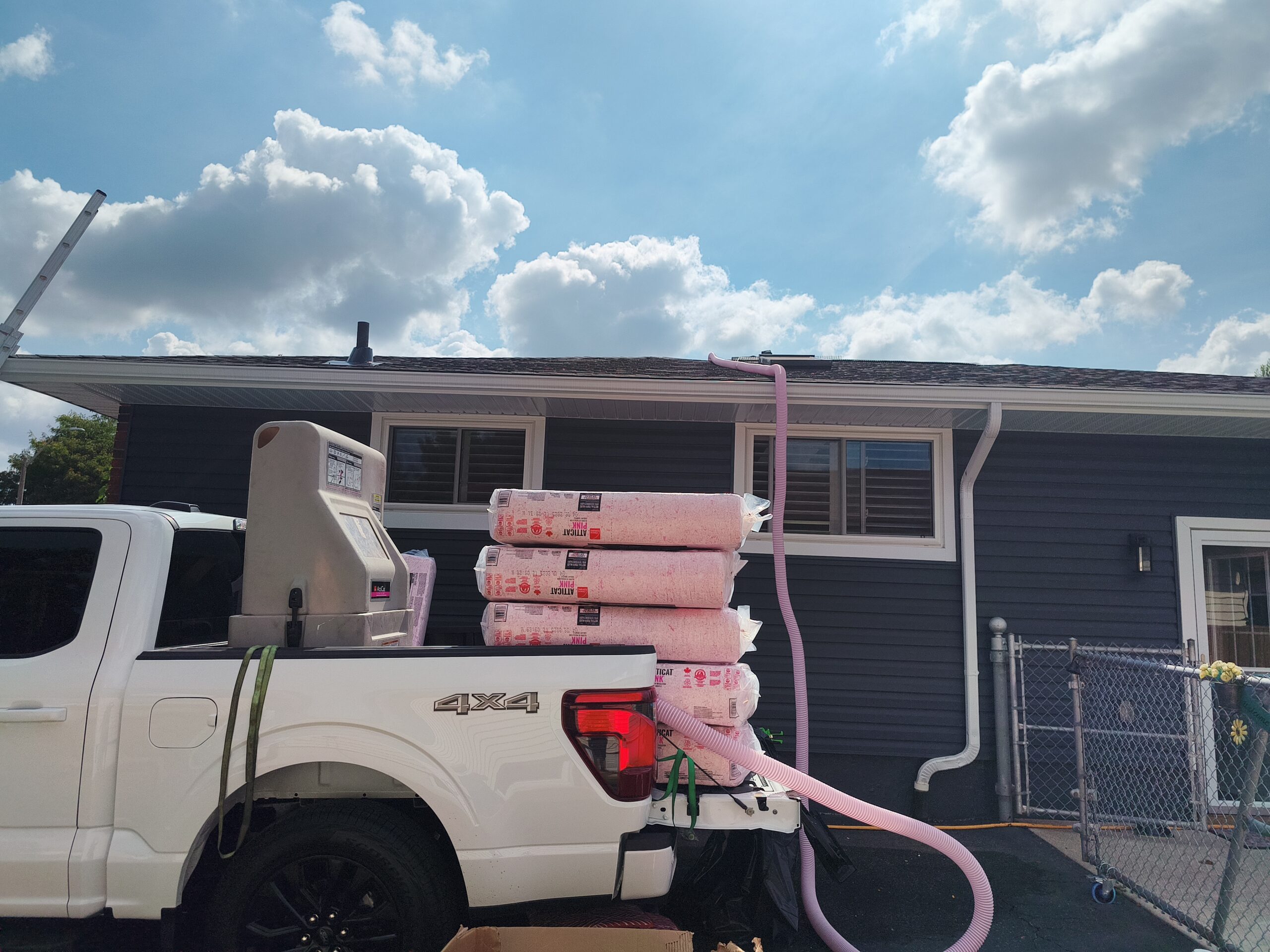
Bat colonies frequently roost directly above attic insulation. As guano and urine accumulate, insulation can become compressed, contaminated, and less effective at regulating indoor temperatures. In some cases, insulation may need to be removed and replaced entirely to restore energy efficiency and eliminate lingering contamination after the bats have been excluded.
Our Safe Exclusion Process
Unlike many other wildlife species, bats often live in colonies and may return to the same roost year after year. That’s why our removal process isn’t the same as that for raccoons, squirrels, skunks, and other animals that invade Milton properties.
Step 1: Identify Active Roosting Areas
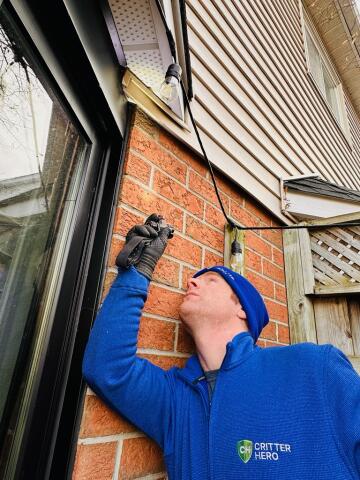
Where are the bats living, and how are they accessing your building? Our specialists will inspect your rooflines, vents, flashing, soffits, fascia intersections, wall cavities, and attic spaces for signs of active roosting.
Step 2: Are Young Bats Involved?
Timing is one of the most important factors we consider before actual bat removal. During maternity season, flightless young bats may be present inside the roost. Removing the adult bats at the wrong time can separate mothers from their offspring and create additional animal welfare issues.
That’s why we first assess seasonal activity and develop an exclusion plan that complies with Ontario wildlife regulations and protects bat colonies.
Step 3: Ethical Control
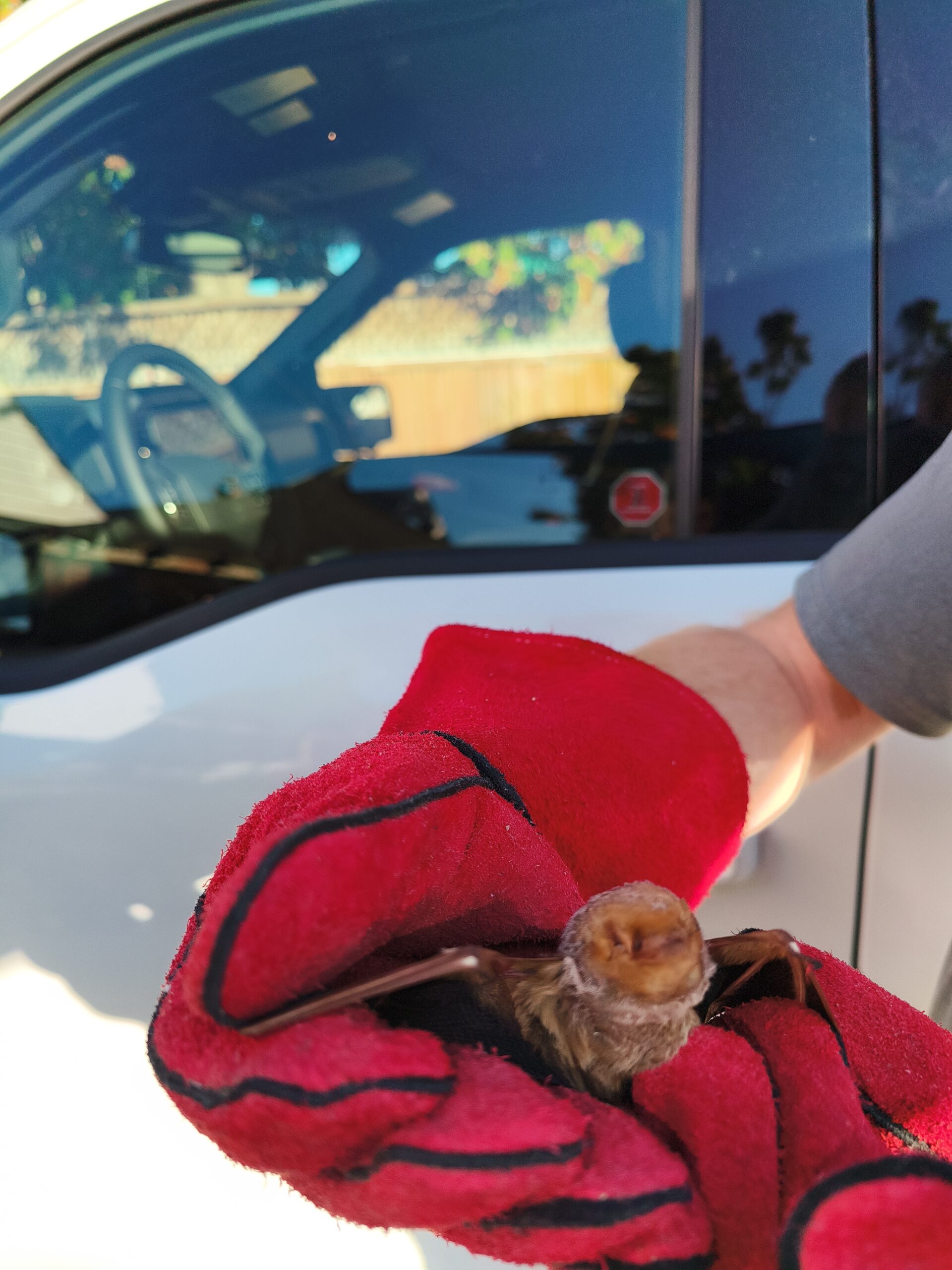
Our specialists use humane removal methods, such as one-way exits, to safely remove bats. These techniques allow bats to leave your house naturally during their nightly feeding activities and prevent them from re-entering. This humane approach resolves bat infestations without trapping or harming the animals.
Step 4: Seal Secondary Openings to Prevent Invasions
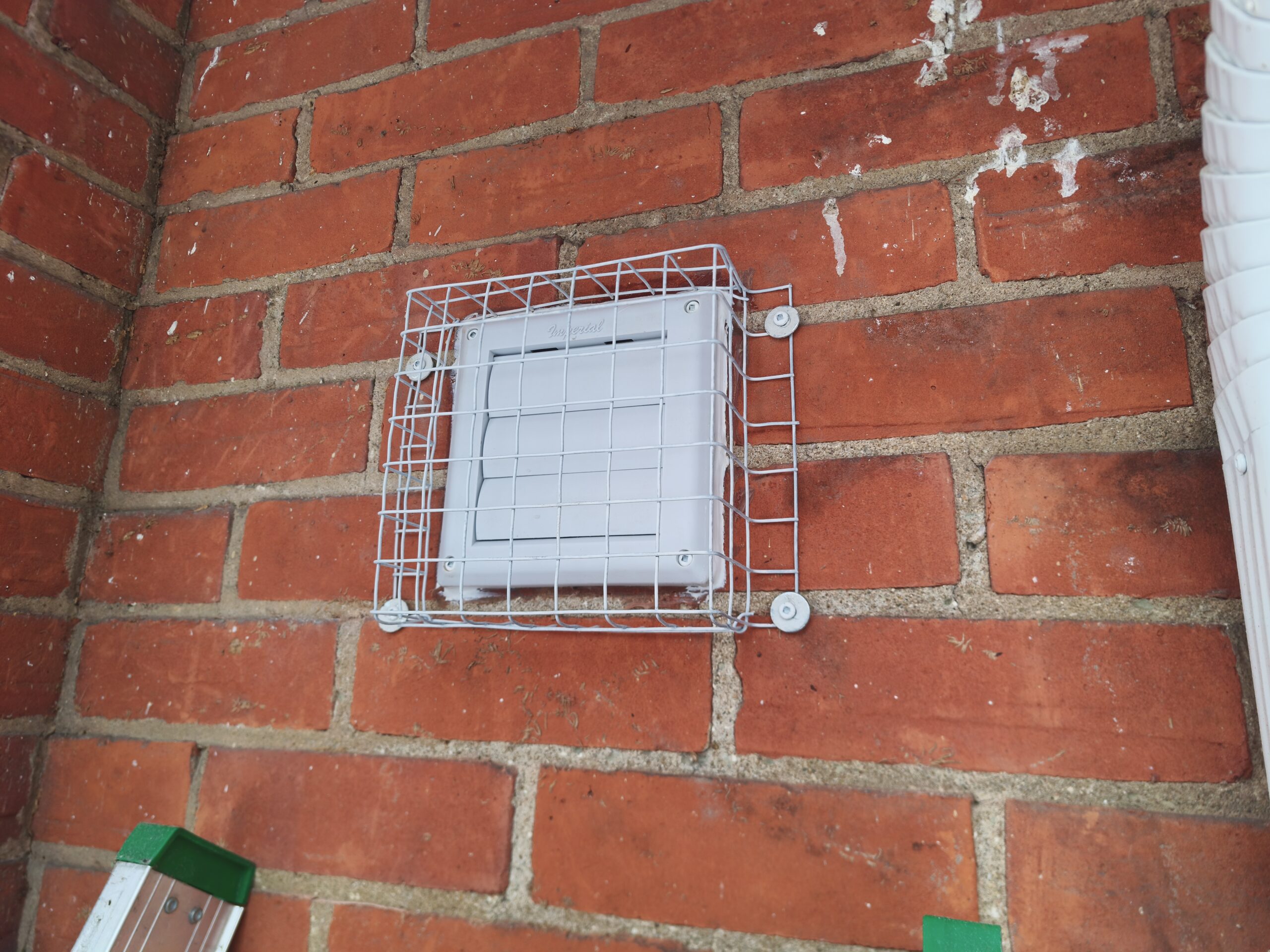
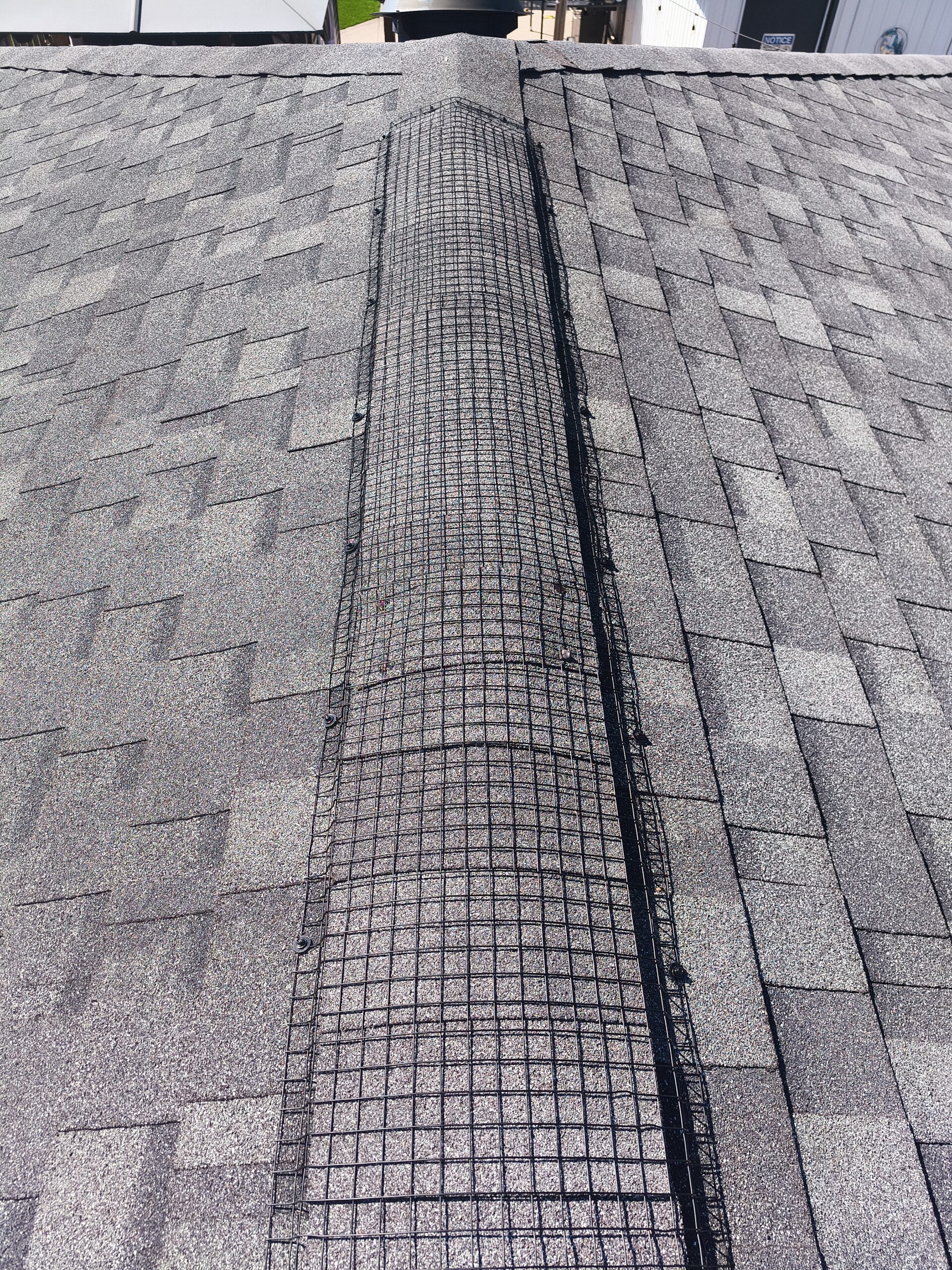
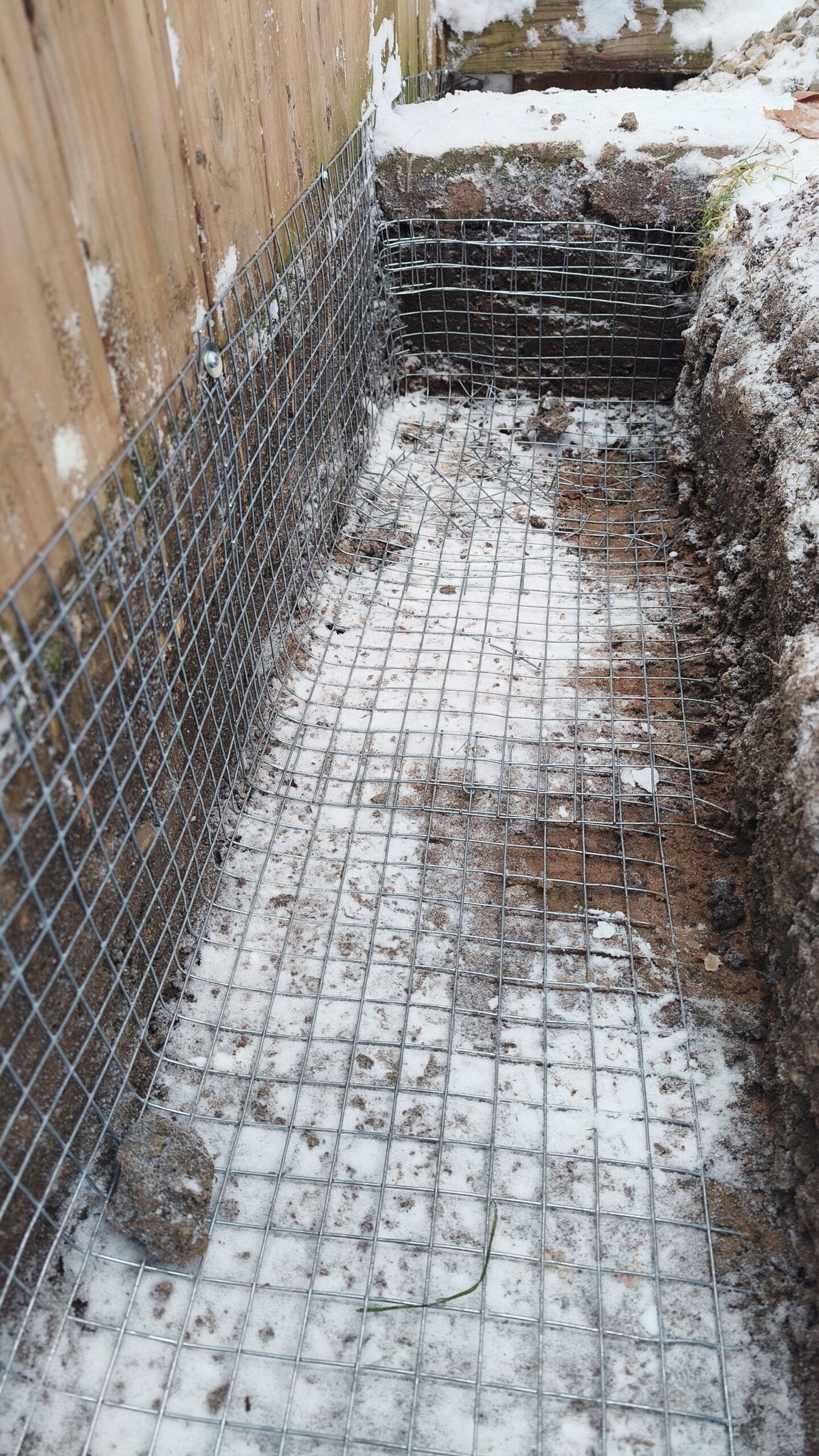
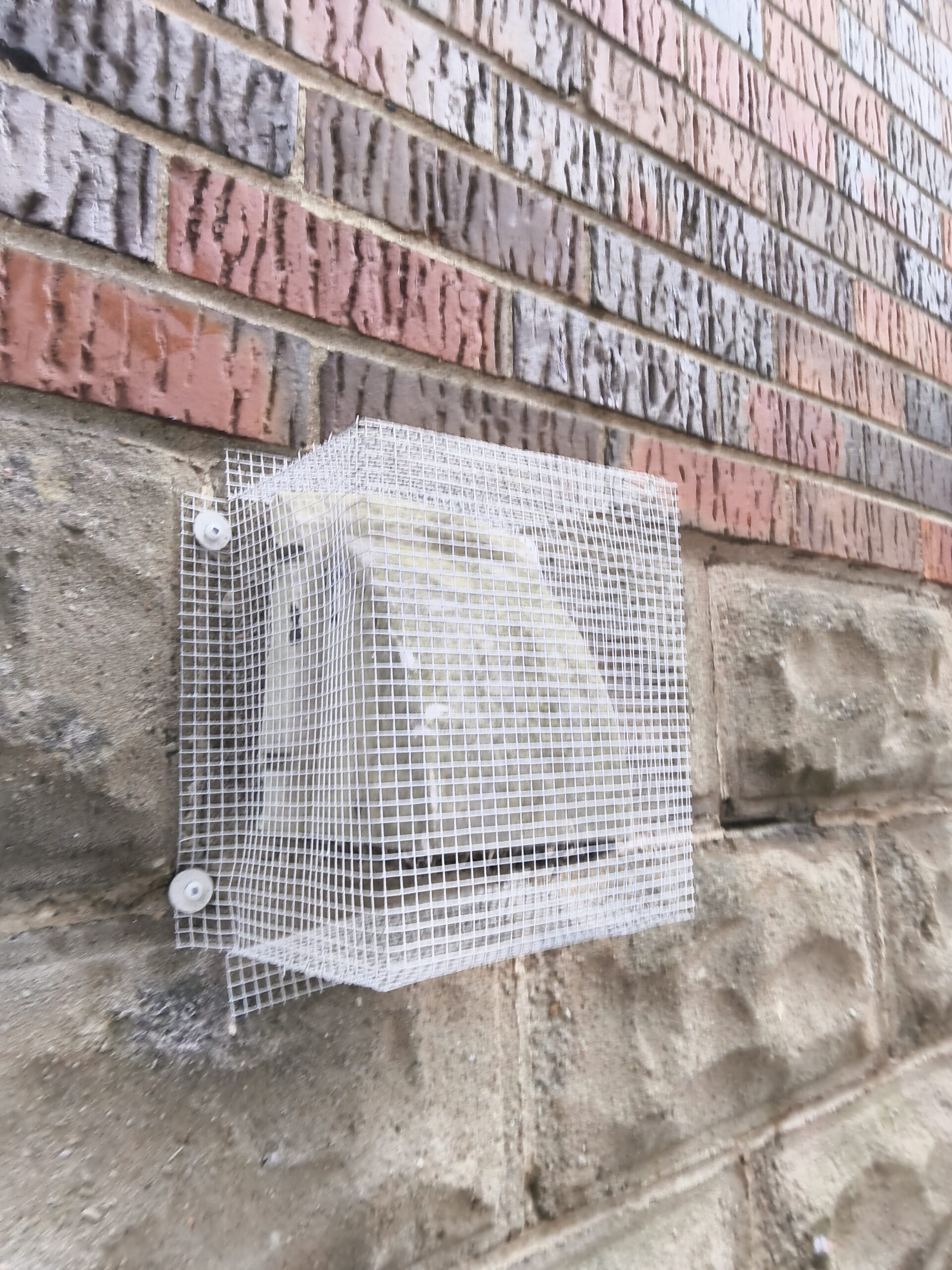
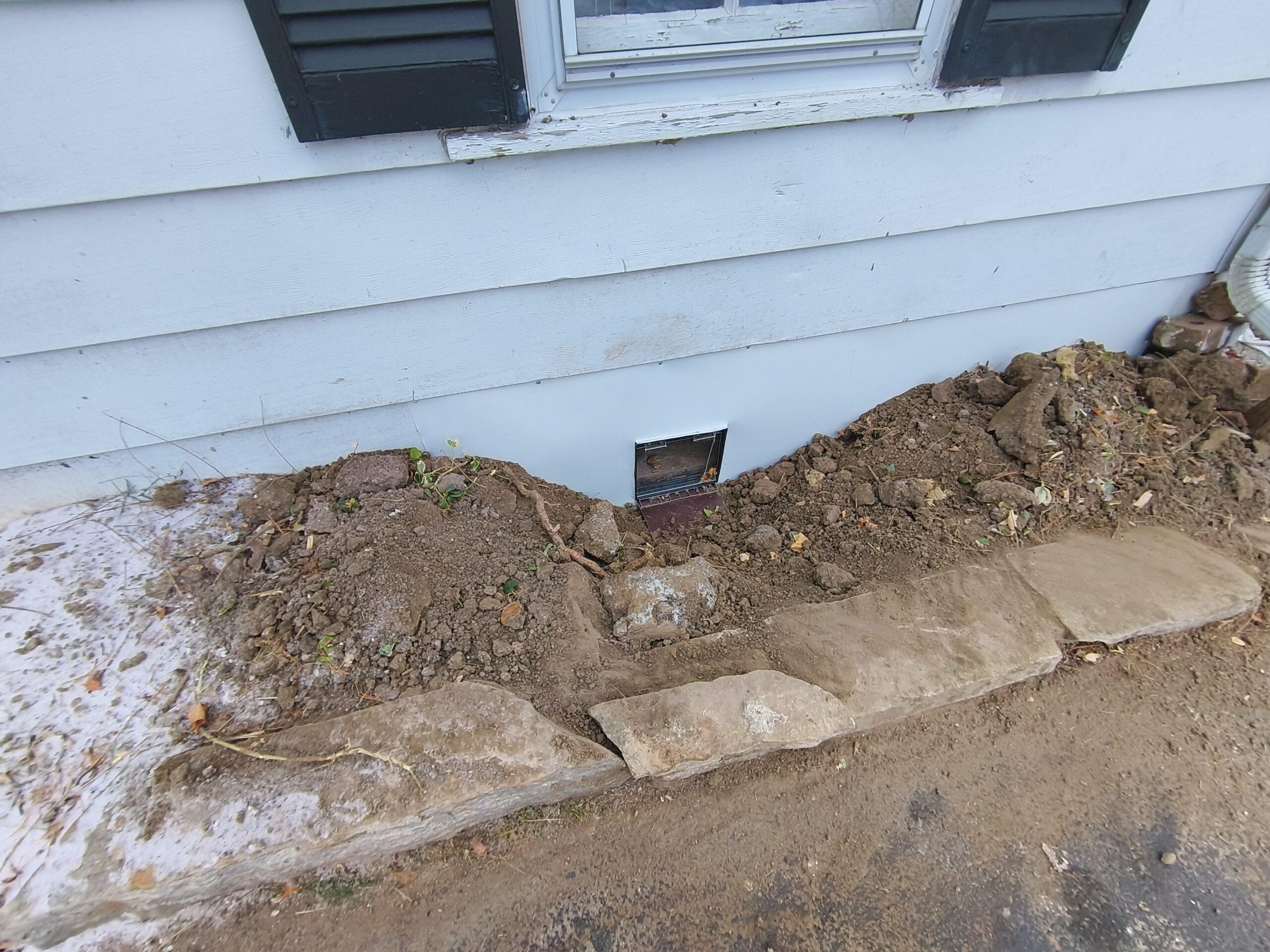
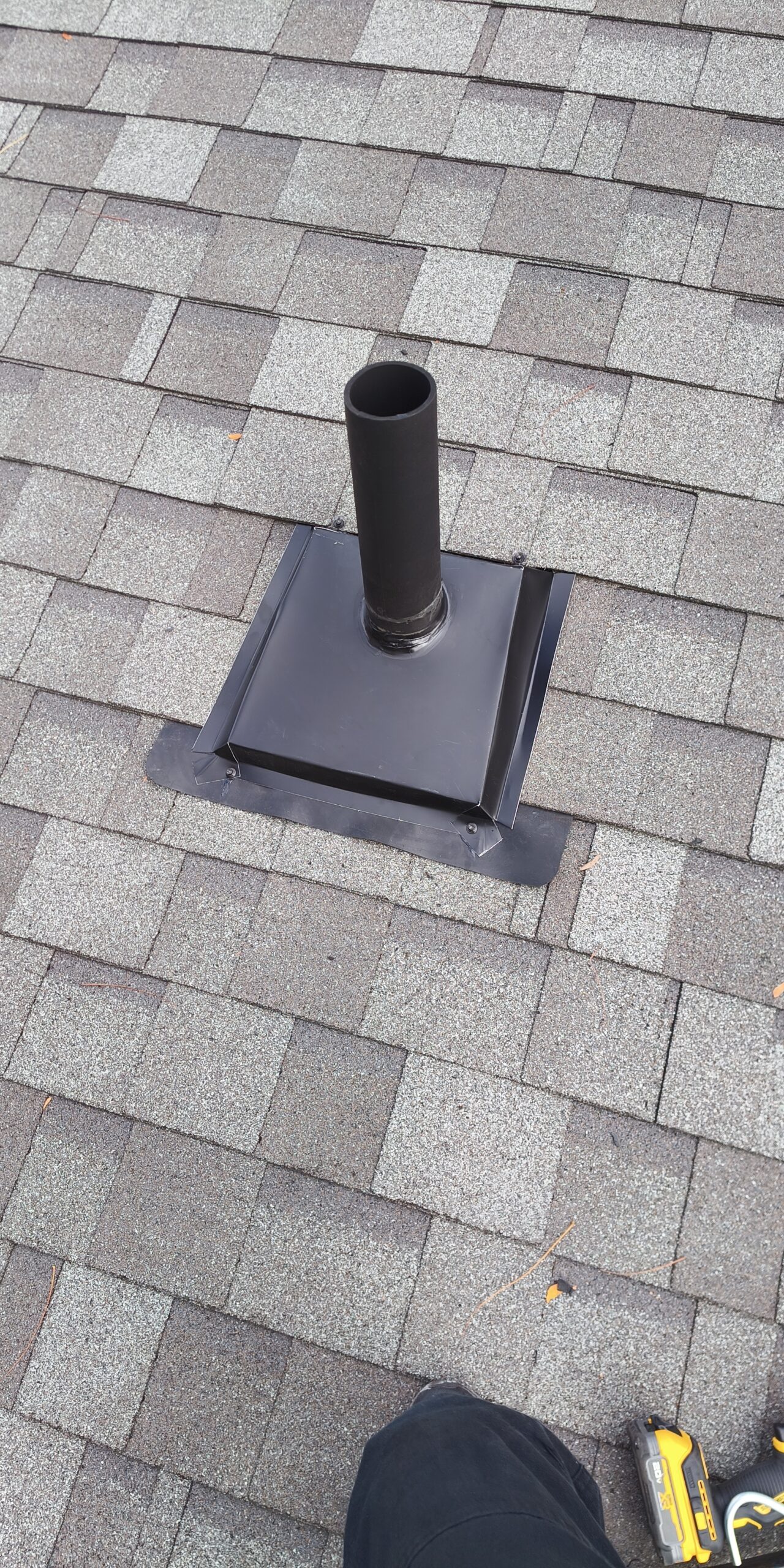
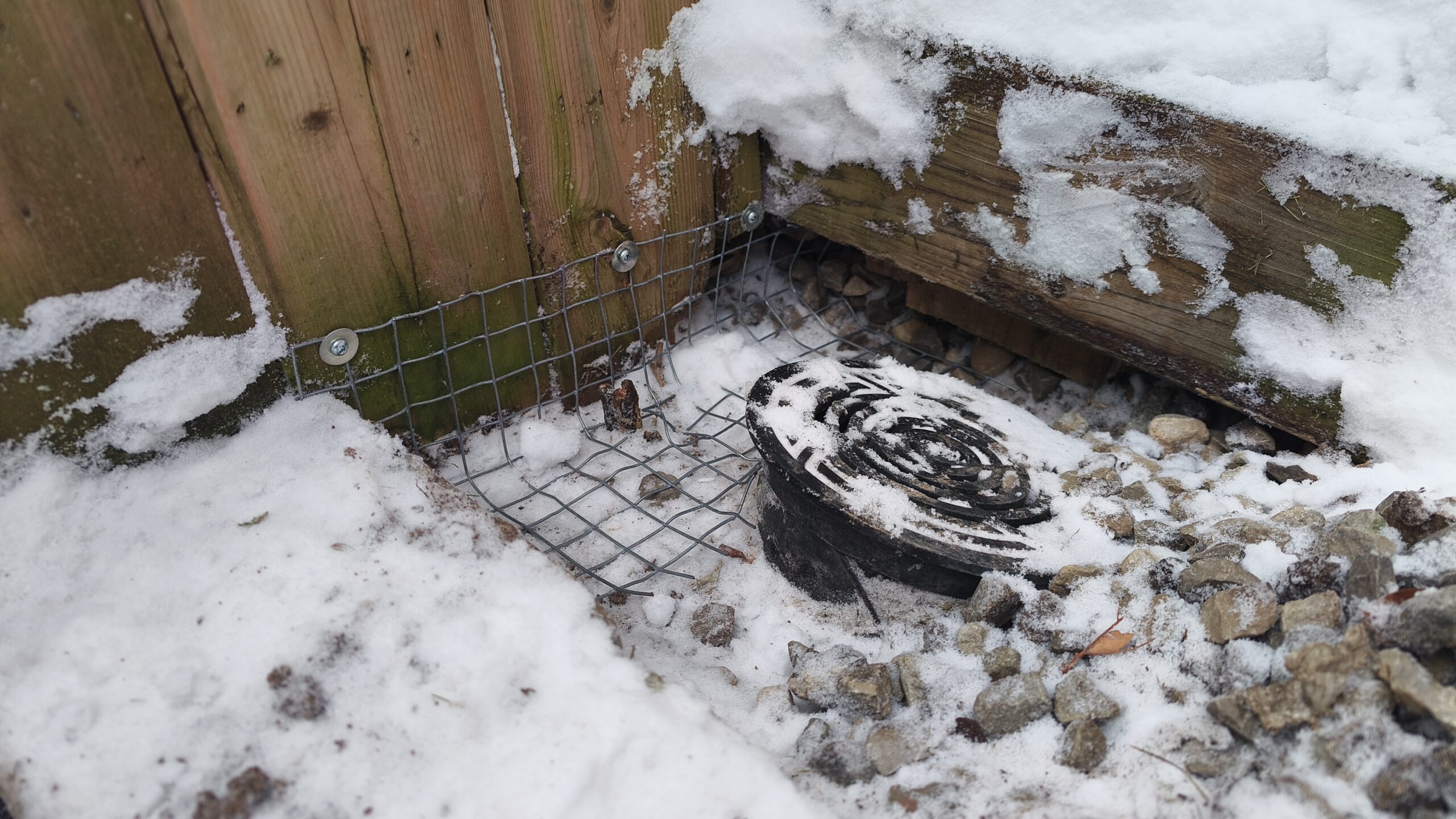
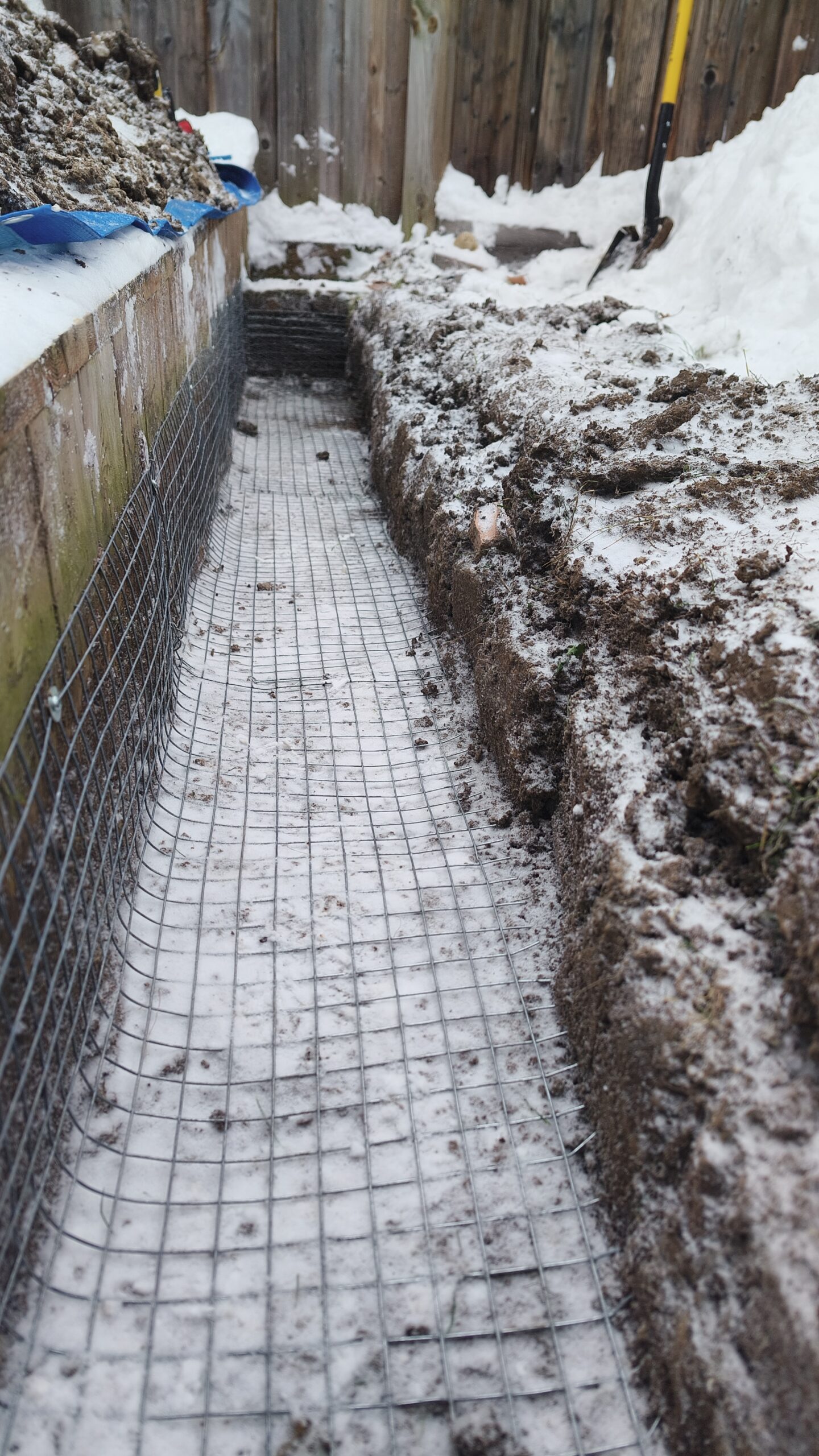
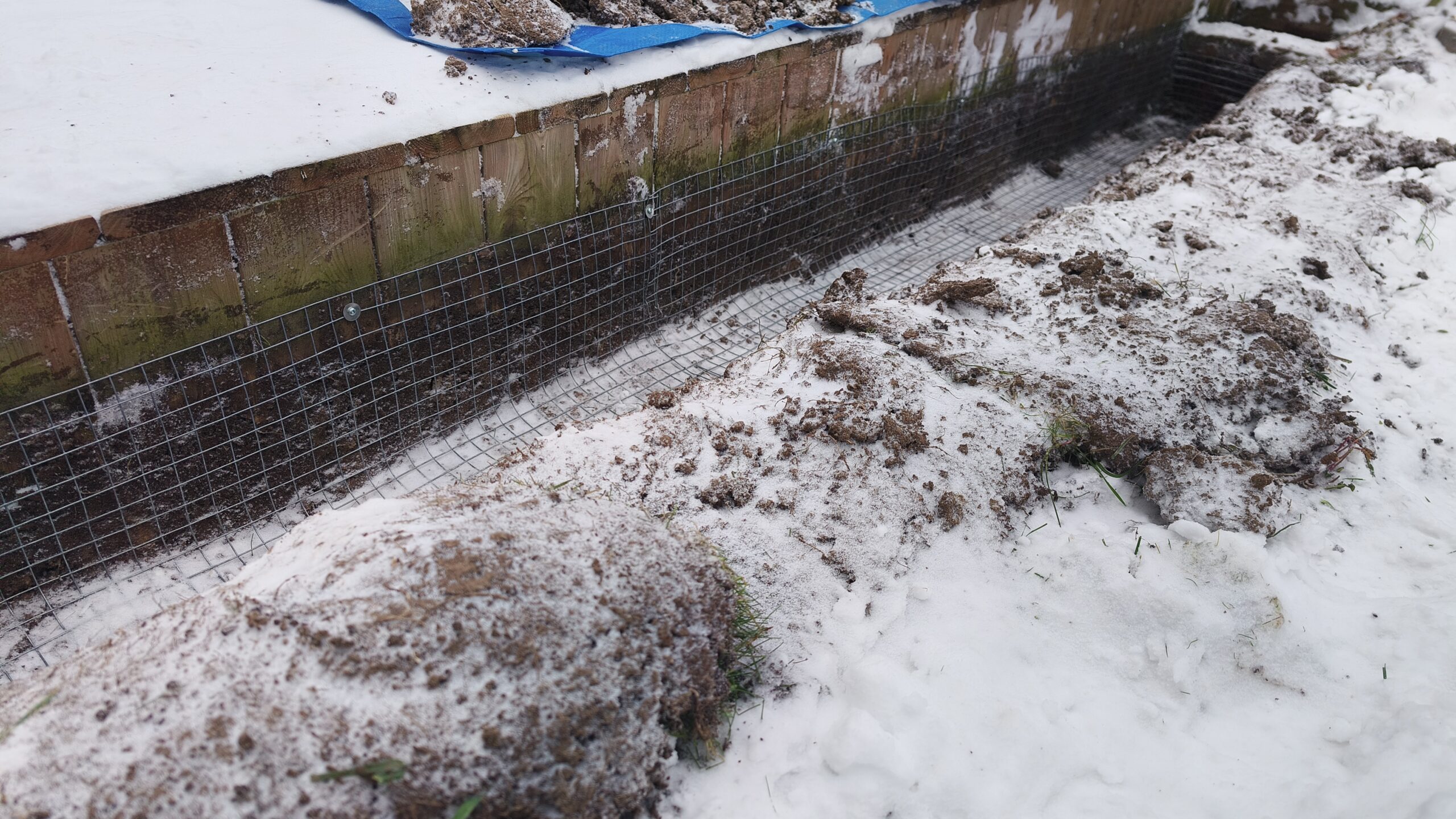
After confirming the colony has successfully exited, we’ll seal secondary entry points and vulnerable access areas throughout your property. Next, we assess the affected areas for guano accumulation, contaminated insulation, and other bat-related concerns. Where necessary, we recommend cleanup and restoration.
Average Cost of Bat Control
The costs of assessing and addressing a bat infestation in Milton depend on the extent of the infestation, whether dead animals are involved, and more. Here are the estimated costs.
Service Type Estimated Cost (CAD) Initial inspection Free Basic bat removal $300 to $1,000 Prevention and sealing $200 to $2,000
If you suspect a bat infestation, don’t wait too long to request bat control services. Contact Critter Hero today and get a free consultation and inspection.
Frequently Asked Questions
-
Are bats protected wildlife species in Milton and across Ontario?
Throughout Milton and the Halton Region, bats are protected under provincial and federal legislation. Thus, homeowners and wildlife companies must follow strict guidelines when addressing bat activity. At Critter Hero, we use humane, legally compliant exclusion methods to protect local bat populations. -
Which bat species are common in Milton?
Several bat species found throughout Milton and the surrounding Halton Region are protected under Ontario’s Endangered Species Act. Species such as the little brown myotis, northern myotis, and tri-colored bat have experienced significant population declines and are recognized as endangered species. -
Are there timing restrictions for bat removal?
During the maternity season, from late spring through mid-August, young bats may be present inside attics, soffits, and wall cavities. Because these pups cannot fly, exclusion work during this period can separate them from their mothers, raising serious animal welfare concerns. -
Can bats return after they have been removed?
Yes. Bats often return to successful roosting locations year after year if those areas remain accessible. This is why removal alone is not enough. Sealing entry points and addressing conditions that attract bats to your property are essential for preventing future infestations.
- Bats are Common in the Milton Area
- The Niagara Escarpment offers a Bat Habitat
- Water Sources Support Massive Insect Populations
- Nearby Neighborhoods Provide Better Roosts
- Evidence of Bats Roosting in Your Property
- Brown Staining around Entry Points
- Droppings beneath Rooflines and Attics
- Chirping and Rustling Sounds at Sunrise or Sunset
- Seeing Actual Bats at Dusk
- Strong Ammonia-Like Odor
- Damage that Bats Cause
- Guano-Related Contamination
- Serious Health Risks
- Indoor Air Quality Concerns
- Damaged and Contaminated Insulation
- Our Safe Exclusion Process
- Step 1: Identify Active Roosting Areas
- Step 2: Are Young Bats Involved?
- Step 3: Ethical Control
- Step 4: Seal Secondary Openings to Prevent Invasions
- Average Cost of Bat Control
- Frequently Asked Questions
- Are bats protected wildlife species in Milton and across Ontario?
- Which bat species are common in Milton?
- Are there timing restrictions for bat removal?
- Can bats return after they have been removed?








Our service areas
…by providing award winning customer service to each and every single client.
- Hamilton
- Burlington
- Milton
- Stoney Creek
- Niagara Falls
- St. Catharines
- Brampton
- London
- Mississauga
- Oakville
- Toronto
- Brantford
Call or Email Us
Reach Out To Us For Inquiries, Support, Or Partnership Opportunities, We’re Here To Assist.

-

Satisfaction Guarantee
Your satisfaction is our priority. We stand by our work and ensure high-quality service.
-

15 Years Experience
Our team has been providing efficient and humane wildlife removal services for over 15 years.
-

WSIB & Insured
Licensed, insured and trained professionals with efficient technology to get the job done right.