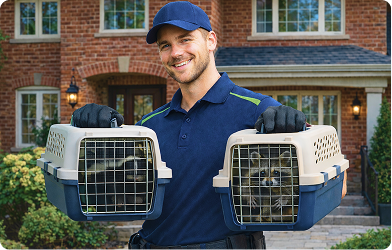
Fast, Humane Raccoon Removal Services
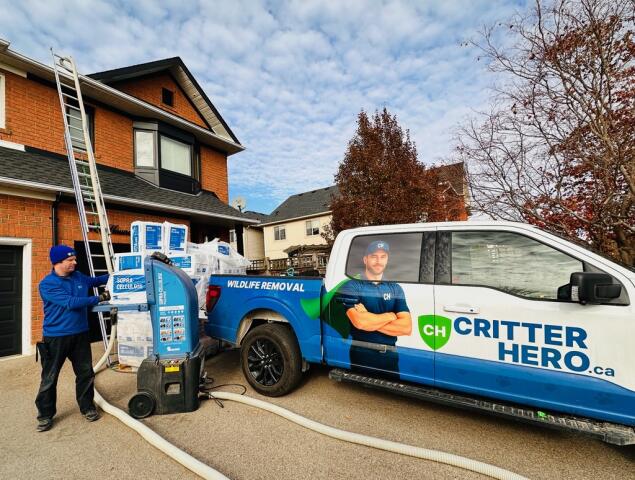
For reliable raccoon removal in Burlington, Critter Hero goes beyond basic pest control. With 15+ years of experience and 225,000+ customers served, we deliver safe, humane solutions to property owners across the GTA. Our licensed technicians use poison-free methods, follow all regulations, and offer transparent pricing with free estimates.



Reliable Wildlife Removal Company in Burlington
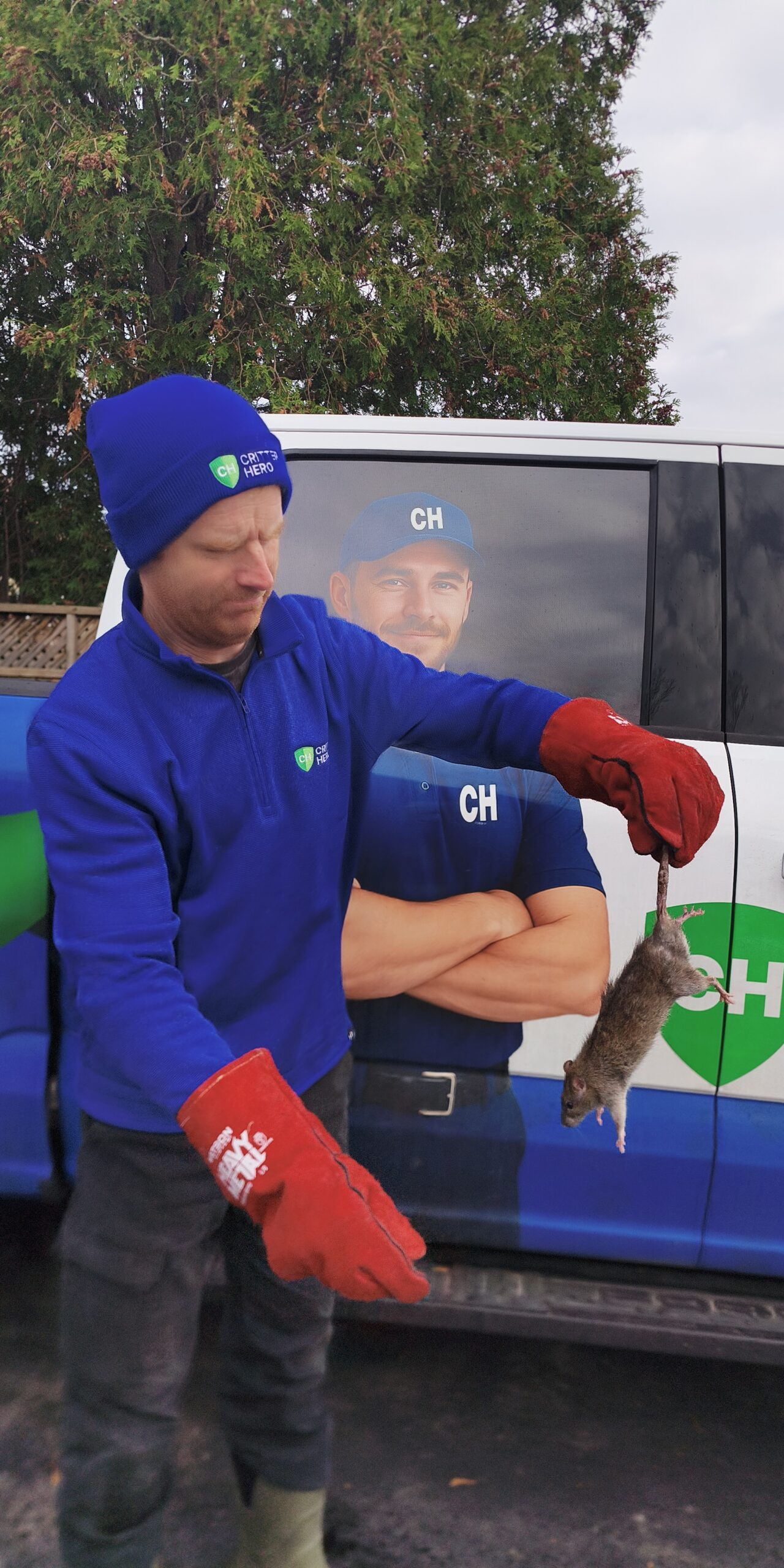
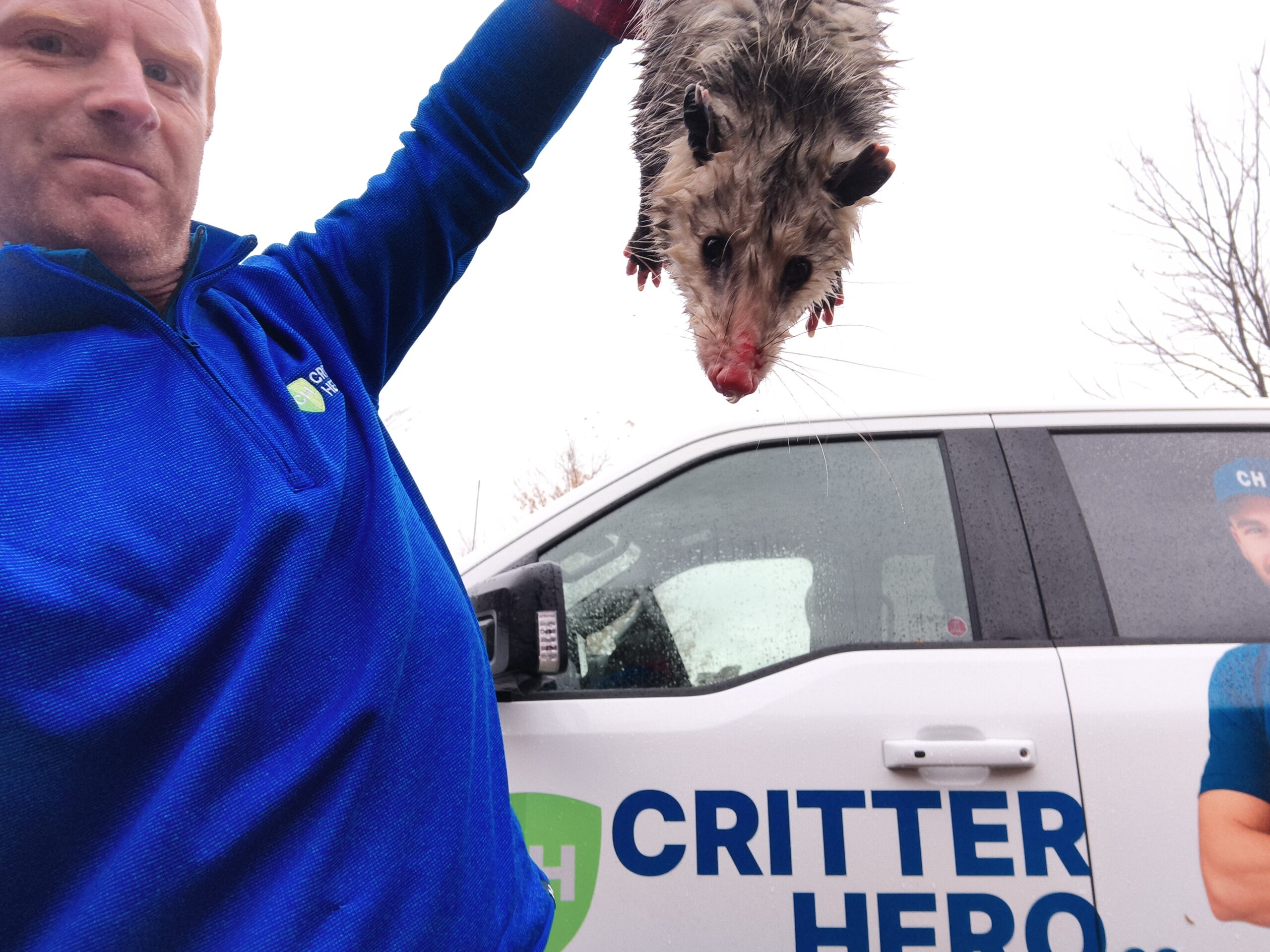
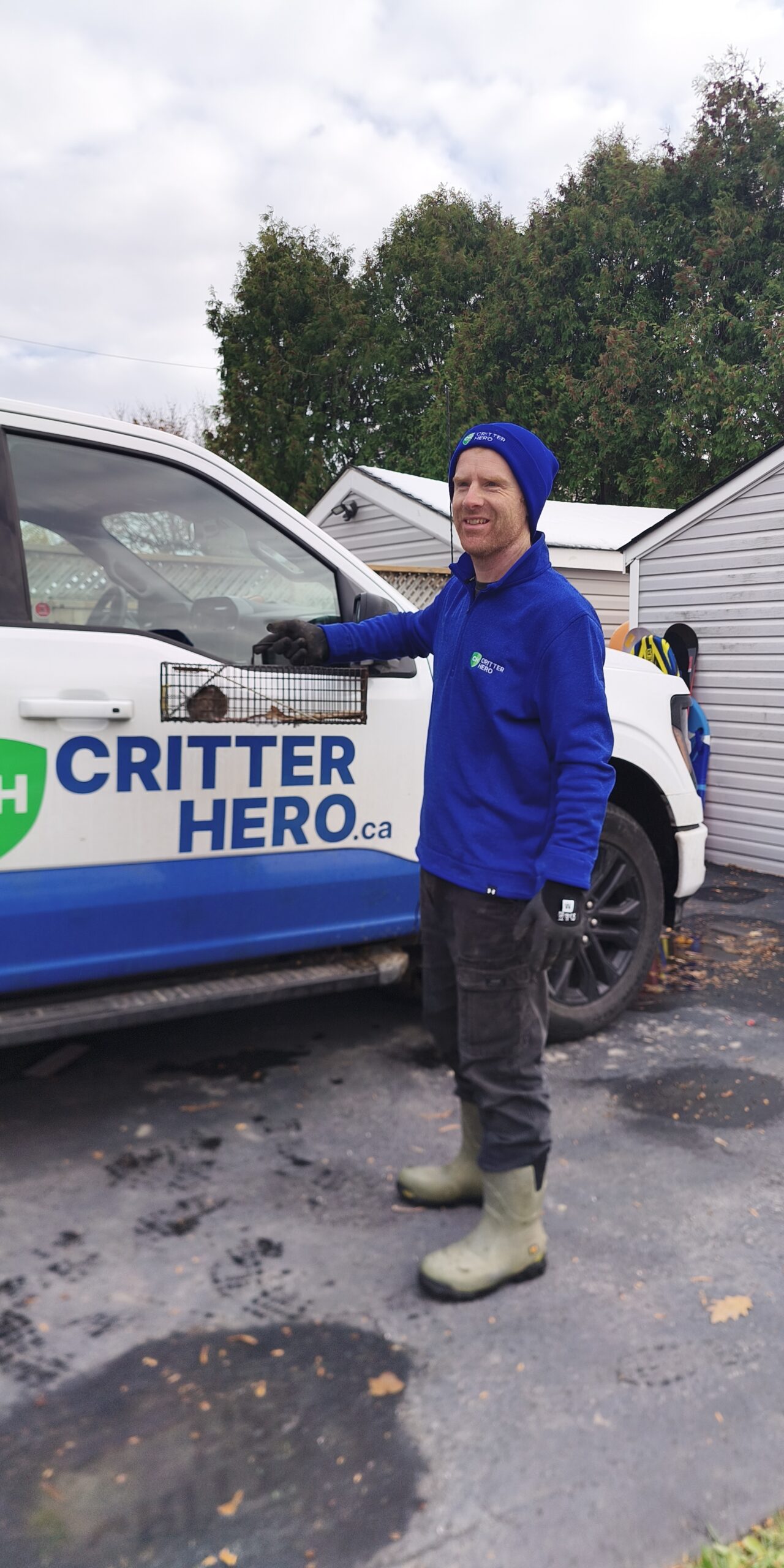
Is there a raccoon in your attic or commercial building? You need a trained, experienced expert to remove it and ensure it won’t return to your home. That’s exactly what the professionals at Critter Hero offer. Over the years, we have rescued more than 30,000 animals. Our team combines industry experience, wildlife control expertise, and a commitment to humane animal control to keep your property free of animals.
Here’s why the Critter Hero team is the go-to expert for animal removal services.
- Exclusion-first, 100% poison-free methods: Here at Critter Hero, we handle raccoon removal in line with Burlington’s bylaws.
- Licensed and insured wildlife control specialists: Our company is fully licensed, insured, and WSIB compliant.
- Satisfaction guarantee: After we safely remove raccoons, we’ll seal all potential entry points to prevent future issues.
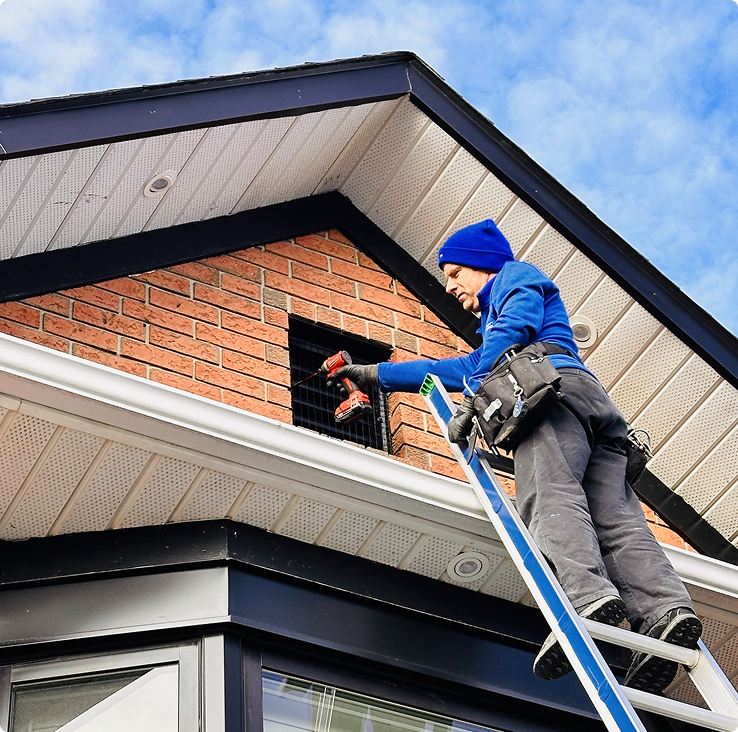
Burlington Residents Choose Us to Get Rid of Wildlife
As a locally owned and operated company, we understand the raccoon problems Burlington faces. Let our team help remove these uninvited guests.
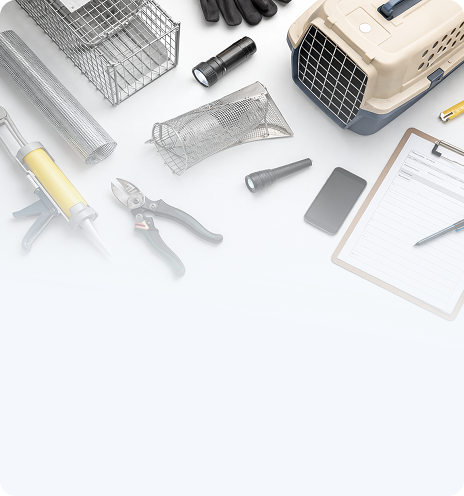
For over 15 years, our team has helped Burlington property owners to safely remove raccoons. From old homes in Roseland to properties near the Niagara Escarpment, our team handles all raccoon intrusions.
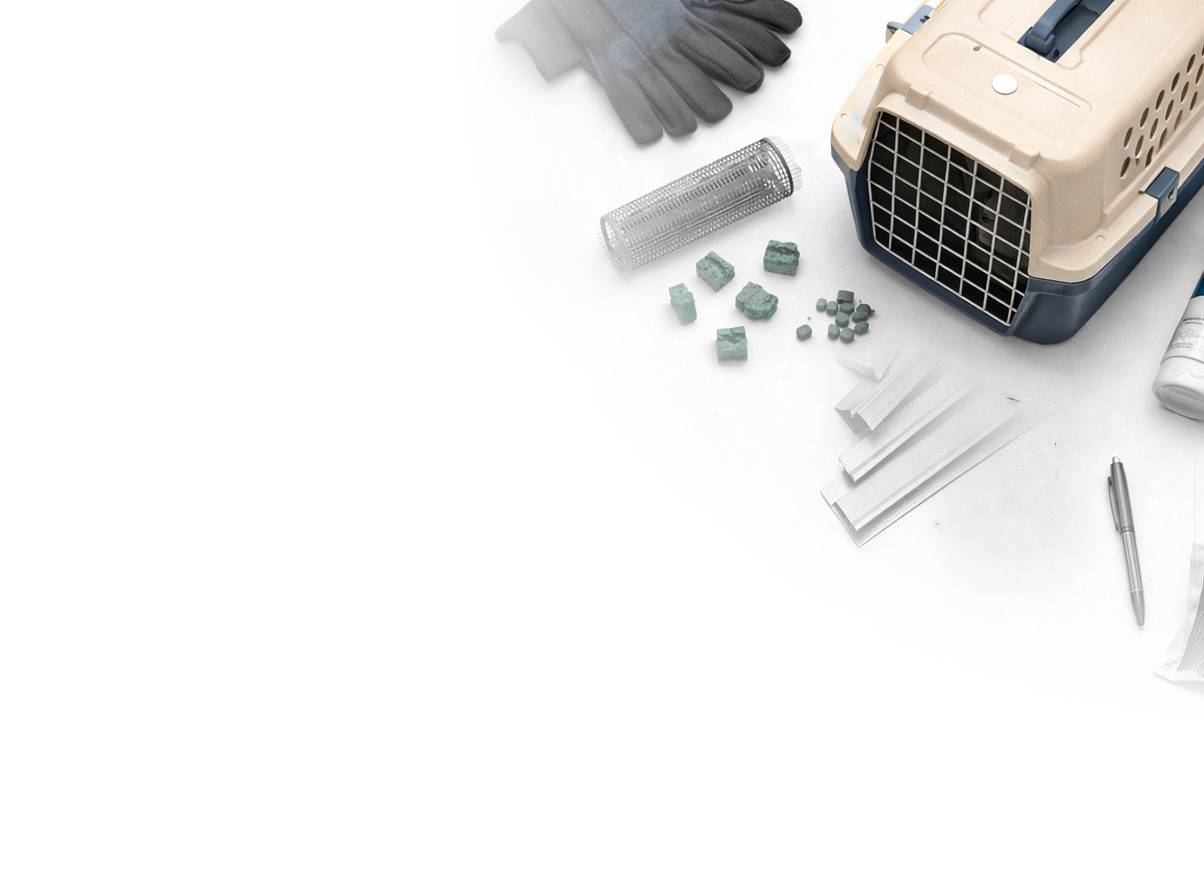
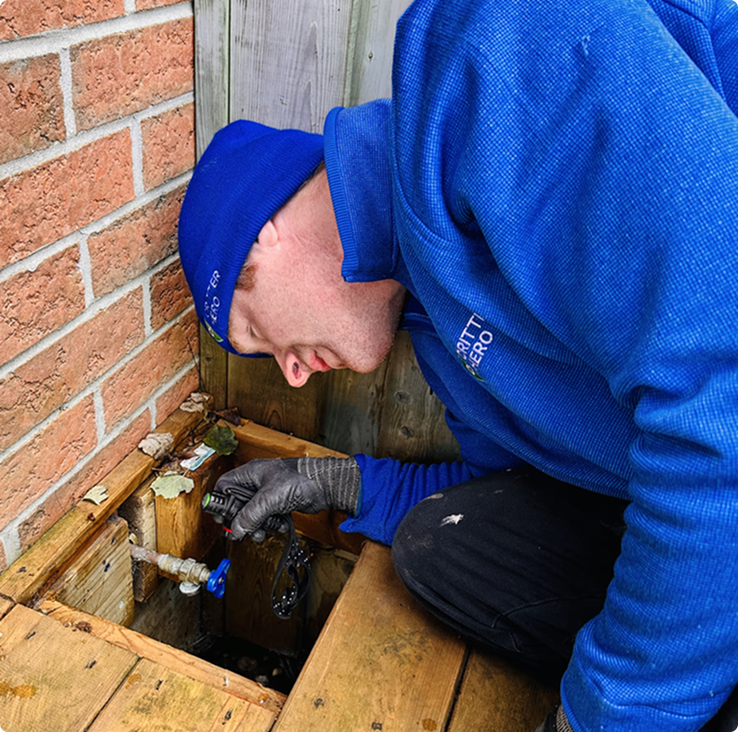
Removing a raccoon is only part of the solution. Our specialists use humane, 100% poison-free exclusion methods, like one-way doors and secure entry-point sealing.
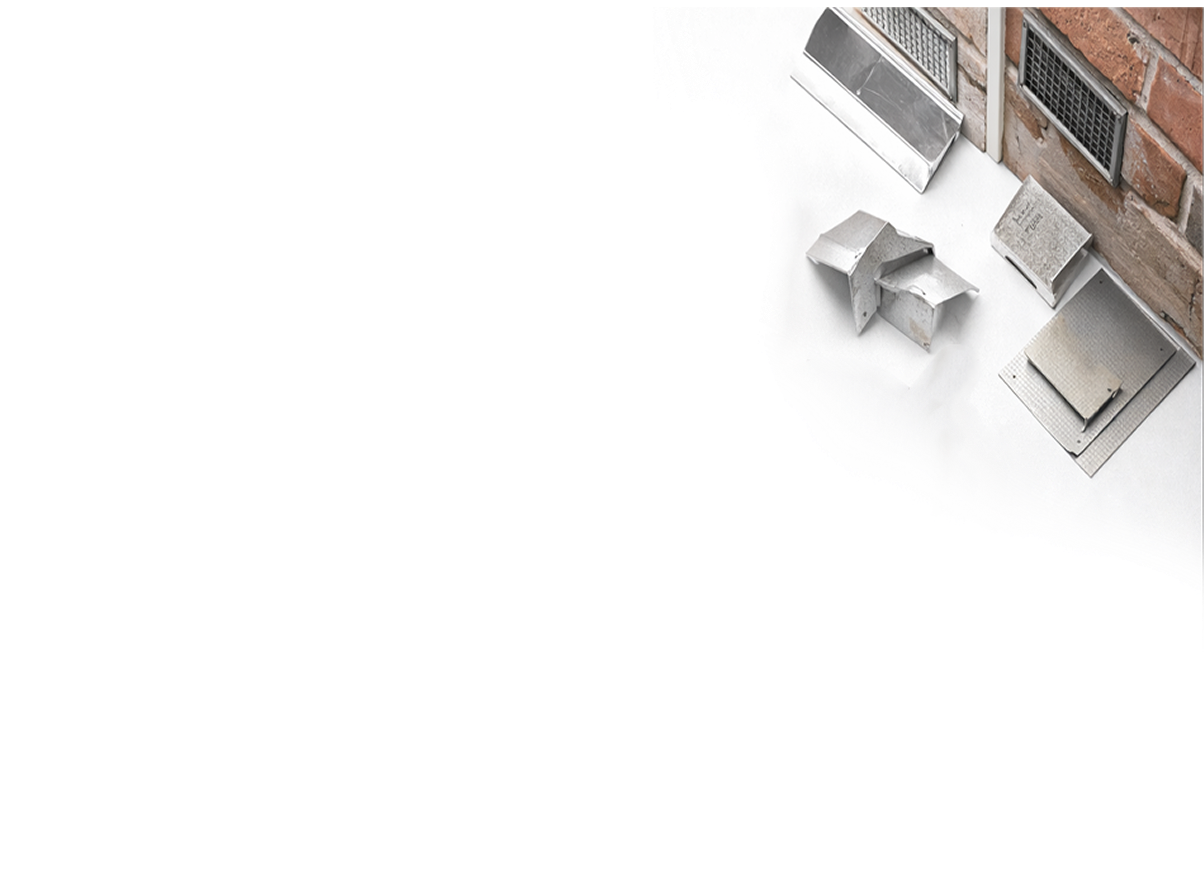
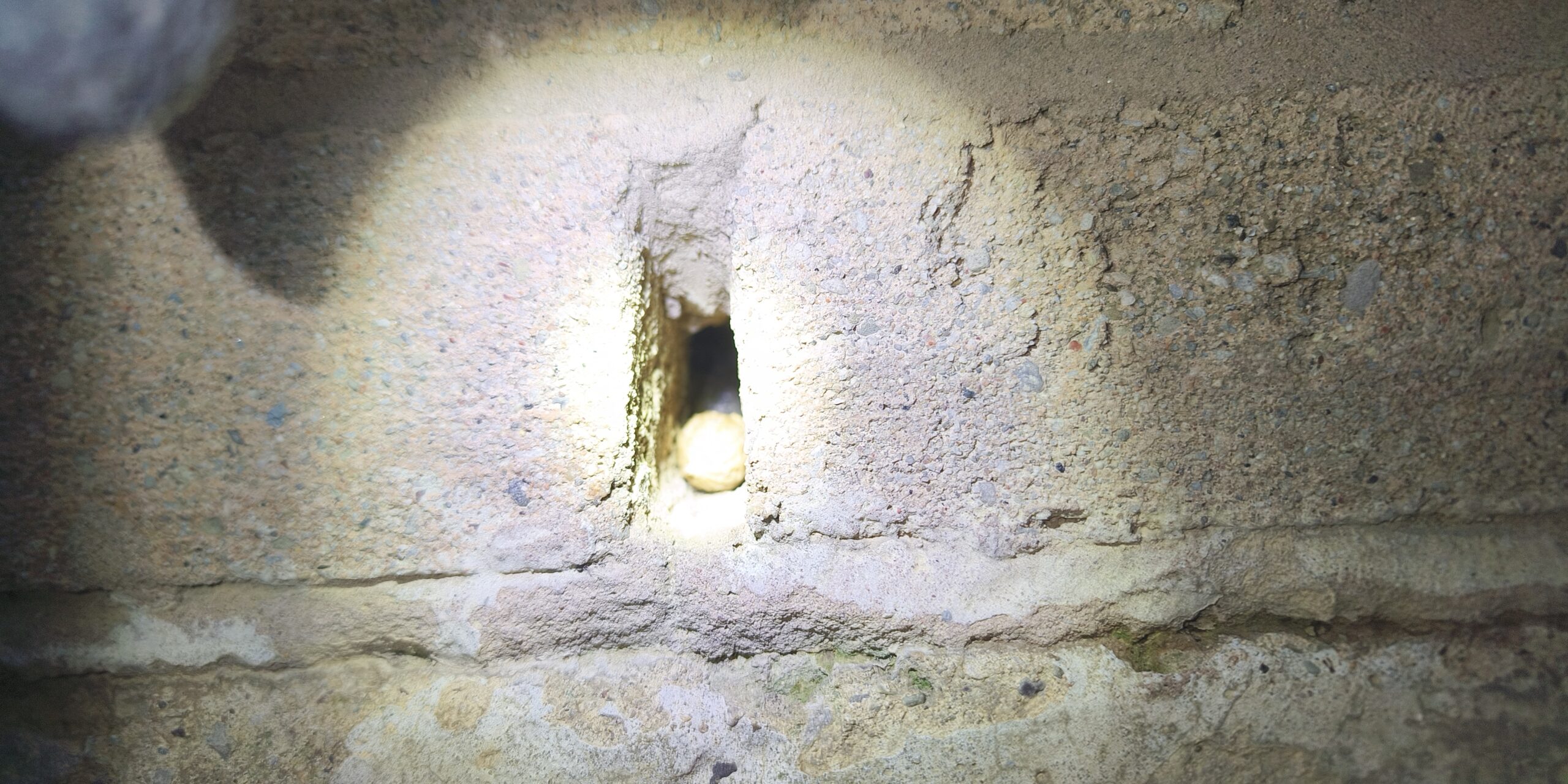
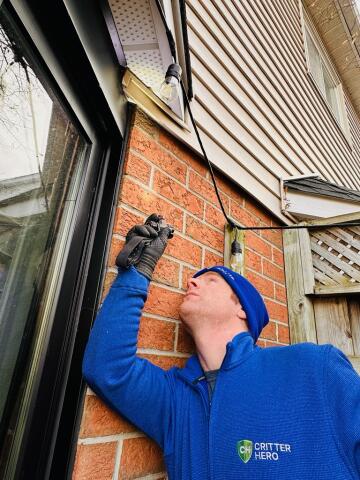
A thorough property inspection helps you understand the extent of your raccoon problem. We examine roofing systems, vents, and attics to identify nesting locations, access points, and signs of damage.


What’s Attracting Raccoons to Your Home?
We have been handling raccoon removals long enough to understand that these animals follow a predictable seasonal pattern. Between March and May, pregnant females actively search for warm, quiet nesting locations where they can safely raise their babies. Attics, crawl spaces, and roof cavities are often prime targets. Between October and December, raccoons seek insulated structures that provide protection from winter weather and local predators.
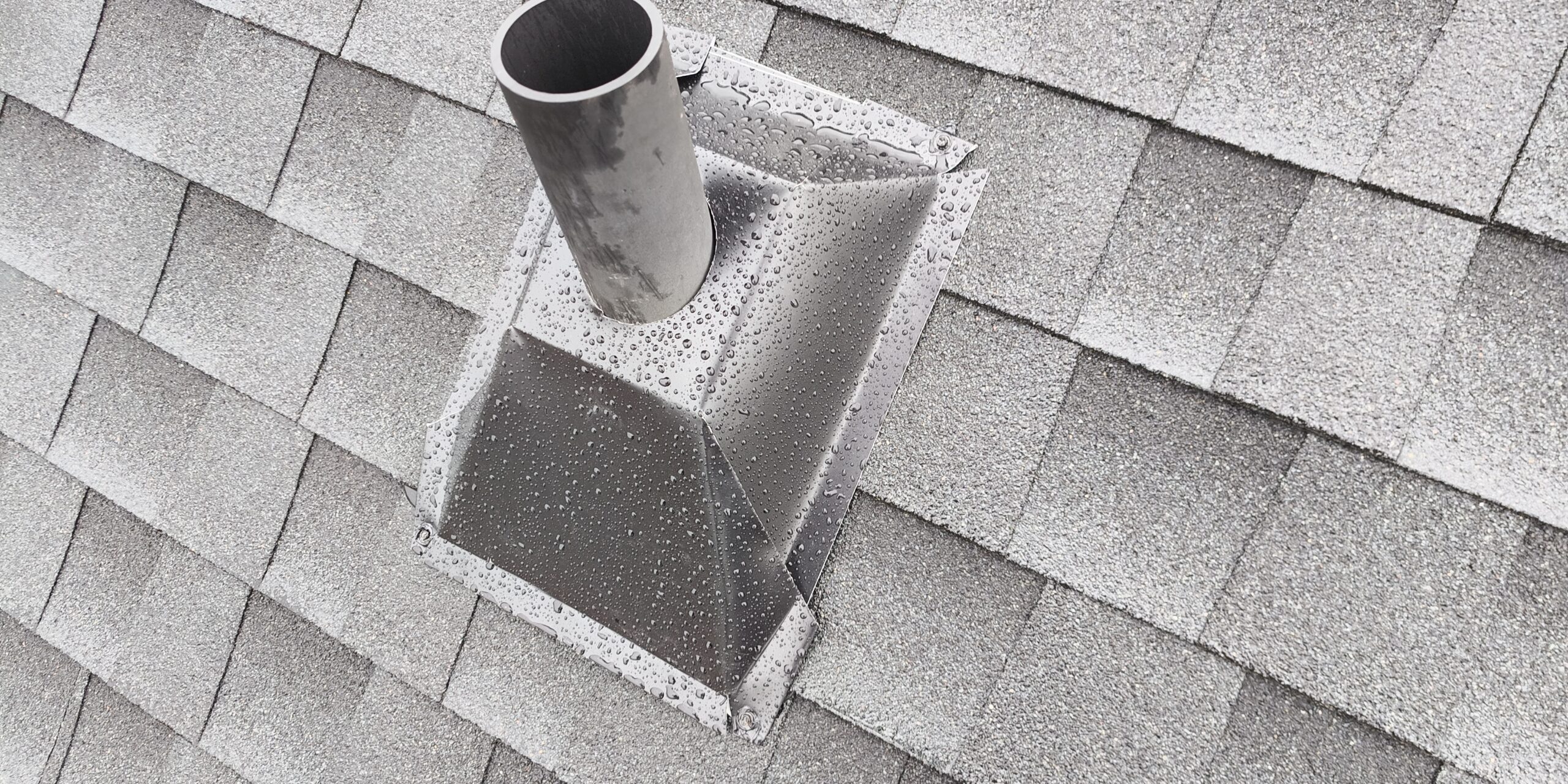
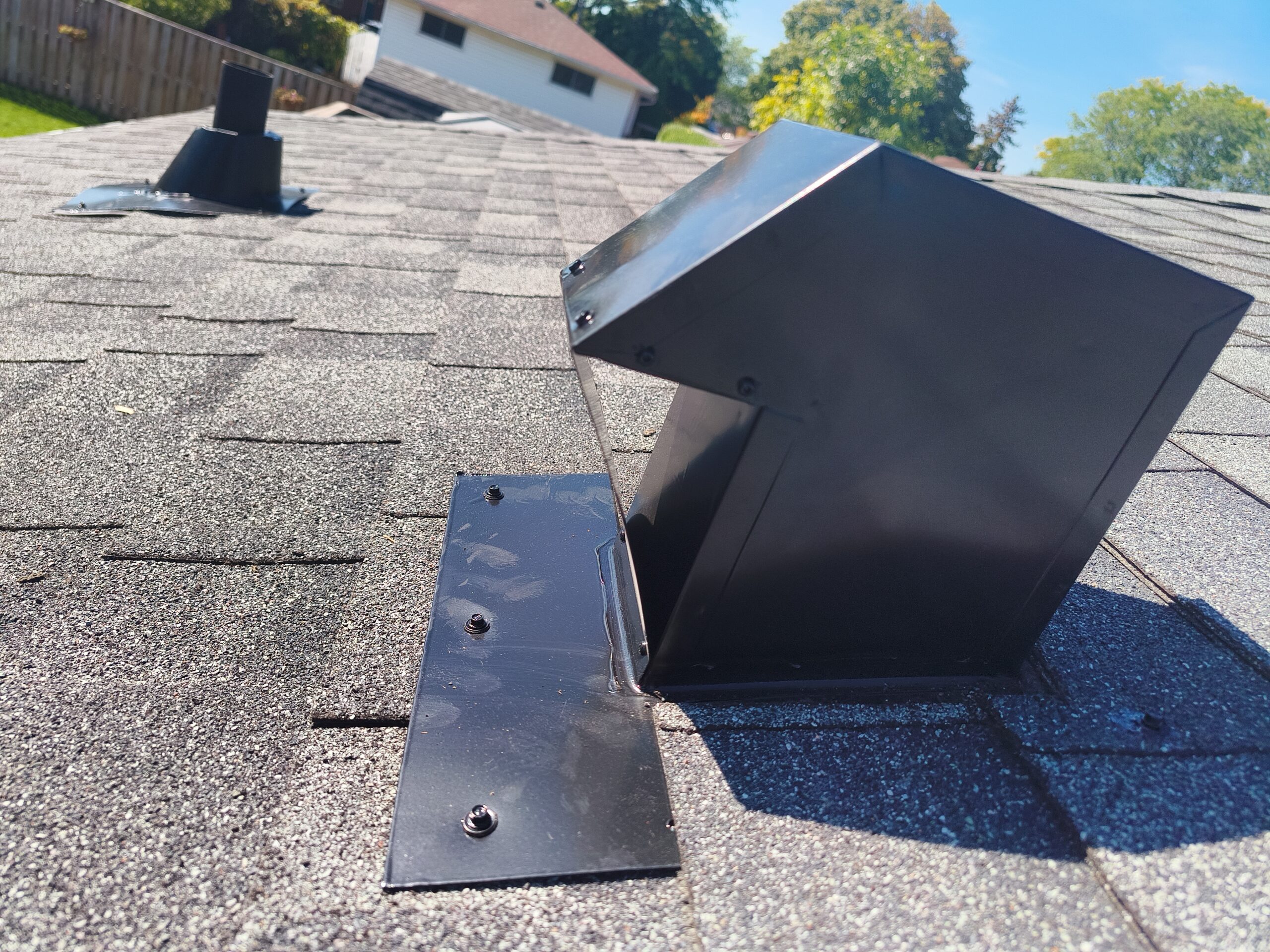
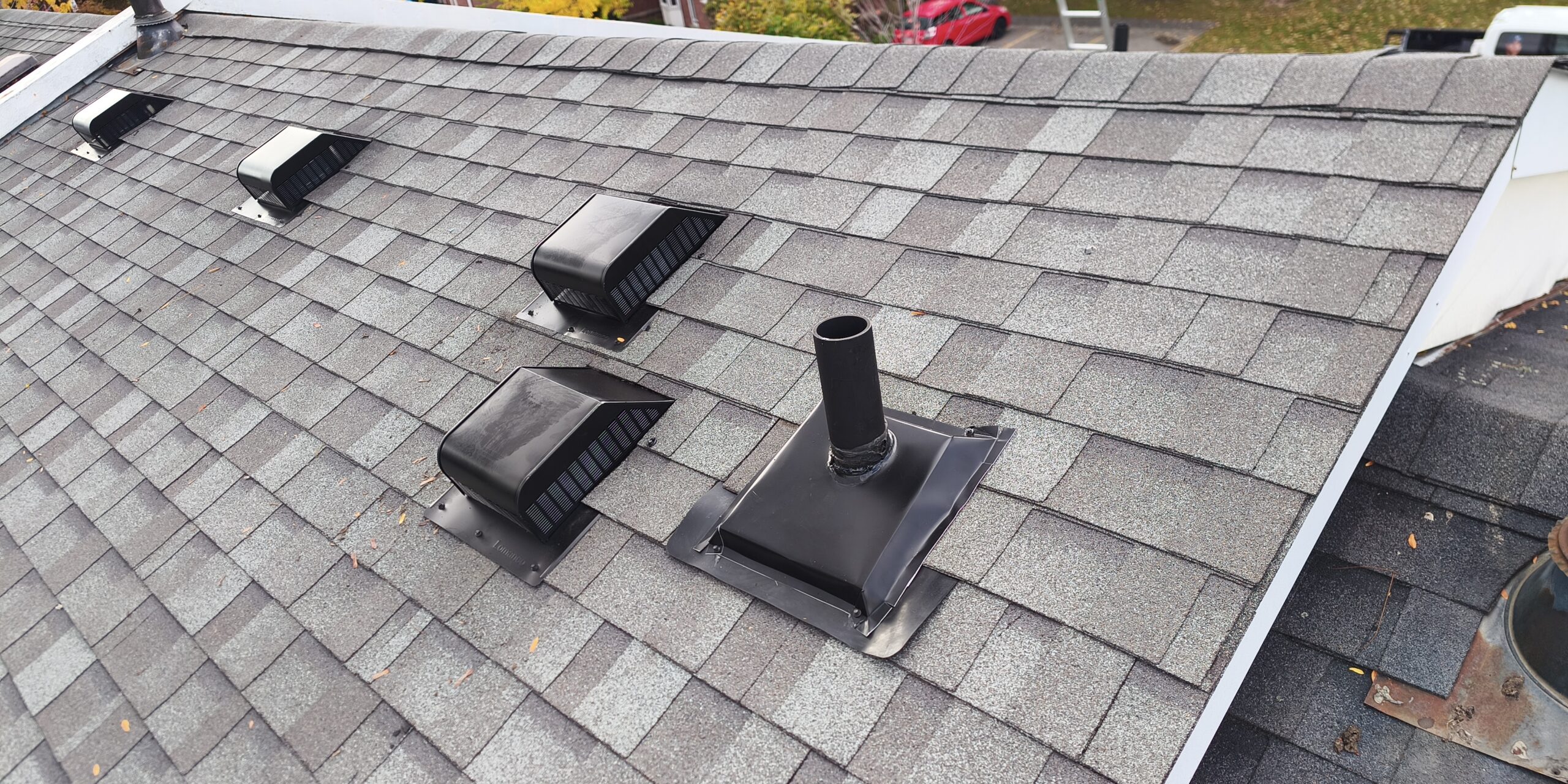
Don’t be surprised to realize that you may be unintentionally providing raccoons with everything they need to survive in your home. Unsecured green bins, garbage containers, fallen fruit, bird feeders, and pet food are food sources for raccoons. Our specialists can inspect your property and determine whether animals are entering your home through aging roof vents, damaged soffits, or an uncapped chimney.
Clues that You Have a Raccoon Problem
Raccoons are nocturnal animals, which means most Burlington homeowners don’t realize they have a problem until the damage becomes visible. In many cases, raccoons have already established a den inside an attic, crawlspace, shed, or beneath a deck before they are discovered. During thorough inspections, we often find the following signs of raccoon activity.
- Thumping noises, scratching, or movement noises at night
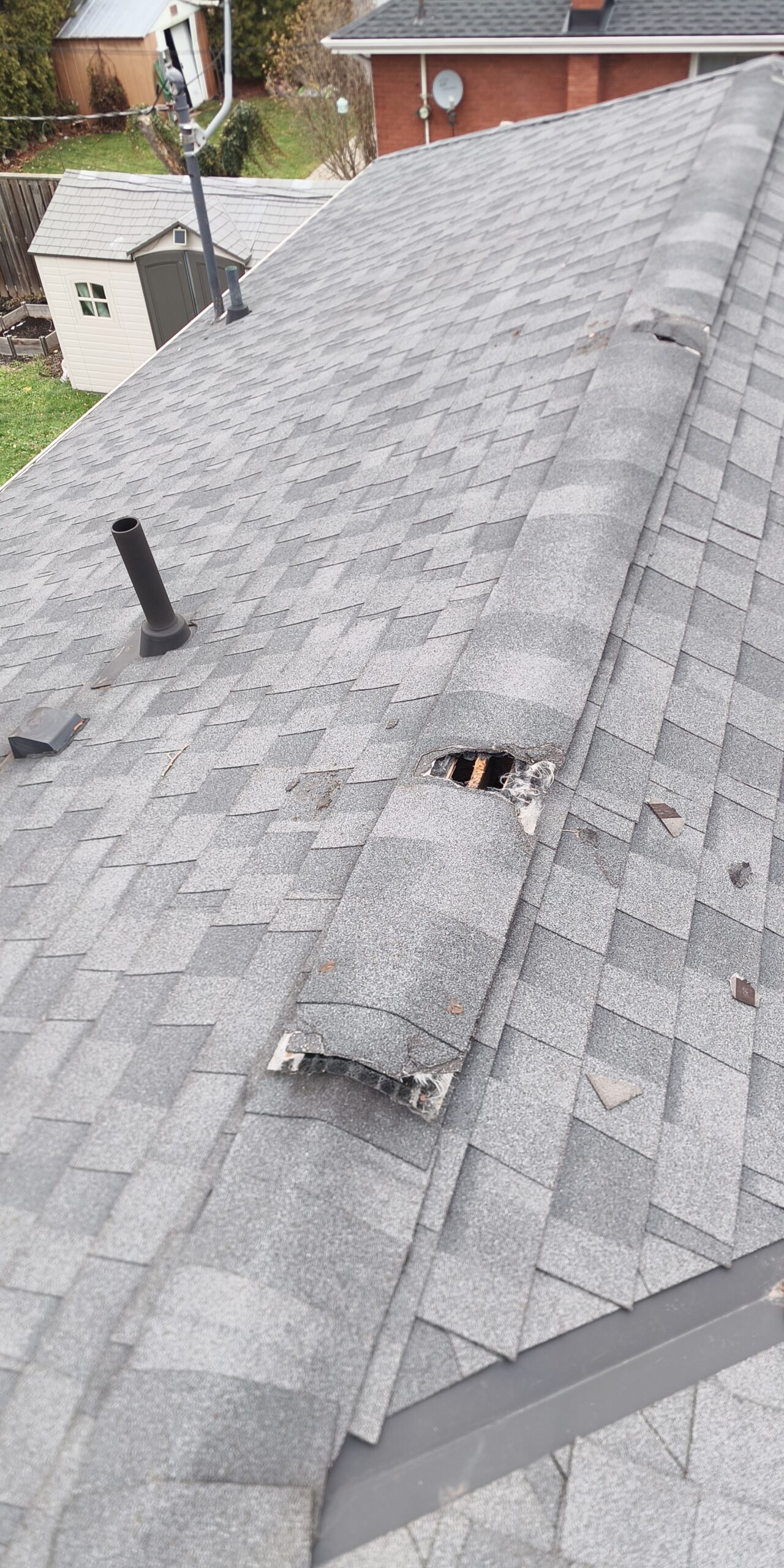
- Damaged soffits, roof vents, fascia boards, or shingles
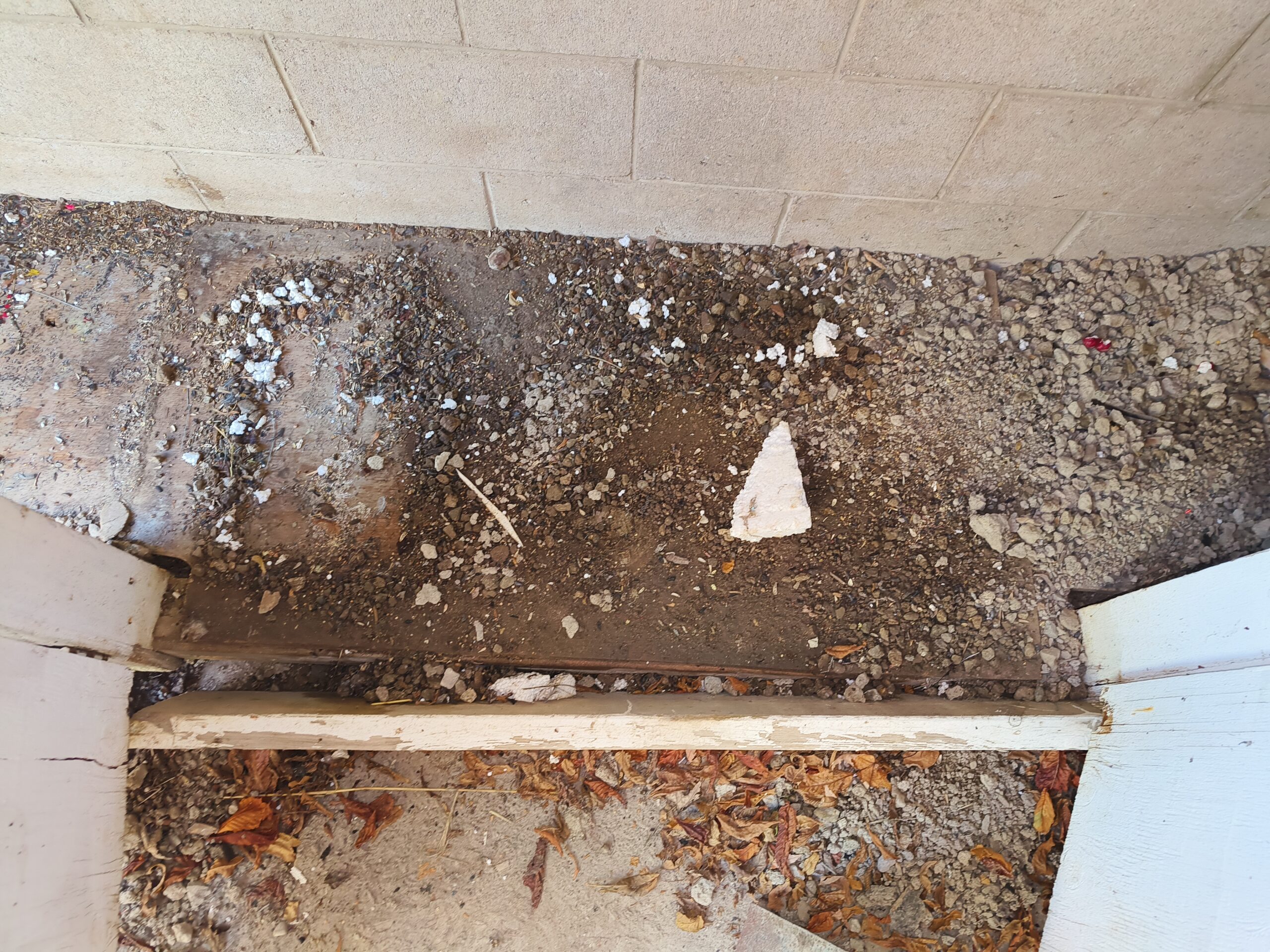
- Raccoon droppings near decks, sheds, or attic spaces
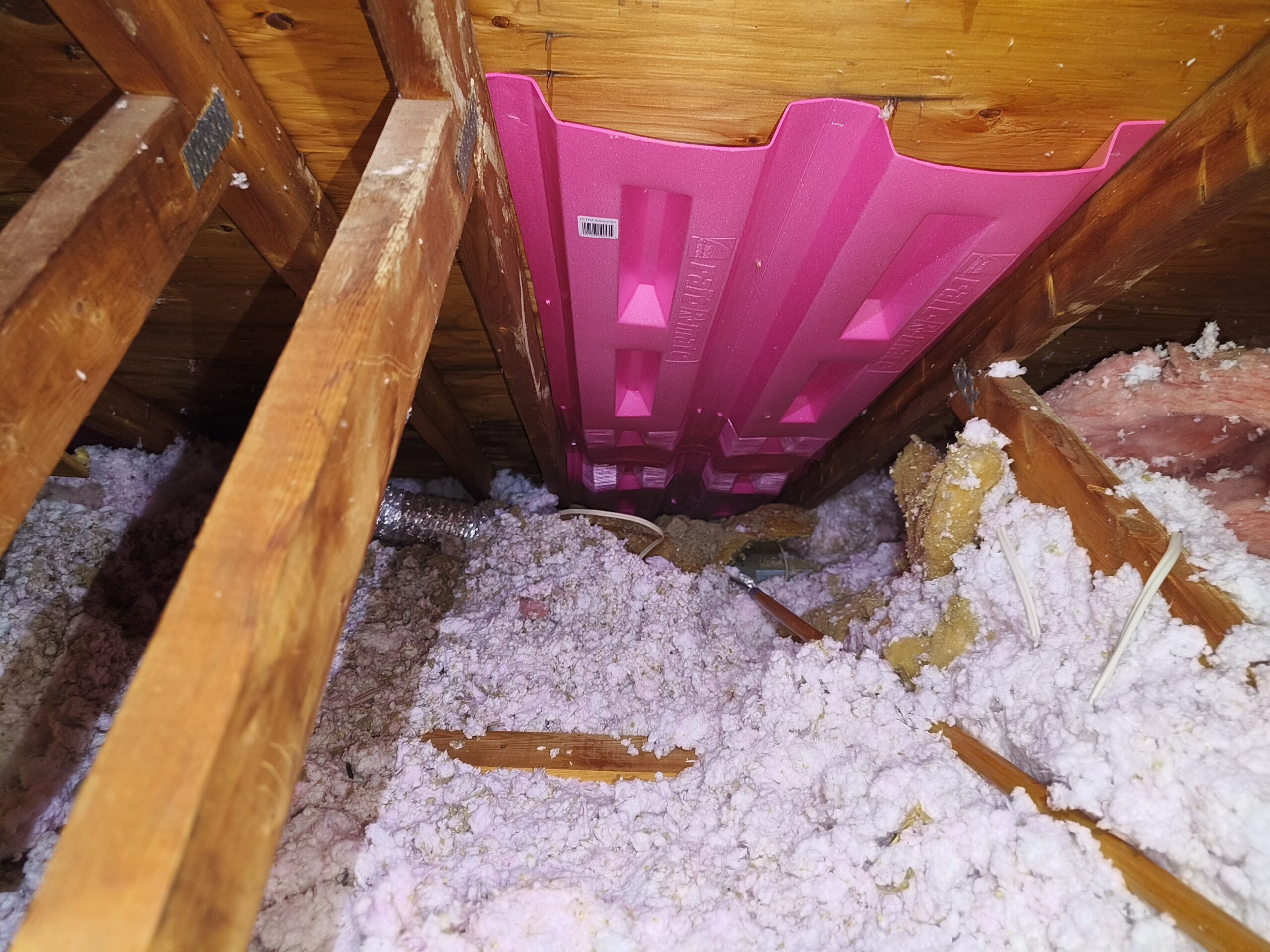
- Torn insulation or nesting materials in the attic
- Garbage bins that have been tipped over or opened
- Paw prints or muddy tracks around the property
- Visible raccoon sightings on roofs, fences, or near entry points
Prevent Structural Damage & Health Risks
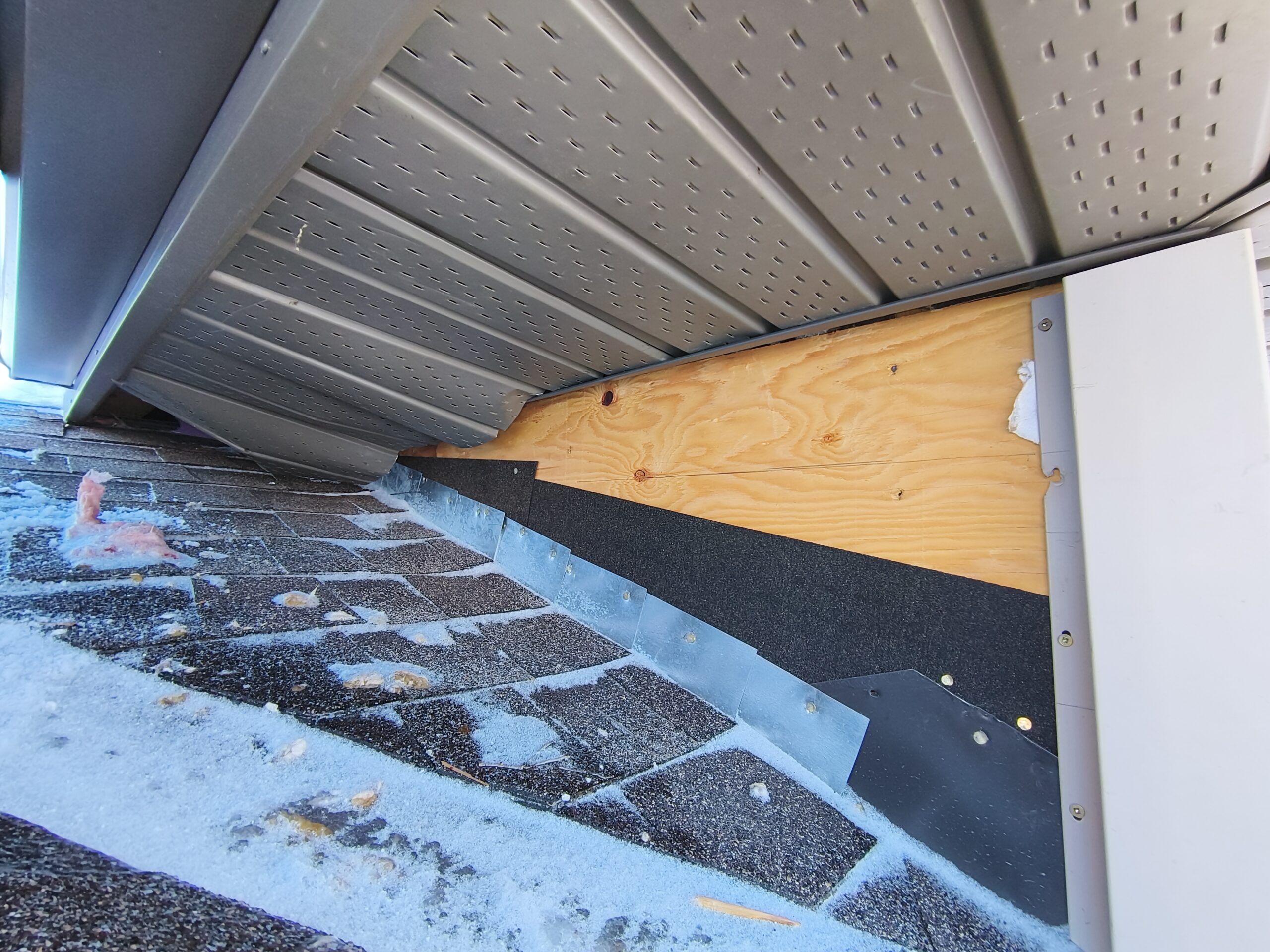
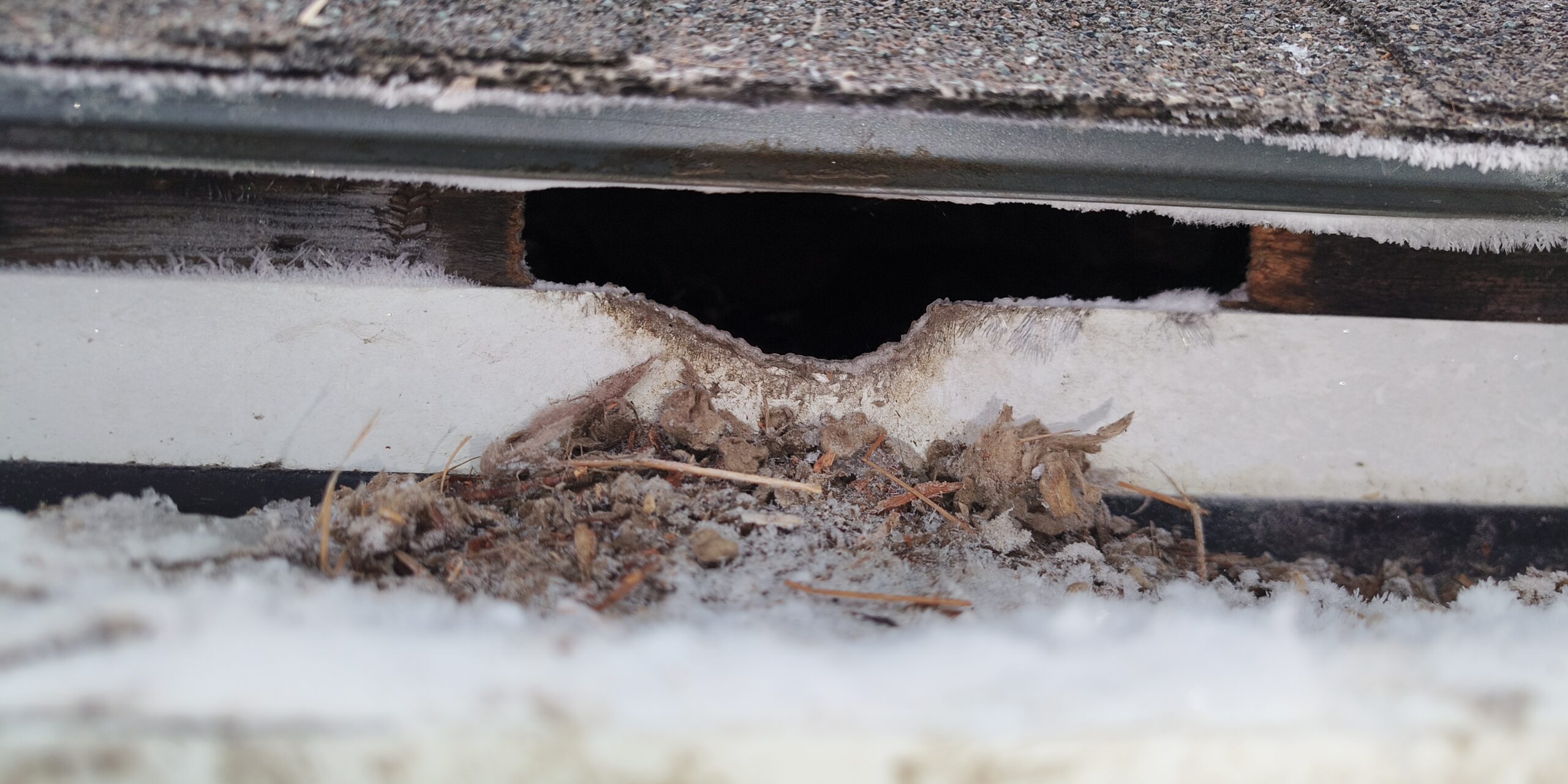
From Aldershot to neighbourhoods near the Niagara Escarpment, we’ve seen how quickly a raccoon problem can escalate from a minor nuisance to significant property damage. These animals are powerful and can tear through roof vents, soffits, fascia boards, and weak sections of the roof to access attics. Once inside, they often damage insulation and ductwork, creating nesting areas that can lead to costly repairs.
Our team frequently finds damaged wiring in attics where raccoons have nested. Chewed electrical cables can increase the risk of short circuits, system failures, and fire hazards, particularly in older Burlington homes. Additionally, raccoon droppings, urine, and nesting materials can contaminate attic spaces. These animals may also carry diseases and parasites, leading to additional safety concerns.
How Our Removal Process Works
The Critter Hero team follows careful, eco-friendly raccoon removal techniques to protect homes and commercial properties while handling the animals responsibly.
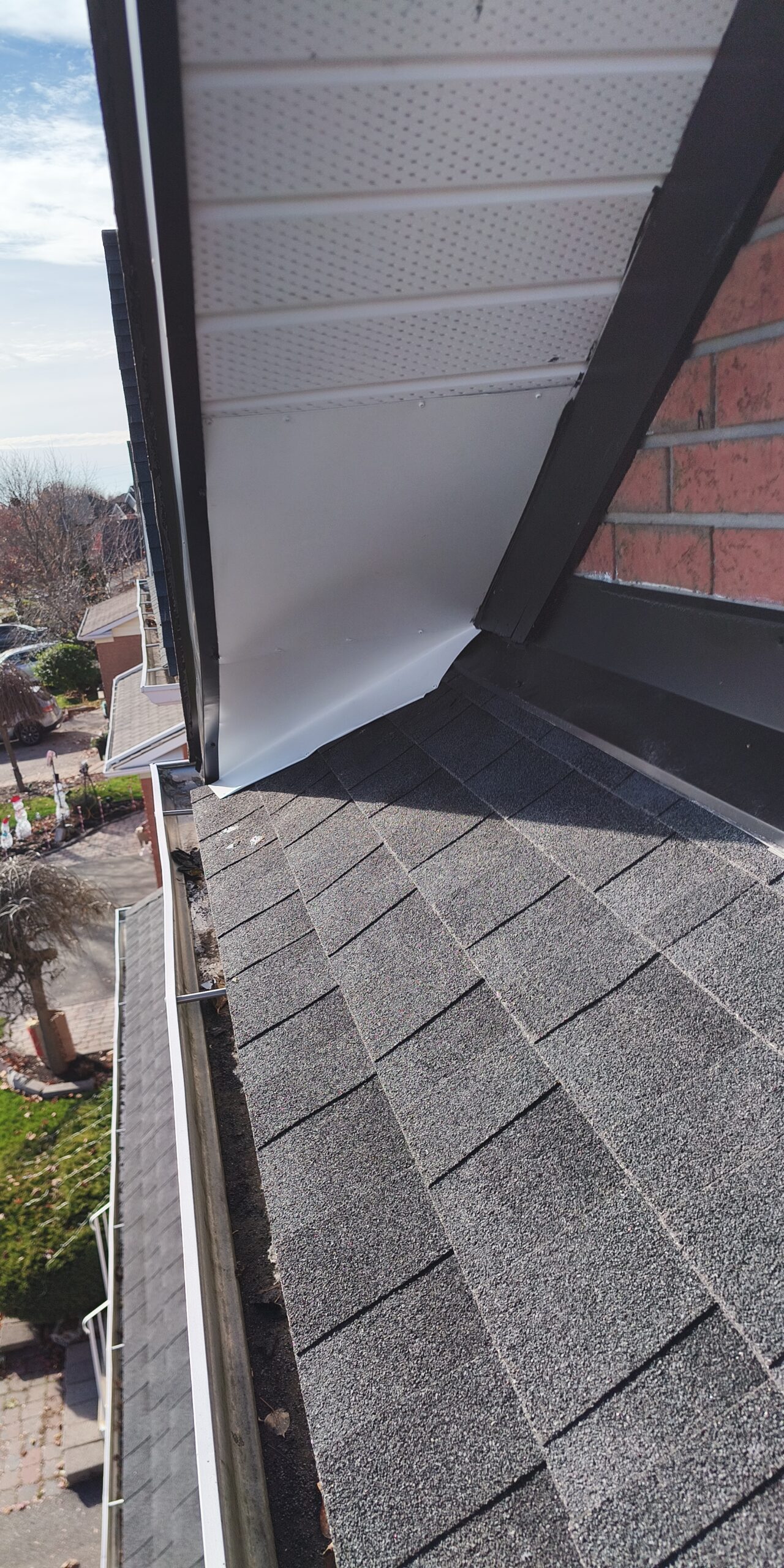
- Find where the Raccoons are Hiding: Our technicians will carefully inspect roof vents, soffits, fascia boards, chimneys, roof intersections, decks, and other vulnerable areas where raccoons commonly gain access. We also look for nesting sites, droppings, and signs of structural damage.
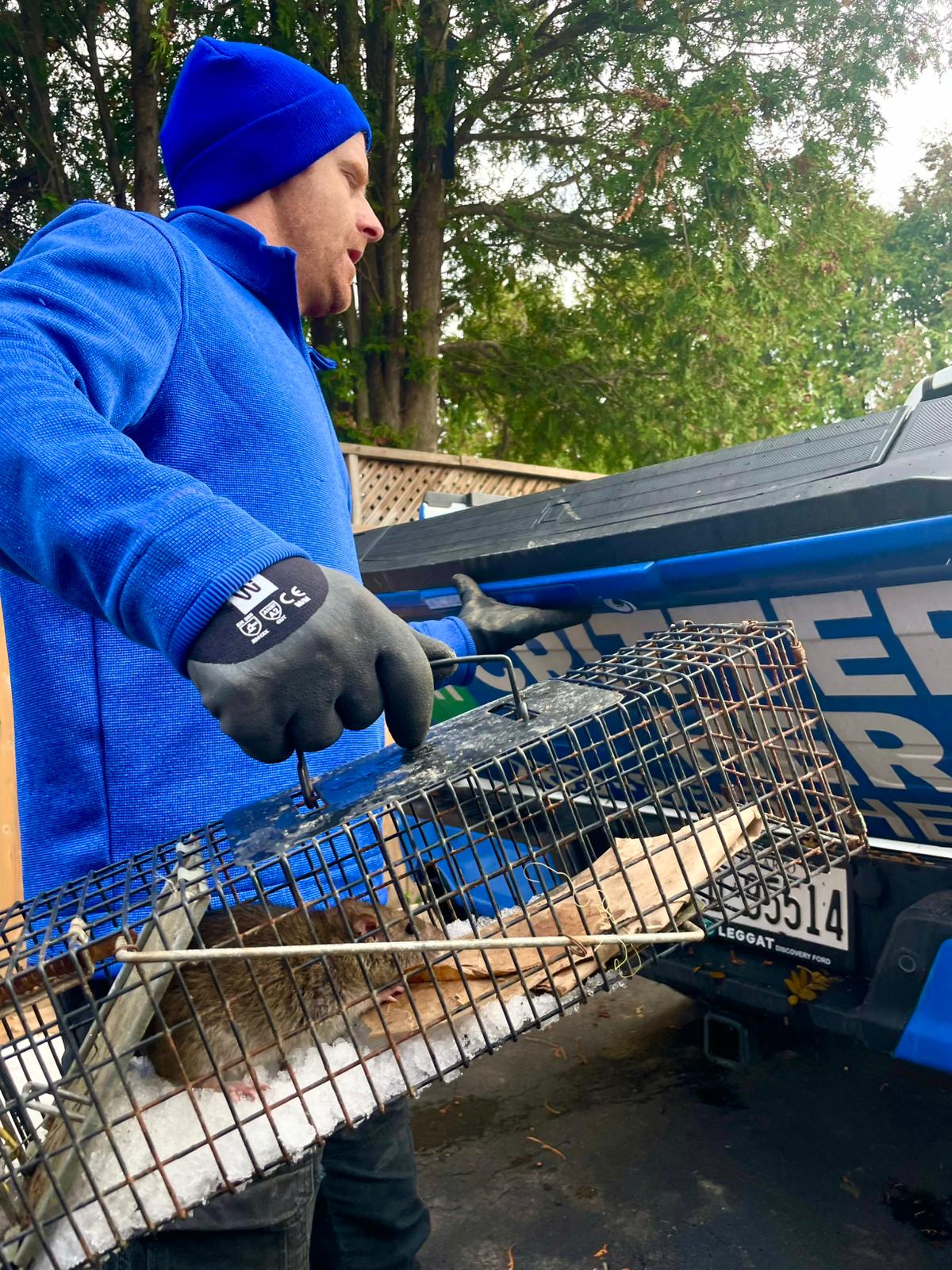
- Remove the Nuisance Animals Humanely: Once we identify all raccoons present, we’ll implement a customized exclusion strategy. In most cases, this involves specialized one-way doors that allow raccoons to leave safely but prevent them from re-entering your property.
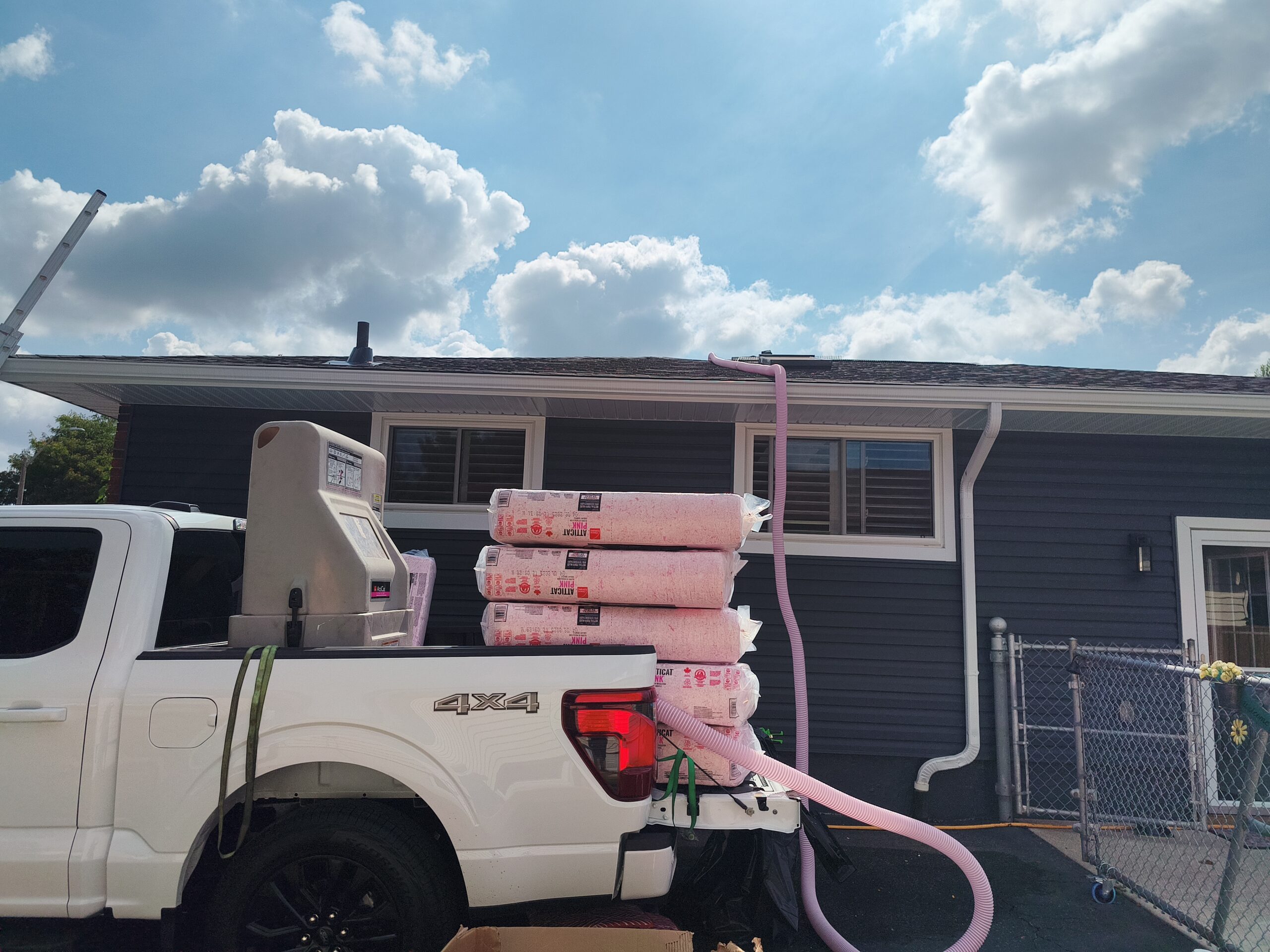
- Repair Wildlife-Related Damage: After the humane removal of raccoons or other nuisance wildlife, we assess the damage to the insulation, attic, walls, and other parts of your home. In addition to the repairs, we clean contaminated spaces, disinfect, and deodorize.
What if Raccoon Babies Are Present?
Spring is Burlington’s busiest raccoon season because female raccoons search for safe places to raise their young kits. Before we begin any removal work, we will inspect your property to identify where the mother raccoon is entering and the exact location of the baby raccoon. We understand that the dependent young cannot survive on their own. That’s why we gently remove them by hand and reunite them with their mother.
At Critter Hero, we use one-way exits to direct the mother raccoon to leave your home instead of trapping it. This humane approach to handling wild animals has earned us an enviable reputation from property owners in the Halton region. Therefore, if there’s a raccoon in your attic and you suspect a dependent young may be present, our team is here to help.
Sealing Your Home to Prevent Re-entry
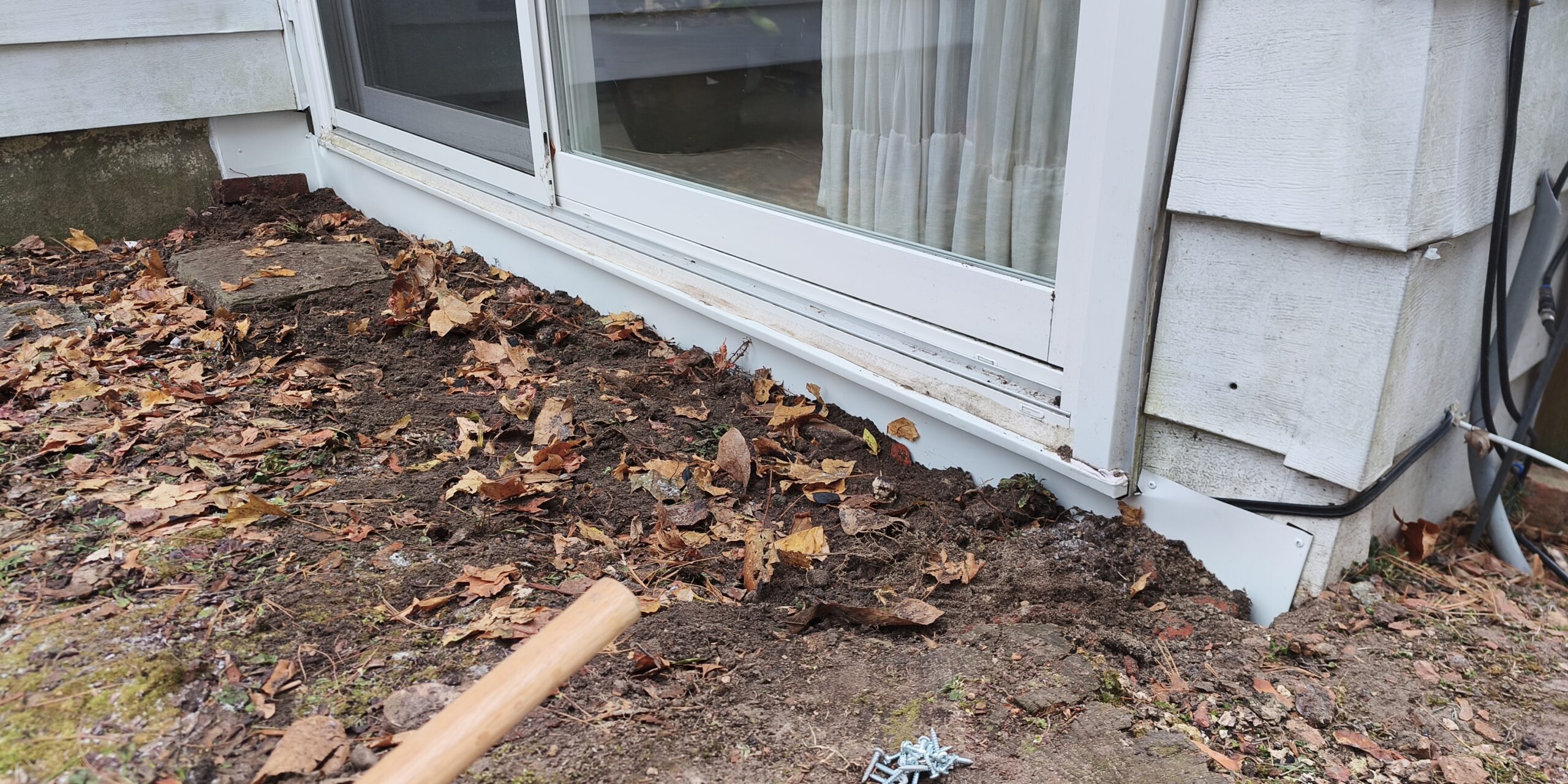
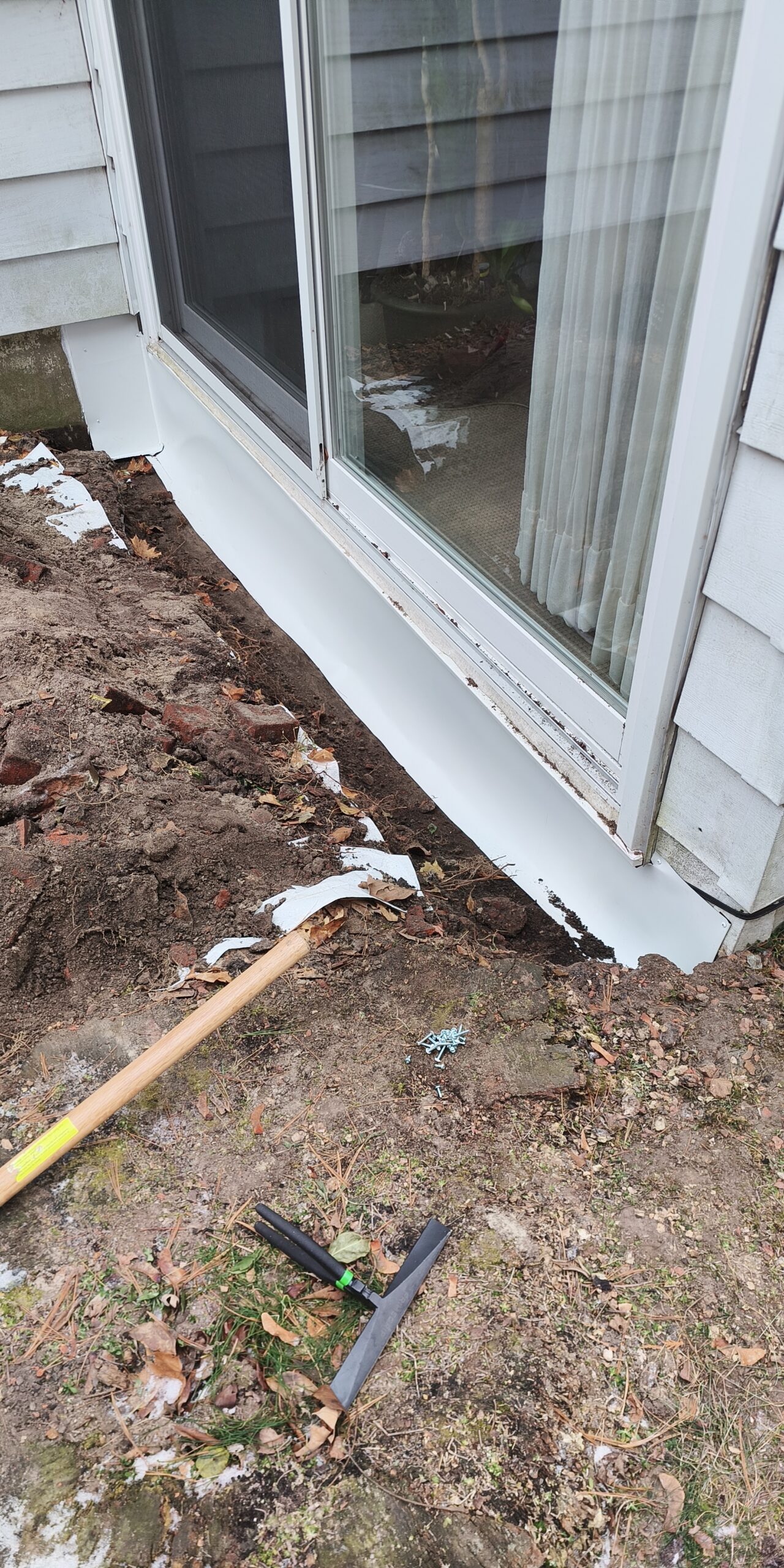
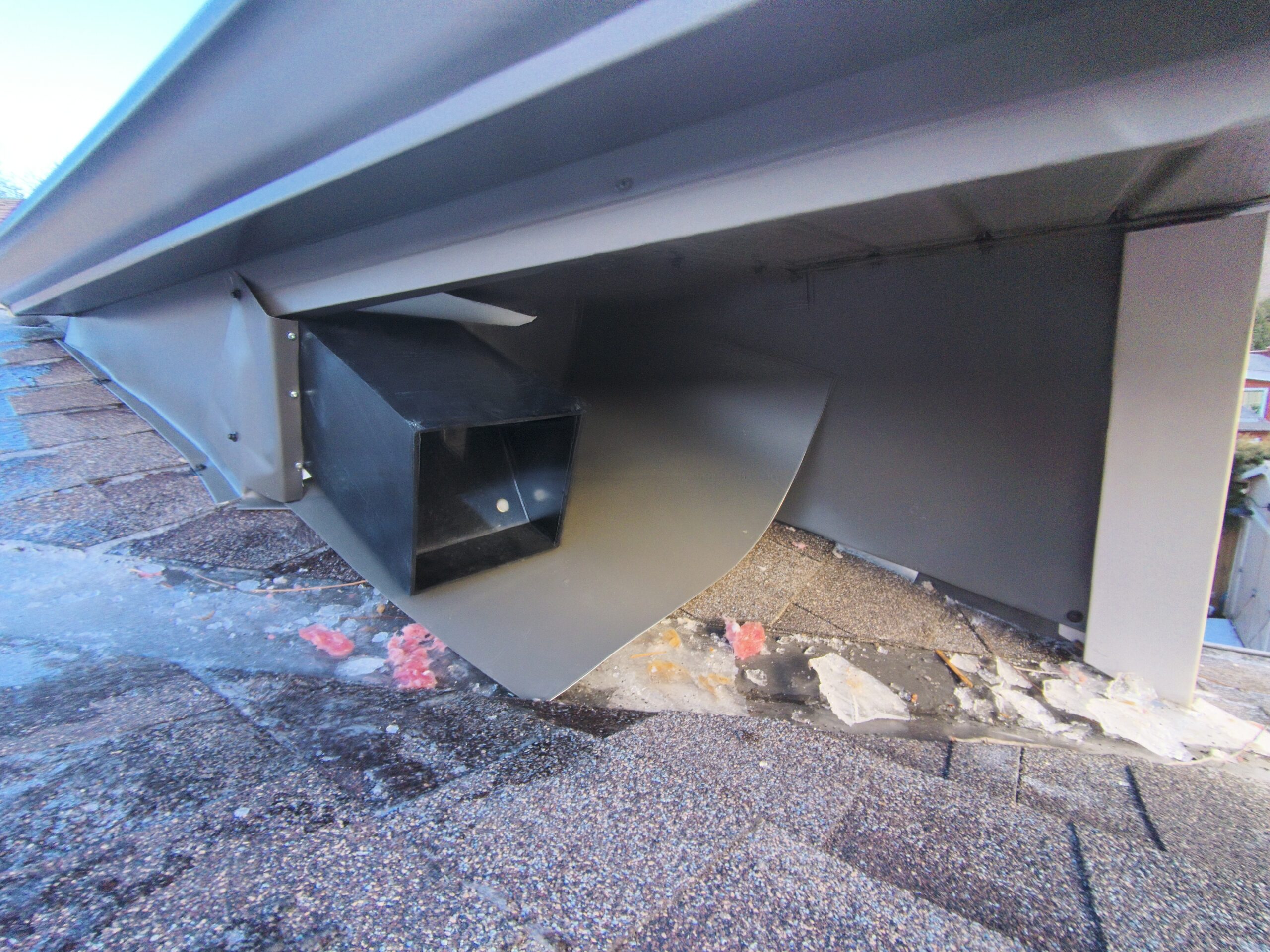
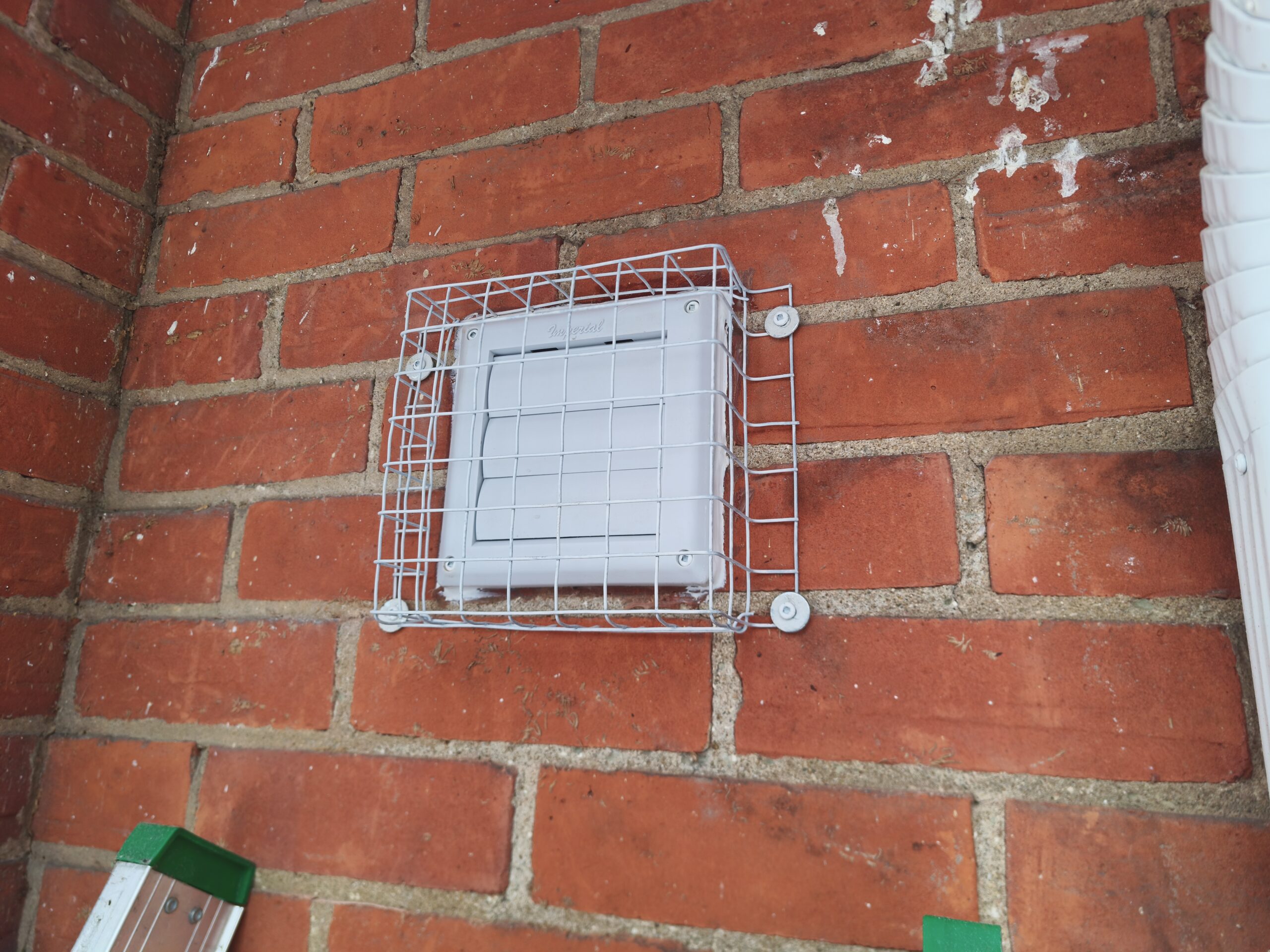
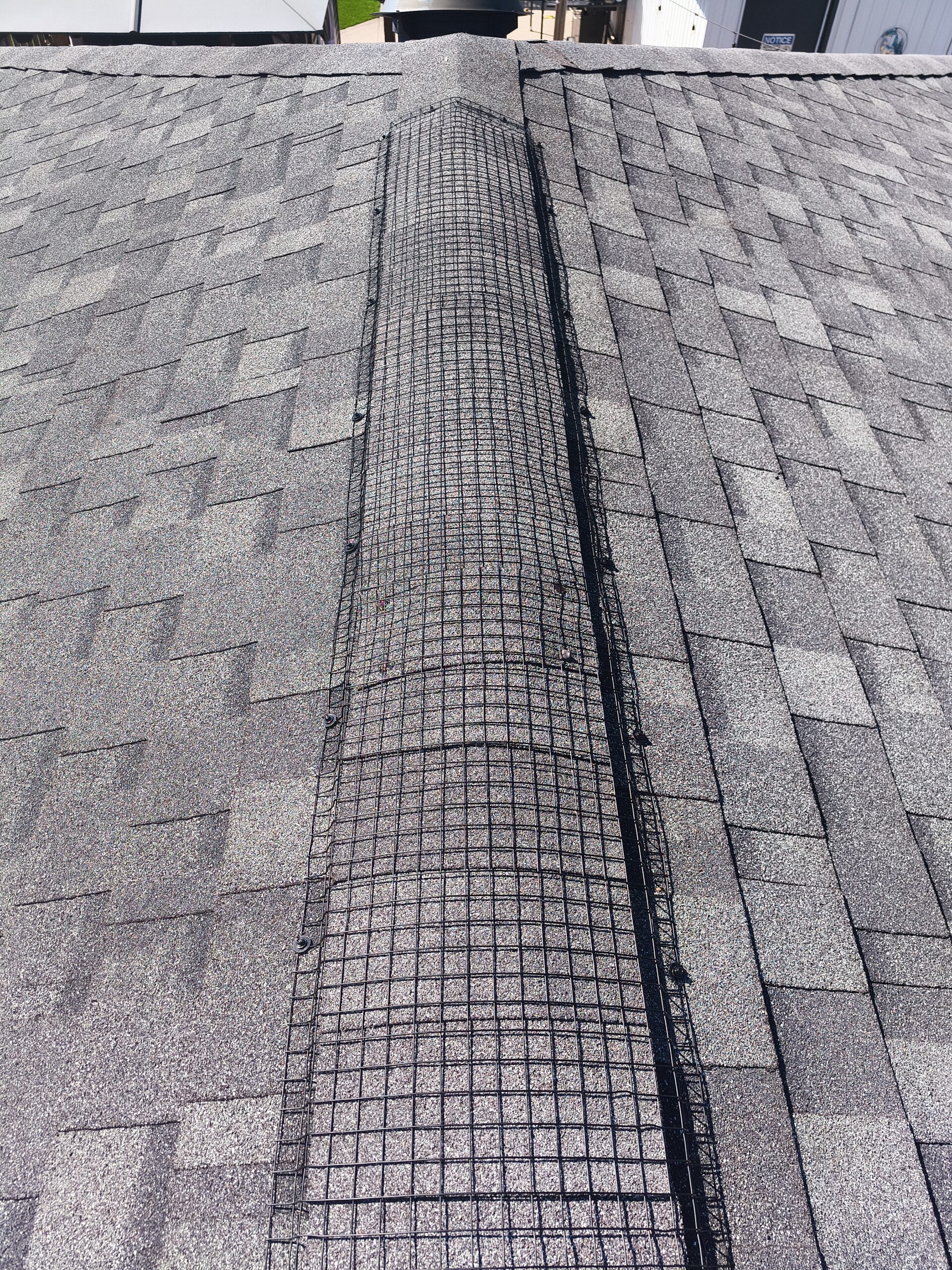
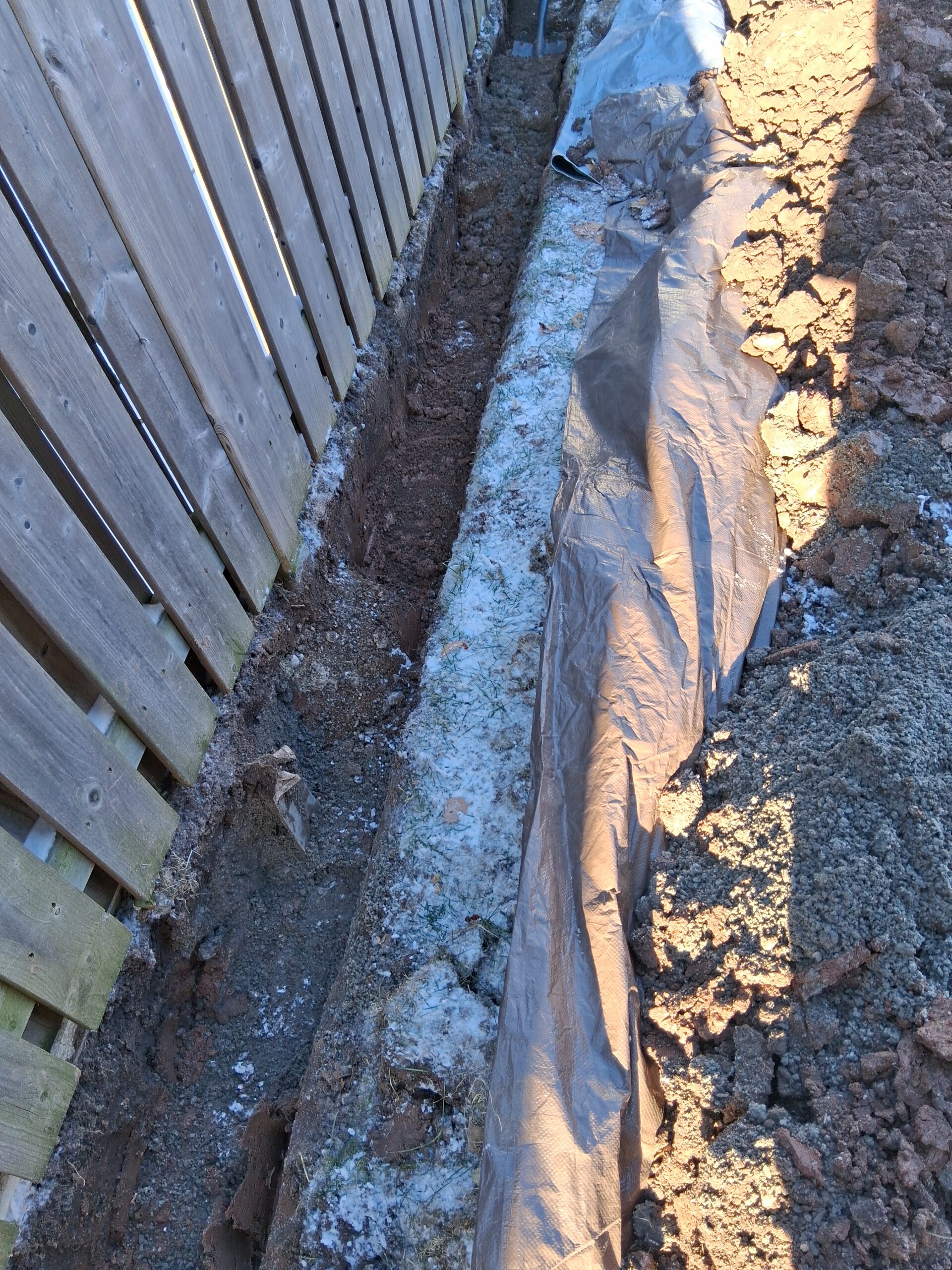
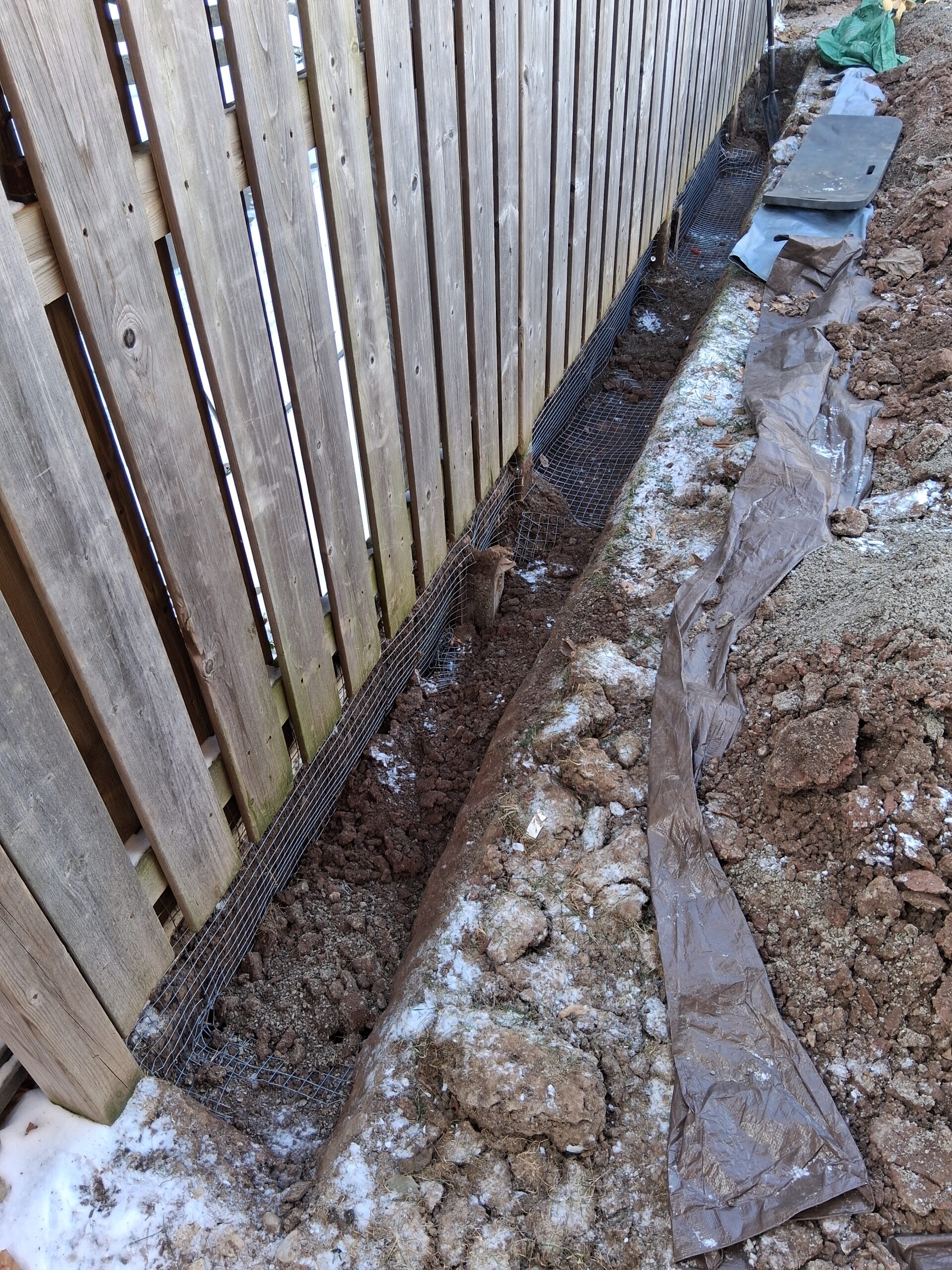
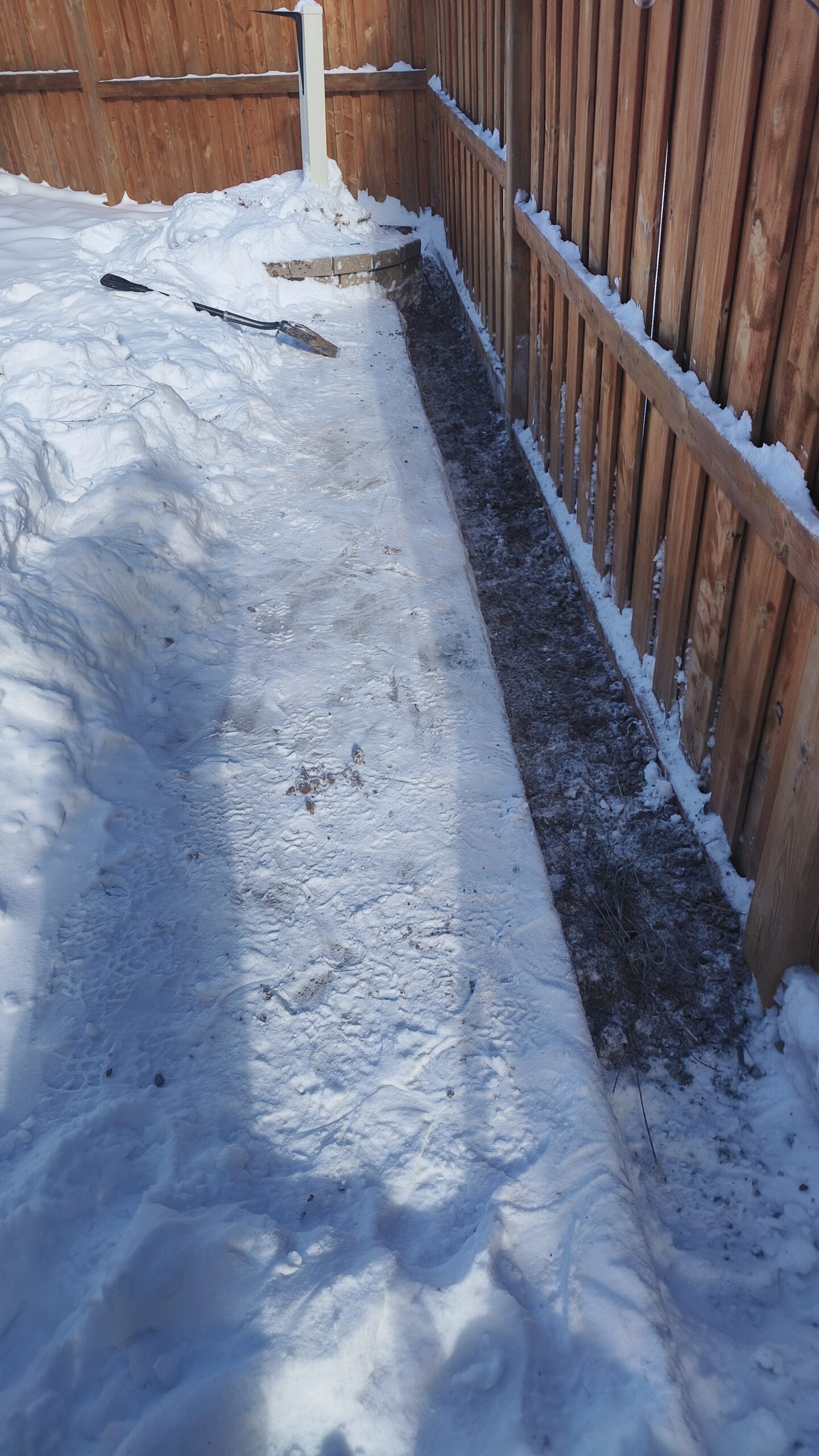
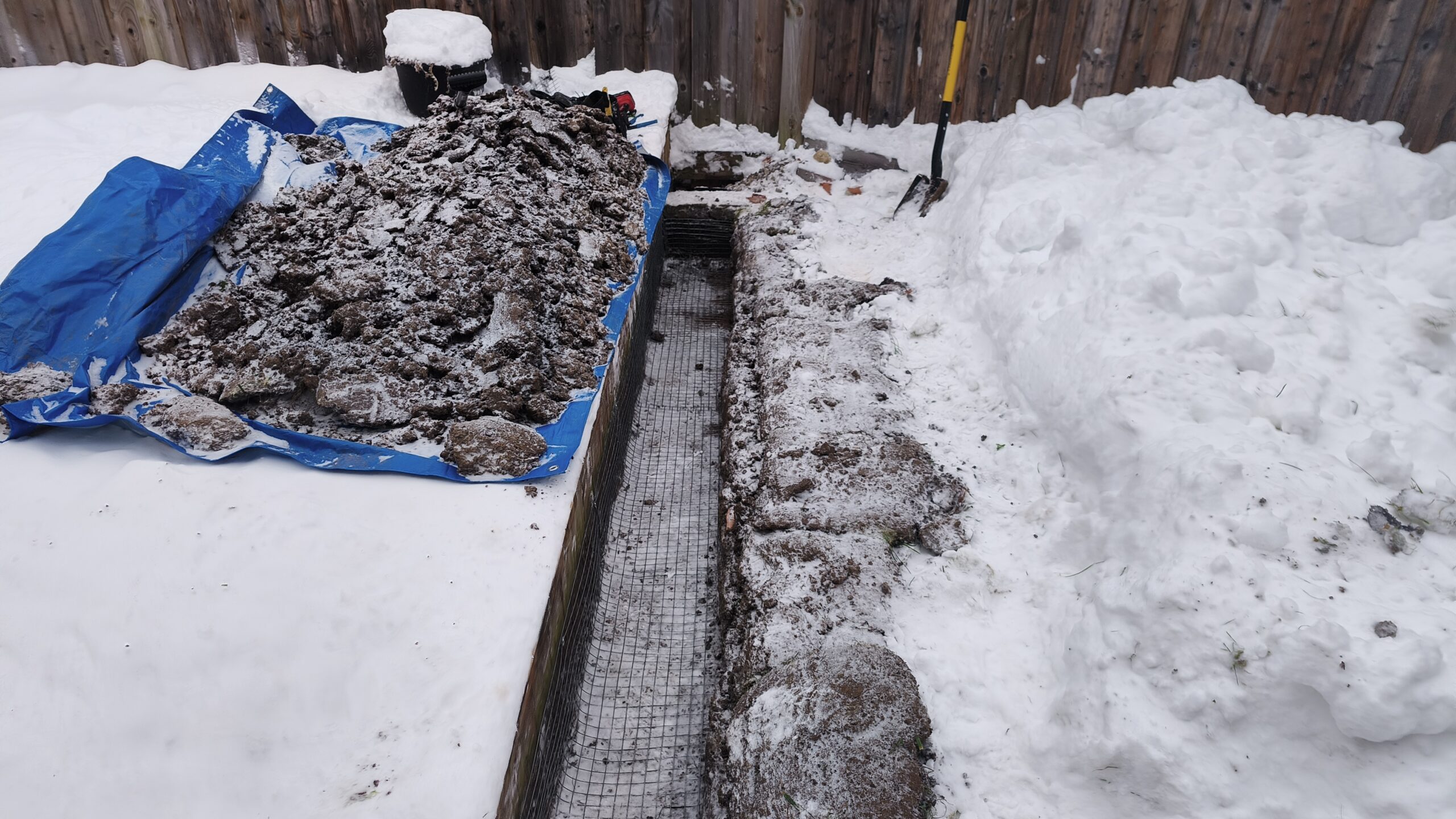
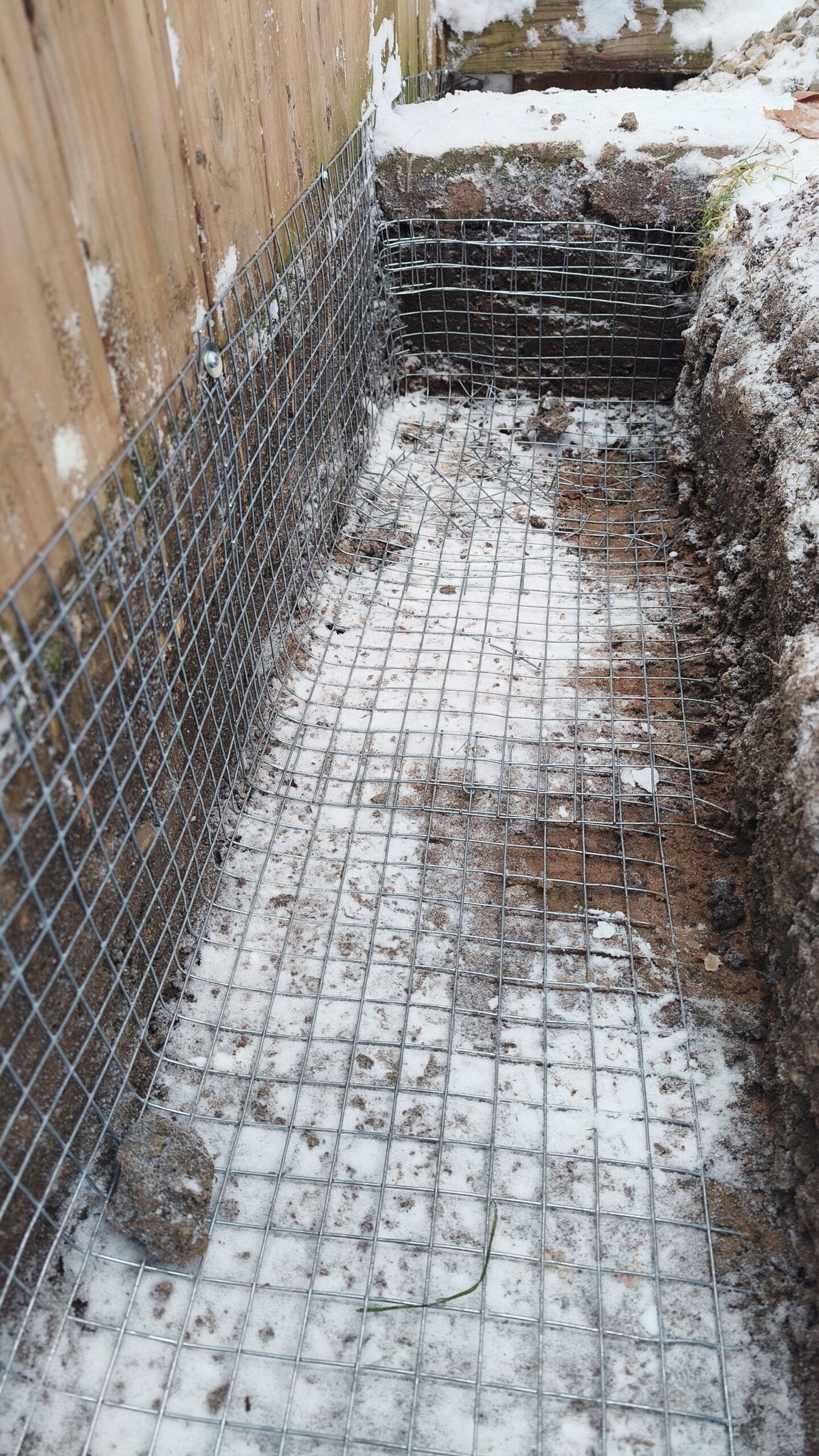
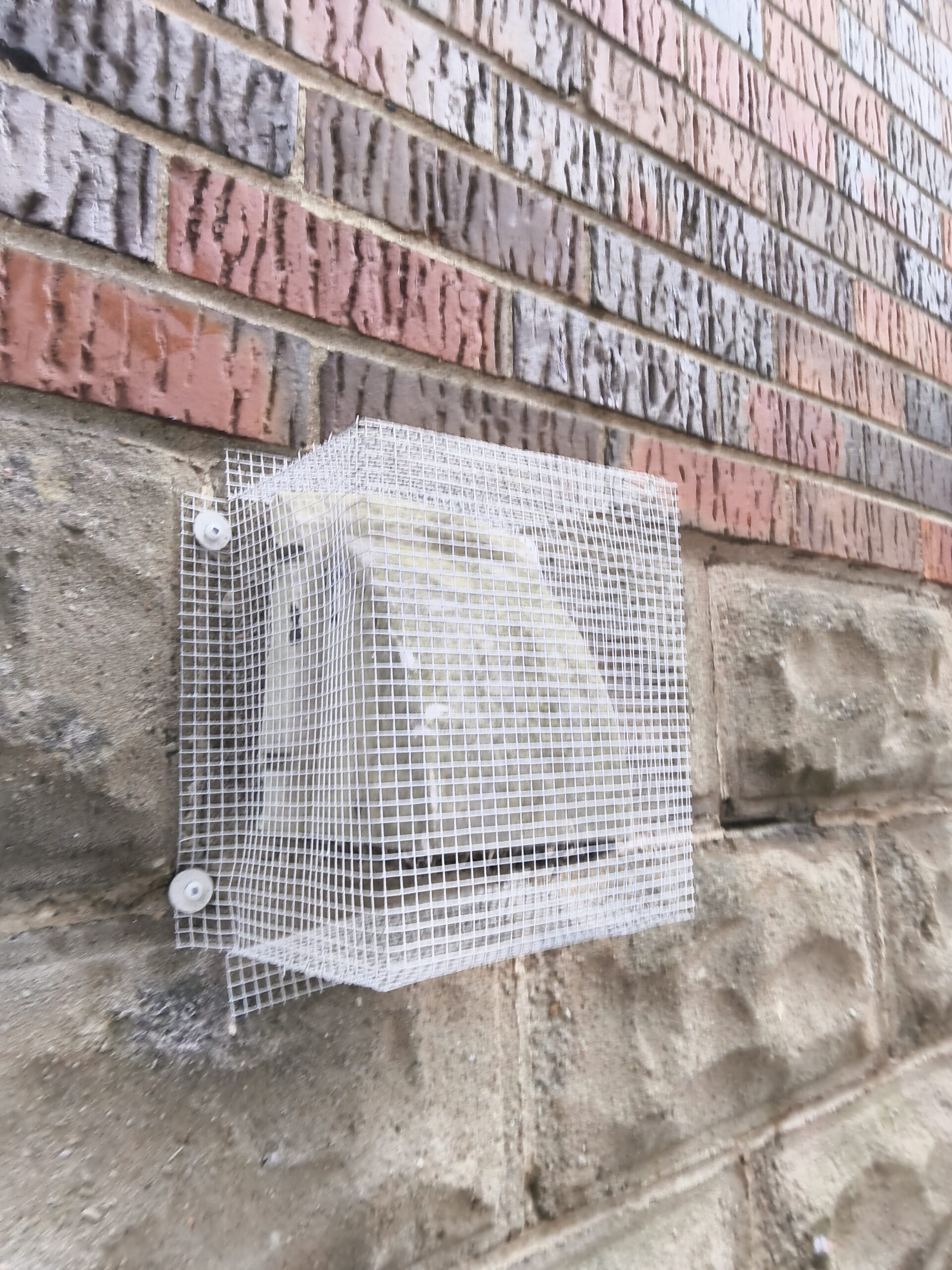
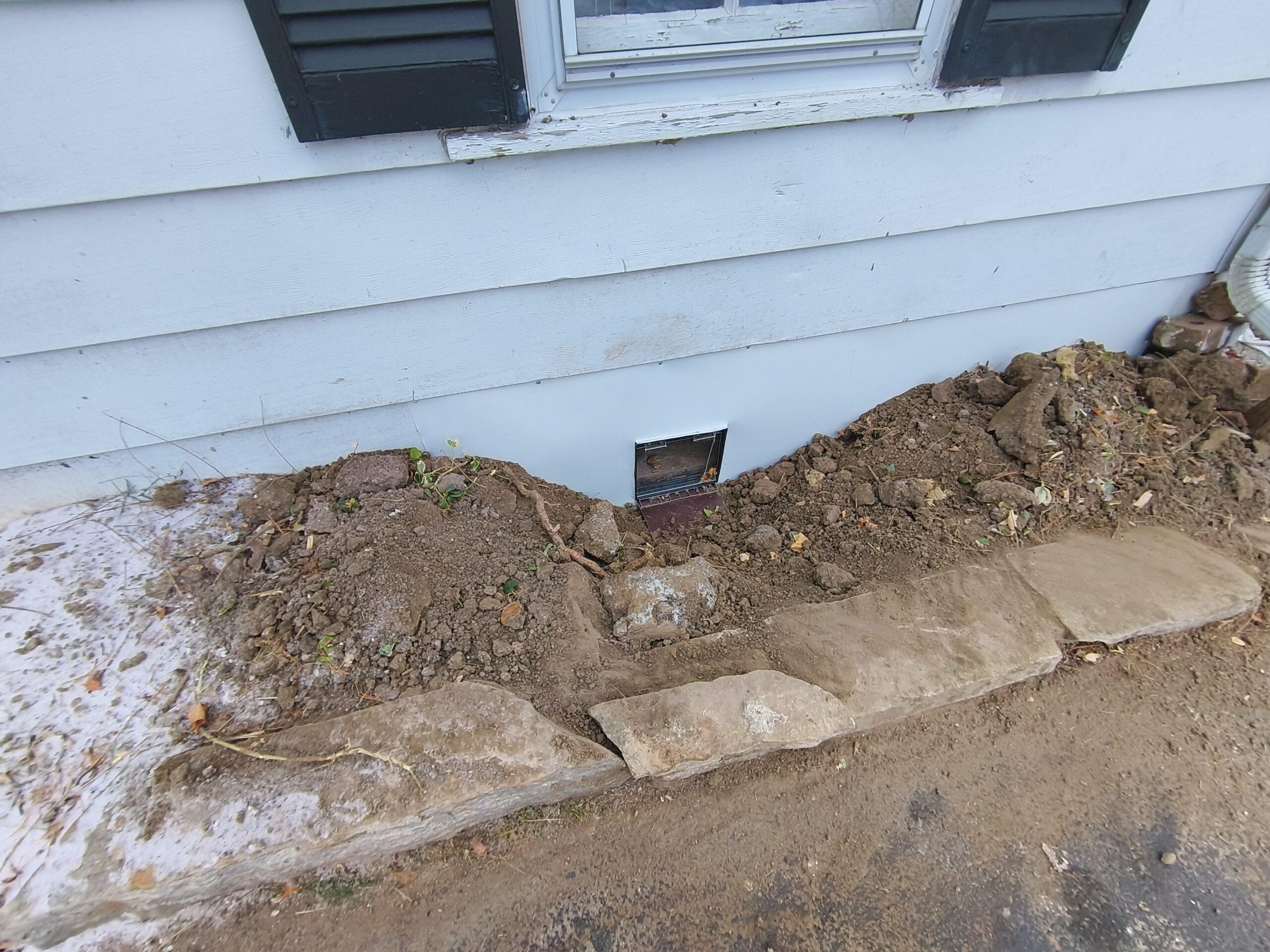
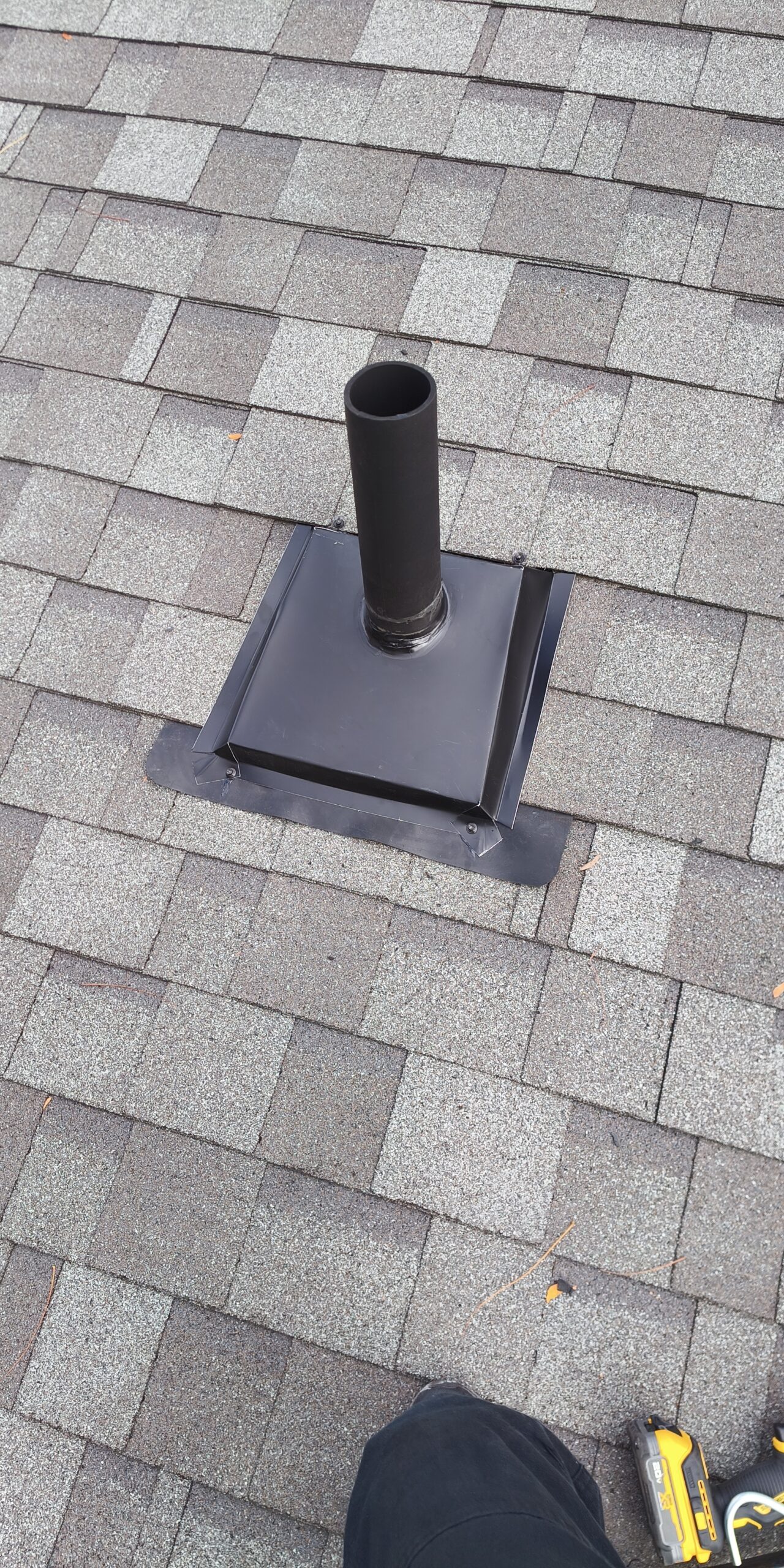
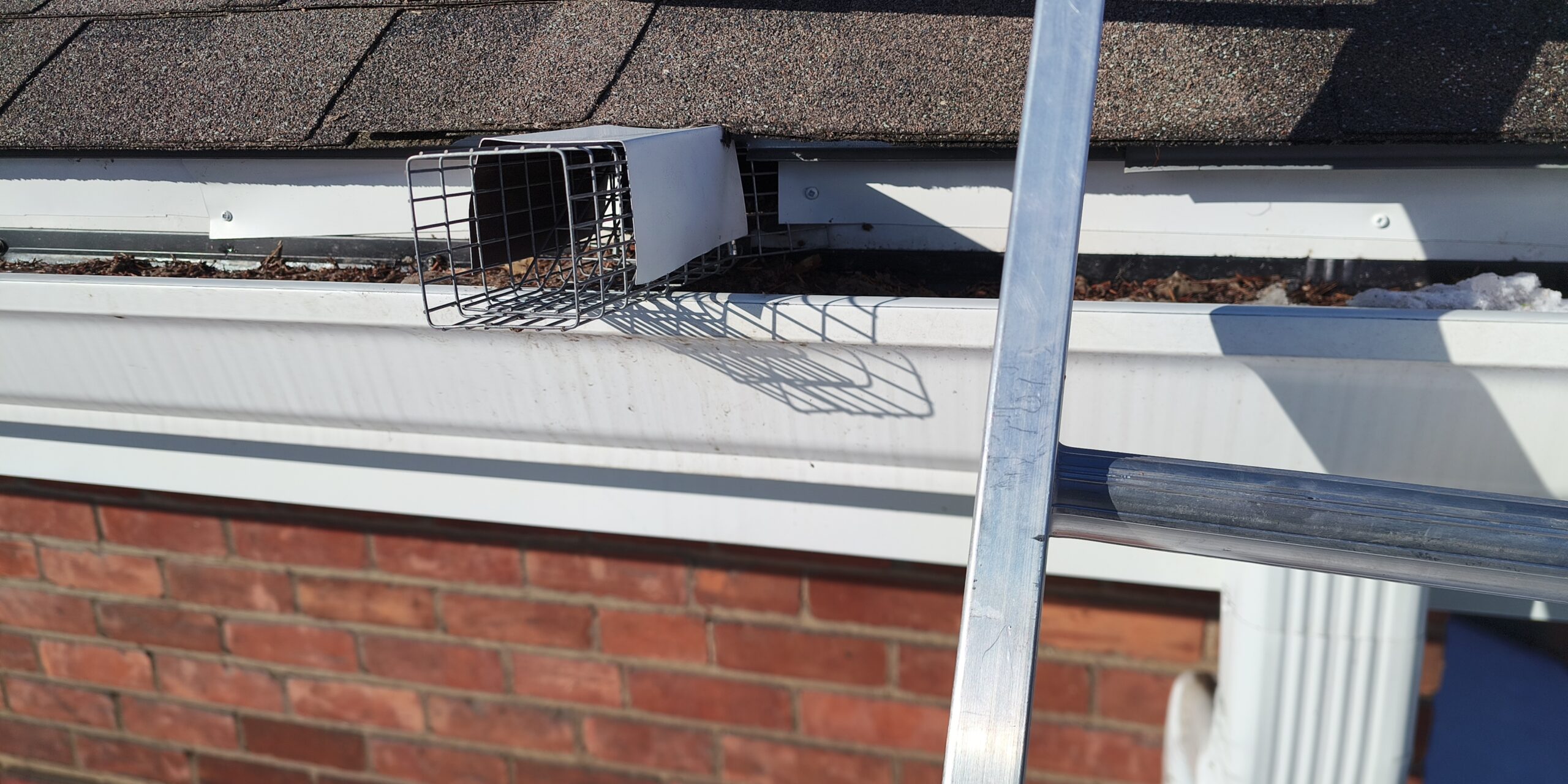
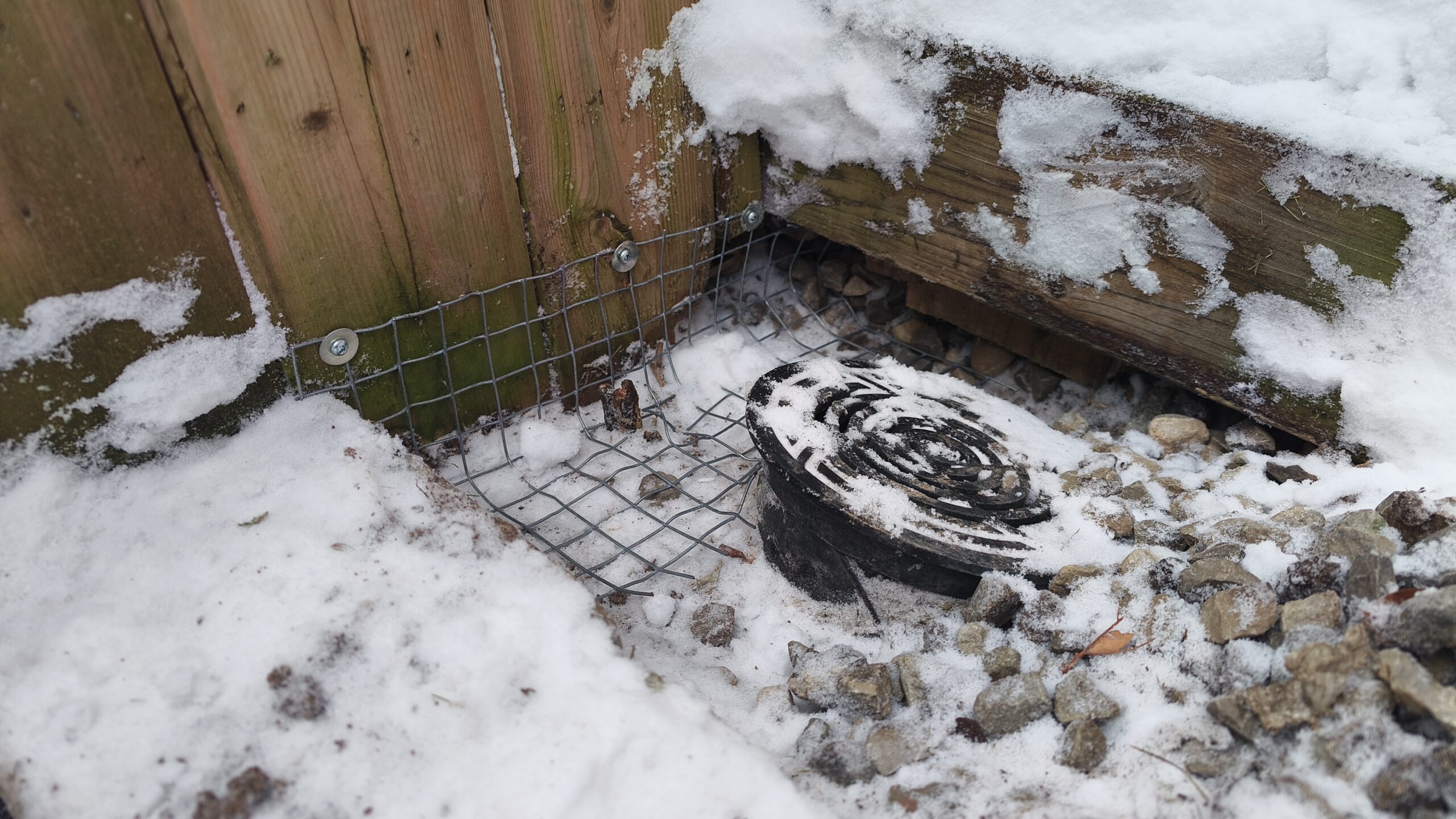
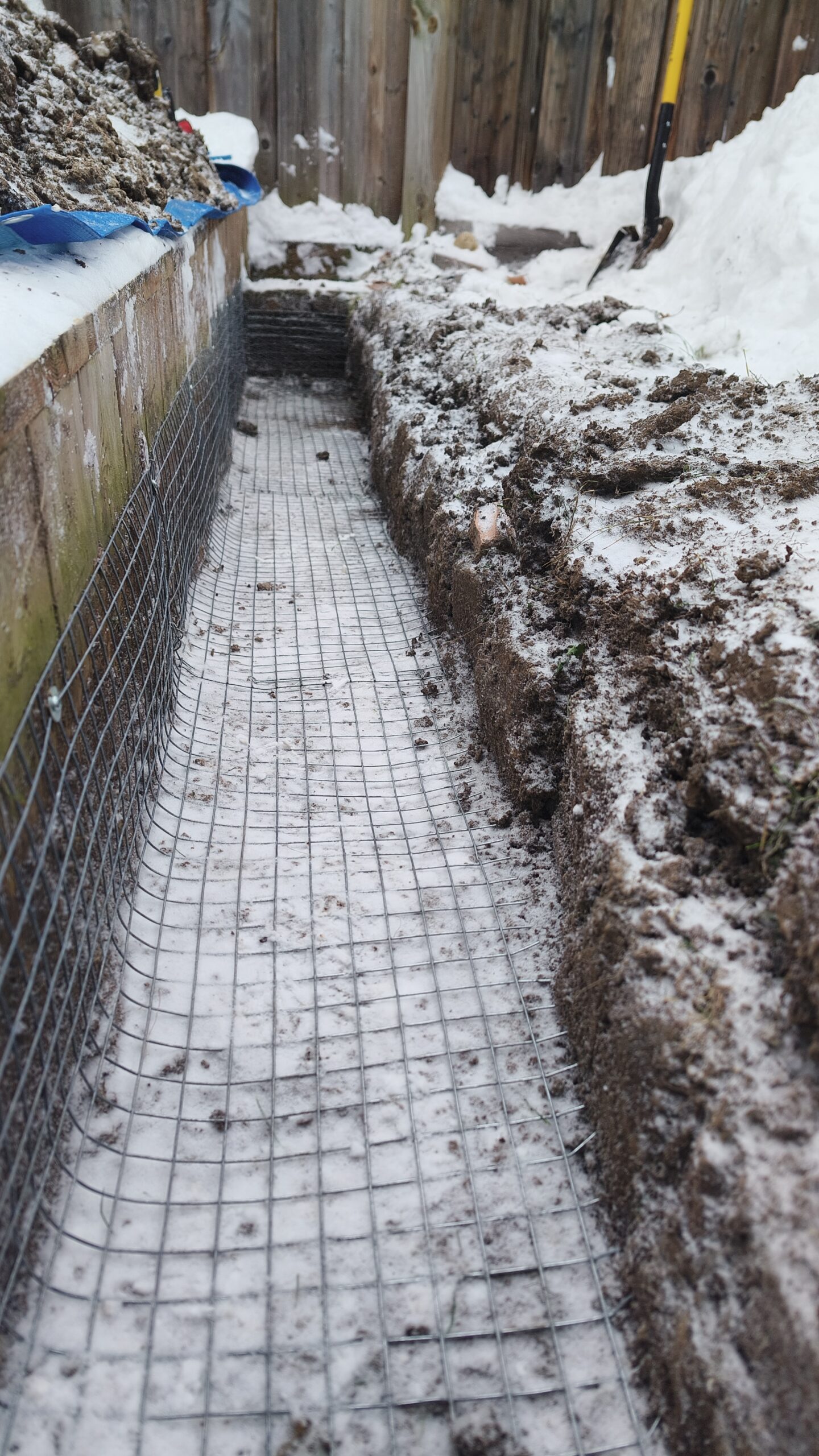
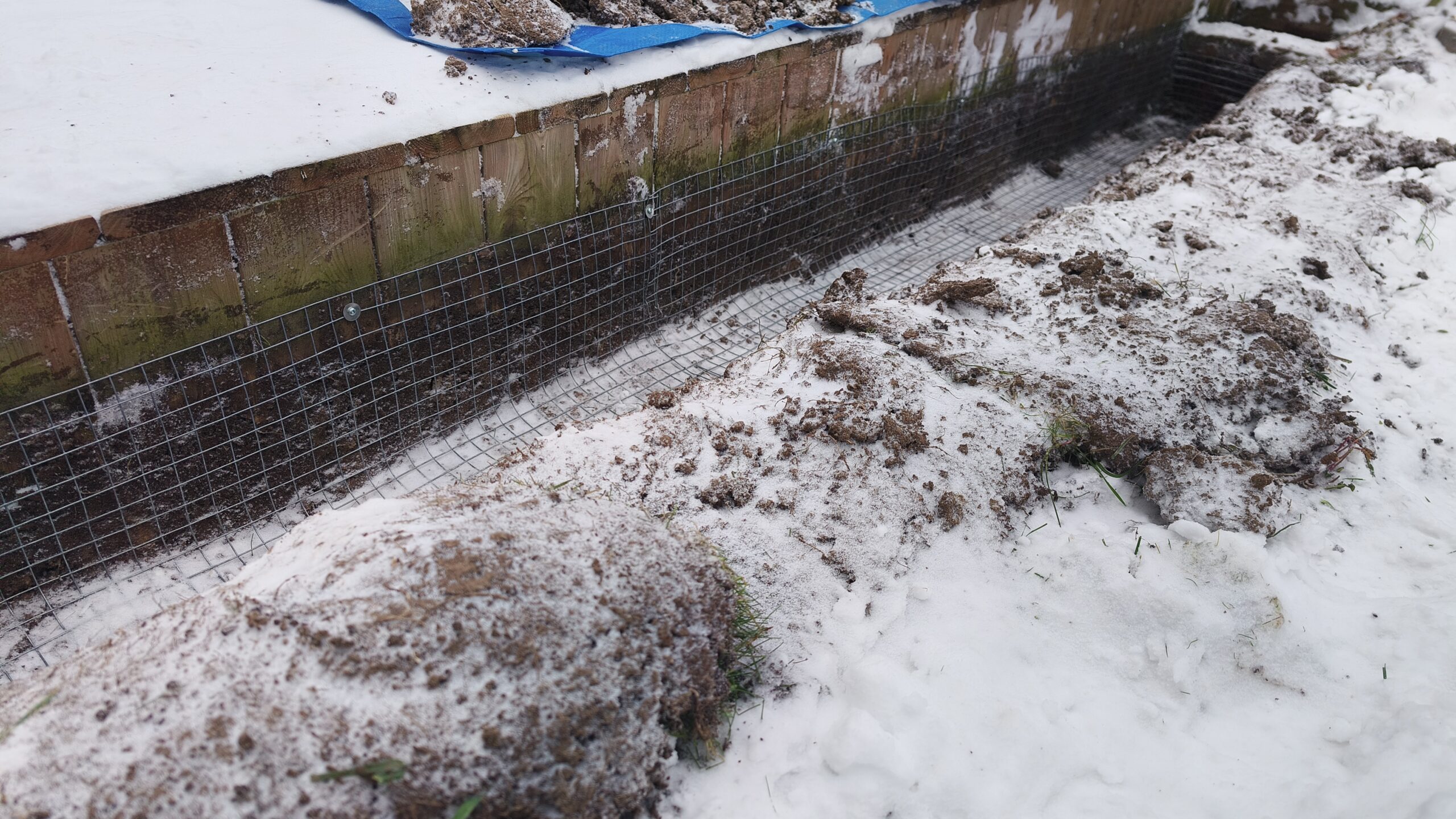
Removing the raccoon is only part of addressing a raccoon problem. Unless we identify and seal the openings that let raccoons into your home, these nuisance animals will come back. Our technicians carefully inspect homes to identify and seal access points. This may include securing roof vents, repairing soffits, screening openings, and wildlife-proofing key areas of the property.
Additionally, our team will help identify the conditions that attracted raccoons to your building in the first place. From unsecured waste bins to vulnerable roof sections, we’ll provide practical ways to help reduce the risk of future wildlife activity in your home. For instance, trimming tree branches near your roof and habitat modifications are effective preventive measures against raccoons.
Cost of Removing a Raccoon from a Building
Residential and commercial property owners in Burlington pay varying costs for raccoon removal, depending on several factors. These factors include how the animals entered the property, whether kits are present, the extent of the damage, and the prevention measures needed to stop future invasions. Therefore, you should request a free quote if you need wildlife removal services.
Here are the estimated costs of raccoon removal services in Burlington.
Service Category
Estimated Costs
Inspection and initial assessment
Free
Humane raccoon removal process
$300 – $700
Entry point sealing and repairs
$150 – $600
Attic cleanup and restoration
$500 – $2,000+
Leave Wildlife Control to Experts
It’s not uncommon for homeowners to initially attempt to remove raccoons from their houses themselves. They often use traps and other options. Unfortunately, these attempts to remove animals often fail. Raccoons are nocturnal and agile climbers with strong paws. They are also intelligent, aggressive when cornered, and can enter your home through small openings.
Thus, a seemingly minor mistake during raccoon removal can lead to re-infestation. Another reason DIY attempts fail is that raccoons give birth to litters of two to five kits. Though they reproduce only once a year when undisturbed, their babies complicate the removal process. Contact us if you need help removing various animals from your property.
Frequently Asked Questions
-
Why do raccoons keep returning to the same property after removal?
Raccoons are creatures of habit and will often return to locations where they previously found shelter or food. If entry points remain open or food sources such as garbage bins, pet food, or fruit tree branches remain accessible, the property may continue to attract wildlife. -
Why are raccoons so common in Burlington?
Burlington’s mature neighbourhoods, extensive tree canopy, waterfront areas, ravines, creek corridors, and proximity to the Niagara Escarpment create ideal conditions for raccoons. These natural features allow wildlife to move easily between habitats and residential communities. -
Are raccoons dangerous to pets?
Most raccoons avoid confrontation, but they can become defensive if cornered or protecting their young kits. They may also carry parasites and diseases that pose risks to pets. It is always best to keep pets away from areas where raccoon activity is suspected and leave removal to professionals. -
When is raccoon season in Burlington?
Raccoon activity occurs year-round, but the busiest periods are typically between March and May when females search for nesting sites to raise their kits, and between October and December when raccoons seek warm shelter for winter denning. -
What happens if a raccoon has babies in my attic?
Raccoon mothers may choose warm, protected attic spaces to raise their young, and your attic is a prime target. Our technicians check for dependent young before completing exclusion work so that a mother is not separated from her babies, or animals are accidentally trapped in attics. -
Can raccoons get into my home through a small roof opening?
Yes. Raccoons can enlarge weak or damaged openings around soffits, fascia, roof vents, and other roofline areas to access attic spaces. An opening that appears too small to a homeowner may still become a usable entry point once a raccoon damages the surrounding materials. -
Will raccoon activity affect my attic insulation?
Raccoons may disturb, flatten, soil, or contaminate insulation while nesting and moving through an attic. If contamination is extensive, simply removing the animal may not be enough. The affected insulation and surrounding materials may also need professional assessment and restoration. -
Can raccoons get into garages, sheds, or crawlspaces?
Yes. Raccoons can use gaps around doors, vents, foundations, decks, and other low-level openings to access sheltered areas. These spaces can serve as temporary resting areas or routes to more protected locations, such as attics and wall cavities. -
Do raccoons live in wall cavities?
Yes. Raccoons can sometimes move from roofline openings into wall cavities or other concealed spaces. Scratching or movement inside walls can be difficult to locate from inside the home, so our team looks for exterior access points and signs of activity around the structure.
- What's Attracting Raccoons to Your Home?
- Clues that You Have a Raccoon Problem
- Prevent Structural Damage & Health Risks
- How Our Removal Process Works
- What if Raccoon Babies Are Present?
- Sealing Your Home to Prevent Re-entry
- Cost of Removing a Raccoon from a Building
- Leave Wildlife Control to Experts
- Frequently Asked Questions
- Why do raccoons keep returning to the same property after removal?
- Why are raccoons so common in Burlington?
- Are raccoons dangerous to pets?
- When is raccoon season in Burlington?
- What happens if a raccoon has babies in my attic?
- Can raccoons get into my home through a small roof opening?
- Will raccoon activity affect my attic insulation?
- Can raccoons get into garages, sheds, or crawlspaces?
- Do raccoons live in wall cavities?







Our service areas
…by providing award winning customer service to each and every single client.
- Hamilton
- Burlington
- Milton
- Stoney Creek
- Niagara Falls
- St. Catharines
- Brampton
- London
- Mississauga
- Oakville
- Toronto
- Brantford
Call or Email Us
Reach Out To Us For Inquiries, Support, Or Partnership Opportunities, We’re Here To Assist.

-

Satisfaction Guarantee
Your satisfaction is our priority. We stand by our work and ensure high-quality service.
-

15 Years Experience
Our team has been providing efficient and humane wildlife removal services for over 15 years.
-

WSIB & Insured
Licensed, insured and trained professionals with efficient technology to get the job done right.