
Bat Removal in St. Catharines for Homes, Churches, and Barns
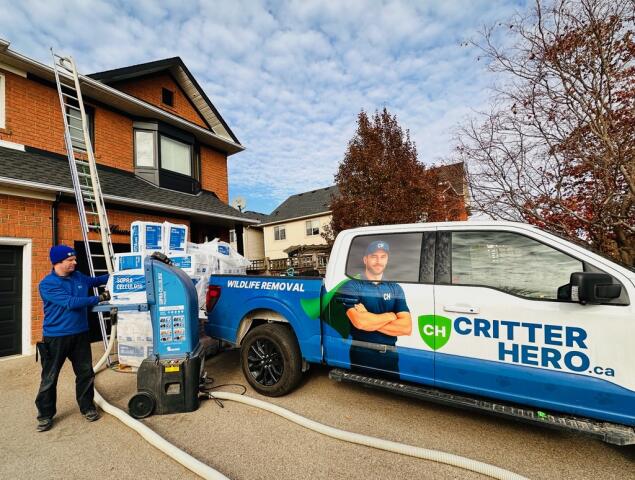
The Niagara Escarpment, the Twelve Mile Creek valley, and the brick of old St. Catharines give bats what they need: insects over the water at dusk and a warm roost a short flight away. Our wildlife removal technicians have excluded colonies from local houses, church attics, and canal-era outbuildings for over 15 years, inside the legal window and with the roofline sealed behind the last bat.


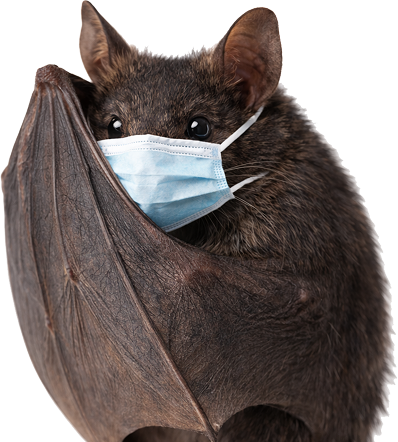
Bat Exclusion With St. Catharines Buildings in Mind
Ontario’s recovery strategy states plainly that maternity habitat for the endangered little brown myotis consists primarily of buildings, and the Garden City has an unusual supply of the right ones. Downtown churches with steeples, the pre-war brick of Merritton and Western Hill, and the barns toward Short Hills all offer the entry points and stable temperatures a colony returns to for decades. Residents bring that work to our crew for a few reasons.
- Our technicians are certified for wildlife control by the Ontario Ministry of Natural Resources and Forestry and schedule every exclusion outside the province’s May 15 to July 31 maternity period, when flightless pups are in the roost.
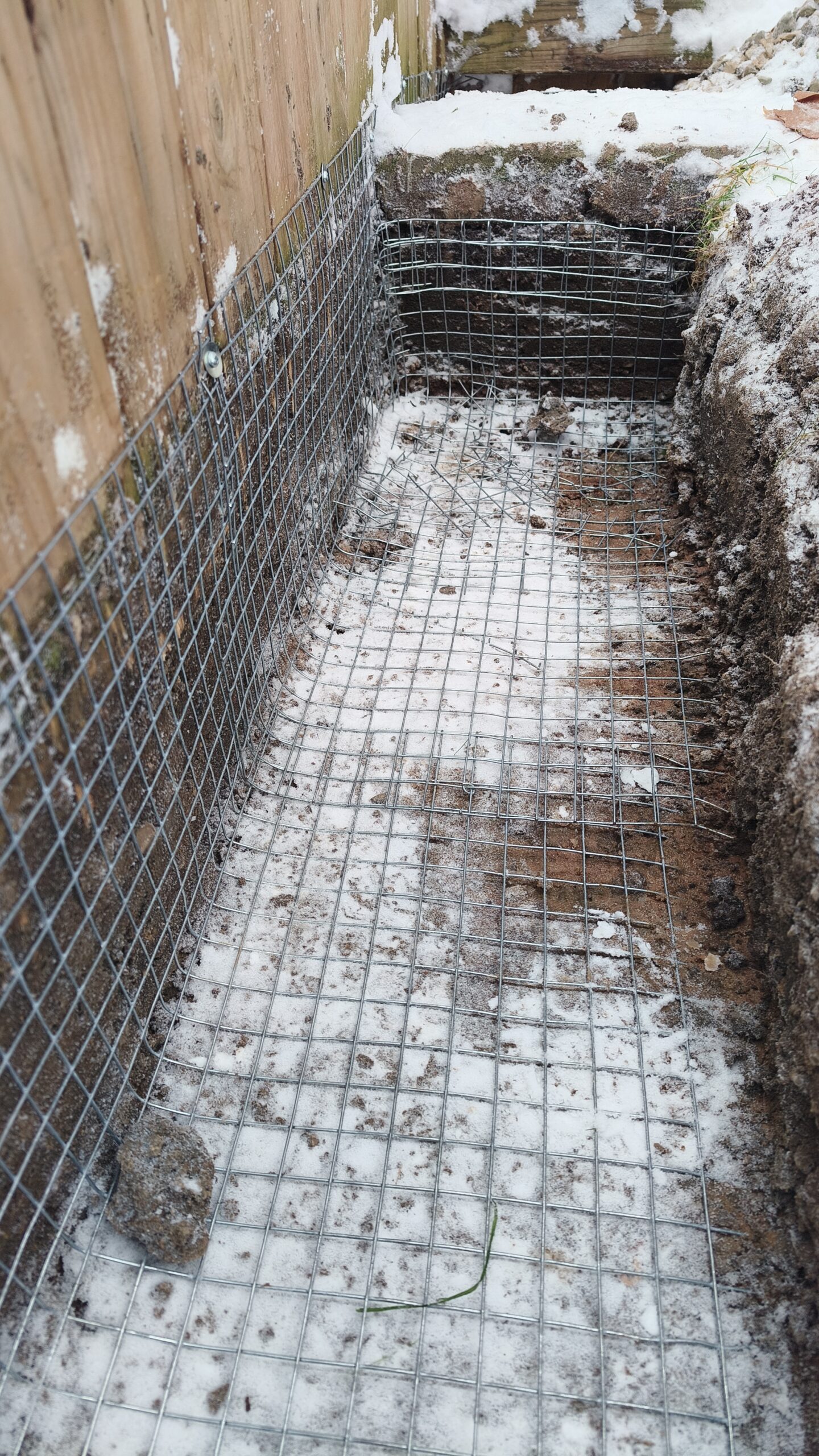
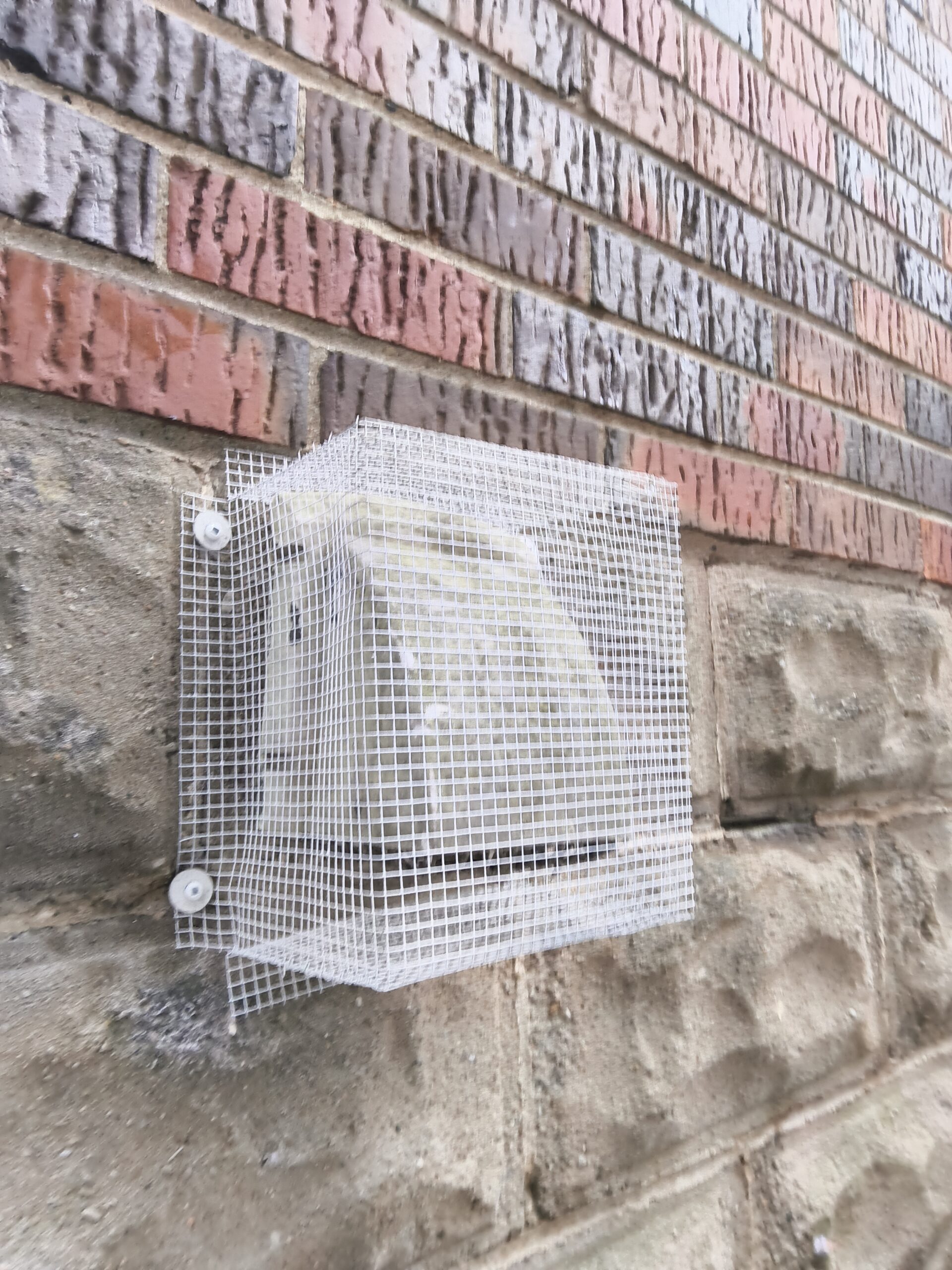
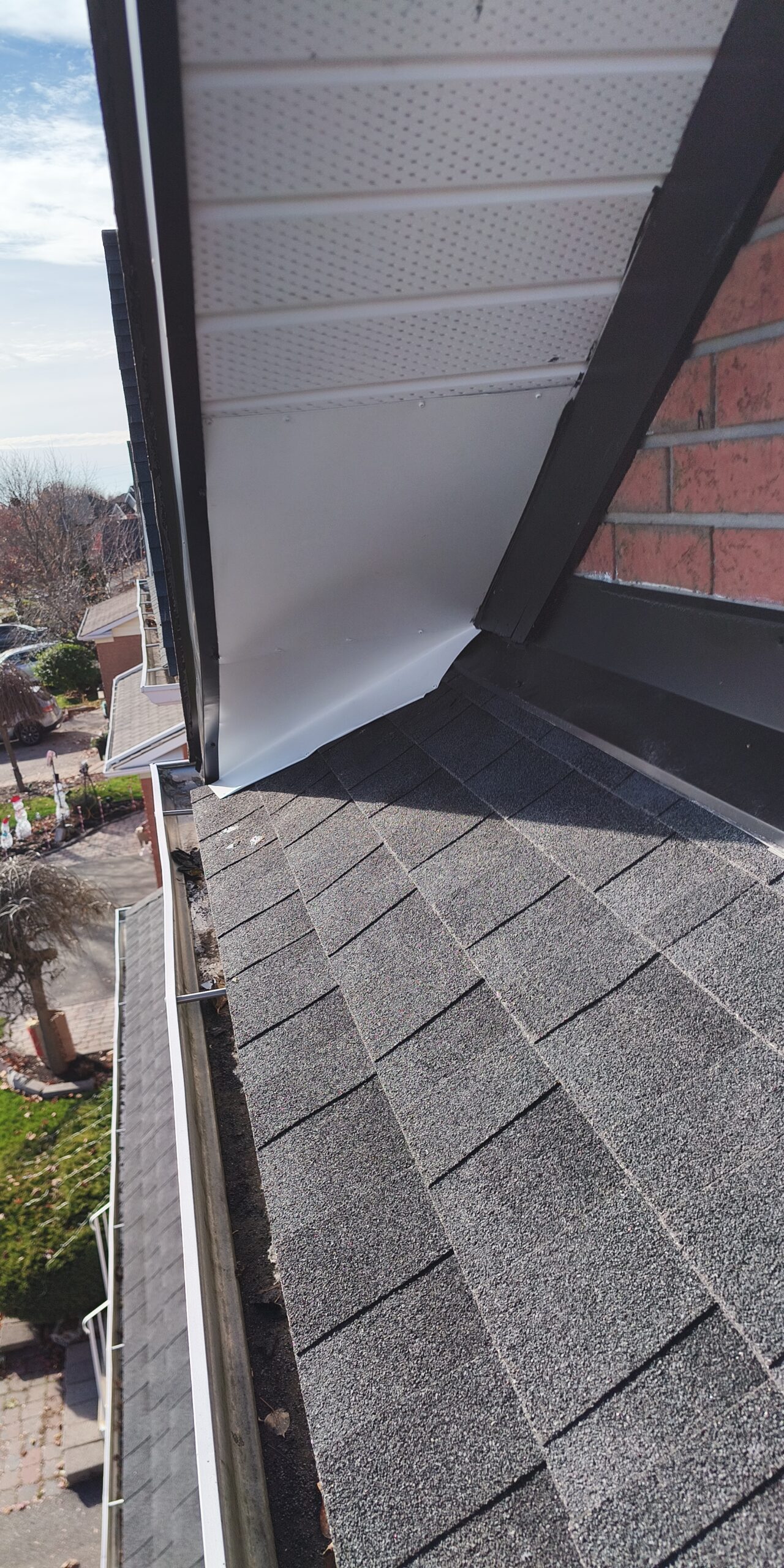
- We treat steeples, dormers, and brick parapets as the specialist jobs they are, and seal the whole building rather than the easy half, because a colony needs one gap left open.
- Our Satisfaction Guarantee covers the sealing. If bats get back into a section we closed, we come back and close it properly.
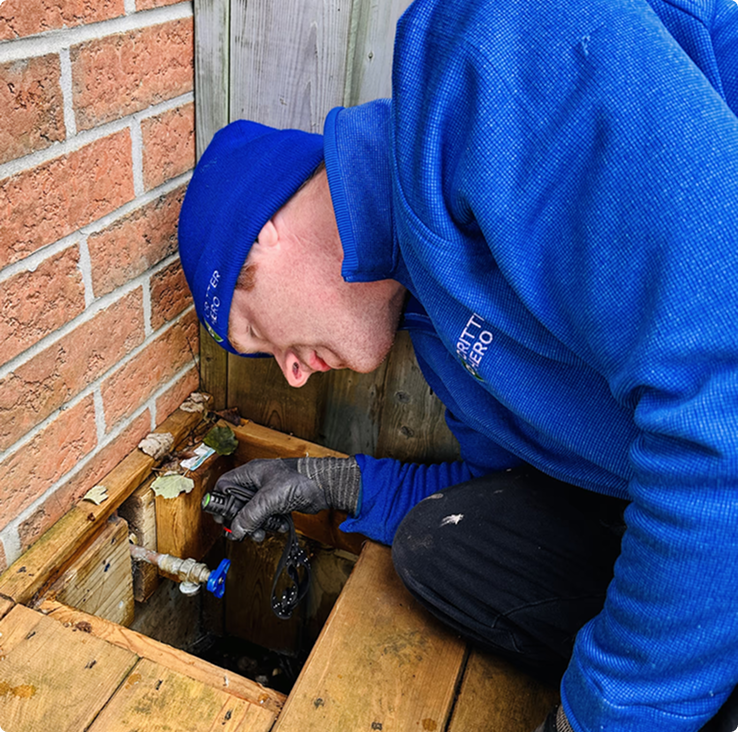
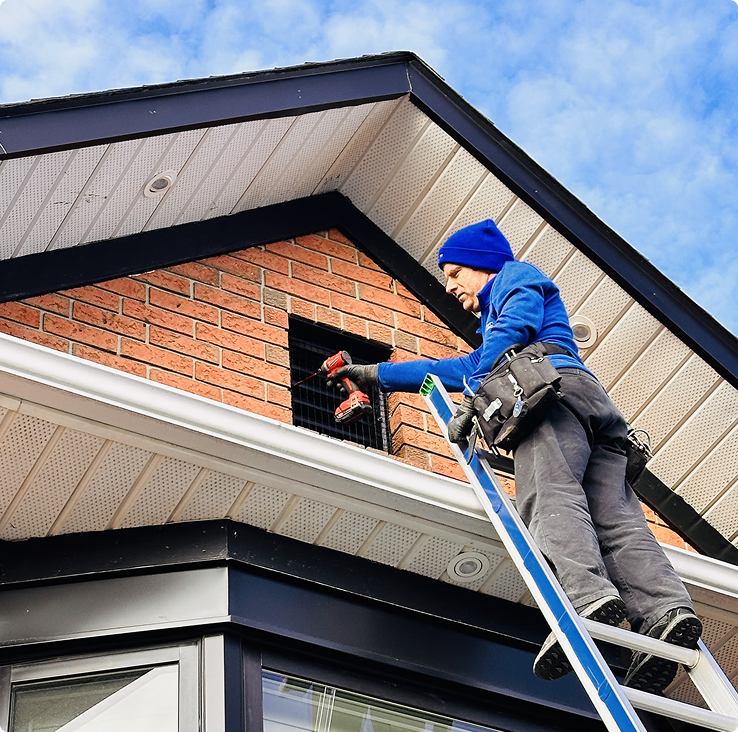
What Our Bat Crew Does
Bat colonies moved out of St. Catharines buildings legally and permanently, with no bat harmed and no gap left open.
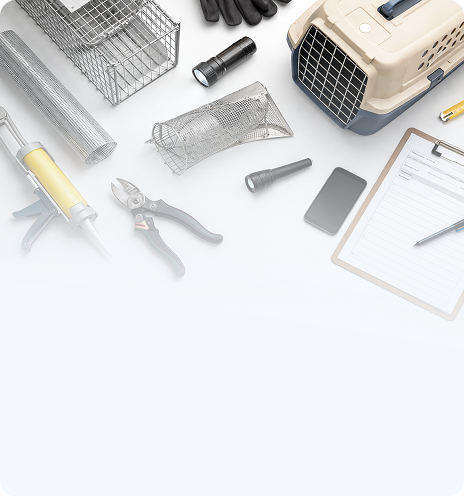
A church attic or barn can hold hundreds of big brown bats. We identify every exit with a dusk count before quoting, so the exclusion covers the whole colony instead of chasing it gable to gable.
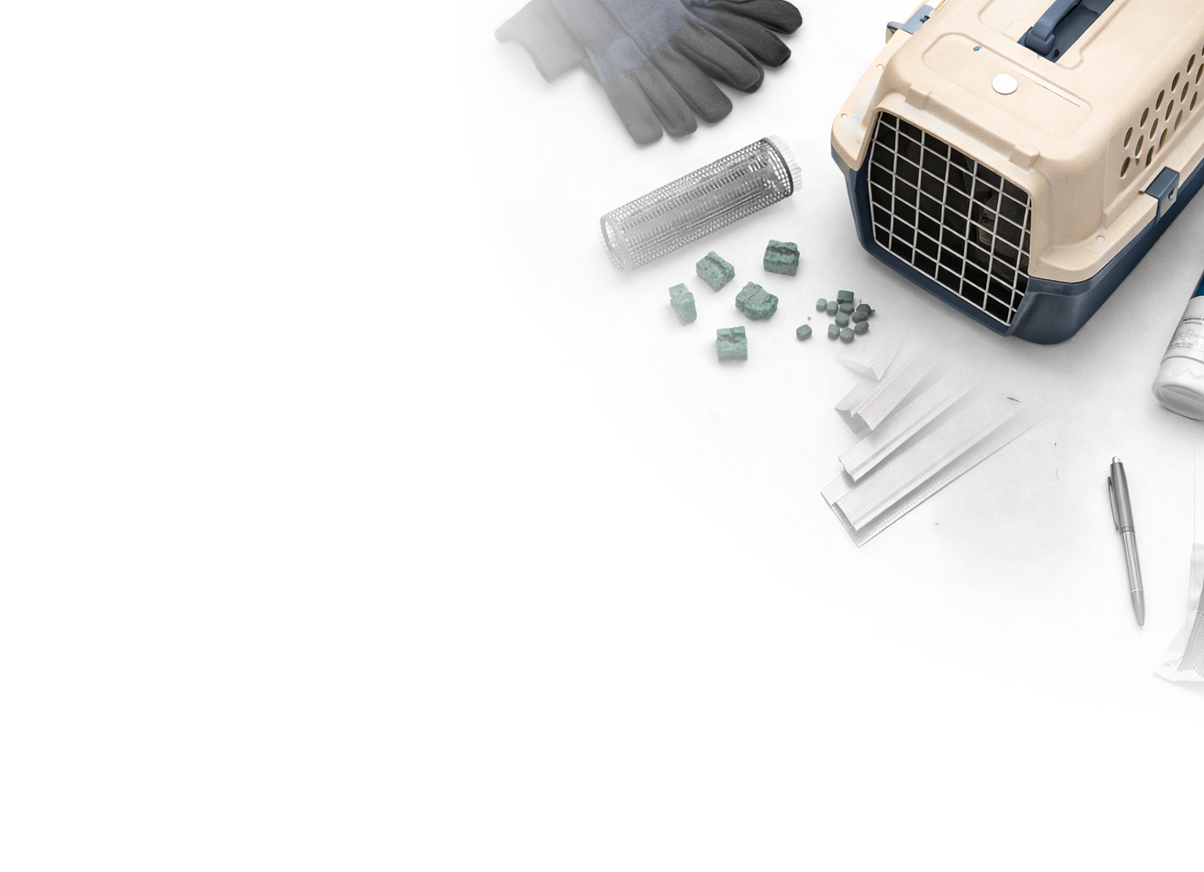
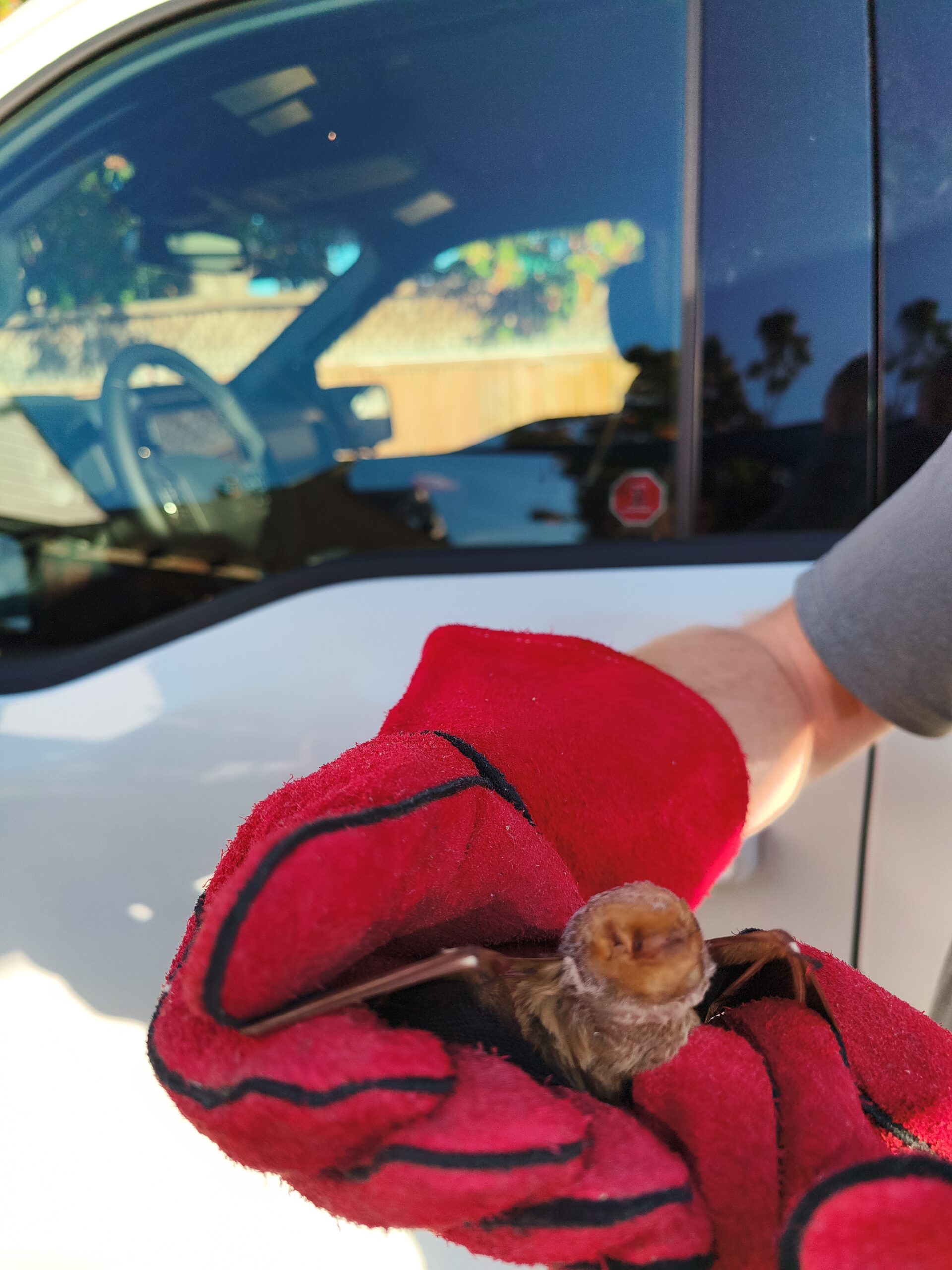
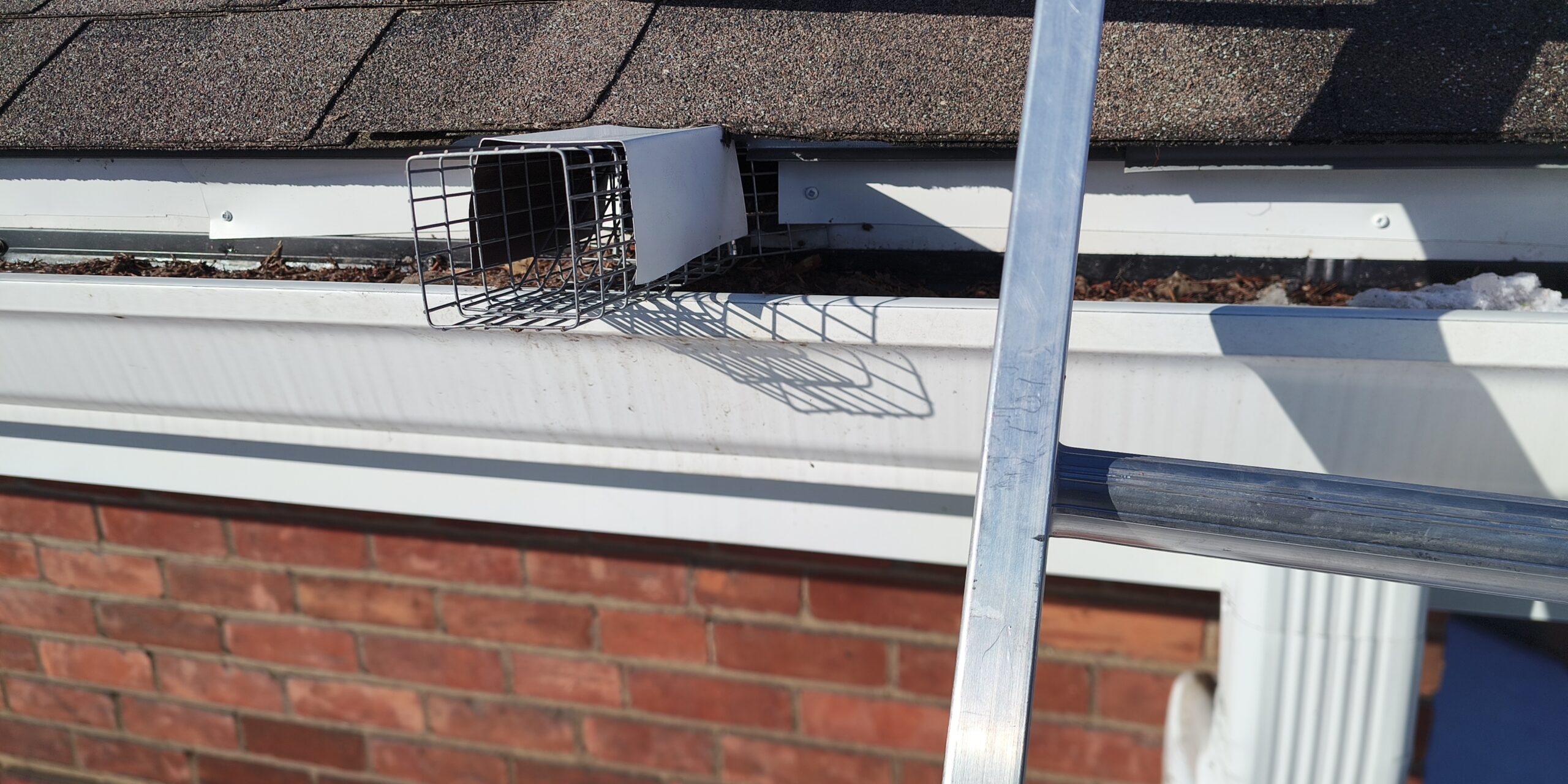
One-way tubes over the active gaps let bats drop out at dusk and stop them landing back in. Raccoons and squirrels chew their way in and can be trapped; bats cannot, so no traps, nets, or poison go near the job.
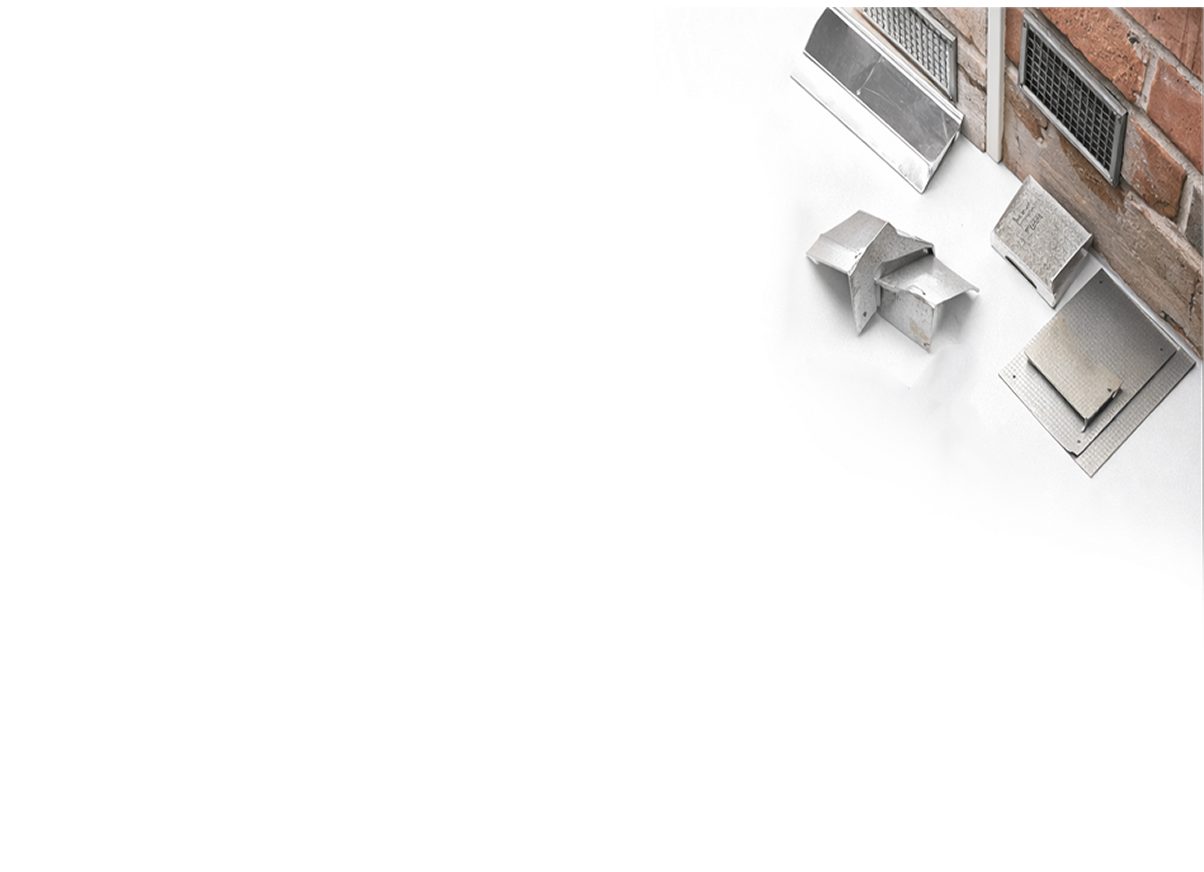
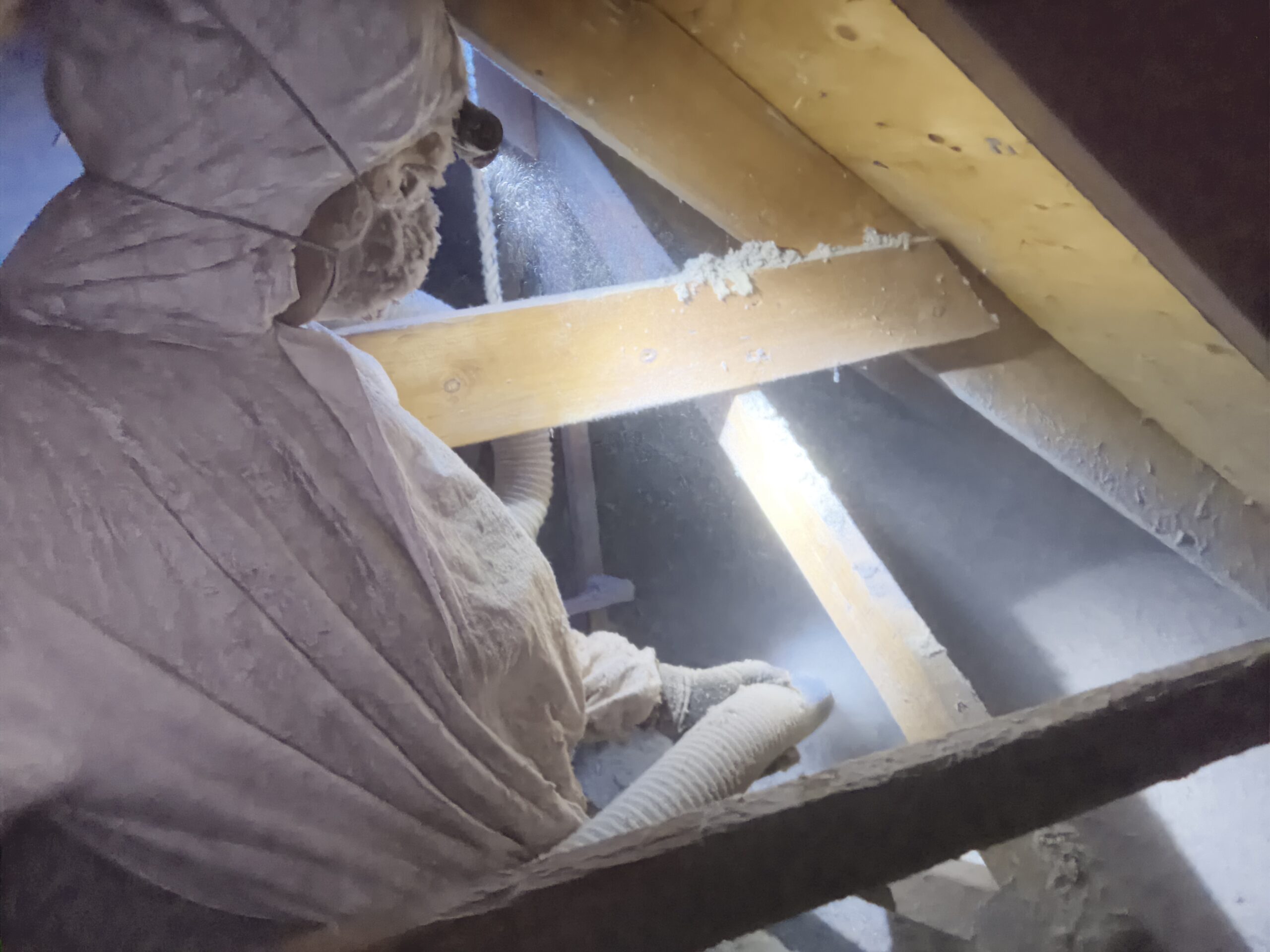
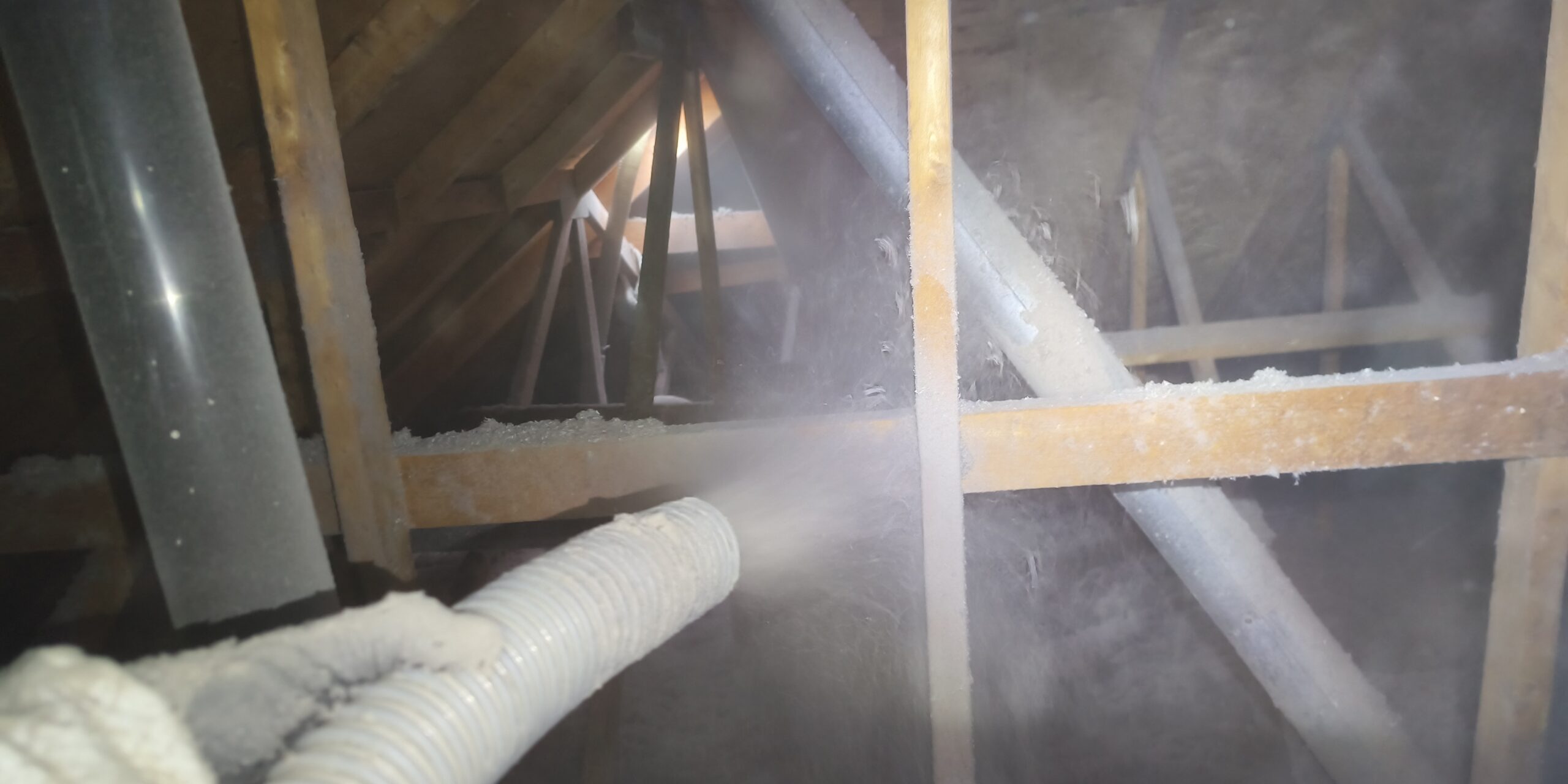
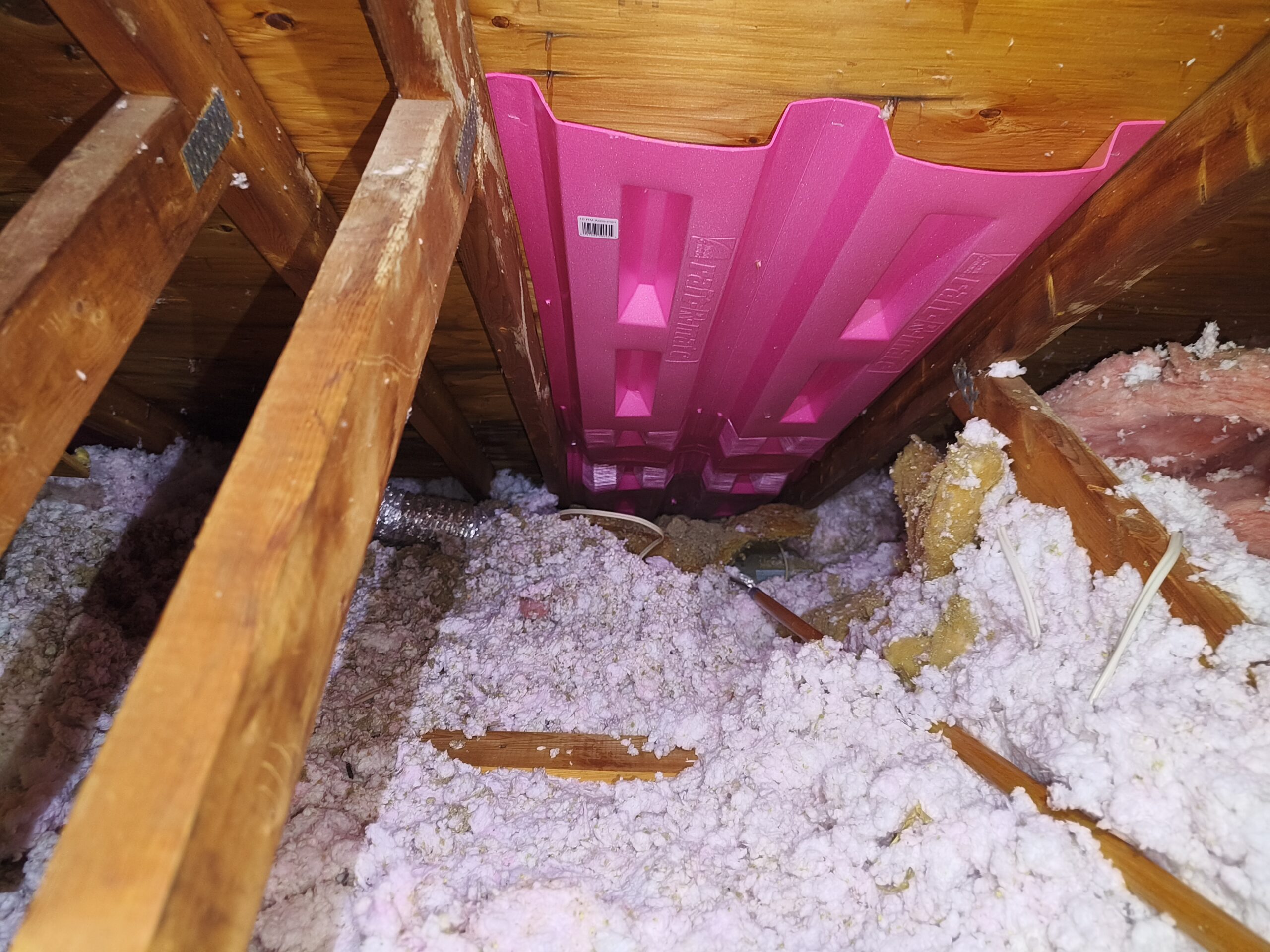
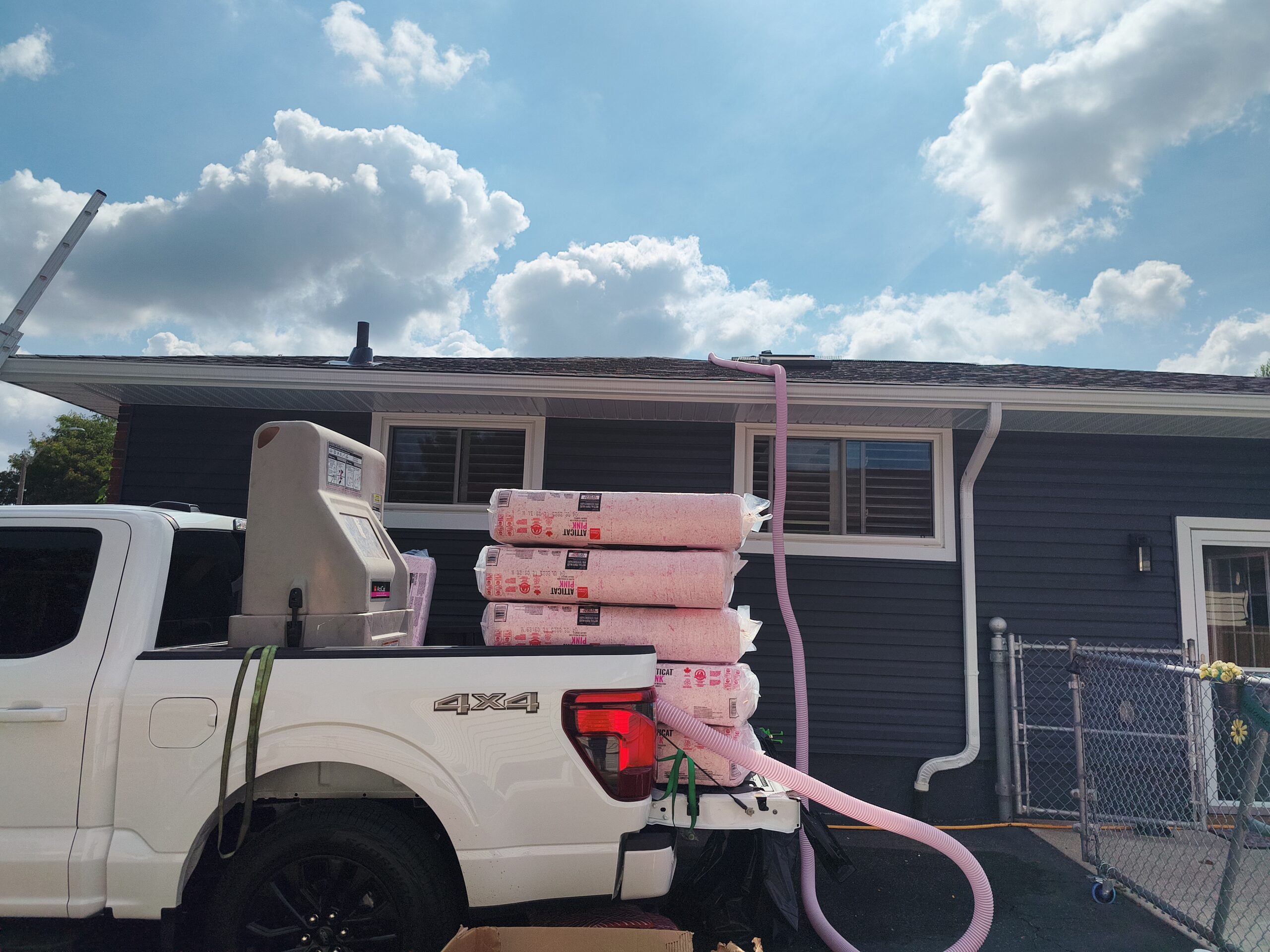
Once the roost is empty we remove droppings from the attic or wall, disinfect, and replace soaked insulation, because dried guano dust carries the fungus behind histoplasmosis.


Why Bats Roost in St. Catharines
Feeding grounds come first. The escarpment above DeCew Falls, the Twelve Mile Creek valley through Burgoyne Woods, Martindale Pond, and the shore at Port Dalhousie all produce clouds of insects on summer evenings, and a big brown bat eats up to half its body weight in a night. That food is most abundant where the city’s older gardens and tree cover meet the water, so a roost within a kilometre of it is worth returning to yearly.
Roost supply is the second half, and the canal wrote it. Port Dalhousie holds the entry locks of all three early Welland Canals, built in 1826, 1848, and 1885, plus an 1845 jail and customs house, inside a heritage district designated in 2003 with stock from the 1820s to the 1930s. Add the brick parapets, deep soffits, and unlined chimneys of downtown and Merritton, and the city offers more century-old cavities per block than anywhere in Niagara.
Signs a Colony Is in the Building
You will see the evidence outside long before you hear anything inside. Bats are nocturnal and quiet, the urban wildlife most people never see, so homeowners meet the colony one bat at a time, when a single animal follows a wall cavity into a bedroom, often on a mild winter night while the rest hibernate in the wall. These five signs mark an established roost.
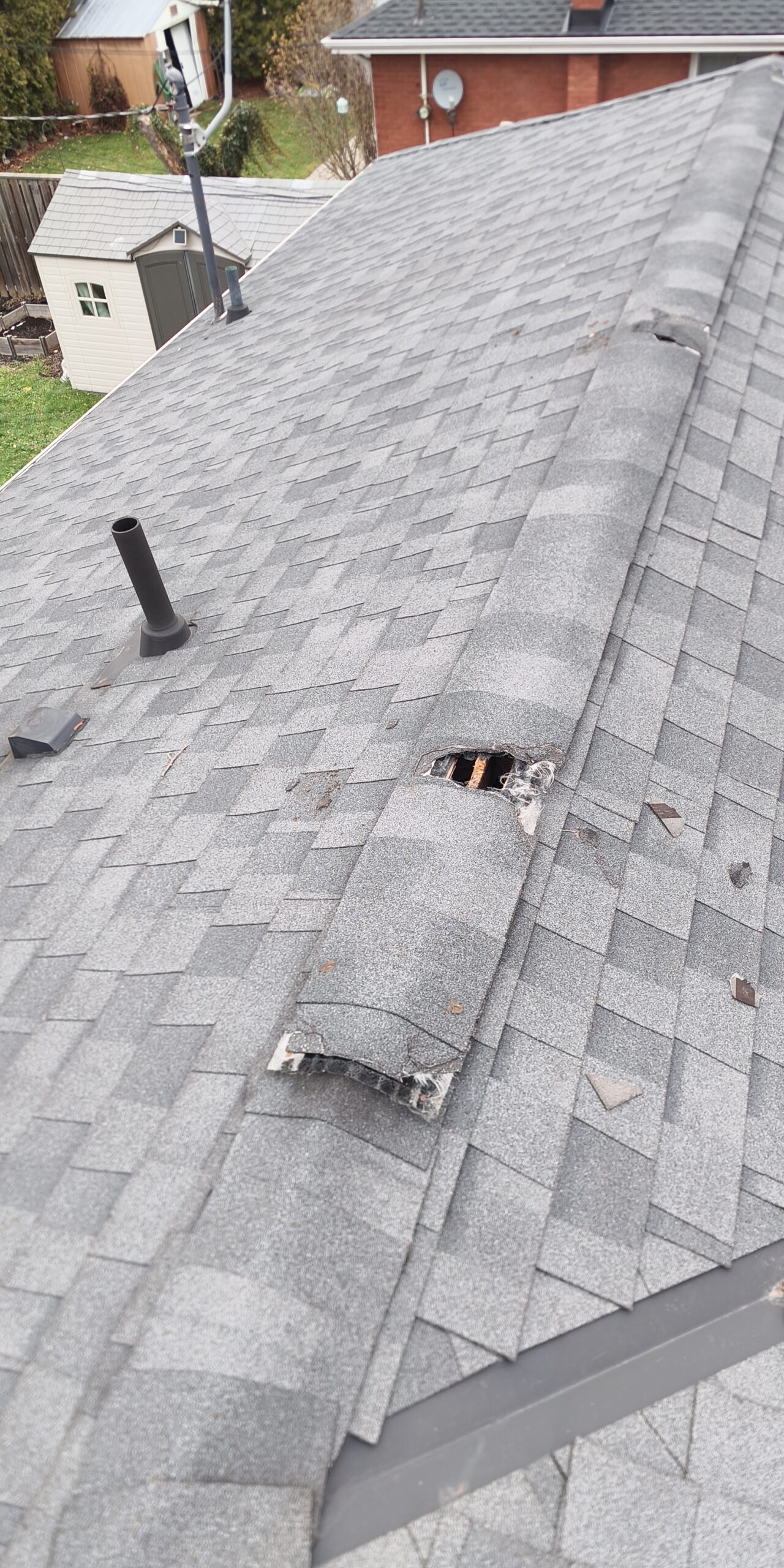
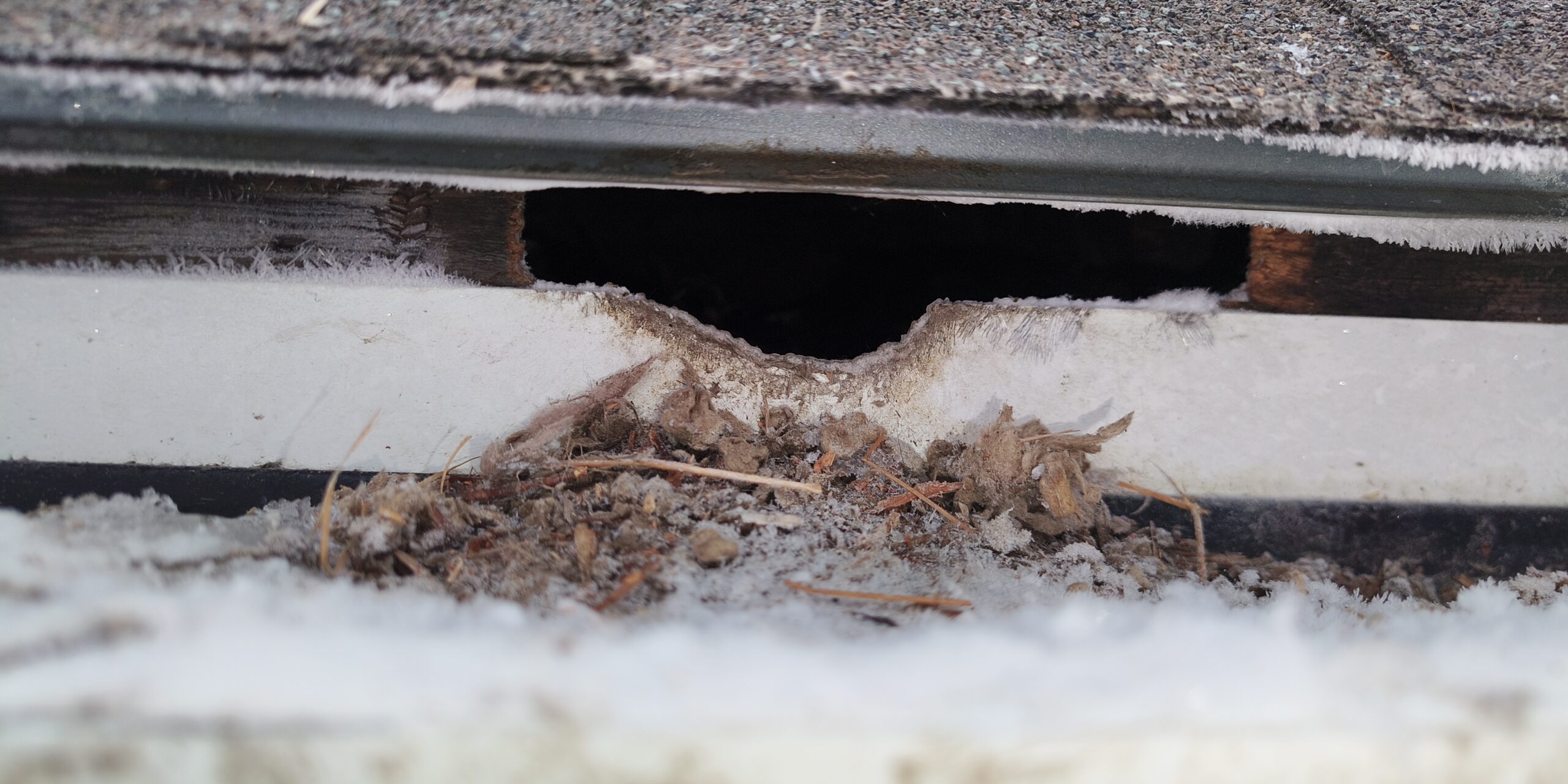
- A dark, oily stain at a soffit gap, a brick joint, the chimney flashing, or the louvres of a steeple, the clearest evidence of animal entry
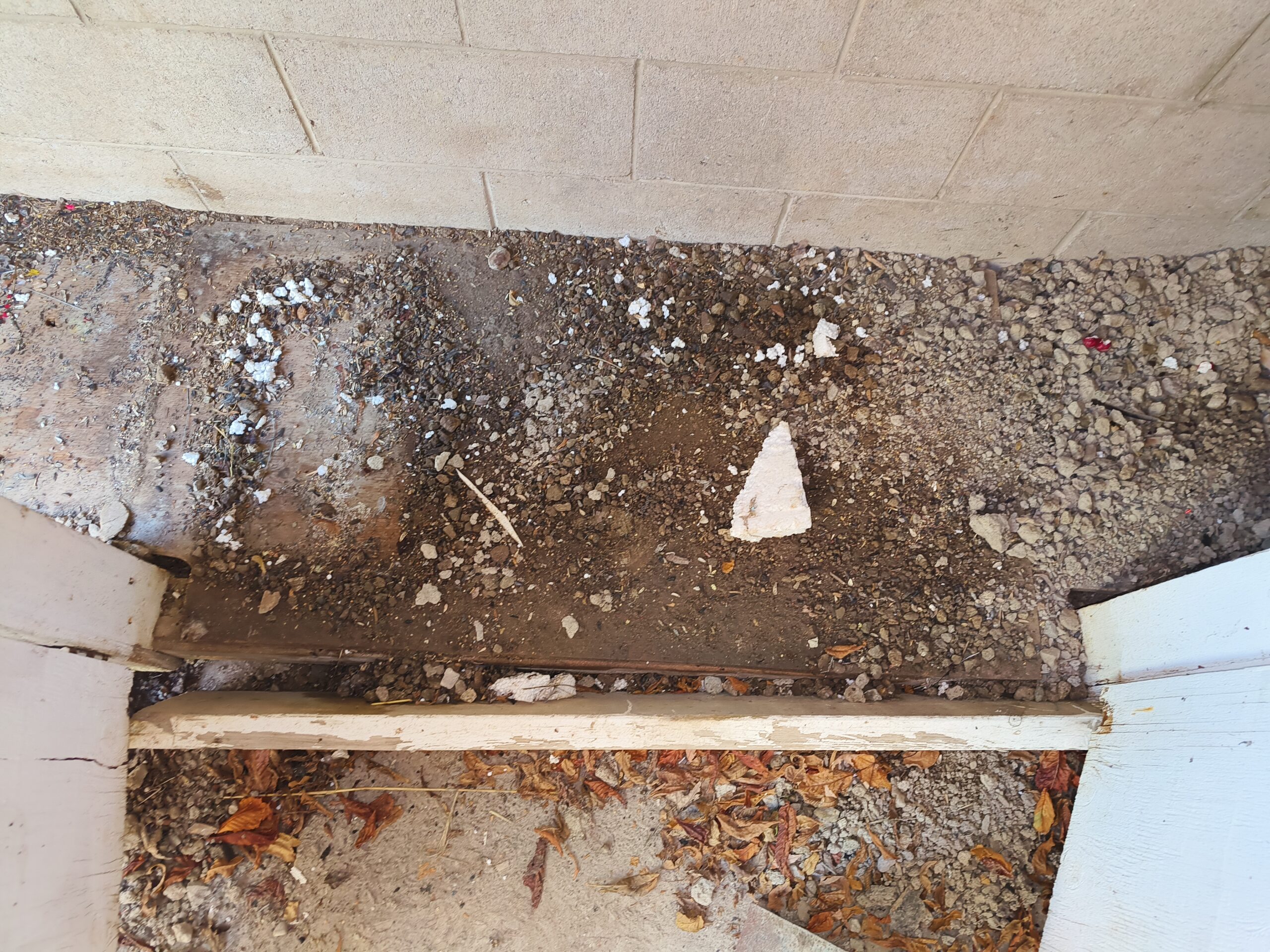
- Small, crumbly droppings that crush to dust and glitter with insect parts below the exit point
- Bats leaving one spot on the building in a steady stream in the half hour after sunset
- Thin, high squeaking from a wall or ceiling on hot July afternoons when the roost is crowded
- An ammonia smell inside a wall or attic that gets stronger in humid weather
Where St. Catharines Colonies Roost
Wall cavities behind brick veneer are first, steeples and attics second, barns and drive sheds third. Bats build no nests, so the signs are stains and droppings rather than material dragged in, which is how the wrong company misses them. Big brown bats prefer the narrow, warm space between brick and framing to an open attic, and in the older parts of the city that space runs from foundation to eaves.
The louvred bell towers of downtown churches, the peaked attics of century homes, and the barn lofts toward Short Hills hold summer maternity colonies, and they shelter more animals per building than anything else we work on. Little brown bats, now endangered, turn up in those barns and drive sheds, while big brown bats take the houses and churches.
Our Bat Exclusion Process
Count and map, fit tubes and seal the rest, then remove the tubes and clean. The calendar decides when each step happens, and the order never changes.
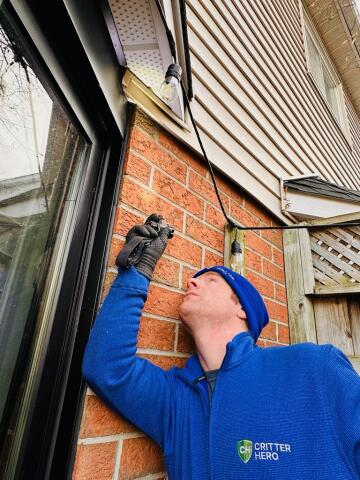
Count and map: At dusk we count bats leaving the building to determine every exit, then assess the roof, chimney, brick joints, and louvres by day and mark every gap wider than about one centimetre.
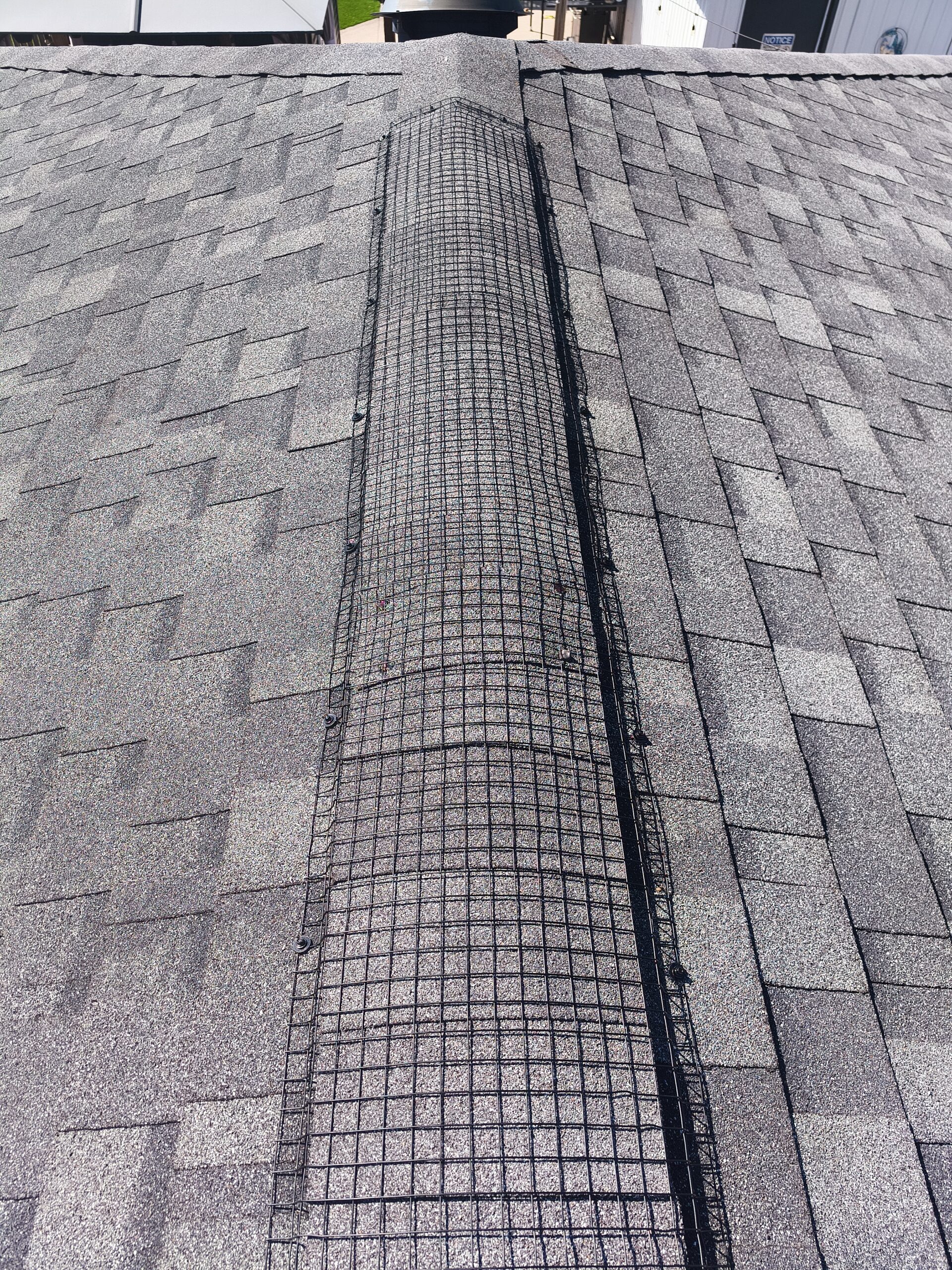
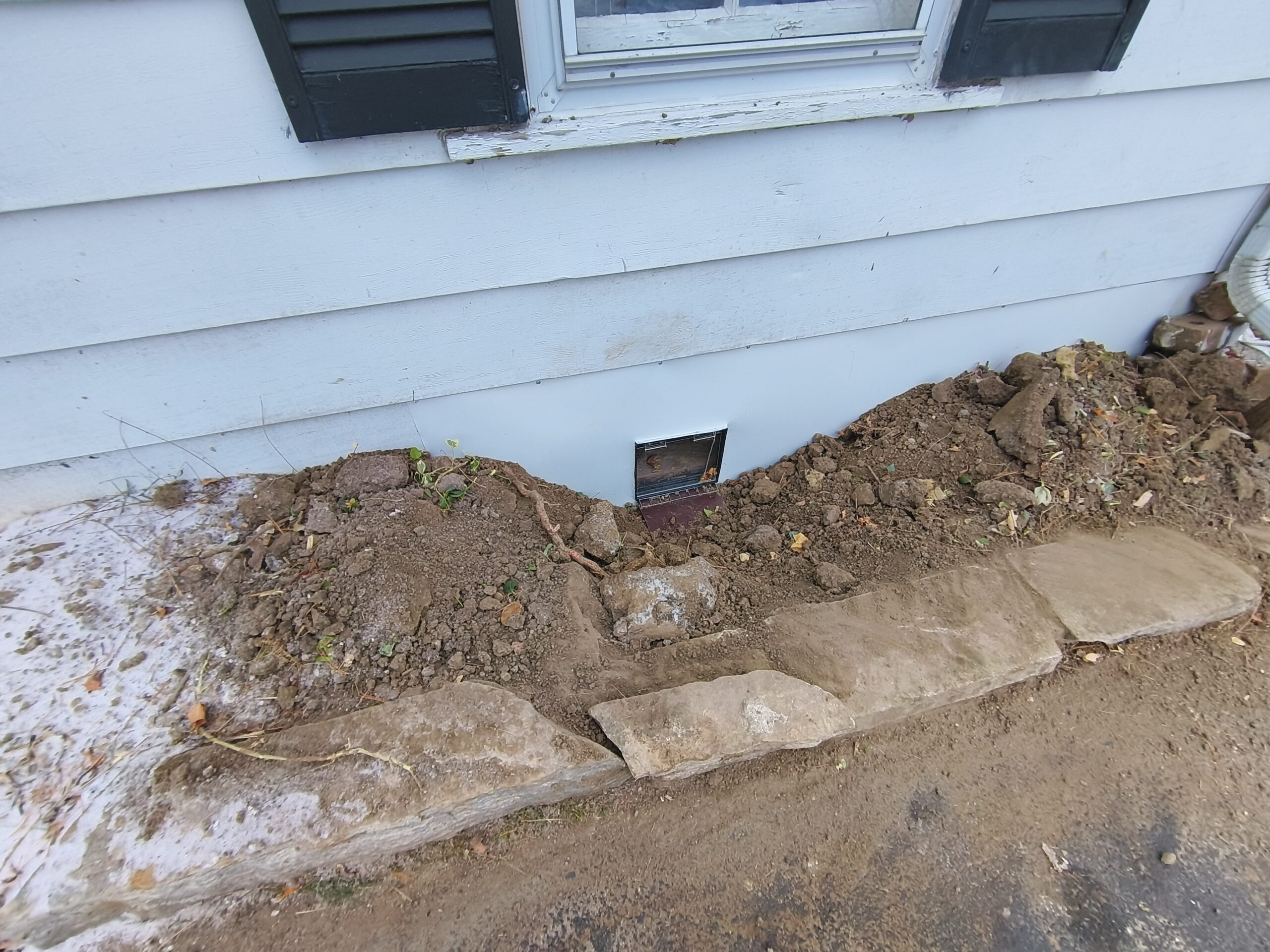
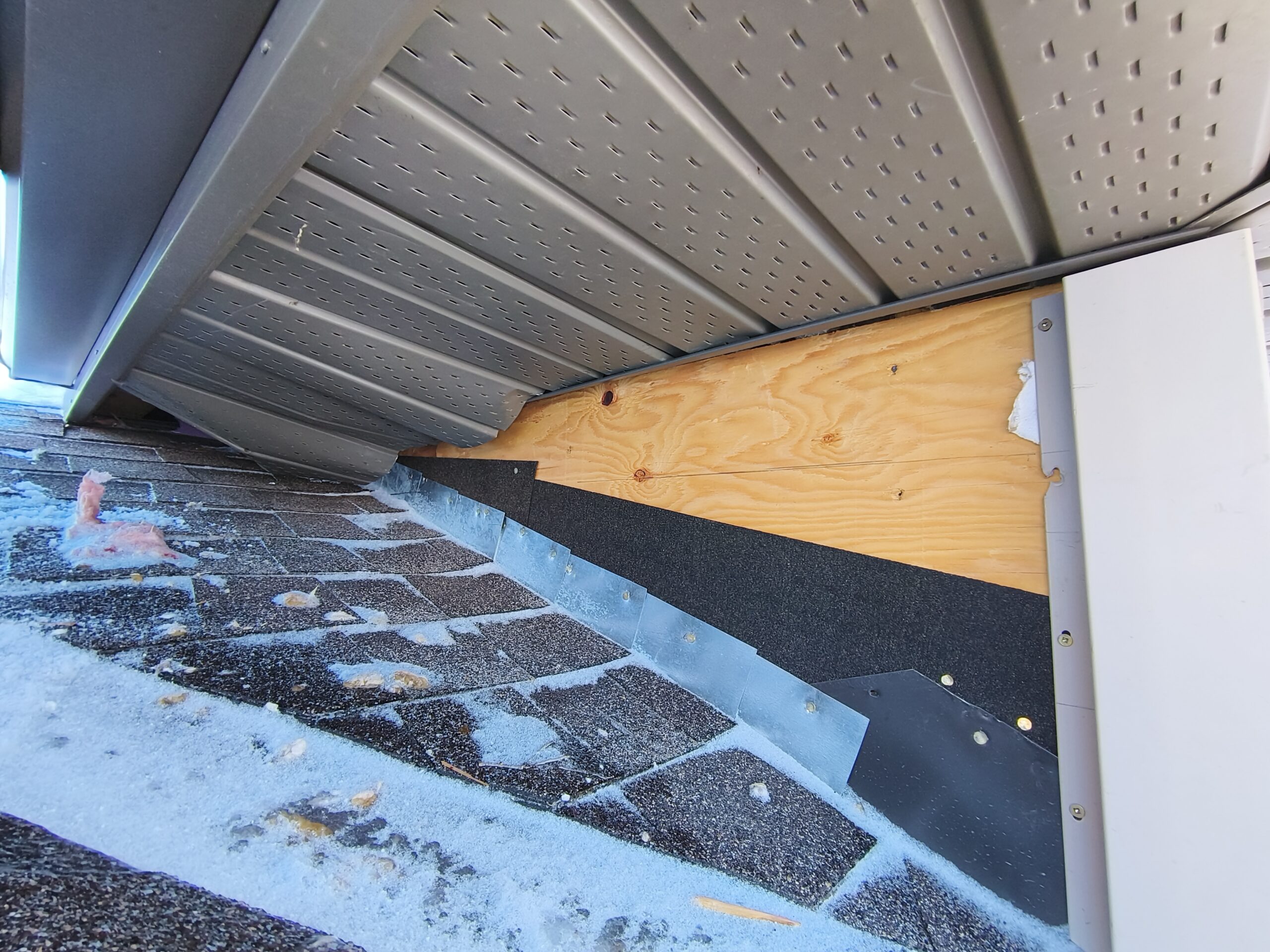
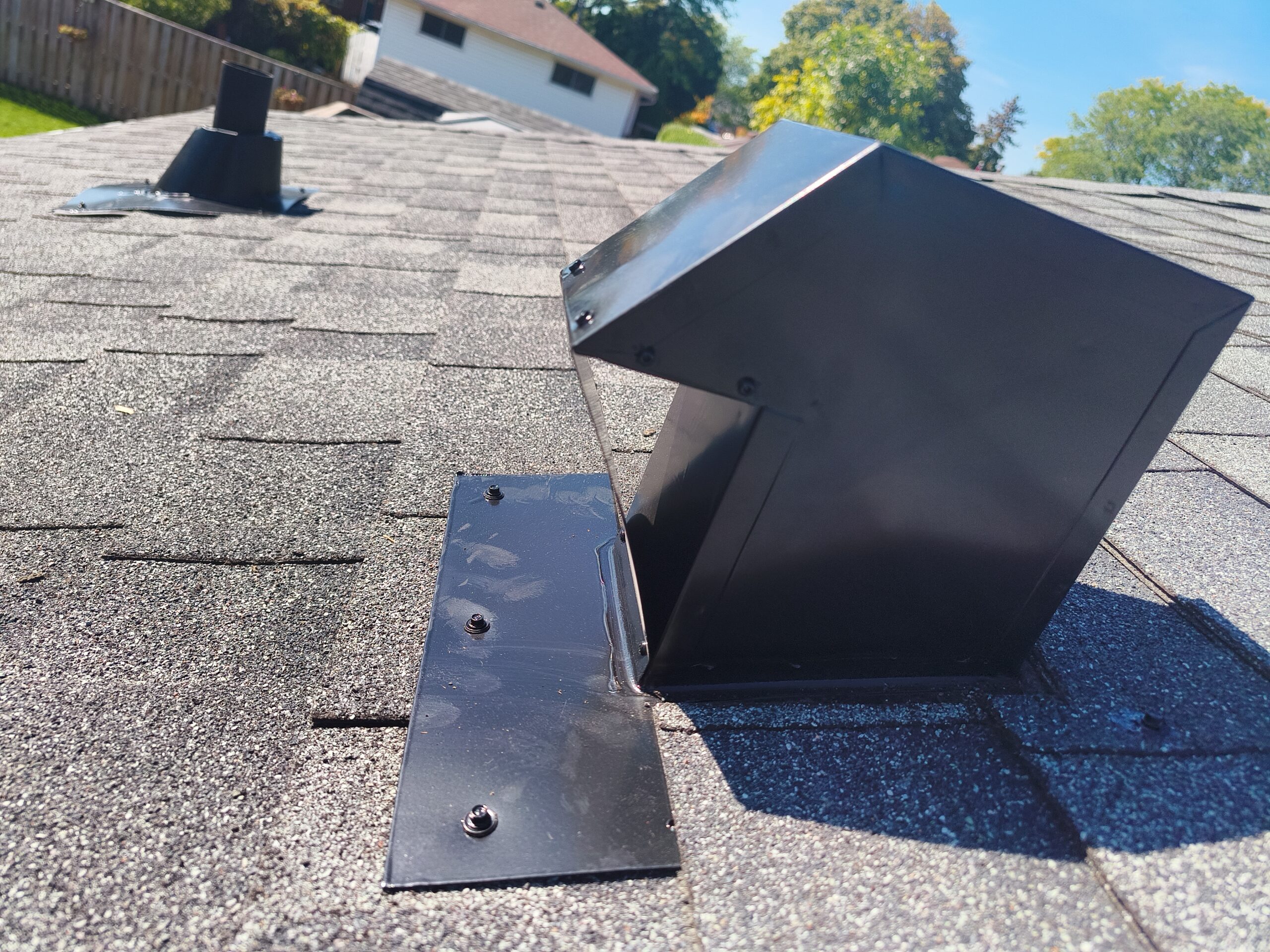
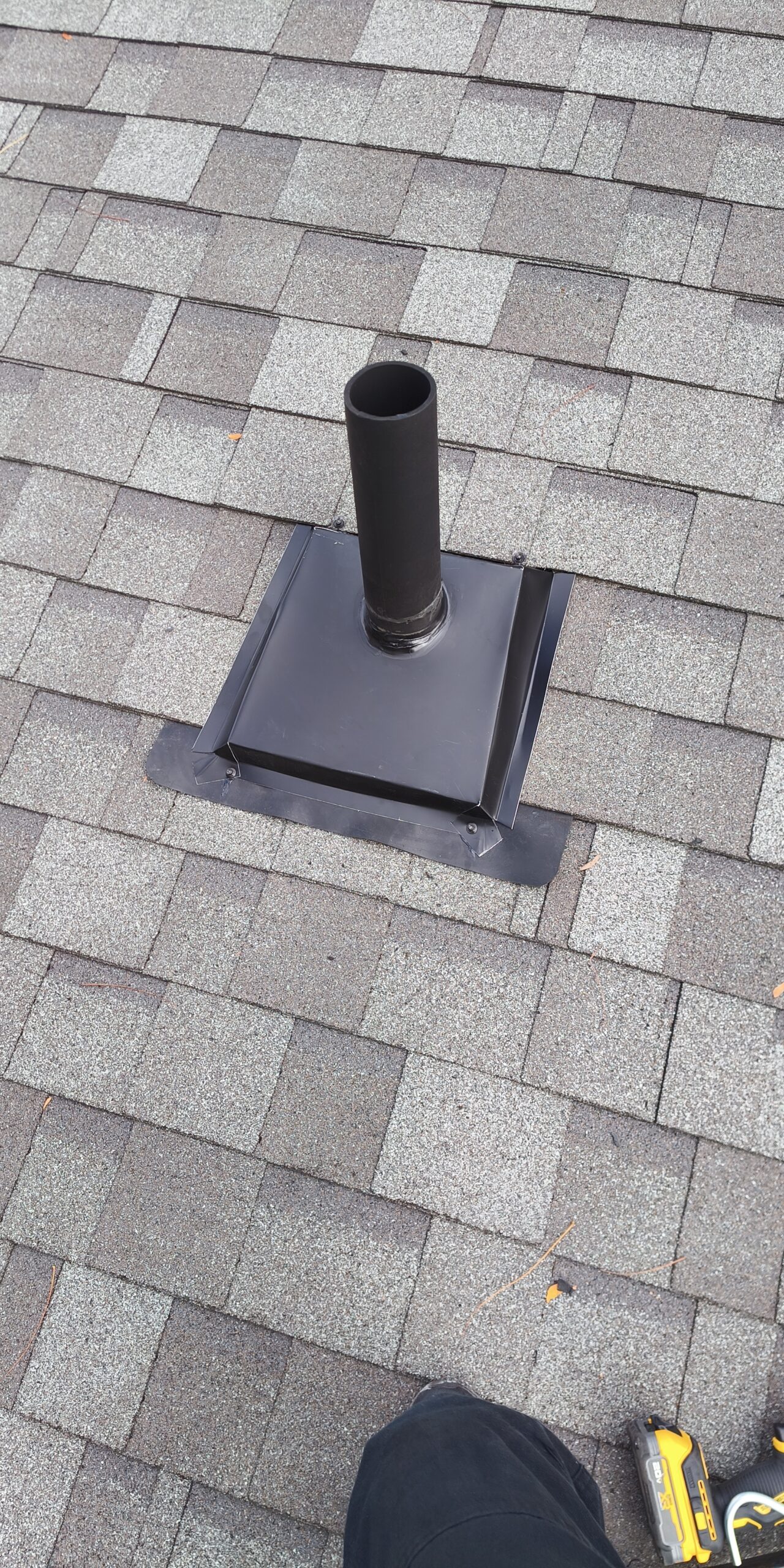
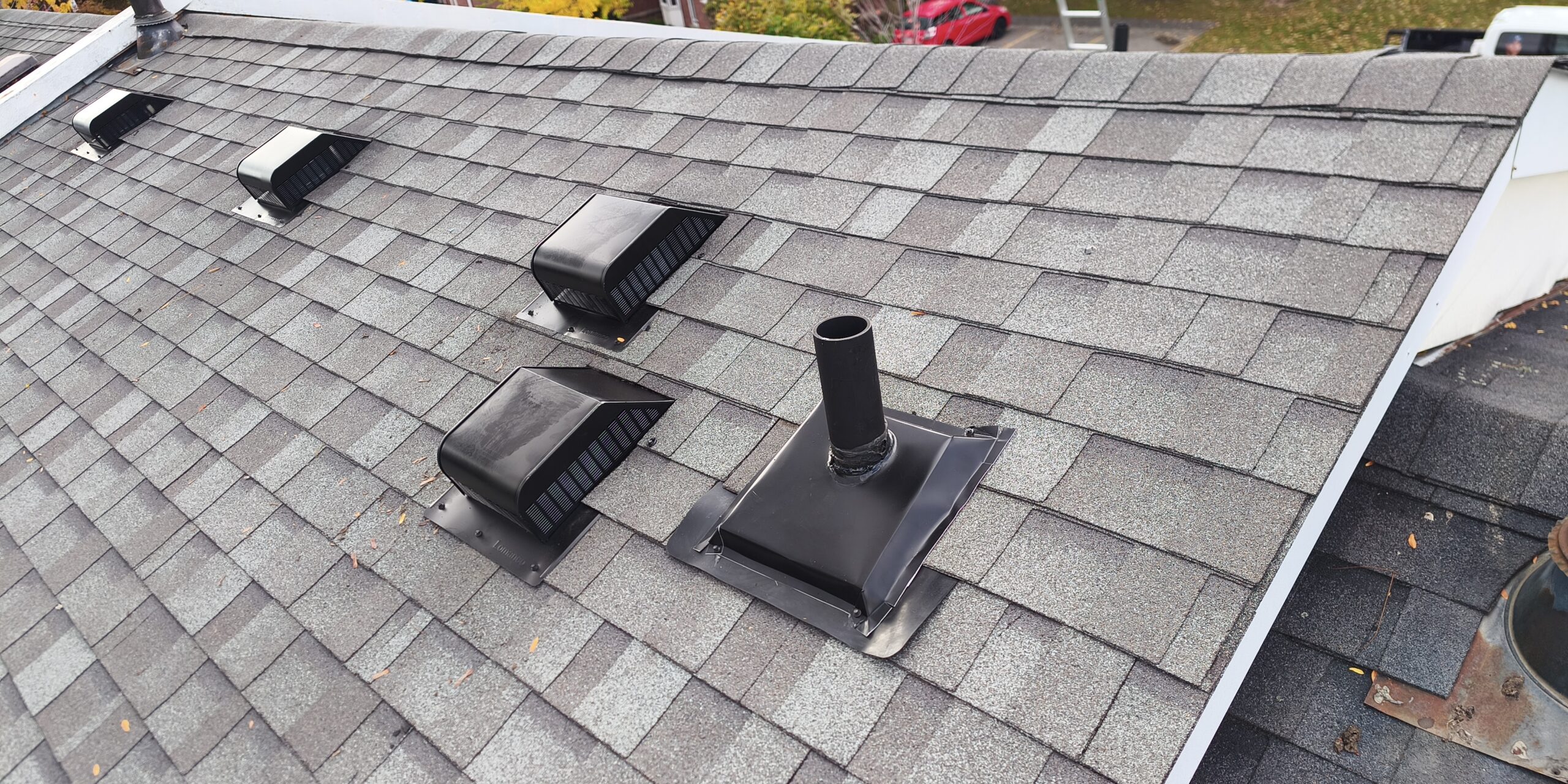
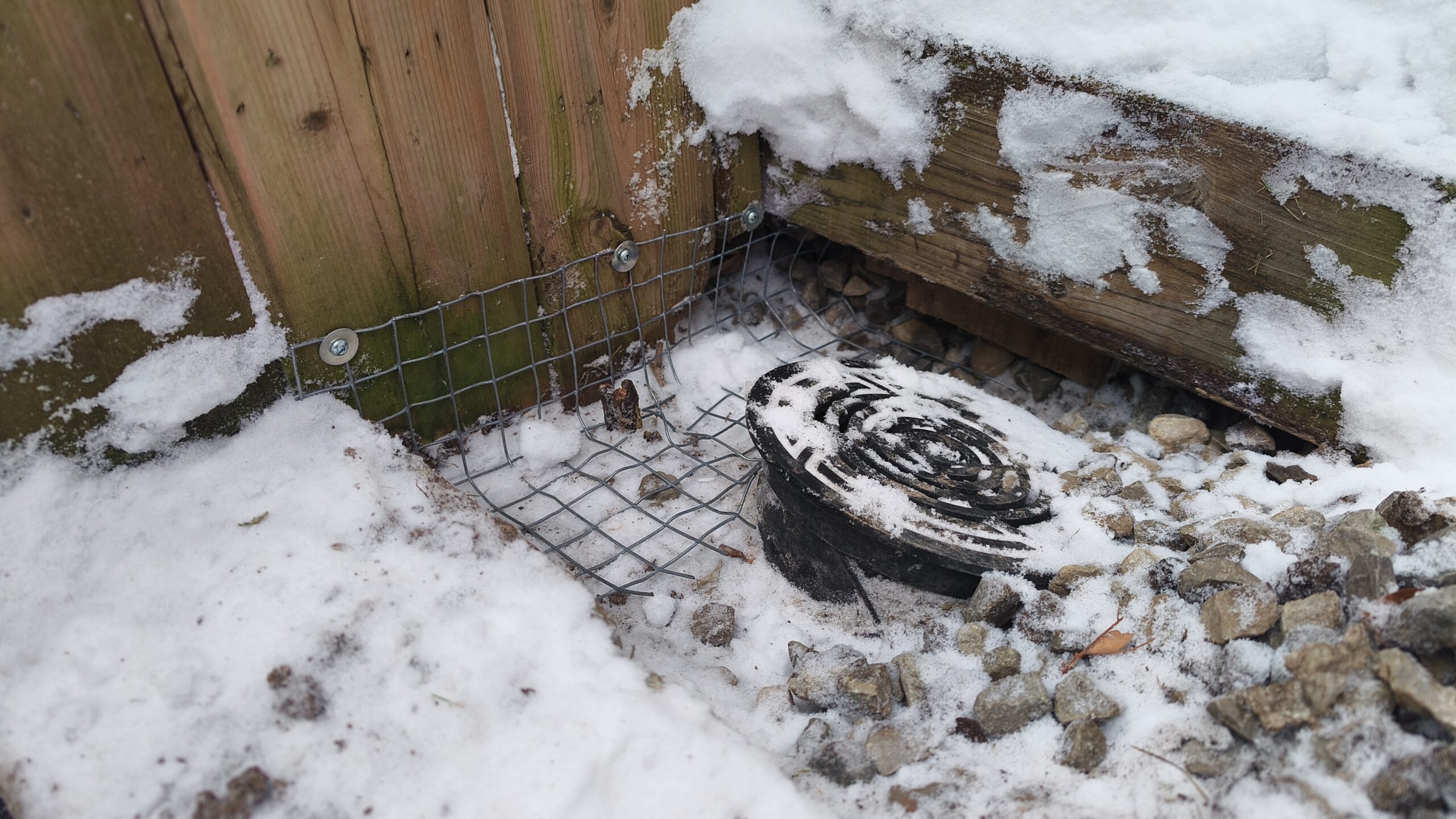
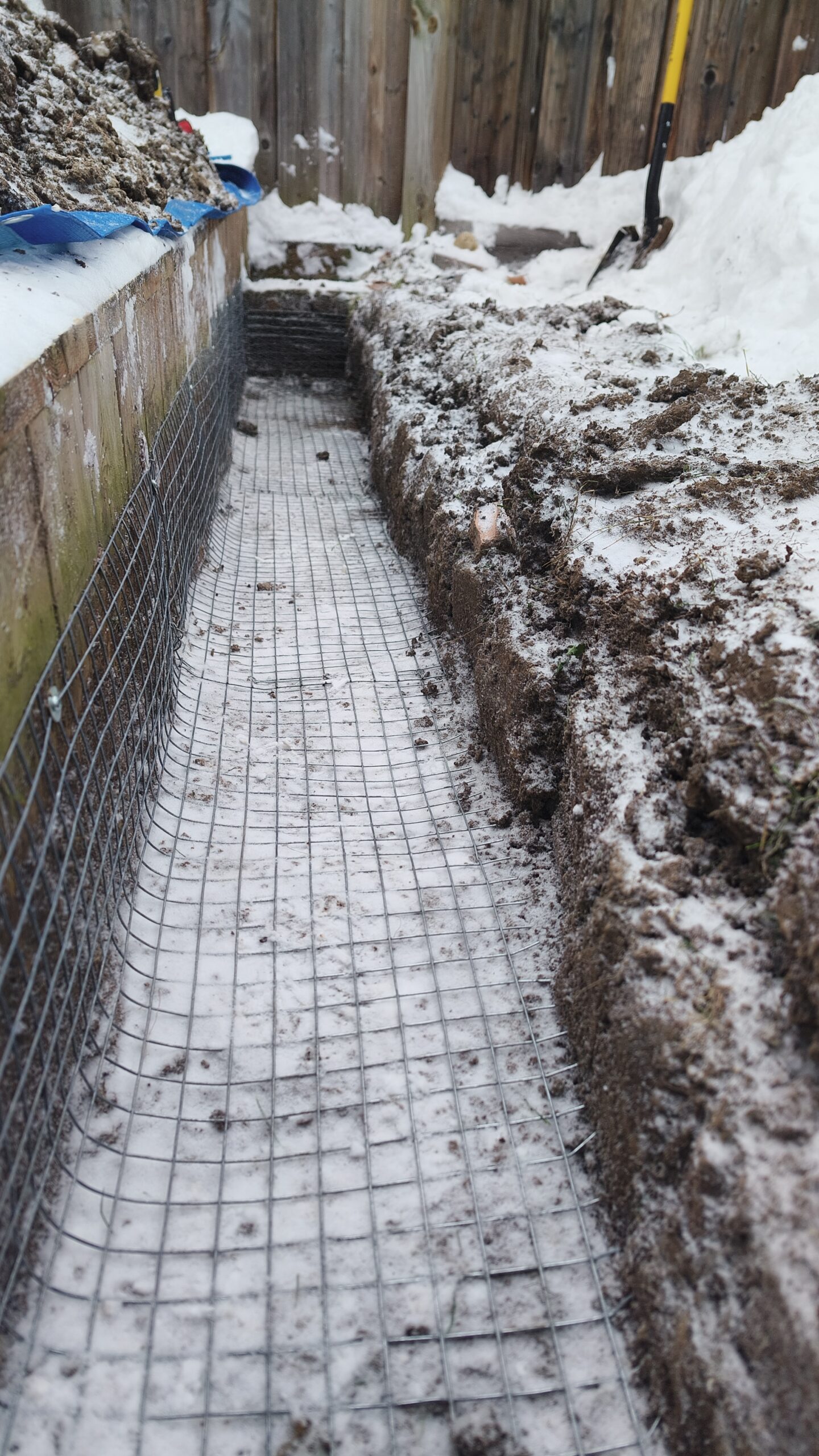
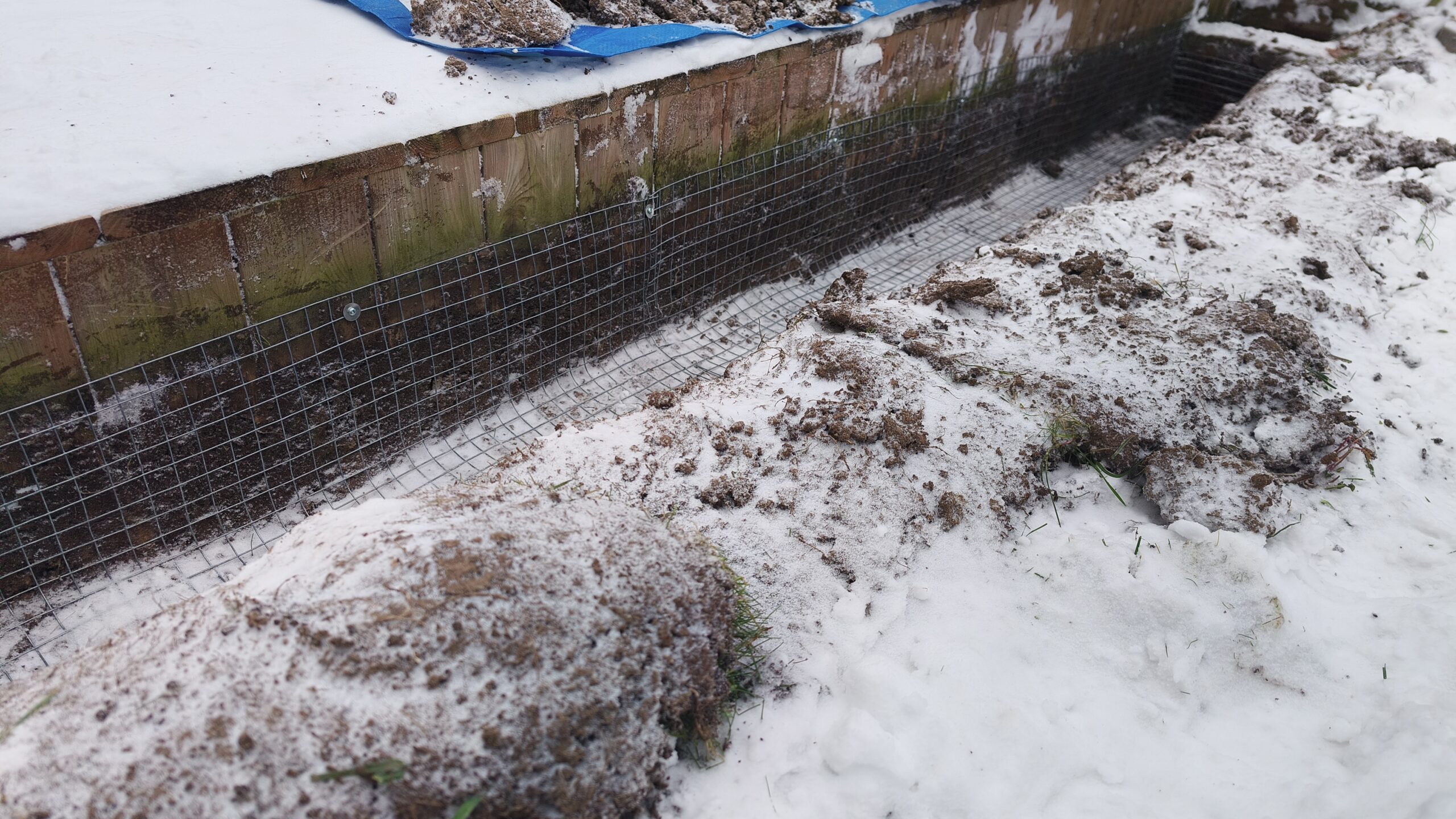
Fit tubes, seal the rest: Outside the maternity season, one-way tubes go on the main exits and every other gap is closed with mesh, caulking, and flashing. Over the following nights the colony leaves and cannot return.
Remove tubes and clean: After a week without wildlife activity we take the tubes off, seal those last openings, repair any rotted board behind them, and clean guano and contaminated insulation from the attic or wall. Prevention is the part that lasts.
Bat Removal Costs in St. Catharines
Most St. Catharines houses land between $600 and $1,500 for inspection, exit tubes, and sealing, with Niagara Region quotes commonly starting around $500 before cleanup. Bat work is the most time-sensitive of our control services and is priced by the building, not the number of bats, so a bungalow with one soffit gap is the low end and a church with louvred towers the top.
A single bat indoors is a short capture-and-release visit. Guano cleanup is quoted after the inspection once we see the volume. Written quotes are free, and Financeit spreads larger jobs over monthly payments.
Here are the estimated costs.
Service Category
Estimated Costs
Property inspection and dusk count
$100 to $250
One-way exit tube exclusion
$200 to $600
Roofline and masonry sealing
$200 to $400
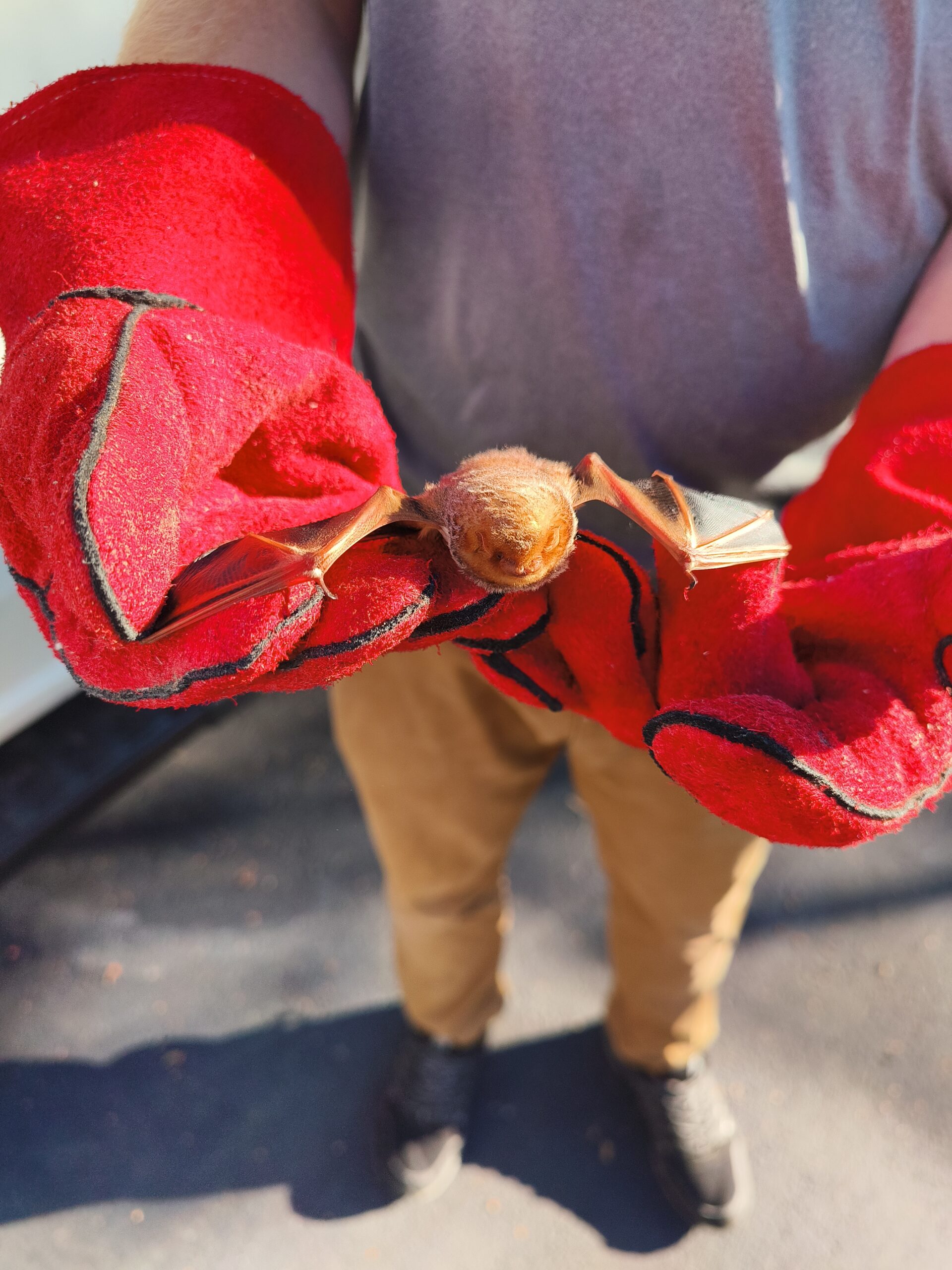
Single bat capture and release
$150 to $300
Bat Rules for St. Catharines Property Owners
Exclusion is the only legal way to clear a bat colony, and Ontario sets the dates for you. The province treats May 15 to July 31 as the maternity period and August 1 to May 15 as hibernation and swarming, which leaves August through October, and early spring, as the working window. All bats are protected under the Fish and Wildlife Conservation Act, and the little brown myotis, northern long-eared myotis, and tri-colored bat have been endangered under the Endangered Species Act since 2013. Killing or trapping bats, or sealing a colony inside a building, is illegal and can bring fines of $25,000 under the first act and $250,000 under the second. Where penalties run this high, nothing should be verbal. Your quote names the building’s lawful dates, the crew’s certification, and the cover behind both.
Two numbers cover two concerns, and neither replaces the exclusion. Niagara Region Animal Services, the animal control service run by the Humane Society, collects injured bats and other nuisance animals at 905-682-0767, extension 1. Public Health handles possible rabies exposure at 905-688-8248, extension 7590, and a bat that has touched anyone should be contained rather than released so it can be tested. Call whichever fits, then call us, because neither will humanely remove a colony or seal the gap it uses, and nuisance wildlife indoors is not their job.
Book a Bat Inspection in St. Catharines
St. Catharines wildlife problems get more expensive the longer they sit, and bats come with a legal calendar on top. There are only about four workable months a year, so the date you call decides the year you get it done. A colony in the walls this summer winters there and raises pups next June, and the guano grows the whole time. An inspection sets the exclusion date, counts the exits, and gets the cleanup quoted, all by the same professional wildlife removal crew.
Book the dusk count with our St. Catharines team.
Frequently Asked Questions
-
What do I do if there is a bat in the house in Ontario?
If nobody touched it, close the room, open a window, turn off the lights, and let it leave. If anyone had contact, or a bite is possible because it was in a room with a sleeping child, put a container over it, slide card underneath, and call Public Health so it can be tested. -
Who removes a bat from a St. Catharines home?
A licensed wildlife company for the colony and for capture indoors, Animal Services at 905-682-0767, extension 1, for an injured bat, and Public Health for any question about exposure. -
How do I keep bats out for good?
To get rid of bats permanently, exclude the colony through one-way tubes in the legal window, then seal every gap on the roof and walls. Closing one hole does not solve a bat problem: they return yearly, so one opening left unsealed brings the colony, and often more animals, back next spring. -
Do bats only roost in attics and steeples?
No, and assuming so is how colonies get missed. Ontario’s recovery strategy notes roosts in barns, sheds and bridges, and one documented little brown myotis roost sat between the boards of a raised deck under a hot tub. Our inspection covers outbuildings and deck framing, not just the roofline. -
How much does bat removal cost in St. Catharines?
Between $600 and $1,500 for most houses, covering inspection, exit tubes, and full sealing. A church, barn, or large business property is quoted after the dusk count, and guano cleanup is a separate line. -
Can bats be removed in winter?
No. Big brown bats hibernate inside St. Catharines walls from November to March and cannot fly out through a tube in the cold, and Ontario counts August 1 to May 15 as the hibernation and swarming period. Winter is for inspection, quoting, and booking; the exclusion itself happens in early spring or from August. -
Do bats damage a building?
They do not chew the way rodents and birds do, so mice, squirrels, and starlings leave more structural damage, and skunks and raccoons more again because they dig and tear. The harm from bats is guano and urine soaking insulation and drywall, staining brick below the exit, and odour building in a wall over several summers. Church attics with an old infestation can hold several inches of droppings. -
Is bat guano dangerous to clean?
Dried guano can carry Histoplasma spores, which cause a lung infection when breathed in. Small amounts are low risk, but attic or wall deposits need respirators and containment, which is why cleanup is part of our exclusion work. -
Will bats come back after the exclusion?
Not into a building where every gap has been sealed, and that sealing carries our Satisfaction Guarantee. The colony will look for a roost nearby, and a bat house on the property gives it one that is not your wall.
- Why Bats Roost in St. Catharines
- Signs a Colony Is in the Building
- Where St. Catharines Colonies Roost
- Our Bat Exclusion Process
- Bat Removal Costs in St. Catharines
- Bat Rules for St. Catharines Property Owners
- Book a Bat Inspection in St. Catharines
- Frequently Asked Questions
- What do I do if there is a bat in the house in Ontario?
- Who removes a bat from a St. Catharines home?
- How do I keep bats out for good?
- Do bats only roost in attics and steeples?
- How much does bat removal cost in St. Catharines?
- Can bats be removed in winter?
- Do bats damage a building?
- Is bat guano dangerous to clean?
- Will bats come back after the exclusion?










Our service areas
…by providing award winning customer service to each and every single client.
- Hamilton
- Burlington
- Milton
- Stoney Creek
- Niagara Falls
- St. Catharines
- Brampton
- London
- Mississauga
- Oakville
- Toronto
- Brantford
Call or Email Us
Reach Out To Us For Inquiries, Support, Or Partnership Opportunities, We’re Here To Assist.

-

Satisfaction Guarantee
Your satisfaction is our priority. We stand by our work and ensure high-quality service.
-

15 Years Experience
Our team has been providing efficient and humane wildlife removal services for over 15 years.
-

WSIB & Insured
Licensed, insured and trained professionals with efficient technology to get the job done right.