
Rabbit Control Services for Burlington Yards
Unlike traditional exterminators, Critter Hero provides humane rabbit pest control in Burlington using a 100% poison-free approach. With 15+ years of experience, we protect your family, pets, and the environment while addressing the cause of infestations. Our insured team offers transparent pricing, free estimates, and long-term solutions for effective wildlife removal.



Reliable Rabbit Removal for Burlington Residents
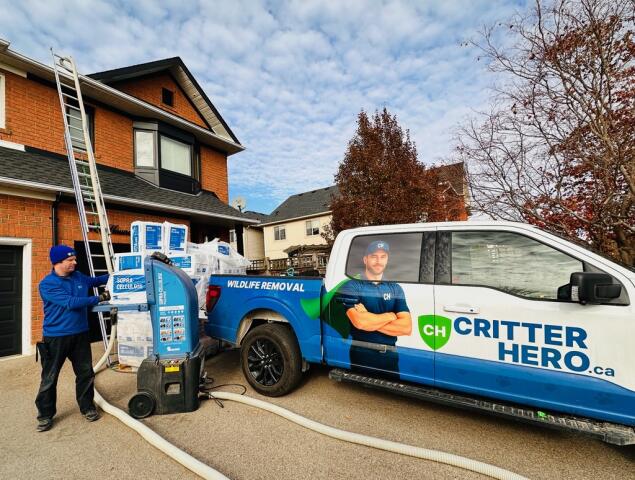
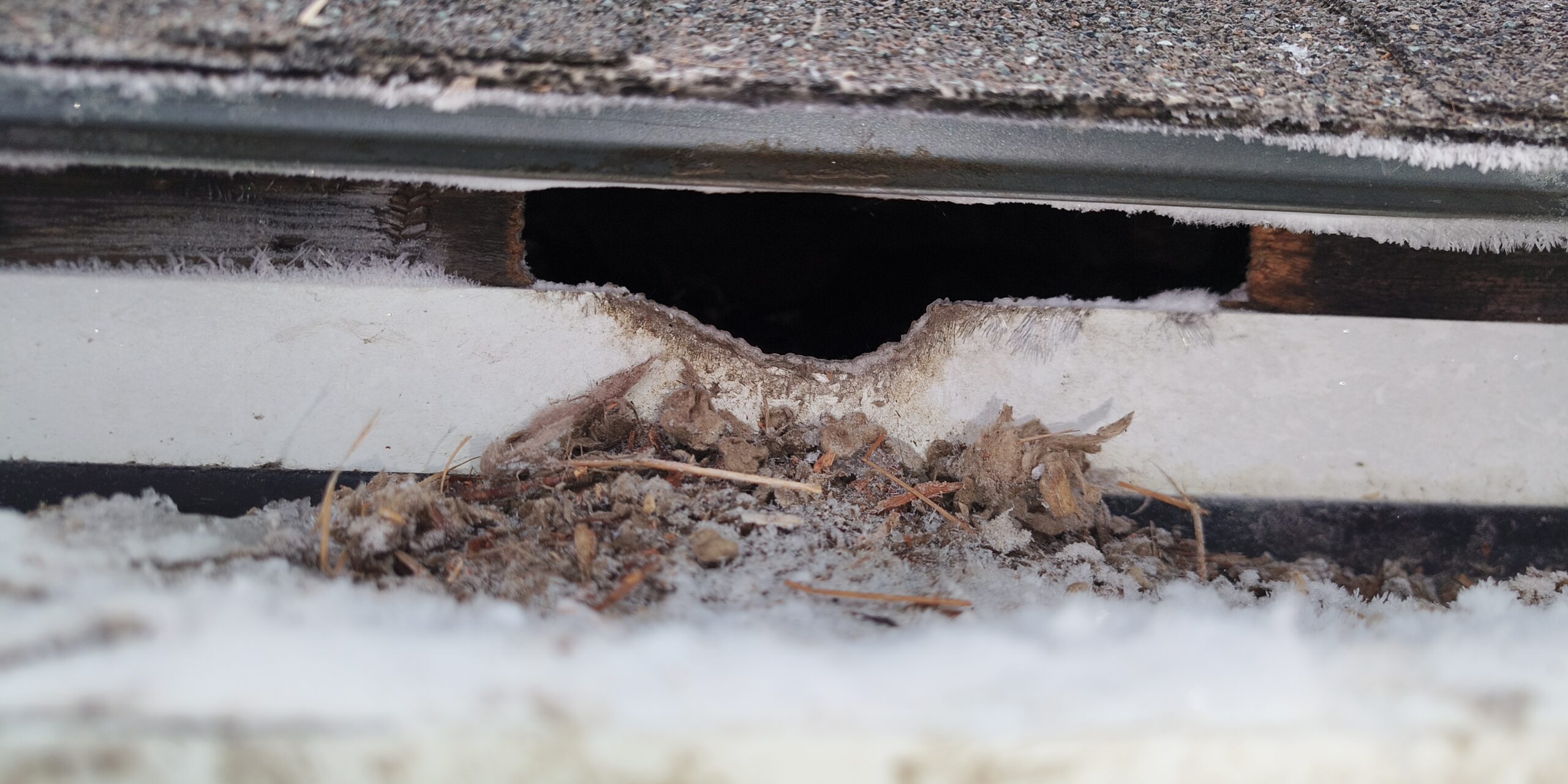
Critter Hero works with property managers, homeowners, and commercial building owners to prevent pest infestations. Our licensed and insured, fully WSIB-covered technicians begin every rabbit control task with a thorough inspection. We aim to identify all entry points, the rabbit’s nesting areas, and the damage they may have caused.
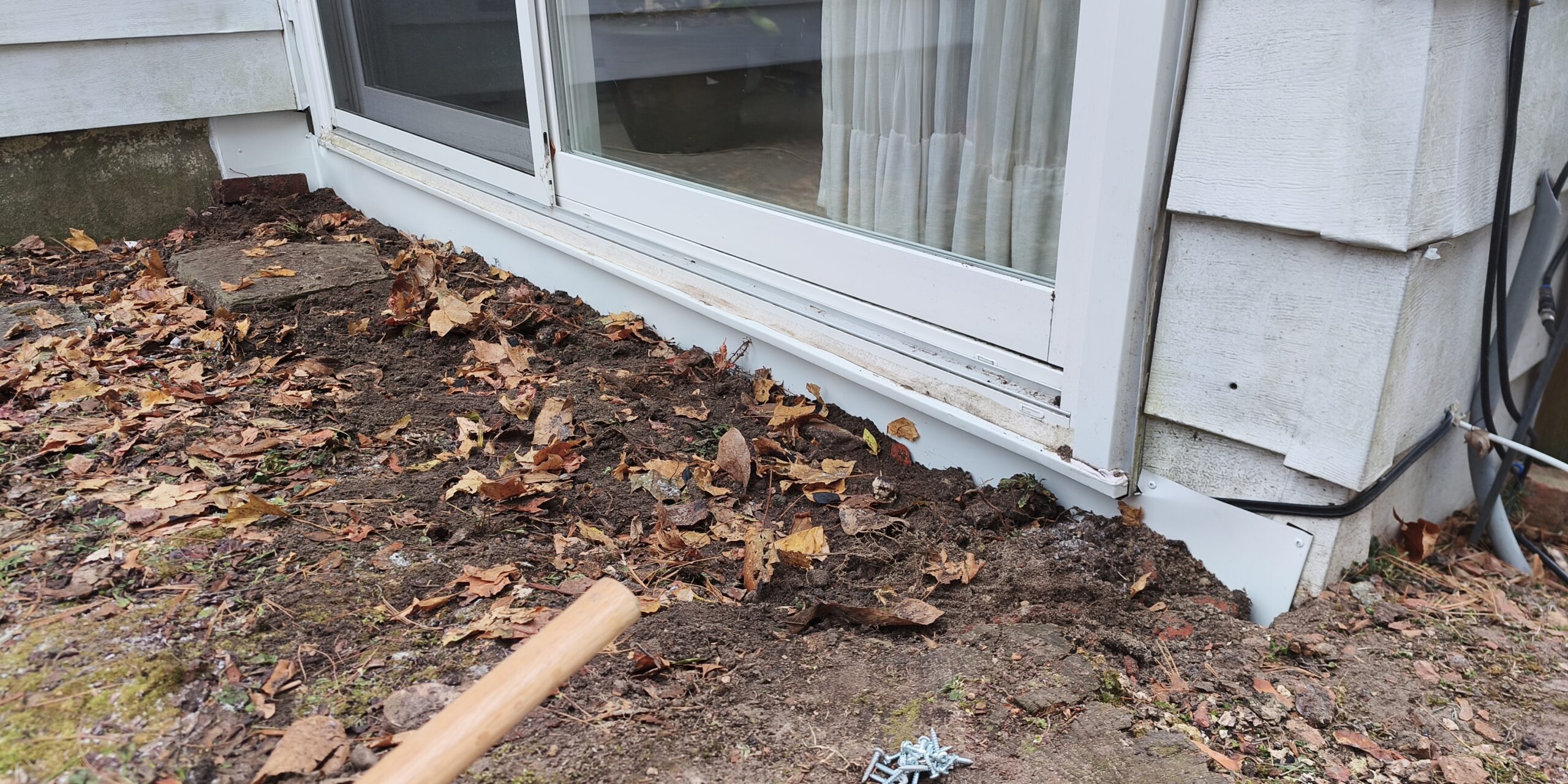
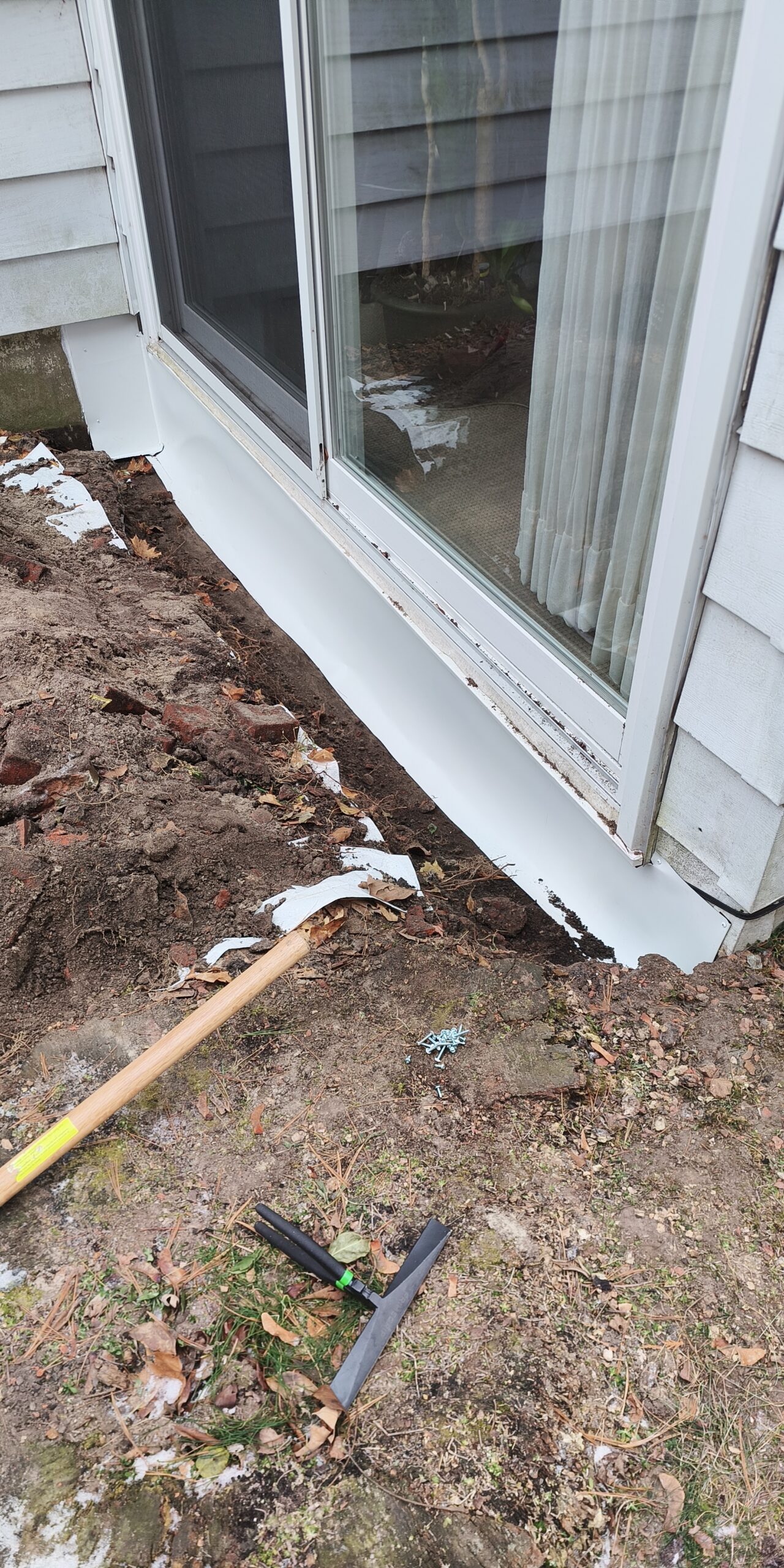
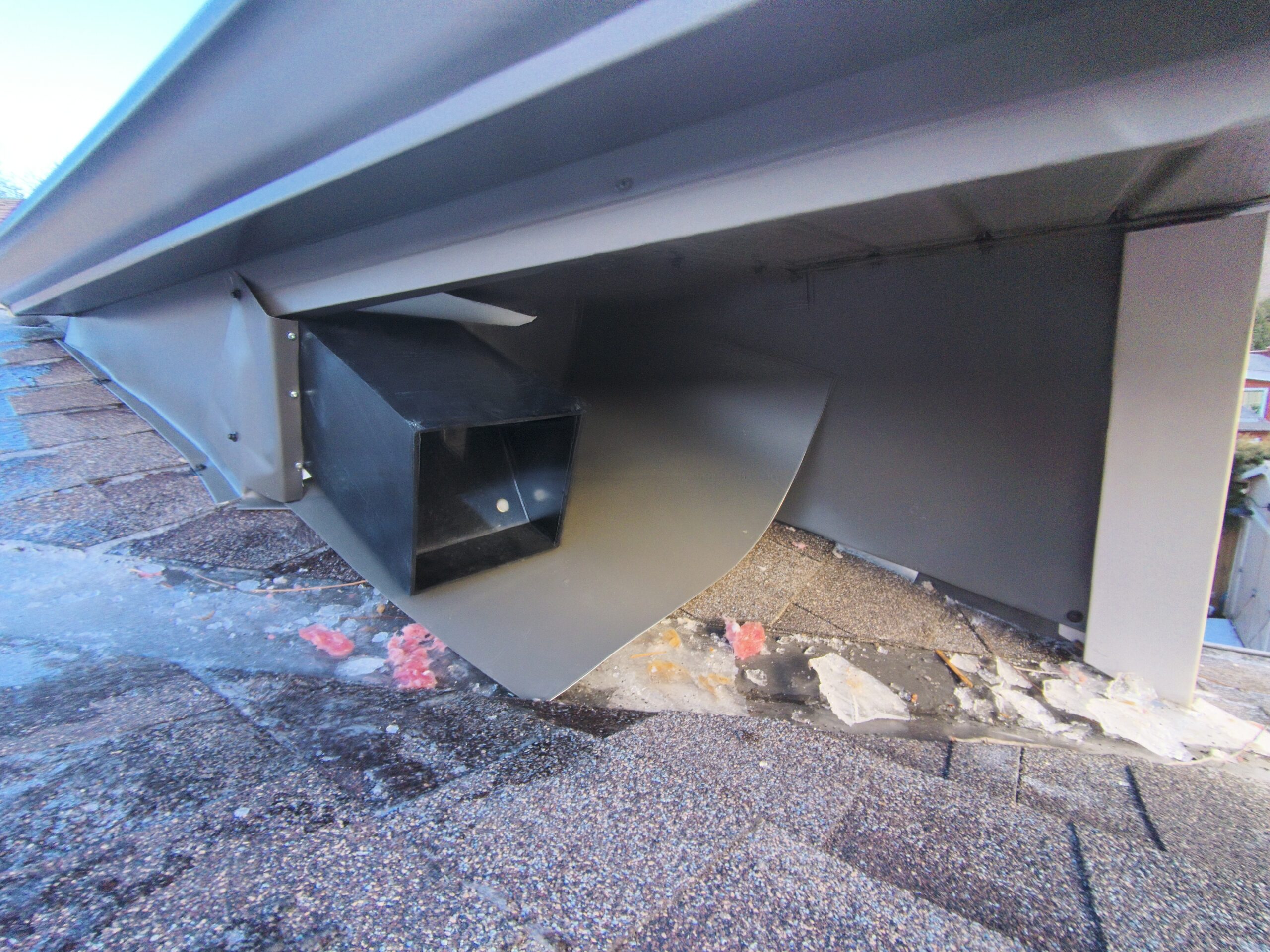
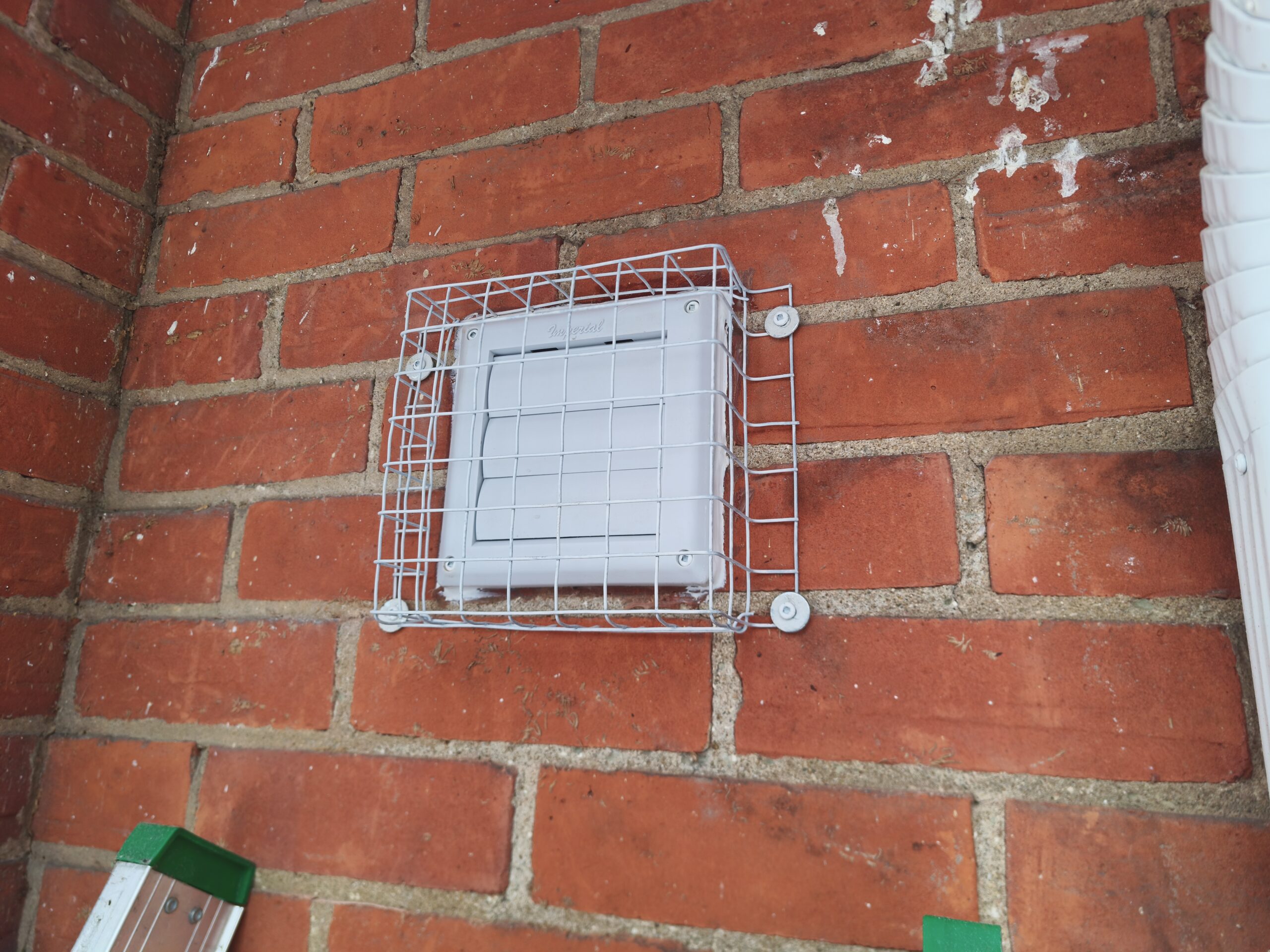
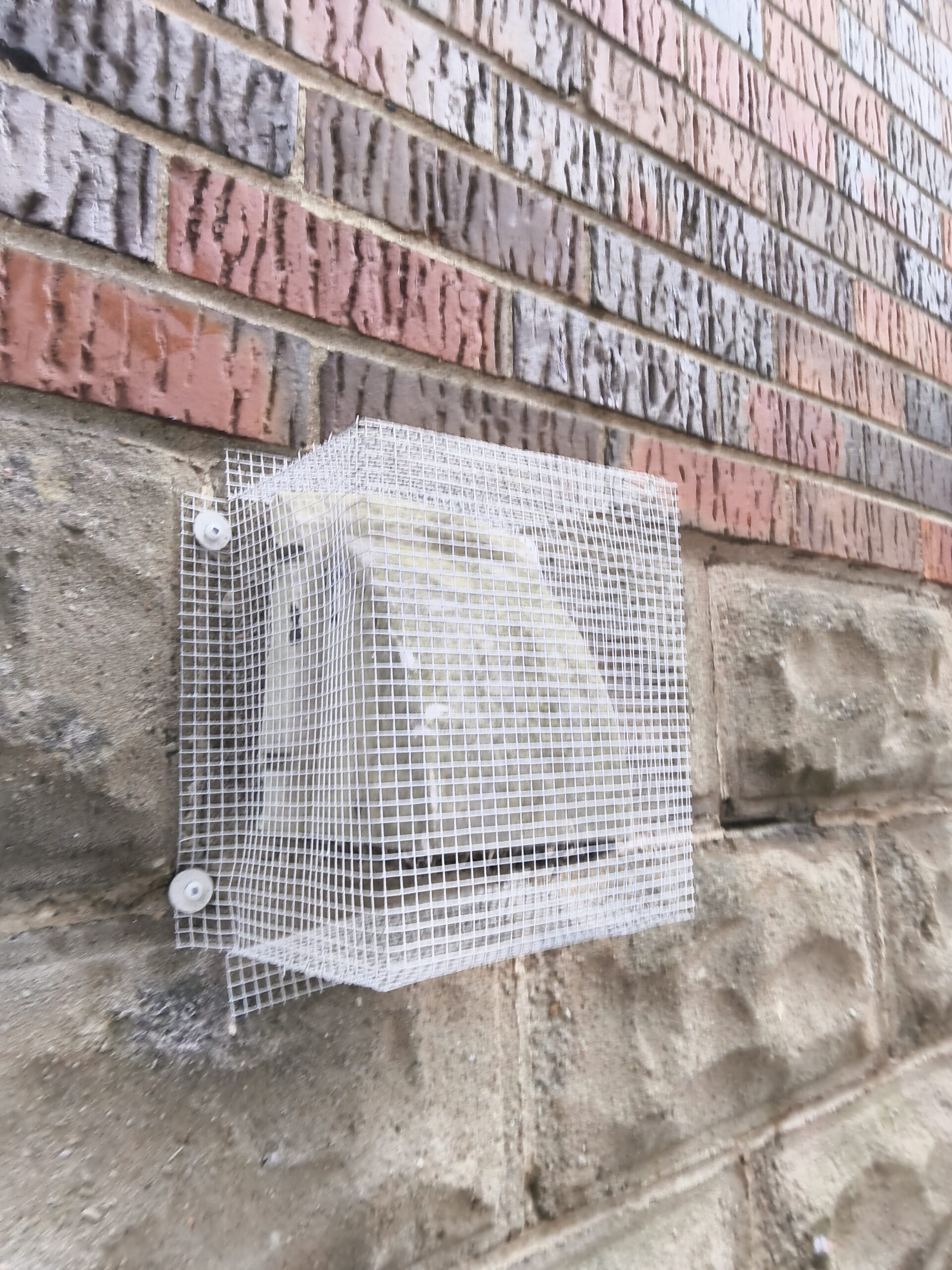
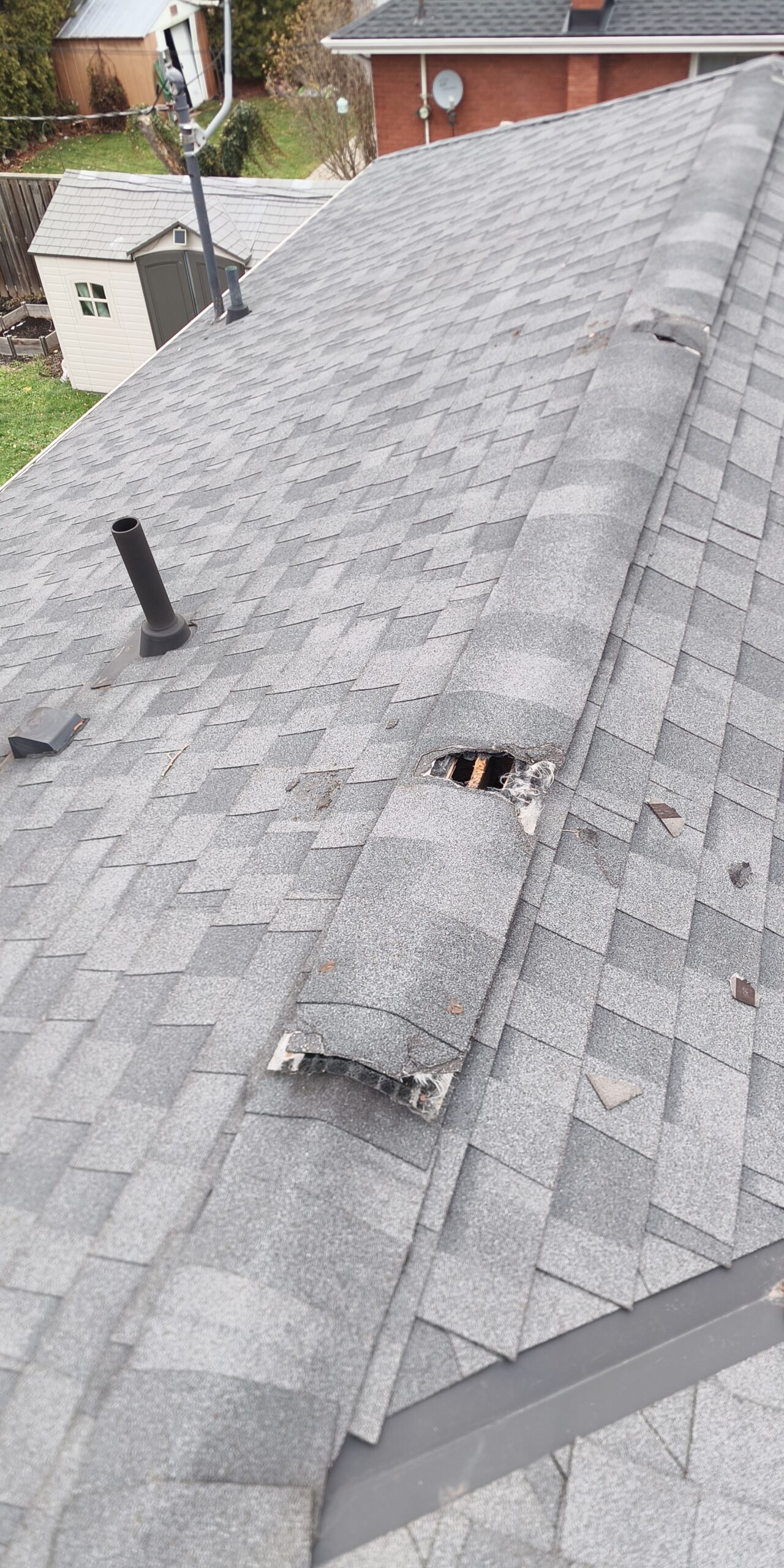
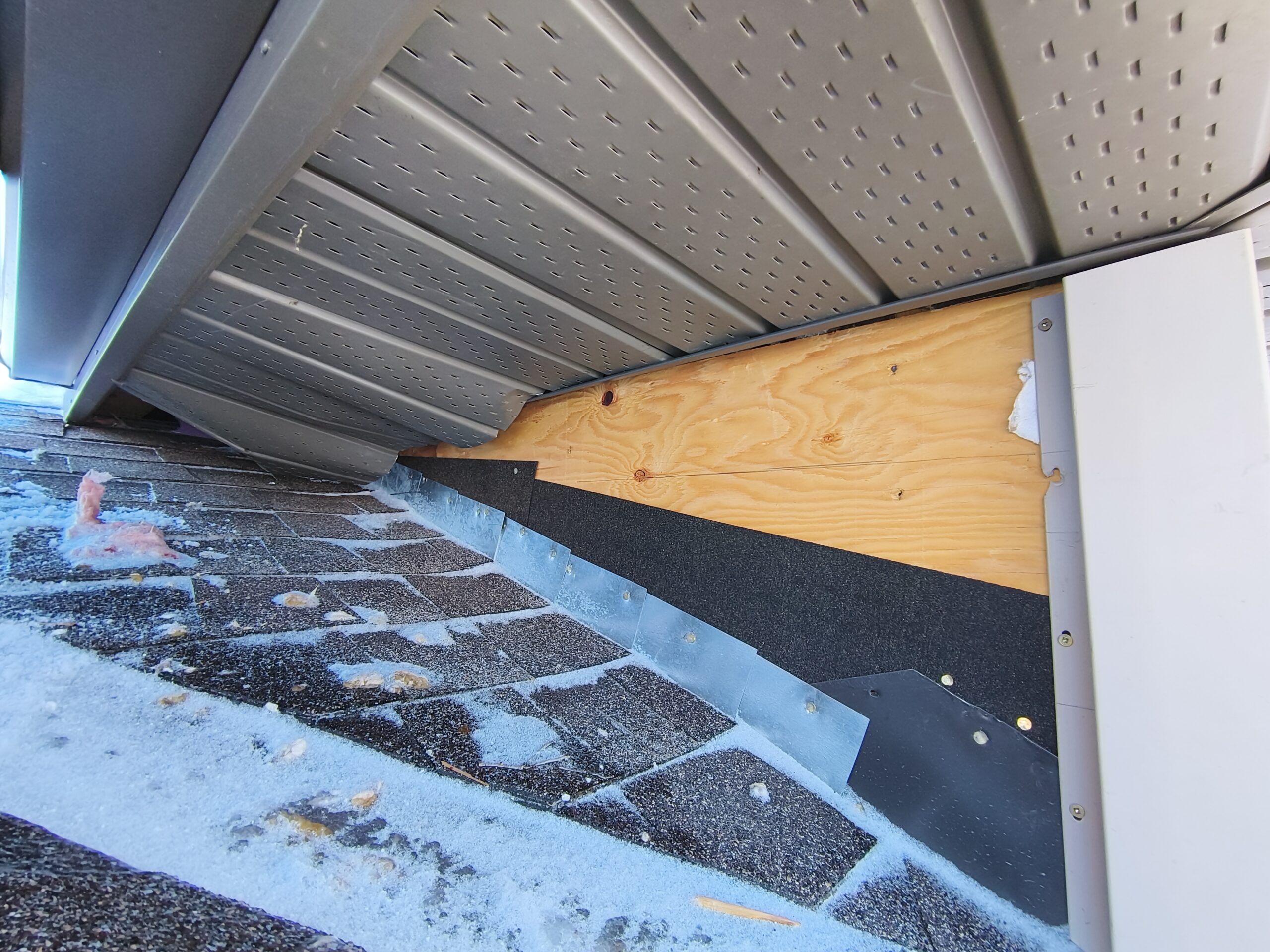
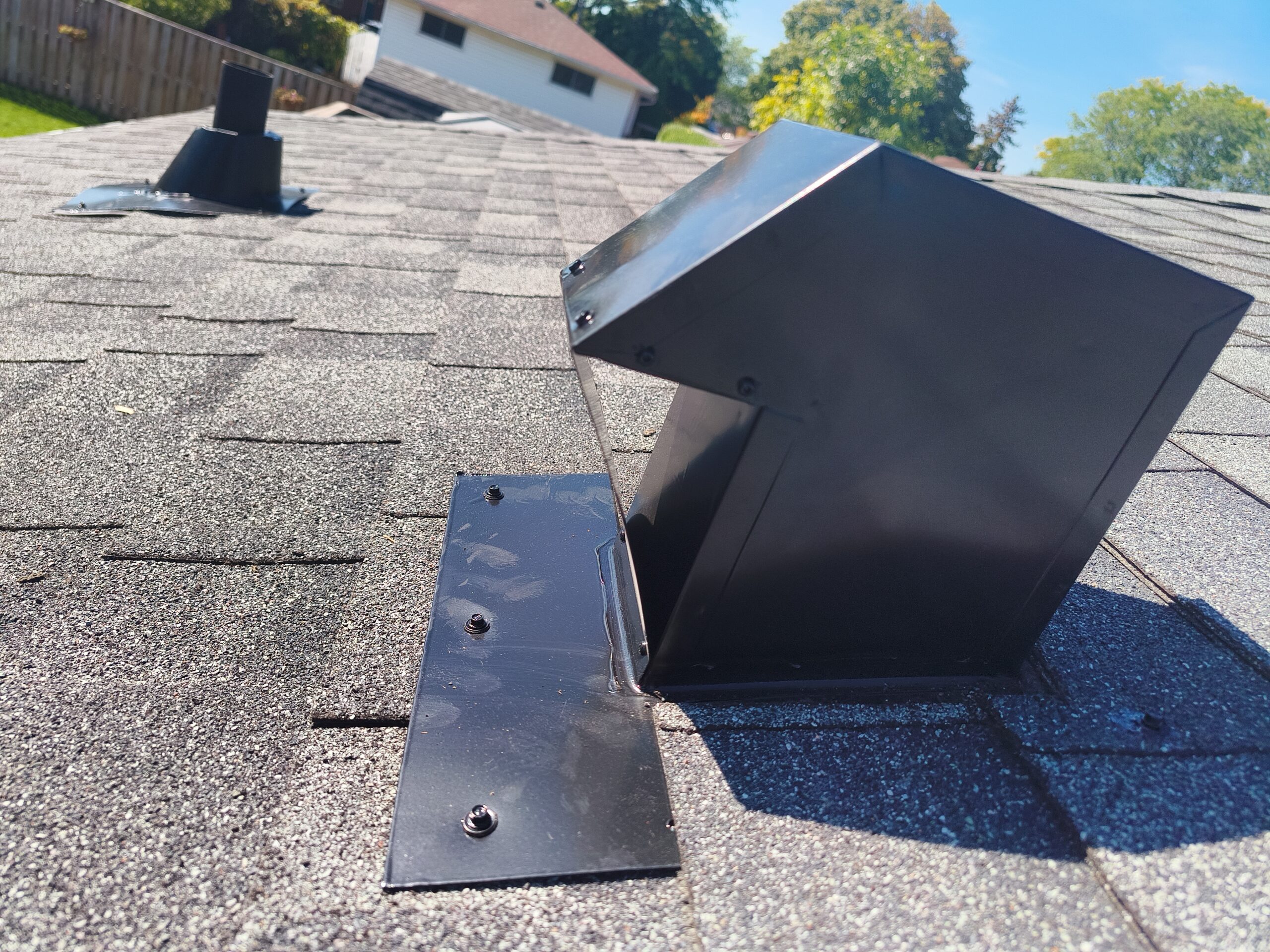
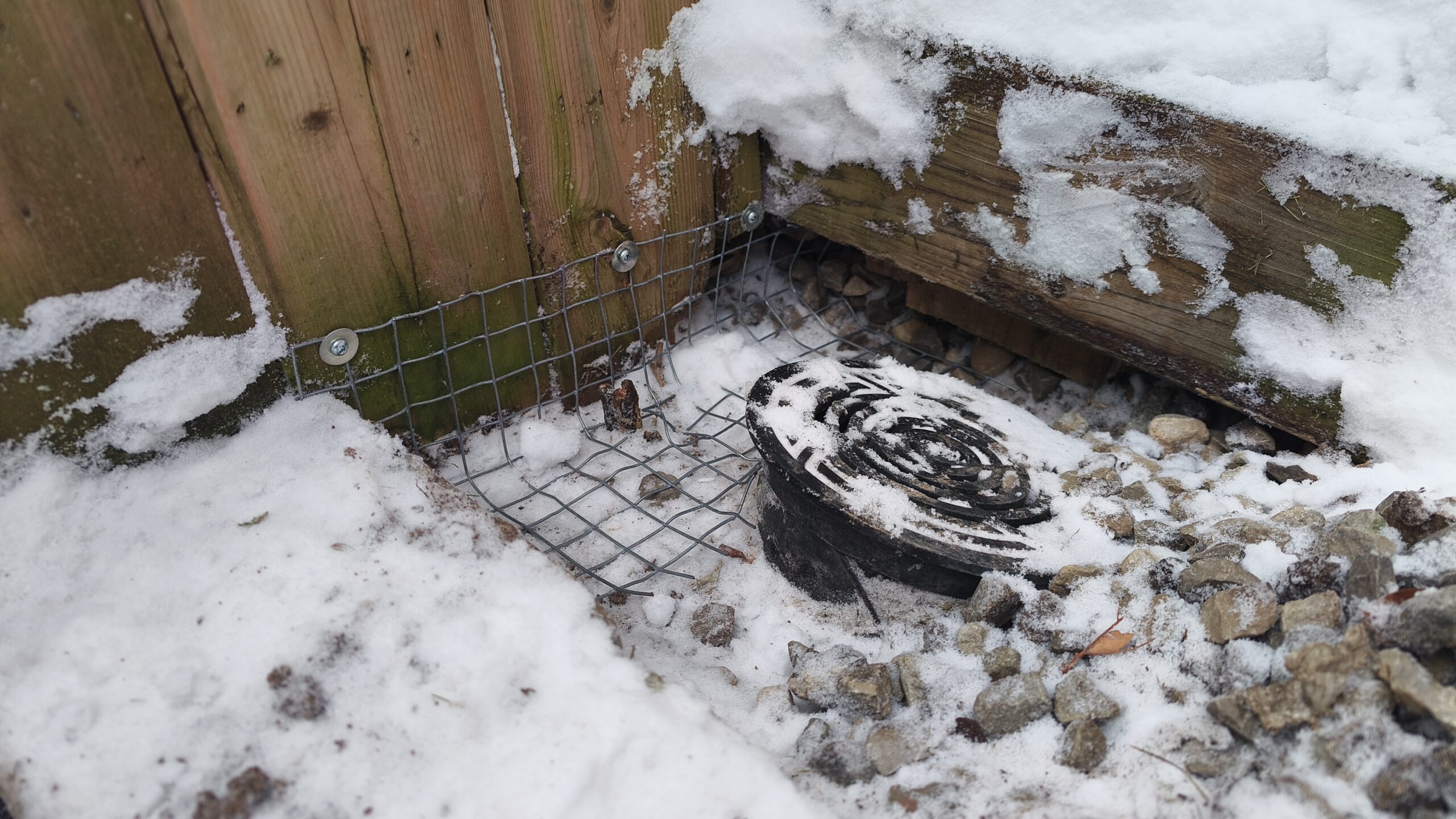
Once the rabbits are out, our team assesses the nature and extent of the damage and then fixes it. Next, we seal all entry points to prevent re-entry. For the past 15 years, our team has provided animal control solutions to homeowners and commercial property owners in Burlington, Hamilton, Oakville, and surrounding areas. Here’s why we’re the go-to company for wildlife control services.
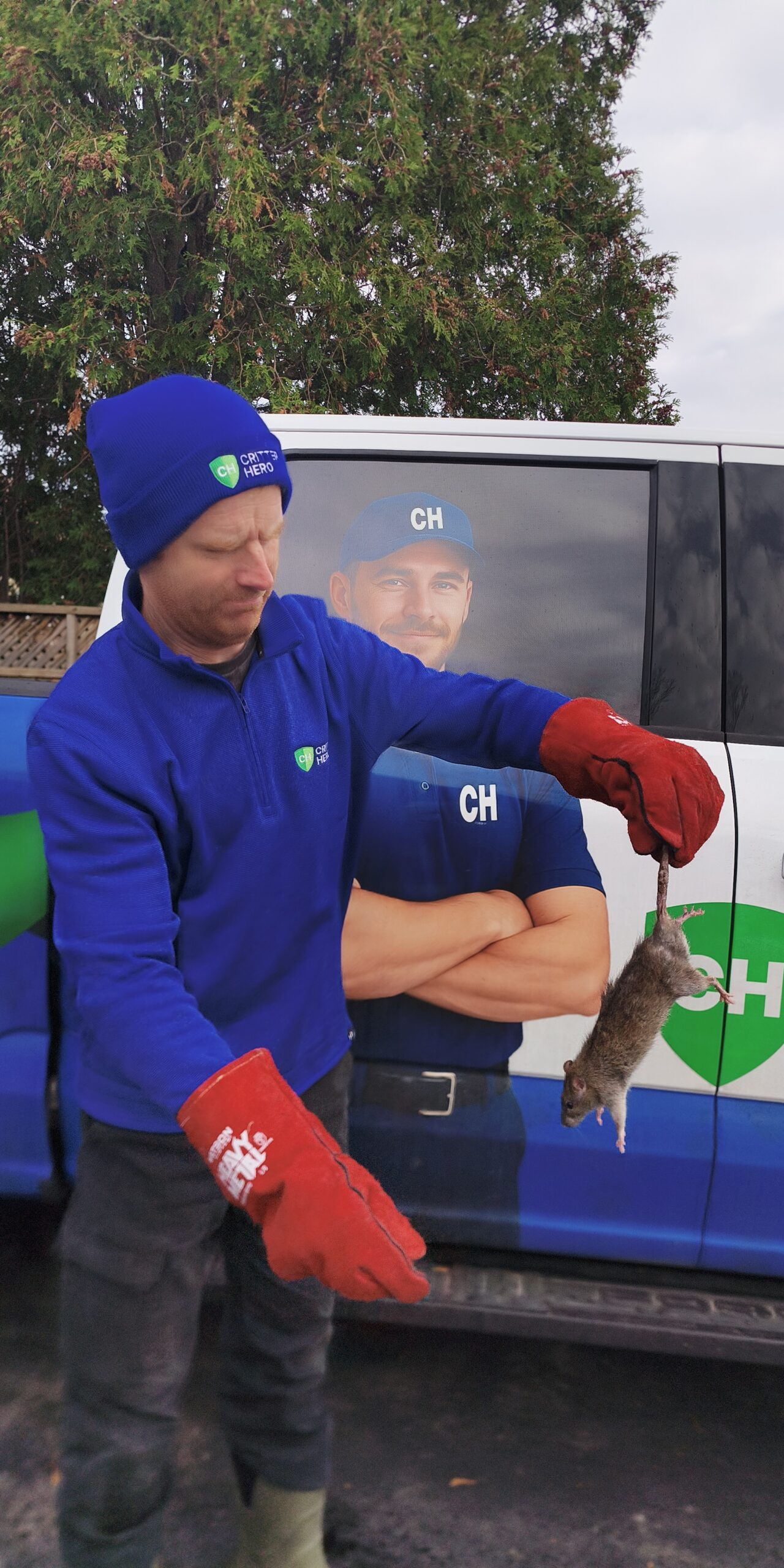
- Our team has helped rescue over 30,000 animals and maintained an average rating of 4.9/ stars for more than 225,000 satisfied customers.
- Our team guarantees all rabbits on your property will be humanely removed. We’ll also animal-proof your house so rabbits don’t find a way back in.
- We give you free, no-obligation estimates with zero hidden fees for rabbit control.
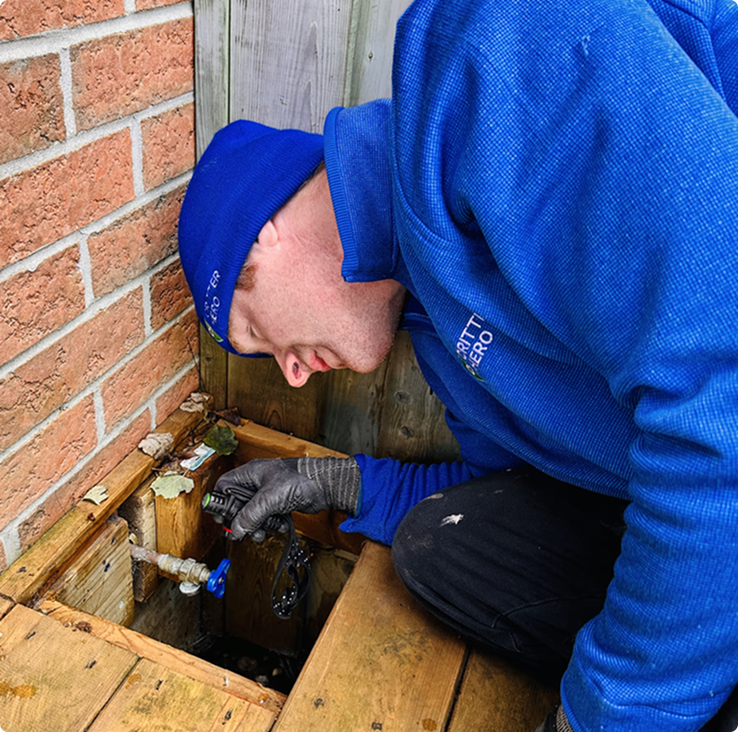

Why Choose Us for Nuisance Wildlife Control?
Are you worried about bird droppings or rabbit sightings in your yard? Discuss your wildlife control needs with our team.

The Critter Hero team brings over a decade of experience in wildlife exclusion, including raccoons, skunks, birds, rabbits and other species. Contact us for 100% poison-free animal control services.

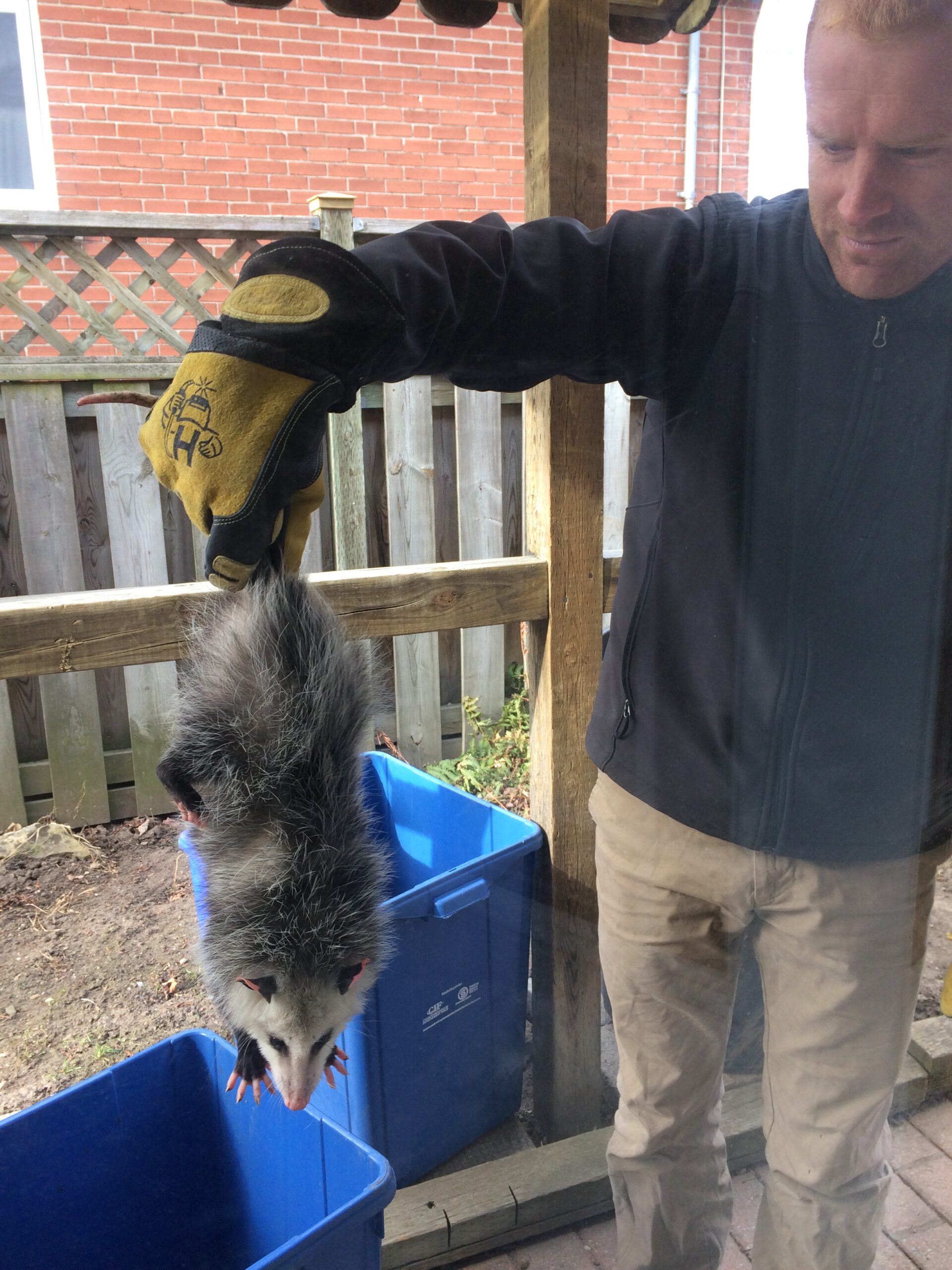
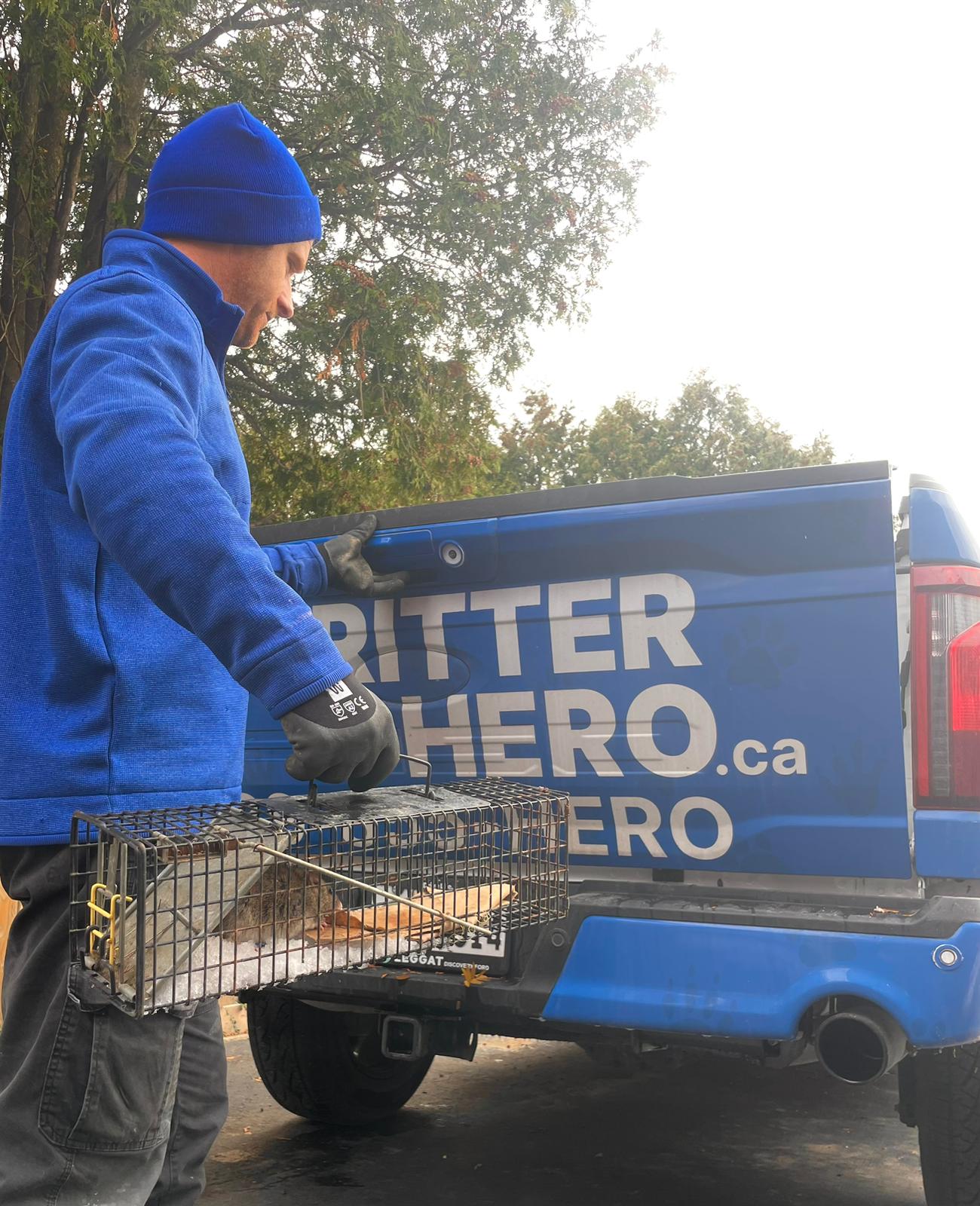
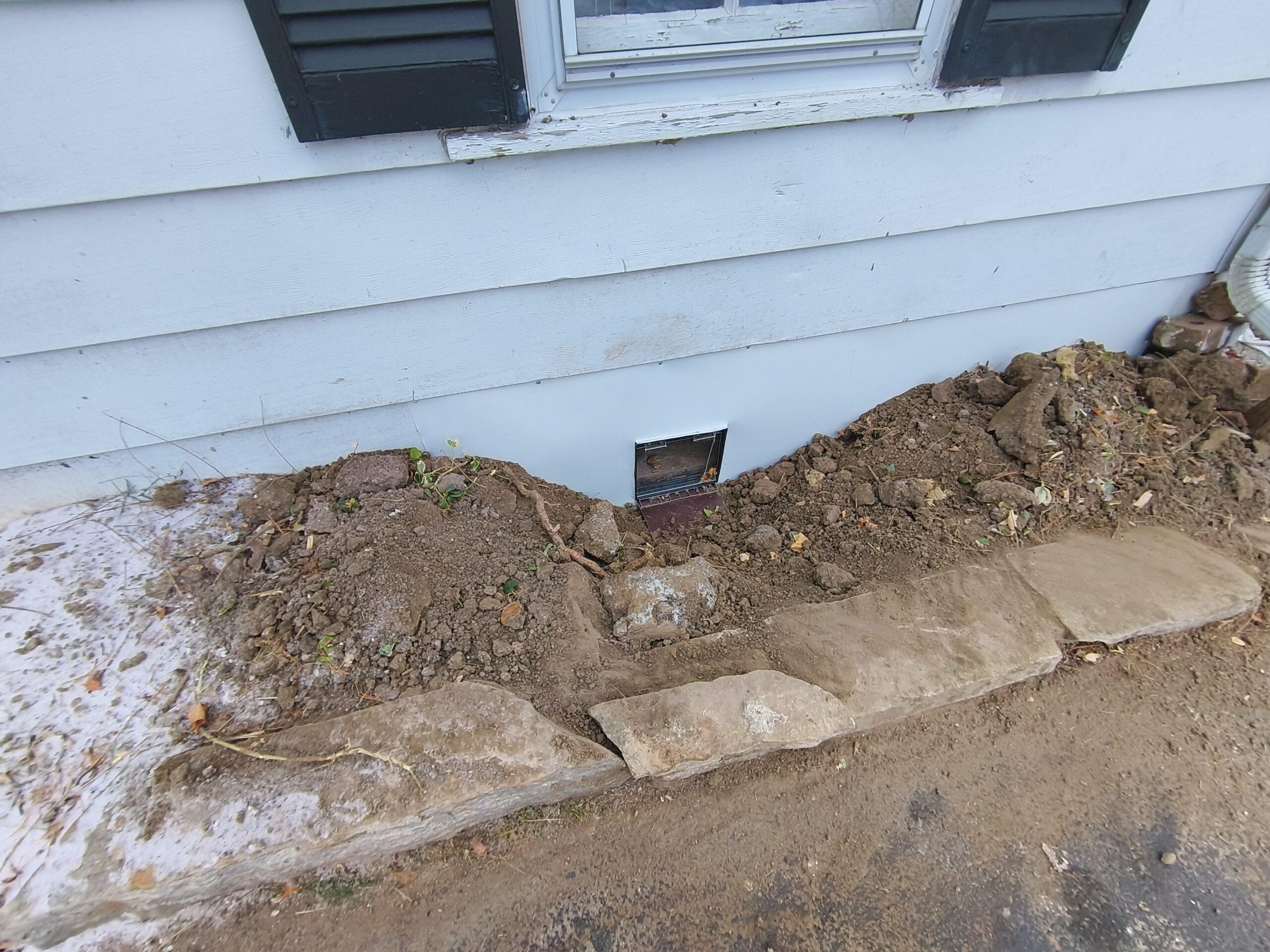
Our team follows Ontario’s regulations for protecting wildlife during the removal process. We use human-exclusion methods, such as one-way doors, that allow the rabbits to safely leave your property.

Before we begin the actual rabbit removal, we’ll first inspect your property to identify which animals are nesting and determine the best removal strategy. Contact our team today and schedule a free home inspection.


What Draws Rabbits to Burlington Neighbourhoods?
Burlington’s suburban landscapes offer an endless food supply for these cute little bunnies. Short grass, clover, flowerbeds, vegetable gardens, and ornamental plantings provide a steady source of nutrition throughout the growing season. In established neighbourhoods such as Roseland, Palmer, and Elizabeth Gardens, there are garden sheds, low decks, and large backyards, where they hide, nest and raise young.
Additionally, Creek systems and vegetation in the Grindstone Creek, Hager Creek, Shoreacres Creek, and the Niagara Escarpment create safe travel routes for rabbits throughout Burlington. The dense vegetation along these corridors allows rabbits to move between natural areas and residential neighbourhoods. At Critter Hero, we offer humane rabbit removal services at affordable rates. Schedule an inspection today.
Rabbits Also Invade Golf Courses
At Critter Hero, we also handle rabbit removal calls from golf courses, where rabbits turn well-maintained turf and landscaping into ongoing headaches. Burlington’s golf communities provide some of the most attractive habitats for rabbits. Areas surrounding Millcroft Golf Club and other maintained green spaces combine short turf grass, naturalized edges, sand features, and protective vegetation.
These conditions support feeding, nesting, and breeding activity while allowing rabbits to move easily between golf course lands and neighbouring residential properties. Our team comprises experienced rabbit control specialists who will handle the rabbits in your home or golf course without hurting them. Our technicians are also trained to handle baby rabbits, injured animals, and even dead ones.
Signs Bunnies May Be Nesting Nearby
Rabbits are herbivores that feed on a wide variety of plants, vegetables, flowers, and young shoots. Unlike insects, rabbits often create clean, angled cuts close to the ground. Newly planted gardens and vegetable patches are vulnerable to repeated rabbit feeding. Note that rabbits frequently feed on the bark of young trees and woody shrubs during late fall and winter. Thus, you may notice stripped bark, damaged stems, or clipped branches near ground level.
Other signs of rabbit infestation include:
- Rabbit droppings appear as small, round pellets and are commonly found near feeding areas, garden beds, shrubs, and their travel routes.
- The eastern cottontail rabbits often build shallow nests concealed beneath dense vegetation, decks, sheds, ornamental grasses, or shrubs.
- Rabbits’ front feet leave smaller prints while the larger hind feet create a distinctive hopping pattern. Following these tracks can often reveal feeding locations and nesting sites.
Removal Process that Prioritizes Animal Safety
You should leave the rabbit and the overall pest control to the Critter Hero team. Here are the essential steps we take to solve pest control issues involving rabbits.
Find What Keeps Bringing the Bunnies Back
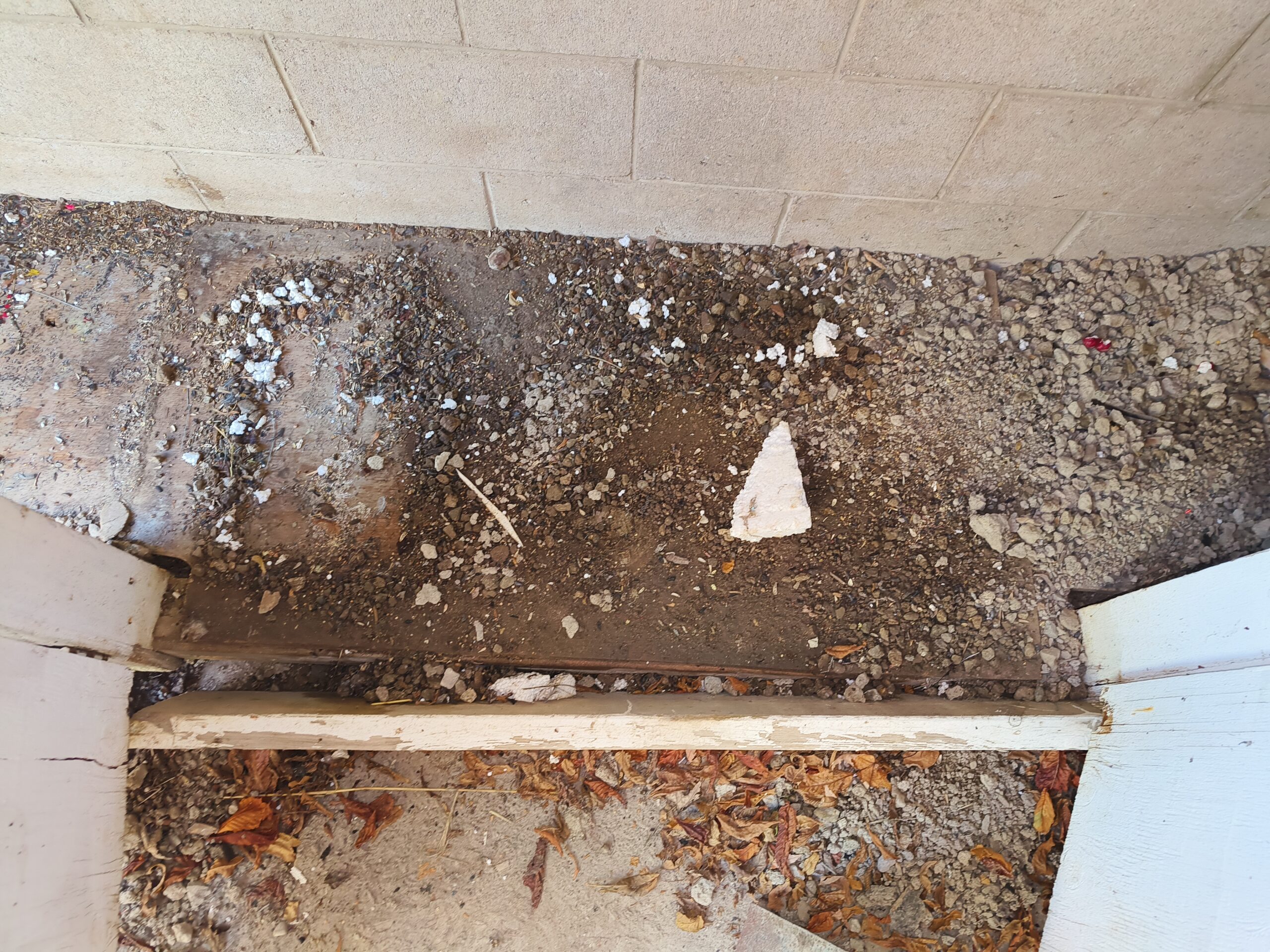
Every property offers rabbits something unique. During our inspection, we’ll identify feeding areas, nesting locations, travel routes, and landscape features that support rabbit activity. We’ll also assess gardens, flowerbeds, shrubs, and other areas that may be experiencing repeated rabbit damage.
Eliminate Access to Active Nesting Areas
Rabbits often establish nests beneath decks, sheds, dense shrubs, ornamental grasses, and other protected areas. Our team will carefully evaluate these areas and develop a humane control strategy based on the property’s layout, the extent of activity, and seasonal wildlife considerations.
Protecting Your Landscaping Plants from Rabbits
Rabbits can ruin your garden surprisingly. Tender vegetables, flowers, young shrubs, and fresh shoots are especially tempting, and repeated feeding can leave plants ragged, stripped, or unable to recover. If you are finding cleanly nibbled stems or noticing the same plants being targeted day after day, rabbits may be using your landscaping as a reliable food source.
At Critter Hero, we help homeowners protect their landscaping by addressing the rabbit activity rather than simply replacing damaged plants. Our technicians can identify where rabbits are feeding, sheltering, and entering your property. Note that we combine rabbit removal with practical prevention to give your plants a better chance to grow without becoming an easy meal for rabbits.
Average Cost of Our Services
Rabbit control and other wildlife removal services are specialty fields. They’re different from most home projects because each wild animal infestation is unique. This makes it hard to assign a specific dollar value to rabbit control services in Burlington. If you’re concerned about rabbits, mice, or other wild animals on your property, contact us and request a free quote or schedule a free inspection.
Here are the estimated costs of rabbit control in the Burlington community.
Service Item
Average Cost Range
Inspection
Free
Basic removal services
$300 to $550
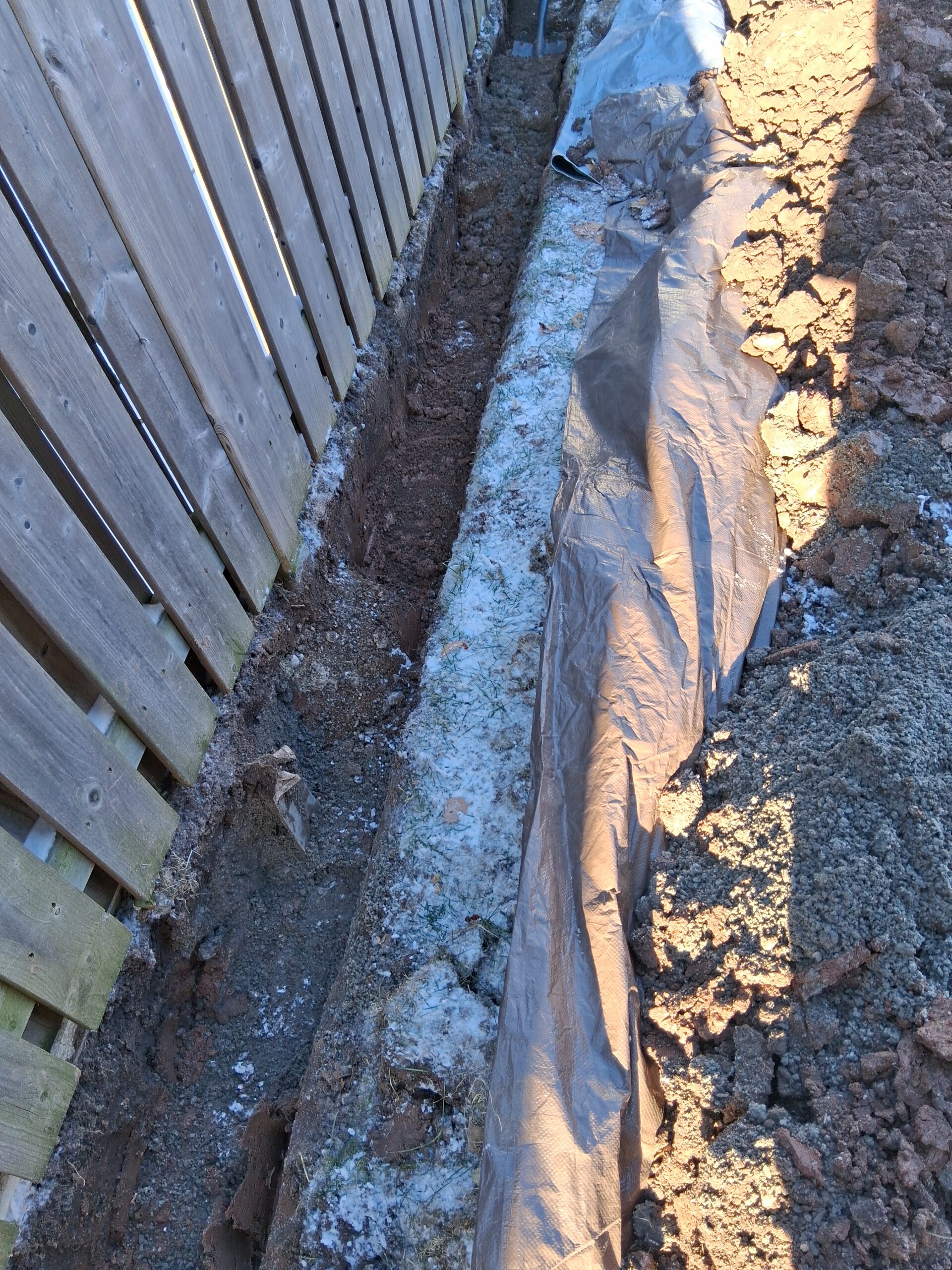
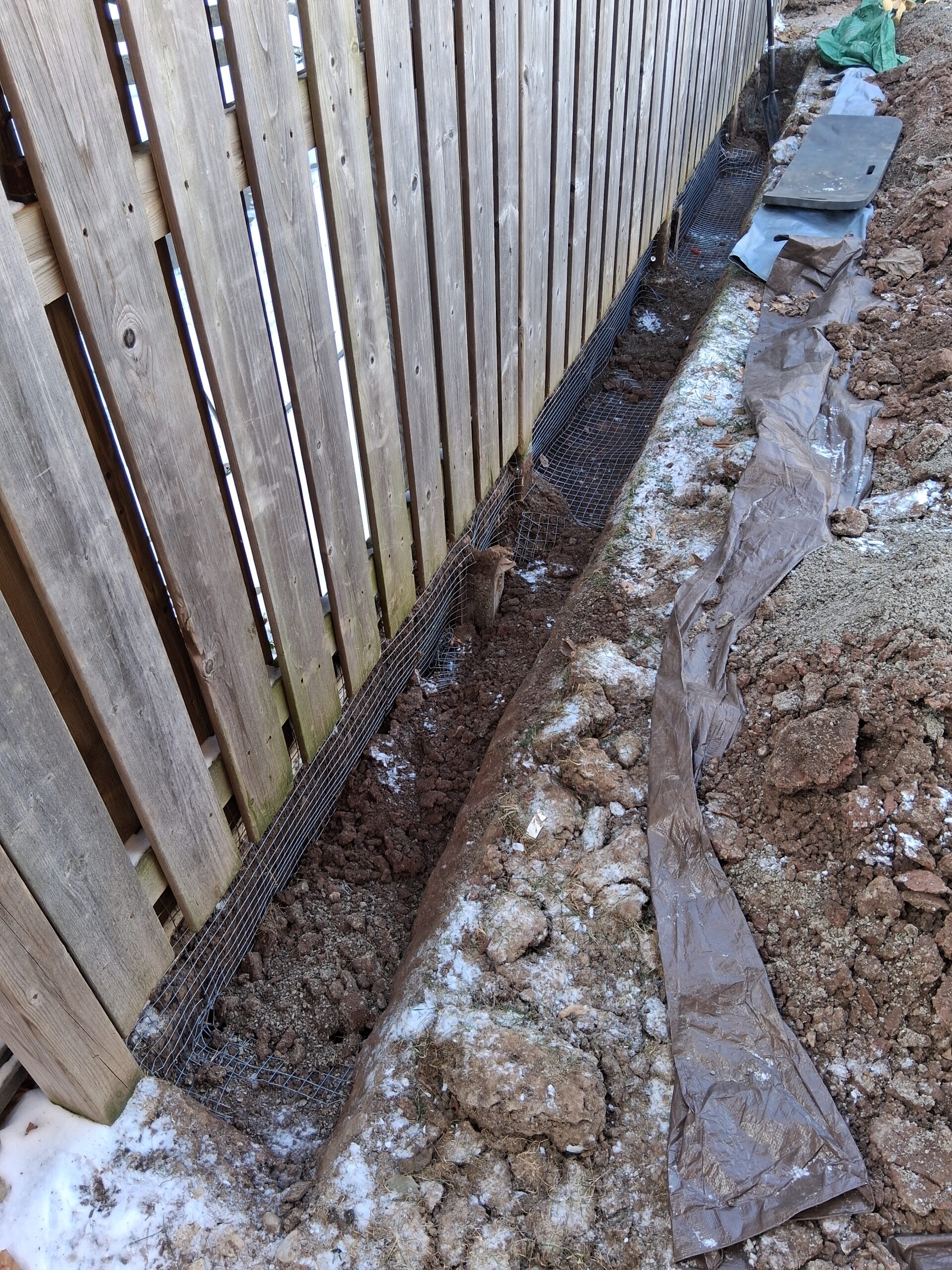
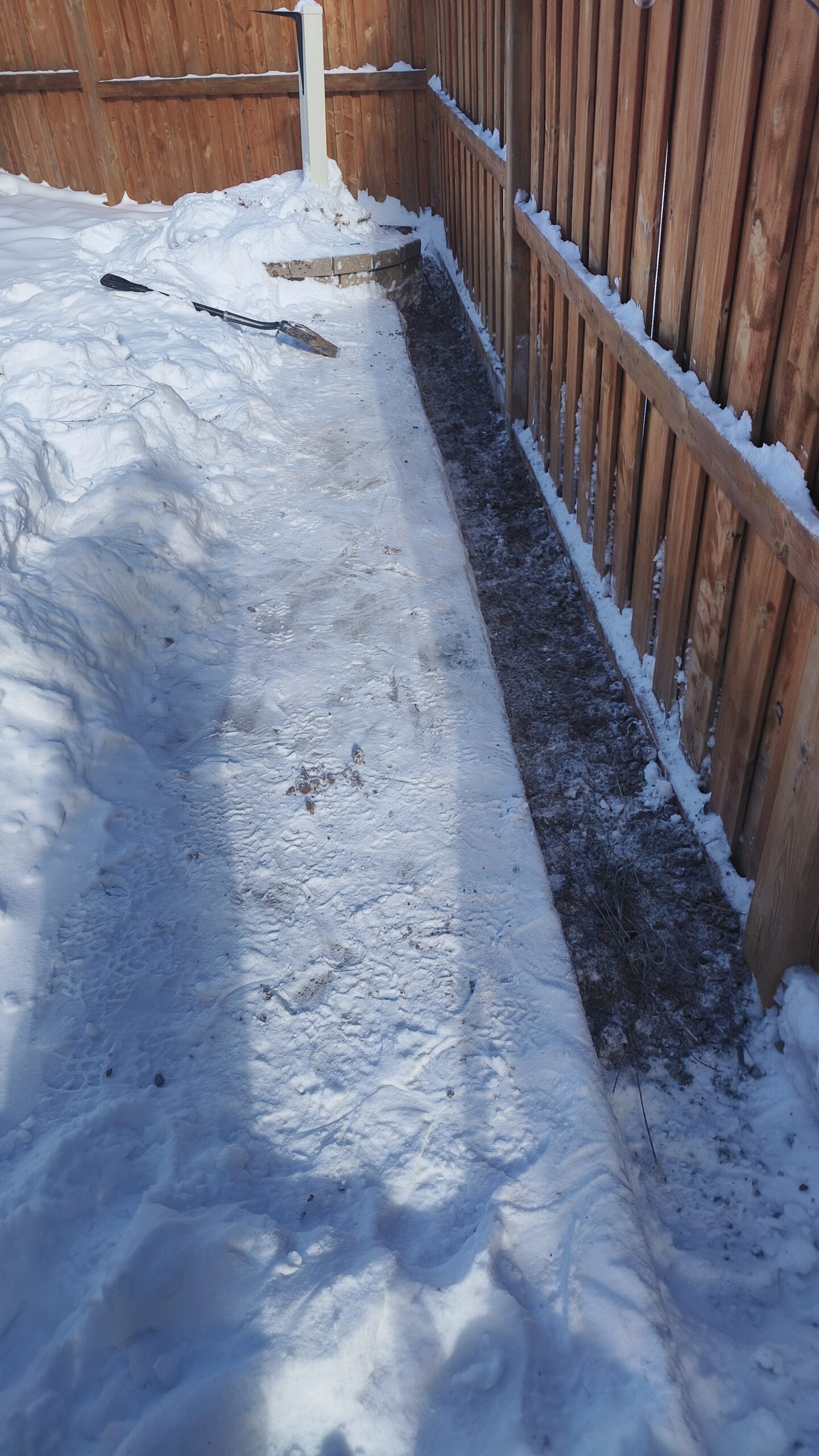
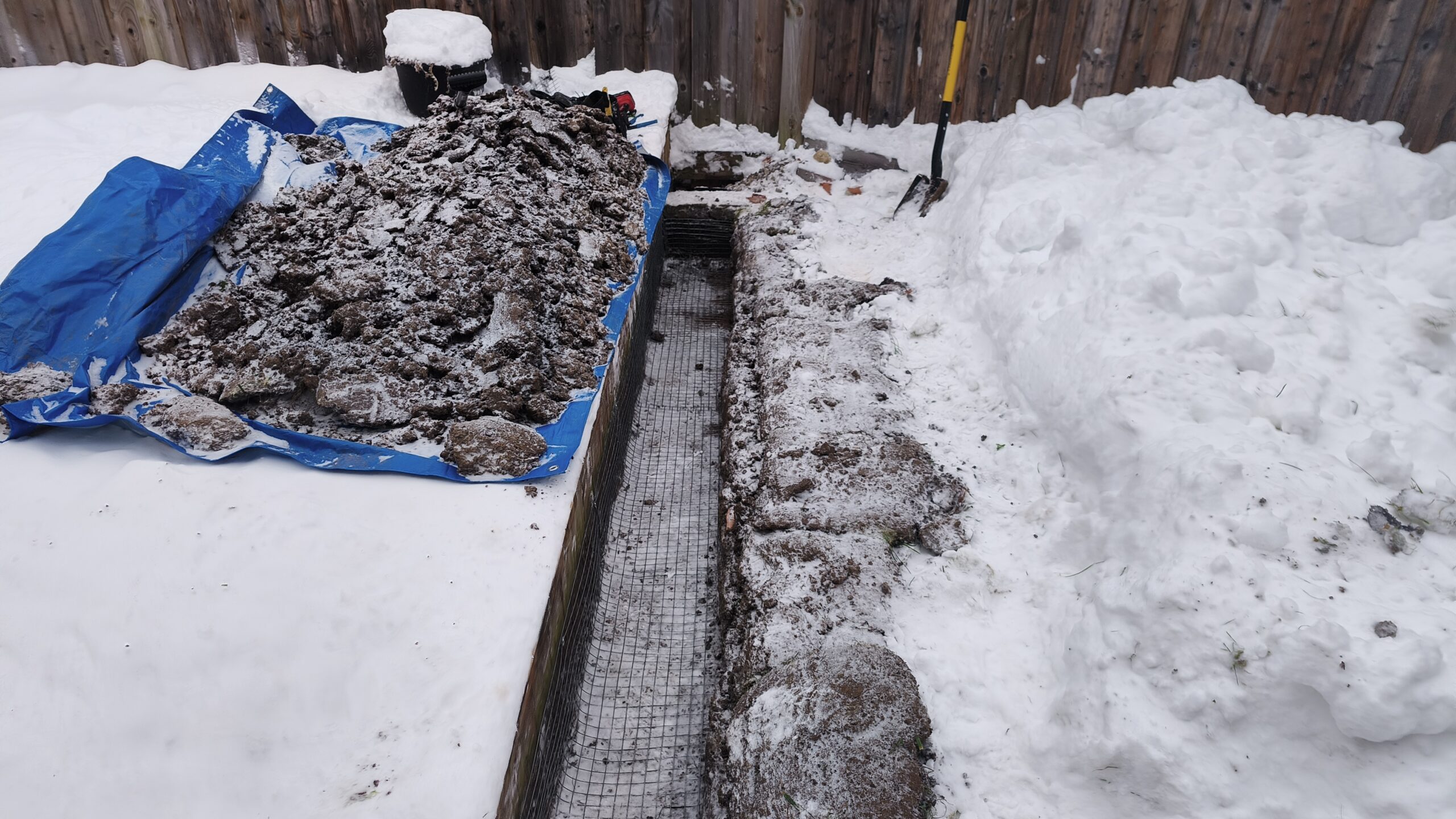
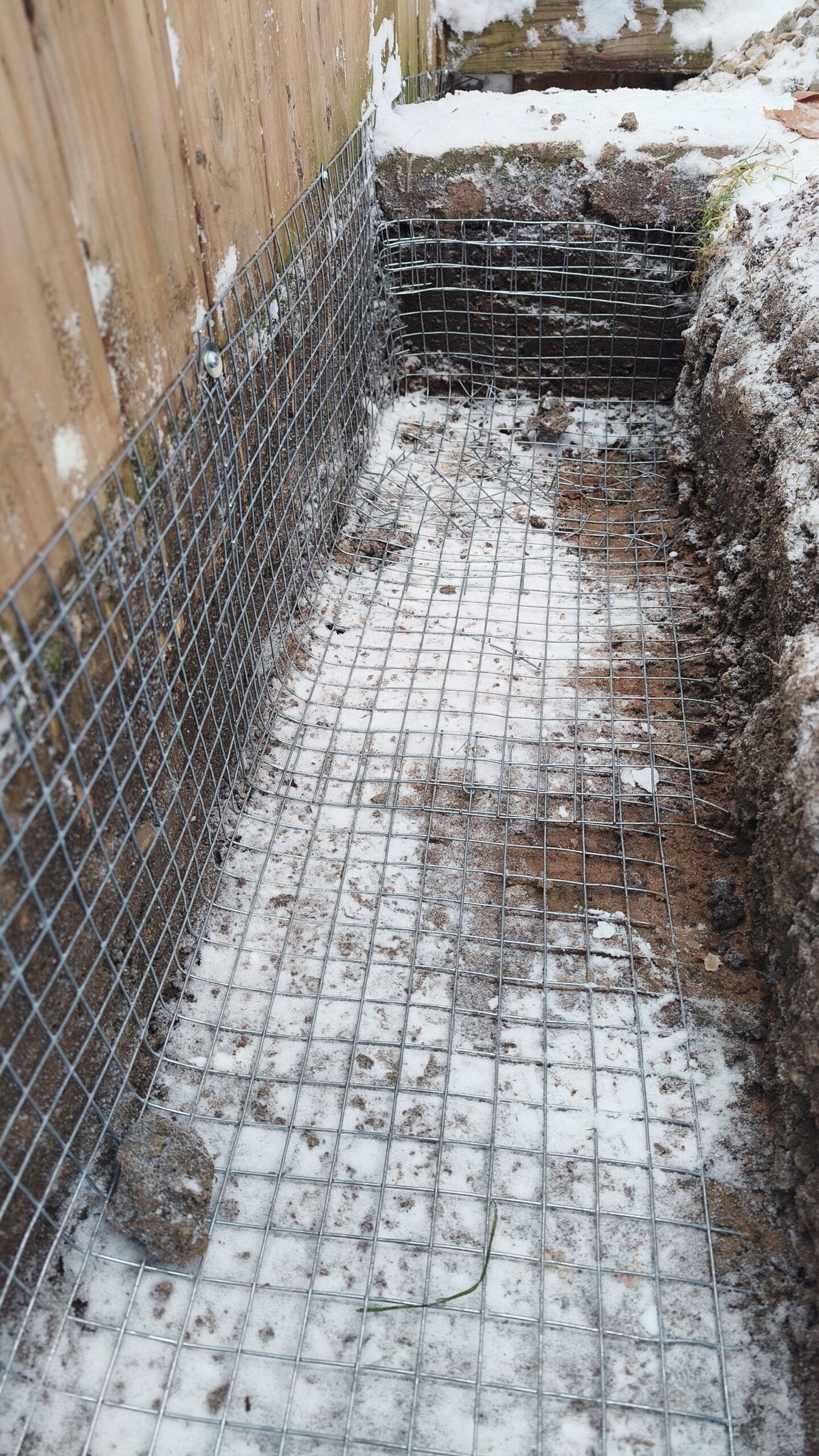
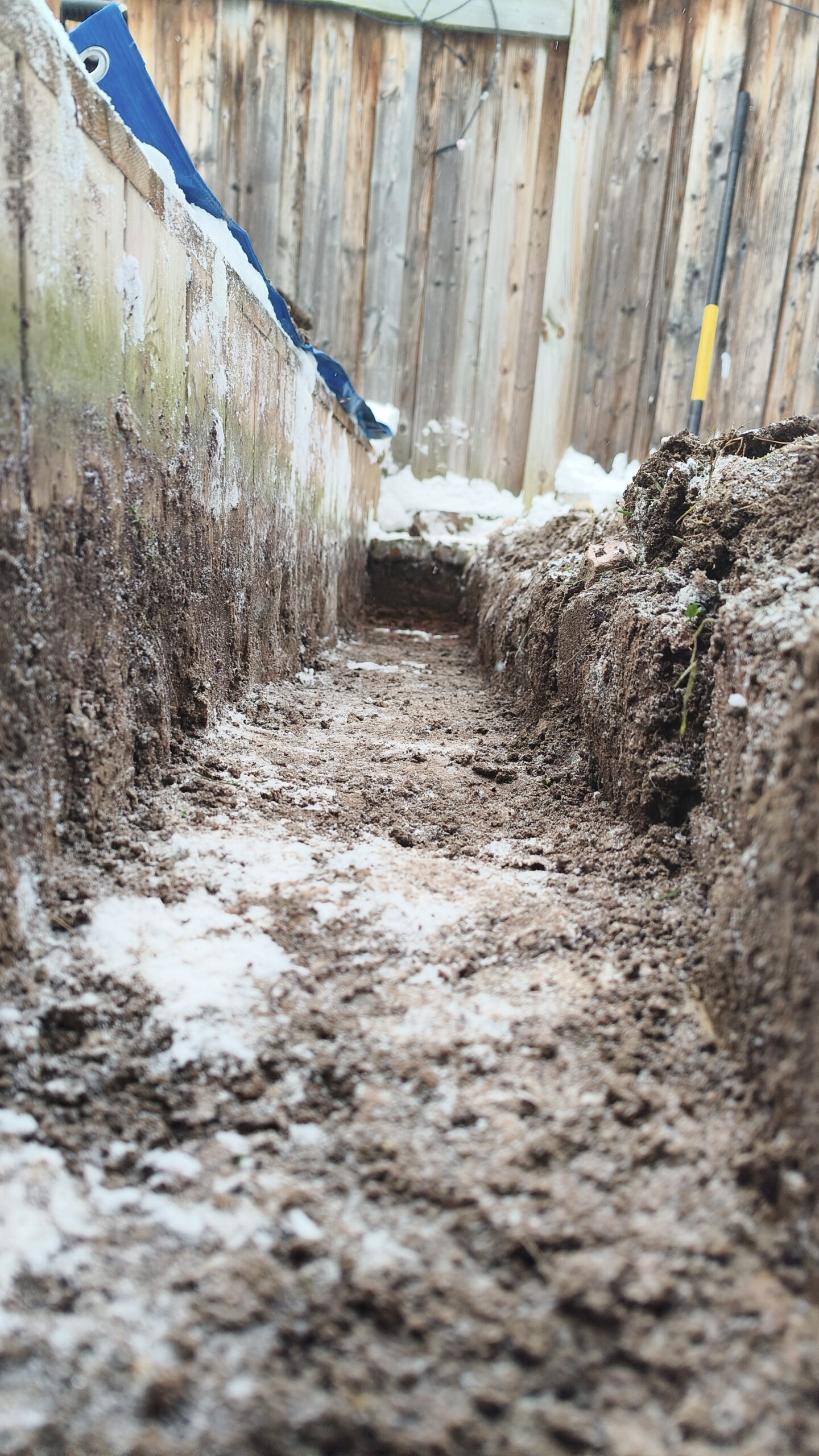
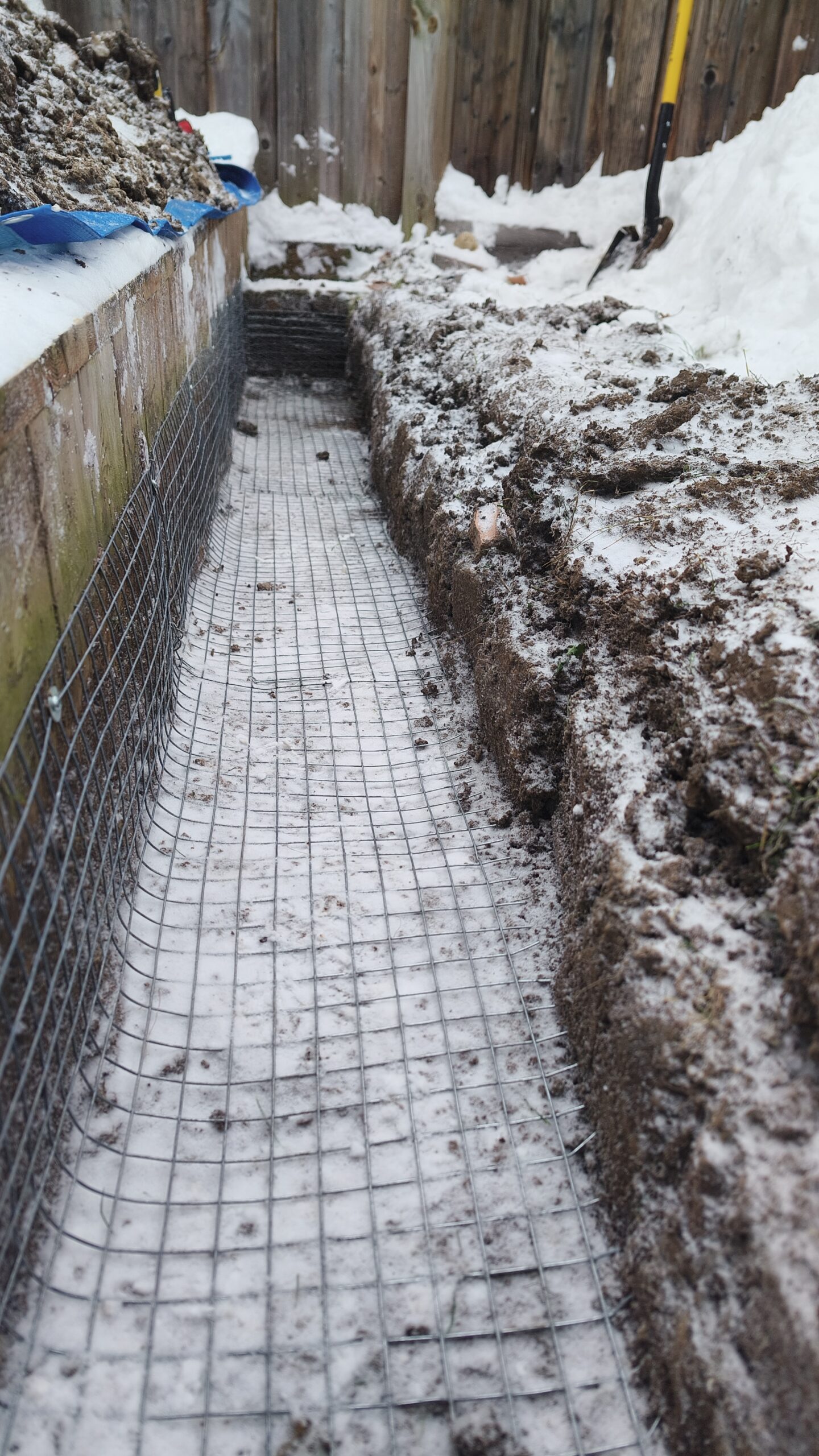
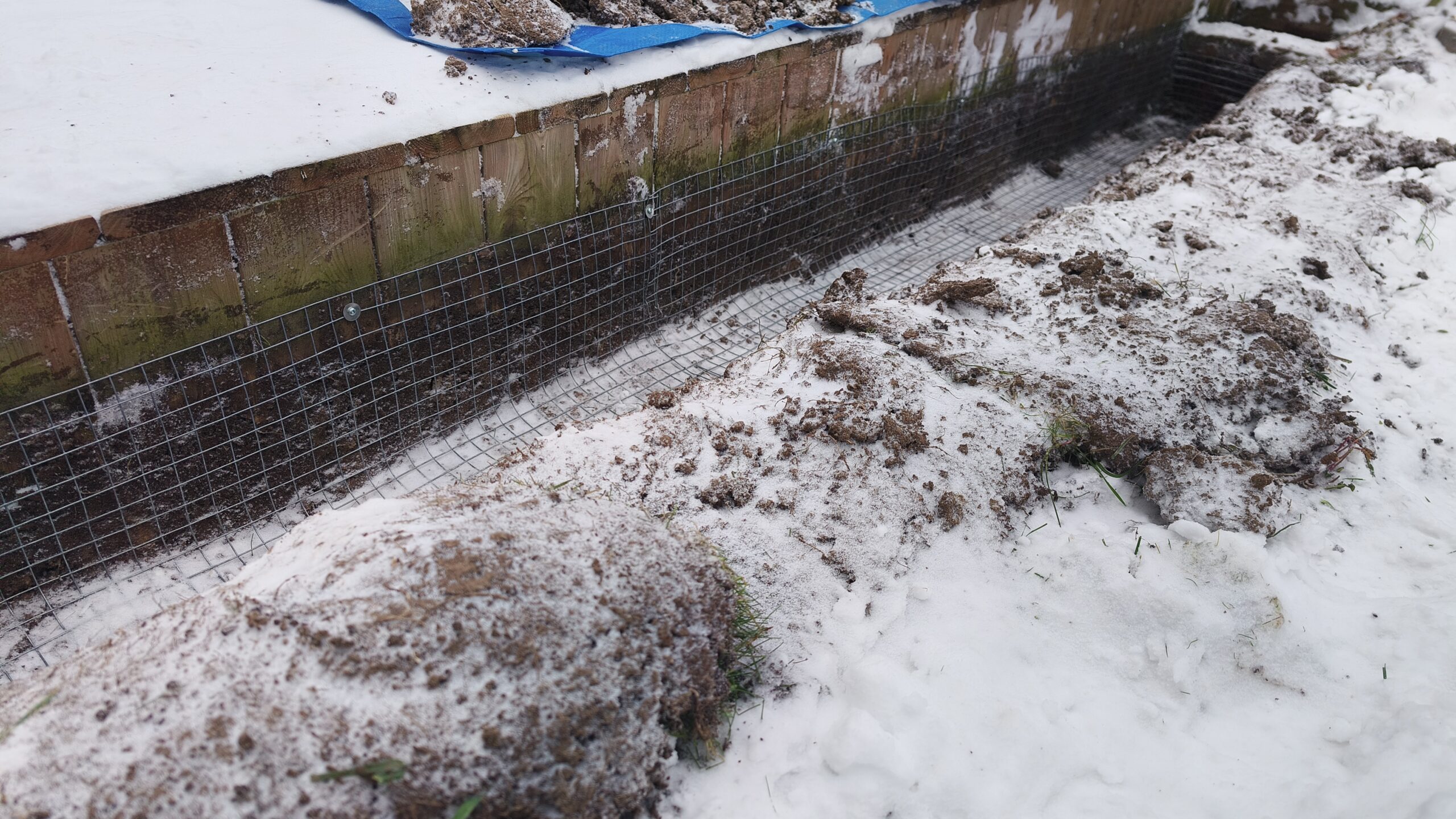
Below-grade perimeter screening
$25 to $45 per linear foot
Debris removal & sanitization
$150 to $400
Before Handling Rabbits, Know the Law
It’s tempting to get rid of bunnies on your own. Before you do that, there are legal requirements you should be aware of. Relocating nuisance wildlife is tightly regulated in Ontario. If a rabbit is live-captured due to property damage concerns, provincial regulations require it to be released within 1 kilometre of where it was captured.
The goal is to keep wildlife within its familiar territory and prevent animals from being transported and released far away.
Need Rabbit Control Services?
Burlington residents rely on the Critter Hero team to assess rabbit infestations and provide removal services in Burlington, Canada. Request a free estimate today, and our experienced team will respond promptly.
Frequently Asked Questions
-
Why do rabbits keep returning to my yard?
Rabbits return to properties that consistently provide food, shelter, and protection from predators. If your yard has dense landscaping, ornamental plants, vegetable gardens, or sheltered nesting areas, rabbits may view it as ideal habitat. -
Do rabbits use the same nesting area every year in Burlington properties?
Rabbits often return to locations that have successfully provided shelter in the past. While they may not use the exact same nest annually, they frequently establish new nests within the same area if suitable cover remains available. -
Why are rabbits attracted to gardens and lawns in Burlington?
Gardens and lawns provide a steady source of food that rabbits naturally seek. Vegetables, flowers, newly emerging shoots, clover, and tender plant growth are all attractive food sources. Gardens also tend to be located near shrubs, fences, and landscaping that offer quick access to protection from predators. -
Why do Burlington property owners see more rabbits in spring?
Spring marks the beginning of the breeding season, which makes rabbits much more noticeable in residential neighbourhoods. Adult rabbits spend more time feeding to support reproduction, while young rabbits begin exploring beyond their nests as they mature. -
Why are my plants damaged even though I rarely see rabbits?
Rabbits are most active around dawn, dusk, and during quieter periods, so they can feed without being noticed. They may also move quickly through gardens and retreat into nearby vegetation or other sheltered areas. Cleanly clipped stems, low-level feeding damage, and rabbit droppings can provide better evidence than a direct sighting. -
Can landscaping accidentally create shelter for rabbits?
Yes. Dense shrubs, tall grass, brush piles, stacked materials, and overgrown areas can provide rabbits with places to hide near food sources. This combination can make a landscaped property particularly attractive. Reducing unnecessary cover while protecting desirable plants can make the property less attractive to rabbits. -
Why does rabbit control sometimes require more than one visit?
A property may have multiple feeding areas, shelter locations, or access routes that are not obvious during the first inspection. Follow-up work may also be necessary when exclusion measures need to be installed or adjusted. -
What is the best way to keep rabbits out of my garden?
Physical exclusion is generally more dependable than relying on repellents alone. A properly installed wire or hardware-mesh fence can protect garden beds and individual plants, particularly when the lower edge is secured against digging. -
Will rabbit repellents stop rabbits from coming back?
Repellents can sometimes reduce feeding activity, but they are not always a lasting solution. Rabbits can become accustomed to deterrents, and products often need to be reapplied. Where rabbits have reliable access to food and shelter, physical exclusion is generally a more dependable long-term approach.
- What Draws Rabbits to Burlington Neighbourhoods?
- Rabbits Also Invade Golf Courses
- Signs Bunnies May Be Nesting Nearby
- Removal Process that Prioritizes Animal Safety
- Protecting Your Landscaping Plants from Rabbits
- Average Cost of Our Services
- Before Handling Rabbits, Know the Law
- Need Rabbit Control Services?
- Frequently Asked Questions
- Why do rabbits keep returning to my yard?
- Do rabbits use the same nesting area every year in Burlington properties?
- Why are rabbits attracted to gardens and lawns in Burlington?
- Why do Burlington property owners see more rabbits in spring?
- Why are my plants damaged even though I rarely see rabbits?
- Can landscaping accidentally create shelter for rabbits?
- Why does rabbit control sometimes require more than one visit?
- What is the best way to keep rabbits out of my garden?
- Will rabbit repellents stop rabbits from coming back?











Our service areas
…by providing award winning customer service to each and every single client.
- Hamilton
- Burlington
- Milton
- Stoney Creek
- Niagara Falls
- St. Catharines
- Brampton
- London
- Mississauga
- Oakville
- Toronto
- Brantford
Call or Email Us
Reach Out To Us For Inquiries, Support, Or Partnership Opportunities, We’re Here To Assist.

-

Satisfaction Guarantee
Your satisfaction is our priority. We stand by our work and ensure high-quality service.
-

15 Years Experience
Our team has been providing efficient and humane wildlife removal services for over 15 years.
-

WSIB & Insured
Licensed, insured and trained professionals with efficient technology to get the job done right.