28 Feb 2026
Signs a Raccoon Has Rabies: What Homeowners Should Look For
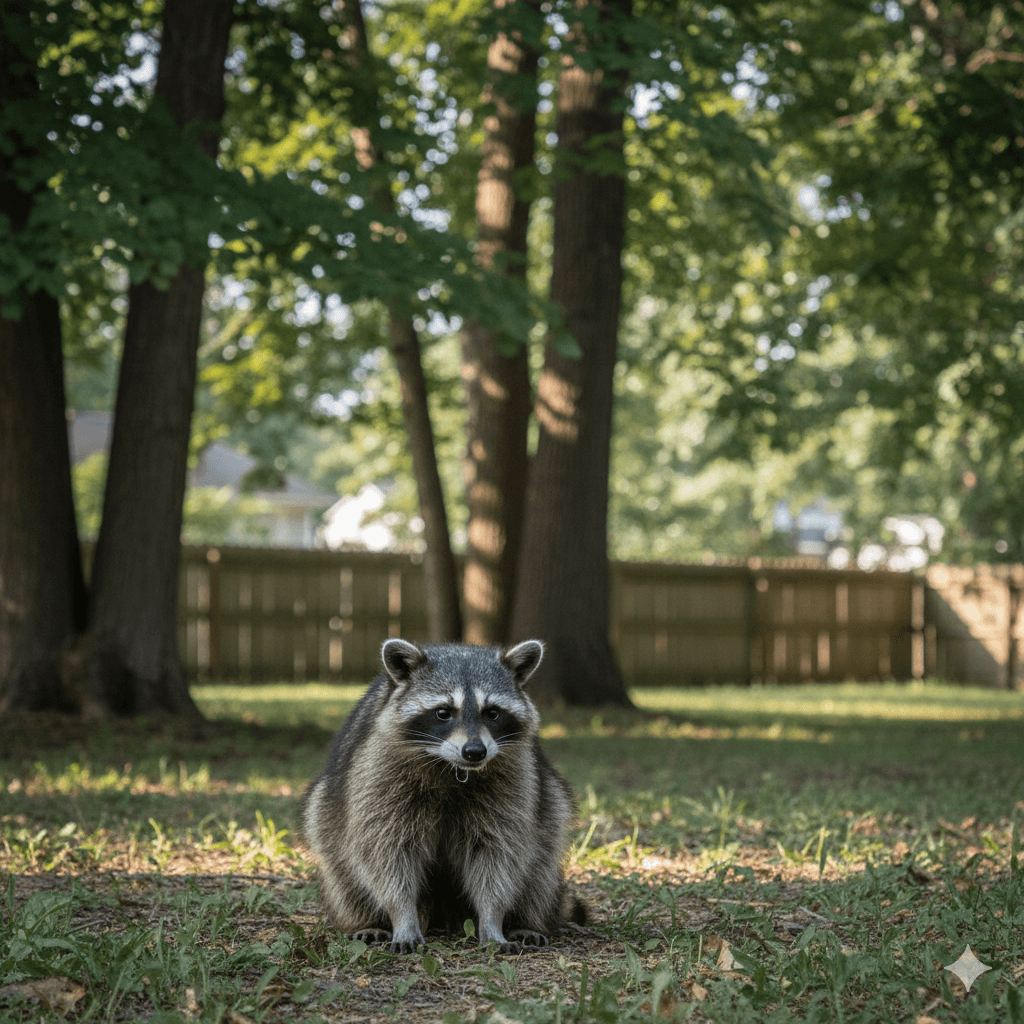
If a raccoon is hanging around your yard and something just feels off, trust your instincts. Rabies isn’t the most common thing we see at Critter Hero, where our team specializes in humane wildlife removal, but when it shows up, the signs can be pretty noticeable. Let’s walk through what to look for so you know when it’s time to call for help.
What Is Rabies and How Do Raccoons Get It?
Rabies is a virus that affects the brain and nervous system. Raccoons usually catch it from bites and, once infected, their behavior changes fast. You don’t need to know the science behind it. Just picture a raccoon whose brain isn’t firing the way it should. That’s why they start doing things that don’t seem normal at all.
Early Behavioral Changes in Rabid Raccoons to Watch For
Early signs can be easy to miss. A healthy raccoon is sharp and aware. A sick one, not so much.
Common early clues:
- Wandering without purpose
- Slow reactions to noise or movement
- Acting confused or spaced out
- Walking awkwardly or dragging limbs a bit
We once had a homeowner tell us, “It looked like it forgot how to be a raccoon.” That’s actually pretty accurate.
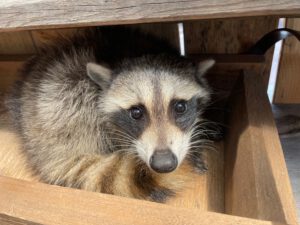
Physical Symptoms That May Indicate Rabies
Behavior tells you part of the story, but physical symptoms really raise the concern.
Drooling or foaming
This happens because the raccoon can’t swallow normally anymore. The saliva builds up and spills out, giving that classic “foaming” look people associate with rabies.
Shaking or jerky movements
The virus affects the nervous system, so the raccoon may twitch, tremble, or move in sudden, uneven bursts. It almost looks like it’s struggling to control its own body.
Trouble standing or walking straight
A rabid raccoon may wobble, stumble, or fall over while walking. It’s similar to someone losing their balance over and over, even when nothing is in their way.
Injuries that look infected
Rabid raccoons often have bite marks or wounds from encounters with other animals. Since they stop grooming and caring for themselves, these injuries can look swollen, crusty, or untreated.
Dirty or matted fur from lack of grooming
Healthy raccoons groom constantly. A sick one won’t bother, so its fur may look greasy, patchy, or tangled, like it hasn’t cleaned itself in a long time.
Advanced Signs of Rabies in Raccoons
This is usually the stage when people decide to call Critter Hero for professional raccoon removal because the symptoms become hard to ignore.
More serious signs include:
- Sudden aggression
- Loud, unusual noises
- Twitching or seizures
- Collapsing or lying still without moving away
Once a raccoon reaches this point, the safest thing to do is keep back and let professionals step in.
How Rabid Raccoons Behave Around Humans and Pets
Rabid raccoons don’t behave like normal wildlife. They may:
- Walk toward people or pets
- Wander onto porches or patios
- Circle one area repeatedly
- Ignore things that would usually scare them off
If a raccoon is acting bold or strangely calm, don’t assume it’s friendly. Sick animals often lose their natural instincts.
When to Call Wildlife Removal or Animal Control
Critter Hero has a simple rule: If a raccoon is acting strangely, let us take a look.
Call a professional if the raccoon:
- Shows more than one concerning symptom
- Appears unafraid of people
- Approaches pets or stays near your home
- Looks sick or injured
- Acts oddly during the day
Trying to chase it off yourself isn’t worth the risk. We have the gear, training, and vaccines to handle it safely through our humane wildlife removal services. Call Critter Hero today at +1 [289] 855-4376!
Humane wildlife removal across Hamilton & GTA with over 15 years of experience.
Explore
Company
Address
- What Is Rabies and How Do Raccoons Get It?
- Early Behavioral Changes in Rabid Raccoons to Watch For
- Physical Symptoms That May Indicate Rabies
- Drooling or foaming
- Shaking or jerky movements
- Trouble standing or walking straight
- Injuries that look infected
- Dirty or matted fur from lack of grooming
- Advanced Signs of Rabies in Raccoons
- How Rabid Raccoons Behave Around Humans and Pets
- When to Call Wildlife Removal or Animal Control